
REVIEW · TEA CEREMONY EXPERIENCES
Kyoto Fushimiinari:Wagashi Making & Small Group Tea Ceremony
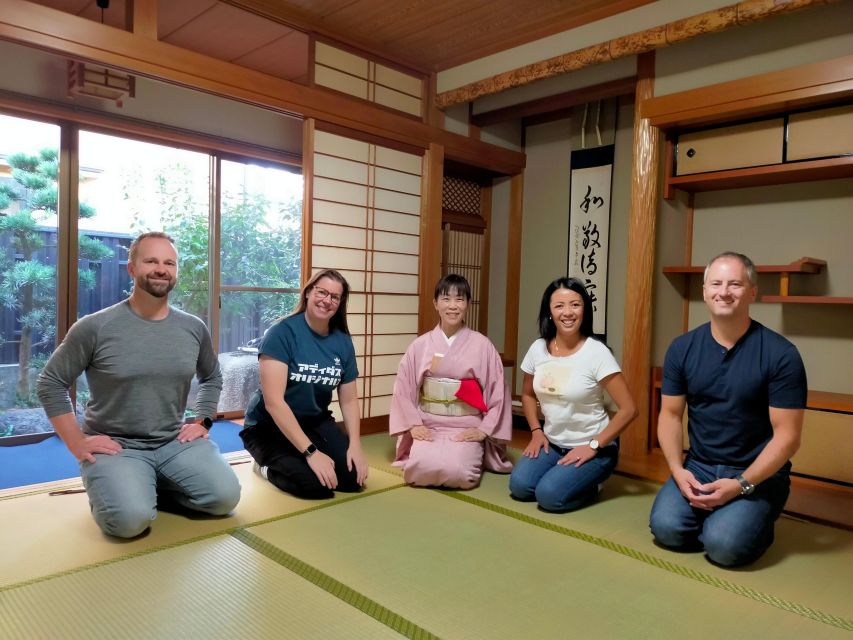
Making a Japanese sweet with your own hands, then eating it before a bowl of matcha, is the heart of this Kyoto experience. You visit a local house, work in the kitchen, and later sit on tatami in an authentic Japanese-style room with a garden nearby.
I like the hands-on wagashi class, which gives you something useful to take home in your head, not just another photo. I also like the calm, small-group setting and clear English instruction, including the friendly help provided by Miho and the tea master.
The main thing to consider is the traditional floor seating. Chairs and tables are available if you request them ahead of time, but this activity is not suitable for wheelchair users, and children under eight cannot join. You must also wear socks, since bare feet are not allowed.
In This Review
- Key points at a glance
- A quiet Kyoto pause near Fushimi Inari
- Making wagashi in the kitchen
- Walking through the tiny garden
- Understanding the tea ceremony before you try it
- Watching the matcha preparation
- What the small group changes
- Price, timing, and practical value
- Seating, photography, and clothing
- Who will enjoy this Kyoto experience
- Should you book it?
- FAQ
- How long does the wagashi and tea ceremony experience last?
- How many people can join the group?
- Is the instruction available in English?
- Do I prepare my own matcha?
- Can I use a chair instead of sitting on the tatami floor?
- What should I bring, and are there photography rules?
Key points at a glance
- Make your own Japanese sweet: Prepare one type of wagashi in a hands-on kitchen class rather than watching a demonstration.
- Taste your work during tea ceremony: Your freshly made sweet is served before matcha, making the lesson feel connected from start to finish.
- Whisk your own matcha: You receive two bowls of matcha, including one you prepare with a bamboo tea whisk.
- Enter a quiet Japanese room: The ceremony takes place in a tatami room reached through a tiny garden when weather allows.
- Learn the meaning behind the ritual: Your English-speaking instructor explains tea manners, the history of tea, and the hanging scroll in the alcove.
- Keep the group intimate: A maximum of six participants gives you room to ask questions and follow the steps at your own pace.
A quiet Kyoto pause near Fushimi Inari
This 75-minute activity offers a useful change of pace from Kyoto’s crowded sightseeing stops. The setting is a local house with Japanese-style rooms and a garden view, so the appeal is not grand architecture or a long list of sights. It is the chance to slow down and take part in a small cultural ritual.
The house is especially well placed if you are spending time around Fushimi Inari. The activity is not a tour of the shrine, and hotel pickup is not included, so you will need to make your own way there. Still, its location makes it easy to pair with a morning or afternoon in southern Kyoto.
The group limit of six matters. Tea ceremony can feel stiff when presented to a large crowd, with everyone watching from a distance. Here, you have a better chance to hear the explanations, ask about unfamiliar customs, and actually handle the tools yourself.
The English-speaking instructors are licensed guide interpreters, which is important for this sort of activity. Tea ceremony has small gestures that are easy to copy without understanding. Clear explanations help you see why you bow, how you receive the sweet, and how the bowl is handled.
More Tea Ceremony Experiences in Kyoto
- Kyoto: Tea Ceremony in a Traditional Tea House in Kiyomizu
★ 4.9 · 3,519 reviews - Kyoto: Tea Ceremony Ju-An at Jotokuji Temple
★ 4.9 · 3,207 reviews - Kyoto: 45-Minute Tea Ceremony Lesson Experience
★ 4.3 · 2,378 reviews
Making wagashi in the kitchen
Your visit begins when an English-speaking host welcomes you and takes you to the kitchen. The first task is making one kind of wagashi, the traditional Japanese confection served with tea.
This is a hands-on class, not a cooking show. You follow instructions, shape the sweet, and learn how it is prepared. The exact confection changes with the season, so do not expect the finished item to look exactly like a particular photograph.
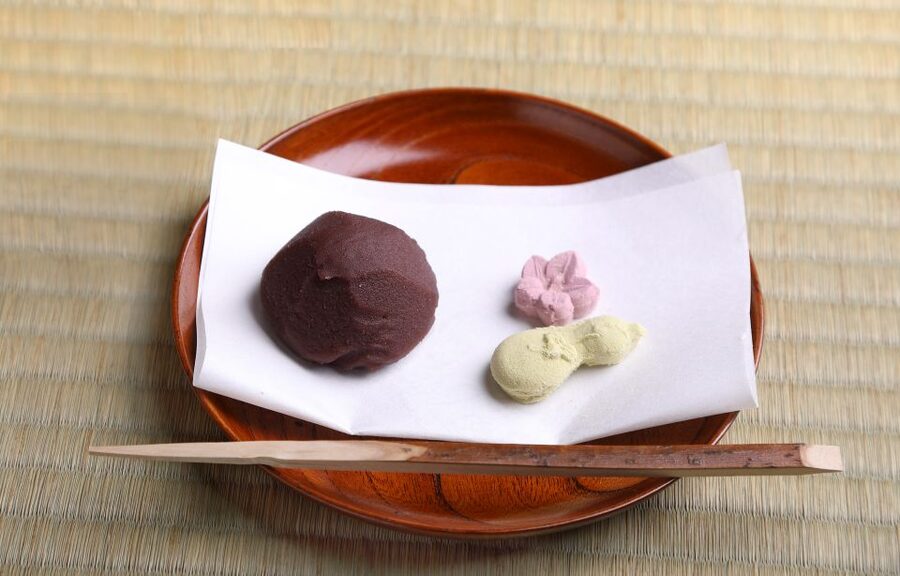
The information gives mochi with red bean paste and white bean paste as one possible result. Those fillings are familiar Japanese flavors, but the activity is not limited to one fixed sweet all year. Seasonal changes are part of the point, since wagashi often reflects the time of year through its color and shape.
I like this opening because it gives you an immediate job to do. You are not asked to sit quietly for the first half-hour while someone else performs. You make something, see how it comes together, and then use it in the tea ceremony that follows.
The class also gives you a better sense of wagashi than simply buying a packaged sweet at a station. You learn that these small confections are designed to be eaten thoughtfully, often alongside tea. Their size and appearance are part of the experience, not decoration added at the last minute.
Food restrictions and allergies should be shared in advance. The information does not promise that every restriction can be accommodated, so contact the provider before booking if you have a serious allergy or a strict diet.
Walking through the tiny garden
After the wagashi class, the host explains how to attend the tea ceremony and reviews manners for the Japanese room. If the weather is dry, you then walk through a small garden before entering the tea room. When it rains, the route or garden portion may change.
This short transition is more than a scenic pause. Traditional tea settings often use a garden path to separate everyday life from the quiet room. Here, the garden is tiny rather than formal or expansive, but it helps mark the move from the practical kitchen lesson to the more reflective ceremony.
Do not book this activity expecting a major garden visit. The garden view is a pleasant part of the setting, not a standalone attraction. Its value comes from the mood it creates before you sit down.
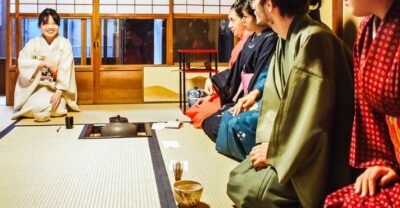
The ceremony room is Japanese style, with tatami flooring and an alcove at the back. The instructor explains the hanging scroll in that alcove, including its meaning within the room. That detail is useful because it shows that the room is arranged with purpose. You are not just sitting in a pretty space while tea is prepared.
Understanding the tea ceremony before you try it
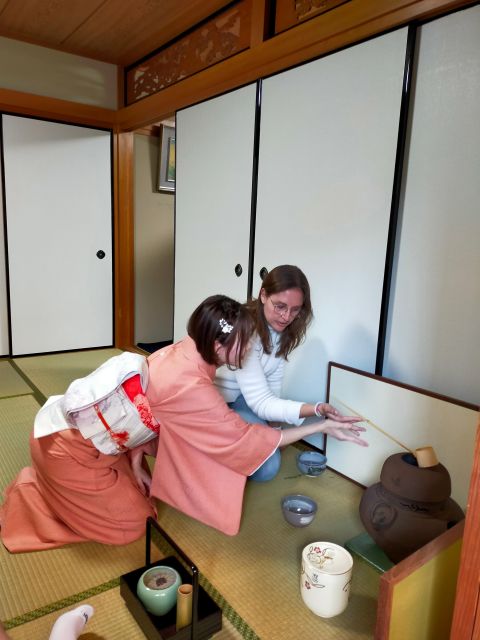
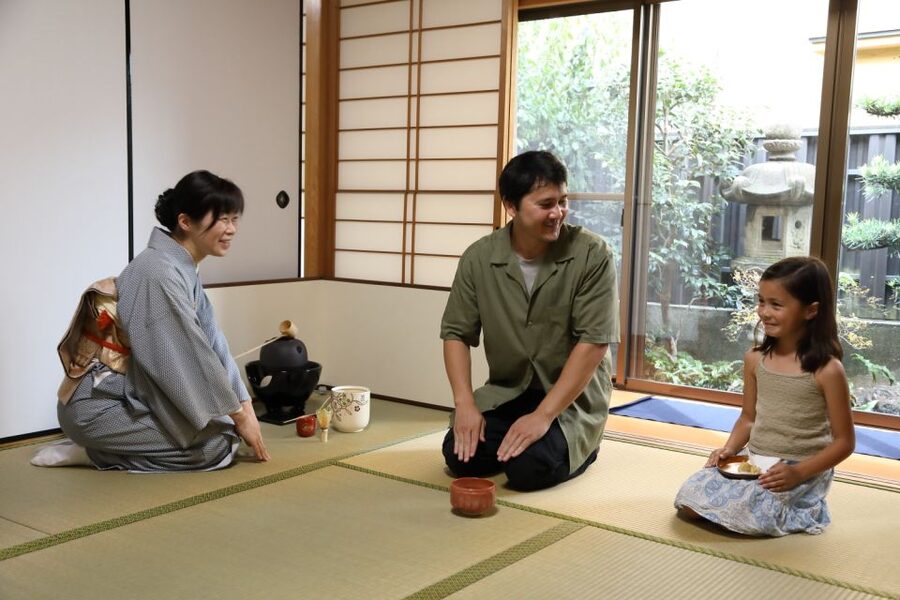
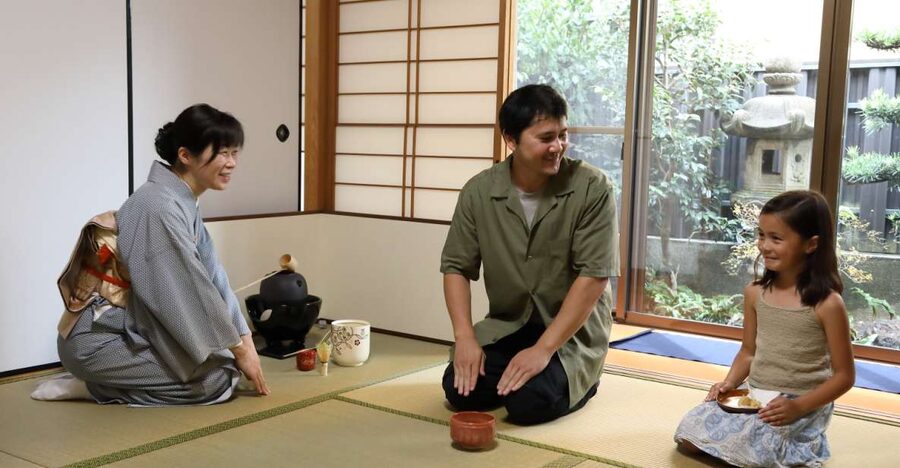
Once seated on the tatami, you learn about the history of tea and the basic ideas behind tea ceremony. The instructor also explains how to eat the sweet and how to drink matcha.
This introduction makes the ritual easier to follow. Without it, the sequence can seem full of rules. With it, you can pay attention to the order of events and the small acts of respect involved.
The tone is informative without being harsh or overly formal. You are shown the proper way to take part, but you are not expected to behave like a tea master by the end of 75 minutes. The activity is designed so participants can join at their own pace.
That relaxed approach is one of its strengths. You receive cultural context without being made nervous about making a mistake. You can concentrate on learning rather than worrying that one awkward movement has ruined the ceremony.
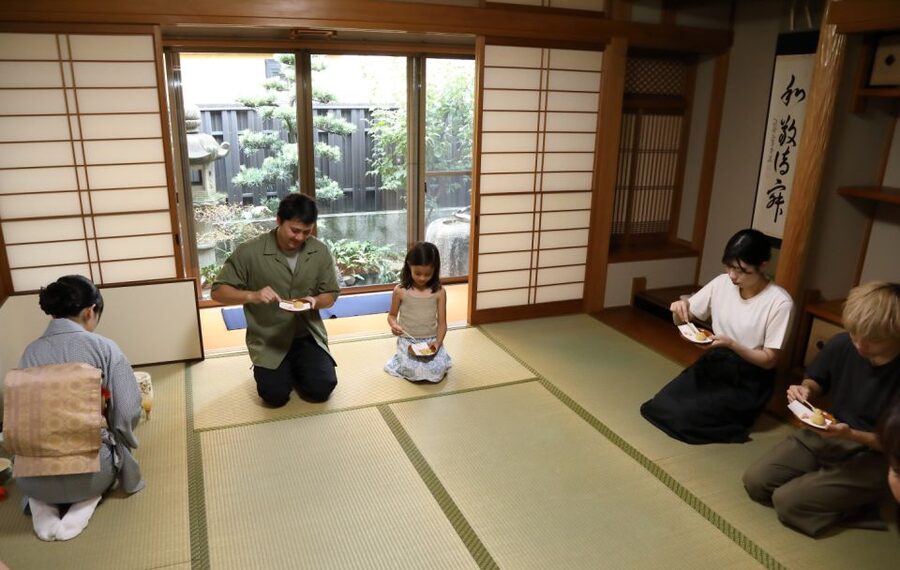
The explanations also give the wagashi a clear role. You first make the sweet, then learn how it is eaten before tea, and finally taste it in the proper setting. The result feels like one connected lesson rather than two unrelated activities.
Same city, a completely different kind of day:
- PERFECT KYOTO 1-Day Bus Tour
★ 5.0 · 13,518 reviews - Kyoto: Fushimi Inari, Kinkakuji, Bamboo Grove 1 Day Bus Tour
★ 4.8 · 4,316 reviews - Kyoto Geisha Walking Tour: Gion District & Hidden Gems
★ 4.7 · 3,273 reviews - Kyoto: Gion Magical Night Walking Tour with Geisha Trivia
★ 4.9 · 2,393 reviews
Watching the matcha preparation
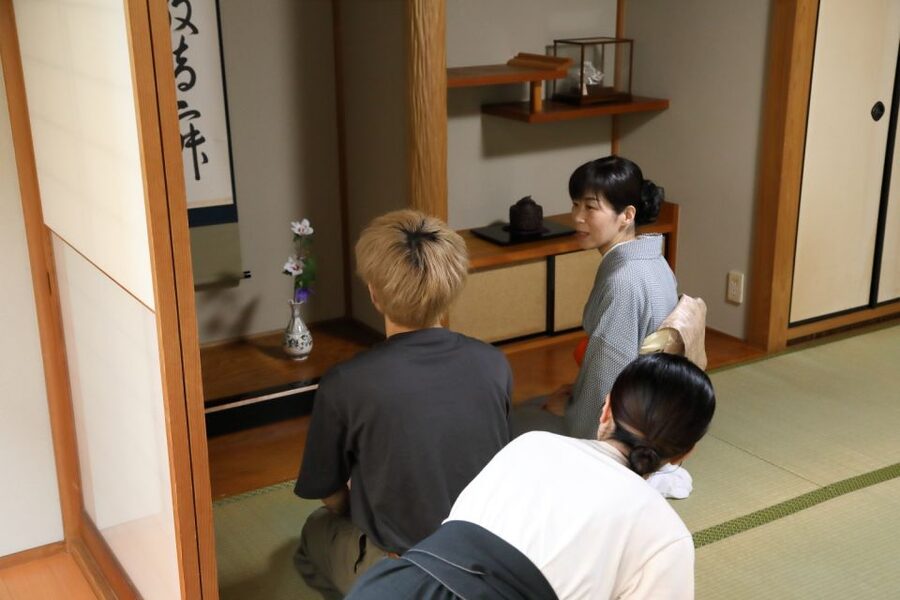
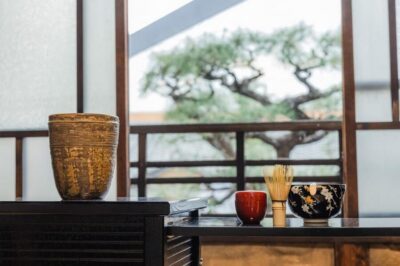
The tea master then demonstrates the ceremonial preparation of matcha. You watch the measured movements, the use of the bowl, and the bamboo whisk before receiving your own serving.
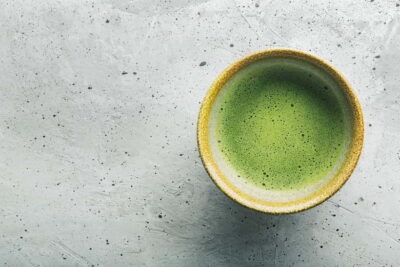
Two bowls of matcha are included. One is prepared for you, and the other is the bowl you make yourself. This arrangement is useful because you taste matcha prepared by someone experienced before trying to copy the technique.
Matcha has a distinctive flavor that can be grassy, bitter, or lightly sweet depending on your palate. The wagashi provides the sweet balance traditionally served with it. If you have never had matcha before, the confection helps make the first taste more approachable.
The demonstration also gives you time to notice the ceremony’s rhythm. It is not simply a matter of stirring green powder into hot water. The quiet movements, the bowl, and the way you receive the tea all form part of the experience.
After the demonstration, the host shows you how to make one bowl of matcha. You use a bamboo tea whisk and prepare it yourself. You will not leave with a professional tea certificate, but you will understand the basic method well enough to serve matcha to friends or family.
That practical takeaway gives the class lasting value. Many cultural activities end when you walk out the door. Here, you leave with a skill you can repeat at home, provided you have matcha, a bowl, and a whisk.
What the small group changes
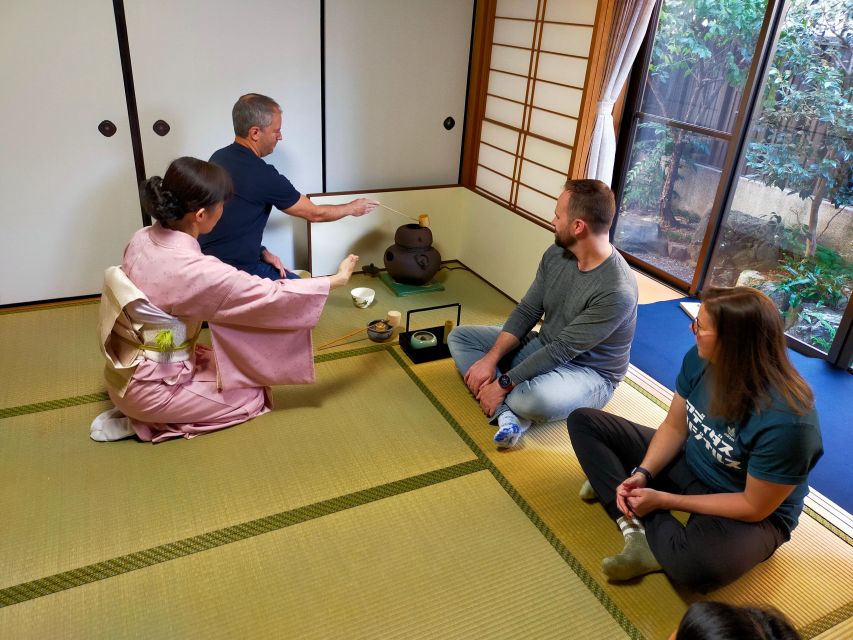
Six participants is the maximum, and that limit suits the format. Everyone needs to see the demonstration, handle ingredients, and have a turn with the whisk. A larger group would make the kitchen lesson slower and the tea ceremony harder to follow.
Small groups also make questions easier. The instructors can explain Japanese customs in plain English, and you can ask about the ceremony rather than simply copying the person in front of you.
Miho is specifically praised as a warm and capable host, while the tea master is described as friendly and happy to answer questions about Japanese culture. Those personal exchanges are a useful part of the activity. You get more than a memorized speech when the instructor can respond to what interests you.
The relaxed style is also helpful for first-time participants. You do not need prior knowledge of tea ceremony, Japanese sweets, or formal etiquette. You do need patience, a willingness to follow instructions, and respect for the room.
Price, timing, and practical value
At $55 per person, this is not the cheapest way to drink matcha in Kyoto. You can buy tea and sweets for far less at a café. The price makes more sense if you want instruction, cultural explanation, access to a private home, and the chance to prepare both wagashi and matcha yourself.
The 75-minute length is efficient. It is long enough to include the sweet-making class, the explanation of manners, the garden transition when possible, the ceremony, and your own matcha preparation. It is short enough to fit around a day of sightseeing.
I would see this as a focused cultural session rather than a major half-day event. You will not spend hours learning several kinds of sweets or studying every detail of tea ceremony. You learn one confection and the basic process for one bowl of matcha.
That limited scope is a benefit for many people. You get a clear introduction without committing a whole afternoon. If you want a serious culinary course or advanced tea training, this will feel brief. If you want one well-organized taste of both traditions, the timing works well.
Free cancellation is available up to 24 hours before the activity for a full refund, and you can reserve now and pay later. Starting times vary, so check availability when planning your day.
Seating, photography, and clothing
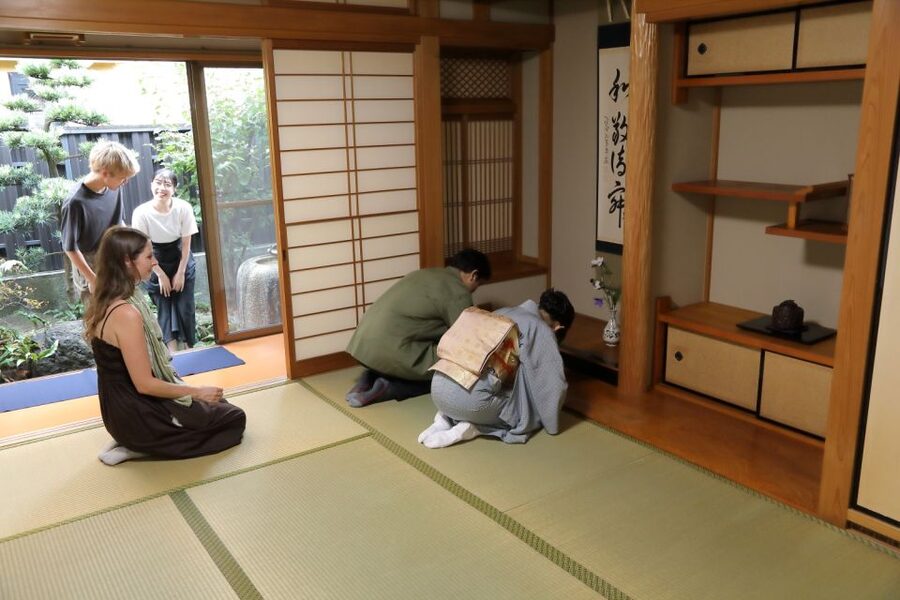
Wear socks. Bare feet are not allowed in the house or tea room, and this is an easy detail to miss when packing for Japan.
The ceremony normally involves sitting on the tatami floor. Chairs and tables can be arranged for people who find floor seating difficult, but you need to request that in advance. If you have knee, hip, or mobility concerns, make that request before your visit rather than hoping to solve it at the door.
Wheelchair users cannot join this activity. Children under eight are also not permitted, so this is better suited to older children, adults, couples, solo visitors, and small groups of friends.
Flash photography and video recording are not allowed. At some points, you may be asked not to take photographs at all so everyone can focus on the ceremony. Respect that rule. A tea room is one of the few places in Kyoto where putting the phone away is part of the lesson.
You should also expect seasonal variation in the wagashi. The sweet may differ from the photographs, and that is normal rather than a shortcoming.
Who will enjoy this Kyoto experience
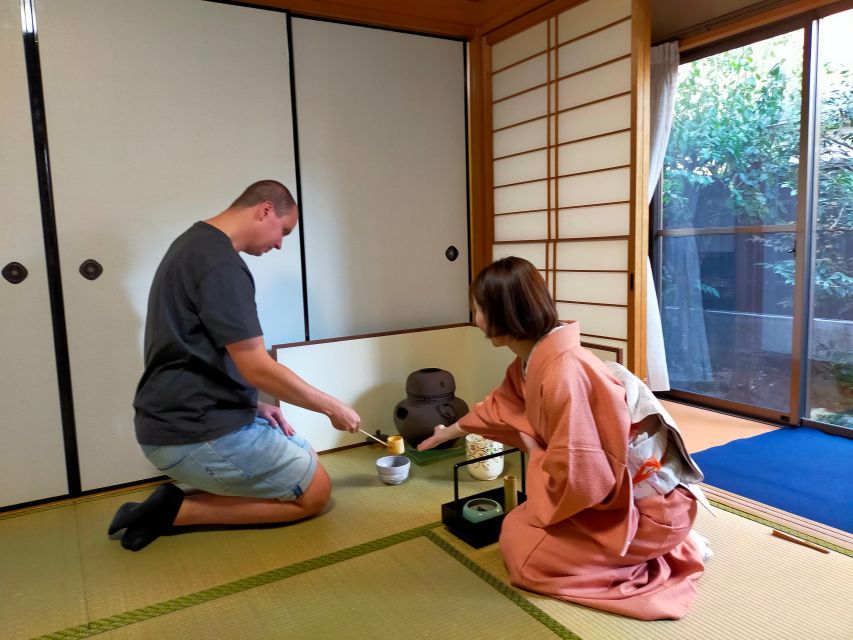
I would recommend this activity to you if you want a personal introduction to Japanese customs without a demanding formal lesson. It works particularly well for first-time visitors who want to understand what happens in a tea ceremony rather than simply watch one.
It is also a good choice for food-minded visitors. The wagashi class gives you a clear activity at the start, and tasting your own work later makes the ceremony more memorable.
The experience suits people who value conversation. With only six places and English-speaking licensed guide interpreters, you can ask about the scroll, the tea, Japanese room manners, or the meaning of particular steps.
It may not suit you if you dislike floor seating, have mobility needs that require wheelchair access, or want a longer cooking class. It is also not the right pick if your main goal is sightseeing at Fushimi Inari itself. The shrine may be nearby, but the activity is centered on the house, garden, kitchen, and tea room.
Should you book it?
Book this experience if you want to do more than buy matcha and take a picture beside a tea bowl. You will make one Japanese sweet, learn how to eat it with tea, watch a ceremonial preparation, and whisk your own matcha in a quiet local setting.
The strongest reason to book is the combination of practical activity and cultural explanation. The class stays friendly and approachable, yet it still covers the tea room, the hanging scroll, manners, and the role of wagashi.
Skip it if you need a wheelchair-accessible activity, cannot sit on the floor even with a chair arranged, or want an advanced course with several recipes. For most visitors who have 75 minutes near Fushimi Inari and want a calm, thoughtful break from sightseeing, $55 is a fair price for the personal instruction and two-part experience.
FAQ
How long does the wagashi and tea ceremony experience last?
The activity lasts 75 minutes.
How many people can join the group?
The group is limited to six participants.
Is the instruction available in English?
Yes. The instructor speaks English, and the instructors are licensed guide interpreters.
Do I prepare my own matcha?
Yes. You receive two bowls of matcha, and you prepare one of them yourself with a bamboo tea whisk.
Can I use a chair instead of sitting on the tatami floor?
Chairs and tables are available for people who find floor seating difficult. You must let the provider know in advance.
What should I bring, and are there photography rules?
You must wear socks, since bare feet are not allowed. Flash photography and video recording are not permitted, and you may be asked to put away your camera during parts of the ceremony.
Just added around Kyoto
- Taste of Nishiki Market Walking Food Tour with Local guide★ 5.0 · 17 reviews
- Kyoto: Sushi Making Class with Sushi Chef★ 4.8 · 64 reviews
- Kyoto: City Secrets eBike Tour★ 4.9 · 196 reviews
- Sacred Pathways: Discover the Philosopher’s Path of Kyoto★ 4.9 · 20 reviews
- Private Tour to Monkey Park and Arashiyama Highlights★ 5.0 · 22 reviews
- Private Nara Tour from Osaka – Meet at Your Hotel★ 5.0 · 22 reviews
- Private Sake Tasting in Central Kyoto with Sake Sommelier★ 5.0 · 13 reviews
- Kyoto : Private Custom Walking Tour With A Local Guide★ 4.6 · 144 reviews
Tea Ceremony Experiences, compared.
Tea Ceremony in a Traditional Tea House in Kiyomizu
Read our review →
World Heritage Kyoto & Nara Uji Authentic Matcha Experience
Read our review →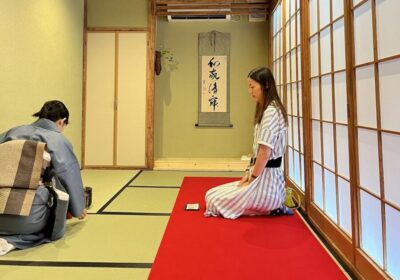
Browse the lists this tour appears in