
REVIEW · TEMPLE & SHRINE TOURS
Kyoto: Fushimi Inari Taisha Shrine Walking Tour with Guide
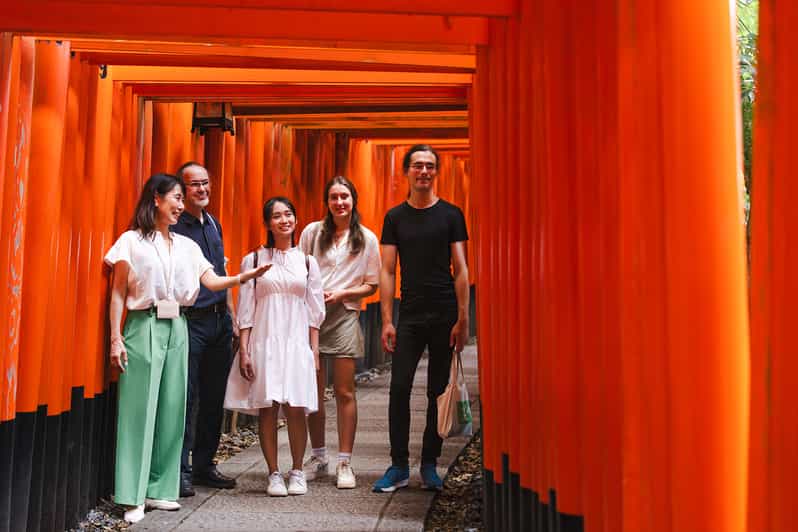
Fushimi Inari Taisha is famous for its endless tunnel of orange torii gates, but this tour adds something a solo visit often lacks: a Kyoto city certified guide who explains the customs behind the sights. You travel by public transportation, walk through the shrine grounds, and then visit quieter Sekiho-ji Temple, where Jizo statues and a Zen garden offer a calmer finish.
I like the local train journey, since it turns an ordinary transfer into a chance to learn about Kyoto’s daily manners and traditions. I also like the stop at Sekiho-ji Temple, which adds a less obvious religious site to a major attraction. The main drawback is that the tour runs for about two hours and involves steady walking, while train fare is not included.
In This Review
- Key points at a glance
- Starting at Kyoto Station with a local guide
- The train ride to Fushimi Inari Taisha
- Walking through Fushimi Inari’s orange gates
- Sekiho-ji Temple and its Jizo statues
- A short tour with a useful contrast
- What the $34 price really covers
- Timing, children, and practical planning
- Who will get the most from this walk
- Should you book this Fushimi Inari tour?
- FAQ
- When does the tour operate?
- How long does the tour last?
- What language is the tour conducted in?
- Where do I meet the guide?
- How do I find Kyo-Navi?
- Is train fare included?
- Is admission to Sekiho-ji Temple included?
- Can young children join for free?
- Does the tour include hotel pickup, food, or drinks?
Key points at a glance
- See Fushimi Inari’s Senbon Torii gates with explanations that put the shrine’s customs and layout into context.
- Ride public transportation from Kyoto Station, rather than relying on private vehicles.
- Visit Sekiho-ji Temple, including its Zen garden and unusual collection of Jizo statues.
- Learn with a Kyoto city certified guide, with Junko praised for her clear, engaging answers.
- Pay $34 per person, with Sekiho-ji entry included but train fare, food, and drinks extra.
- Plan for a weekday October tour, offered from October 6 to 31, 2025, except Saturdays and Sundays.
Starting at Kyoto Station with a local guide
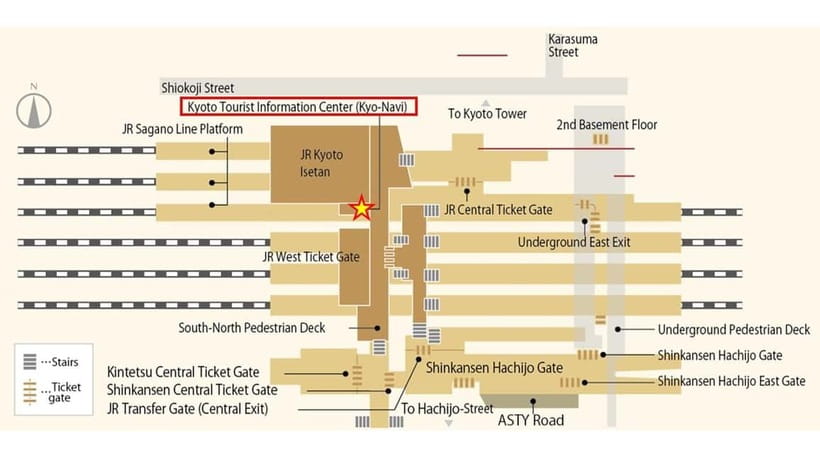
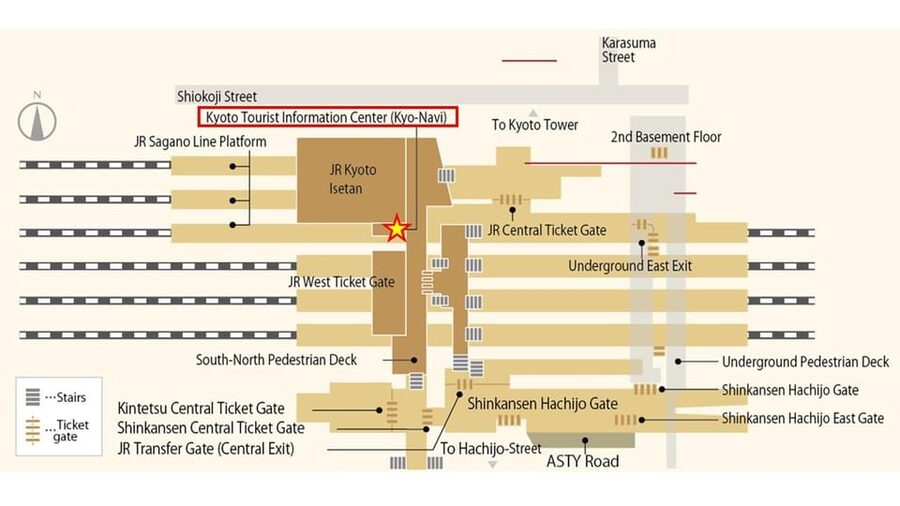
Your meeting point is Kyo-Navi, the Kyoto Tourist Information Center on the second floor of Kyoto Station. The center sits along the north-side pedestrian walkway, just south of the large Kyoto JR Isetan department store.
Kyoto Station is enormous, so give yourself time to find the meeting point. If you get turned around, ask for Kyo-Navi, written 京なび locally. Arriving early matters here. If you are not present when the tour begins, you cannot join later.
The tour is conducted in English and led by a Kyoto city official certified guide. That qualification matters most at the start, when the guide can explain local customs and etiquette before you reach the shrine. You are not simply being walked from one station to another. The public transport ride becomes part of the lesson in how Kyoto works.
One guide named in the feedback is Junko, praised for her engaging manner and helpful answers. Since guides can vary by departure, you should not assume Junko will lead your particular tour. Still, the experience is designed around direct questions, so bring along anything you want to understand about shrine behavior, temple manners, or Kyoto traditions.
More Temple & Shrine Tours in Kyoto
- Kyoto: Fushimi Inari, Kinkakuji, Bamboo Grove 1 Day Bus Tour
★ 4.8 · 4,316 reviews - Kyoto: Tea Ceremony in a Traditional Tea House in Kiyomizu
★ 4.9 · 3,519 reviews - Kyoto: Tea Ceremony Ju-An at Jotokuji Temple
★ 4.9 · 3,207 reviews
The train ride to Fushimi Inari Taisha
The group travels by train to the Fushimi Inari area. This is a practical choice for Kyoto. Public transportation avoids the need for a private vehicle and fits the tour’s focus on lower-impact sightseeing.
Your train fare is not included, so keep some money available for the ride. The supplied details do not state the exact fare, train line, or departure time, so check the reservation message for those specifics. That small gap is worth noting if you are planning a tight morning around other Kyoto sights.
I like this part of the tour because it connects the famous site with ordinary city life. You begin at a major station, use the same public system that residents rely on, and hear about local behavior along the way. It is less polished than being collected from your hotel in a private van, but it is also more in tune with Kyoto.
Walking through Fushimi Inari’s orange gates
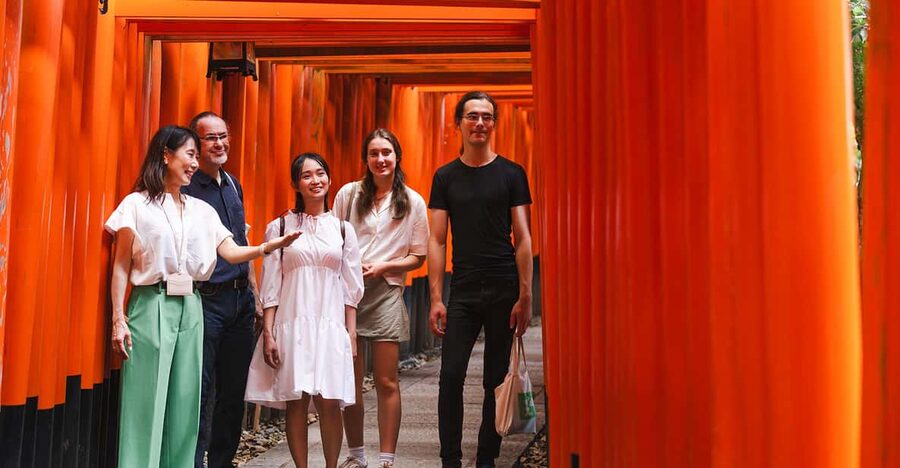
Fushimi Inari Taisha is one of Kyoto’s defining sights. Its bright torii gates form the famous Senbon Torii, a long passage that draws visitors uphill through the shrine grounds.
The visual effect is striking even if you have seen countless photographs. Gate after gate creates a strong rhythm of color and shadow, and the walk feels different from simply viewing a main shrine building and leaving. Your guide can help explain the religious customs and traditions connected with the site, giving meaning to what might otherwise become a quick photo stop.
The tour description focuses on the shrine’s architecture and torii gates, not a full climb to the upper mountain. That distinction matters. You should expect a two-hour walking experience that includes Fushimi Inari, but do not assume the group will cover every path or reach the summit.
Wear comfortable shoes. The tour is recommended for people who enjoy walking, and the route includes shrine grounds, neighborhood streets, and a temple visit. The pace and exact elevation gain are not specified, so anyone who has difficulty walking should ask for details before booking.
Fushimi Inari can also be crowded, especially around its best-known gates. A guide cannot remove the crowds, but can help you understand the place instead of spending the entire visit trying to frame a photograph without people in it. Pay attention to the smaller details and explanations, not only the orange tunnel.
Sekiho-ji Temple and its Jizo statues
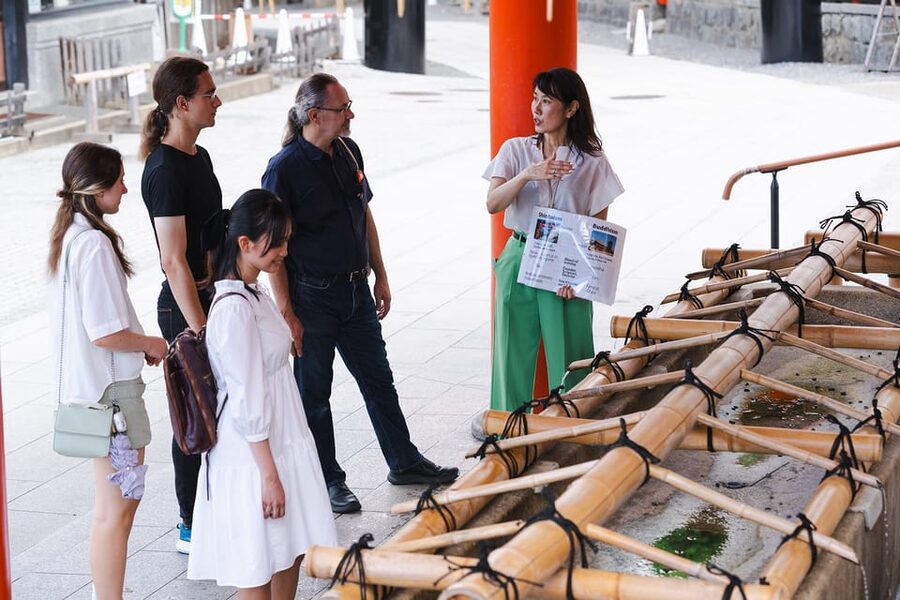
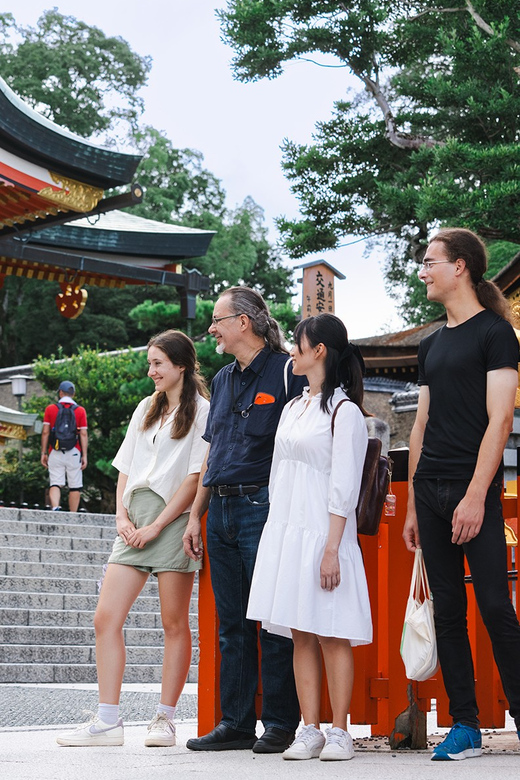
After Fushimi Inari, the tour goes to Sekiho-ji Temple. This is the part that gives the outing more range. You get the grand, instantly recognizable shrine first, then a quieter religious setting with a Zen garden and Jizo statues.
The Jizo figures are the temple’s distinctive feature in this itinerary. They are described as a hidden sanctuary of statues that tell a quieter story of serenity. The tour does not provide detailed information about the age, number, or individual identities of the statues, so I would not arrive expecting a formal museum-style display. Instead, expect a small-scale, reflective stop where the guide helps you notice what makes the temple special.
Entry to Sekiho-ji is included in the $34 price. That makes the temple visit an important part of the value, since you are not paying only for guidance around a free public shrine.
The Zen garden adds another change of pace. After the strong colors and repeated gates at Fushimi Inari, a garden encourages you to slow down and look carefully. One of the clearest positive details from the feedback was the enjoyment of walking through a local neighborhood and visiting the Zen garden. That combination is worth keeping in mind if you want more than Kyoto’s headline attractions.
The temple is not presented as a long visit, and the overall tour lasts about two hours. You should expect an introduction rather than an extended meditation session. Still, this short stop may be the experience’s most memorable surprise because it is less obvious than Fushimi Inari itself.
More Walking Tours in Kyoto
- Kyoto Geisha Walking Tour: Gion District & Hidden Gems
★ 4.7 · 3,273 reviews - Kyoto: Gion Magical Night Walking Tour with Geisha Trivia
★ 4.9 · 2,393 reviews - Kyoto: Gion Geisha District Walking Tour – Stories of Geisha
★ 4.7 · 2,187 reviews - Private Kyoto Tour with a Local, Highlights & Hidden Gems, Personalised
★ 5.0 · 1,543 reviews
A short tour with a useful contrast
The itinerary works because the two main stops feel different. Fushimi Inari gives you scale, color, and a famous route. Sekiho-ji provides quiet details, Jizo statues, and a Zen garden.
I prefer this pairing to a tour that spends the entire time at the torii gates. Fushimi Inari is easy to recognize, but its meaning can be harder to read. The temple stop gives the guide another setting in which to explain Kyoto’s religious traditions and local etiquette.
The tradeoff is time. Two hours is enough for a focused introduction, but not enough for a slow, unhurried exploration of every corner. If you want to hike far up Mount Inari, spend a long time taking photographs, or sit in the garden for an extended period, you will probably want to return on your own.
This tour is best for you if you want a structured first look. It is also useful if you are visiting Kyoto for a short time and want to combine a major sight with something quieter. If you already know Fushimi Inari well, the added value rests mainly in the guide and Sekiho-ji visit.
What the $34 price really covers
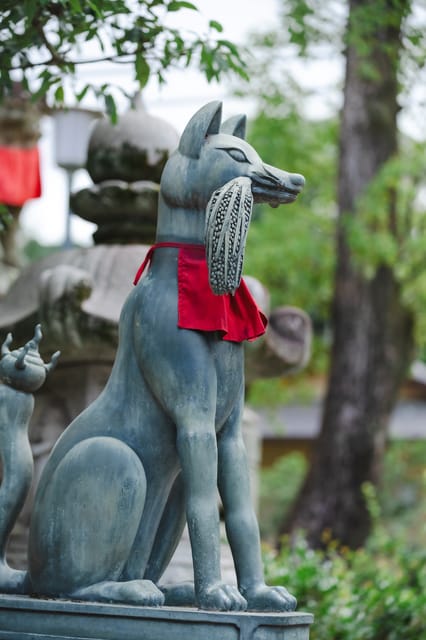
At $34 per person, the price is reasonable for a guided two-hour Kyoto outing, especially because Sekiho-ji entrance is included. You are paying for the guide’s time, local explanations, route planning, and access to a temple that you might otherwise overlook.
The price does not include train fare, hotel pickup or drop-off, food, or drinks. These exclusions are easy to manage, but they mean the final cost will be a little higher than the advertised amount. You also need to make your own way to Kyoto Station at the beginning.
I see the strongest value in the human element. Fushimi Inari itself is accessible without a ticket, and many people visit independently. The difference here is having a certified Kyoto guide explain the customs, answer questions, and connect the shrine to a less obvious temple.
The tour also supports a greener way to sightsee by using public transportation. If you value low-impact travel, that is a meaningful feature rather than a marketing extra. If you strongly prefer door-to-door comfort, the lack of hotel pickup may feel like a nuisance.
Timing, children, and practical planning
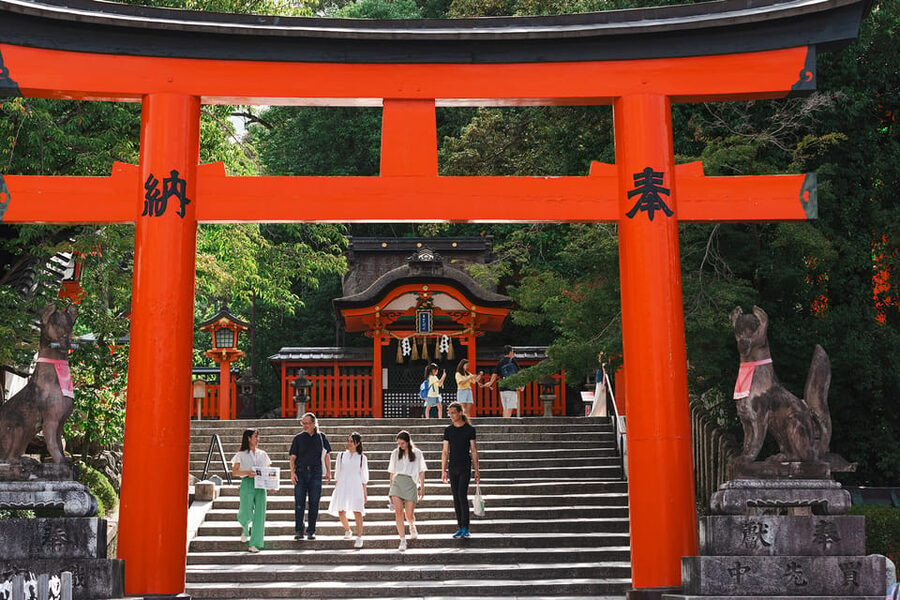
This experience is scheduled from October 6 through October 31, 2025, on weekdays only. It does not operate on Saturdays or Sundays. That narrow date window is the first thing to check before you plan around it.
Each paying participant may bring one child aged 0 to 6 at no charge. The child must stay with an adult throughout the tour. If you bring more than one child, each additional child needs an adult ticket.
A free child may use the luggage service only if you pay the related service fee. The supplied details do not specify the luggage service cost or exactly what it covers, so ask before relying on it.
There is no stated meal stop, and food and drinks are not included. For a two-hour walking tour, you can arrange refreshments separately before or after the activity. Do not expect the guide to build a food experience into the route.
The end point needs a little attention. The route description says the tour concludes in the Fushimi Inari area or at JR Tofukuji Station, while the meeting-point information says the activity ends back at the meeting point. Because those details do not fully match, check the confirmation email and ask the provider if your onward plans depend on the exact finish.
Who will get the most from this walk
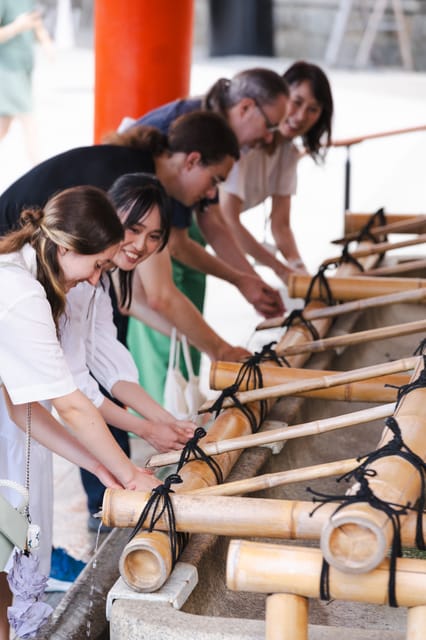
I would choose this tour for a first visit to Kyoto, especially if you want context without committing to a full-day excursion. The combination of a famous shrine, public transport, a neighborhood walk, and Sekiho-ji Temple gives you a useful slice of the city in a compact format.
It suits solo visitors and couples who enjoy asking questions. The strong praise for clear communication and responsive answers suggests that an interactive guide is one of the main reasons to book.
Families can also consider it, since one child aged 0 to 6 may join free with each paying adult. The walking requirement remains important. Young children must stay with an adult, and the tour is not suitable for unaccompanied minors.
I would think twice if you want a private tour, a flexible pace, or a long hike up Mount Inari. The tour is in English only, and the date range is limited. You also need to handle your own transport to and from the starting point.
Should you book this Fushimi Inari tour?
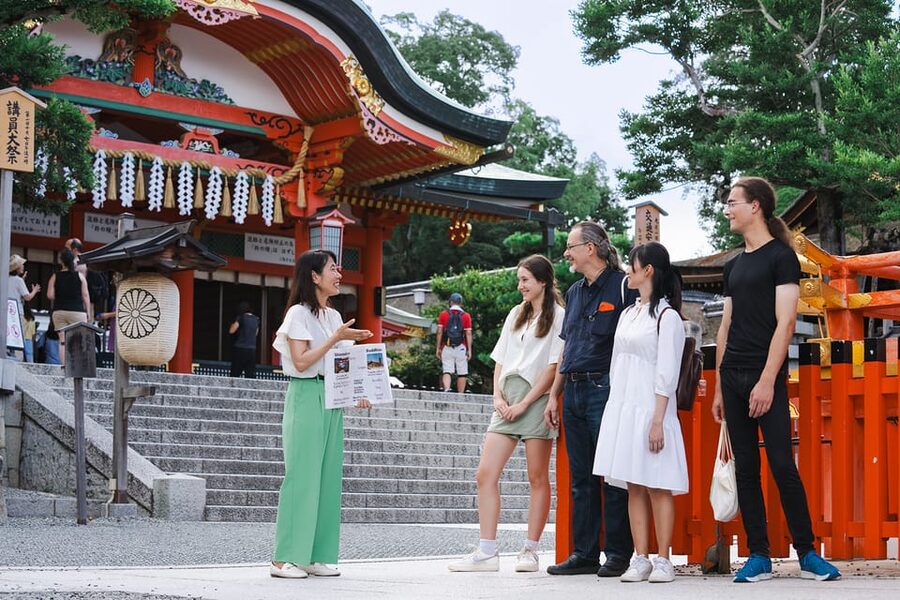
Book it if you want more than a quick look at the torii gates. The certified guide, public transport experience, and visit to Sekiho-ji Temple make this a fuller introduction to Kyoto than a simple self-guided shrine stop.
Skip it if your priority is climbing high into the Inari mountain trails, spending hours at the shrine, or avoiding all group scheduling. At $34, the tour is a fair buy for its explanations and included temple entry, but the value depends on wanting guidance.
Before paying, confirm three things: that your date falls between October 6 and 31, 2025 on a weekday, that you are comfortable walking for about two hours, and where the group finishes. If those points fit your plans, this is a smart, compact way to pair Kyoto’s most famous torii gates with a quieter temple experience.
FAQ
When does the tour operate?
The tour runs from October 6 through October 31, 2025, except on Saturdays and Sundays.
How long does the tour last?
The walking tour takes approximately two hours.
What language is the tour conducted in?
The tour is conducted in English only.
Where do I meet the guide?
Meet at Kyo-Navi, the Kyoto Tourist Information Center, on the second floor of Kyoto Station.
How do I find Kyo-Navi?
Use the pedestrian walkway on the second floor of Kyoto Station toward the north side. The center is just south of Kyoto JR Isetan. Ask for Kyo-Navi, or 京なび, if you need directions.
Is train fare included?
No. Train fare to Fushimi Inari Taisha Shrine is not included in the tour price.
Is admission to Sekiho-ji Temple included?
Yes. Entry tickets to Sekiho-ji Temple are included.
Can young children join for free?
Each paying participant may bring one child aged 0 to 6 for free. The child must be accompanied by an adult. Any additional child must purchase an adult ticket.
Does the tour include hotel pickup, food, or drinks?
No. Hotel pickup and drop-off, food, and drinks are not included.
Just added around Kyoto
- Taste of Nishiki Market Walking Food Tour with Local guide★ 5.0 · 17 reviews
- Kyoto: Sushi Making Class with Sushi Chef★ 4.8 · 64 reviews
- Kyoto: City Secrets eBike Tour★ 4.9 · 196 reviews
- Sacred Pathways: Discover the Philosopher’s Path of Kyoto★ 4.9 · 20 reviews
- Private Tour to Monkey Park and Arashiyama Highlights★ 5.0 · 22 reviews
- Private Nara Tour from Osaka – Meet at Your Hotel★ 5.0 · 22 reviews
- Private Sake Tasting in Central Kyoto with Sake Sommelier★ 5.0 · 13 reviews
- Kyoto : Private Custom Walking Tour With A Local Guide★ 4.6 · 144 reviews
Temple & Shrine Tours, compared.
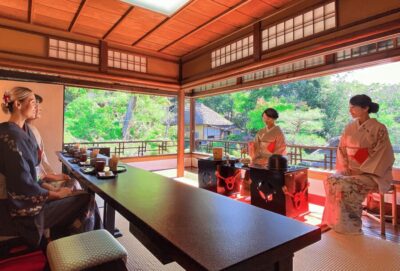
Tea Ceremony in a Traditional Tea House in Kiyomizu
Read our review →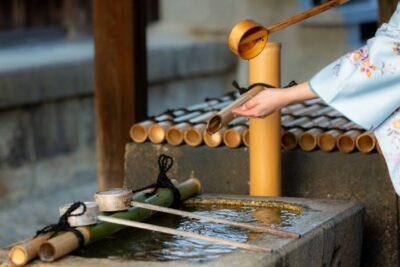

Meiji Shrine, Asakusa, Skytree Bus Tour and Cruise
Read our review →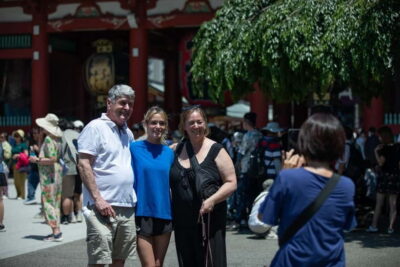
Asakusa Walking Tour with Sensoji Temple Visit
Read our review →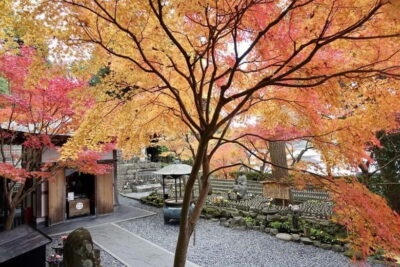
Kamakura & Enoshima Day Trip including Temple Tickets
Read our review →
Kyoto/Osaka: Nara, Fushimi Inari Taisha, Arashiyama Bus Tour
Read our review →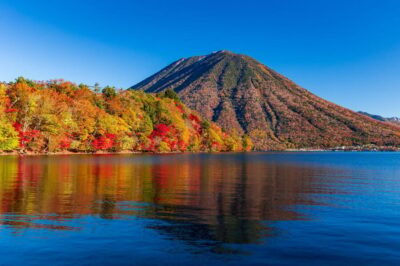
Nikko Toshogu Shrine and Kegon Waterfall Tour
Read our review →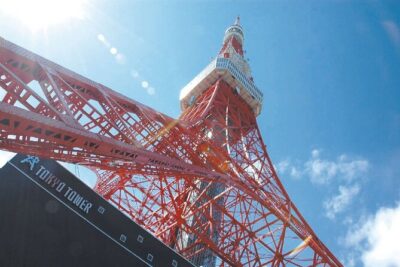
Tokyo Panoramic 1 Day: Meiji Shrine, Asakusa, Odaiba and SKYTREE®
Read our review →Browse the lists this tour appears in