
REVIEW · TEMPLE & SHRINE TOURS
Kyoto: Fushimi Inari Taisha Guided Walking Tour
Thousands of vermilion torii gates turn the path up Mount Inari into one of Kyoto’s most memorable walks. This tour gives you a guide to explain the shrine, the fox messengers, and the meaning behind the gates instead of leaving you to simply snap a few photos and head back.
I like the choice between a short lower-shrine visit and a longer mountain walk. I also like the small group, capped at nine people, and the fact that the tour can fit neatly into a spare morning or afternoon. The main drawback is the walking: the upper route includes stairs and a mountain trail, so it is not a good match for anyone with mobility, heart, respiratory, or pregnancy-related concerns.
In This Review
- Key points to know before you book
- The red-gate walk that defines Fushimi Inari
- Meeting at Daily Yamazaki near the shrine
- The lower shrine: a practical short option
- The upper shrine and Mount Inari trail
- What the guide adds to the shrine visit
- The final 30 minutes and street-food stop
- Is $24 a fair price?
- Who should choose the longer option?
- Practical advice for a smoother visit
- Should you book this Fushimi Inari tour?
- FAQ
- How long does the Fushimi Inari guided walking tour last?
- What language is the tour conducted in?
- How large is the tour group?
- Where do I meet the guide?
- Are entrance fees included?
- Is food included?
- What should I bring and wear?
Key points to know before you book
- Two ways to visit: Choose the lower shrine and torii gates, or add about an hour of Mount Inari walking.
- A guide adds meaning: Learn about Inari, agriculture, commerce, fox messengers, and shrine customs as you walk.
- Small groups matter: The tour accepts no more than nine participants, with an English-speaking guide.
- Street food is part of the plan: The final 30 minutes include a walk with time for local food.
- Good for tight schedules: The entire experience takes about two to three hours and accepts same-day bookings.
- Come prepared: Wear comfortable shoes, dress modestly, and arrive early because the guide waits only 10 minutes.
The red-gate walk that defines Fushimi Inari
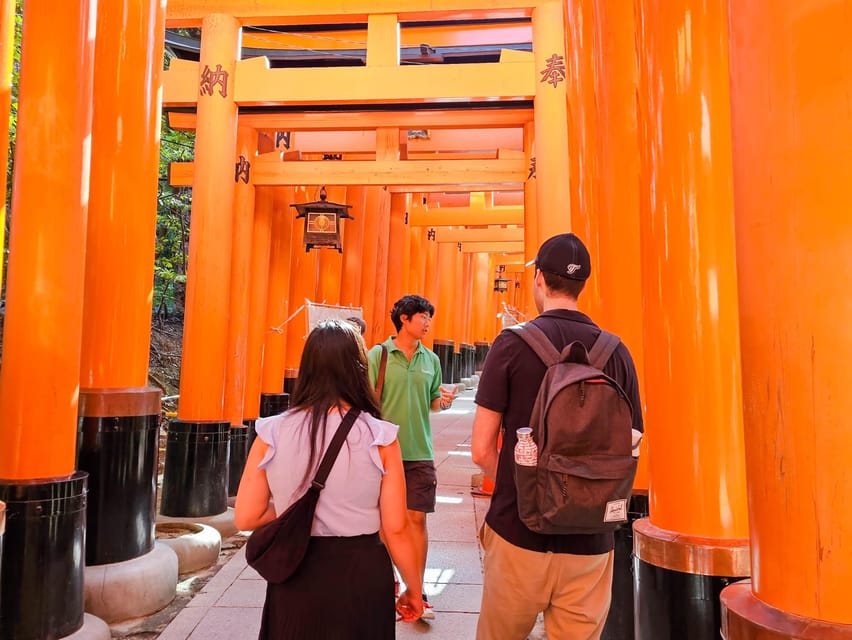
Fushimi Inari Taisha is the kind of Kyoto sight you recognize before you know its name. Rows of orange-red torii gates form a long tunnel through the trees and up the slopes of Mount Inari. Each gate marks a donation to the shrine, and together they create the famous path seen in photographs around the world.
The gates are the visual star, but the shrine is not just a photo stop. Inari is associated with agriculture and commerce, and foxes are regarded as the deity’s messengers. A guide helps connect those ideas to the statues, smaller shrines, offerings, and customs you pass along the route.
I especially like this tour for first-time visitors who want a short introduction to Shinto without committing half a day. You get the atmosphere of one of Kyoto’s major religious sites, plus enough explanation to make the walk feel like more than a procession of red gates.
The timing is also useful. At two to three hours, this can fit before lunch, after a morning in another part of Kyoto, or into a day when you want one major sight rather than a packed schedule. The tradeoff is that a short tour cannot cover every corner of the shrine or provide a long, unhurried mountain hike.
More Temple & Shrine Tours in Kyoto
- Kyoto: Fushimi Inari, Kinkakuji, Bamboo Grove 1 Day Bus Tour
★ 4.8 · 4,316 reviews - Kyoto: Tea Ceremony in a Traditional Tea House in Kiyomizu
★ 4.9 · 3,519 reviews - Kyoto: Tea Ceremony Ju-An at Jotokuji Temple
★ 4.9 · 3,207 reviews
Meeting at Daily Yamazaki near the shrine
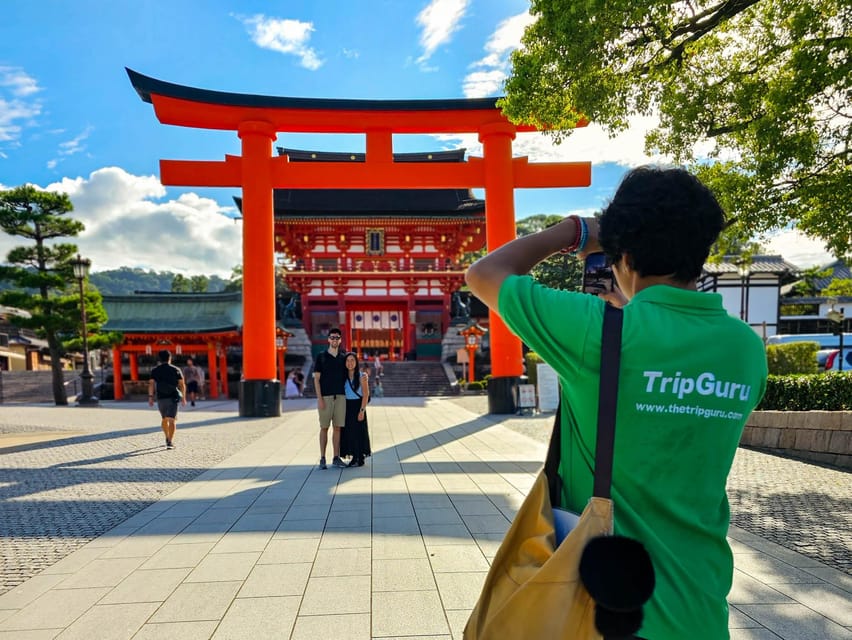
The tour begins at Daily Yamazaki Fushimi Inari Shrine. Your guide will wear a TripGuru shirt or hold a TripGuru sign, which gives you a clear way to identify the right person at the meeting point.
You should arrive early. The guide waits a maximum of 10 minutes, and morning traffic can take longer than navigation apps suggest. That warning matters in Kyoto, where a small delay on a train connection, road, or station exit can quickly eat up your margin.
There is no hotel pickup or drop-off, so you need to make your own way to the meeting point. The tour includes the walking tour and entrance fees, but not meals, drinks, or personal purchases.
The lower shrine: a practical short option
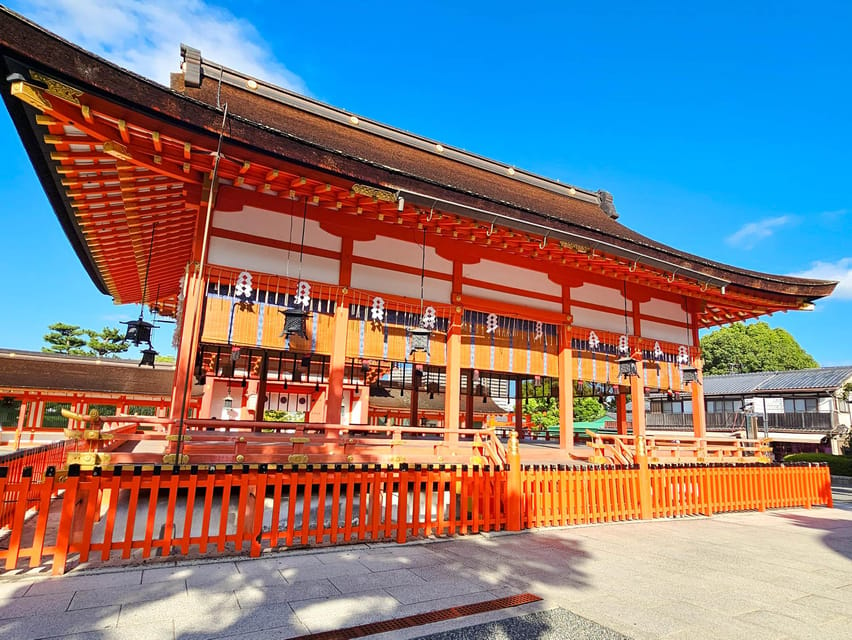
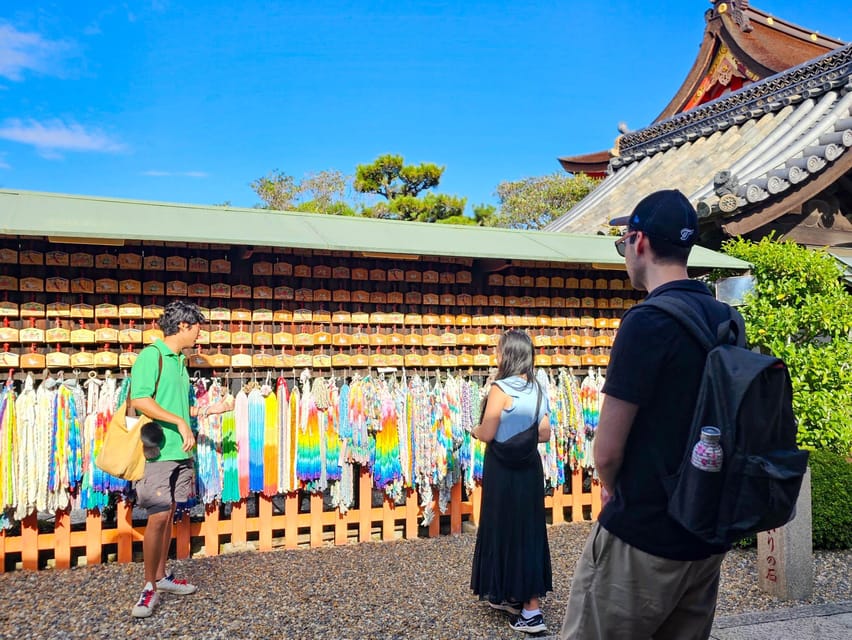
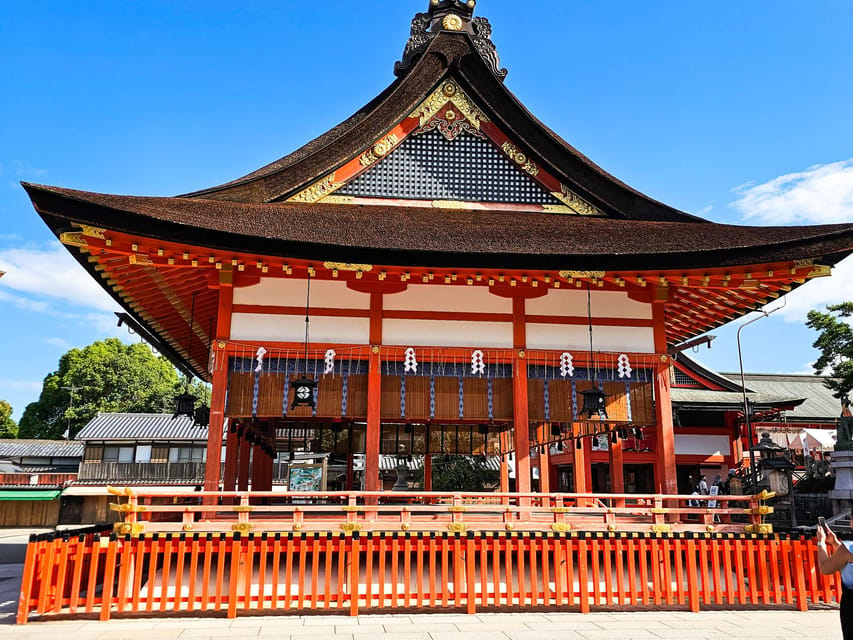
Fushimi Inari is divided into a lower shrine at the foot of Mount Inari and an upper section reached by the mountain trail. The lower area contains the main entrance, the offering hall, and several smaller shrines.
Choosing the lower-only option makes sense if you have limited time, want the most recognizable torii gates without a long climb, or prefer a gentler outing. It lets you focus on the main visual experience while still hearing about the shrine’s purpose and traditions.
Do not mistake the lower option for a completely effortless visit. You will still walk through an active religious site, and the gates can draw plenty of people toward the most photographed sections. A guide can help you understand what you are seeing and keep the visit focused, but this is still a popular Kyoto stop rather than a quiet private temple visit.
Modest clothing is expected on the shrine grounds. Avoid tank tops, very revealing clothes, and similarly casual beachwear. This is both a matter of respect and a simple way to feel more comfortable in a working place of worship.
The upper shrine and Mount Inari trail
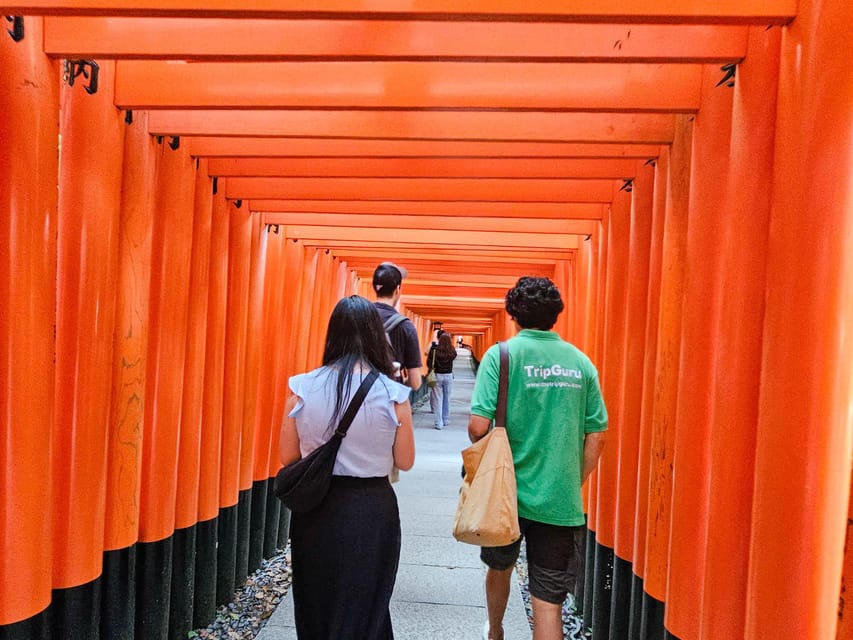
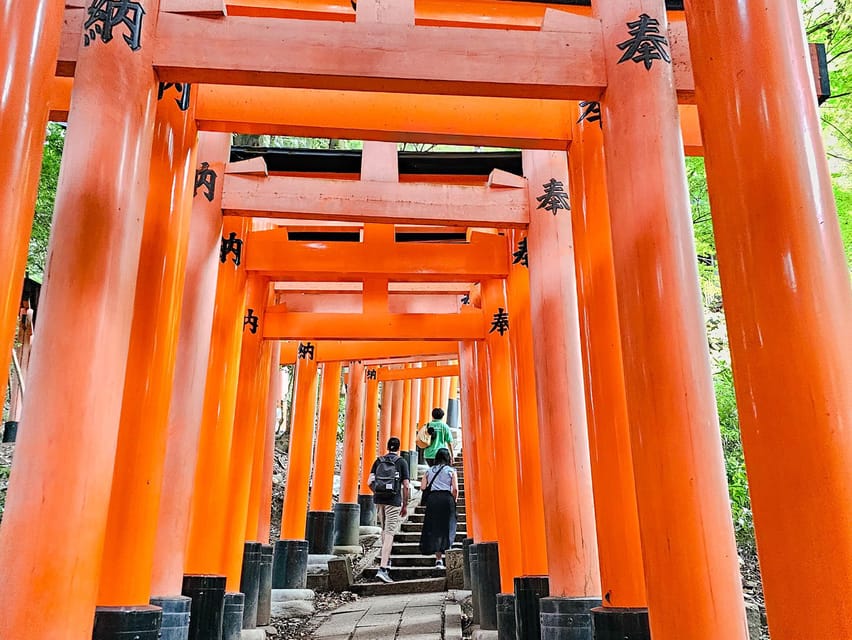
The longer option adds the trail toward the upper shrine. The route is lined with torii gates and includes smaller shrines along the mountain. As you climb, the setting changes from the main entrance area to a more wooded path, with views toward Kyoto and the surrounding mountains.
The itinerary allows roughly an extra hour of walking for this option. That extra time is worthwhile if you want more than the signature entrance area, but it comes with stairs, uneven walking, and a steady physical demand. Comfortable shoes are essential.
The higher you go, the more the visit becomes a walk through a sacred mountain setting rather than a quick urban attraction. You can take in the gates at a slower pace, hear more about the site, and pause for views. Still, you should choose this route with your fitness and health in mind. The activity is not suitable for people with mobility impairments, heart problems, respiratory issues, or pregnancy.
The guide can make a real difference on this route. Past guides named Katz, Christiana, Raphael, Nobumasa, and others received praise for clear explanations, patience, and personal attention. Raphael was especially helpful with a group that included children and strollers, while another guide was noted for checking on water and breaks. Those details suggest a friendly approach, but the exact guide you receive depends on the date and availability.
More Walking Tours in Kyoto
- Kyoto Geisha Walking Tour: Gion District & Hidden Gems
★ 4.7 · 3,273 reviews - Kyoto: Gion Magical Night Walking Tour with Geisha Trivia
★ 4.9 · 2,393 reviews - Kyoto: Gion Geisha District Walking Tour – Stories of Geisha
★ 4.7 · 2,187 reviews - Private Kyoto Tour with a Local, Highlights & Hidden Gems, Personalised
★ 5.0 · 1,543 reviews
What the guide adds to the shrine visit
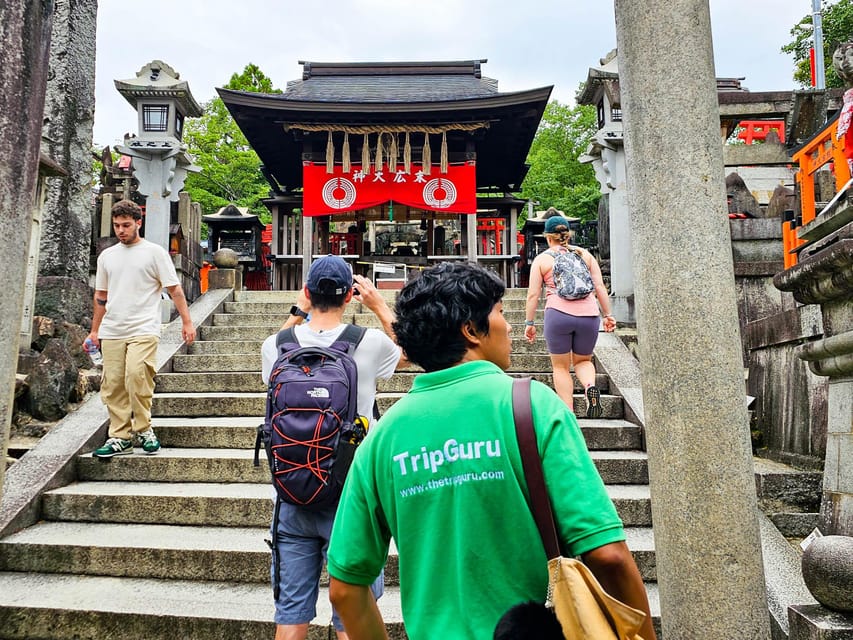
You can walk through Fushimi Inari on your own, but the meaning of the place is not always obvious. The guide explains who Inari is, why foxes appear around the shrine, and how the shrine relates to agriculture and commerce.
That background gives the torii gates a purpose beyond their color. The gates are connected with donations, and their long rows show how devotion and business have shaped the site over time. You also get help noticing the smaller shrines and details that are easy to pass without context.
The guides also appear to be part of the value of the tour. Katz was praised for being friendly and well prepared. Christiana was described as personable, and Nobumasa was singled out for a warm and informed walk. Several guides helped with photographs, suggested places to eat, carried a bag, or checked that people stayed hydrated.
I would not book this expecting a formal lecture. The appeal is a conversational walk with room for questions. That is useful in Japan, where unfamiliar shrine customs can leave you unsure about what to do or where to stand. The small-group limit of nine makes it easier to hear the guide than on a large coach tour, though the group size may vary below that maximum.
The final 30 minutes and street-food stop
The route returns to the meeting point at Daily Yamazaki Fushimi Inari Shrine after a 30-minute walk that includes street food. The supplied details do not promise a specific dish or a meal, so you should treat this as a chance to explore and buy food at your own expense.
This ending adds a local, everyday note after the shrine visit. It also gives you a useful chance to ask the guide for suggestions, and one past participant valued advice about places to eat afterward.
Because food and drinks are not included, bring money if you want to purchase something. If you have dietary restrictions, ask the guide what is available before buying. The tour includes the walk, not a full food tour.
Is $24 a fair price?
At $24 per person, this is a reasonable price for a short guided introduction to one of Kyoto’s best-known sights. You are paying for an English-speaking guide, entrance fees, a small group, and a structured route that covers the shrine in two to three hours.
The value is strongest if you want cultural context or are unsure how much of Mount Inari to attempt. A guide can save you from treating the torii gates as a simple backdrop and can adjust the pace to the group within the limits of the route.
The value is less clear if you only want a fast photo stop and already know the shrine well. In that case, visiting independently gives you more control over timing and costs less beyond your transportation and personal purchases.
Same-day booking and reserve-now-pay-later flexibility make the price easier to fit into a changing Kyoto schedule. Free cancellation is available up to 24 hours before the activity for a full refund. Check the available start times before you commit, since the tour runs for two to three hours depending on the option and schedule.
Who should choose the longer option?
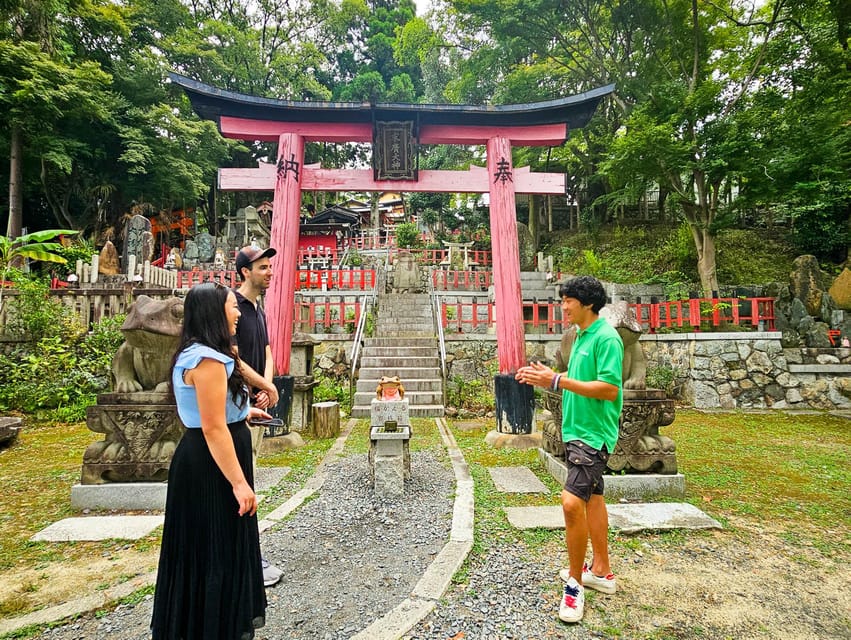
Choose the upper route if you want city views, a more complete sense of Mount Inari, and extra time among the torii gates. It is the better choice for you if walking uphill for about an additional hour sounds enjoyable rather than tiring.
Choose the lower route if you have only a couple of hours, are managing an older family member, have young children, or want the essential shrine experience without the full mountain walk. One guide was praised for being patient with older members of a group, and another helped a family with children and strollers, but the tour still takes place on foot and conditions can vary.
The lower route is also the safer planning choice in hot or humid weather. One past participant appreciated reminders about hydration, breaks, water, and mineral sweets, but you should not depend on those extras. Bring your own water and wear shoes that can handle a long walk.
Practical advice for a smoother visit
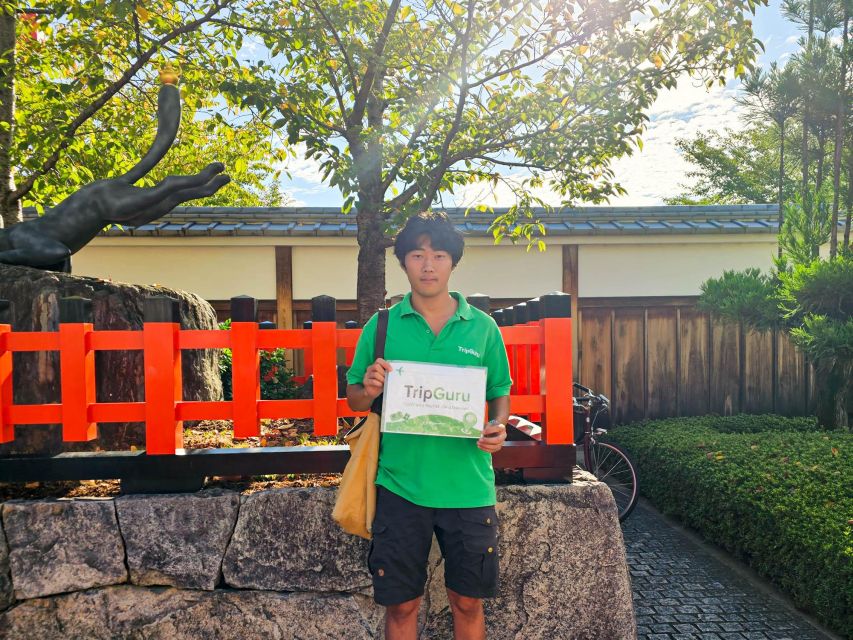
Arrive with enough time to find the meeting point. Ten minutes is the maximum waiting period, not a recommended arrival window.
Wear comfortable shoes, even for the lower option. The activity is a walking tour, and you may spend more time on your feet than the brief schedule first suggests.
Dress respectfully. Shorts and tank tops are specifically discouraged, and modest clothing is the sensible choice for shrine grounds.
Bring water, especially in warm weather. You may also want a small amount of cash for food and personal expenses, since those are not included.
If you want photographs, tell the guide early. Guides have helped participants take pictures, and a small group makes that easier, but the visit is still shared with other people and worshippers.
Book the longer option only if your health and mobility allow it. The tour is not suitable for pregnant women or people with mobility, heart, or respiratory problems.
Should you book this Fushimi Inari tour?
I would book it if you want a compact, friendly introduction to Fushimi Inari and prefer to understand the shrine rather than simply photograph it. The $24 cost is sensible for a small group with an English-speaking guide, included entrance fees, and a choice between a short visit and a longer Mount Inari walk.
I would skip it if you want complete independence, a silent visit, or a long hike at your own pace. For most first-time visitors with limited time, though, this is a practical way to see the torii gates, learn about Inari and the fox messengers, and leave with a better sense of what makes Fushimi Inari special.
FAQ
How long does the Fushimi Inari guided walking tour last?
The tour lasts two to three hours. The longer upper-shrine option includes about an additional hour of walking compared with the lower-only option.
What language is the tour conducted in?
The tour has a live English-speaking guide.
How large is the tour group?
The group is limited to nine participants.
Where do I meet the guide?
Meet at Daily Yamazaki Fushimi Inari Shrine. The guide will wear a TripGuru shirt or hold a TripGuru sign.
Are entrance fees included?
Yes. Entrance fees and the walking tour are included in the price.
Is food included?
No. Meals, drinks, street food purchases, and other personal expenses are not included. The final part includes a 30-minute walk with street food.
What should I bring and wear?
Bring comfortable shoes. Dress modestly and respectfully for the shrine, avoiding very revealing clothes, shorts, or tank tops.
Just added around Kyoto
- Taste of Nishiki Market Walking Food Tour with Local guide★ 5.0 · 17 reviews
- Kyoto: Sushi Making Class with Sushi Chef★ 4.8 · 64 reviews
- Kyoto: City Secrets eBike Tour★ 4.9 · 196 reviews
- Sacred Pathways: Discover the Philosopher’s Path of Kyoto★ 4.9 · 20 reviews
- Private Tour to Monkey Park and Arashiyama Highlights★ 5.0 · 22 reviews
- Private Nara Tour from Osaka – Meet at Your Hotel★ 5.0 · 22 reviews
- Private Sake Tasting in Central Kyoto with Sake Sommelier★ 5.0 · 13 reviews
- Kyoto : Private Custom Walking Tour With A Local Guide★ 4.6 · 144 reviews
Temple & Shrine Tours, compared.
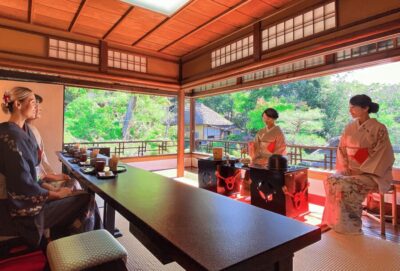
Tea Ceremony in a Traditional Tea House in Kiyomizu
Read our review →

Meiji Shrine, Asakusa, Skytree Bus Tour and Cruise
Read our review →
Asakusa Walking Tour with Sensoji Temple Visit
Read our review →
Kamakura & Enoshima Day Trip including Temple Tickets
Read our review →
Kyoto/Osaka: Nara, Fushimi Inari Taisha, Arashiyama Bus Tour
Read our review →
Nikko Toshogu Shrine and Kegon Waterfall Tour
Read our review →
Tokyo Panoramic 1 Day: Meiji Shrine, Asakusa, Odaiba and SKYTREE®
Read our review →Browse the lists this tour appears in