
REVIEW · TEA CEREMONY EXPERIENCES
Kimono Tea Ceremony at Kyoto Maikoya, Karasuma Shijo
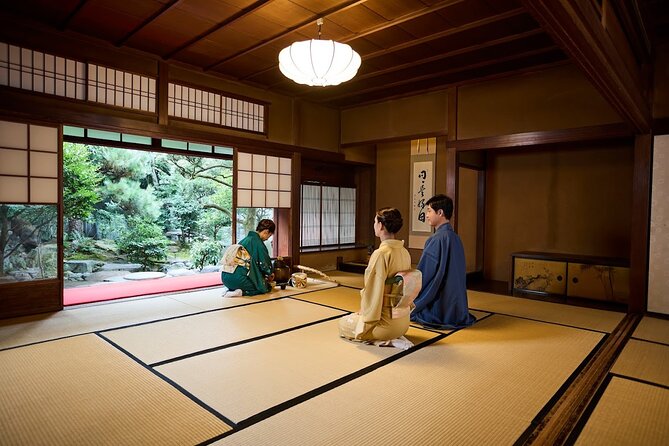
The most memorable part of this Kyoto experience is the shift from ordinary sightseeing to sitting on tatami in a kimono, watching a tea master turn a few simple tools into a careful ritual. You dress first, receive simple hairstyling, then learn to whisk your own matcha under guidance. The costume is part of the lesson, not just a photo prop.
I like the combination of kimono dressing and hands-on tea preparation, since you get two classic Japanese experiences in one booking. I also like the friendly, clear teaching style associated with hosts such as Yuki and Miki. The main consideration is pace: some sessions move briskly, and the available kimonos are attractive but not valuable formal garments.
In This Review
- Key points at a glance
- Choosing a Kimono at Maikoya Karasuma Shijo
- Hair, Accessories, and the Photo Opportunity
- Entering the Tatami Room for the Tea Ceremony
- Whisking Your Own Matcha
- How Traditional Is the Experience?
- Is the $65.39 Price Good Value?
- Who Will Enjoy This Kyoto Activity?
- Booking, Cancellation, and Practical Details
- Should You Book the Maikoya Kimono Tea Ceremony?
- FAQ
- Where does the kimono tea ceremony take place?
- How long does the experience last?
- What is included in the price?
- Are children allowed to participate?
- Is transportation included?
- Can I take photos or use a tripod?
Key points at a glance
- Kimono, shoes, bag, and simple hairstyling: Staff help you choose an outfit and prepare your hair before the ceremony.
- Your own bowl of matcha: You do not only watch. You whisk green tea with the tea master’s direction.
- Tatami-room setting: The ceremony takes place in a traditional-style room where posture and etiquette become part of the experience.
- Small-group format: The activity is listed for a maximum of four people, though it is wise to confirm the group size at booking.
- Traditional sweets included: Green tea, utensils, and snacks are part of the price.
- About 90 minutes in total: The timing suits a busy Kyoto day, but the schedule can feel organized and quick.
Choosing a Kimono at Maikoya Karasuma Shijo
Your visit begins at Kimono Tea Ceremony Maikoya Karasuma Shijo, at 220 Itoyacho in Kyoto’s Shimogyo Ward. The venue is near public transportation, and the activity begins and ends at this same address. Transportation and hotel pickup are not included, so plan your route before arriving.
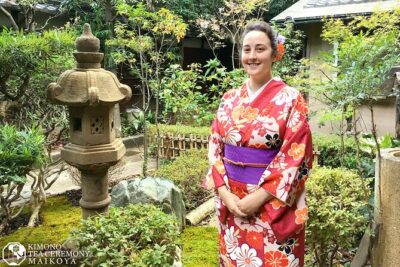
The dressing stage is a major part of the appeal. Staff help you select a kimono, then coordinate accessories such as shoes and a bag. Simple hairstyling is included, giving the finished outfit a more traditional look without turning this into a full salon appointment.
I would allow enough time to arrive calm and ready. The dressing process is not something to rush through, and arriving late can put pressure on the rest of the schedule. One useful detail is that a participant described the location as about a 25-minute walk from Kyoto Station, though your actual time will depend on your pace and route.
The kimonos are selected for visitors and photographs rather than presented as high-value ceremonial garments. One session found some of the fabrics a little flimsy, which is a fair point. Still, they photograph well, and the staff’s care with dressing, hair, shoes, and accessories helps create the right feeling.
If you are wearing a kimono for the first time, expect the outfit to change how you move. Sitting, standing, and walking become slower and more deliberate. That is useful here because the clothing encourages you to pay attention to the ceremony rather than treat it as a quick costume change.
More Kimono & Culture Experiences in Kyoto
- Kyoto Geisha Walking Tour: Gion District & Hidden Gems
★ 4.7 · 3,273 reviews - Kyoto: Gion Magical Night Walking Tour with Geisha Trivia
★ 4.9 · 2,393 reviews - Kyoto: Gion Geisha District Walking Tour – Stories of Geisha
★ 4.7 · 2,187 reviews
Hair, Accessories, and the Photo Opportunity
The hairstyling is simple, not an elaborate historical reconstruction. It is enough to make the outfit feel finished, and the staff assist with the practical details. Several people especially appreciated the care shown during dressing and the chance to take photographs before and after the tea ceremony.
Photography is part of the fun, but it has limits. Tripods are not allowed during the ceremony, and photo or video recording may be restricted at certain moments. Follow the tea master’s instructions about when it is polite to take pictures. The ceremony is not a studio shoot, and constant filming would distract from the gestures you came to learn.
This balance is one of the better features of the experience. You have time for photos in your kimono, but the tea lesson still has room to breathe. If pictures matter to you, ask staff about the best moments rather than trying to document every movement.
The outfit also makes this appealing for families and mixed-age groups, provided everyone meets the age rule. Children under six are not permitted. A 13-year-old enjoyed the activity in one family booking, and the format can work well for older children who can sit quietly and follow instructions.
Entering the Tatami Room for the Tea Ceremony
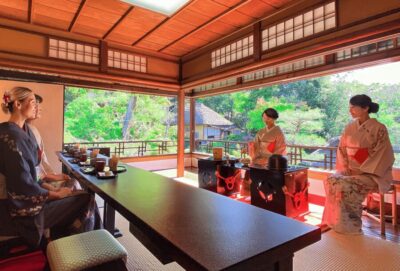
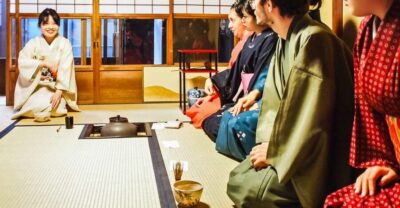
After dressing, you move to the tea ceremony area, usually described as a traditional tatami room. The change in setting helps mark the second half of the experience. You are no longer simply dressed in Japanese clothing. You are expected to observe, listen, and take part in a set of respectful actions.
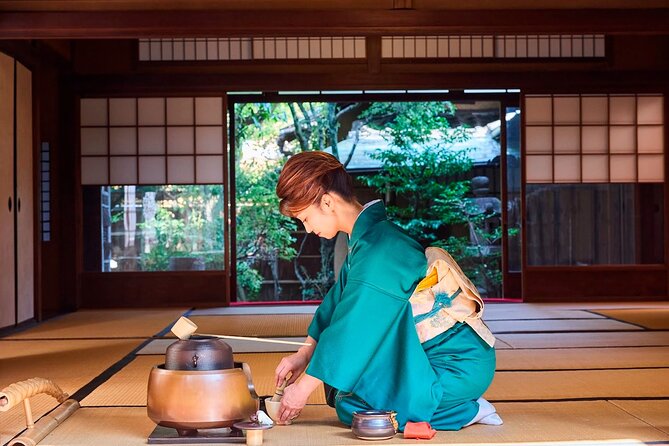
A professional tea master explains the tools, the movements, and the meaning behind the customs. You learn why the utensils are handled in particular ways, how the tea is prepared, and how to receive and drink it with proper manners. The instruction is presented in a friendly way, with humor and clear explanations in English available through the staff.
The teaching style seems to be a strong point. Yuki is identified as an English-speaking host and translator in one session, while Miki is named as a warm and patient tea host in another. The exact host can vary, but you should expect an approachable lesson rather than a silent demonstration.
You will notice that the ceremony values precision. The tea master does not simply mix powder and hot water. Each movement has a place, and the order of actions matters. That may sound formal, but the explanations keep it accessible, even if you have never tasted matcha or know nothing about tea etiquette.
Whisking Your Own Matcha
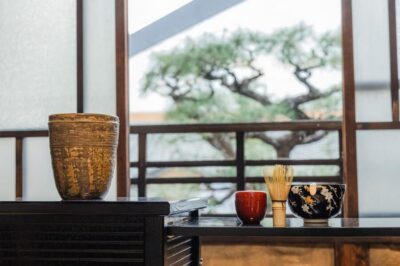
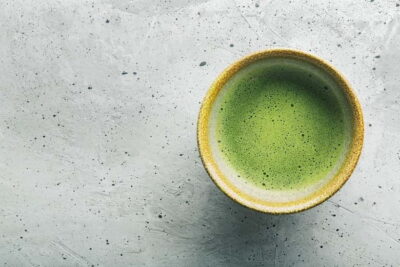
The hands-on portion is where the experience earns its cultural value. After watching the tea master, you prepare your own bowl of matcha with high-quality green tea and traditional utensils. You receive guidance on whisking, so you are not left guessing how to create the right texture.
This is also where the activity becomes more than a costume rental with refreshments. You feel the difference between observing a ritual and attempting it yourself. Your first bowl may not look perfect, and that is part of the lesson. The focus is on learning the movements and understanding the custom.
You do not need to already like matcha to enjoy the activity. One participant did not drink matcha regularly but still appreciated the dressing, the explanation, and the friendly teaching. The tea has a distinct bitter, grassy flavor, so people who prefer sweet drinks should keep their expectations realistic.
Traditional snacks are included and help balance the tea. The snacks are served as part of the ceremony experience, not as a full meal. If you are booking around lunchtime, treat them as a small accompaniment rather than a substitute for food.
The lesson also gives you a useful piece of Kyoto culture to carry into the rest of your trip. Once you understand the care given to the bowl, whisk, scoop, and gestures, you may notice similar values in other Japanese settings. The activity is short, but it gives context to customs that can otherwise look mysterious from the outside.
More Tea Ceremony Experiences in Kyoto
- Kyoto: Tea Ceremony in a Traditional Tea House in Kiyomizu
★ 4.9 · 3,519 reviews - Kyoto: Tea Ceremony Ju-An at Jotokuji Temple
★ 4.9 · 3,207 reviews - Kyoto: 45-Minute Tea Ceremony Lesson Experience
★ 4.3 · 2,378 reviews - Kyoto: Table-Style Tea Ceremony at a Kyo-Machiya
★ 4.9 · 1,211 reviews
How Traditional Is the Experience?
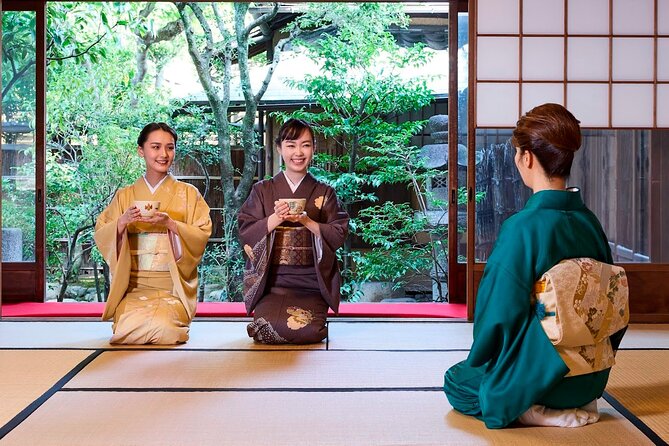
This is a visitor-friendly cultural activity, not a private tea gathering for practitioners. The kimono selection is designed for many bodies and tastes, the dressing is efficient, and the teaching is adapted for international participants. That does not make it empty or fake, but it does mean you should arrive expecting an accessible introduction rather than a long, austere ceremony.
The strongest parts are the attention to etiquette, the tatami setting, and the chance to make your own matcha. The process of dressing also creates a sense of occasion. Staff are described as kind, professional, and helpful, particularly when choosing clothing and arranging hair.
There are limits. The schedule can feel packed, with visitors moving promptly from dressing to hairstyling to the ceremony. If you want a slow, highly private tea lesson, this may feel too structured. The listed maximum is four people, which should provide a relaxed format, but one booking had initially been placed with a larger group before the issue was corrected. Confirm the expected group size if privacy matters to you.
Sitting on the floor can also be difficult. Small chairs may be available for people who need them, and using one does not remove the ceremony’s main elements. If kneeling or sitting on tatami is uncomfortable, tell the staff rather than forcing yourself into a painful position.
Is the $65.39 Price Good Value?
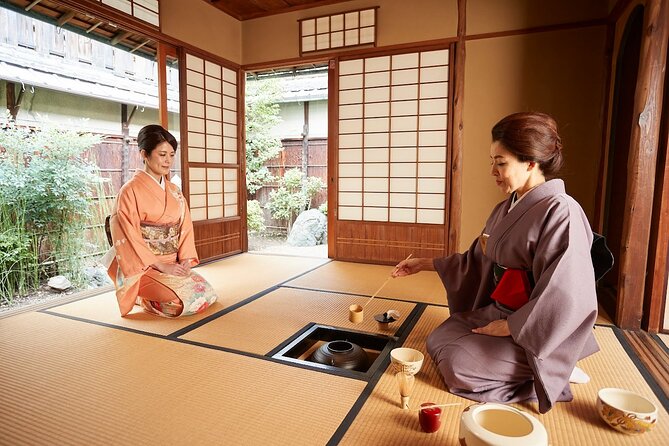
At $65.39 per person, this is not the cheapest way to taste matcha in Kyoto. You are paying for more than a cup of tea, though. The price includes kimono rental, simple hairstyling, utensils, green tea, snacks, staff assistance, and a guided ceremony lasting about 90 minutes.
I consider the value strongest if you want both the clothing and the cultural lesson. Booking these as separate activities could take more time and create more planning. Here, the pieces are arranged in one visit, and the staff handle the dressing details that can be hard to manage alone.
The value is weaker if your only goal is to drink matcha or watch a short demonstration. A tea specialist seeking a long, formal session may also want something more focused. This experience is best for first-time visitors who want a clear introduction, photographs, and a practical activity without giving up half a day.
The small-group claim also matters to the price. A maximum of four people allows more direct help with whisking and etiquette. Since one booking encountered a larger group before staff adjusted it, check your confirmation and clarify the arrangement if the group size is important.
Who Will Enjoy This Kyoto Activity?
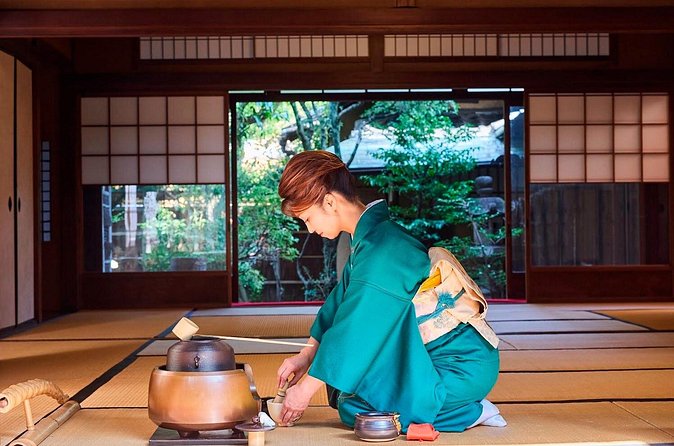
I would recommend it most strongly to first-time visitors, couples, families with older children, and solo visitors who want a structured cultural activity. Solo participants can take part comfortably, and the hosts provide enough explanation to make the setting approachable.
It also suits people who want photographs with a clear Kyoto theme. The kimono, hair, accessories, and tatami room give you a complete visual setting rather than a quick rental followed by independent sightseeing.
You may want to skip it if you dislike wearing restrictive clothing, sitting on the floor, or following etiquette instructions. It is also not suited to families with children under six, who are not permitted. Matcha skeptics can still enjoy the dressing and teaching, but you should not expect the tea itself to taste mild or sweet.
This is a good rainy-day option because the main activity takes place indoors. It can also fit neatly between sightseeing stops in central Kyoto, though you should allow time to reach the meeting point and avoid scheduling another activity too tightly afterward.
Booking, Cancellation, and Practical Details
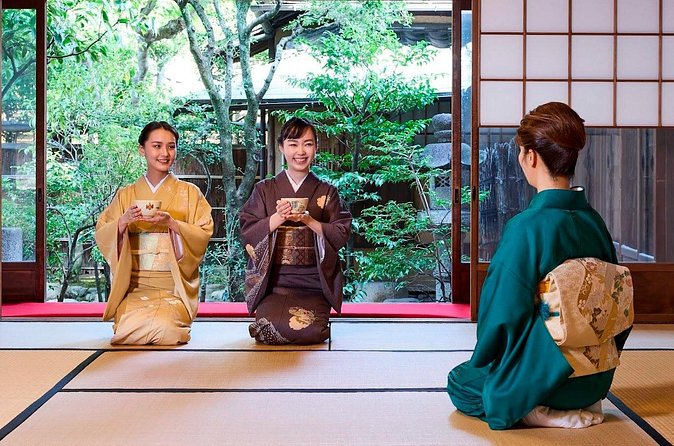
The activity lasts approximately one hour and 30 minutes. A mobile ticket is accepted, and confirmation is provided when you book. The meeting point is Kimono Tea Ceremony Maikoya Karasuma Shijo, and you return there when the session ends.
Free cancellation is available if you cancel at least 24 hours before the start time. Changes or cancellations made less than 24 hours in advance are not accepted for a refund, with cut-off times based on Kyoto’s local time.
Bring a phone or camera if you want pictures, but leave the tripod at your accommodation. During the ceremony, wait for permission or an appropriate pause before taking photographs or recording video.
I would also check three things before paying: the start time, the expected group size, and any needs you have around sitting on the floor. These small checks help prevent the main drawbacks, namely a rushed schedule or a group arrangement that differs from what you expected.
Should You Book the Maikoya Kimono Tea Ceremony?
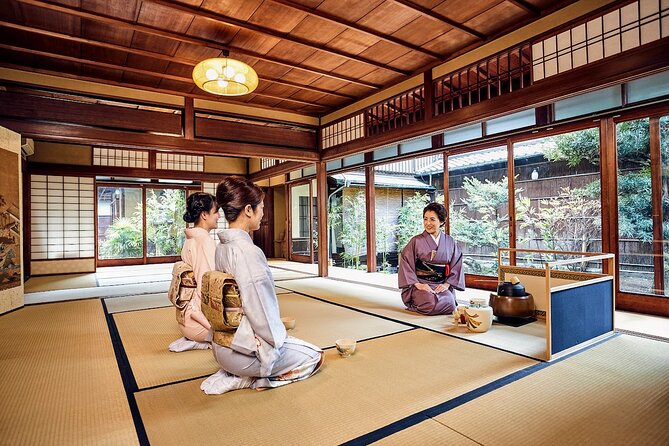
Book it if you want a friendly, well-organized introduction to two Kyoto traditions in one compact visit. The combination of dressing, hairstyling, etiquette, matcha preparation, snacks, and photos gives you a fuller experience than a simple tea tasting.
I would be more cautious if you expect rare textiles, a highly private ceremony, or a long period of quiet contemplation. The kimonos are visitor garments, and the schedule can move quickly. Still, for $65.39, the package offers a fair amount of personal attention and cultural instruction, especially when the group stays at the advertised maximum of four.
For most first-time Kyoto visitors, this is an enjoyable choice with genuine teaching at its center. You will leave with more than a few photographs. You will understand why the bowl, whisk, gestures, and manners matter, and you will have made the matcha yourself.
FAQ
Where does the kimono tea ceremony take place?
It takes place at Kimono Tea Ceremony Maikoya Karasuma Shijo, 220 Itoyacho, Shimogyo Ward, Kyoto, 600-8432, Japan. The activity ends back at the same meeting point.
How long does the experience last?
The activity lasts approximately one hour and 30 minutes.
What is included in the price?
The price includes kimono costume rental, simple hairstyling, green tea, traditional utensils, and snacks.
Are children allowed to participate?
Children under six are not permitted. The activity information does not state a lower age limit above six.
Is transportation included?
No. Transportation and hotel pickup and drop-off are not included. The meeting point is near public transportation.
Can I take photos or use a tripod?
Photos and video may be limited during the ceremony, and you must follow the tea master’s instructions. Tripods are not allowed during the ceremony.
Just added around Kyoto
- Private Guided Traditional Buddhist Cooking in Japan★ 5.0 · 16 reviews
- Kyoto: Gion Geisha District & Sake-in-Hand Walking Tour★ 5.0 · 37 reviews
- Your Private Vacation Photography Session In Kyoto★ 5.0 · 110 reviews
- Kyoto: Zen Meditation at a Private Temple with a Monk★ 5.0 · 25 reviews
- Traditional Japanese Washi Papermaking- Kyoto morning★ 5.0 · 77 reviews
- Kyoto Wagashi(Japanese sweets) Cooking Class near Fushimiinari★ 5.0 · 60 reviews
- Private Pewter Sake Cup Experience with a Kyoto Artisan★ 5.0 · 31 reviews
- Kyoto Private 6 hour Tour: English Speaking Driver Only, No Guide★ 5.0 · 88 reviews
Tea Ceremony Experiences, compared.
Tea Ceremony in a Traditional Tea House in Kiyomizu
Read our review →
World Heritage Kyoto & Nara Uji Authentic Matcha Experience
Read our review →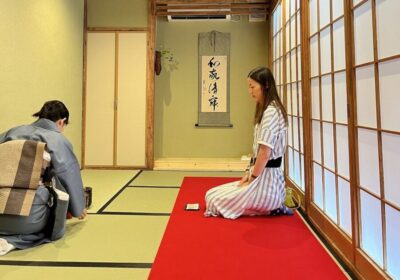
Browse the lists this tour appears in