
REVIEW · JAPANESE COOKING CLASSES
Japanese Food Cooking Class in Asakusa, Tokyo
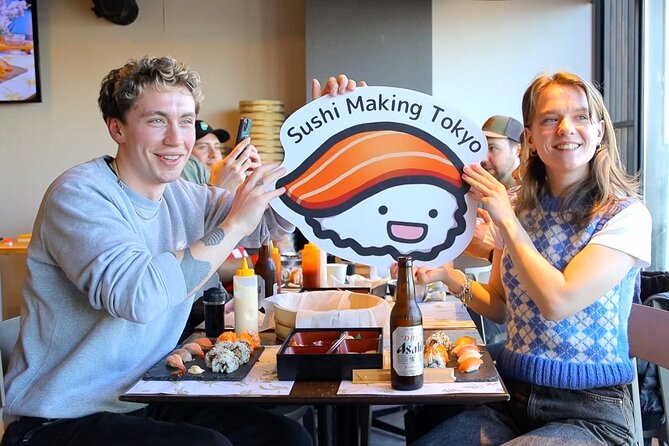
Rolling sushi and whisking matcha make a fine pair in Asakusa. This class gives you two hands-on tastes of Japan in about three hours, just a short walk from Sensoji Temple. You do not need cooking skills, and English instruction keeps the steps clear.
I like the practical format: you make the food rather than simply watch it being prepared. I also like the family-friendly pace, with past instruction from teachers such as Jun and Kazu praised for patience, humor, and clear step-by-step help.
The main consideration is timing. The matcha session lasts about an hour, while sushi takes roughly one hour and 40 minutes, so this is a focused class rather than a leisurely half-day food tour. The listed price is $85.87 for a group of up to one, so check the booking details carefully if you are reserving for more than one person.
In This Review
- Key points to know before booking
- A good Asakusa pairing: sushi first, matcha too
- What happens during the one-hour matcha session
- The 1-hour-40-minute sushi lesson
- Why the finished meal matters
- The Asakusa setting near Sensoji Temple
- How the group size affects the experience
- Who will get the most from this class
- Value at $85.87
- Timing your class around Asakusa
- Final recommendation: book it for hands-on fun
- FAQ
- Where does the Japanese food cooking class meet?
- How long does the experience last?
- What activities are included?
- Is the class taught in English?
- Do I need previous cooking experience?
- Are ingredients and food included?
- Is hotel transportation provided?
- How many people can join the class?
- Can I cancel for a full refund?
Key points to know before booking
- Two Japanese food traditions in one class: You make sushi, then learn to whisk matcha in the traditional style.
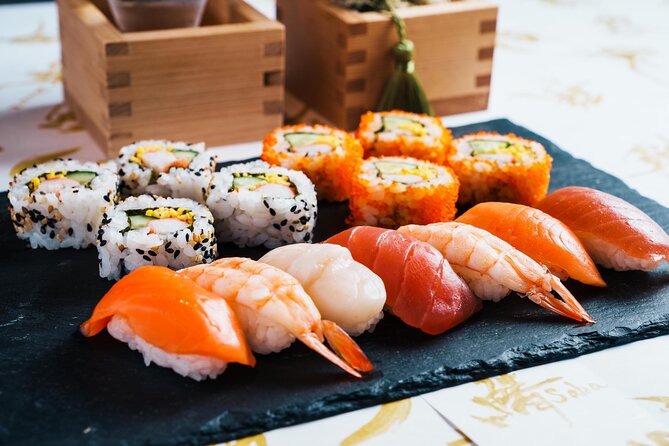
- Sushi includes both maki and nigiri: You get practice with rolled sushi and hand-shaped pieces.
- Near Sensoji Temple: The meeting point at 2-chōme-17-9 Kaminarimon is well placed for an Asakusa sightseeing day.
- English-speaking instruction: Teachers guide you through each stage, making the class suitable for first-timers.
- Food and ingredients are included: The sushi you prepare becomes part of the meal.
- Small enough to feel manageable: The maximum group size is 15, with most people able to take part.
A good Asakusa pairing: sushi first, matcha too
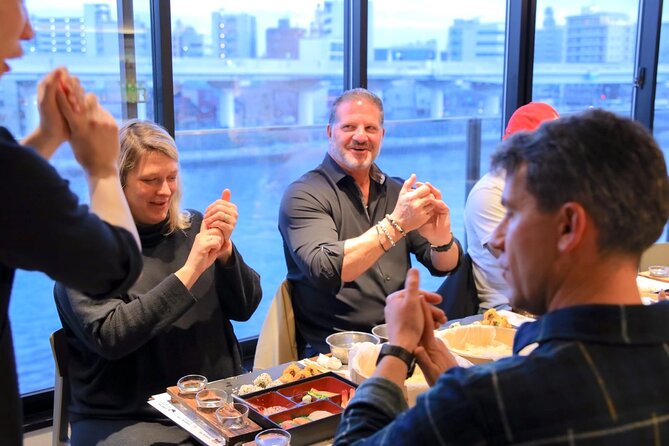
Many Japanese cooking classes concentrate on one dish. This one adds a second ritual, so you get a broader introduction to Japanese food culture without spending an entire day in a kitchen.
The sushi session is the larger part of the class. You learn how to work with fresh ingredients and prepare both maki and nigiri. That distinction matters. Maki is rolled sushi, usually wrapped in seaweed, while nigiri is shaped rice topped with fish or another ingredient. Learning both gives you more than one simple recipe to take home.
The matcha session adds a quieter change of pace. You learn how to prepare Japanese powdered green tea and whisk it in the traditional way. It is not just a drink-making demonstration. The movement, texture, and method are part of the experience, giving you a look at a familiar Japanese custom from the inside.
I like this combination because it balances a lively, hands-on food lesson with a more measured tea activity. If you are planning a day around Sensoji Temple, Kaminarimon Gate, and the old streets of Asakusa, the class fits naturally into that plan.
More Japanese Cooking Classes in Tokyo
- Sushi Making Tokyo Roll and Authentic Japanese Sushi Class
★ 5.0 · 3,971 reviews - Tokyo: Roll and Authentic Sushi Making Class in Asakusa
★ 4.9 · 1,957 reviews - Tokyo: Sushi Making Class in a Happi Coat near a Famous Spot
★ 4.9 · 1,377 reviews
What happens during the one-hour matcha session
The matcha portion lasts about one hour and includes admission, instruction, and the materials needed for the activity. Your English-speaking teacher shows you how to whisk the tea in the traditional manner, with guidance as you work through the process yourself.
The value here is direct participation. You are not simply handed a cup and told that matcha is important in Japan. You learn the basic action that turns powdered tea and water into a smooth drink. That makes the lesson easier to remember, especially if this is your first contact with matcha preparation.
The session is also a useful choice for visitors who want culture without a long formal ceremony. The supplied details do not promise a full tea ceremony, special seasonal setting, or extended discussion of tea history, so you should book it for the hands-on matcha lesson rather than expect a large ceremonial production.
That clear expectation helps. This is a cooking class with a matcha component, not a dedicated tea-school program. For many people, that is exactly the right amount of time.
The 1-hour-40-minute sushi lesson
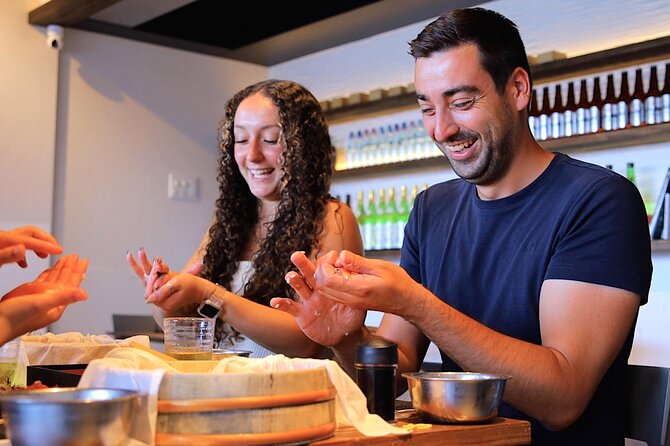
Sushi takes up most of the class, and for good reason. There are several steps to learn, and the format gives you time to make a generous amount rather than one token piece for a photograph.
Your instructor leads you through the process step by step. The teaching style is designed for beginners, with no previous experience required. Past participants singled out the simple instruction and the way teachers checked that everyone could complete the steps successfully.
The class covers sushi rolls and nigiri. That combination is one of its strongest features. You learn the structure of a roll, then work with the more delicate shaping needed for nigiri. The exact ingredients can vary, since the class simply promises fresh ingredients rather than naming a fixed menu, but the meal is included as part of the experience.
You should expect to spend much of this session actively preparing food. The class is not suited to someone who wants a quick demonstration followed by a restaurant meal. Its appeal comes from making the meal yourself, with the instructor helping you avoid the usual beginner mistakes.
Past instruction from Jun has been praised for patience and clear explanations, while Kazu has been noted for giving families careful, step-by-step help. Instructor assignments can change, but these examples give you a sense of the teaching style to expect: friendly, involved, and aimed at making the process feel achievable.
Why the finished meal matters
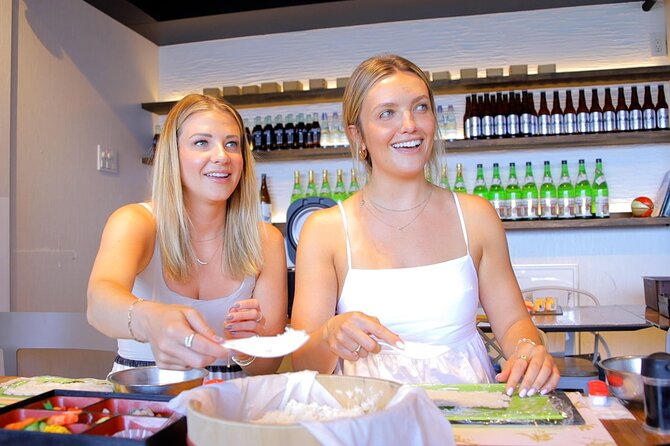
The meal is not an extra charge after the lesson. Ingredients and the food you prepare are included, which makes the price easier to assess.
There is a simple pleasure in eating sushi that you have shaped yourself. You notice the rice, the balance of fillings, and the difference between a tidy roll and one that needs a little more care. The food also gives the lesson a clear payoff. You do not leave with only instructions and a recipe card.
Several comments about the class focus on the finished sushi being delicious, including the maki and nigiri. That is useful for setting expectations. The activity aims to produce food you can enjoy at the end, not merely a practice batch that gets discarded.
Still, you should keep the right perspective. This is an instructional experience, not a luxury sushi tasting with a long list of premium courses. The ingredients are included, but no detailed menu or specific fish selection is provided. If you have strict dietary needs, ask the provider before booking.
Same city, a completely different kind of day:
- Mt Fuji and Hakone 1-Day Bus Tour Return by Bullet Train
★ 5.0 · 26,383 reviews - 1-Day Tokyo Bus Tour
★ 5.0 · 14,250 reviews - Tokyo: TOKYO SKYTREE® Admission ticket
★ 4.5 · 11,192 reviews - Tokyo: teamLab Planets TOKYO Digital Art Museum Entry Ticket
★ 4.6 · 9,779 reviews
The Asakusa setting near Sensoji Temple
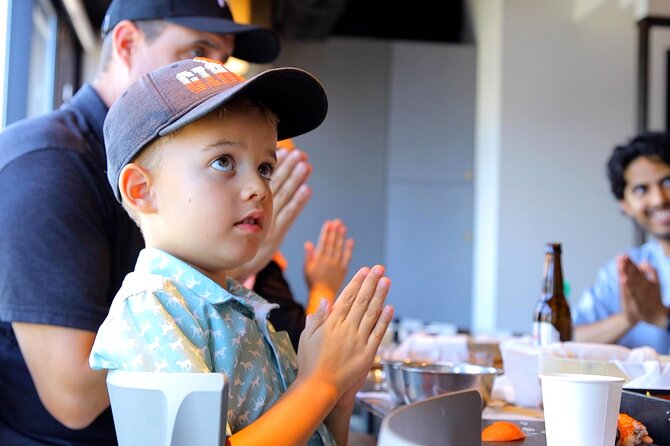
The meeting point is at 2-chōme-17-9 Kaminarimon, in Taito City, Tokyo. It is only a few minutes from Sensoji Temple, making the class easy to combine with one of Tokyo’s best-known traditional districts.
That location is a real advantage. You can visit the temple area before or after the class instead of crossing the city for a separate activity. Asakusa also gives the experience a more fitting setting than a class in a modern business district. You are learning sushi and matcha in one of Tokyo’s most traditional parts.
The class ends back at the meeting point. There is no hotel pickup or drop-off, so you need to make your own way there and onward to your next stop. The location is near public transportation, which keeps the visit practical, but you should still allow enough time to find the address.
A mobile ticket is included as a feature, so keeping your booking available on your phone should be straightforward. Confirmation is sent within 48 hours, subject to availability. If your schedule is tight, do not leave the reservation until the last possible moment.
How the group size affects the experience
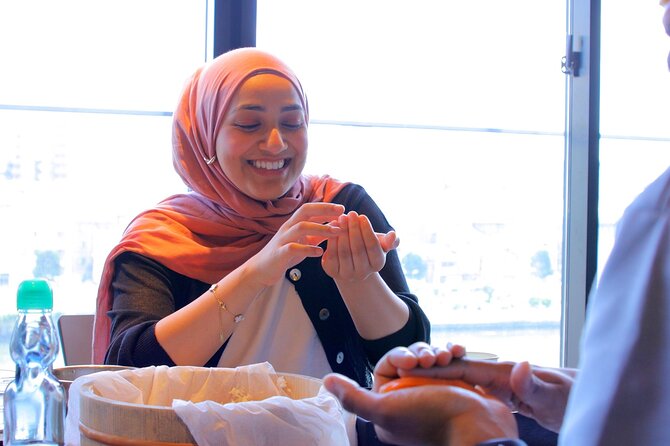
The maximum group size is 15 people. That is large enough to create a social cooking class, but still limited enough for an instructor to give personal help.
For a beginner, this matters more than it might seem. Sushi shaping can go wrong in small ways: too much filling, loose pressure, uneven rice, or a roll that does not hold together. Clear demonstrations help, but individual correction is what lets you improve. A group of 15 is not private instruction, yet it should remain workable for a guided class.
Families can take part, and the experience is specifically suitable for most people. Past family instruction included children aged seven and nine, with the children able to follow the steps and enjoy eating what they made. That makes this a strong option for parents who want an activity that is more active than temple sightseeing.
The listing price is shown as $85.87 per group of up to one. Since that wording is unusual for a shared class, confirm how the booking platform prices additional people before you pay. The total value depends heavily on whether you are booking solo or adding companions.
Who will get the most from this class
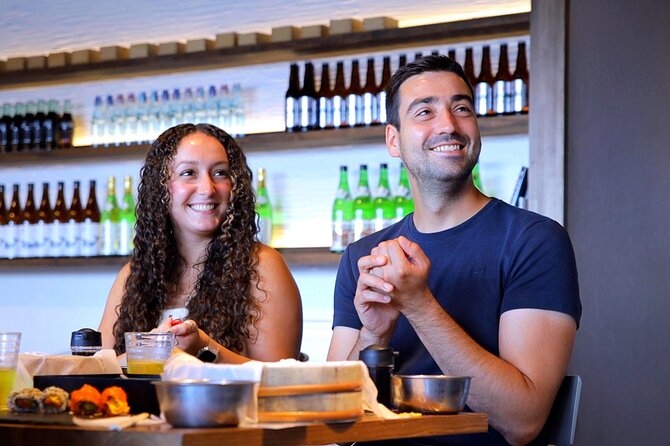
I would recommend this experience to you if you want a cultural activity that produces something you can eat. It suits first-time visitors, families, couples, friends, and solo participants who prefer doing something practical instead of joining a large sightseeing bus.
It is especially useful on a rainy day or when you need a three-hour break from walking around Tokyo. The class gives you a fixed activity near a major sightseeing area, and the meal removes the need to search for lunch immediately afterward.
Children can enjoy it because the work has a clear result. They roll, shape, and then eat. Adults get the added benefit of learning techniques they may be able to repeat at home.
You may want to choose another activity if you are looking for advanced knife work, a market visit, a long lesson on fish selection, or a formal tea ceremony. None of those features is promised here. The class is about accessible preparation, friendly guidance, and an introduction to two well-known Japanese food traditions.
Value at $85.87
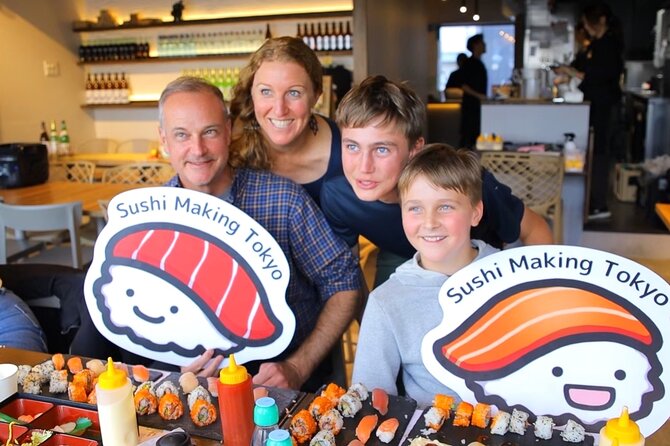
At $85.87 for a group of up to one, the price is not a bargain cooking demonstration. Its value comes from the package: roughly three hours of instruction, two activities, ingredients, and the meal you prepare.
For a solo visitor, the cost may feel easier to justify because the class combines food and culture in one booking. You are also paying for an English-speaking instructor, which can make a major difference when learning unfamiliar techniques.
For a family or group, the pricing needs closer attention. The supplied fare is stated per group of up to one, not as a simple per-person price. Check the final total and participant rules before booking so you know what the class will cost for everyone.
The strong recommendation record also helps, with a listed 5 rating from 39 reviews and 100 percent recommending the experience. More important than the numbers is the consistency of the praise: friendly teachers, clear instruction, lots of sushi to make, and food that turns out well. Those are the points that directly affect your day.
Timing your class around Asakusa
The total experience is about three hours. Matcha takes one hour, and sushi takes about one hour and 40 minutes, leaving a small amount of time for transitions and the practical movement of the class.
Plan your Asakusa sightseeing with that fixed block in mind. Sensoji Temple is close enough to pair with the class, but avoid scheduling another timed attraction immediately afterward. Tokyo transportation is reliable, yet finding a meeting point and walking through a busy sightseeing district can take longer than expected.
Because the activity ends where it begins, you can continue exploring Asakusa afterward or return to a nearby train or subway connection. Hotel transfers are not included, so the class works best for people already building their own Tokyo day.
Cancellation is free if you cancel at least 24 hours before the start time. Changes or cancellations made inside that window are not accepted for a refund, and all cut-off times use local Tokyo time. That is a fair policy, but it rewards planning ahead.
Final recommendation: book it for hands-on fun
I would book this class if you want to learn by doing and you have room in your Asakusa schedule for a three-hour activity. The combination of sushi rolls, nigiri, and traditional matcha gives you more variety than a single-dish lesson, while English instruction keeps the class approachable.
Families should give it serious consideration, especially with children old enough to follow simple cooking steps. Solo visitors can also fit it neatly into a sightseeing day, provided the unusual group pricing works for their budget.
Skip it if you want a specialist culinary course, a set list of high-end ingredients, or a formal tea ceremony. For an easygoing introduction to Japanese food culture near Sensoji Temple, though, this class offers a useful balance of instruction, food, and place.
FAQ
Where does the Japanese food cooking class meet?
The class meets at 2-chōme-17-9 Kaminarimon, Taito City, Tokyo 111-0034, Japan.
How long does the experience last?
The full activity takes approximately three hours. The matcha class lasts one hour, and the sushi class lasts about one hour and 40 minutes.
What activities are included?
You take part in a matcha-making class and a sushi-making class. The sushi lesson covers maki and nigiri preparation.
Is the class taught in English?
Yes. An English-speaking instructor guides you through the activities.
Do I need previous cooking experience?
No. The class is designed so that people without cooking experience can participate.
Are ingredients and food included?
Yes. The ingredients for the cooking class and the meal you prepare are included.
Is hotel transportation provided?
No. Hotel pickup and drop-off are not included. You must travel to and from the meeting point yourself.
How many people can join the class?
The activity has a maximum of 15 participants.
Can I cancel for a full refund?
Yes, if you cancel at least 24 hours before the experience start time. Cancellations or changes made less than 24 hours before the start time are not accepted for a refund.
More Food & Drink in Tokyo
- Tokyo: Shinjuku Food Tour (13 Dishes at 4 Local Eateries)
★ 5.0 · 6,603 reviews - Tokyo Tsukiji Fish Market Food and Culture Walking Tour
★ 5.0 · 3,184 reviews - Tokyo: Shinjuku Food Tour (15 Dishes and 4 Eateries)
★ 4.9 · 2,033 reviews - Best of Shinjuku: Izakaya Food Tour (4 Stops, 14+ Tastings)
★ 5.0 · 1,863 reviews
More Cooking Classes in Tokyo
- Ramen & Gyoza Cooking Class in Tokyo with Local Supermarket Visit
★ 5.0 · 823 reviews - Tokyo: Easy Ramen Cooking Experience in Kabukicho, Shinjuku
★ 4.6 · 321 reviews - Ramen and Sushi Cooking Class with Sake Pairing Set in Tokyo
★ 5.0 · 291 reviews - Tokyo: Wagyu and 7 Japanese Dishes Cooking Class
★ 4.9 · 273 reviews
Just added around Tokyo
- Private Memorable Tokyo Tour with English Speaking Driver★ 5.0 · 30 reviews
- Private Sightseeing to Mt Fuji and Hakone with English Driver★ 5.0 · 51 reviews
- Tokyo Photography Masterclass – Private Photography Lesson★ 5.0 · 25 reviews
- Private Tokyo Custom Full-Day Tour by Chartered Vehicle★ 5.0 · 16 reviews
- Private Mt. Fuji Day Trip from Tokyo with English-Speaking Driver★ 5.0 · 33 reviews
- 4 Day Tour – Mount. Fuji, Tokyo, Hakone, Kamakura and Yokohama★ 5.0 · 19 reviews
- Private Unforgettable Mt Fuji Tour with English Speaking Driver★ 5.0 · 142 reviews
- Private Tokyo Food Tour – A Journey Through Time Through Food★ 5.0 · 36 reviews
Japanese Cooking Classes, compared.
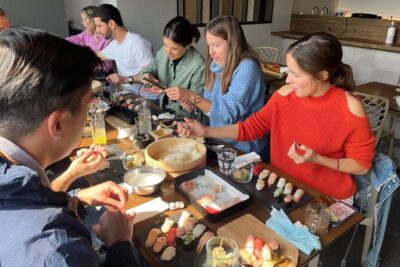
Sushi Making Tokyo Roll and Authentic Japanese Sushi Class
Read our review →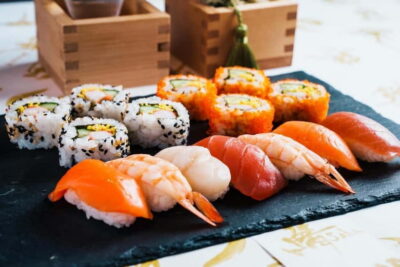
Roll and Authentic Sushi Making Class in Asakusa
Read our review →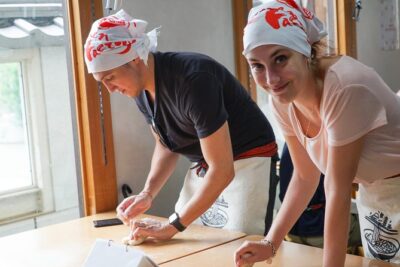
Ramen Cooking Class at Ramen Factory in Kyoto
Read our review →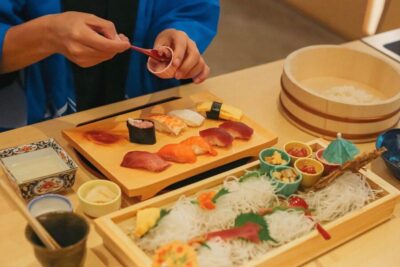
Sushi Making Class in a Happi Coat near a Famous Spot
Read our review →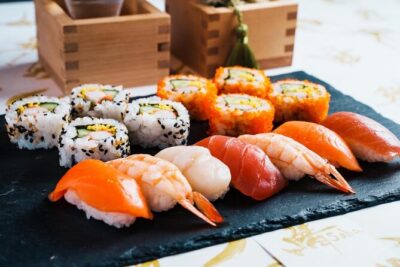
Sushi Making Osaka Roll and Authentic Japanese Sushi Class
Read our review →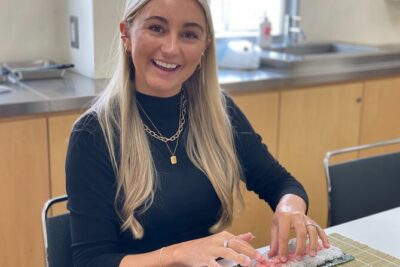
Tokyo Sushi Making Class in Tsukiji with Professional Chef
Read our review →
Ramen & Gyoza Cooking Class in Tokyo with Local Supermarket Visit
Read our review →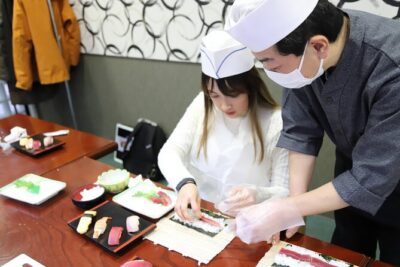
Tsukiji Fish Market Guided Tour and Sushi Making with Pro Chef
Read our review →Browse the lists this tour appears in