
REVIEW · JAPANESE COOKING CLASSES
Gyoza Making from Scratch- Tokyo Ultimate Cooking Class
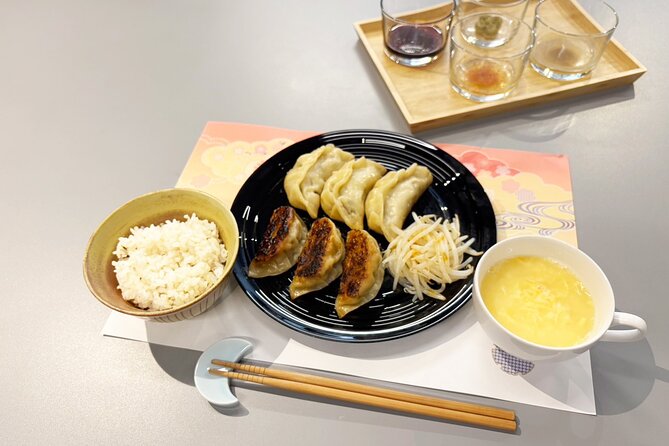
The best part of this central Tokyo cooking class is that you make the entire gyoza, not just fold ready-made dumplings. You knead the wrappers, prepare the filling, practice several folds, and pan-fry the finished batch before sitting down with soup, a side dish, and different dipping sauces.
I like the honest comparison between handmade and store-bought wrappers, since it shows exactly where your extra kitchen work pays off. I also like the patient, step-by-step English instruction, which makes this a good pick for families and first-time cooks. The main consideration is time: at about 1 hour 50 minutes, this is a focused class rather than a long Japanese food tour, and the price is $92.24 per person.
In This Review
- Key points at a glance
- Why this gyoza class works well in Tokyo
- Inside the Patia Kitchen studio
- Kneading dough and making wrappers
- Mixing a filling that stays juicy
- Folding practice without pressure
- Pan-frying yaki-gyoza
- Soup, side dish, and dipping sauces
- What the $92.24 price includes
- Timing, location, and group size
- Who should book this cooking experience
- Small details that improve the experience
- My verdict on the Tokyo gyoza class
- FAQ
- How long does the gyoza cooking class last?
- What will I make during the experience?
- Do I cook both handmade and store-bought wrappers?
- Is the class taught in English?
- Can I request chicken filling instead of pork?
- Is transportation from my hotel included?
- What do I receive after the class?
Key points at a glance
- Make the gyoza from the beginning: Prepare dough, filling, folds, and pan-fried dumplings rather than assembling a partly finished meal.
- Compare two wrappers: Cook both handmade and store-bought wrappers to notice the difference in taste and texture.
- Learn the juicy filling method: The class explains how to prepare gyoza filling so it stays moist after cooking.
- Eat more than dumplings: Prepare soup and a side dish, then try your gyoza with several dipping sauces.
- Convenient central Tokyo setting: The modern Patia Kitchen studio is near public transportation and has a maximum group size of 12.
- Take the lesson home: You receive an English recipe and downloadable digital photos after the class.
Why this gyoza class works well in Tokyo
Tokyo offers food tours, market visits, ramen lessons, and sushi workshops. This class takes a simpler route: it focuses on one everyday Japanese favorite and lets you understand how it is made.
Gyoza is familiar enough to feel approachable, but the details matter. The wrapper thickness, folding technique, filling moisture, and pan-frying method all affect the final bite. I like that the class covers each of these points instead of treating dumpling folding as the whole lesson.
You also get a useful meal at the end. The gyoza comes with soup, a side dish, and several dipping sauces, so the class feels like both a cooking lesson and a compact lunch or dinner experience. Meals are included in the price.
The format is especially handy for a Tokyo itinerary. You do not need to spend half a day traveling outside the center, and the studio is near public transportation. The meeting and ending point are the same, which keeps the plan simple.
More Japanese Cooking Classes in Tokyo
- Sushi Making Tokyo Roll and Authentic Japanese Sushi Class
★ 5.0 · 3,971 reviews - Tokyo: Roll and Authentic Sushi Making Class in Asakusa
★ 4.9 · 1,957 reviews - Tokyo: Sushi Making Class in a Happi Coat near a Famous Spot
★ 4.9 · 1,377 reviews
Inside the Patia Kitchen studio
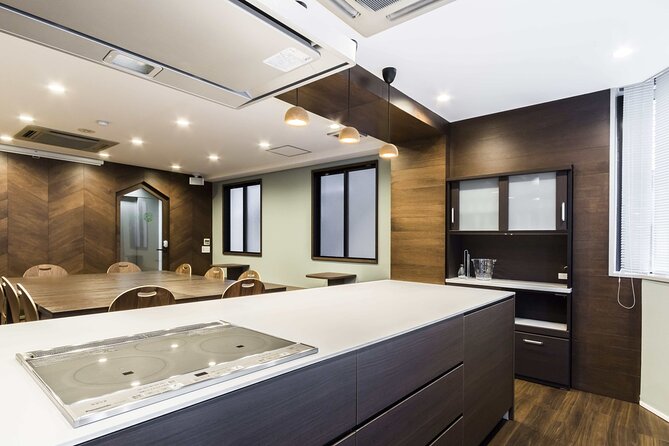
The class takes place in a modern, stylish Patia Kitchen studio in central Tokyo. The kitchen is described as spacious and fully equipped, so you can focus on the food rather than working around a cramped home kitchen.
The group can include up to 12 people. That is small enough for a guided class, though it is not a private lesson. Your experience will depend partly on the group and on how much individual help is needed during the folding and cooking stages.
An English-speaking instructor guides you through the process step by step. That matters here because small cooking details are easy to miss. You want clear instruction when learning how wet the filling should be, how to seal a wrapper, and how to cook the dumplings without tearing them.
The class is intended for all age groups, from young children to seniors. Families should find the hands-on format more engaging than a lecture, though adults should expect to help younger children with the dough, filling, and hot pan.
Kneading dough and making wrappers
The first major task is making gyoza wrappers from scratch. You work with the dough rather than starting with a packet of prepared rounds, which gives you a better sense of why homemade dumplings have a different texture.
This part is valuable even if you do not plan to make wrappers regularly at home. It shows the work behind the softer, fresher wrapper and gives you a practical comparison point for future cooking.
The class also uses store-bought wrappers. You fold and cook both types, then compare their taste and texture. That is one of the most useful features of the lesson because it keeps the advice realistic. Homemade wrappers may be satisfying, but prepared wrappers are faster and easier on a busy evening.
I would pay close attention during this stage and ask questions. The English recipe helps later, but the class gives you a chance to watch the process and correct mistakes before you try it alone.
Mixing a filling that stays juicy
After the wrappers, you prepare the gyoza filling with fresh ingredients. The class teaches the secret to making a juicy filling, which is more useful than simply handing you a list of ingredients.
Gyoza filling can easily become dry, watery, or loose. The instructor’s guidance is meant to show you how to combine the ingredients and prepare the mixture for folding and cooking. Since this is a hands-on class, you get to work with the filling yourself rather than watching someone else do the difficult part.
The standard filling is pork. If you prefer chicken, you can request a chicken filling, but you must provide that request more than 48 hours in advance. This is an important detail for anyone who avoids pork, and it should be handled before the class rather than assumed on the day.
The class includes fresh ingredients, cooking instruction, and the meal you prepare. It does not promise a broad menu, so book it for a focused gyoza lesson rather than a general survey of Japanese cuisine.
Same city, a completely different kind of day:
- Mt Fuji and Hakone 1-Day Bus Tour Return by Bullet Train
★ 5.0 · 26,383 reviews - 1-Day Tokyo Bus Tour
★ 5.0 · 14,250 reviews - Tokyo: TOKYO SKYTREE® Admission ticket
★ 4.5 · 11,192 reviews - Tokyo: teamLab Planets TOKYO Digital Art Museum Entry Ticket
★ 4.6 · 9,779 reviews
Folding practice without pressure
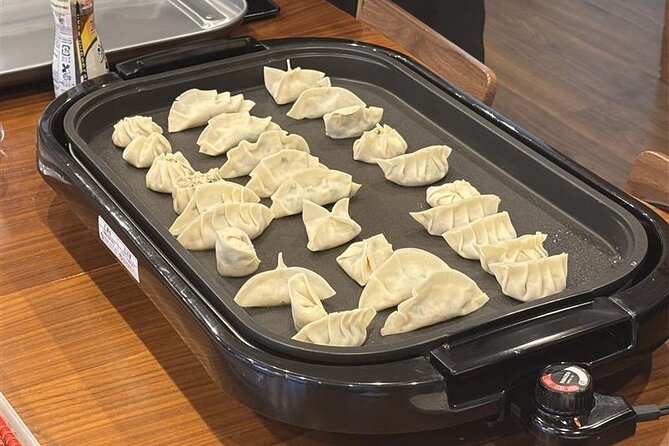
Folding is where the class becomes playful and practical. You learn folding techniques and have time to practice shaping the dumplings before cooking them.
You do not need to arrive with neat, restaurant-style pleats. The point is to learn how to close the wrapper securely and understand the technique. The instructor’s patient approach is particularly helpful here, since a rushed demonstration can leave beginners struggling with their first few dumplings.
The finished shapes may not all look identical. That is part of the appeal. You can see how a small change in pressure or wrapper position affects the seal, and you get a better feel for the dough than you would from reading a recipe alone.
This is also a good section for children. Folding gives them a clear task, though an adult should remain involved when the class moves to the stove.
Pan-frying yaki-gyoza
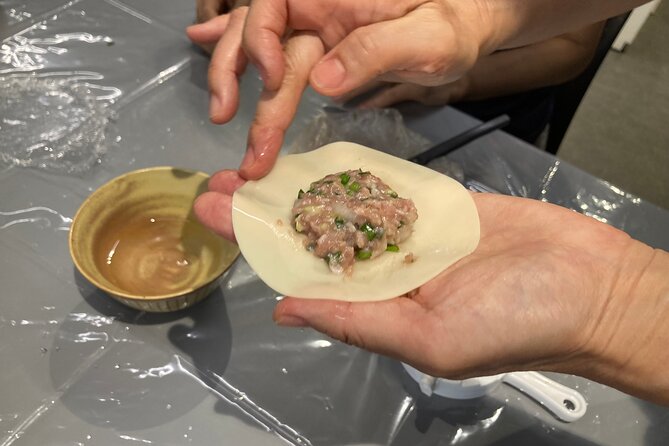
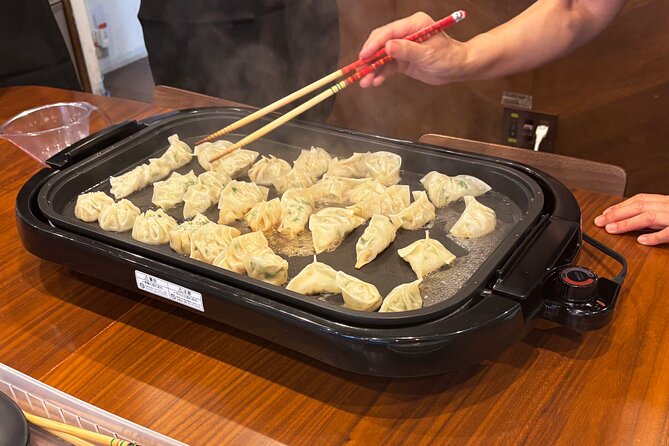
The class teaches pan-fried gyoza, known as yaki-gyoza. This is the style many people picture when they think of Japanese dumplings: browned on the bottom, cooked through, and served with dipping sauces.
Cooking is where the earlier steps come together. The wrapper must be sealed, the filling must cook properly, and the pan must produce the right texture. You get to cook both the handmade and store-bought versions, making the comparison more meaningful than a simple taste test of uncooked dough.
The class description does not specify the exact pan-frying sequence or cooking equipment, so you should treat the instructor’s demonstration as the key guide. Pay attention to timing and texture rather than trying to memorize every step before you start.
The meal is part of the experience, not an afterthought. You eat the gyoza you helped prepare, along with soup and a side dish. Several dipping sauces give you more than one way to taste the dumplings.
Soup, side dish, and dipping sauces
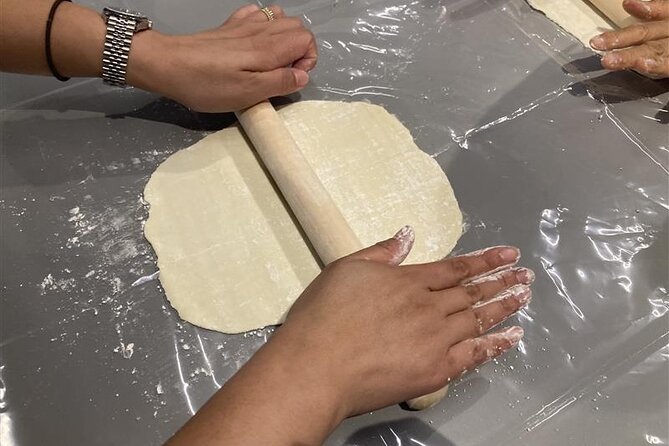
A good cooking class should leave you with a complete meal, and this one adds soup and a side dish to the gyoza. That gives you a better idea of how dumplings fit into a Japanese meal at home.
The additional dishes also prevent the experience from feeling like a single-item tasting. You get to prepare more than one part of the meal, though gyoza remains the clear focus.
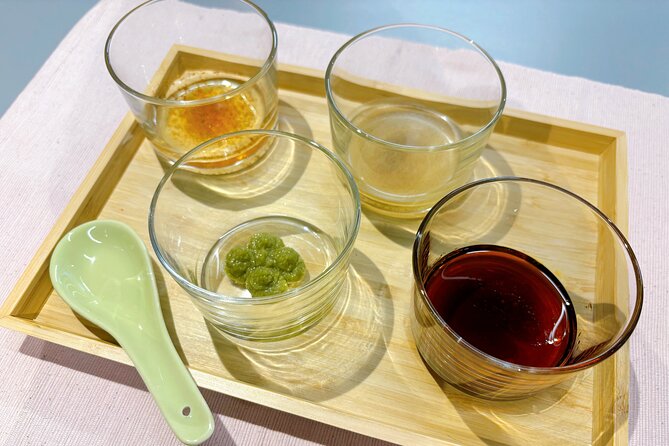
The several dipping sauces are useful for comparison. Gyoza can taste quite different depending on the sauce, and trying more than one lets you decide what you prefer. The supplied information does not name the sauces, so you should not expect a fixed list beyond the fact that several options are provided.
Because the class lasts less than two hours, the soup and side dish are likely part of a compact lesson rather than a large multi-course menu. That is a fair trade for a shorter activity that fits neatly into a busy day in Tokyo.
What the $92.24 price includes
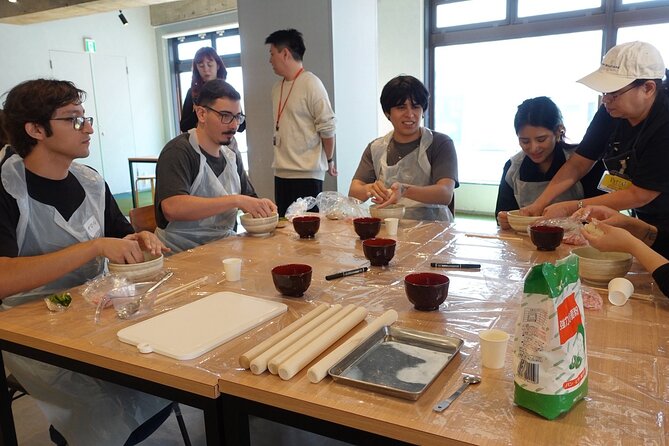
At $92.24 per person, this is not the cheapest way to eat gyoza in Tokyo. A restaurant meal will cost less, and you can buy prepared dumplings without paying for instruction.
The value comes from the combination of hands-on teaching and a full meal. You make wrappers and filling, learn folding techniques, cook two wrapper styles, prepare soup and a side dish, and receive an English recipe for later use. Digital photos from the class are also available to download afterward.
I would consider the price reasonable if you want a practical activity, not simply lunch. The recipe adds lasting value because you can recreate the dish at home. The photo download is a pleasant souvenir, though I would treat it as a bonus rather than a major reason to book.
The class is less compelling for anyone who only wants to sample Japanese food or who already makes dumplings confidently. In that case, a restaurant or food market visit may offer better value. For a first lesson, the comparison between homemade and store-bought wrappers helps justify the cost.
Timing, location, and group size
The activity lasts approximately 1 hour 50 minutes. That makes it easy to place between other central Tokyo plans, but you should allow enough time to reach the studio near public transportation and settle in before cooking begins.
The class starts and ends at the meeting point in Tokyo. Hotel pickup and drop-off are not included, so you arrange your own transportation. A mobile ticket is provided, which is convenient for keeping the booking details on your phone.
The maximum group size is 12 people. This is a useful limit because gyoza requires table space and access to cooking equipment. Still, you should not expect the level of one-on-one attention found in a private class.
The experience is booked an average of 35 days in advance. That is a strong reason to reserve early if your Tokyo dates are fixed, especially if you need the chicken filling option or want a particular time.
Free cancellation is available until 24 hours before the start time. Changes or cancellations made inside that window are not accepted for a refund. The activity also requires a minimum number of participants, and if that minimum is not met, you are offered another date or experience, or a full refund.
Who should book this cooking experience
I would recommend this class to several kinds of visitors:
- First-time visitors to Japan who want a food activity with clear English instruction.
- Families looking for something hands-on that can work for different ages.
- Couples and friends who prefer making a meal together to sitting through a demonstration.
- Home cooks who want to improve dumpling wrappers, folding, and filling technique.
- Visitors with limited time who need an activity under two hours in central Tokyo.
- Anyone avoiding pork, provided the chicken filling is requested more than 48 hours ahead.
You may want to choose another activity if you are looking for a broad Japanese cooking course. This class centers on gyoza, with soup and a side dish supporting the main lesson.
It may also disappoint you if you expect a private chef or a long cultural talk. The emphasis is on cooking, folding, and eating. That is a strength for practical learners, but not the right fit for someone seeking a full-day food tour.
Small details that improve the experience
Read the English recipe carefully after the class and use it while the techniques are still fresh. The recipe is one of the most useful takeaways, since wrapper dough and filling texture are easier to remember when you have just practiced them.
If you want chicken instead of pork, make the request early. The 48-hour deadline is clear, and waiting until the class begins may leave no time for the change.
Bring a phone for the mobile ticket and later photo download. The class provides the cooking experience and meal, but hotel transportation is your responsibility.
Finally, keep your expectations practical. Your first handmade wrappers may not be perfectly round, and your folds may vary. The value is in learning the process, tasting the difference, and leaving with a method you can repeat.
My verdict on the Tokyo gyoza class
I would book this experience if you want a short, focused cooking activity with a meal included. The handmade-versus-store-bought wrapper comparison is a particularly smart touch, and the English recipe gives the class value beyond your time in Tokyo.
The strongest praise attached to the experience centers on the patient instruction, delicious food, and fully hands-on format. Those qualities match what the class is designed to deliver.
At $92.24, you are paying for instruction, ingredients, a modern central studio, a complete meal, photos, and a recipe rather than just a plate of dumplings. Book it early if your dates are firm, and request chicken more than 48 hours ahead if needed.
Skip it only if you want a cheaper restaurant meal, a private lesson, or a wider Japanese menu. For everyone else, this is a practical and friendly way to turn one of Tokyo’s most familiar foods into a skill you can take home.
FAQ
How long does the gyoza cooking class last?
The class lasts approximately 1 hour 50 minutes.
What will I make during the experience?
You will make gyoza wrappers and filling from scratch, fold and pan-fry the dumplings, and prepare soup and a side dish.
Do I cook both handmade and store-bought wrappers?
Yes. You will fold and cook both handmade and store-bought wrappers, then compare their taste and texture.
Is the class taught in English?
Yes. An English-speaking instructor guides you through the cooking process step by step.
Can I request chicken filling instead of pork?
Yes. You must request the chicken filling more than 48 hours before the class.
Is transportation from my hotel included?
No. Hotel pickup and drop-off are not included. The class begins and ends at the meeting point, and the studio is near public transportation.
What do I receive after the class?
You receive an English recipe to recreate the gyoza at home and downloadable digital photographs taken during the experience.
More Workshops in Tokyo
- Tokyo Shinjuku Chopsticks Making Class
★ 5.0 · 1,763 reviews - Chopstick Making Workshop in Ginza
★ 4.8 · 1,366 reviews - Tokyo Sushi Making Class in Tsukiji with Professional Chef
★ 5.0 · 1,177 reviews - Matcha Making Class in Tokyo with Authentic Japanese Sweets Set
★ 5.0 · 744 reviews
More Cooking Classes in Tokyo
- Ramen & Gyoza Cooking Class in Tokyo with Local Supermarket Visit
★ 5.0 · 823 reviews - Tokyo: Easy Ramen Cooking Experience in Kabukicho, Shinjuku
★ 4.6 · 321 reviews - Ramen and Sushi Cooking Class with Sake Pairing Set in Tokyo
★ 5.0 · 291 reviews - Tokyo: Wagyu and 7 Japanese Dishes Cooking Class
★ 4.9 · 273 reviews
Just added around Tokyo
- Private Memorable Tokyo Tour with English Speaking Driver★ 5.0 · 30 reviews
- Tokyo Photography Masterclass – Private Photography Lesson★ 5.0 · 25 reviews
- Private Tokyo Custom Full-Day Tour by Chartered Vehicle★ 5.0 · 16 reviews
- Private Sightseeing to Mt Fuji and Hakone with English Driver★ 5.0 · 51 reviews
- Private Mt. Fuji Day Trip from Tokyo with English-Speaking Driver★ 5.0 · 33 reviews
- 4 Day Tour – Mount. Fuji, Tokyo, Hakone, Kamakura and Yokohama★ 5.0 · 19 reviews
- Private Unforgettable Mt Fuji Tour with English Speaking Driver★ 5.0 · 142 reviews
- Private Tokyo Food Tour – A Journey Through Time Through Food★ 5.0 · 36 reviews
Japanese Cooking Classes, compared.
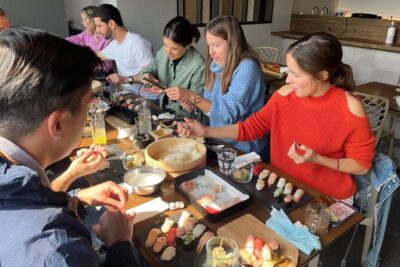
Sushi Making Tokyo Roll and Authentic Japanese Sushi Class
Read our review →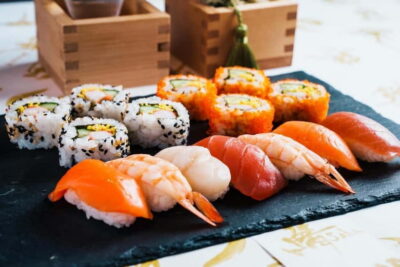
Roll and Authentic Sushi Making Class in Asakusa
Read our review →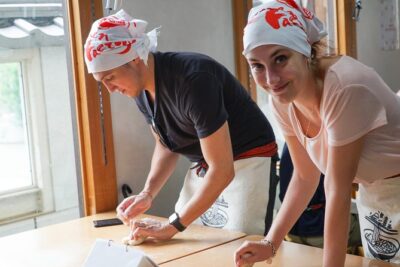
Ramen Cooking Class at Ramen Factory in Kyoto
Read our review →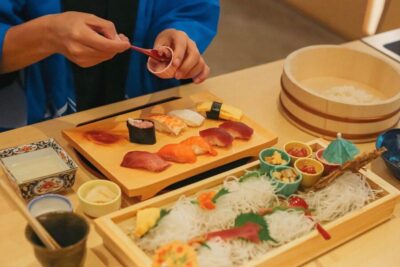
Sushi Making Class in a Happi Coat near a Famous Spot
Read our review →
Sushi Making Osaka Roll and Authentic Japanese Sushi Class
Read our review →
Tokyo Sushi Making Class in Tsukiji with Professional Chef
Read our review →
Ramen & Gyoza Cooking Class in Tokyo with Local Supermarket Visit
Read our review →
Tsukiji Fish Market Guided Tour and Sushi Making with Pro Chef
Read our review →Browse the lists this tour appears in