
REVIEW · TEA CEREMONY EXPERIENCES
Experience a tea ceremony in an authentic tearoom, in Kyoto!
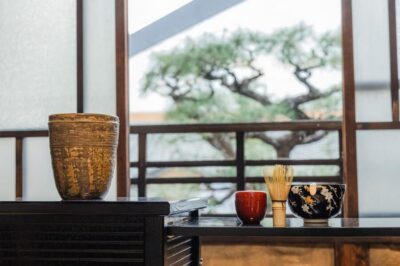
A garden entrance leads you into the tea room of a 130-year-old Kyoto townhouse, where the ceremony feels tucked away from Kyoto’s busy sightseeing streets. Host Kaori explains the customs in clear English, serves matcha and traditional sweets, then lets you prepare your own tea.
I like the small group limit of 10, though groups of three or four may get an especially personal session. I also like that you leave with a practical skill: how to whisk matcha at home without a full set of tea utensils.
The main caution is value. At $39.63 per person for about 45 minutes, this is a short introduction, not a long formal tea lesson. The traditional floor seating may also trouble anyone with bad knees, though a stool can be provided.
In This Review
- Key Points at a Glance
- Entering the Tea Room Through the Garden
- What Happens During the 45-Minute Ceremony
- Matcha, Wasanbon Sweets, and the Taste of the Ritual
- Kaori’s Teaching Style and English Explanations
- How Authentic Is This Tea Ceremony?
- Sitting Comfortably in a Traditional Room
- Is $39.63 a Fair Price?
- Who Should Book This Kyoto Experience?
- Timing, Booking, and Cancellation Details
- Should You Book It?
- FAQ
- How much does the tea ceremony cost?
- How long does the experience last?
- Where does the tea ceremony take place?
- Where does the activity end?
- What will I do during the ceremony?
- Are sweets included?
- Is the activity suitable for matcha beginners?
- How many people can join?
- Can I cancel for a full refund?
Key Points at a Glance
- A 130-year-old townhouse: Enter the tearoom through the garden for a setting with real character.
- Kaori leads the session: Expect careful explanations, strong English, and a calm, welcoming teaching style.
- Make your own matcha: The demonstration becomes a hands-on lesson for beginners.
- Kyoto sweets are part of the ritual: You taste dried Wasanbon sweets from the long-established Shioyoshi-ken confectionery shop.
- A short, focused visit: The ceremony lasts about 45 minutes and ends where it begins.
- Traditional seating needs thought: A stool is available, but tell the host if sitting on the floor is difficult.
Entering the Tea Room Through the Garden
The first pleasure here is the setting. You meet at 22-26 Nishinokyo Ikenouchicho in Nakagyo Ward, then enter the tea room from the garden rather than simply walking into a modern classroom or shop.
That small transition matters. Kyoto has plenty of polished cultural activities designed for quick sightseeing, but an old townhouse gives this session a more grounded feel. The 130-year-old building supplies the atmosphere before the tea is even prepared.
You should not expect a grand temple complex or a full afternoon in a tea school. This is a compact room in an old Kyoto home, with the charm and limits that come with that. The setting is intimate, practical, and focused on the ceremony itself.
The location is near public transportation, though the supplied information does not name a particular station or give walking directions. Use the full street address when planning your route, and allow enough time to find the townhouse in Kyoto’s dense city streets.
More Tea Ceremony Experiences in Kyoto
- Kyoto: Tea Ceremony in a Traditional Tea House in Kiyomizu
★ 4.9 · 3,519 reviews - Kyoto: Tea Ceremony Ju-An at Jotokuji Temple
★ 4.9 · 3,207 reviews - Kyoto: 45-Minute Tea Ceremony Lesson Experience
★ 4.3 · 2,378 reviews
What Happens During the 45-Minute Ceremony
The session begins with an explanation of the history and culture of tea ceremony. Kaori introduces the meaning behind the actions, along with basic ways to appreciate, serve, and drink matcha.
This introduction helps you see that the ceremony is not simply a method for making green tea. The order of movements, the attention to the room, and the manner of receiving the bowl all form part of a wider Japanese art tradition. You will not become a tea master in three quarters of an hour, but you can understand what you are looking at.
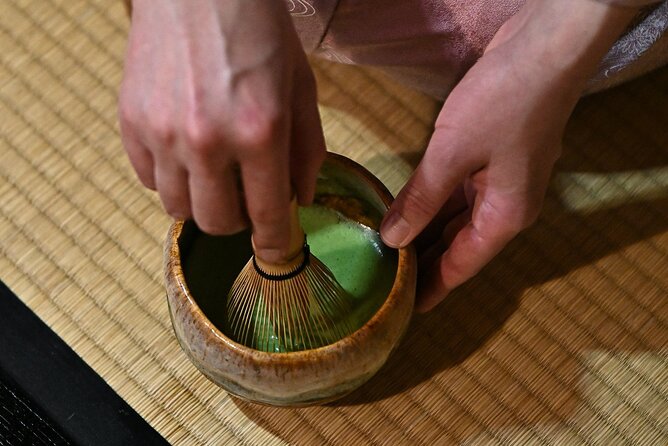
Kaori then demonstrates the preparation. Pay attention to the small movements rather than rushing toward your turn. The appeal is in the care given to each step, and the demonstration gives you a clear model to follow.
Afterward, you make your own matcha. This hands-on section is especially useful for first-time visitors because you are not left to watch a ritual from the sidelines. You receive detailed instruction, including advice on making matcha at home without traditional tea utensils.
That final point adds value. Many cultural demonstrations end when the guide finishes. Here, you take away a repeatable skill. If you later buy a matcha whisk or try the drink at home, you will already know the basic process.
Matcha, Wasanbon Sweets, and the Taste of the Ritual
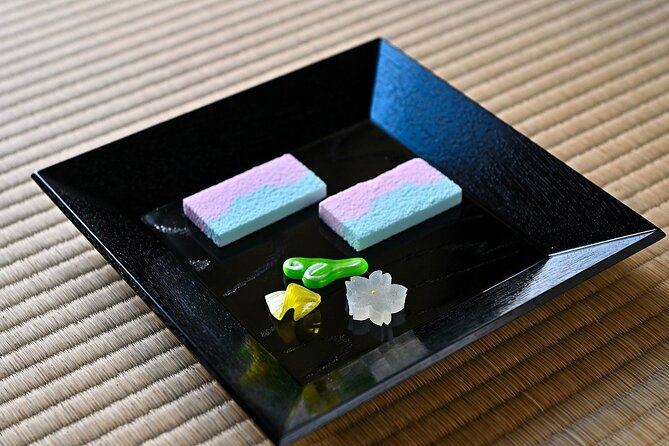
The tea is served with dried sweets from Shioyoshi-ken, a long-established Kyoto confectionery shop. These sweets are made with Wasanbon, a type of Japanese sugar traditionally associated with tea ceremony.
Expect small, sweet pieces rather than a full snack. The sweets are meant to prepare your palate for the matcha, not fill you up. If you prefer substantial food with your activities, this experience will not provide it.
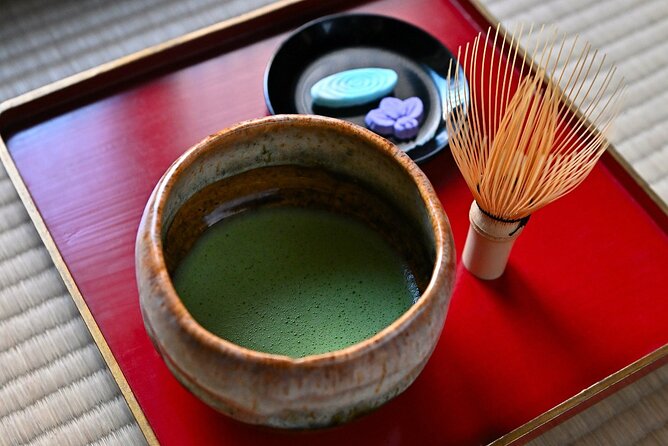
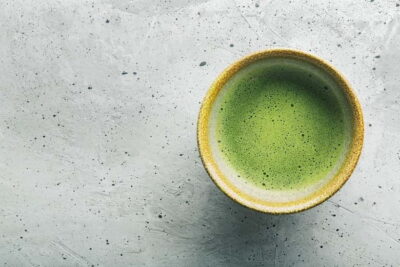
The matcha itself is the focus. You first watch the preparation, then whisk your own bowl under guidance. That makes the tasting more interesting because you understand the work behind the drink.
Matcha can be an acquired taste, with a stronger and more concentrated flavor than ordinary brewed green tea. The ceremony gives you a chance to approach it in the setting where it is traditionally enjoyed, alongside sweets that balance its bitterness.
I appreciate that the food details are specific. You are not simply promised generic tea and snacks. The use of Wasanbon sweets from a historic Kyoto confectionery shop connects the tasting to local craft and the customs of the tea room.
Kaori’s Teaching Style and English Explanations
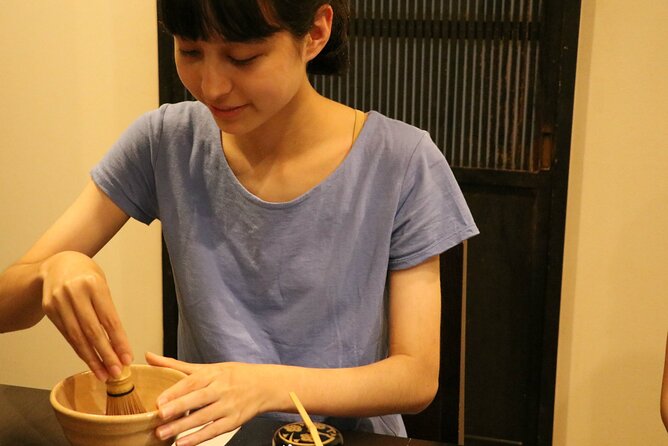
The host, Kaori, is central to the experience. Her approach is patient and welcoming, with detailed explanations of both the ritual and the practical steps.
English-language communication is a strong point. The information provided about the session repeatedly emphasizes clear English, and the experience is designed for beginners. You can ask questions about how to drink the tea, how to serve it, and what each part of the ceremony means.
That makes this a good choice if you want cultural context rather than a silent performance. Kaori explains the etiquette in a way that lets you take part without worrying about making a mistake.
The tone also seems well suited to families and small groups. A family of three can find the room especially personal, while a group of four may have a private-feeling session if no other participants are scheduled. The maximum is 10 people, so the experience is not designed for a large crowd.
Still, a maximum group size is not the same as a guaranteed private booking. If privacy matters to you, check the booking details before committing. The format can be intimate, but the supplied information does not promise a private ceremony for every reservation.
Same city, a completely different kind of day:
- PERFECT KYOTO 1-Day Bus Tour
★ 5.0 · 13,518 reviews - Kyoto: Fushimi Inari, Kinkakuji, Bamboo Grove 1 Day Bus Tour
★ 4.8 · 4,316 reviews - Kyoto Geisha Walking Tour: Gion District & Hidden Gems
★ 4.7 · 3,273 reviews - Kyoto: Gion Magical Night Walking Tour with Geisha Trivia
★ 4.9 · 2,393 reviews
How Authentic Is This Tea Ceremony?
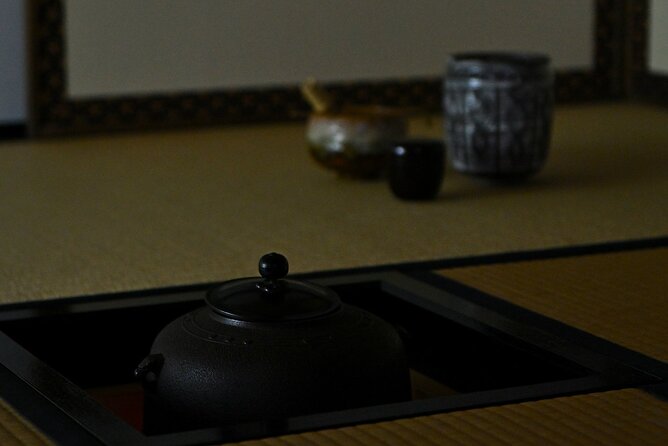
The word authentic needs a little care. You are visiting an actual tearoom in an old Kyoto townhouse, learning established customs, drinking matcha, and practicing the preparation yourself. That gives the experience a stronger cultural setting than a casual green tea tasting.
At the same time, this is a short visitor introduction. You are not attending a complete formal tea-school training session, and you should not expect the full range of seasonal objects, advanced etiquette, or a long ceremonial progression.
That is not a flaw if you choose it for the right reason. I see this as a hands-on first lesson, not a specialist study. It gives you enough structure to understand the ceremony and enough practice to make the tea yourself.
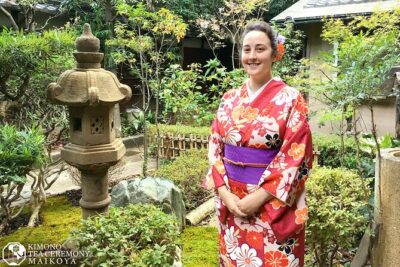
The lack of a kimono is another point to note. Traditional clothing is not included in the stated activity, so do not book this expecting to be dressed up for photographs. The focus is the tearoom, the explanation, the sweets, and the matcha lesson.
For many visitors, that is a sensible trade. You spend less time on costume preparation and more time learning what the ceremony means. If wearing a kimono is your main goal, choose a separate Kyoto experience built around that.
Sitting Comfortably in a Traditional Room
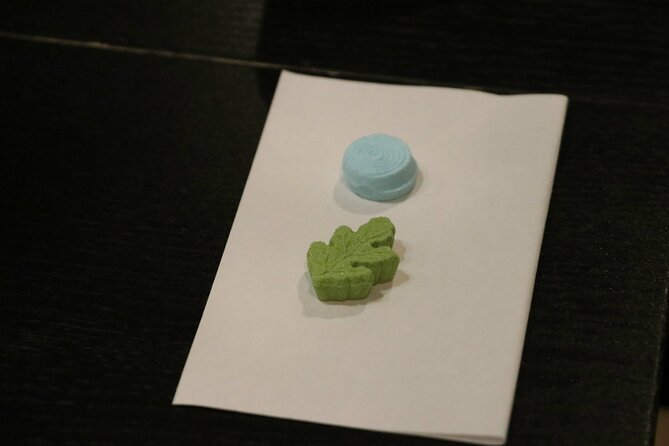
Traditional tea rooms commonly involve floor seating, and this session may require you to sit in the customary way for at least part of the ceremony. One participant with bad knees found it difficult but manageable, with a stool available.
If your knees, hips, or ankles are sensitive, raise the issue with the host at the start. Do not feel pressure to copy every posture perfectly. The activity is intended for beginners, and the host has shown flexibility when people cannot sit traditionally.
This is also worth considering for families with older relatives. The short duration helps, since 45 minutes is easier to manage than a lengthy ceremony, but comfort still depends on the room and your ability to sit on the floor.
The best approach is simple: wear clothes that allow easy movement, arrive without rushing, and ask for the stool if needed. The ceremony should be calm, not a test of physical endurance.
Is $39.63 a Fair Price?
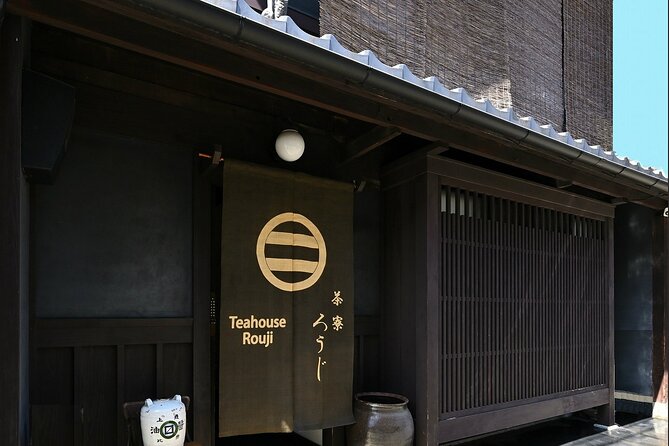
The price is $39.63 per person. For 45 minutes, that can feel high if you measure value by the amount of tea and sweets alone. You receive one drink and small dried confections, not a meal or a full afternoon activity.
The better comparison is with what the fee includes: access to an old Kyoto townhouse, a guided cultural explanation, a demonstration, hands-on matcha preparation, traditional sweets, and advice you can use at home. You are paying for the setting and the teaching, not simply for a cup of green tea.
I think the price makes the most sense if you want an efficient introduction to Japanese tea culture. The short format fits neatly before dinner, between sightseeing stops, or into a family day when everyone’s attention is limited.
It is less appealing if you want a long, elaborate ceremony or are mainly looking for refreshments. One dissatisfied participant felt that the small sweets and brief duration did not justify the cost. That is a fair warning, especially for budget-conscious visitors.
To get good value, treat the experience as a cultural lesson. Listen to the explanation, ask questions, and take the home preparation advice seriously. If you only want to taste matcha, cheaper options may exist.
Who Should Book This Kyoto Experience?
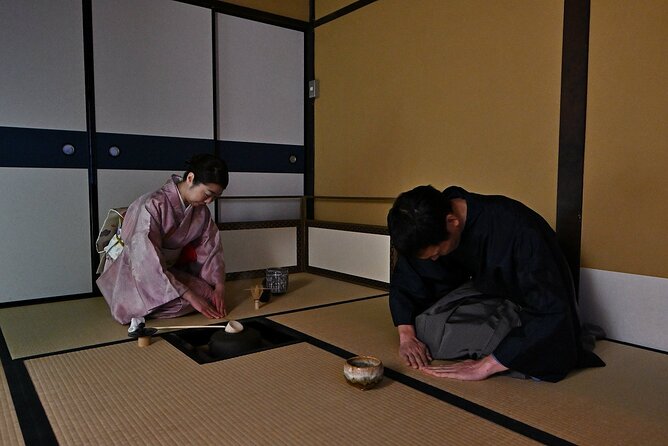
I would recommend it most strongly to first-time visitors who want a clear introduction to tea ceremony without giving up half a day. The demonstration followed by personal practice gives you both context and participation.
It also fits families well. The activity is short, the host works patiently with beginners, and the small-room setting can feel more personal than a large group demonstration. Children who can sit quietly and follow simple instructions should be able to take part, though no specific child age guidance is provided.
Couples and friends may enjoy the calm pace after a day of temples and shopping. The experience offers a quieter change of mood, with the old townhouse doing much of the atmospheric work.
You might skip it if you dislike sweet confections, strongly dislike matcha, need a fully accessible seating arrangement, or expect elaborate dress and ceremony. You should also look elsewhere if your main aim is a professional tea-school lesson rather than a short visitor class.
Timing, Booking, and Cancellation Details
The activity lasts approximately 45 minutes and returns you to the meeting point at the end. Confirmation is sent within 48 hours of booking, subject to availability, so do not leave this until the last minute if your Kyoto schedule is tight.
The activity requires a minimum number of participants. If that minimum is not met and the session is canceled, you will be offered another date or experience, or receive a full refund.
You can cancel for a full refund up to 24 hours before the local start time. Changes or cancellations made less than 24 hours before the start are not accepted for a refund. One scheduling dispute caused a serious problem for a family, so keep your confirmation messages and check the appointment time carefully before setting out.
The ticket is mobile, which makes arrival simpler. The meeting point is in Kyoto’s Nakagyo Ward, and the activity ends back there.
Should You Book It?
Book this tea ceremony if you want a short, authentic-feeling Kyoto cultural experience with a real tearoom, a local-style sweet, clear English instruction, and the chance to make matcha yourself.
At $39.63, it is not a bargain snack stop. It is a focused lesson in a 130-year-old townhouse. The best value comes from the setting, Kaori’s explanations, and the practical skill you take home.
I would choose it for a first visit, a family itinerary, or anyone curious about Japanese customs but short on time. I would pass if you want a kimono, a full meal, a long formal ceremony, or guaranteed ease with floor seating.
FAQ
How much does the tea ceremony cost?
The price is $39.63 per person.
How long does the experience last?
The ceremony lasts approximately 45 minutes.
Where does the tea ceremony take place?
It starts at 22-26 Nishikyo Ikenouchicho, Nakagyo Ward, Kyoto, 604-8375, Japan, in the tea room of a 130-year-old Kyoto townhouse.
Where does the activity end?
The activity ends back at the meeting point.
What will I do during the ceremony?
You will learn about tea ceremony history and culture, watch a matcha demonstration, learn how to appreciate and drink matcha, and prepare your own tea.
Are sweets included?
Yes. The experience includes dried sweets from a historic Kyoto confectionery shop. The sweets are made with Wasanbon sugar.
Is the activity suitable for matcha beginners?
Yes. Detailed instructions are provided, including guidance on making matcha at home without traditional tea utensils.
How many people can join?
The activity has a maximum of 10 participants.
Can I cancel for a full refund?
Yes. You can cancel at least 24 hours before the experience start time for a full refund. Cancellations or changes made less than 24 hours before the start are not accepted for a refund.
Just added around Kyoto
- Private Guided Traditional Buddhist Cooking in Japan★ 5.0 · 16 reviews
- Kyoto: Gion Geisha District & Sake-in-Hand Walking Tour★ 5.0 · 37 reviews
- Your Private Vacation Photography Session In Kyoto★ 5.0 · 110 reviews
- Kyoto: Zen Meditation at a Private Temple with a Monk★ 5.0 · 25 reviews
- Traditional Japanese Washi Papermaking- Kyoto morning★ 5.0 · 77 reviews
- Kyoto Wagashi(Japanese sweets) Cooking Class near Fushimiinari★ 5.0 · 60 reviews
- Private Pewter Sake Cup Experience with a Kyoto Artisan★ 5.0 · 31 reviews
- Kyoto Private 6 hour Tour: English Speaking Driver Only, No Guide★ 5.0 · 88 reviews
Tea Ceremony Experiences, compared.

Tea Ceremony in a Traditional Tea House in Kiyomizu
Read our review →

World Heritage Kyoto & Nara Uji Authentic Matcha Experience
Read our review →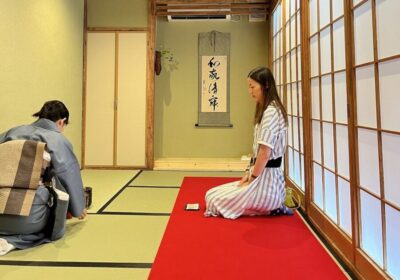
Browse the lists this tour appears in