
REVIEW · JAPANESE COOKING CLASSES
Asakusa Classic Ramen & Crispy Gyoza Cooking Class
This is a practical way to get past the restaurant counter and learn what goes into two Japanese favorites. In a small kitchen near Asakusa’s Kappabashi cooking-supply district, Masa and Junko guide you through shoyu ramen and handmade gyoza, then sit you down with the food you prepared.
I like the small maximum of eight people, which gives the class a personal feel without making it awkwardly private. I also like that you receive the recipes and learn techniques you can try at home, especially the gyoza folding and crisping method. The main consideration is that the ramen broth involves many steps, so you see and learn much of the process, but you do not independently cook every part from start to finish.
In This Review
- Key points at a glance
- Why this class works for ramen and gyoza fans
- Arriving at Chagohan Tokyo in Asakusa
- The opening lesson: ramen from base to bowl
- Cutting, filling, and folding the gyoza
- What Masa and Junko add to the experience
- The meal you actually eat
- Recipes, photos, and what you can repeat at home
- Timing, group size, and planning advice
- Who should book this class
- Should you book the Asakusa ramen and gyoza class?
- FAQ
- How long does the Asakusa ramen and gyoza class last?
- Where does the cooking class begin and end?
- What dishes will I make?
- Is the class suitable for vegetarians and vegans?
- How many people can attend?
- Are aprons and cooking tools provided?
- Are recipes included after the class?
Key points at a glance
- Two Japanese staples in three hours: Make ramen and gyoza in one class instead of choosing between them.
- Masa and Junko lead the class: Masa teaches the cooking and food background, while Junko helps with the class and takes photos.
- The gyoza is especially hands-on: You cut vegetables, mix the filling, fold the dumplings, and learn how to make them crisp.
- Ramen is partly demonstration-based: You prepare components and assemble the bowl, while the more involved broth work is explained and demonstrated.
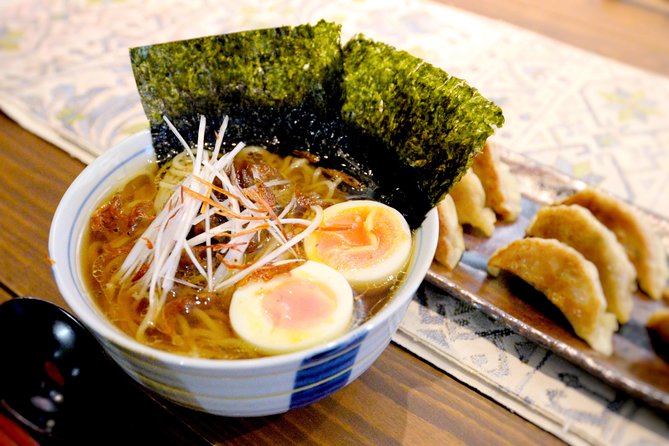
- A full meal is included: Expect roughly eight gyoza and a full bowl of chicken ramen.
- Useful take-home extras: An apron, utensils, digital recipes, and class photos are provided.
Why this class works for ramen and gyoza fans
Many food classes give you a small taste of one dish, then send you on your way. This one builds a proper meal around two dishes that most people already want to eat. That matters because you are not spending three hours on a decorative garnish or a single dumpling technique. You learn a meal you can understand, eat, and attempt again at home.
The class focuses on shoyu ramen, the soy-sauce-based style known for a savory, clear-to-brown broth. You learn about the base, broth, toppings, and assembly. Gyoza brings a different set of skills: knife work, filling, folding, and pan cooking. The contrast keeps the session moving.
I also appreciate the cultural context. Masa introduces the background of ramen and Japanese cooking rather than treating the dishes as a list of mechanical steps. That helps explain why broth, toppings, texture, and presentation all matter in the finished bowl.
The class uses natural ingredients and does not use MSG or artificial additives. If that is important to you, this detail may help justify the price. Vegetarian and vegan options are available with advance notice, but you should arrange that before arriving.
More Japanese Cooking Classes in Tokyo
- Sushi Making Tokyo Roll and Authentic Japanese Sushi Class
★ 5.0 · 3,971 reviews - Tokyo: Roll and Authentic Sushi Making Class in Asakusa
★ 4.9 · 1,957 reviews - Tokyo: Sushi Making Class in a Happi Coat near a Famous Spot
★ 4.9 · 1,377 reviews
Arriving at Chagohan Tokyo in Asakusa
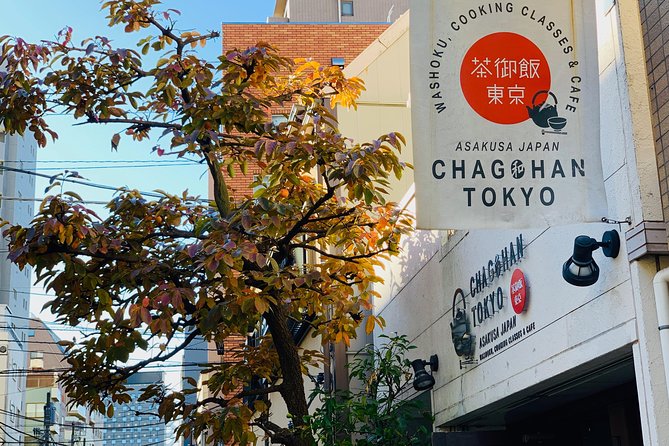
The meeting point is Chagohan Tokyo, at 2-chome 17-13 Nishiasakusa, Taito City, Tokyo 111-0035. The activity begins and ends there, and the location is near public transportation.
This part of Asakusa is also associated with Kappabashi, the area known for cooking equipment and restaurant supplies. One class participant described it as the chef-focused part of the neighborhood, which makes the setting a good fit for a food lesson. You can combine the class with sightseeing in Asakusa, but keep the schedule sensible. The cooking session itself takes about three hours, and class times are set for 10:00 a.m. to 1:00 p.m. or 3:00 p.m. to 6:00 p.m.
The address is written partly in Japanese, so save it on your phone before you set out. You do not need to bring an apron or cooking tools. They are supplied at the kitchen.
The setting is a real kitchen rather than a lesson held in someone’s private home. That gives the session a clean, organized, working-kitchen feel. It also means this is not a sightseeing walk with a snack stop. You are coming here to cook.
The opening lesson: ramen from base to bowl
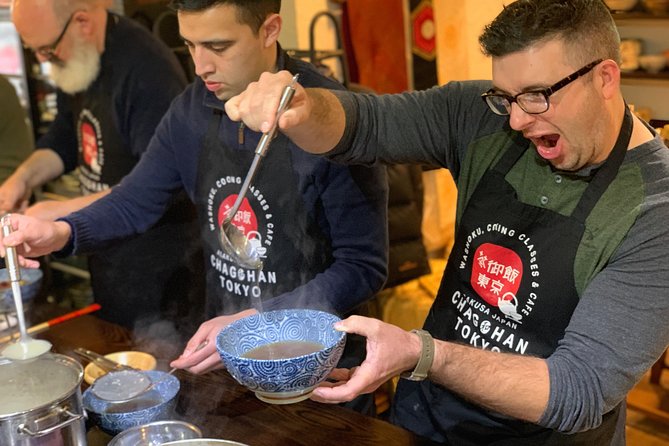
The ramen portion begins with an explanation of the base and broth. Masa covers the ingredients and the role each part plays in the final taste. You also work with ramen toppings and learn how the parts come together in the finished bowl.
This is where you should set realistic expectations. The broth is not a quick, one-pot exercise. It involves enough steps that the instructor carries out much of the more complicated cooking while explaining what is happening. You take part in preparing elements and later assemble the ramen, but you may not independently make a complete shoyu stock from raw ingredients.
That is not necessarily a weakness. A three-hour class that included every lengthy broth step in full would either need to be much longer or rush the gyoza. Here, you get the useful parts: how the broth is built, what to pay attention to, and how to assemble a bowl that looks good and tastes balanced.
The final assembly is one of the most satisfying moments. You arrange the noodles, broth, and toppings into a photogenic bowl, then eat it while the preparation is still fresh in your mind. If you hope to reproduce the exact broth at home, the recipe gives you a starting point, but you should expect ramen to demand more time and patience than gyoza.
Cutting, filling, and folding the gyoza
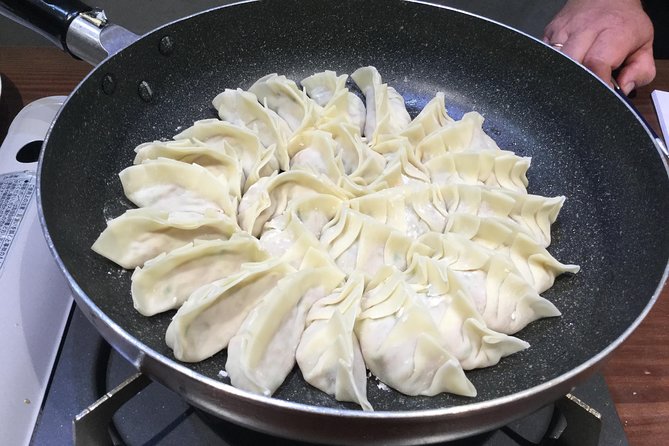
The gyoza section is likely the most actively hands-on part of the class. You use hand-cutting techniques for the vegetables, prepare the filling, and fold the dumplings yourself. The instructors guide you through the process, so beginners can follow along without needing prior cooking experience.
Gyoza folding looks simple until you try to make several dumplings that close neatly. The class gives you repeated practice, and that repetition is useful. You do not just watch a demonstration and fold one dumpling for a photograph.
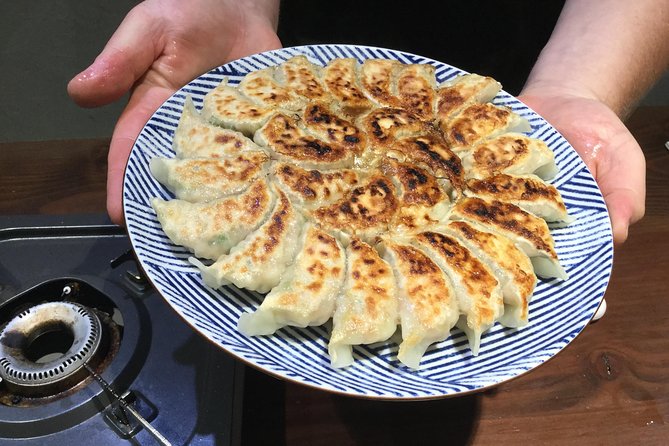
The result is designed to be juicy inside and crisp outside. The cooking method focuses on the crunchy base that makes Japanese gyoza so appealing. The dumplings are then served as part of the meal, with many participants preparing about eight each.
This is also the part most likely to transfer directly to your home kitchen. One participant felt confident making gyoza again after the class, while expressing more caution about recreating the ramen. That is a fair distinction. Gyoza requires care, but its steps are easier to repeat at home than a full ramen broth.
Families can enjoy this section, including those with teenagers. Keep in mind that the preparation includes a fair amount of knife work. The class is not described as a young-children activity, so older children who can handle kitchen instructions are a better fit.
Same city, a completely different kind of day:
- Mt Fuji and Hakone 1-Day Bus Tour Return by Bullet Train
★ 5.0 · 26,383 reviews - 1-Day Tokyo Bus Tour
★ 5.0 · 14,250 reviews - Tokyo: TOKYO SKYTREE® Admission ticket
★ 4.5 · 11,192 reviews - Tokyo: teamLab Planets TOKYO Digital Art Museum Entry Ticket
★ 4.6 · 9,779 reviews
What Masa and Junko add to the experience
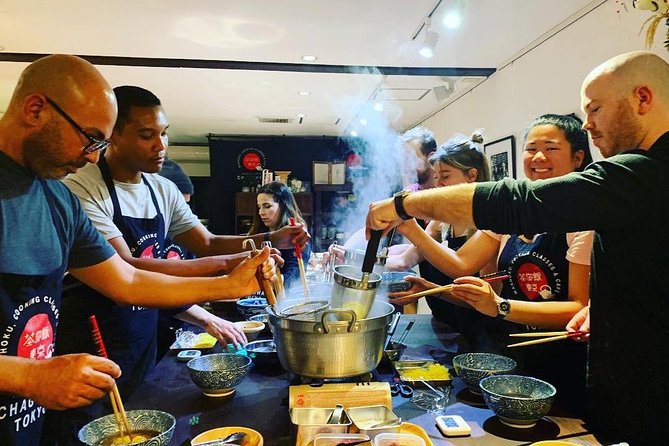
Masa leads the cooking instruction and gives clear explanations in English. His teaching style includes humor, food background, and step-by-step demonstrations. That combination helps the class feel relaxed without turning it into a loose, unstructured kitchen visit.
Junko works alongside him and helps keep the session running smoothly. She also takes photographs and videos during the class, which is a useful touch. You can focus on cooking instead of asking a companion to document every step.
The couple’s division of duties gives the class a steady rhythm. Masa can concentrate on teaching while Junko helps with the practical details and pictures. Their warm, easygoing approach is particularly helpful if you are new to Japanese cooking or nervous about making dumplings in front of other people.
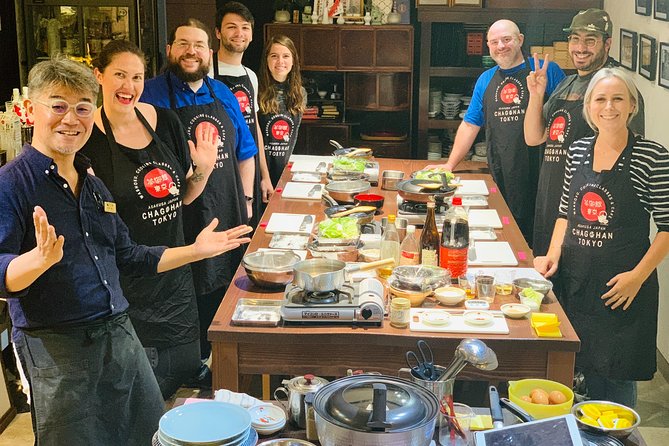
The group maximum is eight. That is small enough for questions and individual guidance, but it still allows the class to have a social feel for couples, families, friends, or a company team activity.
The meal you actually eat
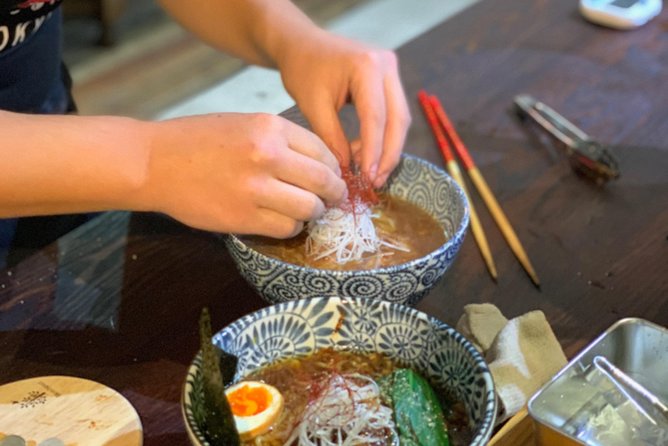
At the end, you sit down and eat what you made. The meal includes about eight gyoza and a full bowl of chicken ramen, so this is not merely a sample portion.
That serving size affects the value. At $167.81 per person, the class is expensive if you compare it only with the cost of buying a bowl of ramen and a plate of dumplings in Tokyo. You are paying for instruction, ingredients, kitchen use, a small group, the hosts’ time, recipes, and the shared meal.
The price makes more sense for someone who wants an activity rather than lunch. You also receive practical information that can be used after the trip, especially for gyoza. The class includes food history and cooking guidance, not just a meal in a restaurant.
Still, I would not book it solely to save money on food. Tokyo offers cheaper ramen and gyoza meals. Book this if you want to understand the dishes, meet local instructors, and spend a focused half-day making dinner or lunch with your own hands.
Recipes, photos, and what you can repeat at home
The digital recipes are an important part of the package. They let you review the process after the class, when you are no longer trying to keep track of knife work, dumpling folds, broth details, and plating at the same time.
The recipes should be especially useful for gyoza. You can repeat the filling, folding, and crisping method without buying unusual equipment. Ramen is more demanding. The detailed recipe gives you a path to try the shoyu stock, but the number of steps means it may become a weekend cooking project rather than a quick weekday meal.
The supplied photos and videos add a pleasant record of the session. Junko takes them during the activity, so you can leave with more than a recipe card. For families and couples, that record can be part of the value, particularly if you want a memento tied to something you actively made.
Timing, group size, and planning advice
The morning session runs approximately from 10:00 a.m. to 1:00 p.m. The afternoon session runs from 3:00 p.m. to 6:00 p.m. Durations can vary slightly, so avoid booking a tightly timed attraction immediately afterward.
The class is typically booked about 27 days ahead. That suggests you should reserve early if your Tokyo dates are fixed, especially if you need the vegetarian or vegan option. Confirmation is sent within 48 hours of booking, subject to availability.
The experience is non-refundable and cannot be changed for any reason after booking. Read that rule carefully before paying. If poor weather causes the provider to cancel, you are offered another date or a full refund. The same applies if the minimum number of participants is not met.
The class requires good weather, even though it takes place indoors. That unusual condition is worth noting when planning a packed Tokyo itinerary. You should also remember the meeting point is both the start and end location, so arrange your own transport to and from Chagohan Tokyo.
Who should book this class
I would recommend it most strongly to people who already enjoy ramen or gyoza and want to understand how they are made. It is also a good fit for first-time cooks because the instruction is structured and the hosts guide you through each task.
Families with teenagers, couples, friends, and small work groups should all find the format suitable. The eight-person limit keeps it intimate without making the activity feel overly formal.
It may be less suitable if you want to cook every component independently. The ramen broth is complex, and the instructor handles much of that cooking while you learn what goes into it. If your main goal is a completely hands-on recipe from raw ingredients to finished stock, you may prefer a longer specialist ramen course.
It is also not the best choice for someone who simply wants an inexpensive meal. The cost is high compared with eating ramen and gyoza at a neighborhood restaurant. The value comes from the teaching, the small group, the recipes, the photos, and the chance to make the meal yourself.
Should you book the Asakusa ramen and gyoza class?
Book it if you want a friendly, food-centered activity with a real kitchen, clear English instruction, and a meal at the end. The gyoza work is genuinely practical, while the ramen lesson gives you a useful view of a more complicated dish without pretending that a full broth can be mastered in a few minutes.
I especially like the balance of instruction and eating. You learn the background, prepare ingredients, fold dumplings, assemble ramen, and leave with recipes rather than only memories. At $167.81, it is a premium experience, but the small group and take-home material help support the cost.
Choose the morning or afternoon slot that leaves you breathing room around the class. Reserve early, give advance notice for vegetarian or vegan food, and book only after accepting the strict cancellation terms. For a ramen fan, a gyoza fan, or a family looking for a hands-on Tokyo activity, this is a strong pick.
FAQ
How long does the Asakusa ramen and gyoza class last?
The class lasts approximately three hours. The morning session runs from 10:00 a.m. to 1:00 p.m., and the afternoon session runs from 3:00 p.m. to 6:00 p.m. The timing may vary slightly.
Where does the cooking class begin and end?
It begins and ends at Chagohan Tokyo, located at 2-chome 17-13 Nishiasakusa, Taito City, Tokyo 111-0035. The activity is near public transportation.
What dishes will I make?
You will learn to prepare shoyu ramen and crispy gyoza. The class covers ramen broth and base, toppings, gyoza filling, vegetable cutting, dumpling folding, and final ramen assembly.
Is the class suitable for vegetarians and vegans?
Vegetarian and vegan options are available with advance notice. You should contact the provider before the class so the food can be prepared appropriately.
How many people can attend?
The maximum group size is eight people. Groups of eight or more should contact the provider through the contact form.
Are aprons and cooking tools provided?
Yes. An apron and utensils are provided, so you do not need to bring your own cooking equipment.
Are recipes included after the class?
Yes. You receive the recipes so you can try making the ramen and gyoza at home. The class also includes photos and videos taken during the activity.
More Workshops in Tokyo
- Tokyo Shinjuku Chopsticks Making Class
★ 5.0 · 1,763 reviews - Chopstick Making Workshop in Ginza
★ 4.8 · 1,366 reviews - Tokyo Sushi Making Class in Tsukiji with Professional Chef
★ 5.0 · 1,177 reviews - Matcha Making Class in Tokyo with Authentic Japanese Sweets Set
★ 5.0 · 744 reviews
More Cooking Classes in Tokyo
- Ramen & Gyoza Cooking Class in Tokyo with Local Supermarket Visit
★ 5.0 · 823 reviews - Tokyo: Easy Ramen Cooking Experience in Kabukicho, Shinjuku
★ 4.6 · 321 reviews - Ramen and Sushi Cooking Class with Sake Pairing Set in Tokyo
★ 5.0 · 291 reviews - Tokyo: Wagyu and 7 Japanese Dishes Cooking Class
★ 4.9 · 273 reviews
Just added around Tokyo
- Private Memorable Tokyo Tour with English Speaking Driver★ 5.0 · 30 reviews
- Private Tokyo Custom Full-Day Tour by Chartered Vehicle★ 5.0 · 16 reviews
- Private Sightseeing to Mt Fuji and Hakone with English Driver★ 5.0 · 51 reviews
- Tokyo Photography Masterclass – Private Photography Lesson★ 5.0 · 25 reviews
- Private Mt. Fuji Day Trip from Tokyo with English-Speaking Driver★ 5.0 · 33 reviews
- 4 Day Tour – Mount. Fuji, Tokyo, Hakone, Kamakura and Yokohama★ 5.0 · 19 reviews
- Private Tokyo Food Tour – A Journey Through Time Through Food★ 5.0 · 36 reviews
- Private Tokyo Custom Half-Day Tour by Chartered Vehicle★ 4.5 · 13 reviews
Japanese Cooking Classes, compared.
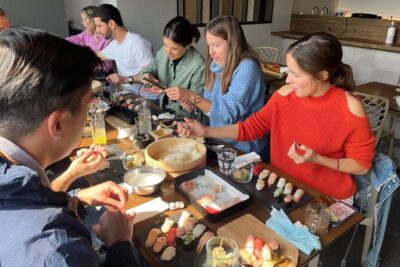
Sushi Making Tokyo Roll and Authentic Japanese Sushi Class
Read our review →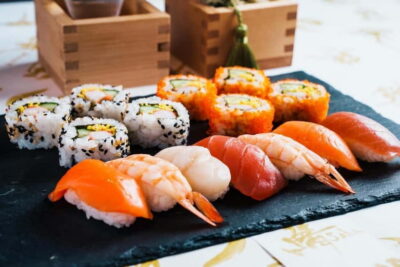
Roll and Authentic Sushi Making Class in Asakusa
Read our review →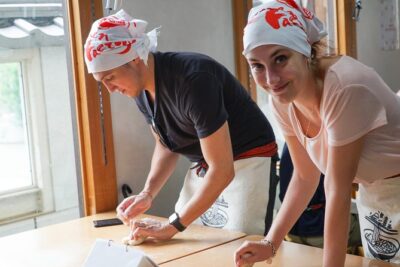
Ramen Cooking Class at Ramen Factory in Kyoto
Read our review →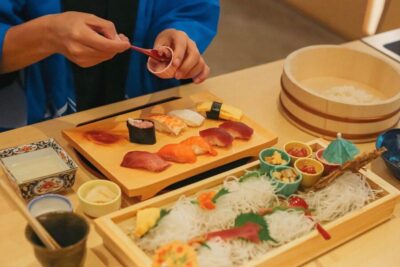
Sushi Making Class in a Happi Coat near a Famous Spot
Read our review →
Sushi Making Osaka Roll and Authentic Japanese Sushi Class
Read our review →
Tokyo Sushi Making Class in Tsukiji with Professional Chef
Read our review →
Ramen & Gyoza Cooking Class in Tokyo with Local Supermarket Visit
Read our review →
Tsukiji Fish Market Guided Tour and Sushi Making with Pro Chef
Read our review →Browse the lists this tour appears in