
REVIEW · TEA CEREMONY EXPERIENCES
A Unique Antique Kimono and Tea ceremony Experience in English
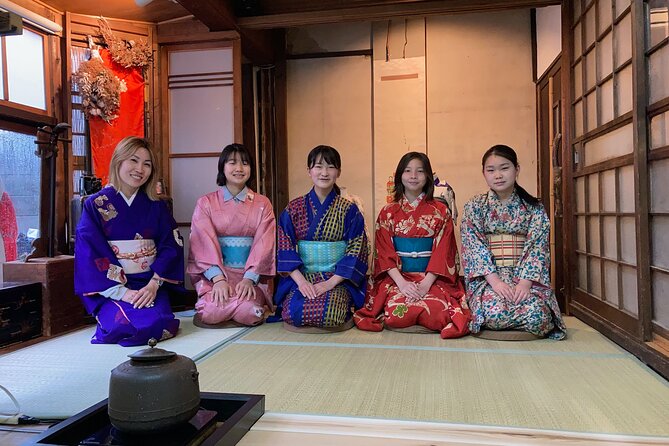
The most unusual part of this Kyoto experience comes before the tea: you choose an antique kimono more than 80 years old, then wear it inside a 100-year-old house near Katsura Imperial Villa. Toku, a kimono fitter and tea ceremony host with more than 20 years of experience, explains what you are doing instead of asking you to copy a ritual blindly.
I like the small six-person limit, which gives the visit a personal feel, and I like the calm residential setting away from central Kyoto’s crowds. The main consideration is value: at $99.10 per person, this is not a quick cup of tea. You are paying for the kimono dressing, instruction, setting, and attention, not for a full afternoon of tea tasting.
In This Review
- Key points
- Choosing an Antique Kimono in a Family Shop
- Getting Dressed for the Tea Room
- Learning Tea Ceremony Etiquette Step by Step
- Seeing How Matcha Is Prepared
- Why the Quiet Katsura Location Changes the Mood
- The Hosts Make This More Than a Rental
- What $99.10 Buys You
- Practical Details Before You Book
- Who Will Enjoy This Tea Ceremony Most
- Should You Book It?
- FAQ
- Where does the tea ceremony take place?
- How long is the activity?
- Is the experience available in English?
- How many people can join?
- Is kimono rental included?
- What else is included?
- Are meals included?
- Can children take part?
- What is the cancellation policy?
Key points
- Choose from genuine antique kimonos: Toku helps you select a kimono, obi, and accessories, with hair styling available for some participants.
- Learn, not just watch: The ceremony covers etiquette, the meaning of gestures, matcha preparation, and the link between samurai culture and tea.
- A quiet Kyoto setting: The house is near Katsura Imperial Villa, in a residential area far from the busiest sightseeing streets.
- Small groups matter: The experience is limited to six people, allowing questions and individual help with dressing.
- Family-run hospitality: Toku, his wife, and an assistant guide the session, take photographs, and adjust the ceremony when needed.
- A strong fit for families: Children have been welcomed, and the hosts have adapted the activity for young children and for someone unable to kneel.
Choosing an Antique Kimono in a Family Shop
You begin at Miyagawa Tokusaburo Shoten, at 32-4 Katsuranozatocho in Kyoto’s Nishikyo Ward. This is not a staged tea pavilion in a famous garden. It is a working family shop and home in a residential neighborhood, which gives the experience a more everyday setting.
Toku welcomes you and explains his background. He previously worked as a shop builder and later returned to his family tradition, becoming a kimono fitter and tea ceremony host. His personal connection to the clothing matters because the dressing is not treated as a costume change you rush through for a photograph.
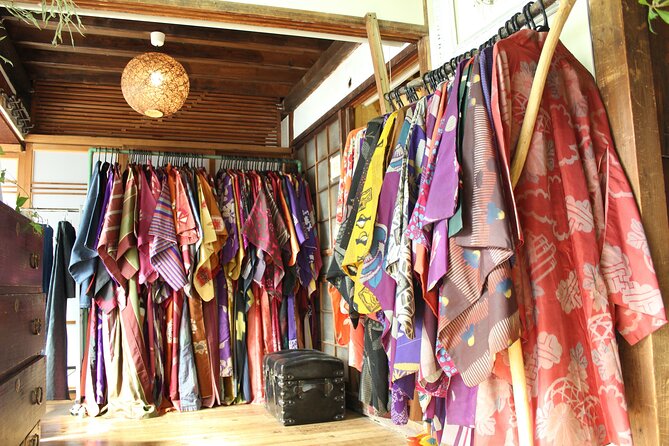
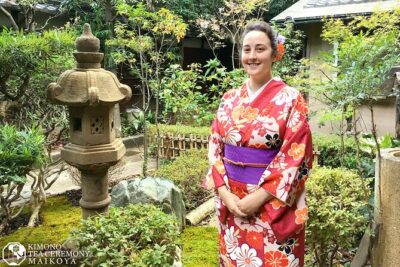
You can look through a large collection of old kimonos and choose one you like. Toku helps match it with an obi and accessories, while his wife and assistant can help with hair ornaments and styling. Several participants have found this selection process one of the most enjoyable parts, especially because you are given real choices rather than being handed one standard outfit.
The clothing is described as rare and more than 80 years old. That comes with a practical point: antique garments are valuable and delicate. Treat the fitting with care, follow instructions, and expect the hosts to handle the fabric with attention. One critical account found the kimonos less dramatically displayed than expected, with garments folded and piled in the shop. If you want a polished rental studio with a showroom-style presentation, this may feel plain.
If you come with a partner or family, the activity can be especially fun. Men and women can select traditional clothing, and one participant even mentioned a sword available for photographs. That item should not be treated as a guaranteed part of every session, but it shows the hosts may offer extra visual touches when suitable.
More Kimono & Culture Experiences in Kyoto
- Kyoto Geisha Walking Tour: Gion District & Hidden Gems
★ 4.7 · 3,273 reviews - Kyoto: Gion Magical Night Walking Tour with Geisha Trivia
★ 4.9 · 2,393 reviews - Kyoto: Gion Geisha District Walking Tour – Stories of Geisha
★ 4.7 · 2,187 reviews
Getting Dressed for the Tea Room
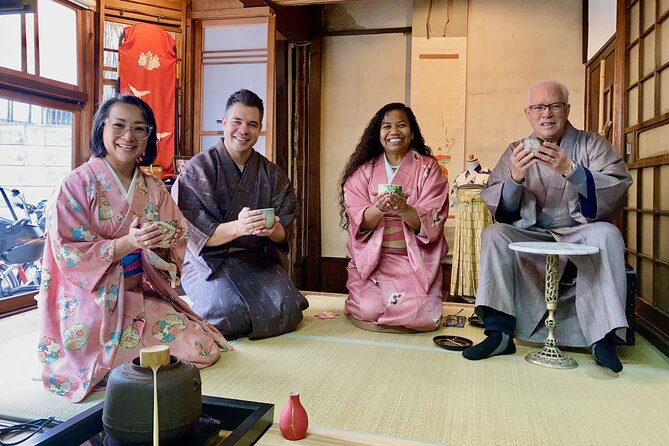
The kimono dressing takes place before the ceremony and is part of the experience, not an optional add-on. Toku is praised for his fitting skills, and the clothing is adjusted closely enough that you feel properly dressed for the ritual.
Expect the garments to feel snug. That is normal for traditional kimono dressing, though the tight layers may be tiring for anyone unused to them. The activity lasts about 90 minutes, so you are not wearing the outfit for an entire day of walking around Kyoto.
Hair accessories are available, and the hosts take photographs during the session. This is useful because a kimono is difficult to photograph well on yourself, especially once the ceremony begins. You have time for pictures in the house and in the clothing, though the setting is an old private home rather than a large garden or grand temple.
The family’s approach is warm and hands-on. They help with the details, explain what they are doing, and make room for questions. That personal care is one of the strongest reasons to choose this experience over a basic kimono rental, where you may receive the clothing but little cultural explanation.
Learning Tea Ceremony Etiquette Step by Step
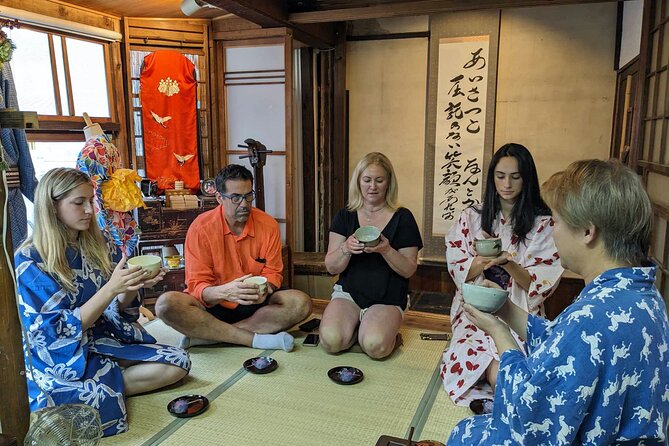
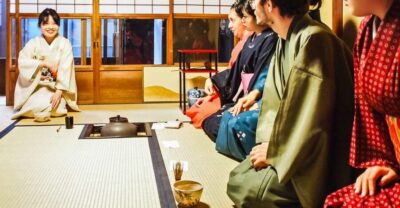
Once dressed, you move into the tea ceremony. Toku explains the order of events and the manners involved, including how to receive the bowl, how to show respect, and why each movement is performed in a particular way.
The ceremony is deliberately slow. That pace is part of the lesson. Japanese tea ceremony is not only about drinking powdered green tea. It is a formal way of sharing a small period of time with other people, paying attention to the room, the objects, the host, and the season.
You learn about the spirit behind the ceremony as well as the physical steps. The connection between samurai and tea culture is included, giving useful context for why the practice developed such precise rules. The experience also explains the family’s history and the place of tea in Japanese culture.
The English-language instruction is a major advantage. You do not need to guess what to do from watching a demonstration. Toku explains the process clearly, and the hosts are patient when you need a step repeated. That makes the session suitable for first-time visitors who want more than a photo in a kimono.
The ceremony may involve kneeling or sitting in a traditional position. If you have difficulty kneeling, tell the hosts. The ceremony has been adapted for someone who could not kneel, so there is evidence of practical flexibility. The supplied details do not specify every seating option, so it is sensible to raise any physical concern when booking.
Seeing How Matcha Is Prepared
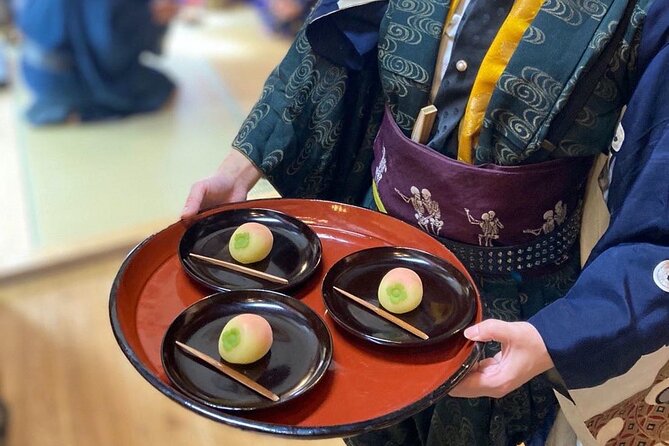
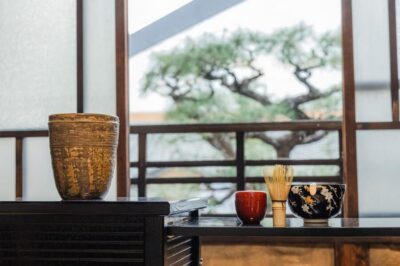
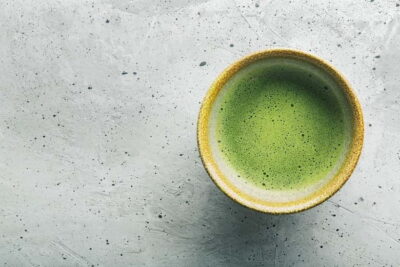
The tea portion includes green tea and Japanese sweets. You learn how matcha is made and get an explanation of the preparation rather than simply receiving a finished bowl.
The value here is in the detail. Matcha preparation is a series of controlled actions, and Toku explains the purpose and etiquette behind them. You may watch the host prepare the tea and take part in the process under instruction. The activity is intended as a lesson in traditional preparation, not as a tasting flight of several premium teas.
That distinction matters. One person expected a wider exploration of Japanese tea and several special teas, and found the session too limited for the price. If your main goal is to compare matcha varieties, study tea production in depth, or taste many different drinks, this is probably not the right booking.
If you want to understand the ceremony itself, the tea is enough to make the ritual meaningful. The sweets provide the customary accompaniment and help you notice the contrast between the bitter tea and the small confection. The hosts focus on the ceremony’s manners, history, and spirit, not on turning the visit into a cafe experience.
More Tea Ceremony Experiences in Kyoto
- Kyoto: Tea Ceremony in a Traditional Tea House in Kiyomizu
★ 4.9 · 3,519 reviews - Kyoto: Tea Ceremony Ju-An at Jotokuji Temple
★ 4.9 · 3,207 reviews - Kyoto: 45-Minute Tea Ceremony Lesson Experience
★ 4.3 · 2,378 reviews - Kyoto: Table-Style Tea Ceremony at a Kyo-Machiya
★ 4.9 · 1,211 reviews
Why the Quiet Katsura Location Changes the Mood
The shop is near Katsura Imperial Villa, but this experience does not include a visit to the villa. Its location simply places you in a quieter part of Kyoto, away from the packed lanes and major temple approaches.
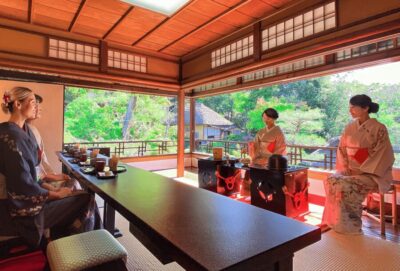
That quieter setting is a real part of the appeal. You arrive in a residential neighborhood and enter an old private house where the family runs the activity. The atmosphere is slower and more intimate than a large tea performance arranged for a crowd.
There is a trade-off. One critical assessment described the area as a regular residential district in the middle of nowhere and preferred tea ceremonies held in parks with gardens. If you want sweeping scenery, formal architecture, or an outdoor setting, choose a different tea experience.
I would frame the choice this way: central Kyoto offers convenience and visual drama, while Katsura offers privacy and contact with a local family business. The house itself is the backdrop. Its age and ordinary residential surroundings are part of the experience, but they will not satisfy someone expecting a lavish tea pavilion.
The location is reported as easy to reach by metro, and one participant found a 15-minute taxi ride worthwhile. Your exact route depends on where you stay, so allow time to reach the meeting point. The activity ends back at the same address.
The Hosts Make This More Than a Rental
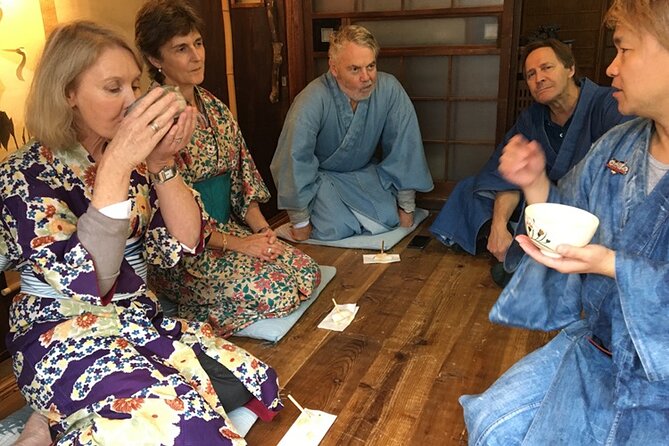
Toku is the main guide, and his wife and assistant help run the session. The family welcomes questions about kimono, tea, and their own connection to the tradition.
The hosts also take photographs for you. This small service makes a difference because it lets you focus on the ceremony instead of constantly reaching for a phone. It also helps families record the dressing and tea preparation in a natural sequence.
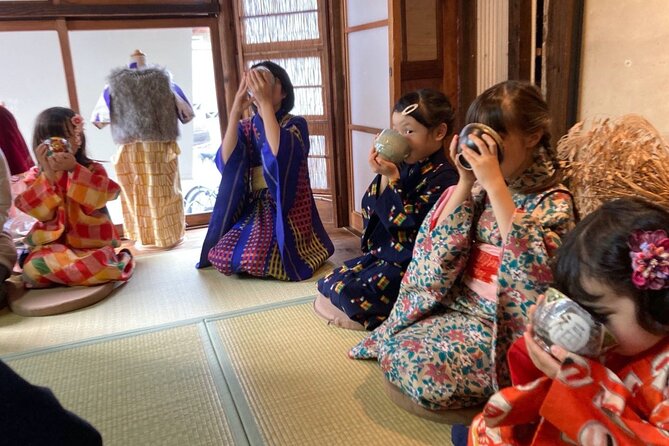
Their flexibility is another strength. Children have been included in the ceremony, and families with young children have received patient attention. The hosts have also managed a session with a two-and-a-half-year-old, though you should remember that a quiet ceremony in snug clothing may challenge a very young child.
The activity can be adapted when needed, but it remains a traditional ceremony. Children are involved rather than left to watch from the side, and the host explains the process at a level they can follow. For a family seeking one cultural activity in Kyoto, that combination is more useful than a formal demonstration where children must remain silent and still.
The strong hospitality does not erase the experience’s limits. This is a family home and shop, not a museum. The presentation may feel informal, and the clothing area may look practical rather than luxurious. You are choosing human contact and explanation over polished production.
What $99.10 Buys You
The price is $99.10 per person. Included are the antique kimono rental, the tea ceremony, green tea, and Japanese sweets. Lunch and dinner are not included, though the 90-minute length means you can easily plan a meal before or after.
I consider the price fair for the right person. A typical kimono rental may give you the clothing and photographs, while a basic tea ceremony may give you the tea and a short explanation. Here, the two are combined, with individual dressing, English instruction, family attention, and a small group capped at six.
The value drops if you care mainly about drinking tea. The session does not promise multiple tea varieties, a meal, garden access, or a long tour of tea production. You are paying for cultural context and personal guidance.
The small group helps justify the cost. With no more than six people, Toku can explain the etiquette, help with clothing, answer questions, and adjust the pace. If your group is lucky enough to have only two participants, the session can feel almost private.
I would also factor in the photographs and the chance to select your own kimono. Those are not separate listed extras, and they make the experience more substantial than a short bowl of matcha. Still, the final decision depends on what you want your $99.10 to accomplish.
Practical Details Before You Book
The activity lasts approximately one hour and 30 minutes. It is available in English and uses a mobile ticket, which keeps the entry process simple.
The maximum group size is six people. Confirmation is normally issued at booking, but if you book within one day of the start time, confirmation arrives as soon as possible and depends on availability.
Service animals are allowed, and the meeting point is near public transportation. The supplied details do not list a specific dress code, age minimum, or full accessibility plan. If you have mobility needs, trouble kneeling, or concerns about wearing fitted clothing, contact the provider before reserving.
You can cancel for a full refund if you do so at least 24 hours before the start time. Changes or cancellations made within 24 hours are not accepted for a refund, and the cut-off uses Kyoto local time.
Bring a little patience. The house may look modest from the outside, the kimono display may be practical, and the ceremony’s slow pace is intentional. Arrive ready to listen, ask questions, and let the hosts guide you.
Who Will Enjoy This Tea Ceremony Most
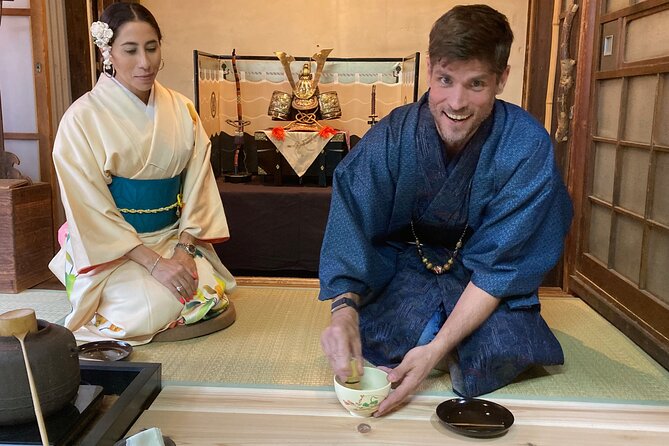
I would recommend this to you if you want personal contact with a Kyoto family, care about the meaning behind tea ceremony etiquette, and like the idea of wearing historic clothing. It is a particularly good match for couples, families, and first-time visitors who want clear English explanations.
You will probably enjoy it if photographs matter, since the hosts make time to take them and help with the clothing and accessories. It also suits anyone who prefers a quiet neighborhood to a packed tourist street.
I would be cautious if your ideal tea experience includes a famous garden, elegant temple architecture, or a broad tasting of Japanese teas. The setting is an old house in a residential area, and the tea lesson centers on one ceremony rather than a full survey of tea culture.
The experience also asks you to accept a little informality. The shop may not have the immaculate display of a luxury kimono studio, and the ceremony is not built around spectacle. Its appeal is the people, the old clothing, the family story, and the chance to slow down for a carefully explained tradition.
Should You Book It?
Book this experience if you want a small, personal lesson in Kyoto culture rather than a polished stage show. Toku’s kimono fitting, the antique clothing collection, patient English guidance, family hospitality, and quiet Katsura setting give the 90 minutes a clear sense of purpose.
Skip it if you mainly want garden views or several kinds of tea. At $99.10, the cost only makes sense when you value the kimono, instruction, photographs, and personal attention together. For couples, families, and curious first-time visitors, it can become one of the more memorable cultural stops in Kyoto.
FAQ
Where does the tea ceremony take place?
It takes place at Miyagawa Tokusaburo Shoten, a more than 100-year-old private house near Katsura Imperial Villa in Kyoto’s Nishikyo Ward.
How long is the activity?
The experience lasts approximately one hour and 30 minutes.
Is the experience available in English?
Yes. The activity is available in English, and the host explains the tea ceremony etiquette and steps in English.
How many people can join?
The group is limited to a maximum of six participants.
Is kimono rental included?
Yes. The antique kimono rental fee is included in the price.
What else is included?
The tea ceremony experience, green tea, and Japanese sweets are included.
Are meals included?
No. Lunch and dinner are not included.
Can children take part?
Yes. Children have been included in the ceremony, and the hosts have worked with young children and families.
What is the cancellation policy?
You can cancel at least 24 hours before the start time for a full refund. Cancellations or changes made less than 24 hours before the start time are not accepted for a refund.
Just added around Kyoto
- Private Guided Traditional Buddhist Cooking in Japan★ 5.0 · 16 reviews
- Kyoto: Gion Geisha District & Sake-in-Hand Walking Tour★ 5.0 · 37 reviews
- Your Private Vacation Photography Session In Kyoto★ 5.0 · 110 reviews
- Kyoto: Zen Meditation at a Private Temple with a Monk★ 5.0 · 25 reviews
- Traditional Japanese Washi Papermaking- Kyoto morning★ 5.0 · 77 reviews
- Kyoto Wagashi(Japanese sweets) Cooking Class near Fushimiinari★ 5.0 · 60 reviews
- Private Pewter Sake Cup Experience with a Kyoto Artisan★ 5.0 · 31 reviews
- Kyoto Private 6 hour Tour: English Speaking Driver Only, No Guide★ 5.0 · 88 reviews
Tea Ceremony Experiences, compared.
Tea Ceremony in a Traditional Tea House in Kiyomizu
Read our review →
World Heritage Kyoto & Nara Uji Authentic Matcha Experience
Read our review →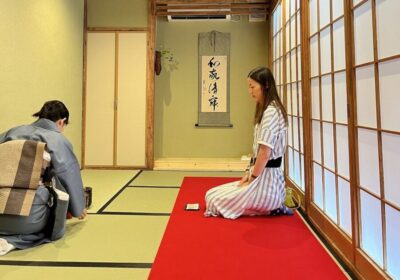
Browse the lists this tour appears in