
REVIEW · FOOD MARKET TOURS
Tokyo Tsukiji Fish Market Tour and Sushi Making Lesson
Tokyo Tsukiji Fish Market Tour and Sushi Making Lesson brings together two excellent morning activities: a guided walk through Tsukiji Outer Market and a hands-on Japanese cooking class. The market walk helps you make sense of unfamiliar foods, while the class gives you a practical skill to take home. The small maximum of six people is a real plus.
I especially like the food tasting stops and the help with translation. Guides such as Akiko, Miho, Nobu, Lucy, and Yoko have led visitors through the market, pointing out dried scallops, mochi, tamagoyaki on a stick, sea urchin, octopus, and other local specialties. I also like that you eat what you prepare, with wine, plum sake, or a soft drink. The main consideration is value: the market visit is fairly short, and the cooking is introductory rather than a serious sushi course.
In This Review
- Key points
- Starting at Tsukiji Hongwanji Temple
- Making Sense of Tsukiji Outer Market
- Why the Guide Matters More Than the Market Map
- Traveling from Tsukiji to ABC Cooking Studio
- What You Cook During the 90-Minute Lesson
- Eating the Meal You Prepared
- Is $99.49 Good Value?
- Timing, Group Size, and Practical Limits
- Who Will Enjoy This Tokyo Food Experience?
- Should You Book the Tsukiji and Sushi Class?
- FAQ
- Where does the tour begin?
- How long does the activity last?
- Is the guide English-speaking?
- What foods will I make?
- Is lunch included?
- Is the tuna auction included?
- How many people can join the tour?
- Can children participate?
- Can I cancel for a full refund?
Key points
- Tsukiji starts at Hongwanji Temple: You meet near the unusual Indian and South Asian inspired Buddhist temple before entering the market.
- Guided tastings make the market easier: Your guide can explain unfamiliar ingredients and help you order or sample food despite the language barrier.
- The cooking class lasts about 90 minutes: You may prepare sushi rolls, nigiri, tamagoyaki, miso soup, stock, and side dishes.
- Small groups mean more help: The tour accepts a maximum of six people, with a minimum of two needed to operate.
- Lunch is part of the experience: You sit down to eat the food you have made, along with water and a choice of drink.
- Plan for a light breakfast: A full meal before the tour leaves less room for Tsukiji’s many tasting opportunities.
Starting at Tsukiji Hongwanji Temple
The meeting point is outside Tsukiji Hongwanji Temple, at 3-chōme-15-1 Tsukiji. This is a useful landmark, and the temple itself gives the tour a more interesting beginning than a simple meeting beside a station entrance.
Allow a few minutes to look at the building before the walk starts. Its exterior has strong South Asian and Indian design touches, while the interior feels different again. The temple stop is brief, about five minutes, so it is an introduction rather than a full temple visit.
Your guide will then lead you toward Tsukiji Outer Market. The guide is not only there to keep the group moving. The practical benefit is translation and interpretation. Japanese food markets can be hard to read when you do not know the names, customs, or best way to buy something, and an English-speaking guide can turn a confusing aisle into a series of manageable choices.
Guide assignments vary. Names connected with this experience include Akiko, Miho, Hiroko, Nobu, Lucy, Yoko, and Shitomi. The important point is not to expect one particular person, but to expect a guide who can help you ask questions and understand what you are seeing.
More Food Market Tours in Tokyo
- Tokyo: Shinjuku Food Tour (13 Dishes at 4 Local Eateries)
★ 5.0 · 6,603 reviews - Tokyo Tsukiji Fish Market Food and Culture Walking Tour
★ 5.0 · 3,184 reviews - Tokyo: Shinjuku Food Tour (15 Dishes and 4 Eateries)
★ 4.9 · 2,033 reviews
Making Sense of Tsukiji Outer Market
The market portion lasts about an hour, though the schedule may allow roughly 70 minutes in the outer shopping area. This is not the old early-morning wholesale auction experience. Tuna auction viewing is not included, and the tour does not promise access to that part of Tokyo’s seafood trade.
Instead, you explore the public outer market, where shops sell seafood, produce, dried goods, snacks, cooking tools, and other Japanese ingredients. You might see large tuna, sea urchin, octopus, dried scallops, beans, and other foods arranged in ways that are unfamiliar at home. The market’s appeal is its variety and its working-food-store feel, not a polished sightseeing display.
I like having a guide here because the best stops are not always obvious. A guide can point out places to sample tamagoyaki on a stick, dried seafood, red bean mochi with strawberries, beans, or small dried seafood snacks. You are encouraged to stop at foods that interest you, so the walk is not simply a march behind the guide.
Still, keep your expectations in check. The tasting is not presented as a fixed, unlimited food tour, and the cost of individual samples or purchases is not listed as included. Bring some spending money if you want to buy food, but do not assume every item you see will be part of the tour.
The market can also be crowded and visually busy. You will be walking through narrow shopping areas, so leave strollers and luggage behind. The activity does not allow them. Comfortable shoes are sensible, and a small bag is easier to manage than a suitcase.
Why the Guide Matters More Than the Market Map
You can walk through Tsukiji Outer Market on your own, but the experience changes when someone explains the ingredients and helps you communicate. That is especially useful if you have never seen Japanese dried foods, seafood preparations, or market snacks before.
A strong guide also helps control the pace. The best accounts of this experience describe guides who allow time for browsing without letting the group lose its schedule. That balance matters because the cooking studio is not beside every market stall. Spend too long shopping and you risk rushing the second half.
The language support is useful, but it is not always equally strong. English ability may vary between the market guide and the cooking instructor. If you want a long discussion of sushi customs, fish sourcing, or detailed culinary vocabulary, this may feel limited. The experience is better suited to clear practical help than to an advanced food seminar.
That distinction is important. You are paying for a combination of access, guidance, transport, instruction, ingredients, and lunch. You are not booking a private food scholar or a professional chef-training session.
Traveling from Tsukiji to ABC Cooking Studio
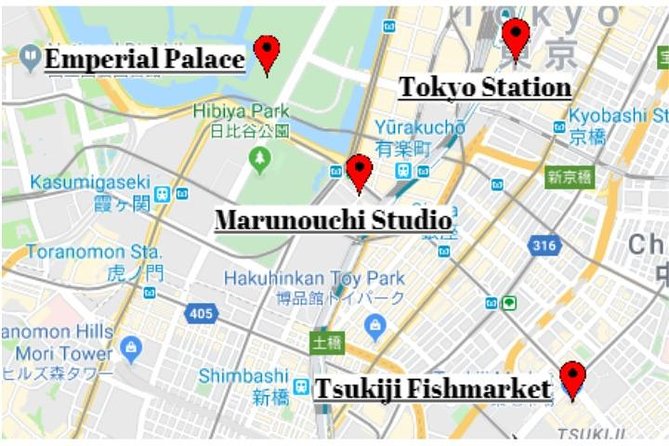
After the market, the guide takes you to the cooking studio by public transport, described as a short bus ride. Some groups have also enjoyed walking through the Ginza area on the way, but the exact route and transport arrangement may vary.
Transportation between Tsukiji Market and the cooking studio is included. Hotel pickup and drop-off are not, so you need to reach the temple on your own and arrange your return from the activity’s separate ending point.
The studio belongs to ABC Cooking Travel, connected with ABC Cooking Studio, a large Japanese cooking school with more than 90 studios in Japan and more than 150 across the wider region. The setting is modern, clean, and organized rather than rustic. That is a good fit for first-time cooks who want clear work surfaces and structured instruction.
The change of setting is part of the appeal. Tsukiji gives you the sights, smells, and shopping atmosphere of the market. The studio gives you measured ingredients, equipment, and a controlled place to learn. The two halves do not always connect as closely as some people expect, since you generally do not shop for the exact ingredients that you later cook.
More Japanese Cooking Classes in Tokyo
- Sushi Making Tokyo Roll and Authentic Japanese Sushi Class
★ 5.0 · 3,971 reviews - Tokyo: Roll and Authentic Sushi Making Class in Asakusa
★ 4.9 · 1,957 reviews - Tokyo: Sushi Making Class in a Happi Coat near a Famous Spot
★ 4.9 · 1,377 reviews - Tokyo Sushi Making Class in Tsukiji with Professional Chef
★ 5.0 · 1,177 reviews
What You Cook During the 90-Minute Lesson
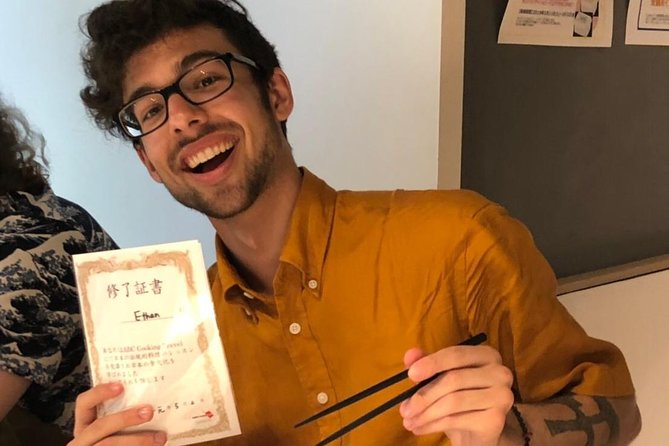
The class usually focuses on two washoku recipes, with the exact menu changing according to the season, ingredient availability, and arrivals at the market. The advertised examples include sushi rolls and tamagoyaki, the softly layered Japanese omelet.
Depending on the session, you may also prepare:
- Nigiri sushi
- Maki or rolled sushi
- Miso soup
- Stock
- Side dishes
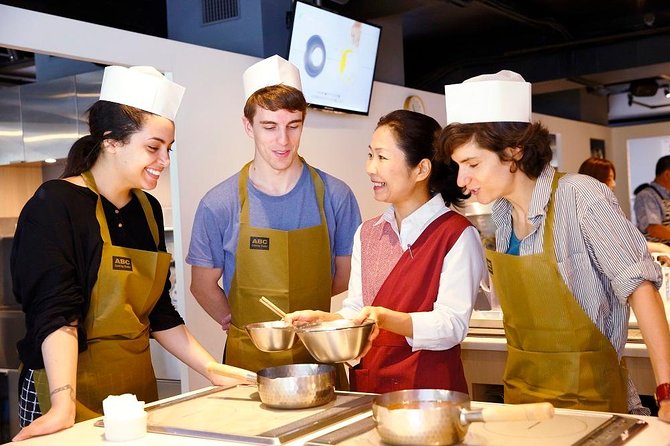
The cooking is hands-on. You will not just watch a chef assemble a plate. You may handle rice, shape sushi, prepare fillings, and practice the technique needed to roll or form the food. Tamagoyaki is often a favorite because the rolled omelet looks simple but takes some care to shape properly.
The class suits beginners best. If you have never made sushi at home, you will leave with a useful basic method and the confidence to try again. Children and teenagers from age nine can take part if they meet the minimum height of 130 centimeters, and the format has worked well for families with older children.
More experienced home cooks may find the class too basic. The recipes are traditional and approachable, but the lesson is not designed as an advanced sushi apprenticeship. You should also expect the menu in the advertisement to change. Ingredients shown in promotional images may not be the ingredients used on your date.
One useful feature is the option to request alternate ingredients. Make that request ahead of time if possible, rather than waiting until the class begins. The supplied information does not spell out which substitutions can be accepted, so treat this as a request rather than a guarantee.
Eating the Meal You Prepared
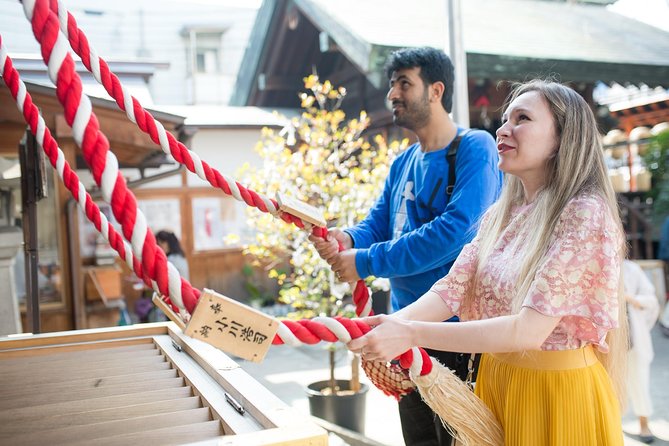
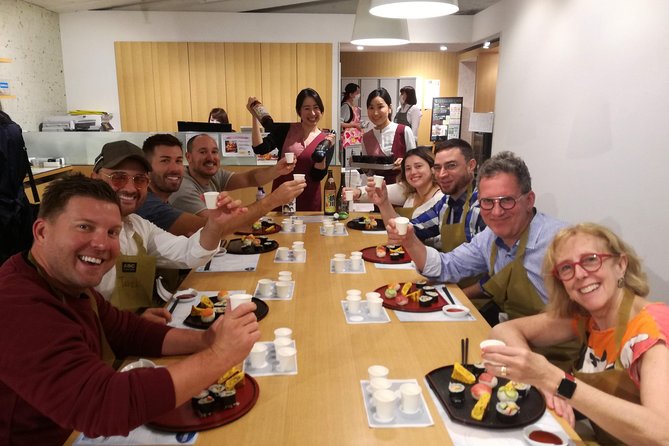
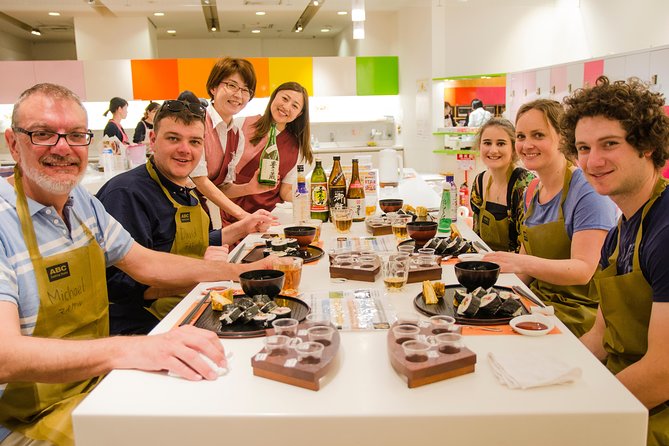
The best part of a cooking class is often the meal at the end. Here, you sit down and eat your sushi, omelet, soup, and side dishes instead of packing them away or watching someone else enjoy the results.
Lunch is accompanied by drinking water and your choice of wine, plum sake, or soft drinks. The drink choice gives the class a pleasant finish, though anyone avoiding alcohol should choose a soft drink.
The meal is not likely to match the size of a large restaurant lunch. Two lower-rated assessments felt the amount of food did not fully match the price. That is a fair warning, especially if you are booking mainly for a substantial meal. Think of the food as the result of your lesson and part of the tuition, not as a long tasting menu.
I would eat lightly beforehand. Tsukiji is more enjoyable when you have room to try a few things, and the cooking class adds another meal soon after. A large hotel breakfast can leave you looking at market snacks instead of eating them.
Is $99.49 Good Value?
At $99.49 per person, this is not the cheapest way to see Tsukiji or learn one sushi recipe. You can visit the outer market without paying an admission fee, and basic sushi classes may cost less if you find one without a guided market walk.
The value comes from combining several services in three hours:
- An English-speaking market guide
- Help choosing and understanding foods
- Market tastings, with any extra purchases paid separately
- Transport from the market to the studio
- A 90-minute cooking lesson
- Apron use and drinking water
- The ingredients for the class
- A meal and selected drink
The maximum group size of six also matters. In a large class, you might spend much of the lesson watching from the back. Here, the instructor has a better chance of correcting your rolling, cutting, or omelet technique.
I would call the price reasonable for a first-time visitor who wants both market context and a cooking activity in one morning. I would call it less attractive for someone mainly seeking premium sushi, a large lunch, or an in-depth explanation of Japanese food traditions.
Timing, Group Size, and Practical Limits
The full activity takes about three hours. The market is listed at about one hour, the temple at five minutes, and the cooking class at about 90 minutes, with transport connecting the two main stops.
At least two people are required for the tour to run, and the maximum is six. That creates a small-group feel, but it also means the activity can be canceled if the minimum is not met. In that case, you are offered another date or experience, or a full refund.
The experience requires good weather. If poor weather forces cancellation, you can choose a different date or receive a full refund. Normal cancellation is free up to 24 hours before the start time. Within 24 hours, refunds and changes are not accepted.
You receive confirmation when booking, and the starting point is near public transportation. The tour ends somewhere different from the temple, so check the end details before planning your next appointment.
Most people can participate, but the stated minimum age is nine and the minimum height is 130 centimeters. No strollers or luggage are allowed. Photos taken during the activity may be used on the provider’s website, social media, or advertising.
Who Will Enjoy This Tokyo Food Experience?
I would recommend this to first-time visitors who want an easy introduction to Japanese food. It works especially well for families with older children, couples, and small groups of friends who like to eat as much as they like to sightsee.
It is also a smart choice if you feel unsure about entering Tsukiji alone. The guide can explain what you are looking at, help with communication, and direct you toward sample foods without requiring you to research every stall beforehand.
The activity is less suitable if you want to watch the tuna auction, shop for the exact ingredients used in class, or spend several hours eating around the market. It is also not the best pick for someone who already makes sushi regularly and wants advanced instruction.
If you have a free morning before the tour, you could visit the market independently first, but that may reduce your appetite and repeat part of the route. I would instead arrive hungry, let the guide show you the key areas, and save serious shopping for another visit.
Should You Book the Tsukiji and Sushi Class?
Book this experience if you want a tidy three-hour introduction that combines Tokyo food culture with a practical lesson. The strongest reasons are the small group, the translation help, the guided tastings, and the chance to make and eat sushi, tamagoyaki, miso soup, and related dishes.
Skip it if you expect a long market tour, auction access, luxury sushi, or advanced culinary training. At $99.49, the experience earns its price through convenience and personal instruction, not through the quantity of food or the depth of the lecture.
For most first-time cooks and food-focused families, I think it is a good way to spend a morning. Keep breakfast light, wear comfortable shoes, leave luggage at your hotel, and approach the class as an introduction to Japanese home cooking rather than a professional sushi course.
FAQ
Where does the tour begin?
The tour begins outside Tsukiji Hongwanji Temple at 3-chōme-15-1 Tsukiji, Chuo City, Tokyo 104-8435, Japan.
How long does the activity last?
The experience lasts approximately three hours. The temple stop takes about five minutes, the market portion about one hour, and the cooking class about 90 minutes, with transport between the market and studio.
Is the guide English-speaking?
Yes. An English-speaking guide accompanies the market visit and helps with language barriers. English ability may vary among the guide and cooking instructor.
What foods will I make?
The class typically includes sushi rolls and tamagoyaki, a Japanese-style omelet. Depending on the season and ingredient availability, you may also make nigiri sushi, miso soup, stock, and side dishes.
Is lunch included?
Yes. You eat the food you prepare during the class. The meal comes with drinking water and a choice of wine, plum sake, or soft drinks.
Is the tuna auction included?
No. Tuna auction viewing is not included. The activity visits Tsukiji Outer Market.
How many people can join the tour?
The maximum group size is six people. At least two guests are required for the tour to operate.
Can children participate?
Children must be at least nine years old and at least 130 centimeters, or 4.2 feet, tall.
Can I cancel for a full refund?
You can cancel for a full refund up to 24 hours before the experience start time. Cancellations or changes made less than 24 hours before the start are not refunded or accepted.
More Shopping Tours in Tokyo
- Tsukiji Fish Market: Street Food & Culture Walking Tour
★ 5.0 · 669 reviews - Tsukiji Fish Market Small-Group Food Walking Tour
★ 5.0 · 621 reviews - Tokyo: Tsukiji Fish Market Sushi Making Class with Pro Chef
★ 4.9 · 506 reviews - Tokyo Food Tour Taste Fresh Delights at Tsukiji Market
★ 5.0 · 429 reviews
More Markets in Tokyo
- Tokyo: Tsukiji Fish Market Food and Walking tour
★ 5.0 · 1,724 reviews - Tokyo: Tsukiji Fish Market Guided Walking Tour
★ 4.9 · 1,397 reviews - Tsukiji Fish Market Guided Tour and Sushi Making with Pro Chef
★ 5.0 · 775 reviews - Tokyo: Tsukiji Fish Market Food and Culture Walking Tour
★ 4.7 · 757 reviews
Just added around Tokyo
- Tokyo: Customizable Private Guided Walking Tour★ 4.5 · 129 reviews
- Private Harajuku Omotesando Architecture Tour★ 4.9 · 18 reviews
- Tokyo: Guided Helicopter Ride★ 4.9 · 24 reviews
- Tokyo: Guided Walking Tour of Tsukiji Market with Lunch★ 4.4 · 24 reviews
- Tokyo: Private Personalized Local Food Tour★ 4.5 · 101 reviews
- Tokyo GINZA: KONPARU Japanese Cabaret Show with Drink★ 4.8 · 38 reviews
- Tokyo: Guided Walking Tour of Tsukiji Market with Breakfast★ 4.4 · 134 reviews
- Tokyo: Gotokuji Cat Temple, Shinjuku Cat Cafe & 3D Cat Tour★ 4.9 · 38 reviews
Food Market Tours, compared.
Shinjuku Food Tour (13 Dishes at 4 Local Eateries)
Read our review →
Tokyo Tsukiji Fish Market Food and Culture Walking Tour
Read our review →
Shinsekai Food Tour with 13-15 Dishes at 5 Eateries
Read our review →
Osaka Food Tour: 13 Dishes at 5 Local Eateries
Read our review →
Shinjuku Food Tour (15 Dishes and 4 Eateries)
Read our review →
Best of Shinjuku: Izakaya Food Tour (4 Stops, 14+ Tastings)
Read our review →
Hungry Osaka Street Food Tour:15 Tastings & 3 Drinks with a Local
Read our review →
Browse the lists this tour appears in