
REVIEW · SUMO EXPERIENCES
Tokyo: Sumo Morning Practice with Photo Banzuke and Guide
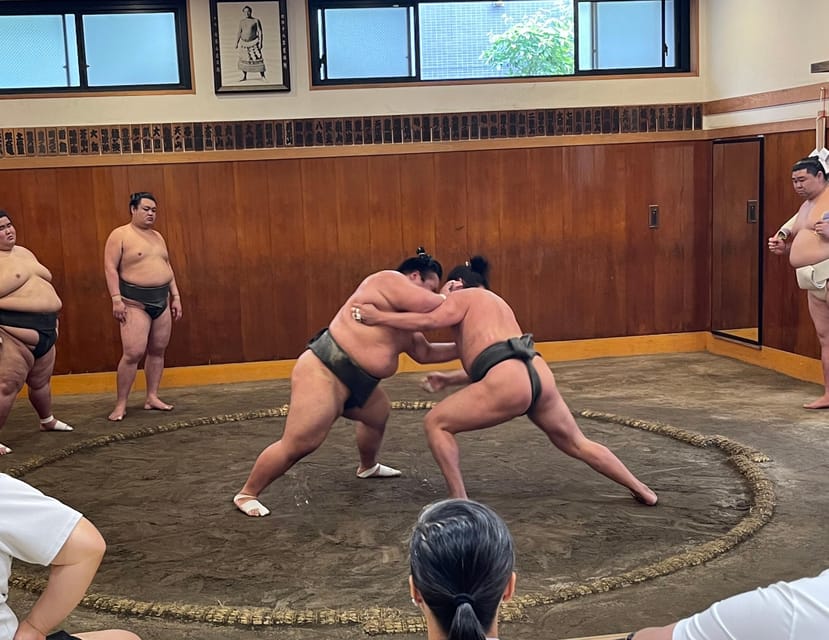
Tokyo sumo practice gives you something tournament tickets cannot: a look at the sport’s daily work. You sit in chairs inside a traditional stable, close enough to feel the force of each clash, while wrestlers train in a sport with no weight classes. I like the small group of up to nine and the chance to learn what you are watching from an English-speaking local guide.
I also like that this is a real morning practice rather than a staged show, and that the stable is only about 14 minutes from Otemachi or Tokyo Station. The main drawback is the seven-hour schedule. The practice itself is the heart of the day, but some people may find the full outing long, especially if they want to pack in more of Tokyo.
In This Review
- Key points to know before booking
- Why morning practice feels different from a sumo tournament
- Meeting at Kiyosumi-Shirakawa Station
- The short guided walk sets the scene
- Two and a half hours beside the sumo practice
- The guide’s sumo lesson adds real value
- The photo stop and the final walk
- What the seven-hour duration means for your day
- Is $115 a fair price?
- Who will get the most from this sumo visit?
- Booking details worth keeping in mind
- Should you book this Tokyo sumo practice?
- FAQ
- Where does the sumo practice tour meet?
- How long does the activity last?
- What language is the tour conducted in?
- How many people are in the group?
- Do I sit on the floor during the practice?
- Is the tour suitable for young children?
- Can I cancel the booking?
Key points to know before booking
- Sit in chairs close to the action: You watch wrestlers train without needing to sit on the floor.
- See sumo outside tournament season: Official tournaments run only 90 days each year, making stable practice a useful alternative.
- Visit a working sumo stable: Only a limited number of Japan’s 44 stables allow outside observers.
- Get a short lesson after practice: Your English-speaking guide explains the basic rules and customs, not just the photo opportunities.
- Keep the group personal: The tour is limited to nine people, which gives you a better chance to ask questions.
- Plan carefully for the meeting point: Meet at Exit B1 of Kiyosumi-Shirakawa Station, near a FamilyMart, and arrive early.
Why morning practice feels different from a sumo tournament
A sumo tournament is polished public sport. Morning practice is the working side of it. You see wrestlers repeat movements, test balance, and clash as they prepare for future matches. The pace may not feel like a nonstop show, but that is part of the point. You are watching training, not a performance built around an audience.
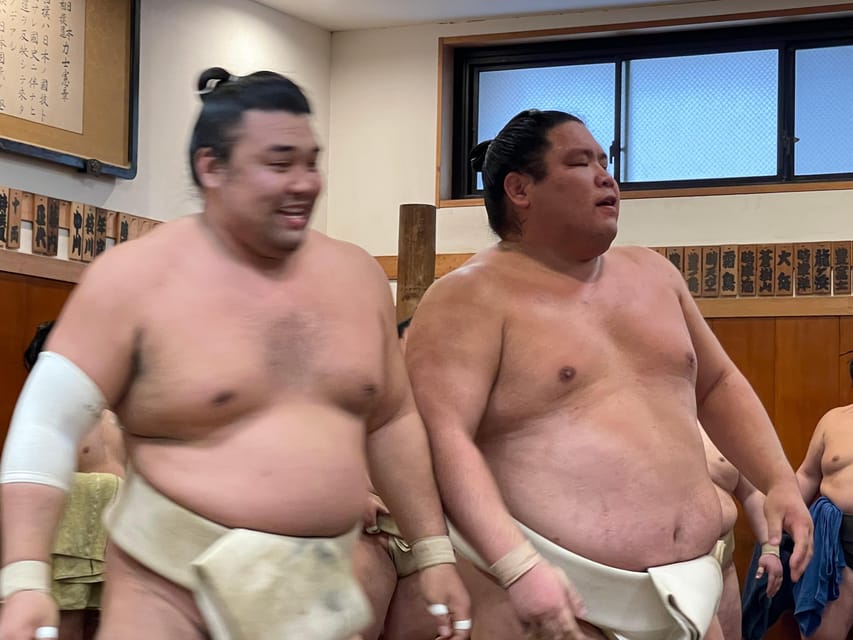
Sumo is also unusual because there are no weight classes. A smaller wrestler can face a much larger opponent, so technique, timing, balance, and force all matter. Even if you know little about the sport, the size difference between wrestlers helps you understand why each movement carries such weight.
The practice takes place at a stable, the home and training base of a sumo group. Only a select number of stables allow outside observers, so this is a more limited opportunity than simply attending a public sporting event. You are not being taken to a themed attraction designed for tourists. You are being shown a place where wrestlers train as part of their daily work.
That distinction matters. If you need a tightly scripted show with constant action, a tournament may suit you better. If you want to understand how sumo is practiced before the crowds arrive, this morning visit offers the better angle.
More Sumo Experiences in Tokyo
- Tokyo: Sumo Show and Dining Experience
★ 4.8 · 2,742 reviews - the SUMO show
★ 5.0 · 1,960 reviews - Tokyo Shinjuku Sumo Show & Experience with Photo
★ 5.0 · 1,750 reviews
Meeting at Kiyosumi-Shirakawa Station
The day begins at Kiyosumi-Shirakawa Station, at Exit B1 near a FamilyMart convenience store. The meeting point is chosen so that you can arrive by train, taxi, or another form of transport, but punctuality is important.
Do not treat the starting time casually. The group travels together, and the guide cannot hold the entire party for someone who is late. If you are delayed, contact the provider as soon as possible. The group may still be able to accommodate you, but the needs of the people who arrived on time come first.
A practical tip: identify Exit B1 before the morning of the tour and look for the FamilyMart rather than relying only on a station map. One piece of feedback specifically called for clearer directions about waiting in front of the store. The exit itself is clear, but knowing exactly where to stand will save you a hurried search.
Wear comfortable shoes. The plan includes walking to the stable, walking again after the photo stop, and returning to the station. You should also bring a camera, though photography should never distract you from watching the practice itself.
The short guided walk sets the scene
The first guided portion lasts about 15 minutes. This is not a long sightseeing walk, and you should not book it expecting a broad tour of Tokyo. Its job is to get you from the station to the stable and help set the context for what you are about to see.
That short walk is useful because sumo stables are not normally places you wander into on your own. The guide handles the approach and explains what you need to know before entering. You can use this time to ask about the stable, the practice, and the basic etiquette expected inside.
The location is another reason the outing fits well into a Tokyo schedule. The stable is described as about 14 minutes from Otemachi or Tokyo Station, though your actual journey depends on the station connection and meeting time. It is not an all-day trip outside the city. The seven-hour duration comes from the full schedule, not from a long transfer across Japan.
Two and a half hours beside the sumo practice
The central part of the day is a guided observation lasting about two and a half hours. You sit in chairs as the wrestlers train, which is an important comfort point. You do not need to assume that watching sumo means sitting cross-legged on a hard floor for hours.
The chairs also let you focus on the action. You can watch the wrestlers’ footwork, posture, grip, and sudden bursts of power without trying to follow a distant ring. The appeal is closeness, but you should remember that this remains a working training session. The wrestlers are there to practice, not to pose for photographs or explain their sport to you.
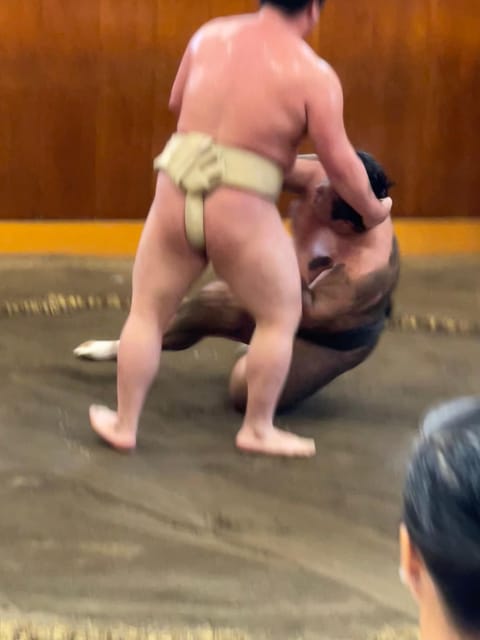
The atmosphere can change from slow preparation to sharp physical contact in a moment. Sumo has formal movements and repeated drills, yet the clashes are direct and powerful. You may find that the quieter stretches help you notice details that would be missed in a tournament crowd.
The guide’s role is especially useful here. Without context, a practice session can look like a series of large men pushing each other. With an explanation of the basics, you can begin to see why a wrestler wins position, how a bout ends, and what makes a movement effective.
The available information does not name the individual guide, but the tour is conducted in English by a local guide. The guide gives a short presentation after the practice rather than leaving you to work everything out alone. That combination is sensible: watch first, then put the rules and customs into place.
You should also be prepared for the practice to run on its own rhythm. There may be waiting, repetition, or periods when the action feels less dramatic than expected. One person found the overall outing longer than necessary and left early to make better use of a sunny day in Tokyo. If you have a packed sightseeing plan, this is worth taking seriously.
On the other hand, leaving early means giving up part of the very thing you paid to see. If your interest in sumo is strong, the extended observation time is a benefit. If you are only mildly curious, two and a half hours plus the other parts of the schedule may test your patience.
Same city, a completely different kind of day:
- Mt Fuji and Hakone 1-Day Bus Tour Return by Bullet Train
★ 5.0 · 26,383 reviews - 1-Day Tokyo Bus Tour
★ 5.0 · 14,250 reviews - Tokyo: TOKYO SKYTREE® Admission ticket
★ 4.5 · 11,192 reviews - Tokyo: teamLab Planets TOKYO Digital Art Museum Entry Ticket
★ 4.6 · 9,779 reviews
The guide’s sumo lesson adds real value
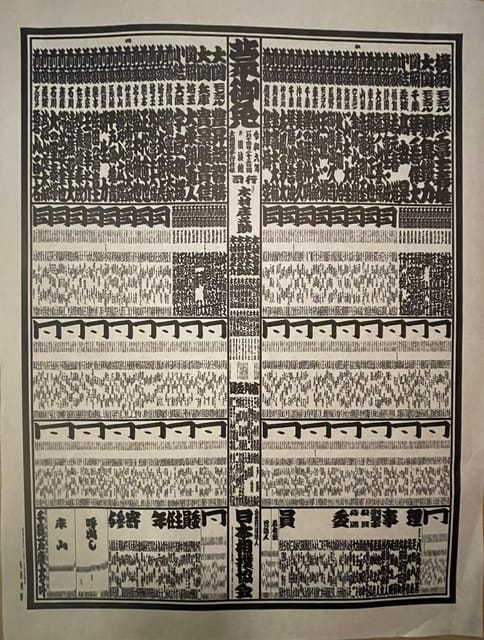
After the practice, the guide gives a short presentation on the basics of sumo. This is more useful than a quick introduction delivered before you have seen the wrestlers move. By this point, you have already watched the physical side of the sport, so the rules and traditions have something concrete to attach to.
You can expect the lesson to help you understand the sport beyond its most photogenic images. The focus is on the basics of sumo, including what you have just seen and why the sport is organized around training stables and tournaments.
This part is particularly helpful if you are new to sumo. Japan’s national sport has customs that may not be obvious at first glance. A local English guide can point out the meaning behind the movements and explain what to watch for the next time you see a match.
The presentation is short, so do not expect a full academic lecture on every rank, ceremony, and rule. That is a good match for this tour. You get enough information to make the practice understandable without turning the morning into a classroom.
The photo stop and the final walk
The itinerary includes a photo stop lasting about 15 minutes. The supplied details do not specify the exact subject or location of this stop, so you should treat it as a planned chance for photographs rather than assume a particular landmark or a posed photograph with wrestlers.
Bring your camera, but keep expectations sensible. The main value of the outing is observing practice at the stable. The photo stop is an extra chance to record the day, not a replacement for the training session.
Afterward, the group walks in two sections of about 10 minutes each before returning to Kiyosumi-Shirakawa Station. These walks are manageable for most people who can comfortably walk around Tokyo, but comfortable shoes remain a smart choice. The schedule is not a simple station-to-stable visit and back. It includes time on foot, so build that into your energy and transport plans.
What the seven-hour duration means for your day
The advertised duration is seven hours, while the listed guided portions include a 15-minute walk, a two-and-a-half-hour stable visit, a 15-minute photo stop, and two 10-minute walks. The remaining time may include meeting the group, moving between locations, settling into the stable, and the presentation.
You should therefore reserve the morning and much of the afternoon. Do not place a timed museum admission or a hard-to-change reservation immediately afterward. The schedule may feel generous if everything moves quickly, but it gives the group room to gather and observe without turning the stable visit into a rushed stop.
This is also a group tour, even with only nine participants. One late arrival caused a slow start for a previous group, so arriving early is not a minor detail. Punctuality protects your own time and avoids making the rest of the group wait.
The tour is wheelchair accessible, according to the activity details. Since the plan includes walking and a visit to a traditional stable, you should still confirm any personal mobility needs when booking. The stated accessibility is useful, but the information does not describe every surface or transfer in detail.
Children under nine are not allowed. For older children, the real question is attention span. The physical size of the wrestlers may hold a child’s interest, but a long practice session and a short talk require patience.
Is $115 a fair price?
At $115 per person, this is not a cheap way to fill an hour in Tokyo. You are paying for access to a practice setting that is not generally open to casual visitors, a local English-speaking guide, a small group, and a long period of observation.
The price makes more sense if you value access over entertainment. You are not simply buying a seat at a public event. You are paying to be guided into a working sumo environment, sit close to training, and learn how to read what you see.
The limited tournament calendar also matters. Official sumo tournaments take place only 90 days of the year, so many people visiting Tokyo will not be in town during one. This practice visit gives you a way to see sumo outside those tournament dates.
I would consider the price fair for a dedicated sumo fan or for someone who wants a serious cultural activity rather than another sightseeing stop. I would think twice if you are unsure about spending several hours watching practice. The value depends less on the number of activities and more on how much you care about seeing sumo at close range.
Who will get the most from this sumo visit?
I would recommend it most strongly to you if:
- You want to see sumo outside the official tournament calendar.
- You prefer a real training setting to a staged cultural demonstration.
- You want an English explanation of the sport’s basic rules and customs.
- You appreciate a small group, rather than a large crowd around a guide.
- You can give the activity most of a day.
- You are comfortable following strict timing and stable etiquette.
You may want another plan if you have only a few hours in Tokyo, dislike watching repeated training drills, or need a flexible start. The practice is the attraction, and its pace is not fully under the tour operator’s control.
This also suits repeat visitors who have already covered Tokyo’s major sights. Kiyosumi-Shirakawa is not being presented as the main sightseeing prize here. The reason to go is the stable and the chance to see sumo in a setting that most independent visitors cannot enter.
Booking details worth keeping in mind
You can cancel up to 24 hours before the activity for a full refund, and the reserve-now, pay-later option lets you hold a place without paying at once. Those terms are useful if your Tokyo schedule is still changing.
The tour runs in English and is limited to nine participants. Availability and starting times should be checked for your chosen date. The provider is VAS LLC.
The experience has a 4.9 rating from 34 reviews, with especially strong praise for the guide’s friendliness and explanations, the close view of the wrestlers, and the feeling that the visit is not a tourist trap. The one useful warning is equally clear: late arrivals can delay the start, and the full day may feel too long for some schedules.
Should you book this Tokyo sumo practice?
Book it if you want close-up training in a real stable, not just a quick photo or a tournament seat. The small group, chairs, local English guide, and post-practice explanation give the visit substance. You will leave with a better sense of how sumo works, not only an image of large wrestlers colliding.
Skip it if your Tokyo plan is tight or if you need fast-moving entertainment. The seven-hour commitment is the deciding factor. Arrive early at Exit B1, wear comfortable shoes, and leave room in your day. For a genuine look at sumo beyond the tournament calendar, this is a strong choice.
FAQ
Where does the sumo practice tour meet?
Meet at Exit B1 of Kiyosumi-Shirakawa Station, near a FamilyMart convenience store.
How long does the activity last?
The advertised duration is seven hours. The schedule includes guided portions, about two and a half hours watching practice, a photo stop, walking time, and the return to Kiyosumi-Shirakawa Station.
What language is the tour conducted in?
The tour has a live English-speaking guide.
How many people are in the group?
The group is limited to nine participants.
Do I sit on the floor during the practice?
No. The activity specifically provides chairs for watching the wrestlers train.
Is the tour suitable for young children?
Children under nine are not permitted to join the activity.
Can I cancel the booking?
You can cancel up to 24 hours in advance for a full refund. You can also reserve the activity and pay later.
More Morning in Tokyo
- Tokyo: Sumo Morning Practice Viewing Tour
★ 4.8 · 570 reviews - Tokyo: Sumo Morning Training Visit
★ 4.4 · 370 reviews - Tokyo: Sumo Morning Practice Tour at Sumida City
★ 4.8 · 308 reviews - Tokyo Sumo Morning Practice Tour at Stable
★ 5.0 · 298 reviews
Just added around Tokyo
- Tokyo: Customizable Private Guided Walking Tour★ 4.5 · 129 reviews
- Private Harajuku Omotesando Architecture Tour★ 4.9 · 18 reviews
- Tokyo: Guided Helicopter Ride★ 4.9 · 24 reviews
- Tokyo: Guided Walking Tour of Tsukiji Market with Lunch★ 4.4 · 24 reviews
- Tokyo: Private Personalized Local Food Tour★ 4.5 · 101 reviews
- Tokyo GINZA: KONPARU Japanese Cabaret Show with Drink★ 4.8 · 38 reviews
- Tokyo: Guided Walking Tour of Tsukiji Market with Breakfast★ 4.4 · 134 reviews
- Tokyo: Gotokuji Cat Temple, Shinjuku Cat Cafe & 3D Cat Tour★ 4.9 · 38 reviews
Sumo Experiences, compared.
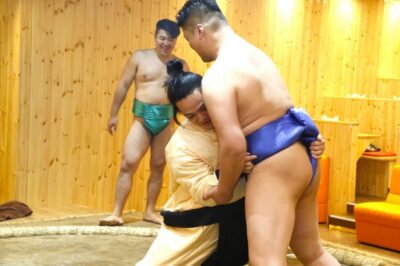
Sumo Show Experience with Chicken Hot Pot and a Photo
Read our review →
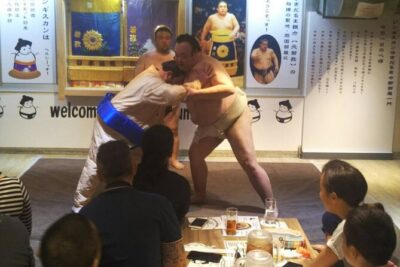
Tokyo Shinjuku Sumo Show & Experience with Photo
Read our review →
Sumo Show & Experience w/ Optional Kimono & Hot Pot
Read our review →
Authentic Sumo Experience in Tokyo: Enter the Sanctuary
Read our review →Browse the lists this tour appears in