
REVIEW · SUMO EXPERIENCES
Tokyo: Sumo Morning Practice Viewing Tour at a Real Stable
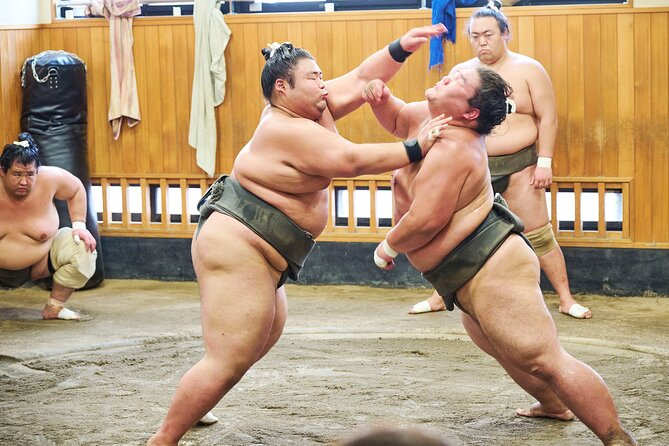
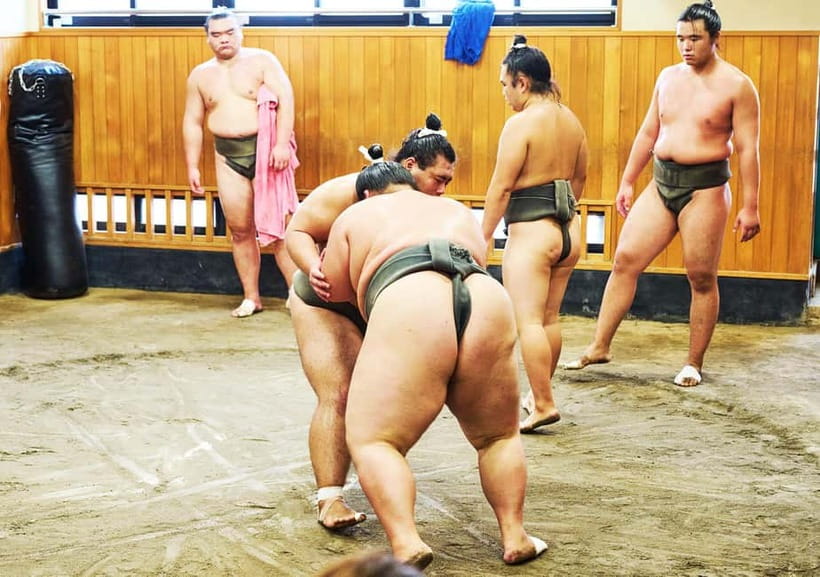
The most striking part of this Tokyo tour is the setting: you sit close to an active sumo ring while wrestlers train as if you are not there. You hear the slap of flesh, the stamp of feet, and the force of each clash. This is real morning practice, not a staged show.
I like the honest cultural access and the calm explanations from guides such as Mao, Yuki, Kawa, and Tomo. I also like that you learn what the movements mean, rather than simply watching large men push each other around. The main drawback is strict etiquette: you must stay seated and silent until practice ends, and late arrival can mean no entry.
In This Review
- Key points to know before you book
- Why watching practice beats seeing only a tournament
- Meeting at Kiyosumi-Shirakawa Station
- The guide’s introduction makes the practice easier to follow
- Inside the stable, silence is part of the experience
- Sitting beside the ring puts the effort close
- Meeting wrestlers after practice
- What the two hours are really buying you
- The practical rules that can make or break your morning
- Who will appreciate this more than a standard attraction
- Should you book the sumo stable visit?
- FAQ
- Where does the tour meet?
- How long does the experience last?
- What time does sumo practice end?
- Will I travel by train during the tour?
- Can I leave the stable early?
- Can I talk with the wrestlers?
- Can I take photographs?
- What should I wear?
- Is the tour suitable for children?
Key points to know before you book
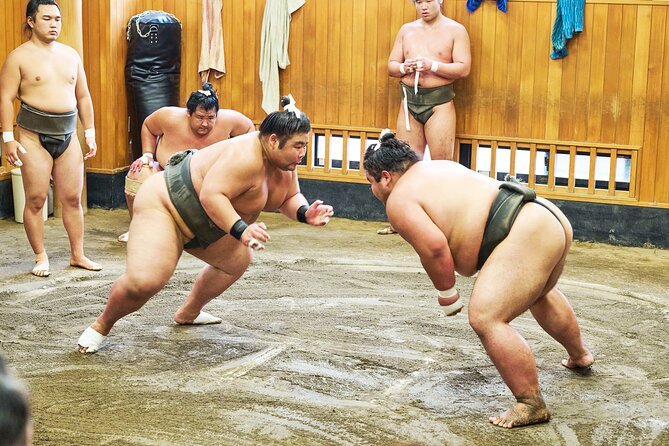
- Watch from close range: You sit beside the ring, close enough to see the wrestlers’ speed, flexibility, and effort.
- Visit a working stable: This is where wrestlers train, live, eat, and follow the demands of professional sumo.
- Learn the rituals first: Your English-speaking guide explains the rules, Shinto links, and meaning behind the practice.
- Expect a quiet, serious visit: Phones must be silent, movement is restricted, and noise is not allowed.
- Plan extra travel time: You meet at Kiyosumi-Shirakawa Station, and the group may take a train to the stable.
- Best for older children and adults: The tour is not suitable for anyone under 11.
Why watching practice beats seeing only a tournament
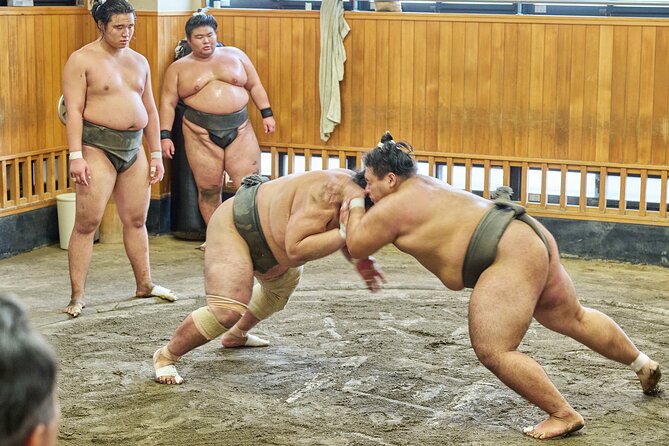
A sumo tournament gives you the spectacle. This visit gives you the work behind it.
At a tournament, you see the formal entrance, the bout, and the rituals performed for a crowd. At the stable, you see the daily discipline that makes those few seconds in the ring possible. Young wrestlers train early and push through repeated exercises, bouts, and physical demands as they work toward higher ranks.
The difference matters. There is no promise of a famous champion, a dramatic match, or a polished performance for cameras. The appeal is that the wrestlers are focused on their own practice. One of the clearest descriptions of the experience is that the athletes carried on as if the group were not present. That is exactly what gives the visit its value.
You may see powerful clashes, but you will also notice the less flashy work: preparation, repetition, balance, flexibility, and ritual. The guide helps you understand what you are seeing, so the session does not blur into a series of noisy collisions.
More Sumo Experiences in Tokyo
- Tokyo: Sumo Show and Dining Experience
★ 4.8 · 2,742 reviews - the SUMO show
★ 5.0 · 1,960 reviews - Tokyo Shinjuku Sumo Show & Experience with Photo
★ 5.0 · 1,750 reviews
Meeting at Kiyosumi-Shirakawa Station
The tour begins in front of Exit A1 at Kiyosumi-Shirakawa Station. You can reach the station on the Toei Oedo Line or the Hanzomon Line. Look for a guide holding a sign marked Local Guide Stars.
Give yourself plenty of time. The station meeting point is clear, but the group may take a train to the stable after meeting. A late arrival can prevent entry, so I would aim to be at the station at least 30 minutes early, especially if you are unfamiliar with Tokyo’s extensive rail system.
That advice is not fussy. The stable is a working place with a fixed practice schedule, not a museum waiting for the next admission group. If the group has already left, you may not be able to catch up.
The starting time varies, so check the available slot when booking. Practice usually ends around 9:00 to 10:00 in the morning, but the full activity lasts about two hours because the meeting, explanation, and transport are part of the outing.
The guide’s introduction makes the practice easier to follow
Before entering the stable, your English-speaking guide explains the basic rules and customs of sumo. Guides named Mao, Yuki, Kawa, and Tomo have led sessions, and the strongest praise has focused on clear explanations without burying the group in too much information.
That balance is useful. You do not need a lecture on every rank and historical detail before sitting down. You do need enough background to understand why the wrestlers stamp, slap their bodies, throw salt, or spend time preparing before a bout.
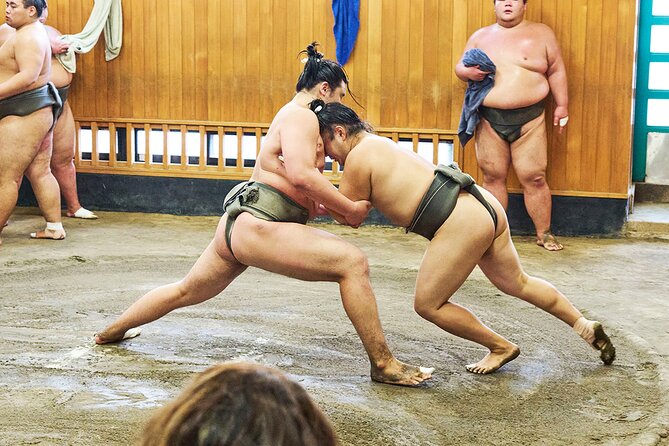
Your guide also explains how a match is won. A wrestler succeeds by forcing his opponent out of the ring or making any part of the opponent’s body touch the ground, apart from the soles of the feet. Once you know that, the ring becomes easier to read. A bout can turn on a small shift in balance rather than a huge throw.
The introduction also places sumo in its Shinto setting. Sumo is not simply a strength contest. Its rituals reflect religious customs, and the gestures in and around the ring carry meaning. Seeing those actions in a working stable gives them more weight than reading a short caption at a tourist attraction.
Inside the stable, silence is part of the experience
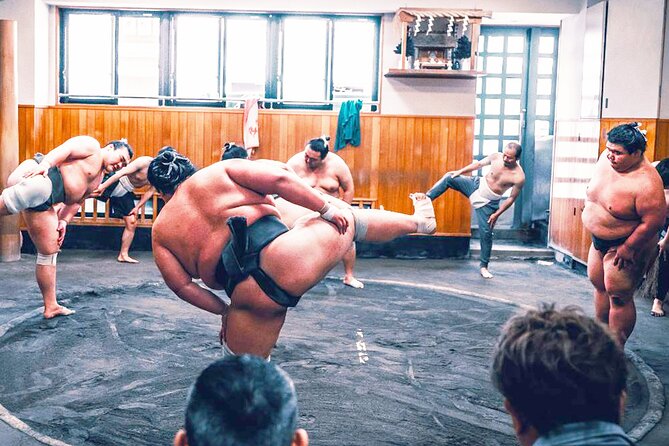
The stable is a place where wrestlers live and train. You are not entering a theater or a public arena, so the rules are strict for good reason.
You must remain quiet, keep your phone on silent, and avoid standing or moving around during practice. Modest clothing is required. You should use the restroom before entering, since getting up repeatedly is not allowed. Food and drink are not permitted during the session, apart from water.
These restrictions may sound severe, but they protect the working atmosphere. The wrestlers are concentrating, and the session is not arranged around your comfort or entertainment. I like that honesty. You are being allowed into their routine, and your responsibility is to cause as little disruption as possible.
The quiet also improves what you hear. The sound of a body hitting the floor or a hand striking a thigh becomes part of the lesson. You notice the speed and physical effort more clearly because there is no announcer, music, or crowd noise competing with it.
You must stay until practice ends. Once you leave the stable, there is no re-entry. The session can run a little shorter or longer than expected, so do not schedule an important appointment immediately afterward.
Same city, a completely different kind of day:
- Mt Fuji and Hakone 1-Day Bus Tour Return by Bullet Train
★ 5.0 · 26,383 reviews - 1-Day Tokyo Bus Tour
★ 5.0 · 14,250 reviews - Tokyo: TOKYO SKYTREE® Admission ticket
★ 4.5 · 11,192 reviews - Tokyo: teamLab Planets TOKYO Digital Art Museum Entry Ticket
★ 4.6 · 9,779 reviews
Sitting beside the ring puts the effort close
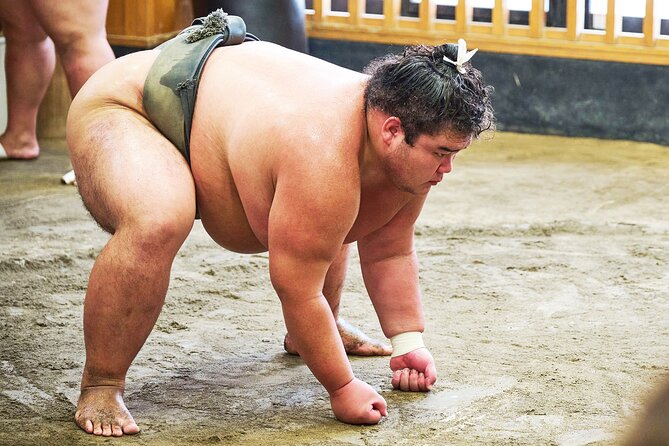
The viewing position is one of the tour’s strongest features. You sit on the side of the ring, close enough to see the wrestlers’ movements and hear the impact. The proximity changes your sense of scale. Sumo wrestlers look imposing in photographs, but their quick footwork and flexibility are even more surprising at close range.
You may see wrestlers train in pairs, repeat movements, and test one another with serious force. The wrestlers do not perform for the group, which means the action may not follow a neat sightseeing script. That is a benefit if you want an authentic look at the sport, but it also means you should arrive with realistic expectations.
This is not a guaranteed chance to see a particular champion. One session included a yokozuna, the highest rank in sumo, but the schedule and participants can vary. The attraction is the training itself, not a promised celebrity appearance.
The most useful way to watch is to let the guide’s earlier explanation shape your attention. Look for how wrestlers maintain balance, how they use the ring’s edge, and how a match can end quickly after a long preparation. Sumo often appears slow before the action suddenly becomes explosive.
Meeting wrestlers after practice
The tour includes an opportunity to speak with wrestlers outside training hours. Depending on the stable’s schedule and the conditions that day, you may also have a chance to take photographs with them.
Keep your expectations polite and flexible. The stable is their home and workplace, and access depends on what is appropriate after practice. The value is not a long interview or a guaranteed photo. It is the chance to connect the intense session with the people who devote their lives to it.
This part can also help you understand the human side of sumo. The sport demands early starts, strict routines, and years of effort. You are seeing more than a bout. You are seeing young wrestlers pursue the difficult path toward professional rank.
What the two hours are really buying you
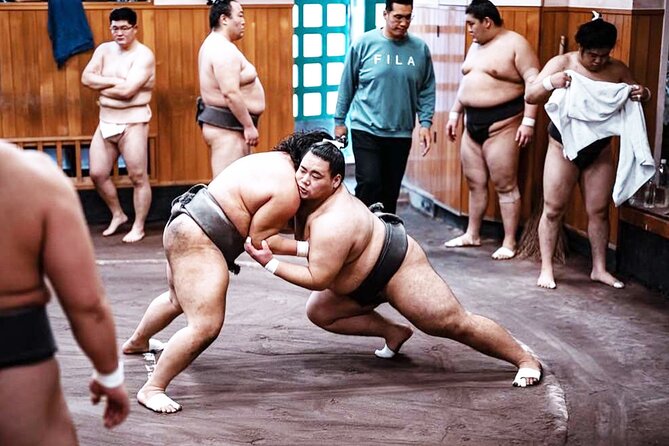
The price is $98 per person. That is not a casual add-on, and you should compare it with other Tokyo activities before booking. Still, the cost covers something unusually restricted: entry to a real sumo training stable, an English-speaking guide, an explanation of the sport and rituals, and the chance to speak with wrestlers.
The value is strongest if you care about access and context. A sumo-themed museum or tournament-area visit may cost less, but it will not place you beside a live morning practice session. A tournament ticket can offer more formal spectacle, but it does not necessarily show the repetitive work behind the bouts.
The group size can be modest. One session had 11 participants, while another group had 14. That is small enough for the guide’s explanation to remain useful, though the stable itself is not a private room and space can be limited.
I would consider the price fair for someone who wants a rare cultural experience and has room in the budget. If you only want to watch a dramatic sumo match, the price may feel high, especially since practice is quiet and the exact length can change.
The practical rules that can make or break your morning
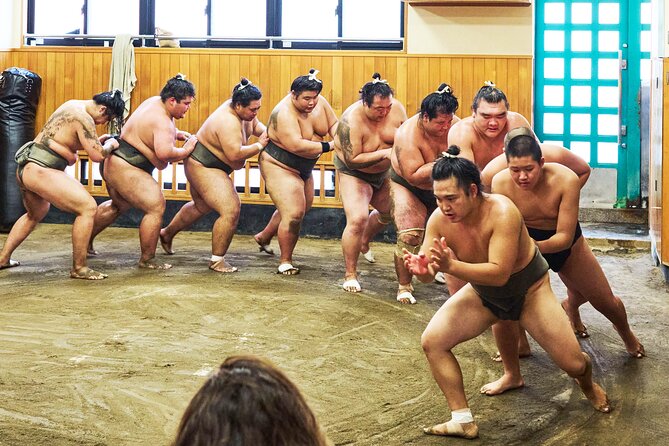
Wear modest clothing and choose something comfortable for sitting still. Do not plan to wander around inside the stable, check messages, eat breakfast, or leave early.
Arrive early at Exit A1. Tokyo rail connections are efficient, but the network can still be confusing when you are watching the clock. The group may travel onward by train, and a late arrival may mean you miss the stable entirely.
Tell the organizers in advance if you have a firm commitment afterward. The practice and tour can finish earlier or later than expected, and the ending point may differ from the meeting point.
The activity is not suitable for children under 11. Older children who can remain quiet and still may find it fascinating, but the atmosphere is formal and the rules are not optional.
Free cancellation is available up to 24 hours before the activity for a full refund. You can also reserve and pay later, which helps if your Tokyo schedule is still changing.
Who will appreciate this more than a standard attraction
I would choose this for you if you want a close look at Japanese tradition, enjoy learning how a sport works, and can respect a quiet viewing environment. It suits adults, older children, photographers who can follow strict rules, and anyone curious about the daily life of athletes.
It is also a strong choice if you have already seen Tokyo’s major sights and want something less polished. The stable is not presented as a stage set. Its working character is the point.
I would hesitate if you need a predictable finish time, dislike sitting still, or want to interact freely with performers. You should also think twice if you are uncomfortable with close physical contact, loud body slaps, or the sight of demanding athletic practice.
The tour is conducted in English. Guides such as Mao, Yuki, Kawa, and Tomo have been praised for being friendly, clear, and patient. Mao, in particular, has been noted for giving useful background without overwhelming the group.
Should you book the sumo stable visit?
Book it if you want access rather than spectacle. Watching wrestlers train at arm’s length, hearing the impacts, and learning why the rituals matter can give you a better sense of sumo than a quick tournament photo ever will.
Skip it if your schedule is tight or if you cannot commit to staying quiet until the end. Arrive early, dress modestly, silence your phone, and treat the stable as a workplace. Follow those rules and the $98 price buys a rare look at the discipline behind Japan’s national sport.
FAQ
Where does the tour meet?
Meet in front of Kiyosumi-Shirakawa Station at Exit A1. The station is served by the Toei Oedo Line and the Hanzomon Line. Your guide carries a Local Guide Stars sign.
How long does the experience last?
The listed duration is two hours. Practice and the tour may be slightly shorter or longer than expected.
What time does sumo practice end?
Practice usually ends around 9:00 to 10:00 AM. The exact schedule can vary.
Will I travel by train during the tour?
After meeting at the station, the group may take a train to the sumo stable. The ending location may differ from the meeting point.
Can I leave the stable early?
You must stay until the end of practice. Once you leave the stable, re-entry is not possible.
Can I talk with the wrestlers?
The tour includes an opportunity to speak with wrestlers outside training hours.
Can I take photographs?
Photographs may be possible, including photographs with wrestlers, depending on the conditions and schedule. You must follow the stable’s rules.
What should I wear?
Modest clothing is required. You should also be prepared to sit quietly without standing or moving around during practice.
Is the tour suitable for children?
No. The activity is not suitable for children under 11 years of age.
More Morning in Tokyo
- Tokyo: Sumo Morning Practice Viewing Tour
★ 4.8 · 570 reviews - Tokyo: Sumo Morning Training Visit
★ 4.4 · 370 reviews - Tokyo: Sumo Morning Practice Tour at Sumida City
★ 4.8 · 308 reviews - Tokyo Sumo Morning Practice Tour at Stable
★ 5.0 · 298 reviews
Just added around Tokyo
- Private Memorable Tokyo Tour with English Speaking Driver★ 5.0 · 30 reviews
- Private Tokyo Custom Full-Day Tour by Chartered Vehicle★ 5.0 · 16 reviews
- Private Sightseeing to Mt Fuji and Hakone with English Driver★ 5.0 · 51 reviews
- Tokyo Photography Masterclass – Private Photography Lesson★ 5.0 · 25 reviews
- Private Mt. Fuji Day Trip from Tokyo with English-Speaking Driver★ 5.0 · 33 reviews
- 4 Day Tour – Mount. Fuji, Tokyo, Hakone, Kamakura and Yokohama★ 5.0 · 19 reviews
- Private Unforgettable Mt Fuji Tour with English Speaking Driver★ 5.0 · 142 reviews
- Private Tokyo Food Tour – A Journey Through Time Through Food★ 5.0 · 36 reviews
Sumo Experiences, compared.
Sumo Show Experience with Chicken Hot Pot and a Photo
Read our review →
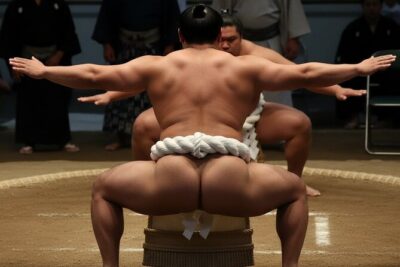
Tokyo Shinjuku Sumo Show & Experience with Photo
Read our review →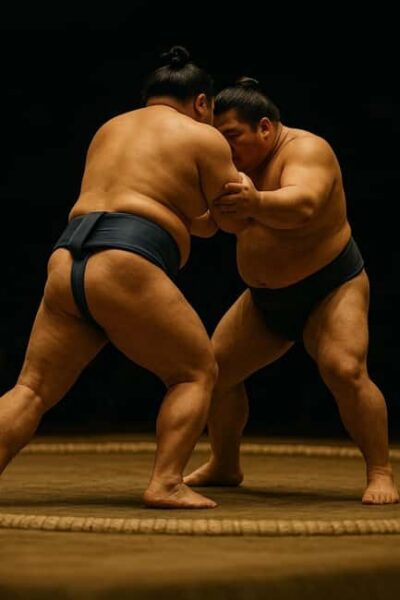
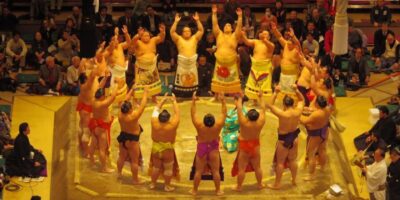
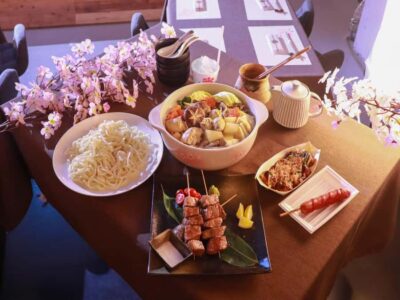
Sumo Show & Experience w/ Optional Kimono & Hot Pot
Read our review →
Authentic Sumo Experience in Tokyo: Enter the Sanctuary
Read our review →Browse the lists this tour appears in