
REVIEW · SUMO EXPERIENCES
Tokyo Sumo Morning Practice: Viewing & Exclusive Interaction
Sumo training is not a stage show. It is a serious morning ritual of stomping, stretching, pushing, and repeated collisions, held inside a working stable in Sumida. You watch from close range, then get a rare chance to speak with active wrestlers and ask what life is really like behind the ceremonial belt.
I like the front-row zabuton seating, which puts you close to the action, and the choice of stools at the back if sitting on the floor is difficult. I also like the final Q&A in Narihira Park, where guides such as Haru, Momo, Sarah, Sana, and Ryoko have helped explain the rules and customs in clear English.
The main drawback is the early start and strict conduct inside the stable. You must stay quiet, avoid flash, and leave food, drinks, recording devices, alcohol, and drugs behind. During tournament periods, the practice starts earlier and the viewing portion lasts only about an hour.
In This Review
- Key points to know before booking
- Why this morning feels different from a sumo show
- Meeting at Narihira Park before the stable visit
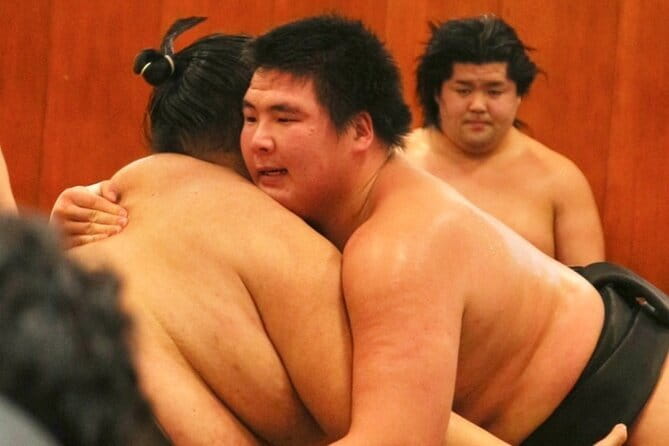
- Watching the wrestlers train at close range
- What the training reveals about sumo
- The wrestler Q&A and photo session
- Returning to the park for the banzuke and final Q&A
- Is $93 a fair price?
- Tournament-period timing and other practical details
- Who should book this sumo experience?
- Should you book this tour?
- FAQ
- Where does the tour meet?
- How long does the experience last?
- What languages are available?
- Is transportation to the meeting point included?
- Can I sit on the floor?
- Are stools available?
- Can I take photographs?
- Can I record video or audio?
- Are food and drinks allowed inside?
- Can children join the tour?
- What changes during a Grand Sumo Tournament?
- What is included in the price?
Key points to know before booking
- Watch a working morning practice: You see current wrestlers train in their stable, rather than watching a staged dinner performance.
- Meet the wrestlers afterward: The private Q&A and photo time turn a distant cultural sight into a personal exchange.
- Choose your seating: Use a front-row zabuton for a closer view or a rear stool if floor seating is uncomfortable.
- Receive an official banzuke: The ranking sheet comes in a souvenir folder and gives you a useful keepsake from the experience.
- Finish with extra questions: The guide stays at the park for a final session about sumo and Tokyo travel.
- Plan around the calendar: During the January, May, and September Grand Sumo Tournaments, the schedule changes.
Why this morning feels different from a sumo show
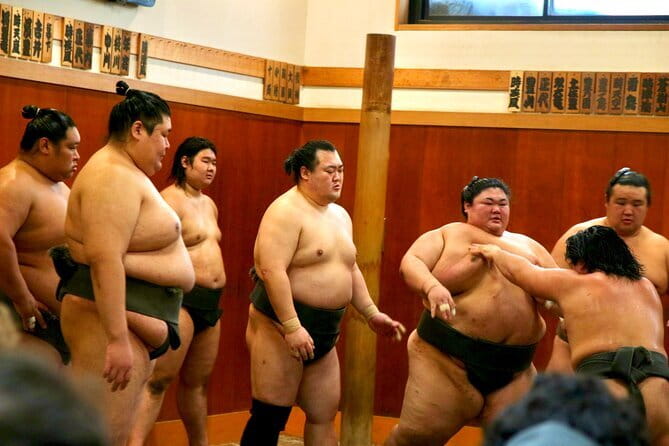
The best reason to book this experience is simple: you are watching training, not a performance arranged for tourists. A sumo stable is where wrestlers live and practice, and the mood is focused. The repeated warmups and bouts can feel intense, even before you understand every rule.
That difference matters. At a staged show, the action is arranged for an audience. Here, the athletes are following their normal routine. You may see warmups, practice bouts, and sparring, with the sound and force of bodies meeting at close range. The setting asks you to behave more like a respectful observer than a spectator at a sporting event.
Your guide makes that easier. The tour begins at Narihira Park, near the multipurpose restroom, where the guide checks names, hands out sumo material, and explains the manners you must follow. This short briefing is not filler. It gives you a basic grasp of sumo history, rules, and etiquette before you enter a place where silence and good behavior matter.
I especially value this introduction because sumo has many details that are easy to miss. The rituals, movements, and hierarchy can look puzzling if you arrive without context. A good explanation helps you see purpose in the stomping, preparation, and formal conduct rather than treating the practice as a series of loud collisions.
More Sumo Experiences in Tokyo
- Tokyo: Sumo Show and Dining Experience
★ 4.8 · 2,742 reviews - the SUMO show
★ 5.0 · 1,960 reviews - Tokyo Shinjuku Sumo Show & Experience with Photo
★ 5.0 · 1,750 reviews
Meeting at Narihira Park before the stable visit
The meeting point is Narihira Park in Sumida. You are responsible for reaching it yourself, since transportation to the meeting point is not included. Build in enough time to find the multipurpose restroom, which is the stated gathering place, and avoid arriving at the last moment.
Once the group is together, the guide distributes materials and explains what is allowed inside. The practical rules are strict:
- No food or alcohol
- No drugs
- No video recording
- No audio recording
- No flash photography
Photography is allowed, but you must remain quiet during practice and follow instructions about flash and seating. This is an important distinction. You can take home images, but you cannot treat the stable like a free-form photo studio.
The park also serves as the closing point, so remember where you started. The tour lasts about three hours and normally wraps up around 11:00 AM. That timing works well if you want to continue to Tokyo Skytree or Asakusa afterward.
Watching the wrestlers train at close range
From the park, you take a short walk to an active sumo stable. The stable visit fee is included in the $93 price, as is the English or Japanese guidance. This is the heart of the experience, and it is where the tour earns its cost.
You should expect a quiet room with an intense atmosphere. The wrestlers are there to train, not to entertain you. Their work can be repetitive, physical, and demanding. The practice offers a more honest look at the sport than a short ceremonial appearance because you see the preparation behind the public matches.
The experience can also be a little overwhelming. That is not necessarily a problem, but it helps to know in advance. The athletes are committed and powerful, and you are close enough to feel the seriousness of the room. Keep your voice low and follow the guide rather than trying to move around for a better photograph.
The seating choice is a useful touch. If you want the closest view and can sit on the floor, take a traditional zabuton cushion near the front. If floor seating is uncomfortable, stools are available toward the back. The stools may place you farther from the action, but comfort is worth more than a few extra feet of viewing distance during a three-hour morning.
Children under six cannot join this activity. For older children, the quiet rules and physical nature of the practice are worth explaining before you book. This is not a hands-on sports lesson for young children, and the stable requires patience.
What the training reveals about sumo
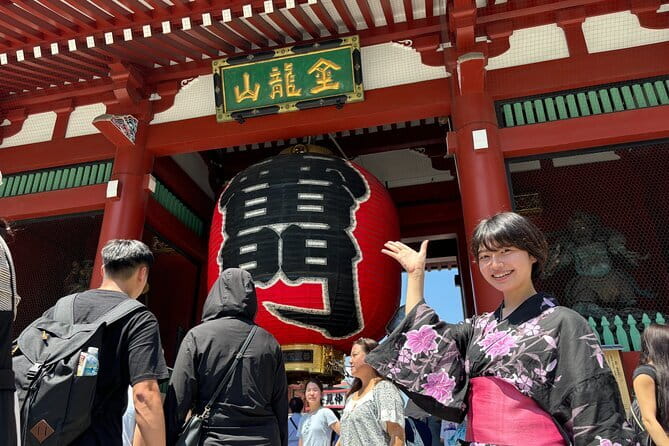
A morning practice gives you more than a look at large athletes. It shows the discipline behind the sport. Sumo is often reduced to its short bouts, yet the training involves preparation, repetition, strength, balance, and mental focus.
Your guide can explain how the sport works as you watch. This makes the session more rewarding for first-time visitors, since you can connect what you see with the larger traditions of sumo. You do not need previous knowledge, and the tour is designed to make complicated customs easier to follow.
The setting also helps you understand why sumo is treated as a serious cultural practice in Japan. The stable is not simply a gym. It has its own rules and manners, and the wrestlers’ daily lives are tied to the place. You are given a short window into that world, with the important reminder that you are still entering someone else’s workplace.
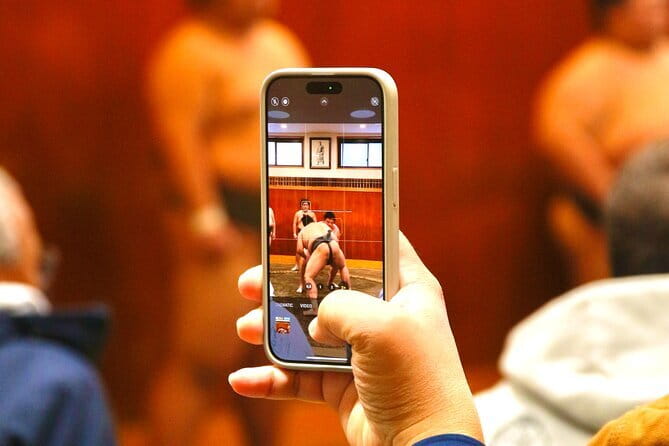
Photography is permitted under the stable’s rules, but do not let your camera distract you. Flash is forbidden, and video and audio recording are not allowed. I would take a few quiet photographs when permitted, then watch the practice directly. The sound, pace, and concentration are difficult to capture in a phone clip anyway.
Same city, a completely different kind of day:
- Mt Fuji and Hakone 1-Day Bus Tour Return by Bullet Train
★ 5.0 · 26,383 reviews - 1-Day Tokyo Bus Tour
★ 5.0 · 14,250 reviews - Tokyo: TOKYO SKYTREE® Admission ticket
★ 4.5 · 11,192 reviews - Tokyo: teamLab Planets TOKYO Digital Art Museum Entry Ticket
★ 4.6 · 9,779 reviews
The wrestler Q&A and photo session
After practice, the experience changes from observation to conversation. You can ask active wrestlers about training, daily life, and their mindset as athletes. The guide helps interpret questions and keep the exchange comfortable for everyone.
This is one of the tour’s strongest features. Watching from a cushion gives you a view of sumo, but speaking with the wrestlers gives you a human connection to it. You can ask about the parts of the sport that are not obvious from the practice floor, then take a commemorative photograph together.
Come prepared with a few questions. Ask about a typical training day, the hardest part of practice, or how wrestlers prepare mentally. The supplied details specifically highlight questions about daily lives, training, and mindset, so those subjects fit the session well.
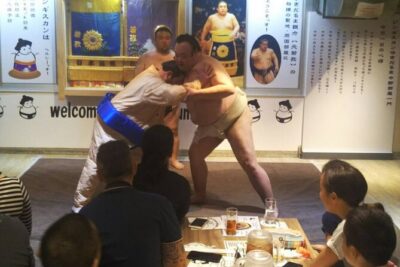
Some sessions may include a playful chance for male audience members to wrestle briefly with professionals. This is not presented as a guaranteed part of every booking, so treat it as a possible bonus rather than a promise. If it happens, follow the staff’s instructions and keep the tone light. The main activity remains watching and speaking with the wrestlers.
The photo session is also subject to the stable’s rules. Do not assume you can take unlimited pictures or record the conversation. The guide will manage the process, which protects the wrestlers’ time and keeps the visit respectful.
Returning to the park for the banzuke and final Q&A
After the stable visit, you return to Narihira Park. Here you receive an official banzuke, the sumo ranking sheet, inside a specially designed souvenir folder.
This is a better souvenir than a generic keychain because it connects directly to what you have seen. The banzuke records the ranking structure of sumo and gives you something to study after the tour. It may also help you recognize the importance of rank when you later watch a tournament or visit a sumo-related exhibit.
The tour does not rush you into a meal. Instead, the guide stays for a final open Q&A. You can ask follow-up questions about rituals and traditions, or switch topics and request personalized suggestions for your Tokyo plans.
I like this part because the questions that occur to you often arrive after the practice. You may notice a detail only once you have watched the wrestlers for a while. The park session gives you time to ask it without holding up the stable visit.
It also makes the three-hour schedule feel useful rather than padded. You get the preparation, the practice, the wrestler interaction, the souvenir, and a final chance to make sense of it all. Guides named in the experience include Sarah, Sana, Momo, Haru, and Ryoko, and the guidance is offered in English and Japanese.
Is $93 a fair price?
At $93 per person, this is not a budget morning activity. The value depends on what you want. You are paying for access to an active stable, a guide, interpretation, wrestler interaction, a photo opportunity, and the banzuke souvenir.
For someone who simply wants to see sumo once, the cost may feel high. You could watch a tournament match for a different kind of sporting experience, but that would not give you the same look at daily training or the same chance to speak with current wrestlers.
Compared with a staged dinner show, this offers a more direct connection to the sport. The price also includes access that is normally closed to the public, so the main value is the setting and the human contact, not the length of the practice alone.
Reserve and pay later is available, and you can cancel up to 24 hours in advance for a full refund. Those terms help if your Tokyo schedule is still changing. Still, check the starting time carefully. Early morning commitments can be hard after a long flight, and the experience works best when you arrive alert and on time.
Tournament-period timing and other practical details
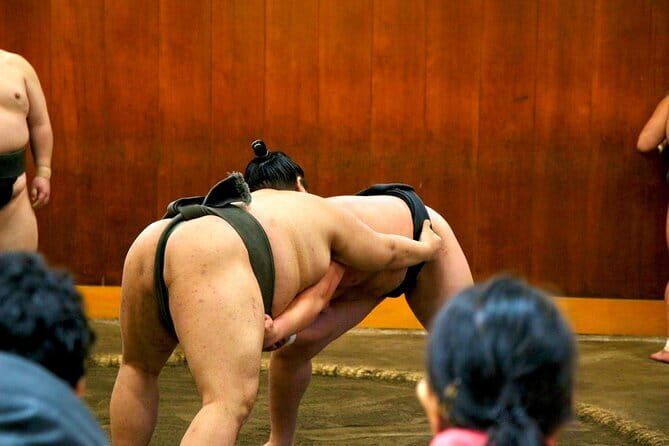
The regular program lasts three hours and finishes around 11:00 AM. That leaves a useful part of the day for nearby Tokyo Skytree or Asakusa.
The Grand Sumo Tournament takes place for about two weeks in January, May, and September. During those periods, practice starts 30 minutes earlier and the viewing time is about one hour. The shorter viewing window does not mean the visit is canceled, but it does change the balance of the itinerary. You should confirm the available starting time before booking during one of these months.
Wear something that lets you sit comfortably and remain still. The information does not specify a dress code, but the seating arrangement and quiet setting mean you should dress for a respectful indoor visit. If you prefer not to sit on the floor, select a stool at the back.
Do not bring a meal or plan to eat inside the stable. Food is not allowed, and the tour’s closing period is a Q&A rather than a provided brunch. If you need breakfast, handle it before meeting the guide or plan to eat afterward, while allowing enough time to reach the park punctually.
Who should book this sumo experience?
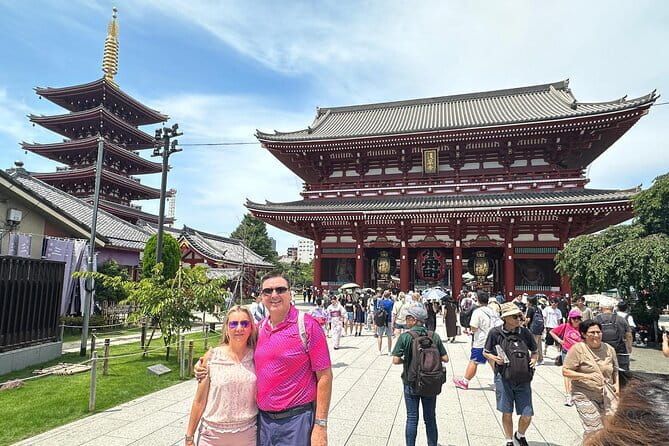
I would recommend it to first-time Tokyo visitors who want cultural context rather than another quick photo stop. It is also a strong choice for sports fans, people curious about Japanese customs, and anyone who prefers working places to polished tourist performances.
You will get the most from it if you are willing to be quiet, follow instructions, and watch closely. The session rewards attention. It is less suitable if you need a relaxed late-morning start, want to film everything, or expect constant entertainment.
It can work well as the first activity of the day. The finish near 11:00 AM gives you time to continue to Skytree or Asakusa, and the final Q&A may help you shape the rest of your Tokyo plans.
Should you book this tour?
Book it if you want to see the demanding daily work behind sumo and speak directly with the athletes. The real stable, flexible seating, active wrestler Q&A, and official banzuke make this more substantial than a brief photo opportunity.
Skip it if you dislike early starts, cannot sit quietly, or need permission to record. Also check the calendar during January, May, and September, when the practice viewing is shorter and begins earlier.
For the right visitor, $93 buys a rare look at a living sport, not a stage version of one. That is the reason I would choose this morning over a more polished but less personal sumo attraction.
FAQ
Where does the tour meet?
The meeting point is near the multipurpose restroom at Narihira Park in Sumida.
How long does the experience last?
The tour lasts three hours and normally finishes around 11:00 AM.
What languages are available?
The tour is offered with an English-speaking or Japanese-speaking live guide.
Is transportation to the meeting point included?
No. You must arrange your own transportation to Narihira Park.
Can I sit on the floor?
Yes. Traditional floor cushions called zabuton are available, including front-row seating.
Are stools available?
Yes. Stools are available at the back for people who prefer not to sit on the floor.
Can I take photographs?
Yes, photography is allowed as long as you remain quiet and follow the rules about flash and seating.
Can I record video or audio?
No. Video recording and audio recording are not allowed.
Are food and drinks allowed inside?
Food is not allowed. Alcohol and drugs are also prohibited.
Can children join the tour?
Children under six years old are not permitted to participate.
What changes during a Grand Sumo Tournament?
During the January, May, and September tournament periods, practice starts 30 minutes earlier and the viewing time is about one hour.
What is included in the price?
The price includes the sumo stable visit fee, guidance by an English-speaking guide, and a special souvenir containing an official banzuke ranking sheet.
More Morning in Tokyo
- Tokyo: Sumo Morning Practice Viewing Tour
★ 4.8 · 570 reviews - Tokyo: Sumo Morning Training Visit
★ 4.4 · 370 reviews - Tokyo: Sumo Morning Practice Tour at Sumida City
★ 4.8 · 308 reviews - Tokyo Sumo Morning Practice Tour at Stable
★ 5.0 · 298 reviews
Just added around Tokyo
- Private Memorable Tokyo Tour with English Speaking Driver★ 5.0 · 30 reviews
- Private Tokyo Custom Full-Day Tour by Chartered Vehicle★ 5.0 · 16 reviews
- Private Sightseeing to Mt Fuji and Hakone with English Driver★ 5.0 · 51 reviews
- Tokyo Photography Masterclass – Private Photography Lesson★ 5.0 · 25 reviews
- Private Mt. Fuji Day Trip from Tokyo with English-Speaking Driver★ 5.0 · 33 reviews
- 4 Day Tour – Mount. Fuji, Tokyo, Hakone, Kamakura and Yokohama★ 5.0 · 19 reviews
- Private Unforgettable Mt Fuji Tour with English Speaking Driver★ 5.0 · 142 reviews
- Private Tokyo Food Tour – A Journey Through Time Through Food★ 5.0 · 36 reviews
Sumo Experiences, compared.
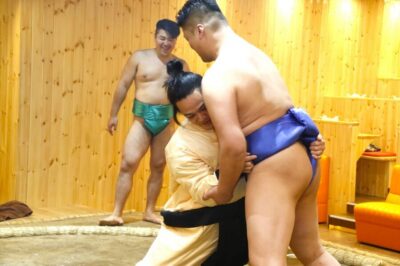
Sumo Show Experience with Chicken Hot Pot and a Photo
Read our review →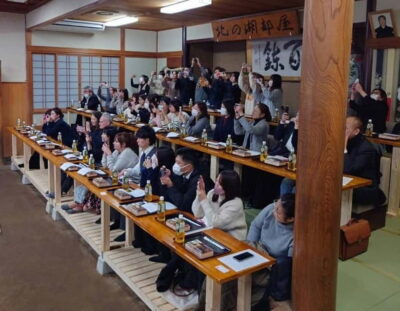
Tokyo Shinjuku Sumo Show & Experience with Photo
Read our review →
Sumo Show & Experience w/ Optional Kimono & Hot Pot
Read our review →
Authentic Sumo Experience in Tokyo: Enter the Sanctuary
Read our review →Browse the lists this tour appears in