
REVIEW · SUMO EXPERIENCES
Tokyo Sumo Culture Tour with Chanko-Nabe Lunch in Ryogoku
Tokyo’s sumo district is more than an arena and a few oversized wrestlers on posters. This three-and-a-half-hour walk through Ryogoku links stables, shrines, temples, old tournament sites, and the Kokugikan arena before ending with a hearty bowl of chanko-nabe.
I like the small group of no more than eight, which gives the guide room to answer questions. I also like the way lunch fits the subject: chanko-nabe is the hot-pot meal tied to the wrestlers’ daily diet, not a random restaurant stop. The main catch is timing. You do not watch a match or training, and some related sites can be closed, especially on Sundays.
In This Review
- Key points at a glance
- Why Ryogoku is the right place to learn sumo
- Hakkaku-beya, a first look at stable life
- Nominosukune Shrine and the origins of sumo
- Outside the Kokugikan, Tokyo’s sumo center
- Ryogoku Edo Noren and the full-size ring
- Ekoin Temple and the Edo-period tournaments
- Kasuganobeya and wrestler-size bicycles
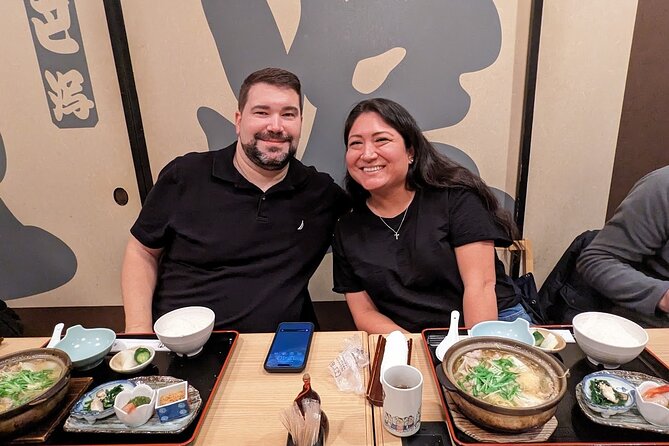
- Chanko-nabe at Tomoegata Chanko
- What the $131.12 price buys you
- Timing, closures, and the limits of the experience
- Who will enjoy this Ryogoku walk most
- A practical way to plan your day
- Should you book the Tokyo Sumo Culture Tour?
- FAQ
- How long does the Tokyo Sumo Culture Tour last?
- What time and where does the tour start?
- Where does the tour finish?
- Is a sumo match or practice session included?
- Is lunch included?
- How many people can join the tour?
Key points at a glance
- See sumo stables from outside: Hakkaku-beya and Kasuganobeya offer a look at places where wrestlers live and train, though entry is not included.
- Walk through sumo’s long story: Nominosukune Shrine and Ekoin Temple connect modern wrestling with its religious and Edo-period roots.
- View the Kokugikan arena: You see the outside of Tokyo’s main sumo venue, where Grand Sumo Tournaments take place three times a year.
- Stand beside a full-size ring: Ryogoku Edo Noren has a sumo ring and old-Edo atmosphere, making the sport easier to understand.
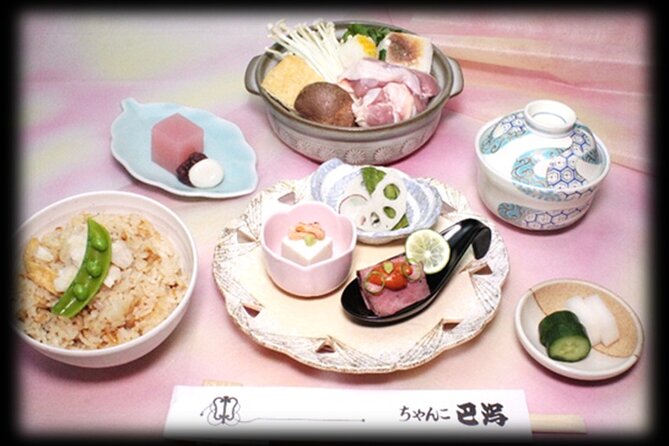
- Eat chanko-nabe at Tomoegata Chanko: The included lunch gives the tour a practical, filling finish.
- Keep the group personal: The maximum is eight, and guides named in the tour feedback include Jeff, Taka, and Aki-san.
Why Ryogoku is the right place to learn sumo
If you only watch sumo on television, the sport can seem to begin and end inside the ring. Ryogoku shows you the wider world around it. The neighborhood is known as Sumo Town because the Kokugikan arena and several training stables are here, along with shrines, temples, restaurants, and places tied to older tournaments.
I like this approach because it explains sumo as a part of Japanese culture rather than presenting it as a short sporting spectacle. You walk between stops, hear stories about rules and rituals, and see how the district grew around the wrestlers and tournaments.
The experience begins at 9:30 a.m. at Ryogoku Station. You should allow time to reach the meeting point at 1-chōme-4-29 Yokoami in Sumida City. The tour ends at Tomoegata Chanko, not back at the station, so plan your next journey from the restaurant.
With a maximum of eight people, the pace should feel more like a guided neighborhood walk than a large sightseeing group. The guides named in the feedback, including Jeff, Taka, and Aki-san, received strong praise for their warmth, explanations, and personal manner. Guide quality can vary by date, but the small format gives you a better chance to ask about customs that puzzle you.
More Sumo Experiences in Tokyo
- Tokyo: Sumo Show and Dining Experience
★ 4.8 · 2,742 reviews - the SUMO show
★ 5.0 · 1,960 reviews - Tokyo Shinjuku Sumo Show & Experience with Photo
★ 5.0 · 1,750 reviews
Hakkaku-beya, a first look at stable life
The first stop is Hakkaku-beya, a well-known sumo stable. You look at the stable from the outside, where wrestlers live and train. This is an important distinction: you are not promised entry or a practice session.
Even from the street, the stop helps you understand that sumo is built around stable communities. Wrestlers train, eat, and live within this structure, and the neighborhood walk puts that idea in front of you early.
Do not book this tour expecting a behind-the-scenes stable visit. The attraction here is the guide’s explanation and the chance to see one of the places connected with active wrestlers. If seeing a practice session is your main goal, this tour does not provide it.
Nominosukune Shrine and the origins of sumo
At Nominosukune Shrine, the guide explains the figure associated with the founding of sumo. The shrine honors Nominosukune, and the story reaches back about 1,500 years. You also hear how the rules changed over time and how the sport took its present form.
This stop gives the walk a useful frame. Sumo is not simply a modern competition with a long list of strict moves. Its customs and rules developed over many years, and the shrine provides a place to discuss that process.
You will spend about 30 minutes here. That is enough time to see the shrine and listen without turning the stop into a long religious visit. The value depends heavily on the guide, so this is one place where an engaging storyteller matters. Aki-san, for example, was praised for explaining sumo culture and its ways in clear terms.
Outside the Kokugikan, Tokyo’s sumo center
Ryogoku Kokugikan is the tour’s most obvious landmark. You view the arena from outside and learn about the building, its role in sumo, and its connection to the three Grand Sumo Tournaments held there each year.
For many people, this is the emotional center of the walk. The Kokugikan is the place you picture when you think of professional sumo in Tokyo. Yet the tour does not include a match ticket, and you do not go inside for a tournament during this experience.
That limitation is easy to miss when you first read about a sumo tour. If you want to watch live competition, you need a separate ticket and a date that matches a tournament. This experience is better for learning how the arena fits into the district and how sumo events work.
The planned visit lasts about 30 minutes. You can expect an exterior visit and commentary, not an arena tour or live bout.
Same city, a completely different kind of day:
- Mt Fuji and Hakone 1-Day Bus Tour Return by Bullet Train
★ 5.0 · 26,383 reviews - 1-Day Tokyo Bus Tour
★ 5.0 · 14,250 reviews - Tokyo: TOKYO SKYTREE® Admission ticket
★ 4.5 · 11,192 reviews - Tokyo: teamLab Planets TOKYO Digital Art Museum Entry Ticket
★ 4.6 · 9,779 reviews
Ryogoku Edo Noren and the full-size ring
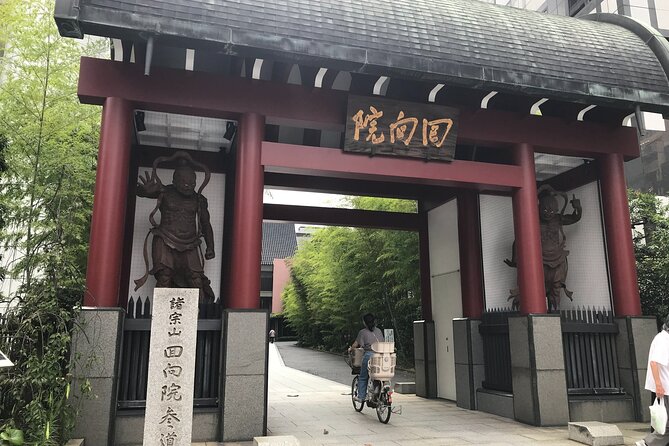
Ryogoku Edo Noren brings the old-Edo mood of the neighborhood into a modern station-area setting. The key feature is a full-scale sumo ring, which gives you a closer look at the space where the action takes place.
This is one of the most useful stops for first-time viewers. A sumo ring can look small on television, but standing beside a full-size ring helps you understand the limited area in which the wrestlers must work. Your guide can also explain stories and details connected with the ring.
The stop lasts around 30 minutes. It is not a tournament, but it adds something the arena exterior cannot: a direct sense of the ring itself. If you are bringing children or teenagers who need a visual hook, this may be one of the easiest parts of the tour for them to grasp.
Ekoin Temple and the Edo-period tournaments
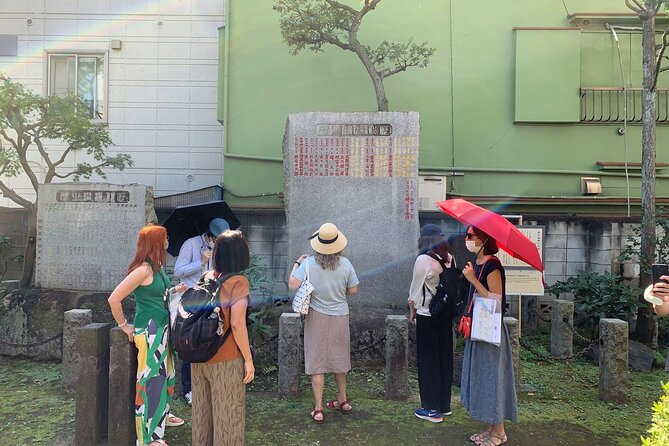
At Ekoin Temple, the subject shifts to the sumo tournaments held during the Edo period. You learn where those events took place, how they were organized, and what social position wrestlers held in the samurai-era system.
This is where the walk moves beyond famous names and modern stadiums. The guide’s explanation helps connect sumo with the society around it. You hear about the status of wrestlers and how tournaments looked before the modern sport had its current structure.
The stop is short, about 15 minutes, but its subject is substantial. I would pay close attention here, particularly if you want more than a photo walk. The tour’s strongest feature is its effort to explain why sumo developed the way it did, and Ekoin is central to that story.
Kasuganobeya and wrestler-size bicycles
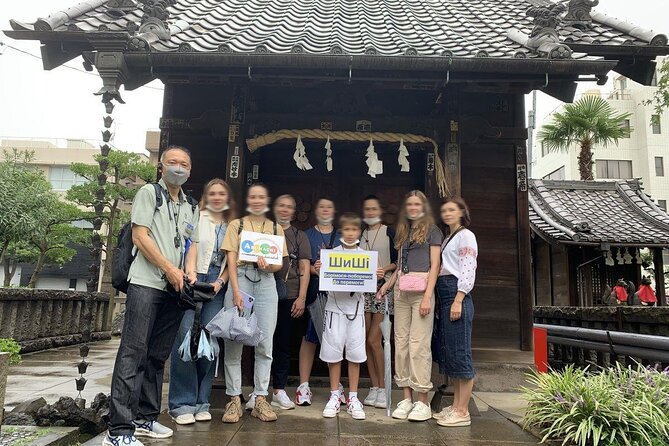
The second stable visit is Kasuganobeya. Again, you see the stable from outside rather than entering for training. One memorable detail is the large bicycles used by the wrestlers in daily life.
The bicycles are a small but telling piece of the tour. They make the physical scale of sumo wrestlers easier to picture in ordinary surroundings. You are not just hearing about athletes who weigh and train differently from most people; you are seeing an everyday object adapted to their size.
This stop lasts about 15 minutes. It is brief, and you should treat it as an exterior look with a practical detail, not as a private stable visit.
Chanko-nabe at Tomoegata Chanko
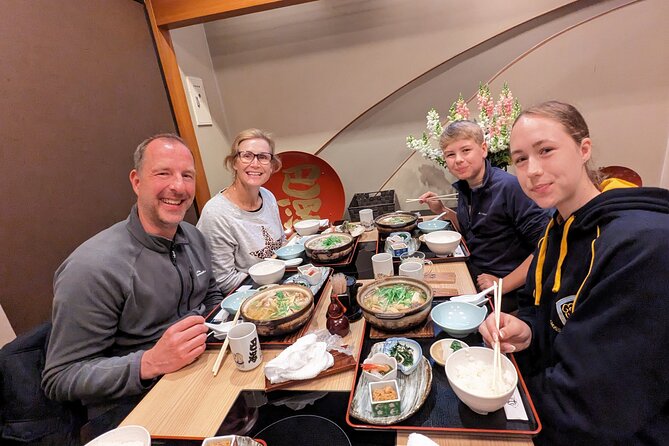
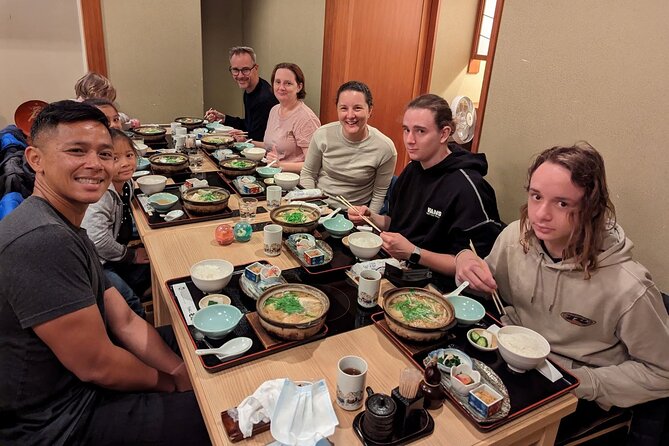
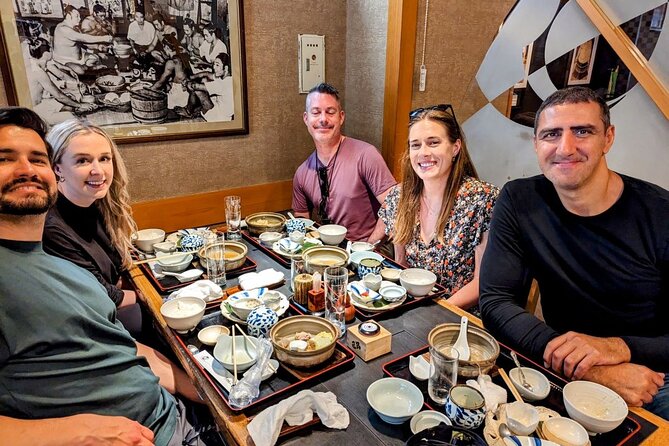
The walk ends at Tomoegata Chanko, where lunch is included. Chanko-nabe is a nutrient-filled hot pot associated with the sumo wrestlers’ diet, used to help build weight and muscle.
This is more than a convenient meal. After a morning of walking and listening, the hot pot gives you a direct connection to the food culture of sumo. It also makes the tour feel complete: you have seen the places, learned the customs, and then sat down to eat the dish most closely linked with the wrestlers’ daily routine.
Lunch lasts about an hour. Alcoholic drinks are not included, so budget separately if you want them. The meal received particularly warm comments, which matters because lunch makes up a sizable portion of the three-and-a-half-hour schedule.
The tour ends at the restaurant at 2-chōme-17-6 Ryōgoku. This is convenient if you want to continue exploring Ryogoku on foot, but it means you should not assume a return escort to the station or hotel.
What the $131.12 price buys you
At $131.12 per person, this is not a cheap neighborhood stroll. The value rests on the guide, the small group, and the included lunch rather than on admission tickets. Every listed sightseeing stop has free admission, and there is no sumo match, training visit, or museum ticket included.
I think the price can make sense for a first visit to Tokyo when you want the district explained instead of simply photographed. You get a local route, several connected sites, historical context, and a substantial meal. The maximum of eight is also meaningful. A guide can speak to the group more directly, and you can ask about rules, rituals, stable life, or tournament customs.
The value drops if your main goal is to see wrestlers in action. The tour does not include actual sumo viewing. One date also ran into a closed museum and the lack of Sunday access to training-facility tours, which made the cost harder to justify for someone expecting active sumo.
I would think of the price this way: you are paying for interpretation and a focused route through Sumo Town, with lunch included. You are not paying for event admission or backstage access.
Timing, closures, and the limits of the experience
The tour runs in the morning, beginning at 9:30 a.m., and covers seven stops before lunch. The timing is fairly tight because several locations receive only 15 or 30 minutes. That is useful if you want a broad introduction, but it leaves little room for major delays or long independent visits.
The tour can be especially date-sensitive. Grand Sumo Tournaments take place in the Kokugikan three times a year, but this walk does not include viewing a tournament. Training-facility tours may also be unavailable on Sundays, and the museum has been closed on some dates.
I would check your expectations before booking. If you are visiting during a tournament and already have tickets, this walk could add context before or after the event. If you are visiting on a Sunday and hoping to see training, contact the provider before paying or accept that the tour will focus on exterior sites and cultural explanation.
The experience is near public transportation, and most people can participate. Hotel pickup and drop-off are not provided. Confirmation arrives when you book, and mobile tickets make the meeting details easy to keep on your phone.
Who will enjoy this Ryogoku walk most
This tour fits you best if you are curious about the culture around sumo, not only the matches. It suits first-time visitors, families with older children, and anyone who wants a guide to connect shrines, temples, stables, and the arena.
It is also a good choice if you prefer a small group. Eight people is enough for conversation but small enough to avoid the feel of a crowded coach tour. The guides praised by name, Jeff, Taka, and Aki-san, were described as personable, experienced, and clear in their explanations.
You may want another plan if you are a serious sumo fan seeking live action. The stable stops are outside views, the arena is viewed from outside, and the experience does not include practice or matches. You will learn more about sumo, but you will not watch it happen.
The walk may also be less satisfying if you dislike scheduled sightseeing. The route gives you short visits at several places, then a full hour for lunch. It favors breadth and context over long, quiet time at any one site.
A practical way to plan your day
Wear shoes suitable for walking between neighborhood stops. The route lasts about three and a half hours, and lunch comes at the end, so a light breakfast is sensible.
Start with the right question: do you want to understand sumo or watch sumo? If the answer is understand, this tour has a clear purpose. If the answer is watch, arrange a separate tournament or practice experience and consider this walk only as an add-on.
The route begins at Ryogoku Station and finishes at Tomoegata Chanko. Since the ending point is different from the meeting point, look at your next destination before the tour starts. You can cancel for a full refund up to 24 hours before the local start time, but changes or cancellations inside that window are not accepted.
The experience has a 4.9 rating from 26 reviews, with 96 percent recommending it. Those figures point to a strong overall package, but they should not hide the central limitation: the tour is about sumo history and culture, with lunch, rather than live sumo access.
Should you book the Tokyo Sumo Culture Tour?
Book it if you want a compact, well-organized introduction to Ryogoku, especially if you value a guide who can explain the stories behind the sights. The small group, named guides such as Jeff and Aki-san, and included chanko-nabe make it easier to justify the price.
Think twice if you are booking mainly to see wrestlers train or compete. The stables and Kokugikan are viewed from outside, and Sunday closures can remove some of the few opportunities for active sumo access. For the right expectation, this is a thoughtful neighborhood walk with a filling finish. For live action, you will need a separate plan.
FAQ
How long does the Tokyo Sumo Culture Tour last?
The tour lasts approximately 3 hours and 30 minutes, including the sightseeing stops and the one-hour chanko-nabe lunch.
What time and where does the tour start?
It starts at 9:30 a.m. at Ryogoku Station, at 1-chōme-4-29 Yokoami, Sumida City, Tokyo 130-0015.
Where does the tour finish?
The tour ends at Tomoegata Chanko, at 2-chōme-17-6 Ryōgoku, Sumida City, Tokyo 130-0026. Hotel pickup and drop-off are not included.
Is a sumo match or practice session included?
No. The tour does not include actual sumo viewing, such as practice or matches. The stables and Kokugikan are viewed from outside.
Is lunch included?
Yes. Chanko-nabe lunch at Tomoegata Chanko is included. Alcoholic beverages are not included.
How many people can join the tour?
The tour has a maximum of eight participants. Group discounts may be available, and a mobile ticket is provided.
More Lunch Experiences in Tokyo
- Tokyo: Mt.Fuji & Lake Kawaguchiko 1-Day Bus Tour w/Optional Lunch
★ 4.5 · 839 reviews - Tokyo: Sumo Experience and Chanko Nabe Lunch
★ 4.8 · 257 reviews - Tokyo: 1 Day Bus Tour with Meiji-Jingu,Odaiba,lunch&Skytree
★ 4.6 · 156 reviews - Mt. Fuji, Oishi Park & Arakurayama Pagoda Bus Tour with Lunch
★ 5.0 · 128 reviews
Just added around Tokyo
- Samurai Experience Mugai Ryu Iaido in Tokyo★ 5.0 · 40 reviews
- Private Sushi Making with a Sushi Master★ 5.0 · 102 reviews
- Ride Through The Streets Of Shibuya and Sinjuku By Go Kart★ 5.0 · 86 reviews
- Retro Shibuya Food Tour★ 5.0 · 33 reviews
- Cozy Tokyo Class: Ramen, Sushi, Sake Pairing & Cultural Exchange★ 5.0 · 74 reviews
- Tokyo Night Bike Tour: From Shibuya to Tokyo Tower via Roppongi★ 5.0 · 29 reviews
- Ride a rickshaw wearing a kimono in Asakusa! Enjoy authentic traditional culture!★ 5.0 · 14 reviews
- Ramen Tasting – Mini Bowl Ramen Tour★ 5.0 · 127 reviews
Sumo Experiences, compared.
Sumo Show Experience with Chicken Hot Pot and a Photo
Read our review →
Tokyo Shinjuku Sumo Show & Experience with Photo
Read our review →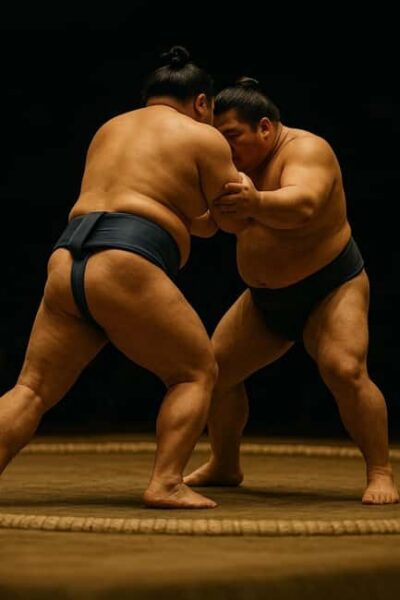
Sumo Show & Experience w/ Optional Kimono & Hot Pot
Read our review →
Authentic Sumo Experience in Tokyo: Enter the Sanctuary
Read our review →Browse the lists this tour appears in