
REVIEW · JAPANESE COOKING CLASSES
Private Sushi Making with a Sushi Master
Tokyo has no shortage of excellent sushi, but this private class lets you see what goes into each piece before eating it. At a Michelin-starred sushi restaurant, a sushi master demonstrates the work, then guides you through nigiri, maki, and gunkan. The class includes sushi history, a quiz, hands-on practice, photos, and a meal made by you.
I like the private format because you can ask questions without competing with a large group. I also like the quality of the ingredients and the useful focus on technique, from shaping rice to handling fish. The main drawback is the price, $130.81 per person, which is a serious meal expense for a class lasting about 1 hour and 45 minutes.
In This Review
- Key points at a glance
- Starting in Nishiazabu with a private sushi master
- Sushi history and a quiz before the knives come out
- Watching the sushi master prepare the ingredients
- Making nigiri, the test of simple sushi
- Rolling maki without losing the filling
- Building gunkan, the small battleship sushi
- Eating the sushi you made, with soup and green tea
- Photos, questions, and a relaxed finish
- Dietary needs and who should book
- Should you book this Tokyo sushi class?
- FAQ
- Where does the sushi-making class begin?
- Where does the activity end?
- How long does the sushi workshop last?
- Which types of sushi will I make?
- Is this a private activity?
- Can dietary restrictions be accommodated?
- What happens if I arrive late?
- Can I cancel for a full refund?
Key points at a glance
- Three sushi styles: Make classic nigiri, seaweed-wrapped maki rolls, and gunkan, the battleship-shaped style.
- Private instruction: Only your group participates, so the sushi master can give direct help.
- Michelin-starred setting: The workshop takes place in a high-level sushi restaurant rather than a generic cooking studio.
- More than a recipe: A short history lesson and quiz explain how sushi developed and why technique matters.
- A meal at the end: You eat the sushi you prepare, along with soup and green tea.
- Flexible dietary planning: Vegetarian, vegan, gluten-free, and other dietary needs can be accommodated when arranged.
Starting in Nishiazabu with a private sushi master
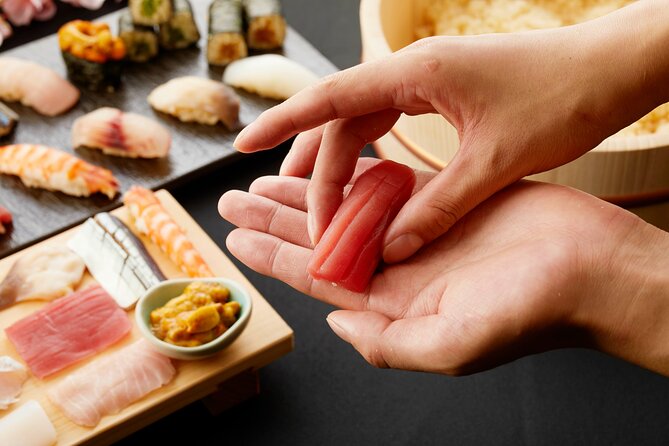
The class begins at A-PULSE AZABU STUDIO, at 3-chōme-8-18 Nishiazabu in Minato City. The activity ends at the same meeting point, and the location is near public transportation, making it practical to fit into a day around central Tokyo.
This is not a long food tour with several stops. You stay in one place and spend the full session learning the craft. That makes the experience a good choice when you want something focused, social, and hands-on without giving up half a day of sightseeing.
The private setup matters. You are not simply watching a chef work from across a crowded room. The instructor can correct your hand position, show you how much rice to use, and help when your roll refuses to hold its shape. Staff members Rin and Chef Riku have been praised for making the class friendly and clear, with English communication available.
Arrive early. The no-show rule is strict: if the staff has not heard from you within five minutes of the scheduled start, the booking is treated as a missed appointment with no refund. One group was helped after a major flight delay, but that kindness should not be treated as a guarantee. Tokyo traffic, airport delays, and train problems are good reasons to allow extra time.
More Japanese Cooking Classes in Tokyo
- Sushi Making Tokyo Roll and Authentic Japanese Sushi Class
★ 5.0 · 3,971 reviews - Tokyo: Roll and Authentic Sushi Making Class in Asakusa
★ 4.9 · 1,957 reviews - Tokyo: Sushi Making Class in a Happi Coat near a Famous Spot
★ 4.9 · 1,377 reviews
Sushi history and a quiz before the knives come out
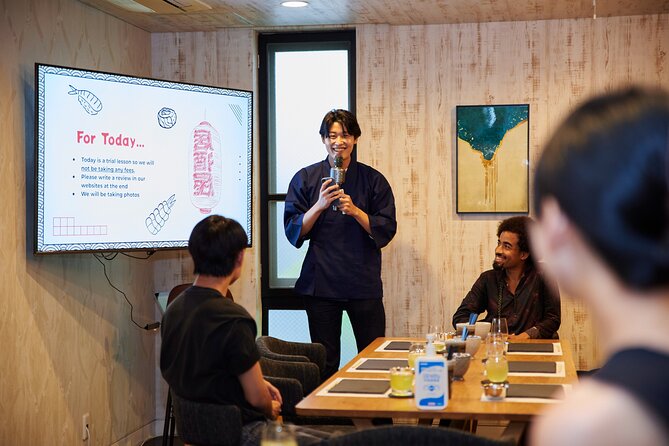
The class opens with an introduction to sushi history. This gives the food some context before you begin rolling and shaping it. Sushi is not just raw fish placed on rice, and this opening helps explain the balance between rice, seafood, seaweed, and toppings.
Then comes a quiz. It is meant to be fun rather than academic, but it gives you a reason to pay attention. The quiz also breaks the ice, especially if you are taking the class with family or friends who have different levels of cooking experience.
I like this format because the class does not rush straight into a recipe. You first learn what you are making and why the forms differ. Nigiri needs a compact rice shape and a clean slice of fish. Maki depends on even filling and a firm roll. Gunkan has its own structure, with seaweed rising around the rice like a small boat.
The lesson is short enough to keep the pace lively. If you are hoping for a detailed lecture on regional sushi traditions or professional fish butchery, this is not that course. The separate premium fish filleting course is the better fit for that interest.
Watching the sushi master prepare the ingredients
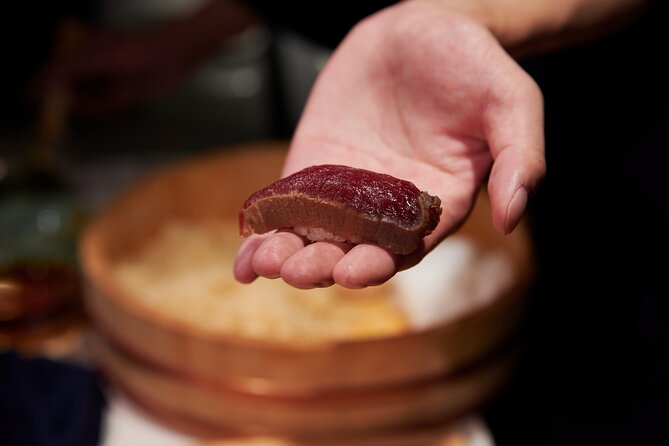
Next, the sushi master demonstrates the process. The ingredients are selected and prepared by the chef, with the emphasis on sushi-grade fish and careful handling. You get to watch the techniques before trying them yourself, which is useful for anyone who has only eaten sushi and never made it.
The demonstration covers slicing fish, choosing seasonal ingredients, and preparing the different sushi forms. Seasonal selection is an important part of Japanese cooking because the best ingredient changes with the time of year. Here, you learn that choice as part of the sushi-making process rather than as a separate lecture.
The quality of the ingredients is one of the strongest reasons to consider this class. The food includes excellent fish, soup, and green tea, so the final meal feels like more than a practice exercise. You are not making a rough home version with bargain ingredients and then wondering why the result tastes flat.
Still, do not expect to become a sushi professional in one session. The class teaches basic techniques and gives you a better sense of precision. It does not replace years of training in fish selection, knife work, rice preparation, or restaurant service.
Making nigiri, the test of simple sushi
Nigiri is the most familiar of the three styles: a slice of fish placed on a small mound of seasoned rice. It looks simple, but the small number of ingredients leaves little room to hide mistakes.
You will learn how to form the rice and place the fish so the piece holds together without becoming dense. The amount of rice matters. Too much makes the sushi heavy, while too little makes it difficult to handle. The private instruction is useful here because the chef can show you the right pressure rather than leaving you to guess.
Nigiri is also where the fish quality becomes most obvious. With no roll or large topping to cover the flavor, the texture and freshness have to carry the piece. The course gives you a chance to taste the ingredient after seeing how it is prepared, which changes the way you may look at sushi counters afterward.
For beginners, nigiri can be the trickiest style in the class. Your first pieces may not look perfectly shaped. That is part of the appeal, and the chef is there to help you improve rather than judge the result.
Same city, a completely different kind of day:
- Mt Fuji and Hakone 1-Day Bus Tour Return by Bullet Train
★ 5.0 · 26,383 reviews - 1-Day Tokyo Bus Tour
★ 5.0 · 14,250 reviews - Tokyo: TOKYO SKYTREE® Admission ticket
★ 4.5 · 11,192 reviews - Tokyo: teamLab Planets TOKYO Digital Art Museum Entry Ticket
★ 4.6 · 9,779 reviews
Rolling maki without losing the filling
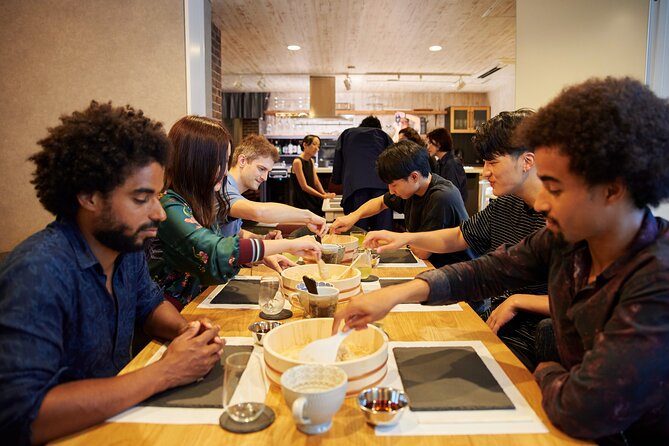
Maki is the traditional roll wrapped in seaweed. You work with rice and fillings, then roll the seaweed into a firm cylinder before cutting it into pieces.
This is often the most approachable style for home cooks. You can see the basic logic clearly: spread the rice, add the filling, roll with control, and slice cleanly. The difficult part is using enough pressure to hold the roll together without crushing the ingredients.
A sushi master can show you how to distribute the rice evenly and where to place the filling. That direct correction is one reason the private format offers more value than a large demonstration. If your roll is loose or lopsided, you can fix the technique on the next attempt.
Maki is also the style most likely to inspire you to try sushi at home. One participant with professional cooking experience found the class useful for understanding the method and flavors, while another felt the process was no longer daunting afterward. You will not leave with a full restaurant recipe book, but the workshop can give you the confidence to make a basic roll in your own kitchen.
Building gunkan, the small battleship sushi
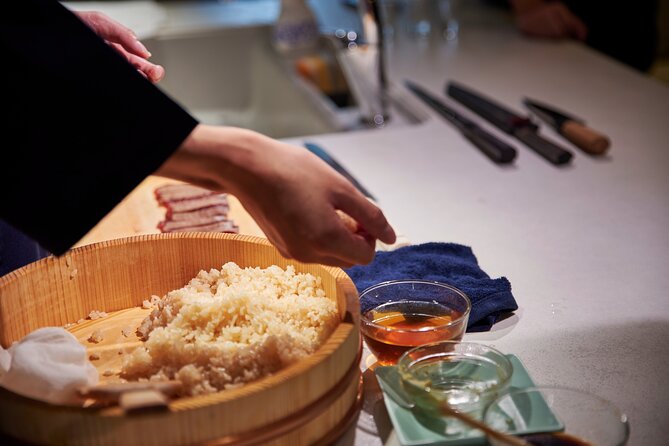
Gunkan means battleship-style sushi. Seaweed wraps around the rice and creates a raised border, allowing the top to hold loose or soft ingredients.
This form gives the class a nice change of pace. Nigiri teaches restraint, and maki teaches rolling. Gunkan teaches you to build a sturdy base and leave enough room for the topping. The shape is distinctive and often more forgiving than nigiri because the seaweed helps contain the ingredients.
The sushi master selects the toppings, and the exact options can vary with the ingredients available. The important lesson is the structure. You are learning why this sushi has a taller seaweed wall and how the rice, wrapper, and topping work together.
Of the three styles, gunkan may be the most visually fun. It is also well suited to the photo session later in the class, when you can arrange your finished pieces and take pictures before eating them.
Eating the sushi you made, with soup and green tea
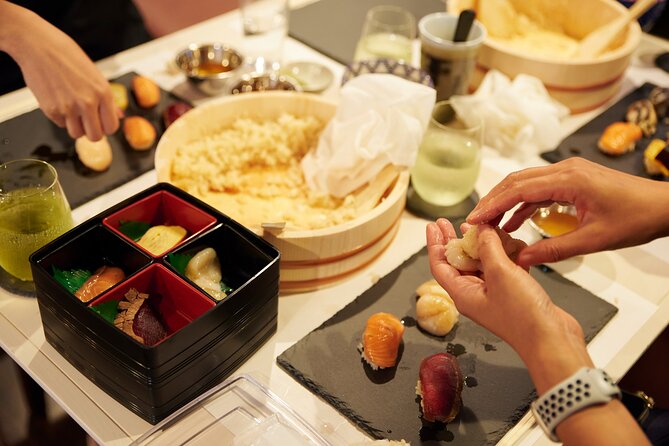
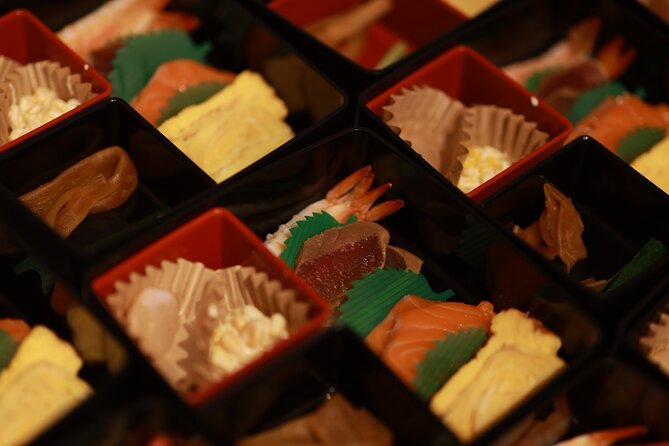
The final part of the workshop is your meal. You eat the nigiri, maki, and gunkan you have prepared, along with the fresh food served by the restaurant. Soup and green tea are also included, adding a simple finish to the meal.
Come hungry. The class is not only a demonstration with a token taste at the end. You are expected to eat your handmade sushi, so a large meal immediately beforehand would work against the experience.
This is where the class earns part of its price. At $130.81 per person, you are paying for private instruction, a restaurant setting, quality ingredients, and a meal. If you compare the price with a basic cooking class, it may look high. If you compare it with a premium sushi meal in Tokyo plus a private lesson, the value is easier to understand.
You should also keep your expectations sensible. The meal is the result of a workshop, not a full omakase dinner. Your pieces may be uneven, and the focus is on learning and enjoying the process. For many people, that is more memorable than simply sitting down to a polished plate.
Photos, questions, and a relaxed finish
After making the sushi, you have time for photos and for enjoying what you prepared. This gives you a pause between the practical work and the meal, and it lets you record the experience without trying to photograph every step while your hands are busy.
The staff also keeps the mood light. The quiz, hands-on work, and photo time make the class feel social rather than formal. Solo visitors can take part comfortably, while couples, families, and small groups get a private setting for their own jokes and mistakes.
English support is another practical strength. The staff has been praised for clear English, which matters when a lesson depends on small instructions about pressure, placement, and timing. You should still feel free to ask the chef to repeat a step or demonstrate it again. A private class is the right place to slow down when needed.
Dietary needs and who should book
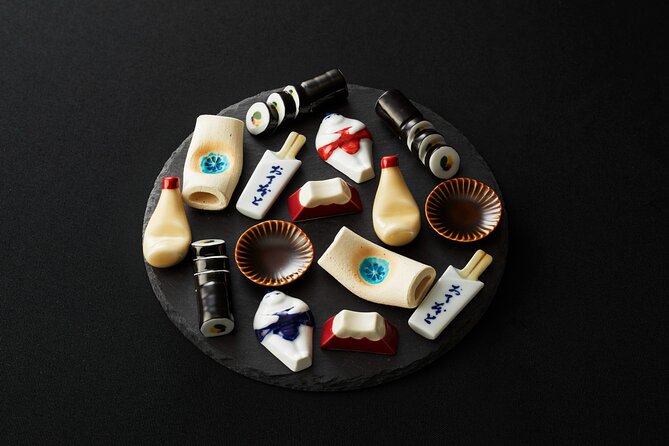
The class can accommodate vegetarian, vegan, gluten-free, and other dietary restrictions. Tell the provider about your needs when booking rather than waiting until you arrive. The exact replacement ingredients are not specified, so ask ahead if a particular food is essential to your diet.
I would recommend this experience to:
- First-time sushi makers who want direct instruction.
- People who enjoy food culture but do not want a long sightseeing tour.
- Solo visitors looking for a structured activity.
- Couples and families who want a private class.
- Home cooks who want to understand the basics of sushi preparation.
- Sushi fans who value ingredient quality and a Michelin-starred setting.
It may be less suitable if you want an advanced knife-skills course, a long fish-cutting lesson, or a large multi-course dinner. The separate premium fish filleting course is designed for more advanced work.
The price also deserves a clear look. $130.81 is not a casual add-on for every Tokyo itinerary, especially if you are traveling with several people. Yet the private format, restaurant setting, instruction, ingredients, and meal make it a stronger value than a simple group demonstration. The high rating and 100 percent recommendation are consistent with the experience’s main strengths: friendly instruction, good fish, and a generous amount of hands-on time.
Free cancellation is available up to 24 hours before the start time for a full refund. Changes or cancellations inside that window are not accepted, so book only when your Tokyo schedule is reasonably firm.
Should you book this Tokyo sushi class?
Book it if you want to do more than eat sushi and you value personal instruction. The strongest parts are the private setting, Chef Riku and Rin’s friendly support, the quality of the ingredients, and the chance to make three clearly different sushi styles before eating them.
Skip it if your main goal is the lowest-cost sushi meal or a serious professional fish-filleting course. For everyone else, this is a well-focused way to spend 1 hour and 45 minutes in Tokyo, with enough technique to remember and enough food to make the price feel justified.
FAQ
Where does the sushi-making class begin?
The class begins at A-PULSE AZABU STUDIO, located at 3-chōme-8-18 Nishiazabu, Minato City, Tokyo 106-0031, Japan.
Where does the activity end?
The activity ends back at the meeting point, A-PULSE AZABU STUDIO.
How long does the sushi workshop last?
The workshop lasts approximately 1 hour and 45 minutes.
Which types of sushi will I make?
You will make three types: nigiri, maki, and gunkan, also called battleship-style sushi.
Is this a private activity?
Yes. Only your group participates in the activity, allowing for personalized attention from the sushi master.
Can dietary restrictions be accommodated?
Yes. Vegetarian, vegan, gluten-free, and other dietary restrictions can be accommodated. Provide those details when booking.
What happens if I arrive late?
If the provider does not receive any contact from you within five minutes after the scheduled start time, the reservation is treated as a no-show and no refund is provided.
Can I cancel for a full refund?
Yes. You can cancel at least 24 hours before the experience start time for a full refund. Cancellations or changes made less than 24 hours in advance are not accepted.
Just added around Tokyo
- Samurai Experience Mugai Ryu Iaido in Tokyo★ 5.0 · 40 reviews
- Retro Shibuya Food Tour★ 5.0 · 33 reviews
- Ride Through The Streets Of Shibuya and Sinjuku By Go Kart★ 5.0 · 86 reviews
- Tokyo Sumo Culture Tour with Chanko-Nabe Lunch in Ryogoku★ 5.0 · 26 reviews
- Ride a rickshaw wearing a kimono in Asakusa! Enjoy authentic traditional culture!★ 5.0 · 14 reviews
- Cozy Tokyo Class: Ramen, Sushi, Sake Pairing & Cultural Exchange★ 5.0 · 74 reviews
- Tokyo Night Bike Tour: From Shibuya to Tokyo Tower via Roppongi★ 5.0 · 29 reviews
- Ramen Tasting – Mini Bowl Ramen Tour★ 5.0 · 127 reviews
Japanese Cooking Classes, compared.

Sushi Making Tokyo Roll and Authentic Japanese Sushi Class
Read our review →
Roll and Authentic Sushi Making Class in Asakusa
Read our review →
Ramen Cooking Class at Ramen Factory in Kyoto
Read our review →
Sushi Making Class in a Happi Coat near a Famous Spot
Read our review →
Sushi Making Osaka Roll and Authentic Japanese Sushi Class
Read our review →
Tokyo Sushi Making Class in Tsukiji with Professional Chef
Read our review →
Ramen & Gyoza Cooking Class in Tokyo with Local Supermarket Visit
Read our review →
Tsukiji Fish Market Guided Tour and Sushi Making with Pro Chef
Read our review →Browse the lists this tour appears in