
REVIEW · WALKING TOURS
Tokyo: Secret Food Walking Tour
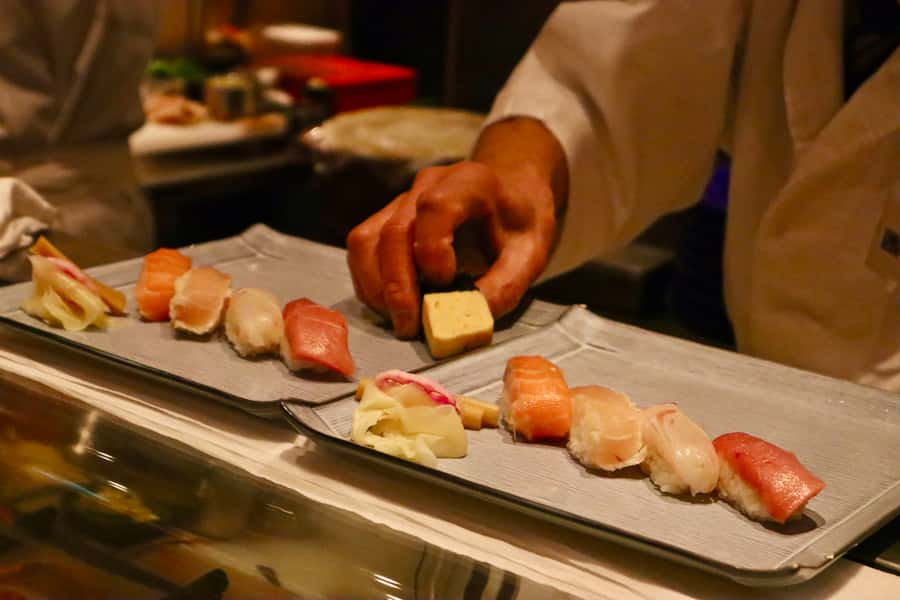
Tokyo’s Secret Food Walking Tour is built around a simple idea: let a local guide lead you from one good bite to the next, then add the stories that make the food easier to understand. In about three hours, you sample sushi, gyoza, yakitori, sweets, matcha ice cream, and a final secret dish around Ueno.
I like the wide range of food and the way the route gets you into places you may not think to enter on your own. I also like the relaxed human touch from guides such as Shonan, Natsumi, Kaho, and Kyoko, who are praised for warm personalities and clear English.
The main consideration is the balance between food and history. You get some background on Tokyo and its cuisine, but this is primarily an eating tour. If your main goal is a detailed history walk around Ueno, you may want a separate sightseeing tour.
In This Review
- Key points to know before booking
- Why this Ueno food walk works so well
- Meeting your guide outside JR Ueno Station
- First stop: sushi near the station
- Walking from the station into local streets
- Gyoza: a hot and satisfying second course
- Yakitori and a drink at a stand-up restaurant
- A switch to sweets, manju, and seasonal fruit
- Matcha ice cream for the final sweet course
- The secret dish in a cozy setting
- The guides make the difference
- Is $150 per person a fair price?
- Who should book this food tour?
- Should you book the Tokyo Secret Food Walking Tour?
- FAQ
- How long is the Tokyo Secret Food Walking Tour?
- Where does the tour start?
- How will I recognize the guide?
- What food is included?
- Is transportation included?
- Is the tour offered in English?
- What should I bring?
Key points to know before booking
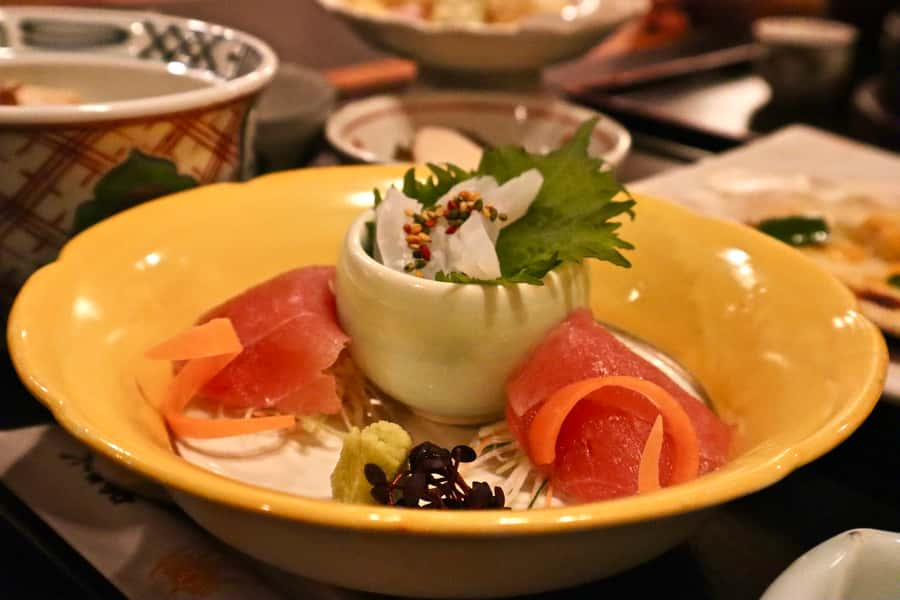
- Start with fresh sushi near JR Ueno Station, then move through several different food settings.
- Eat gyoza, yakitori, sweets, matcha ice cream, and a secret dish, so come with a very light appetite.
- English-speaking local guides include Shonan, Natsumi, Kaho, and Kyoko.
- A stand-up restaurant and drink pairing add a distinctly local feel to the yakitori stop.
- The tour lasts 3 to 3½ hours, begins and ends near the same point, and requires comfortable shoes.
- The $150 price buys a full meal with guidance, but transportation and hotel transfers are not included.
Why this Ueno food walk works so well
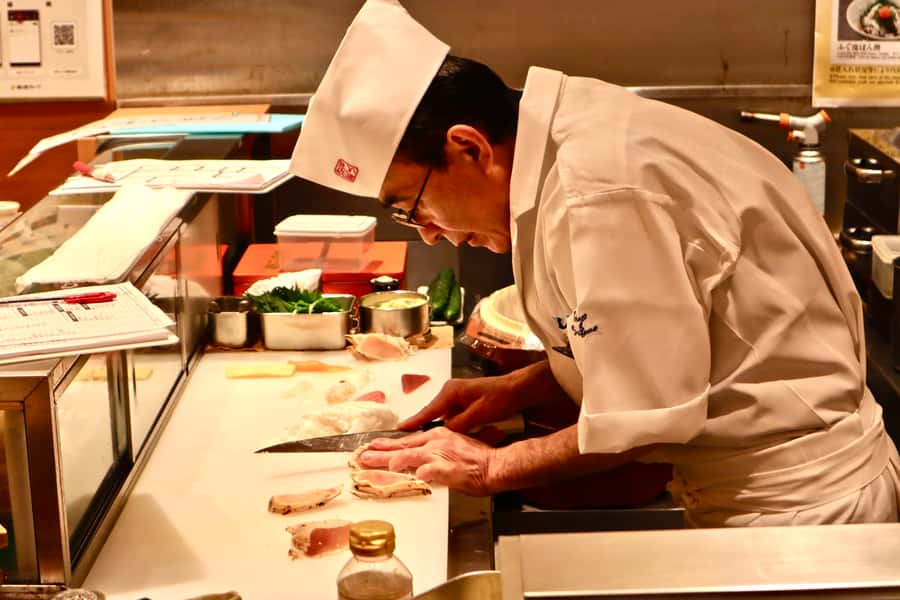
Food tours are most useful early in a Japan trip, when every menu still presents a small puzzle. You may recognize sushi, dumplings, or grilled chicken, but a local guide helps you see how each dish fits into daily life in Japan.
This route begins at JR Ueno Station, one of Tokyo’s practical transport hubs, then moves away from the station area toward the downtown streets. That change matters. You are not simply sitting in one restaurant for three hours. You are walking, stopping, eating, and seeing how the character of the area shifts along the way.
I especially like that the menu is not built around one polished restaurant meal. You get several small experiences instead. Sushi gives you a clean introduction, gyoza brings a hot and filling middle course, and yakitori with a draft beer or flavored sawa adds the casual atmosphere of a Japanese stand-up eating place.
The food is the central attraction, but the route also gives you a useful first look at Tokyo’s food culture. You learn about yakitori, gyoza, local sweets, and the customs around eating and drinking. The history portion is present, though not the main event.
More Walking Tours in Tokyo
- Tokyo Tsukiji Fish Market Food and Culture Walking Tour
★ 5.0 · 3,184 reviews - Tokyo: Imperial Palace and Shogun Historical Walking Tour
★ 5.0 · 2,251 reviews - Tokyo: Shinjuku Local Bar and Izakaya Guided Walking Tour
★ 4.9 · 1,794 reviews
Meeting your guide outside JR Ueno Station
The meeting point is inside the JR Ueno Station building, outside the JR Central Gate, near the entrance to Hard Rock Cafe. This is one place where you should pay close attention to the directions, since the cafe has several entrances.
The correct spot is near the entrance on the other side of the bakery called Andersen. Your guide carries a Secret Tours orange umbrella, which gives you a clear visual marker in a busy station setting.
If you have trouble finding the spot, show a local this Japanese text:
JR上野駅 中央改札外のハードロックカフェ入口付近
The tour ends back at the meeting point. That is helpful if you want to continue around Ueno afterward, although your own transportation beyond the start and finish is not included.
Wear comfortable shoes. Three hours of walking and eating sounds easy, but the route moves between several stops, and you will enjoy it more if your feet are not complaining by the time the matcha ice cream arrives.
First stop: sushi near the station
The tour begins at one of the most popular sushi shops on the route. You start with freshly made sushi, which sets the tone for the rest of the afternoon or morning, depending on your departure time.
This is a smart opening course. Sushi is familiar to many people, but the experience of eating it in Japan can still be different from what you find at home. The guide can help explain the food and the local setting, while the first stop gives you a quick introduction without requiring you to choose from a large menu on your own.
The practical advantage is confidence. After this first stop, you have already tried one of Japan’s best-known foods in a local setting. You can ask questions about ingredients, preparation, or customs before the tour moves on.
One timing note is worth keeping in mind. The first restaurant opens at 11:00 am, and one participant suggested a 10:45 am starting time to match that opening. Since exact departure times are not given here, check your confirmed tour details carefully.
Walking from the station into local streets
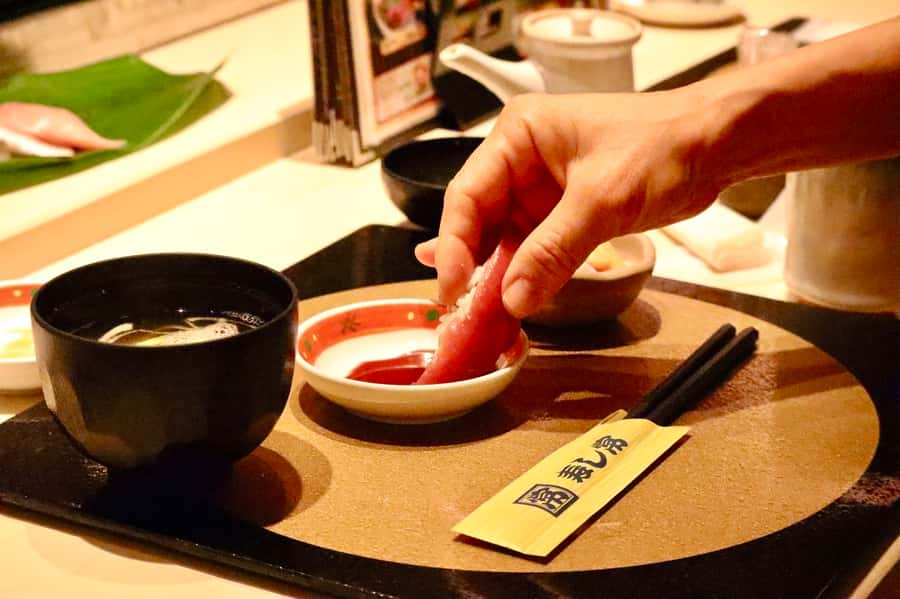
After sushi, the group leaves the station area and walks through nearby streets toward the downtown district. This is where the tour becomes more than a restaurant crawl.
Your guide points out details about Tokyo’s food scene, neighborhood life, and the stories behind local dishes. The walk also gives you a chance to work up room for the next course, which you will need. The food portions are substantial enough that several people have found themselves completely full by the end.
Do not expect a long, formal lecture about Ueno. The historical background is woven into the walk and food stops. That format suits you if you prefer short explanations connected to what you are seeing and eating.
It may not satisfy you if you want dates, buildings, and extended historical commentary. The food and the local eating experience take priority.
Same city, a completely different kind of day:
- Mt Fuji and Hakone 1-Day Bus Tour Return by Bullet Train
★ 5.0 · 26,383 reviews - 1-Day Tokyo Bus Tour
★ 5.0 · 14,250 reviews - Tokyo: TOKYO SKYTREE® Admission ticket
★ 4.5 · 11,192 reviews - Tokyo: teamLab Planets TOKYO Digital Art Museum Entry Ticket
★ 4.6 · 9,779 reviews
Gyoza: a hot and satisfying second course
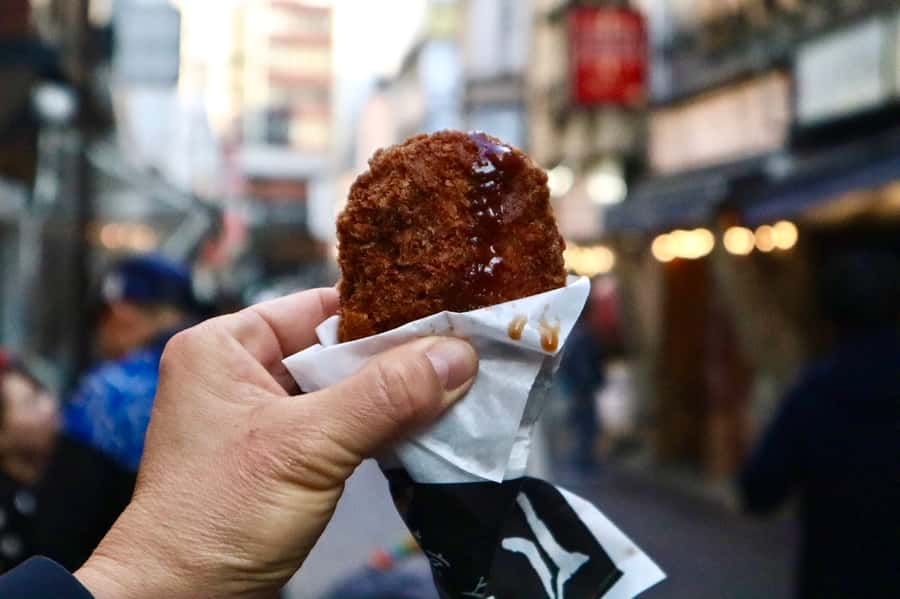
The next major stop is gyoza, the fried or steamed dumpling filled with minced meat and vegetables. This gives the tour a different texture and cooking style from the sushi.
Gyoza is a useful dish for first-time visitors because it is approachable, filling, and easy to compare with dumplings from other countries. Your guide explains the food and its place in Japanese dining, while you get to try it in a setting selected by someone familiar with the neighborhood.
The cooking method matters here. Fried gyoza offers a crisp base and a hearty bite, while steamed dumplings provide a softer texture. The tour description allows for fried or steamed dumplings, so the exact preparation may vary.
This stop also shows why the $150 cost cannot be judged by counting dishes alone. You are paying for a planned route through several local food spots, the food itself, and an English-speaking guide who takes away much of the guesswork.
Yakitori and a drink at a stand-up restaurant
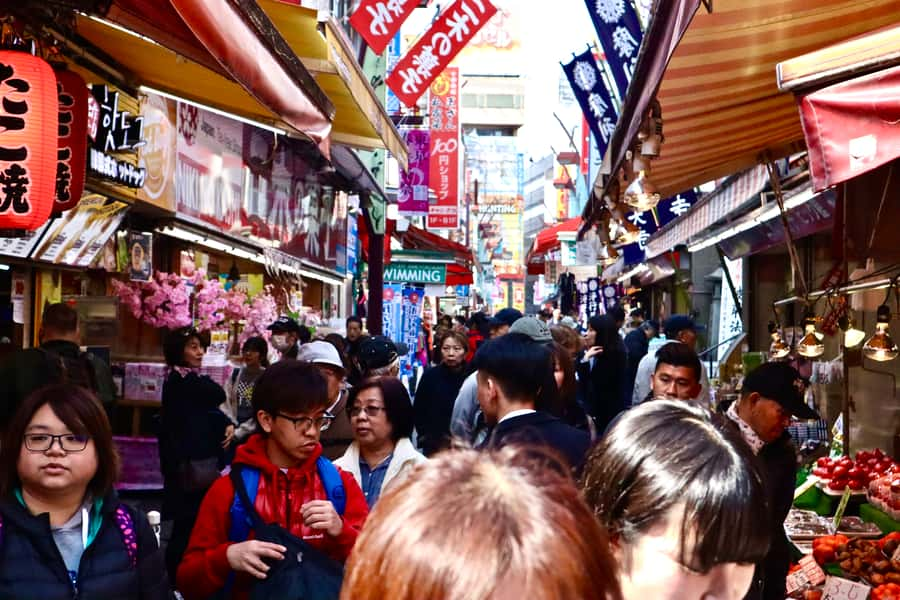
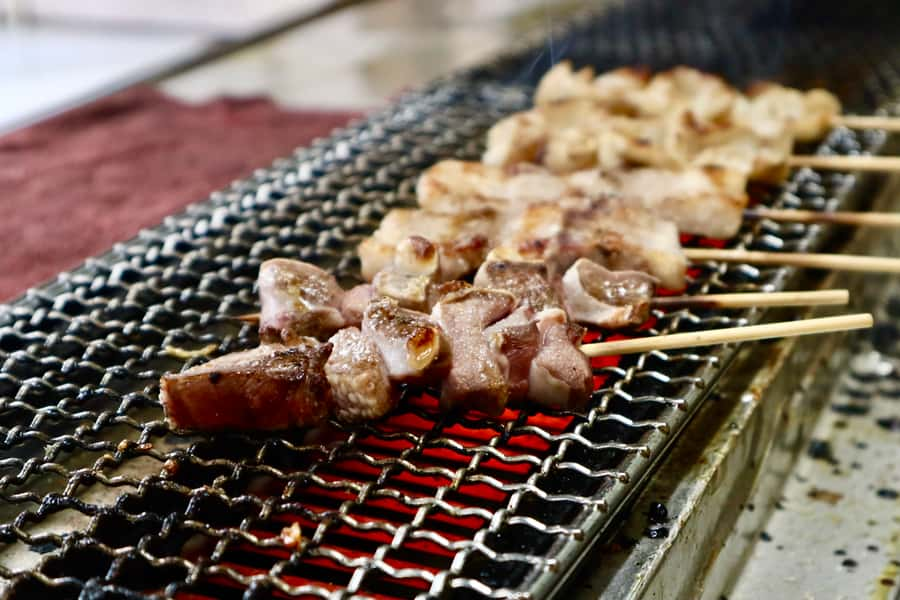
A short walk later, you stop for yakitori, skewered chicken served in a busy tachinomiya, a stand-up restaurant where people eat and drink without settling in for a long meal.
This may be the most characterful stop on the tour. A stand-up eating place gives you a glimpse of the casual side of Japanese dining. It is less formal than a sit-down restaurant and more connected to the quick after-work food culture found in many Japanese neighborhoods.
The yakitori is paired with a draft beer or a flavored sawa. A drink is included in the experience, but you should check the details of any upgrade when booking. One useful tip is to consider the drink upgrade if you enjoy matching flavors, since it can add another layer to the yakitori stop.
You do not have to be a beer drinker to appreciate this part. The flavored sawa offers another option, and the food remains the focus. Still, anyone avoiding alcohol should confirm what alternatives are available, since the supplied details do not specify nonalcoholic choices.
A switch to sweets, manju, and seasonal fruit
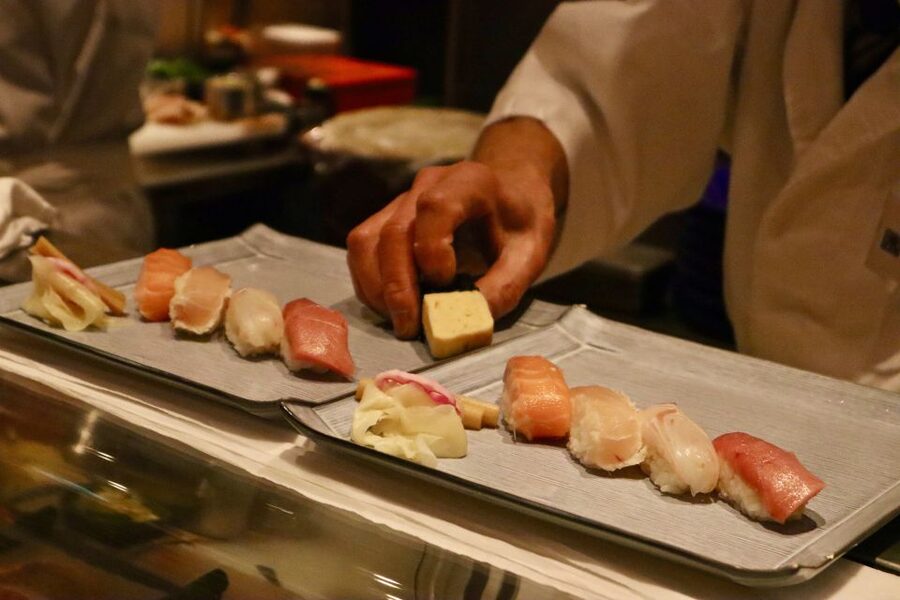
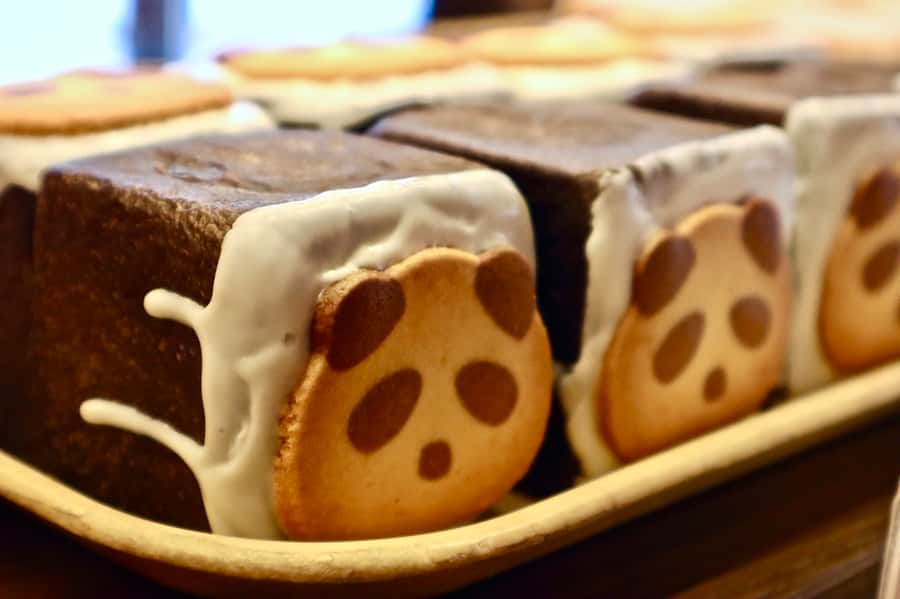
After the savory food, the route turns sweet with a choice of manju or, depending on the season, freshly cut fruit. This change of pace is welcome after sushi, dumplings, and grilled chicken.
Manju is a traditional Japanese sweet, often made with a soft outer layer and a sweet filling. Seasonal fruit offers a lighter choice when available. The exact selection depends on the time of year, so you should think of this as a flexible part of the menu rather than one fixed item.
This stop is also a reminder that Japanese food culture is not only about sushi and ramen. Small sweets and seasonal ingredients have their own place in everyday eating, festivals, and gift-giving traditions. Your guide can connect the dish to those broader customs.
Matcha ice cream for the final sweet course
The tour then adds matcha ice cream. It is a familiar modern Japanese treat, but the flavor can surprise anyone expecting ordinary vanilla with a little green color.
Matcha brings a clear tea bitterness to the sweetness of ice cream. If you already enjoy green tea, this will likely be an easy favorite. If you are unsure about matcha, the small tasting format makes it a sensible way to try it without committing to a full dessert.
Having both manju or fruit and matcha ice cream makes the dessert portion feel generous. It also keeps the tour from becoming a parade of similar dishes. You move from savory to traditional sweet to a cool tea-flavored finish.
By this point, you should not plan a large dinner immediately afterward. The amount of food is one of the tour’s most praised features, but it is also the clearest warning: arrive hungry.
The secret dish in a cozy setting
Every Secret Food Tours experience includes a secret dish, and this Tokyo route finishes with one in a cozy environment. The exact dish is intentionally not disclosed in advance.
That final surprise works best if you treat it as a chance to try something outside your normal order. You have already eaten familiar entry points such as sushi and gyoza, so the secret course can add a little curiosity to the meal.
Because the details are not provided, I would not book this tour if you need to know every ingredient in advance. If you have allergies or strict dietary restrictions, contact the operator before booking and confirm what can be accommodated.
The setting also offers a change from the stand-up yakitori stop. After several moving parts, a more comfortable final setting gives the tour a pleasant finish.
The guides make the difference
The guide is central to this experience. Shonan is praised for friendly service, strong English, and insider suggestions. Natsumi is described as easy to talk with and warm, while Kaho is praised for generous portions, drink choices, and a welcoming manner. Kyoko is also noted for making the Ueno walk enjoyable.
You should not assume you will receive a particular guide, but these names give you a sense of the tone to expect: conversational, local, and focused on helping you try places you might miss on your own.
The strongest part of a food tour is often not the famous dish. It is the decision about where to eat, what to order, and how to behave once you arrive. An English-speaking guide removes that pressure and lets you pay attention to the food.
The historical commentary appears lighter than the eating guidance. One participant felt the tour offered less history and neighborhood context than expected. Keep that in mind if you want a full cultural lecture. For food-focused visitors, the balance is likely right.
Is $150 per person a fair price?
At $150 per person, this is not a cheap way to grab lunch. You could spend less by eating one or two dishes on your own, especially if you are comfortable choosing restaurants and navigating Japanese menus.
The value comes from the complete package. You receive 3 to 3½ hours of guided food tasting, several different stops, a broad menu, local stories, and the confidence to enter places you might otherwise pass by. The route includes enough food to function as a substantial meal, not just a few samples.
I see the price as easier to justify for a first visit to Tokyo, especially if you want a friendly introduction on your first day or two. It is also useful for anyone who wants to try Japanese food without spending time researching every stop.
The value is weaker if you already know Ueno well, speak Japanese comfortably, and enjoy choosing small local restaurants by yourself. In that case, you may prefer to spend the same money across several independent meals.
Transportation, hotel pickup, and drop-off are not included. You meet the guide at Ueno Station and finish back there, so plan your own route to and from the station.
Who should book this food tour?
I would recommend it to first-time visitors who want a broad taste of Japan without a formal cooking class. Families can also consider it, since an eight-year-old enjoyed the experience, though the amount of walking and the adult-oriented drink stop may not suit every child.
It is a good fit for adventurous eaters who want local restaurants rather than a standard sightseeing meal. It also works for repeat visitors who have seen Tokyo’s major sights and want help finding food spots outside their usual routine.
You should think twice if you need a strict dietary plan, dislike eating several courses, or want a tour centered on architecture and history. The food is the star, and the generous portions are meant to leave you full.
Book it early in your Japan visit if possible. The guide can explain dishes you will continue to encounter, and you can use that knowledge during the rest of your trip.
Should you book the Tokyo Secret Food Walking Tour?
Book this tour if you want a full, social introduction to Japanese food with sushi, gyoza, yakitori, sweets, matcha ice cream, and a final surprise. The route offers variety, the guides bring warmth, and the food is substantial.
Skip it if $150 feels high for lunch, or if you want a detailed history tour with only a little food. For everyone else, especially first-time visitors who want to eat confidently in Tokyo, this is a practical and enjoyable way to spend three hours around Ueno.
FAQ
How long is the Tokyo Secret Food Walking Tour?
The guided food tour lasts approximately 3 to 3½ hours.
Where does the tour start?
It starts inside JR Ueno Station, outside the JR Central Gate, near the Hard Rock Cafe entrance by the Andersen bakery.
How will I recognize the guide?
The guide will be standing near the meeting point with a Secret Tours orange umbrella.
What food is included?
The tour includes sushi, gyoza, yakitori, a drink, manju or seasonal fruit, matcha ice cream, and a secret dish. The exact seasonal sweet and secret dish may vary.
Is transportation included?
No. Transportation, hotel pickup, and drop-off are not included. The tour ends back at the meeting point.
Is the tour offered in English?
Yes. The tour is guided in English.
What should I bring?
Bring comfortable shoes, since the experience includes walking between food stops.
More Food in Tokyo
- Tokyo Night Foodie Tour in Shinjuku – Seasonal Sushi, Wagyu Beef
★ 5.0 · 1,161 reviews - Eat and Drink Like a Local: Tokyo Ueno Food Tour-Taverns&Ramen
★ 5.0 · 957 reviews - Tokyo: Shibuya Food Tour (13 dishes and 4 Eateries)
★ 5.0 · 770 reviews - Tokyo: Tsukiji Fish Market Food and Culture Walking Tour
★ 4.7 · 757 reviews
More Food & Drink in Tokyo
- Tokyo: Shinjuku Food Tour (13 Dishes at 4 Local Eateries)
★ 5.0 · 6,603 reviews - Tokyo: Shinjuku Food Tour (15 Dishes and 4 Eateries)
★ 4.9 · 2,033 reviews - Best of Shinjuku: Izakaya Food Tour (4 Stops, 14+ Tastings)
★ 5.0 · 1,863 reviews - Tokyo: Tsukiji Fish Market Food and Walking tour
★ 5.0 · 1,724 reviews
Just added around Tokyo
- Private Memorable Tokyo Tour with English Speaking Driver★ 5.0 · 30 reviews
- Private Tokyo Custom Full-Day Tour by Chartered Vehicle★ 5.0 · 16 reviews
- Private Sightseeing to Mt Fuji and Hakone with English Driver★ 5.0 · 51 reviews
- Tokyo Photography Masterclass – Private Photography Lesson★ 5.0 · 25 reviews
- Private Mt. Fuji Day Trip from Tokyo with English-Speaking Driver★ 5.0 · 33 reviews
- 4 Day Tour – Mount. Fuji, Tokyo, Hakone, Kamakura and Yokohama★ 5.0 · 19 reviews
- Private Unforgettable Mt Fuji Tour with English Speaking Driver★ 5.0 · 142 reviews
- Private Tokyo Food Tour – A Journey Through Time Through Food★ 5.0 · 36 reviews
Walking Tours, compared.

Kyoto Geisha Walking Tour: Gion District & Hidden Gems
Read our review →
Tokyo Tsukiji Fish Market Food and Culture Walking Tour
Read our review →
Gion Magical Night Walking Tour with Geisha Trivia
Read our review →
Imperial Palace and Shogun Historical Walking Tour
Read our review →
Gion Geisha District Walking Tour – Stories of Geisha
Read our review →
Asakusa Walking Tour with Sensoji Temple Visit
Read our review →
Kyoto Gion Geisha District Walking Tour – The Stories of Geisha
Read our review →Browse the lists this tour appears in