
REVIEW · FOOD MARKET TOURS
Tokyo: Guided Walking Tour of Tsukiji Market with Breakfast
Tsukiji is best understood with an appetite. This 150-minute walk takes you past fish stalls, food shops, restaurants, and working wholesalers, then puts breakfast in your hands: grilled seafood or wagyu beef, Japanese omelette, tuna sandwiches, fish paste skewers, tea, dashi, and more. The market feels far easier to read with a guide beside you.
I like the seven tastings, which turn a crowded food district into a proper introduction to Japanese flavors. I also like the stop at Tsukiji Hongwanji Temple, whose Indian-inspired exterior gives you a quick look at the link between religion, ceremony, and cuisine.
The main caution is the pace and crowding. You will walk through busy streets and may need to eat standing up. English is the tour language, and one otherwise happy participant found a guide occasionally hard to understand, so ask questions when you need clarification.
In This Review
- Key points at a glance
- Starting at Tsukiji Hongwanji Temple
- Finding your way through the Outer Market
- Seven tastings that make up breakfast
- Guides who help you choose and buy
- Why the temple and market belong together
- What the 150-minute schedule feels like
- Is $85 a fair price?
- Who will enjoy this Tsukiji tour most?
- Small details that improve the morning
- Should you book it?
- FAQ
- Where does the Tsukiji market tour meet?
- How long does the activity last?
- What food is included?
- Is the tour conducted in English?
- How large is the group?
- Is the tour wheelchair accessible?
- Can I cancel for a refund?
Key points at a glance
- Seven breakfast tastings: Expect seafood or beef skewers, omelette, tuna sandwich, fish paste, a drink, Japanese tea, and dashi soup stock.
- A useful temple start: Meet outside Tsukiji Hongwanji Temple and see its unusual ancient Indian-inspired design before entering the market area.
- Small-group format: The group is limited to 10 people, though some departures have become private or nearly private.
- Helpful food guidance: Guides can adjust tastings for preferences and may translate when you want to buy extra food.
- A good early-Tokyo activity: The tour ends soon enough for you to continue exploring Tsukiji on your own.
- Practical value: At $85 per person, the price covers a guide and seven local specialties, not just a walk through the market.
Starting at Tsukiji Hongwanji Temple

Your meeting point is in front of Tsukiji Hongwanji Temple, a very easy place to find. From Tsukiji Station on the Hibiya Line, take Exit A1, turn left, and walk about 50 meters to the temple entrance.
The temple exterior is worth a few minutes before breakfast begins. Its design is unusual for Tokyo, with an ancient Indian-inspired Buddhist look rather than the familiar wooden style many people expect from a Japanese temple. The tour focuses on the exterior, so you should not expect a long temple visit or a full religious service.
What makes this stop useful is the connection your guide draws between faith and food. Japanese cuisine is not separate from religious life. Seasonal offerings, temple traditions, gratitude before eating, and the careful treatment of ingredients all help explain why meals in Japan can feel so deliberate.
You also get your bearings here. Tsukiji has narrow passages, many signs, plenty of shoppers, and a steady flow of workers. Starting beside a clear landmark keeps the first few minutes simple.
More Food Market Tours in Tokyo
- Tokyo: Shinjuku Food Tour (13 Dishes at 4 Local Eateries)
★ 5.0 · 6,603 reviews - Tokyo Tsukiji Fish Market Food and Culture Walking Tour
★ 5.0 · 3,184 reviews - Tokyo: Shinjuku Food Tour (15 Dishes and 4 Eateries)
★ 4.9 · 2,033 reviews
Finding your way through the Outer Market
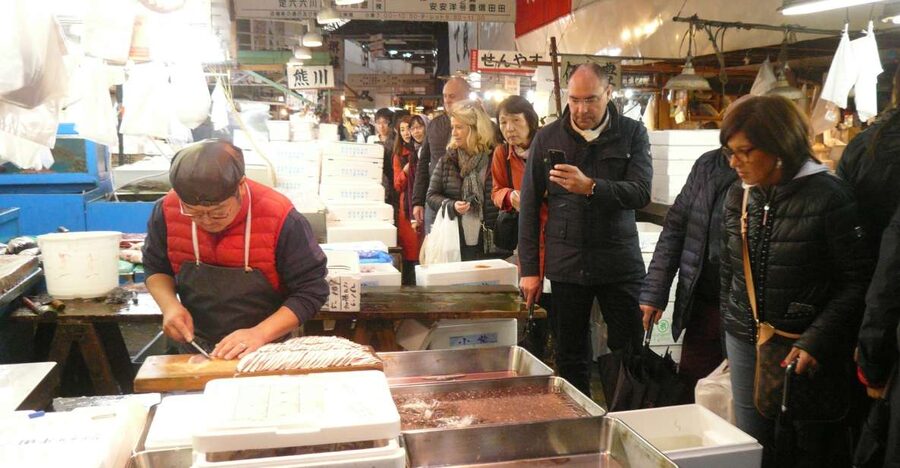
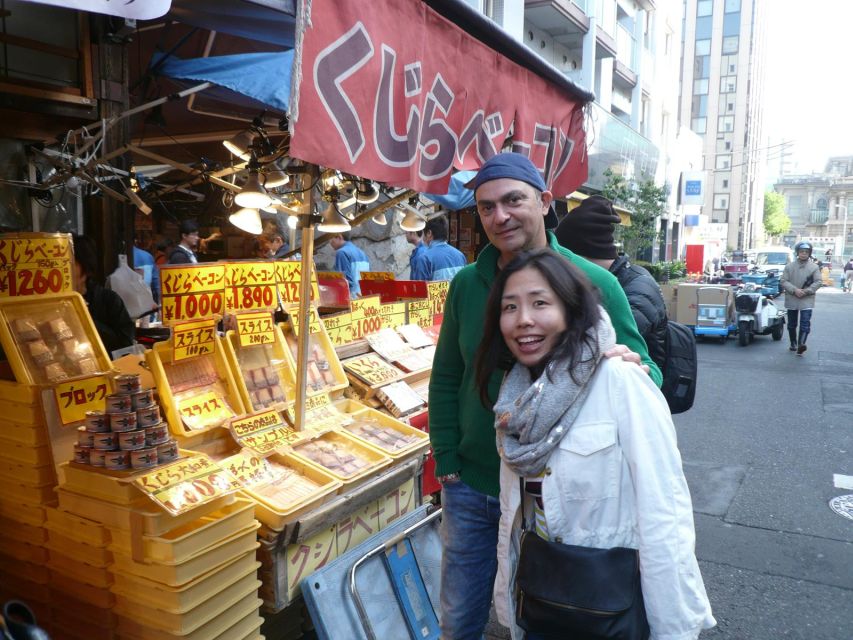
From the temple, you walk into Tsukiji Outer Market. This is the part of the old fish-market district that food lovers come to explore, with stalls selling seafood, meat, kitchen goods, prepared food, snacks, and ingredients for home cooking.
The market is not a quiet museum. Workers are busy, customers are making purchases, and food stalls may have lines. That activity is part of the appeal, but you need to stay close to your guide and watch where you step. Comfortable shoes are a must.
I like this format because you are not simply pointed toward a famous street and left to fend for yourself. The guide helps you move through the market in a way that feels more natural. You can watch expert wholesalers at work, see unusual products, and learn what different stalls are selling without having to decode every sign on your own.
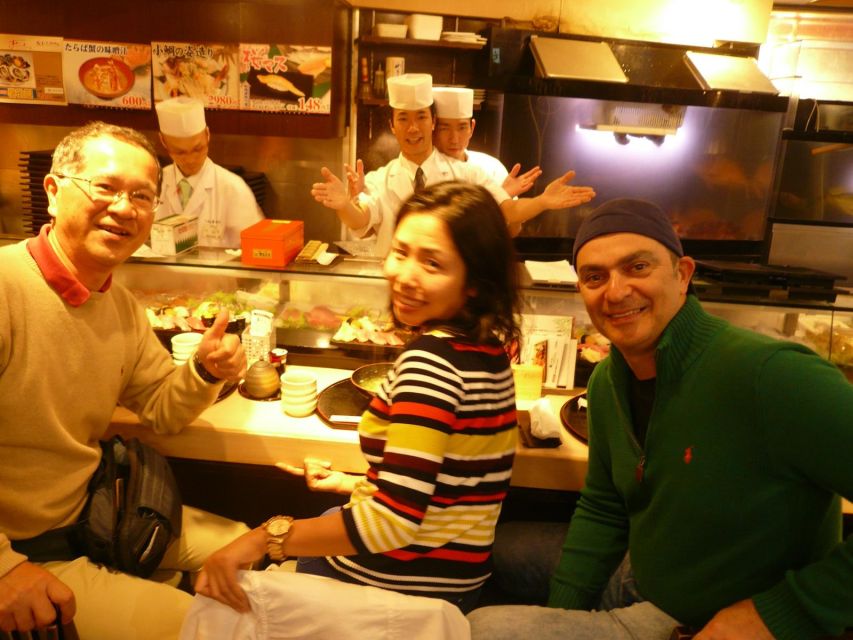
The small group helps. The stated limit is 10 people, and some departures have been much smaller. One family of four had the guides to themselves, while another booking became a private tour for two people. You should not assume a private outing, but a small group gives you more room to ask questions and make food choices.
Seven tastings that make up breakfast
The food is the heart of the experience. You receive seven local tastings, and the exact balance can vary depending on what is available and what you prefer.
Expect a mix that may include:
- A grilled seafood or wagyu beef skewer
- Japanese-style omelette
- Tuna sandwich
- Fried fish paste skewer
- A drink
- Japanese tea
- Dashi soup stock
This is more than a token sample. The portions add up, so arrive hungry. One person specifically warned that the tour provides a lot of food, which is useful advice if you have a large breakfast before meeting the group.
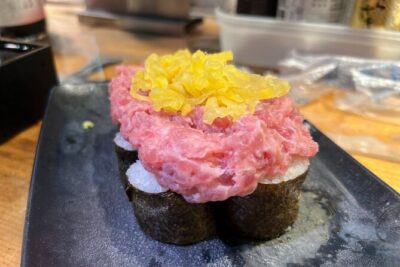
The tastings also cover several sides of Japanese eating. A grilled skewer gives you the direct pleasure of hot food prepared in front of you. Omelette shows a softer, more carefully seasoned style. Tuna and fish paste introduce the market’s connection to seafood processing, while tea and dashi give you a better sense of the quieter flavors that support Japanese cooking.
Dashi is especially useful to taste with an explanation. It is a soup stock, not a full meal, but it forms the base of many Japanese dishes. A small sample can help you notice the savory flavor that appears in soups, sauces, noodles, and other foods.
You may also try foods you would not pick alone. Past participants enjoyed barbecue, mochi, fish cake, tea, onigiri, and other market specialties. The listed seven tastings are the core plan, but guides may make substitutions or adjust the experience according to the day’s food and your needs.
Guides who help you choose and buy
The guide is the difference between a simple snack crawl and a useful market lesson. Guides such as Yumi, Nori, Minoko, and Rico have been singled out for friendly service, good local advice, and careful help in the market.
The strongest part of the guiding style is flexibility. If you do not want a particular food, tell your guide. A guide can offer an alternative rather than making you eat something you dislike. This matters for picky eaters, children, and anyone with strong preferences.
The same help applies to purchases. Guides can speak with vendors, explain what you are looking at, and translate when you want to buy something beyond the included food. One family found this especially useful when a teenager did not want certain tastings. Another person valued the guide’s help in choosing food and even finding the best onigiri they had eaten.
You should still be clear about allergies, dietary restrictions, and foods you cannot eat before the tasting begins. The provided information confirms flexibility for preferences, but it does not promise a specific allergy-safe menu. Ask directly before accepting anything.
The English is generally intended to support the full tour, including cultural explanations and vendor conversations. One participant found a guide difficult to understand at times. The practical solution is simple: ask the guide to repeat a point, move closer in a noisy passage, or confirm the name of a food before eating it.
More Walking Tours in Tokyo
- Tokyo: Imperial Palace and Shogun Historical Walking Tour
★ 5.0 · 2,251 reviews - Tokyo: Shinjuku Local Bar and Izakaya Guided Walking Tour
★ 4.9 · 1,794 reviews - Tokyo: Tsukiji Fish Market Food and Walking tour
★ 5.0 · 1,724 reviews - Tokyo: Asakusa Walking Tour with Sensoji Temple Visit
★ 4.8 · 1,583 reviews
Why the temple and market belong together
It would be easy to treat this as breakfast with a little sightseeing attached. That would miss part of the point.
The temple gives you a place to think about the spiritual side of food before you enter the commercial side. Then the market shows you the daily work behind the meal: wholesalers handling products, vendors preparing food, and shoppers choosing ingredients.
That contrast gives the walk more shape. You start with architecture and belief, continue through trade and local business, and finish with a better understanding of what is on your plate. The food is still fun, but the context makes it more memorable.
I also like that the tour does not try to turn Tsukiji into a polished attraction. The market is active and practical. You see restaurants, stalls, and shops serving real customers, not just displays arranged for sightseeing.
What the 150-minute schedule feels like
Two and a half hours is enough time to see the main market area and eat well without taking over your entire morning. You spend the time walking, stopping for tastings, listening to explanations, and waiting briefly while food is prepared or purchased.
The tour can feel full because the market itself is full. There are people around you, small spaces, and plenty to look at. If you prefer a slow, quiet food tour, this may feel hurried at moments. If you want an efficient first look at Tsukiji, the pace is useful.
A good feature is the ending time. The activity finishes early enough for you to keep exploring the market independently. You can return to a stall that caught your eye, buy food to take home, or simply wander without needing to keep pace with the group.
Do not plan a heavy lunch immediately afterward. The seven tastings are designed as breakfast, but they can amount to a substantial meal. Leave room for an afternoon snack rather than scheduling another major food event right away.
Is $85 a fair price?
At $85 per person, this is not the cheapest way to stroll through Tsukiji. You can enter the market without paying for a walking tour, and you can buy individual snacks as you go.
The value comes from the combination of food, translation, and direction. Seven tastings can add up quickly in Tokyo, especially when they include seafood, wagyu beef, prepared dishes, tea, and dashi. You are also paying for someone to choose a workable route, explain what you are eating, and help you communicate with vendors.
The price makes the most sense if you are new to Japan, nervous about ordering, or want to sample several foods without guessing. It is less convincing if you already know Tsukiji well, speak Japanese, or mainly want to shop at your own pace.
The small group improves the value. With 10 people or fewer, the guide has a better chance to answer questions and manage food preferences. If your departure happens to be lightly booked, you may receive an unusually personal experience, but that is a bonus rather than something to count on.
The booking terms add flexibility. You can reserve now and pay later, and cancellation is free up to 24 hours before the activity for a full refund. Wheelchair access is listed, although the market’s crowded streets and narrow areas may still make movement worth discussing with the provider before booking.
Who will enjoy this Tsukiji tour most?
I would recommend it most strongly for first-time visitors to Tokyo who want an easy introduction to Japanese food. You get a clear meeting point, an English-speaking guide, several tastings, and enough market time to understand the area.
It also suits:
- Couples who want breakfast with a cultural angle
- Families with older children or teenagers
- People who are curious about seafood but unsure what to order
- Shoppers who want translation help before buying food
- Solo visitors who prefer company in a busy market
- Anyone who wants to keep the rest of the morning free
Picky eaters can still enjoy it because guides have adjusted tastings and offered alternatives. You should speak up early, though. The tour works best when the guide knows what you are willing to try.
People with limited mobility should note that the activity is listed as wheelchair accessible, but it remains a walking tour through a busy market. Ask about the route and the day’s conditions if this is important for you.
Small details that improve the morning

Wear shoes you can comfortably walk in for two and a half hours. You may stop often, but this is still a street-level tour, not a seated breakfast.
Arrive at the temple meeting point with a little time to spare. The station is close, but missing the group can be costly. One person arrived late, missed the tour, and needed help arranging a refund, so punctuality matters.
Bring an open mind about texture and flavor. Fish paste, dashi, raw or lightly prepared seafood, and unfamiliar cuts may not match what you usually eat. You do not need to accept every item, but the tour is more rewarding if you try at least some foods outside your usual routine.
Keep your questions coming. Ask how a food is prepared, how locals eat it, or what the guide recommends buying later. The guides have also offered advice for the rest of a visitor’s Tokyo plans, which can make the morning useful beyond the market itself.
The activity has a 4.4 rating from 134 ratings, and the most consistent strengths are the food, the friendly guides, the cultural explanation, and the help navigating crowded stalls. The clearest limitation is occasional difficulty understanding English and the active, crowded setting.
Should you book it?
Book this tour if you want a guided first taste of Tsukiji rather than a do-it-yourself snack hunt. The seven tastings, temple stop, small group, and vendor help make $85 reasonable for many first-time visitors, especially if you value context and translation.
Skip it if you already know the market, want a quiet morning, or prefer to choose every bite independently. For most people visiting Tsukiji for the first time, though, this is a practical way to get oriented, eat a full Japanese breakfast, and still have time to explore on your own afterward.
FAQ
Where does the Tsukiji market tour meet?
The meeting point is in front of Tsukiji Hongwanji Temple. From Tsukiji Station on the Hibiya Line, take Exit A1, turn left, and walk about 50 meters to the temple entrance.
How long does the activity last?
The walking tour lasts 150 minutes, or two and a half hours. Starting times vary, so you need to check availability when booking.
What food is included?
The tour includes seven local tastings. These include grilled seafood or beef skewers, Japanese-style omelette, a tuna sandwich, fried fish paste skewers, a drink, Japanese tea, and dashi soup stock.
Is the tour conducted in English?
Yes. The live tour guide speaks English, and English is the listed tour language.
How large is the group?
The group is limited to 10 participants. Some departures may be smaller, and some have operated as private or nearly private tours, but a private group is not guaranteed.
Is the tour wheelchair accessible?
Wheelchair accessibility is listed for the activity. Since the route goes through busy market streets, you may wish to confirm the specific route and conditions before booking.
Can I cancel for a refund?
Yes. You can cancel up to 24 hours in advance for a full refund. The reserve-now, pay-later option also lets you book without paying immediately.
More Shopping Tours in Tokyo
- Tsukiji Fish Market Small-Group Food Walking Tour
★ 5.0 · 621 reviews - Tokyo: Tsukiji Fish Market Sushi Making Class with Pro Chef
★ 4.9 · 506 reviews - Tokyo Food Tour Taste Fresh Delights at Tsukiji Market
★ 5.0 · 429 reviews - Tokyo Tsukiji Fish Market Tour and Sushi Making Lesson
★ 5.0 · 390 reviews
More Markets in Tokyo
- Tokyo: Tsukiji Fish Market Guided Walking Tour
★ 4.9 · 1,397 reviews - Tsukiji Fish Market Guided Tour and Sushi Making with Pro Chef
★ 5.0 · 775 reviews - Tokyo: Tsukiji Fish Market Food and Culture Walking Tour
★ 4.7 · 757 reviews - Tsukiji Fish Market: Street Food & Culture Walking Tour
★ 5.0 · 669 reviews
Just added around Tokyo
- Tokyo: Customizable Private Guided Walking Tour★ 4.5 · 129 reviews
- Private Harajuku Omotesando Architecture Tour★ 4.9 · 18 reviews
- Tokyo: Guided Helicopter Ride★ 4.9 · 24 reviews
- Tokyo: Guided Walking Tour of Tsukiji Market with Lunch★ 4.4 · 24 reviews
- Tokyo: Private Personalized Local Food Tour★ 4.5 · 101 reviews
- Tokyo GINZA: KONPARU Japanese Cabaret Show with Drink★ 4.8 · 38 reviews
- Tokyo: Gotokuji Cat Temple, Shinjuku Cat Cafe & 3D Cat Tour★ 4.9 · 38 reviews
- Tokyo: Full-Day Tour of the Six Majestic Spots of Mt Fuji★ 4.8 · 147 reviews
Food Market Tours, compared.
Shinjuku Food Tour (13 Dishes at 4 Local Eateries)
Read our review →
Tokyo Tsukiji Fish Market Food and Culture Walking Tour
Read our review →
Shinsekai Food Tour with 13-15 Dishes at 5 Eateries
Read our review →
Osaka Food Tour: 13 Dishes at 5 Local Eateries
Read our review →
Shinjuku Food Tour (15 Dishes and 4 Eateries)
Read our review →
Best of Shinjuku: Izakaya Food Tour (4 Stops, 14+ Tastings)
Read our review →
Hungry Osaka Street Food Tour:15 Tastings & 3 Drinks with a Local
Read our review →
Browse the lists this tour appears in