REVIEW · KYOTO TOURS
Sushi or Traditional Japanese Cuisine in a Kyoto Home with Emika
Kyoto’s best food experience may be the one that gets you away from a restaurant menu. In Emika’s home, you sit around the family dining table for a meal of sushi, miso soup, rice, seasonal Obanzai dishes, sweets, and matcha. Emika cooks with local ingredients, and her father, a tea ceremony master, may prepare the green tea.
I like the private home setting, which gives the meal a personal feel that a standard cooking class cannot match. I also like the focus on seasonal Kyoto cooking, including vegetables and seafood rather than a fixed menu designed for tourists.
The main consideration is time. At about 90 minutes, this is a compact cultural meal rather than a long evening of cooking and conversation. The home meeting point in Kyoto’s Nishikyo Ward also requires you to plan your route carefully before booking.
In This Review
- Key points to know before booking
- Why a Kyoto home meal feels different
- Starting with matcha and a traditional welcome
- The Obanzai meal: Kyoto food at home
- A close look at the 90-minute schedule
- What makes Emika’s hosting special
- Is $79 a fair price?
- Getting to the home and planning your day
- Who will enjoy this experience most
- The strongest reasons to book
- Should you book Emika’s Kyoto home meal?
- FAQ
- How long does the experience last?
- Where does the meal take place?
- Is hotel pickup included?
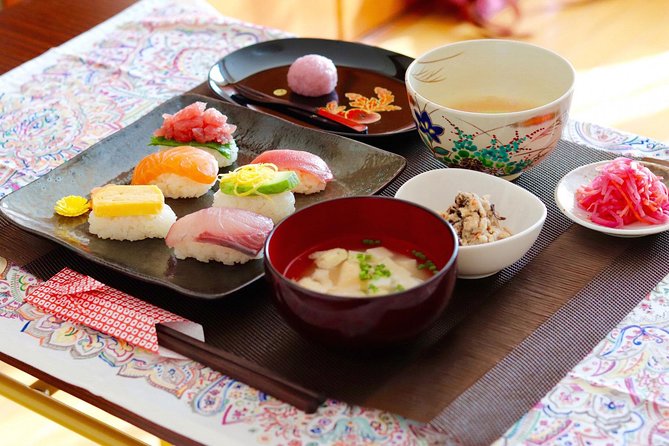
- What food may be served?
- Is matcha included?
- Is the experience private?
- Can I cancel for a full refund?
Key points to know before booking
- Emika welcomes you into her Kyoto home for a private meal and conversation, not a large group restaurant sitting.
- The menu changes with the season, with Obanzai dishes built around local vegetables and seafood.
- Matcha is prepared in the traditional style, sometimes by Emika’s father, who is a master of the tea ceremony.
- You can choose lunch or dinner, making this easy to place between other Kyoto plans.
- The 90-minute format is focused and manageable, but it leaves little time for a slow, extended meal.
- The price is $79 per person, including the home-cooked meal and local alcohol, with free cancellation up to 24 hours before the start.
Why a Kyoto home meal feels different
Restaurant meals show you what Kyoto cuisine tastes like. A meal in Emika’s home also shows you how that food fits into daily life.
You will meet Emika at her home at 31-30 Katsurainariyamachō in Kyoto’s Nishikyo Ward. This is the start and end point, and hotel pickup is not provided. The setting matters because the meal takes place around a household dining table, where conversation and family customs are part of the experience.
That personal setting can be more revealing than a polished restaurant. You can ask Emika about Kyoto, Japanese food, drinks, and the way seasonal ingredients shape home cooking. The tone is friendly and informal, though you should remember that this is a shared meal in someone’s home, not a staged performance.
The experience is private, so only your group participates. That is a useful feature if you want the chance to ask questions without competing with a busload of people. It also makes this a good pick for couples, families, and small groups who prefer a quiet cultural encounter.
Other Kyoto days people book alongside this one:
- PERFECT KYOTO 1-Day Bus Tour
★ 5.0 · 13,518 reviews - Kyoto: Fushimi Inari, Kinkakuji, Bamboo Grove 1 Day Bus Tour
★ 4.8 · 4,316 reviews - Kyoto: Tea Ceremony in a Traditional Tea House in Kiyomizu
★ 4.9 · 3,519 reviews
Starting with matcha and a traditional welcome
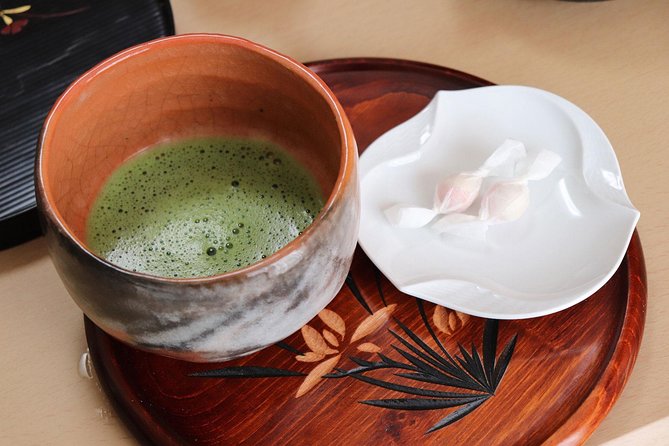
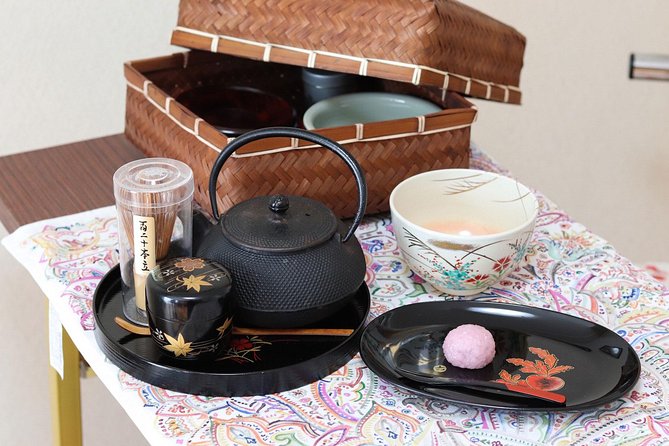
The meal starts or ends with a freshly prepared cup of matcha. Emika or her father prepares the tea in the traditional style, and her father is described as a master of the tea ceremony.
This is more than a drink served after lunch. Matcha preparation brings a deliberate rhythm to the visit. You get a look at the movements, tools, and manners associated with Japanese tea culture, followed by a sweet chosen to go well with the tea.
Do not expect a full-length formal tea ceremony unless Emika’s schedule and the flow of the visit allow it. The experience includes a small tea ceremony, but the main focus is the home-cooked meal. Think of the tea as an important cultural part of the visit, not the entire event.
If you have never tasted matcha prepared in the traditional way, this gives you a useful introduction without requiring a separate tea ceremony booking. It also creates a calm opening or closing to a meal that otherwise centers on food and conversation.
The Obanzai meal: Kyoto food at home
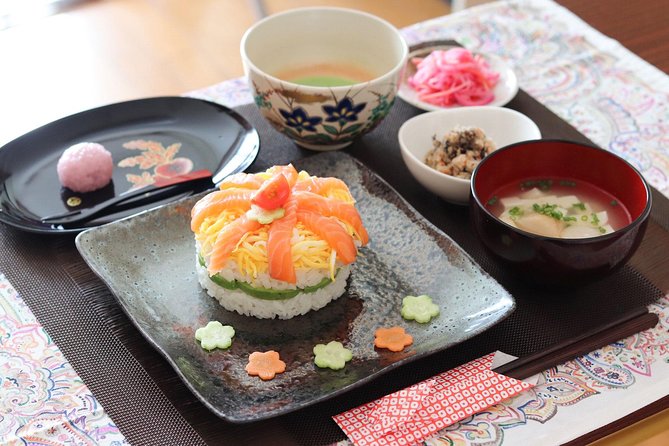
The central meal is based on Obanzai, a style of traditional Kyoto home cooking. Obanzai uses seasonal vegetables, seafood, rice, soup, and other simple ingredients. The exact menu changes during the year, so you should expect the food to reflect what is available rather than a fixed list of dishes.
Your meal may include:
- Sushi
- Miso soup
- Rice
- Seasonal Obanzai dishes
- A sweet served with matcha
- Local alcohol
The appeal of Obanzai is its connection to ordinary home cooking. It is not built around one dramatic centerpiece. Instead, several dishes work together, with different textures, flavors, and colors on the table.
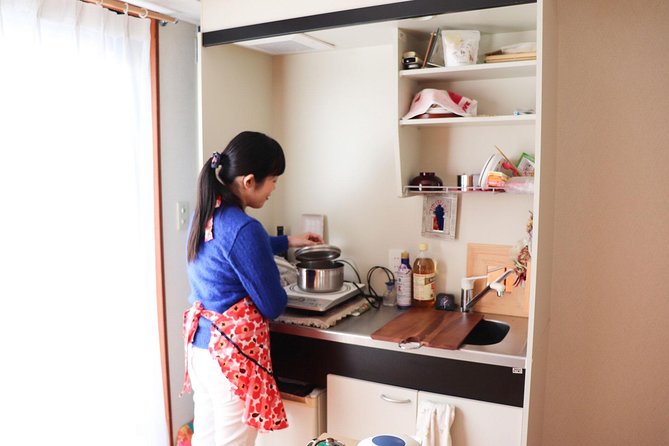
Emika prepares and cooks traditionally in front of you, giving you a chance to see how the meal comes together. The food described by past diners included especially fresh side dishes and ingredients grown locally, with some produce coming from Emika’s own garden. That garden connection gives the meal a direct link to the seasons and to the household hosting you.
You may also learn how sushi and miso soup are made in the traditional way. The experience is not advertised as a full hands-on cooking class, so do not book it expecting to prepare every dish yourself. Its value comes from eating together, watching the preparation, and asking questions as the meal unfolds.
A close look at the 90-minute schedule
The visit lasts about one hour and 30 minutes. That is enough time for a complete meal and a taste of tea culture, but the pace is likely to be fairly direct.
You will first meet Emika at the designated home address. The visit then moves into the meal and conversation, with tea prepared either at the beginning or the end. Since the menu is seasonal and the experience is private, the exact order can vary.
A typical flow may include:
- Meeting Emika at her home
- Enjoying matcha prepared in the traditional style
- Sitting together for the Obanzai meal
- Eating dishes such as sushi, miso soup, rice, and seasonal sides
- Talking about Kyoto, Japanese food, and daily life
- Finishing with a sweet and tea, if the matcha is served after the meal
The compact format is useful if you have a packed Kyoto schedule. You can choose a lunch or dinner time and still fit temples, gardens, or other plans around it.
The tradeoff is that you should not expect a leisurely three-hour dinner with long breaks between courses. If you want an extended evening centered on cooking, sake, and multiple hours of conversation, this may feel brief. If you want a focused taste of local life, 90 minutes is practical.
Same city, a completely different kind of day:
- Kyoto Geisha Walking Tour: Gion District & Hidden Gems
★ 4.7 · 3,273 reviews - Kyoto: Tea Ceremony Ju-An at Jotokuji Temple
★ 4.9 · 3,207 reviews - Kyoto: Gion Magical Night Walking Tour with Geisha Trivia
★ 4.9 · 2,393 reviews - Kyoto: 45-Minute Tea Ceremony Lesson Experience
★ 4.3 · 2,378 reviews
What makes Emika’s hosting special
The strongest part of the experience is the chance to meet Emika in her own home. Her cooking is described as fresh and traditional, but her role as a host matters just as much.
You can expect conversation about Kyoto, food, drinks, and Japanese life. Emika is quiet, warm, polite, and witty, which suggests a gentle rather than highly theatrical style of hosting. That may suit you if you enjoy calm conversation and a personal meal more than a loud, heavily scripted presentation.
Her father’s involvement adds another layer. When he prepares the matcha, you get a family connection to tea culture rather than a demonstration delivered by a detached instructor. That detail helps explain why the tea portion has made such a strong impression.
The experience also gives you a chance to learn through small details. You might ask why a certain vegetable appears in the meal, how miso soup is prepared, or how a sweet pairs with matcha. The menu changes, so your questions can follow what is actually on the table.
Is $79 a fair price?
At $79 per person, this is not a cheap lunch. You are paying for more than the ingredients. The price includes a private meal in a local home, personal hosting, cultural conversation, traditional matcha, and local alcohol.
The value is strongest if you want access to something you could not easily arrange alone. You can find sushi and miso soup throughout Kyoto, but you cannot reproduce the home setting, the seasonal Obanzai menu, or the family tea connection by simply choosing a restaurant.
The price may feel less attractive if your main goal is a large meal or a formal cooking lesson. The visit lasts 90 minutes, and the exact menu varies. You are paying for the setting and personal contact as much as for the number of courses.
For a special meal during a Kyoto visit, I think the cost is reasonable, especially for couples or small private groups. It is also a good use of a lunch or dinner slot because it combines food, culture, and conversation in one booking.
Getting to the home and planning your day
The meeting point is 31-30 Katsurainariyamachō, Nishikyo Ward, Kyoto, 615-8025, Japan. The experience is near public transportation, but hotel pickup and drop-off are not included.
Do not leave the address check until the last minute. Kyoto’s wards can cover a wide area, and a meal appointment in Nishikyo Ward may not be close to your hotel or to the day’s main sightseeing area. Allow enough time to reach the home without rushing.
Because the activity ends where it begins, you will need to plan your next stop from the same area. This is simple if you build the meal into a half-day nearby, but less convenient if you are trying to cross the city immediately afterward.
You receive confirmation at booking, and the ticket is mobile, which keeps the practical side simple. Specific dietary requirements should be entered in the Special Requirements box when you book. The menu changes by season, so asking for special needs in advance is important.
Service animals are allowed. The activity is private, and only your group participates.
Who will enjoy this experience most
I would choose this meal for you if you want a personal look at Japanese food and home life. It suits people who enjoy asking questions, trying seasonal dishes, and learning through conversation.
It is especially well suited to:
- Couples seeking a quiet cultural meal
- Families who want a private setting
- Solo visitors who prefer meeting a local host
- Food lovers interested in home cooking rather than restaurant presentation
- People curious about matcha and tea ceremony customs
- Visitors with only 90 minutes available for a food experience
It may not be the best match if you need a guaranteed menu, want extensive hands-on cooking, or prefer a central hotel pickup. The food is seasonal, and the experience depends on being comfortable with a meal in a private home.
You should also mention dietary restrictions before booking. The information provided confirms that specific needs can be advised in advance, but it does not promise that every request can be accommodated.
The strongest reasons to book
The meal’s best qualities work together. Emika’s food gives you a taste of Kyoto’s seasonal cooking. The home setting makes the visit feel personal. The matcha prepared by Emika or her father connects the meal to a wider Japanese tradition.
The fresh ingredients are another major reason to consider it. Produce from local sources, including Emika’s own garden, gives the food a direct seasonal character. You may not get the same dishes on another date, which is part of the point.
I also like that the experience does not try to do too much. You get a meal, a tea experience, and conversation within 90 minutes. That makes it easy to fit into a larger Kyoto trip without giving up most of your day.
The only real caution is to keep your expectations in the right place. This is a private home meal with cultural insight, not a luxury restaurant, a full cooking school, or a long formal tea ceremony. If that sounds appealing, the focused format works well.
Should you book Emika’s Kyoto home meal?
Book it if you want food with a personal connection. You will learn about Obanzai, eat seasonal home cooking, and share time with Emika and possibly her father over traditional matcha.
Skip it if you want a fixed menu, hotel transportation, or a hands-on class lasting several hours. The $79 price makes the most sense when you value the private setting and cultural exchange as much as the food itself.
For most people who want one memorable meal beyond Kyoto’s usual restaurant circuit, this is a strong choice. Just check the route to Nishikyo Ward, share dietary needs at booking, and leave room in your schedule for the visit to unfold at its own calm pace.
FAQ
How long does the experience last?
The experience lasts approximately one hour and 30 minutes.
Where does the meal take place?
The meal takes place in Emika’s home at 31-30 Katsurainariyamachō, Nishikyo Ward, Kyoto, 615-8025, Japan.
Is hotel pickup included?
No. Hotel pickup and drop-off are not included. You meet Emika at her home, and the activity ends at the same meeting point.
What food may be served?
The meal may include sushi, miso soup, rice, seasonal Obanzai dishes, and a sweet that pairs with matcha. The menu varies by season.
Is matcha included?
Yes. The experience includes matcha prepared in the traditional style by Emika or her father.
Is the experience private?
Yes. This is a private activity, and only your group participates.
Can I cancel for a full refund?
Yes. You can cancel for a full refund up to 24 hours before the experience start time. Cancellations or changes made less than 24 hours before the start are not refunded or accepted.
Just added around Kyoto
- Private Guided Traditional Buddhist Cooking in Japan★ 5.0 · 16 reviews
- Kyoto: Gion Geisha District & Sake-in-Hand Walking Tour★ 5.0 · 37 reviews
- Your Private Vacation Photography Session In Kyoto★ 5.0 · 110 reviews
- Kyoto: Zen Meditation at a Private Temple with a Monk★ 5.0 · 25 reviews
- Private Pewter Sake Cup Experience with a Kyoto Artisan★ 5.0 · 31 reviews
- Traditional Japanese Washi Papermaking- Kyoto morning★ 5.0 · 77 reviews
- Kyoto Wagashi(Japanese sweets) Cooking Class near Fushimiinari★ 5.0 · 60 reviews
- Kyoto Private 6 hour Tour: English Speaking Driver Only, No Guide★ 5.0 · 88 reviews
Kyoto Tours, compared.
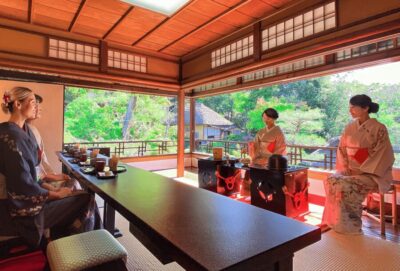
Tea Ceremony in a Traditional Tea House in Kiyomizu
Read our review →
Kyoto Geisha Walking Tour: Gion District & Hidden Gems
Read our review →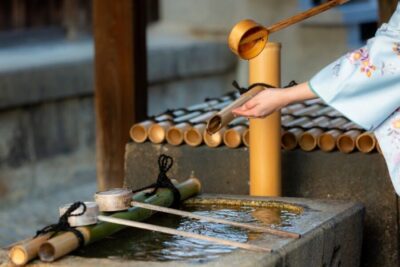

Gion Magical Night Walking Tour with Geisha Trivia
Read our review →

Gion Geisha District Walking Tour – Stories of Geisha
Read our review →
Best of Kyoto: Gion, Geisha, Pagodas & Cobblestones
Read our review →