
REVIEW · KIMONO & CULTURE EXPERIENCES
Nijo Castle Samurai Inside Story — Top-Rated Guide (Max 8)
Nijo Castle makes far more sense when someone explains what its rooms, corridors, and rules once meant. This small-group tour looks beyond the famous buildings to the samurai roles, silent customs, and practical systems that shaped life inside the castle. Richard is the guide named for this experience, and his English explanations range from castle details to the wider story of Japan.
I like the maximum group size of eight, since you can ask questions without shouting across a crowd. I also like that the price includes full castle admission and a green tea break, so the tour feels like a complete visit rather than a quick escorted walk.
The main consideration is its three-hour length and history-focused approach. It is not recommended for small children, and visitors wanting only a fast look at the gardens may find the detailed explanations more than they need.
In This Review
- Key points to know before booking
- Why Nijo Castle needs a guide
- Meeting Richard at the western Main Gate
- Inside the castle: samurai life and silent rules
- The wider story of the shogun, emperor, and Edo period
- A three-hour walk with a green tea pause
- What the $98 price really covers
- Who will get the most from this experience
- Practical details that affect the day
- Should you book the Nijo Castle Samurai Inside Story?
- FAQ
- How long does the Nijo Castle tour last?
- Where does the tour meet?
- Where does the tour end?
- Is Nijo Castle admission included?
- Is a drink included?
- How many people can join the tour?
- Is private transportation included?
- Is the tour suitable for small children?
- What happens if bad weather cancels the tour?
Key points to know before booking
- Samurai history beyond the usual sights: Learn about secret duties, unspoken rules, and the systems that governed castle life.
- Richard’s personal teaching style: He explains the shogun, emperor, Edo period, Japanese customs, and the castle with clear English and plenty of context.
- Small group, maximum eight people: The size allows more questions and closer attention from the guide.
- Full Nijo Castle admission included: You do not need to arrange a separate entry ticket.
- Green tea during the tour: A short refreshment break is built into the three-hour visit.
- Simple meeting plan: Meet at the large white Main Gate on the west side of Nijo Castle, then return to that same meeting point.
Why Nijo Castle needs a guide
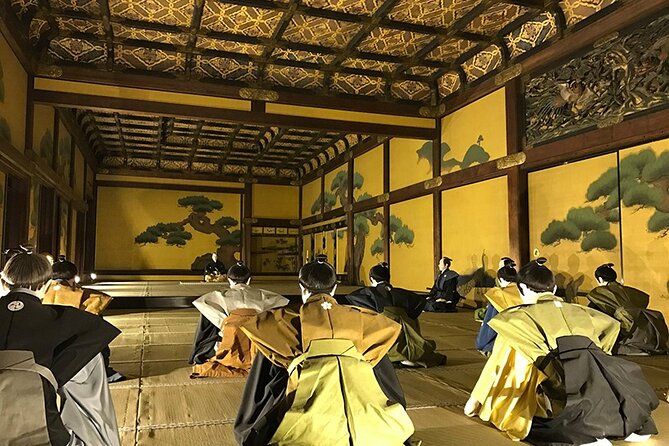
Nijo Castle is easy to reach and easy enough to walk through, but its meaning is not always obvious from the buildings alone. A room may look plain until you understand who used it, who was allowed to enter, and what behavior was expected there.
That is where this tour earns its keep. Richard does not limit the visit to dates and names. He explains the less visible side of samurai society, including secret roles, unspoken rules, and the systems that helped control access and behavior inside the castle.
I especially like this approach because Nijo Castle is tied to both military and imperial power. The site is not simply a samurai residence or a pretty historic building. It connects the shogun’s authority with the emperor and the political changes of the Edo period. That broader frame can turn a series of rooms into a story with real tension.
You should still expect a guided history tour, not a theatrical performance or a costumed reenactment. The appeal lies in interpretation, questions, and close attention to details you might otherwise pass without noticing.
More Garden & Palace Tours in Kyoto
- Kyoto: Nijo-jo Castle and Ninomaru Palace Guided Tour
★ 4.7 · 1,020 reviews - Kyoto: Nijo Castle, Kiyomizu & Fushimi Inari Guided Tour
★ 4.7 · 700 reviews - Kyoto: Imperial Palace & Nijo Castle Guided Walking Tour
★ 4.7 · 453 reviews
Meeting Richard at the western Main Gate
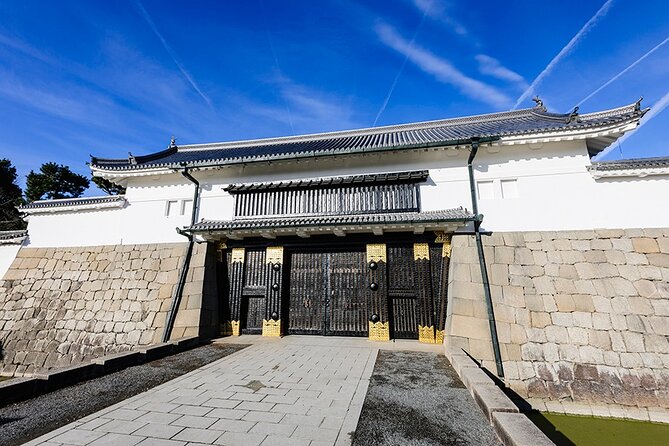
The meeting point is in front of Nijo Castle’s Main Gate, described as the large white gate on the west side of the castle. That detail matters because Nijo Castle has several entrances and a large perimeter. Go to the correct side before the start time rather than assuming the first gate you see is the meeting place.
The tour begins and ends at the castle meeting point. Private transportation is not included, though the site is near public transportation. You will receive confirmation when you book, and a mobile ticket is provided, which keeps the entry process simple.
The maximum group size is eight. That is small enough for the guide to hear questions and adjust the pace of explanation. It also gives the visit a more personal feel than a large walking group, where the guide often has to repeat every point for the people at the back.
Richard’s style, as presented in the experience details, is friendly and conversational. He speaks English clearly and is prepared to discuss more than the castle itself. You can ask about Japanese history, culture, customs, and the relationship between Kyoto’s major political sites.
Inside the castle: samurai life and silent rules
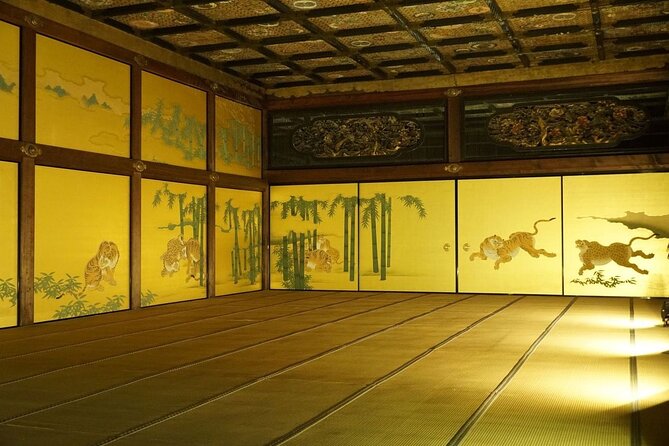
The main subject is samurai life, but the tour does not treat the samurai as simple warriors with swords. You learn about their roles within a much larger system, including duties, rank, behavior, and access.
The idea of unspoken rules is one of the most useful parts of the experience. Historic buildings often preserve the physical setting but not the social instructions that once made the place work. A guide can explain why certain spaces mattered, how people moved through them, and how authority was shown without a modern sign telling you what to think.
The tour also points out hidden systems connected with the castle. The supplied information does not specify every feature you will see, so you should not expect a fixed list of secret rooms or dramatic revelations. Instead, expect Richard to use the castle’s grounds and buildings to explain how power and daily life operated.
This is also where cultural context adds value. Customs that may seem formal or mysterious become easier to understand when you connect them with rank, duty, and respect. The tour aims to show Japanese culture through the practical life of the people who used the castle, not as a collection of disconnected facts.
The wider story of the shogun, emperor, and Edo period
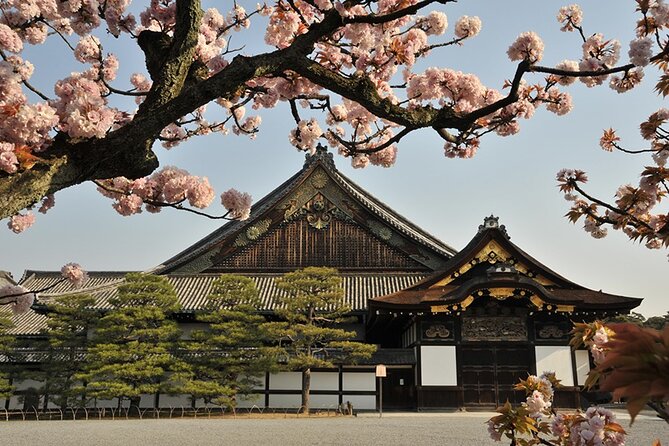
Several parts of the experience focus on the relationship between the shogun and emperor. That is a useful subject for anyone trying to understand Kyoto, since the city’s landmarks often reflect different forms of political authority.
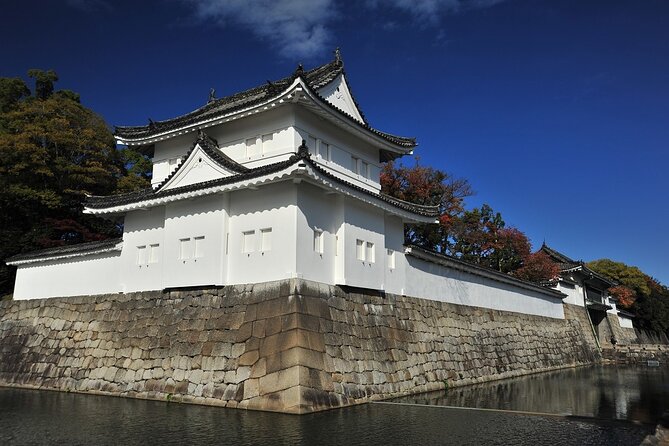
Richard’s explanations place Nijo Castle within the Edo period and help connect the castle to the larger story of Japan. You are not simply told that a room is old. You are given a reason it mattered and an idea of how its purpose related to the people who held power.
Some of the strongest feedback about this tour centers on the guide’s ability to make broad history understandable. He is described as thorough, enthusiastic, and willing to challenge guests to think about how history should be read. That suggests a tour that values discussion rather than a rushed list of dates.
The experience can also work well alongside a visit to Kyoto’s Imperial Palace. One person specifically found the comparison useful, and Richard is described as willing to include the Imperial Palace in the discussion so you can better understand the difference between the two sites. The listed stop remains Nijo Castle, so treat this as added historical context, not a promise of a second formal attraction visit.
More Kimono & Culture Experiences in Kyoto
- Kyoto Geisha Walking Tour: Gion District & Hidden Gems
★ 4.7 · 3,273 reviews - Kyoto: Gion Magical Night Walking Tour with Geisha Trivia
★ 4.9 · 2,393 reviews - Kyoto: Gion Geisha District Walking Tour – Stories of Geisha
★ 4.7 · 2,187 reviews - Best of Kyoto: Gion, Geisha, Pagodas & Cobblestones
★ 4.9 · 2,058 reviews
A three-hour walk with a green tea pause
The planned duration is about three hours, all centered on Nijo Castle. That gives the guide enough time to cover the main course of the castle and stop for questions rather than racing from one point to the next.
A three-hour visit is a good fit if you want substance. You can expect a steady walk through the grounds and castle areas, with explanations about architecture, samurai life, and Japanese culture along the way. The exact order and pace may vary, but the entire activity remains at Nijo Castle.
A green tea break is included in the middle of the tour. Coffee or tea is listed, with green tea specifically described as the refreshment. This small pause is practical as well as pleasant. It gives you a moment to rest, gather questions, and take in the information before continuing.
There is one limitation: the experience is not recommended for small children. That does not mean families cannot visit Nijo Castle, but the long, history-centered format may not hold the attention of very young children. Older children and adults who enjoy stories, customs, and historical detail are more likely to get value from the full three hours.
What the $98 price really covers
The cost is $98 per person. That is not a budget admission ticket, but it includes the full Nijo Castle admission, a three-hour guided visit, and the small-group format.
I would judge the value by how much help you want inside the castle. If you are comfortable reading signs and exploring at your own speed, you can save money by visiting independently. You will also have more freedom to pause or leave whenever you like.
The tour makes more financial sense if you want context and personal attention. The guide is not simply leading you to the entrance. He explains the samurai system, Japanese customs, the role of the shogun, the emperor’s place in the story, and the features that many people pass without understanding.
The group limit also matters. A maximum of eight creates a better setting for questions than a large coach group. It does not make the tour private, however. The supplied information describes a small-group tour, so do not book expecting a one-to-one experience.
Tips are not required, though they are appreciated if you enjoy the tour. Private transportation is not included, so plan your own route to the castle.
Who will get the most from this experience
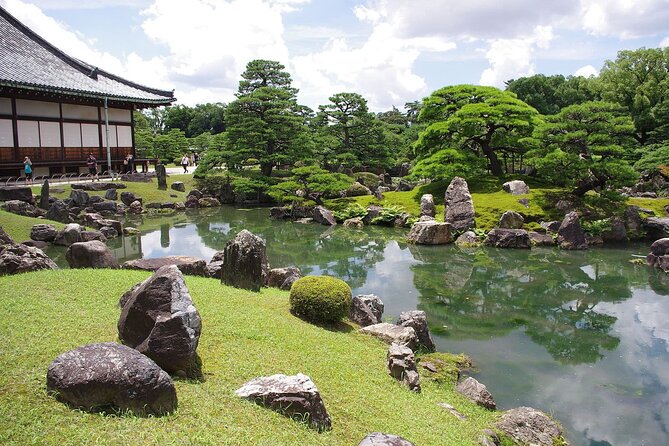
I would recommend this tour to you if you want Kyoto’s history explained in plain English rather than absorbed through labels alone. It is especially useful for first-time visitors who want to understand how Nijo Castle fits into Japanese political and cultural history.
It also suits anyone interested in samurai life beyond popular images of armor and swordplay. The focus on duties, social rules, hidden systems, and daily behavior gives you a more grounded view of the warrior class.
The tour is a good choice if you like asking questions. Richard is described as able to answer broad questions about Japan, not just the castle. That can help you connect Nijo Castle with other Kyoto sights, including the Imperial Palace.
I would think twice if you are traveling with a small child, need a very short stop, or prefer to wander without a schedule. You may also find the tour less suitable if you want transportation included or if you are looking for a highly theatrical experience.
Practical details that affect the day
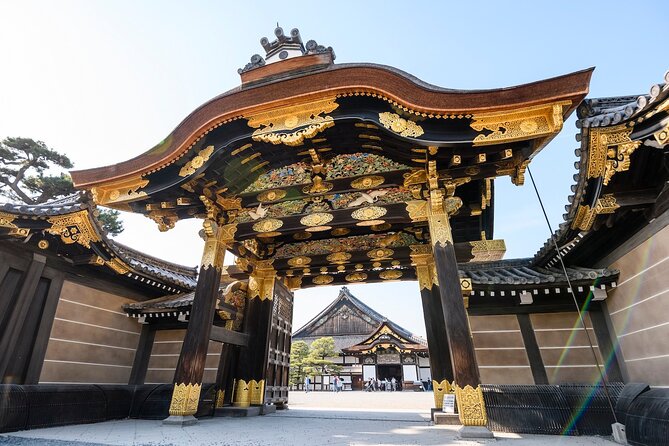
Meet at the large white Main Gate on the west side of Nijo Castle. The activity ends back at the meeting point, so do not plan on being dropped at another Kyoto attraction.
The experience offers a mobile ticket and confirmation at booking. It is near public transportation, but the tour does not include private transport. Give yourself enough time to reach the west-side gate, since a large castle complex can make a short delay inconvenient.
Most people can participate, but the activity is not recommended for small children. The tour also requires good weather. If poor weather causes a cancellation, you will be offered another date or a full refund.
Free cancellation is available when you cancel at least 24 hours before the start time. Changes or cancellations made inside that window are not accepted for a refund, so keep the local Kyoto start time in mind when making plans.
Should you book the Nijo Castle Samurai Inside Story?
Book it if you want Nijo Castle to become more than a photo stop. The combination of full admission, a small group, a green tea break, and Richard’s focus on samurai roles and Japanese political history gives you a useful way to read the site.
I would be most likely to choose it early in a Kyoto visit. The discussion of the shogun, emperor, Edo period, and Japanese customs can sharpen your understanding of later sights. The $98 price is easiest to justify when you value a guide’s explanations and the chance to ask questions.
Skip it if you want a quick, independent visit or are traveling with very young children. For history-minded visitors who want personal attention and a clear English explanation, this is a strong three-hour introduction to Nijo Castle.
FAQ
How long does the Nijo Castle tour last?
The tour lasts approximately three hours.
Where does the tour meet?
You meet in front of Nijo Castle’s Main Gate, the large white gate on the west side of the castle.
Where does the tour end?
The activity ends back at the meeting point.
Is Nijo Castle admission included?
Yes. Full admission to Nijo Castle is included in the tour price.
Is a drink included?
Yes. Coffee or tea is included, with green tea described as the refreshment served during the break in the middle of the tour.
How many people can join the tour?
The group has a maximum of eight people.
Is private transportation included?
No. Private transportation is not included. The meeting point is near public transportation.
Is the tour suitable for small children?
The experience is not recommended for small children. Most other people can participate.
What happens if bad weather cancels the tour?
If poor weather causes a cancellation, you can choose a different date or receive a full refund. You can also cancel up to 24 hours before the start time for a full refund.
Just added around Kyoto
- Private Guided Traditional Buddhist Cooking in Japan★ 5.0 · 16 reviews
- Kyoto: Gion Geisha District & Sake-in-Hand Walking Tour★ 5.0 · 37 reviews
- Your Private Vacation Photography Session In Kyoto★ 5.0 · 110 reviews
- Kyoto: Zen Meditation at a Private Temple with a Monk★ 5.0 · 25 reviews
- Traditional Japanese Washi Papermaking- Kyoto morning★ 5.0 · 77 reviews
- Kyoto Wagashi(Japanese sweets) Cooking Class near Fushimiinari★ 5.0 · 60 reviews
- Private Pewter Sake Cup Experience with a Kyoto Artisan★ 5.0 · 31 reviews
- Kyoto Private 6 hour Tour: English Speaking Driver Only, No Guide★ 5.0 · 88 reviews
Kimono & Culture Experiences, compared.

Kyoto Geisha Walking Tour: Gion District & Hidden Gems
Read our review →
Gion Magical Night Walking Tour with Geisha Trivia
Read our review →
Gion Geisha District Walking Tour – Stories of Geisha
Read our review →
Best of Kyoto: Gion, Geisha, Pagodas & Cobblestones
Read our review →

Kyoto Gion Geisha District Walking Tour – The Stories of Geisha
Read our review →
Browse the lists this tour appears in