
REVIEW · TEA CEREMONY EXPERIENCES
Nagoya: Japanese Traditional Sweets making and Tea Ceremony
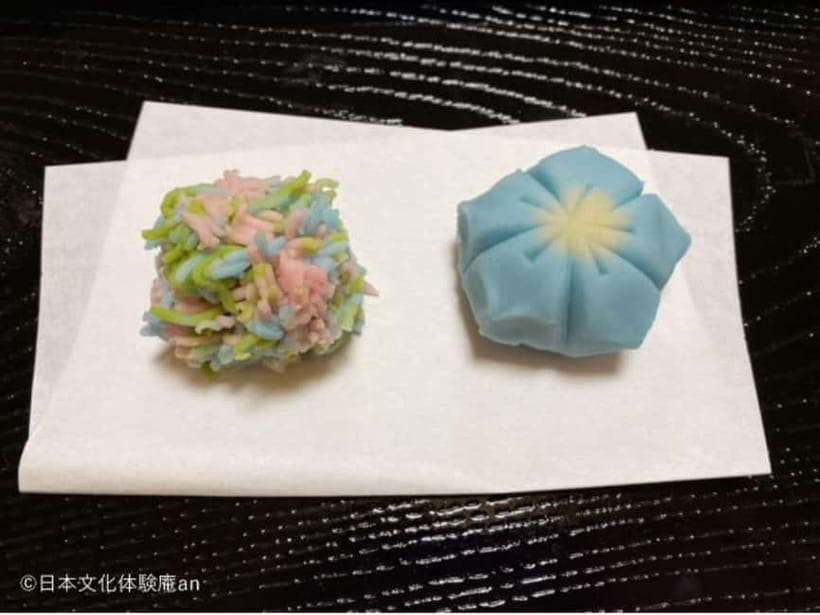
Nagoya’s best hands-on cultural activities often come with a sweet finish, and this one lets you make that finish yourself. You’ll shape two seasonal nerikiri, the refined bean-paste sweets used with matcha, then whisk your own tea and eat what you made. Kyoto-made white and red bean paste and single-origin Uji matcha give the class better ingredients than a simple tourist snack stop.
I like the creative work first, especially coloring the paste and turning it into flower, fruit, ginkgo-leaf, or chestnut shapes. I also like the price: at $18, you get two activities in 95 minutes, a fair deal in central Nagoya. The main consideration is that this is a friendly introduction rather than a full, formal tea ceremony, and English support should be requested ahead of time.
In This Review
- Key details before you book
- Making nerikiri from Kyoto bean paste
- A 55-minute creative session before tea
- Grinding Uji matcha and learning tea manners
- Why the sweet-and-tea pairing works
- The $18 price and what you actually receive
- Getting to the Nagoya venue
- Who will enjoy this class most
- My verdict: a small, useful Nagoya cultural stop
- FAQ
- How long does the Japanese sweets and tea experience last?
- What sweets will I make?
- What ingredients are used?
- Is the activity a full formal tea ceremony?
- Is the experience available in English?
- Where does the experience take place?
- Is there an elevator?
- Can I cancel for a full refund?
Key details before you book
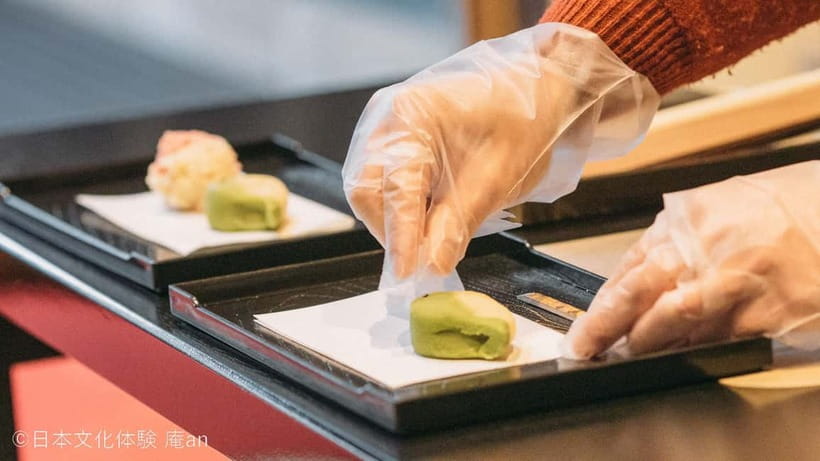
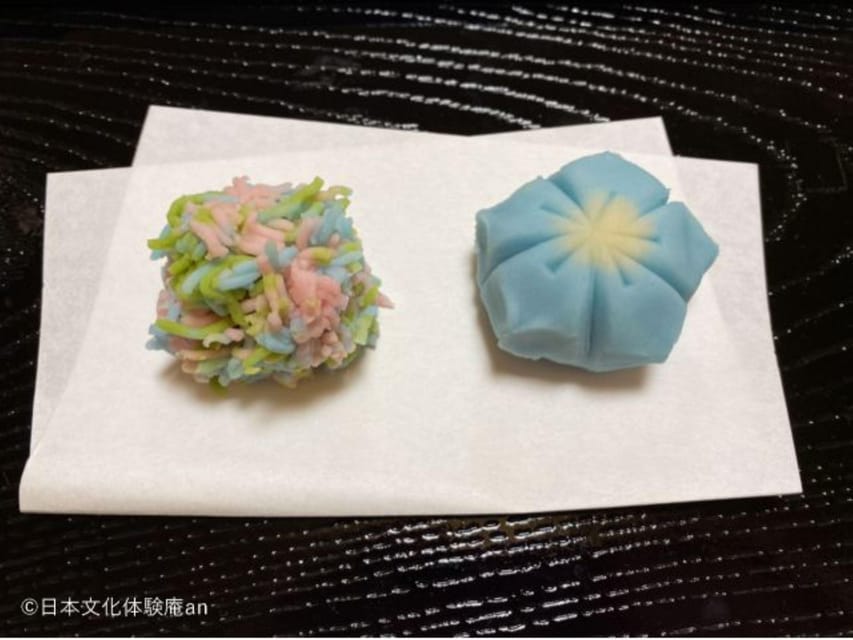
- Two seasonal sweets: Make a flower-shaped nerikiri and a kinton nerikiri, with designs changing to match the season.
- Premium ingredients: The white and red bean paste comes from long-established Kyoto shops, and the matcha is single-origin Uji tea.
- A practical cultural lesson: You learn how to prepare matcha and how to enjoy it with wagashi, not just watch a demonstration.
- Easy central location: The venue is a one-minute walk from Exit 3 of Kokusai Center Station and about 13 minutes from Nagoya Station.
- Strong family appeal: Children can take part, and one six-year-old was specifically supported during the class. Children under two sitting on a parent’s lap are free.
- Allow extra care for arrival: The room is on the third floor with no elevator, and late arrivals cannot be accommodated.
Making nerikiri from Kyoto bean paste
The class begins with an explanation of Japanese traditional sweets before you touch the ingredients. That short introduction matters because nerikiri is not simply a piece of candy. It is a high-grade wagashi made from colored white bean paste, shaped to suggest flowers, fruit, leaves, or other seasonal images.
You start by coloring the white bean paste. This is where the activity becomes more personal. You are not handed a finished sweet and asked to pose with it. You work with the color and form, then try to make a neat shape with your own hands. The results may not look like the instructor’s, but that is part of the fun. The class gives you clear steps, so you can follow along even if fine craft work is not your strength.
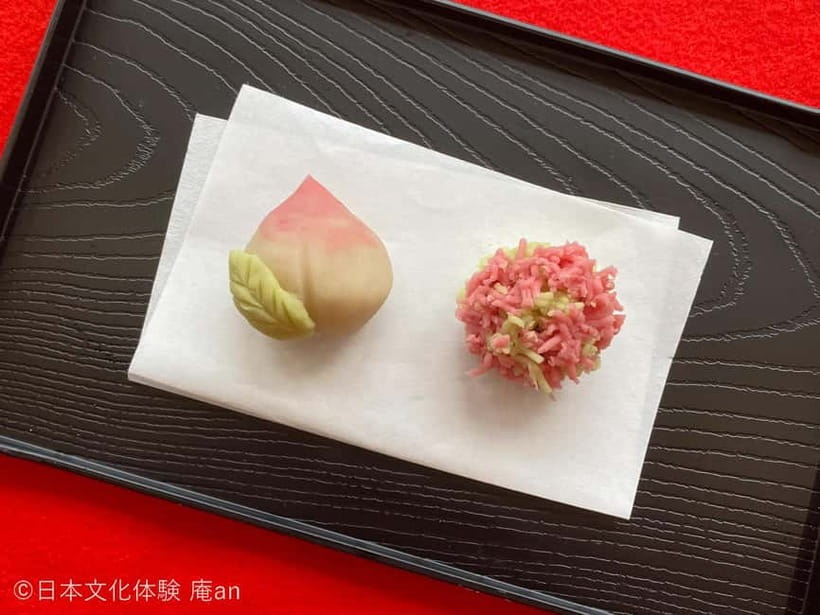
One sweet is flower-shaped nerikiri. The second is kinton nerikiri, which has a different look and texture. The exact design follows the season. In late autumn, examples have included a ginkgo leaf and a chestnut. That seasonal change gives the activity a Japanese sense of time and place, rather than turning it into the same fixed craft lesson all year.
The bean paste is an important part of the experience. It comes from long-established Kyoto shops, and the quality is meant to show in the smooth sweetness. Red and white bean paste are used in Japanese wagashi because their mild, rounded sweetness works well beside bitter matcha. You get to taste the ingredients in their finished form, but the class also helps you understand why these sweets are paired with tea.
Expect some trial and error. Shaping nerikiri takes more control than it first appears, and the delicate forms can be challenging. That is not a flaw in the class. It gives families and friends something to laugh about together, while the instructor keeps the process manageable.
More tea ceremony experiences in Nagoya:
- Kyoto: Tea Ceremony in a Traditional Tea House in Kiyomizu
★ 4.9 · 3,519 reviews - Kyoto: Tea Ceremony Ju-An at Jotokuji Temple
★ 4.9 · 3,207 reviews - Kyoto: 45-Minute Tea Ceremony Lesson Experience
★ 4.3 · 2,378 reviews
A 55-minute creative session before tea
The sweets-making portion takes the first part of the experience, with the two nerikiri completed by about the 55-minute mark. A short break follows before the tea section begins around the 65-minute point.
That break gives you a natural pause after the hands-on work. It also keeps the class from feeling rushed. You have time to look at the sweets you made and reset before learning the tea process.
The instructor’s role is central here. Mariko has been praised for clear instructions and for explaining the ingredients and background of the sweets. Saki has also been singled out for making people feel welcome and comfortable. Those names are useful to know, but your actual instructor may vary. The listed teaching language is Japanese, and English translation is offered as much as possible, so contact the provider if English guidance is important to you.
Several English-speaking participants have found the explanations easy to follow, while the official information is more cautious. I would not assume every session will be fully bilingual. If you need detailed English instruction, ask in advance rather than leaving it until you arrive.
Grinding Uji matcha and learning tea manners
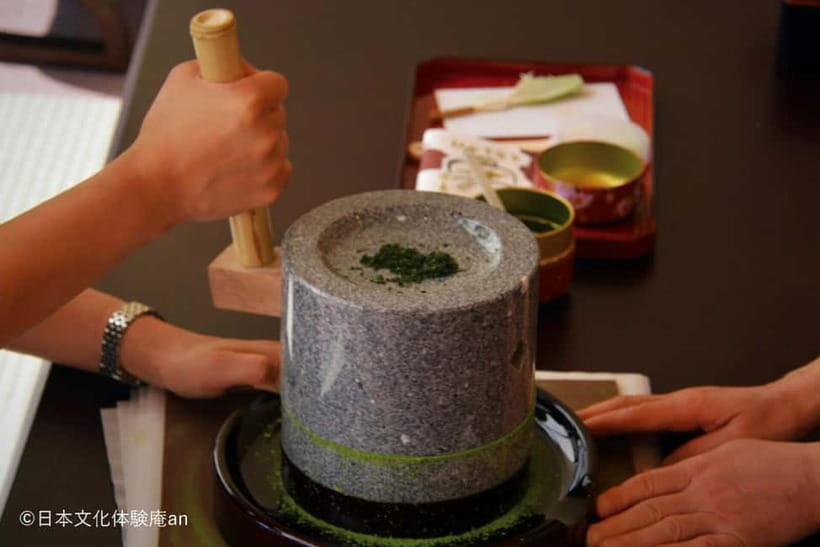
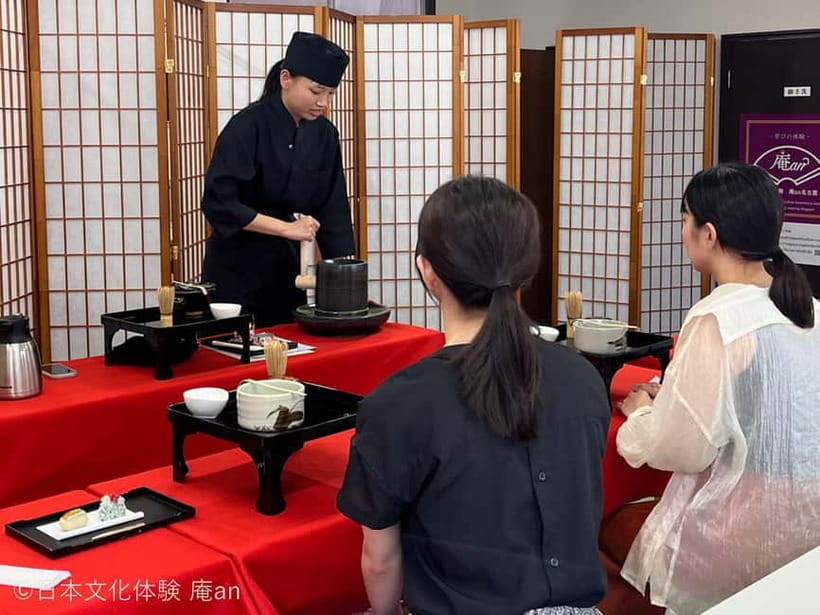
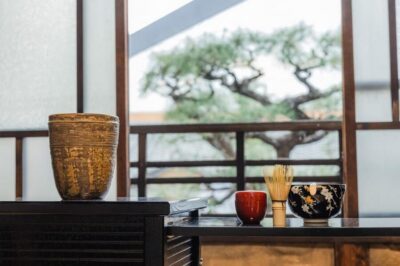
The second half starts with an explanation of tea, followed by a matcha-grinding demonstration. You then take part in the tea ceremony experience and prepare your own matcha.
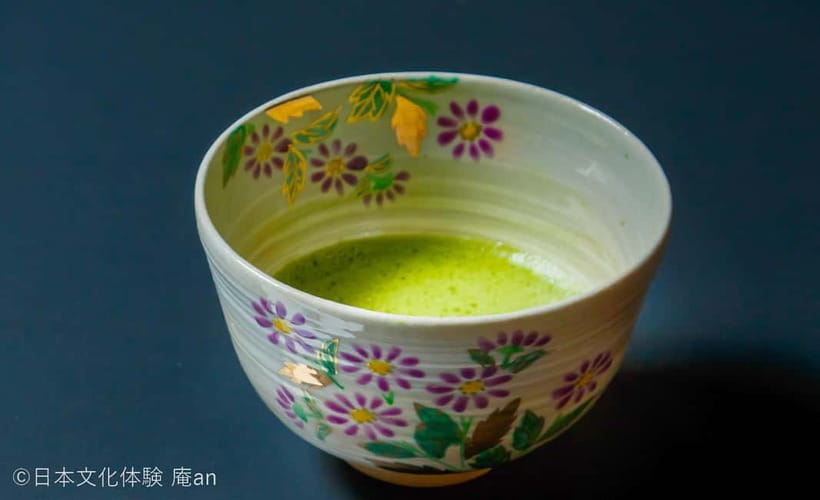
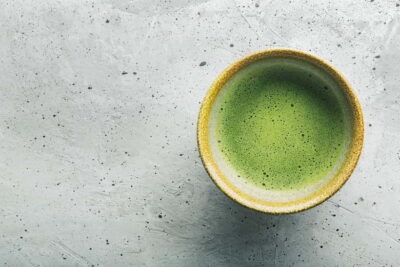
The tea is made with single-origin Uji matcha. Uji, near Kyoto, is one of Japan’s best-known tea-producing areas, so this is a chance to taste a more focused style of matcha rather than a generic green-tea powder. The tea’s bitterness is balanced by the sweetness of your nerikiri, which is the main reason the pairing works so well.
You also learn how to drink matcha properly. That includes the basic manners and sequence used when enjoying the tea, rather than simply whisking a drink and moving on. One of the useful features of the lesson is that it explains the work behind matcha, from grinding to preparation, giving the tea a bit more meaning when you drink it.
Still, keep your expectations in check. This is not a long, formal tea ceremony conducted in a historic temple setting. One participant described it as a worthwhile introduction but not a full traditional ceremony. I think that is the right way to view it: a compact, participatory lesson with tea etiquette, a demonstration, and your own bowl of matcha.
The relaxed format may suit you better than a strict ceremony. You can ask questions, follow the instructor’s movements, and enjoy the sweets you made only a short time earlier. The experience ends with picture time, followed by eating and drinking, with room departure at about 95 minutes.
Why the sweet-and-tea pairing works
The strongest idea here is the balance between the two parts. Nerikiri brings soft texture and sweetness. Matcha brings bitterness, aroma, and a slightly dry finish. Eating one after the other helps you understand a traditional Japanese pairing through your own palate.
This also makes the activity more than a craft class. You learn why the sweet has a seasonal form, how bean paste is used, how matcha is prepared, and how the two belong together. The lesson stays simple enough for a first visit, but it gives you a useful point of reference if you later encounter wagashi or a tea ceremony elsewhere in Japan.
You may also find the class a pleasant change of pace during a busy city visit. It lasts less than two hours, involves sitting and making something with your hands, and gives you a quiet cultural activity near Nagoya Station. If your schedule includes a full day of sightseeing, the timing can work as a calm mid-day stop.
A few more Nagoya trips to weigh up
- Nagoya: Traditional Japanese Sweets-Making Workshop
★ 4.6 · 14 reviews - Matcha Making Class in Tokyo with Authentic Japanese Sweets Set
★ 5.0 · 744 reviews - Matcha Making Class in Osaka with Authentic Japanese Sweets Set
★ 5.0 · 509 reviews - Tokyo: Matcha Making Experience with Mochi Sweets in Asakusa
★ 4.9 · 388 reviews
The $18 price and what you actually receive
At $18 per person, this is good value if you want more than a demonstration. Your fee covers both the traditional sweets-making session and the tea ceremony experience, including two sweets and the matcha activity.
The value comes from participation. You are not paying just for a tasting, and you are not spending several hours on a specialist workshop. In 95 minutes, you get a guided craft, a seasonal food lesson, a tea demonstration, and a drink-and-sweets finish. That makes it especially practical for a short Nagoya visit.
There are two small extras. A take-out box for your sweets costs 100 yen, and a completion certificate costs 300 yen. The certificate can be made with your name if you provide it ahead of time. Otherwise, a blank space is left for the name.
The sweets are intended to be eaten with the matcha at the end, so bring a box only if you specifically want to carry them away. The activity does not include the box automatically.
Getting to the Nagoya venue
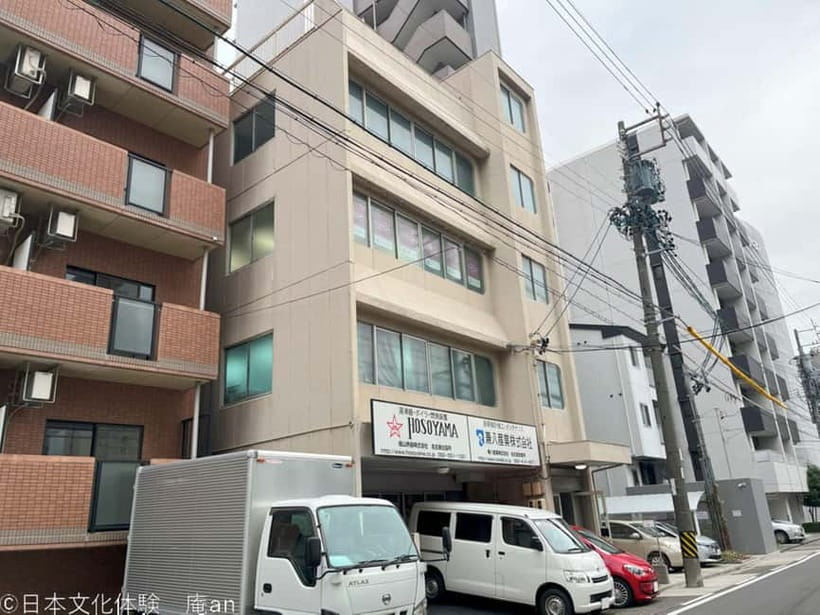
The easiest route is the Subway Sakura-dori Line to Kokusai Center Station. Exit 3 is about a one-minute walk from the venue. From the Sakura-dori side of Nagoya Station, the walk takes about 13 minutes.
The address coordinates are 35.1715323, 136.891893. The room is on the third floor, and there is no elevator. That is worth noting if you have heavy luggage, limited mobility, or a young child who needs a stroller.
The operating hours are 10:00 to 17:00. Reservations received after 17:00 are processed the next day. Plan to arrive on time. The provider says the class cannot be held for late arrivals, and a missed start could also affect your cancellation fee.
Free cancellation is available up to 24 hours in advance for a full refund. After that point, fees apply, and changing the date or time after a fee has been incurred can bring an additional specified charge. The provider does not cover travel costs if you cancel or miss the activity, so avoid scheduling it too tightly against a train or other paid booking.
Only people taking part can enter the experience. Children under two are free when sitting on a parent’s lap. The activity is suitable for families, but the no-elevator access is the practical detail to check first.
Who will enjoy this class most
I would recommend this to you if you want a hands-on introduction to Japanese food culture without committing half a day. It suits first-time visitors who want to understand wagashi and matcha, families looking for an activity everyone can attempt, and couples or friends who enjoy making something together.
It is also a good fit for people interested in Japanese design and seasonal customs. The ginkgo and chestnut examples show how the sweets reflect the time of year, while the flower forms give you a small look at the care used in traditional presentation.
Children can join, and the class has worked well for a six-year-old with supportive guidance. Younger children may not have the patience or hand control for detailed shaping, so parents should decide how much help they will provide. The activity is educational, but it is still a craft session, not a free-play stop.
You may want to choose something else if you are looking for an elaborate tea ceremony with formal dress, a temple setting, or a long presentation on tea history. You should also contact the provider first if you need guaranteed English, since Japanese is the stated language and translation is provided as much as possible.
My verdict: a small, useful Nagoya cultural stop
I like this experience because it gives you something to do, taste, and remember. You make two seasonal sweets with high-quality Kyoto bean paste, prepare single-origin Uji matcha, and learn enough tea etiquette to appreciate the pairing. The instructors are described as patient and clear, with Mariko and Saki receiving particular praise, though the guide for your session may be different.
Book it if you want an affordable, family-friendly activity close to central Nagoya and you are happy with an informal introduction to tea ceremony. Skip it if you need a fully formal ceremony, guaranteed English throughout, or step-free access. For most visitors who want a calm 95-minute break with real cultural content, $18 is a sensible spend.
FAQ
How long does the Japanese sweets and tea experience last?
The full experience lasts 95 minutes. Sweets making takes place first, followed by a short break, the tea explanation and demonstration, the tea ceremony experience, picture time, and final eating and drinking.
What sweets will I make?
You will make two kinds of nerikiri. One is flower-shaped, and the other is kinton nerikiri. The designs change with the season and may represent flowers, fruit, leaves, or other seasonal forms.
What ingredients are used?
The class uses white and red bean paste made by long-established shops in Kyoto. The matcha is single-origin Uji matcha.
Is the activity a full formal tea ceremony?
No. It is an introduction to tea ceremony that includes an explanation, a matcha-grinding demonstration, tea preparation, and guidance on how to enjoy the tea. It is not presented as a full formal ceremony.
Is the experience available in English?
The listed language is Japanese, with English translation provided as much as possible. Some instructors, including those praised as Mariko and Saki, have provided clear English guidance. Contact the provider ahead of time if English support is important to you.
Where does the experience take place?
The venue is a one-minute walk from Exit 3 of Kokusai Center Station on Nagoya’s Subway Sakura-dori Line. It is also about a 13-minute walk from the Sakura-dori side of Nagoya Station.
Is there an elevator?
No. The venue is on the third floor and has no elevator.
Can I cancel for a full refund?
You can cancel up to 24 hours before the experience for a full refund. Cancellation fees apply after that point. The provider cannot hold the event for late arrivals and does not compensate travel costs connected with a cancellation.
Just added around Nagoya
- Nagoya Private Custom Tour with Local Guide★ 5.0 · 15 reviews
- Nagoya: Traditional Japanese Sweets-Making Workshop★ 4.6 · 14 reviews
- Nagoya: Customized Private Tour★ 4.6 · 15 reviews
- Nagoya: Toyota Commemorative Museum Guided Tour★ 4.7 · 22 reviews
- Nagoya: Grand Sumo Tournament Tour★ 4.8 · 44 reviews
- From Nagoya: Inuyama Castle, Ena Gorge, Magome, Tsumago Tour★ 4.4 · 18 reviews
- Magome-juku, Tsumago-juku & Ena-kyo 1d Bus Tour from Nagoya★ 4.6 · 75 reviews
- Nagoya: 2026 Hida Takayama Shirakawa-go Light-up Winter Tour★ 4.3 · 13 reviews
Tea Ceremony Experiences, compared.
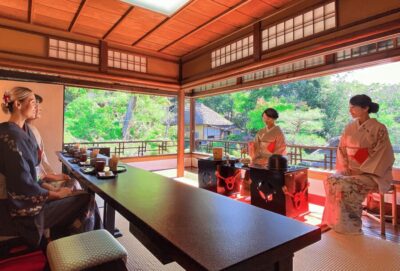
Tea Ceremony in a Traditional Tea House in Kiyomizu
Read our review →
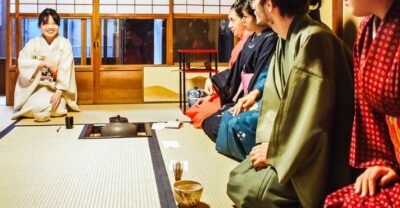
World Heritage Kyoto & Nara Uji Authentic Matcha Experience
Read our review →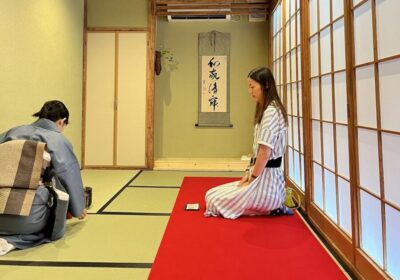
Browse the lists this tour appears in