
REVIEW · SUMO EXPERIENCES
Sumo Tournament Experience in Nagoya
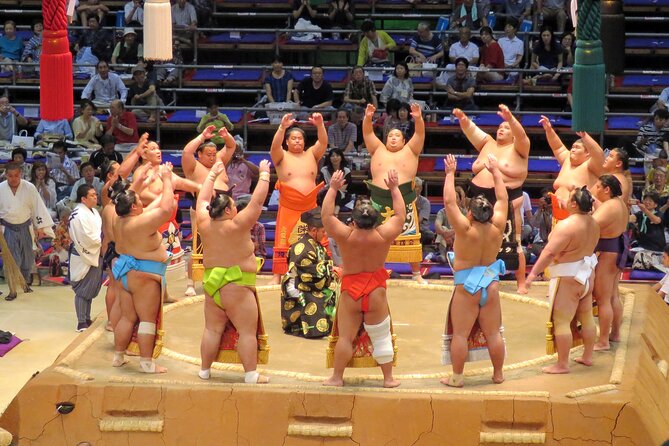
Nagoya’s July Grand Sumo Tournament is the main event here, and it happens only once a year. This four-hour group outing gives you more than a ticket: an English-speaking sumo expert explains the rituals, rankings, wrestlers, and rules while you watch the action inside the official arena. You may also greet famous wrestlers as they enter.
I like the guide-led introduction, which turns a sport that can seem mysterious into something you can follow. I also like the practical extras, including an audio headset, a banzuke-hyo ranking sheet, reserved chair seating, and the optional chanko hot pot dinner. The main caution is timing: the tour may wait before seating, and the nonrefundable booking policy requires a firm commitment.
In This Review
- Key points at a glance
- Why Nagoya’s July sumo tournament is worth planning around
- Meeting the guide before the bouts
- Watching wrestlers enter the Aichi Prefectural Gymnasium
- Choosing the right reserved seat
- Following the action inside the arena
- Adding a chanko hot pot dinner
- Is $228.62 a fair price?
- Booking, cancellation, and timing advice
- Who should book this experience?
- Should you book the Nagoya Sumo Tournament Experience?
- FAQ
- When does the Nagoya sumo tournament take place?
- How long does the experience last?
- What time does the tour start?
- What type of seating is included?
- Is dinner included?
- Can I request a vegetarian dinner?
Key points at a glance
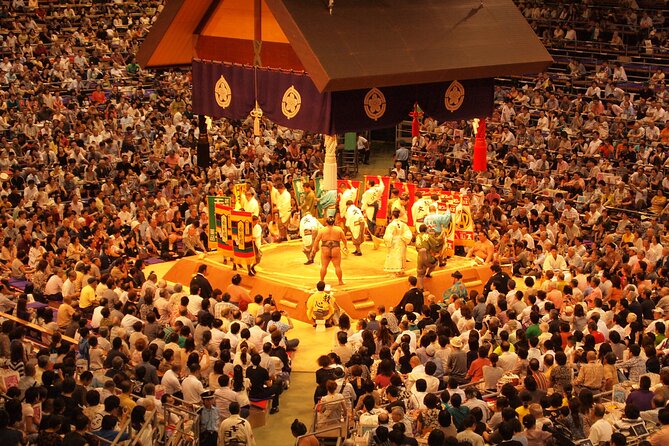
- Nagoya’s only annual basho: The tournament takes place for 15 days every July, so this is a rare chance to see professional sumo in the city.
- An English-speaking sumo specialist: Your guide explains salt purification, wrestler rankings, ritual, rules, and the people in the ring.
- A chance to greet wrestlers: The group may cheer for and see famous wrestlers entering the arena before their bouts.
- Reserved chair seating: Standard arrangements use A-class second-floor seats, while some options include S-class or A-class seating. Confirm the exact tier when booking.
- Optional chanko dinner: Add a sumo-style hot pot meal after the tournament, with a vegetarian request made at least one week ahead.
- A small but social group: The usual group is about 15 to 20 people, with a maximum of 24 for the tournament experience.
Why Nagoya’s July sumo tournament is worth planning around
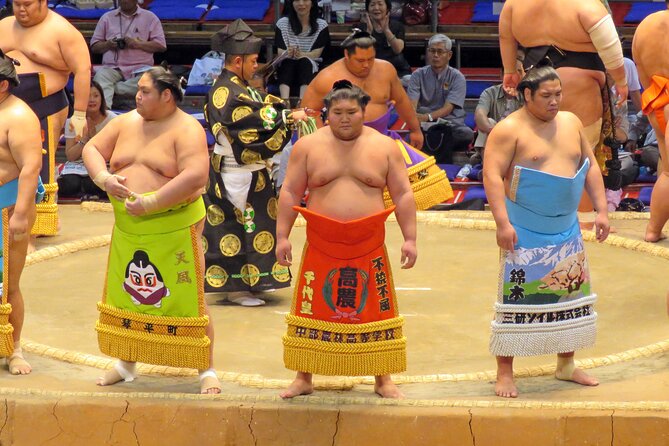
Sumo is not simply two large men pushing one another out of a ring. It is a formal Japanese martial art with strict rules, ritual, rankings, clothing, training stables, and daily customs. The tournament lets you see those customs in public, but the guide helps you understand what your eyes are seeing.
The Nagoya basho is one of six official tournaments held in Japan each year. The others take place in Tokyo in January, May, and September, Osaka in March, and Fukuoka in November. Each tournament runs for 15 days, beginning and ending on a Sunday.
That schedule makes Nagoya’s event easy to miss. If you are in Japan in July, this is one of the strongest reasons to build part of your trip around Nagoya. If you are not visiting during the tournament dates, no amount of enthusiasm can create the same experience later. The event is seasonal by nature.
The experience begins at 2:00 pm and lasts about four to five hours. That gives you enough time for instruction, wrestler entrances, arena viewing, and some time around the venue without turning the day into a full marathon.
More sumo experiences in Nagoya:
- Nagoya: Grand Sumo Tournament Tour
★ 4.8 · 44 reviews - Tokyo: Sumo Show Experience with Chicken Hot Pot and a Photo
★ 4.8 · 6,678 reviews - Tokyo: Sumo Show and Dining Experience
★ 4.8 · 2,742 reviews
Meeting the guide before the bouts
The guide is the key to the experience. You are not left to study a Japanese-language program and guess which wrestler is which. The English-speaking expert explains the setting, points out important people, and gives you a framework for following the competition.
The guide also supplies sumo information, a banzuke-hyo ranking table, and an audio headset. The banzuke-hyo matters more than it may first appear. Sumo uses a formal ranking system, and the sheet helps you understand the status of the wrestlers competing that day.
The headset is a useful touch in a large arena. You can hear the explanation without needing the entire group to crowd around the guide. In a sport where small details matter, clear commentary makes the afternoon easier to follow.
Two guides who have led this experience are Kazou and Yoko. Kazou has helped explain the tournament and its wrestlers, and he has also sent photos of the group and the event afterward. Yoko is known for her passion for sumo and has worked especially well with families, including children aged nine and eleven. Guides can vary by date, so you should not assume one of them will lead your session, but these names give you a sense of the kind of personal instruction available.
Watching wrestlers enter the Aichi Prefectural Gymnasium
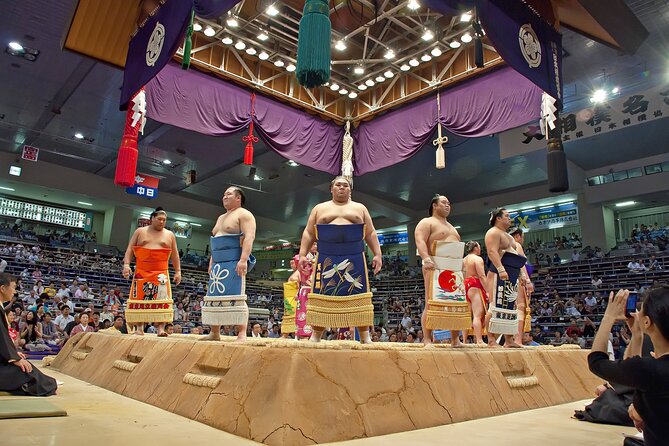
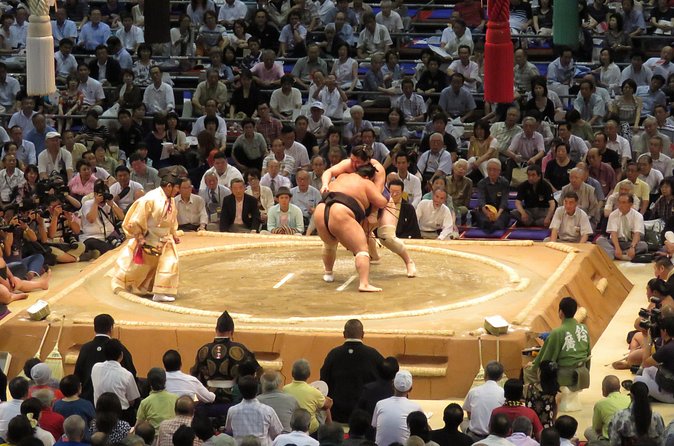
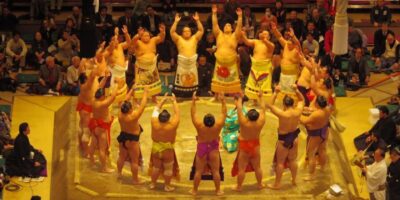
One of the most memorable parts comes before the main viewing portion. You may cheer for and greet well-known wrestlers as they enter the stadium for their matches.
This is a good reminder that sumo is both sport and ceremony. The public rituals are not decoration added for tourists. They are part of the structure of the day, and the guide can explain why they matter.
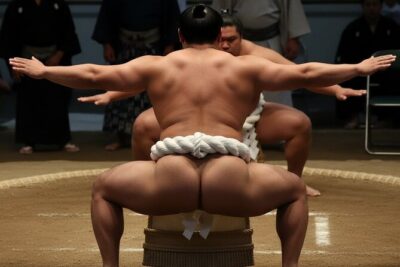
Salt purification is one example. Sumo wrestlers throw salt into the ring as a ritual cleansing act before the bout. A guide can connect this visible gesture with the older religious and cultural traditions preserved in sumo.
You should arrive at least 10 minutes before the meeting time. This is a group outing, so the guide may not be able to wait for late arrivals. If you miss the group, the tour continues without you and no refund is provided.
The exact meeting point is sent by email at least one week before the date. It is near public transportation, but hotel pickup is not included. Plan your route in advance, especially if you are unfamiliar with Nagoya or are carrying bags.
Choosing the right reserved seat
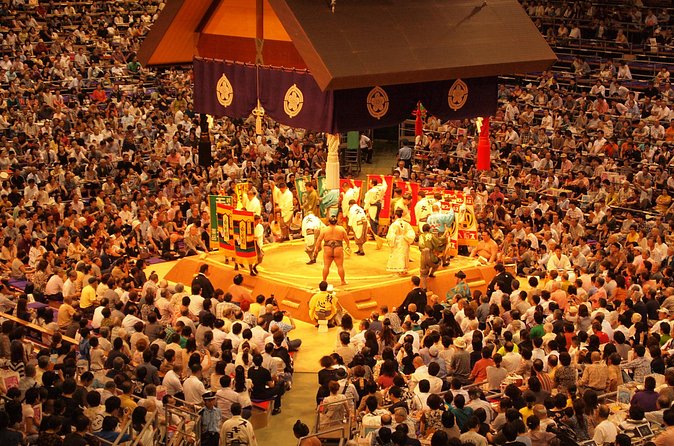
The seating information includes several categories, so this is one point I would confirm before paying. The standard tour is described with A-class reserved seats, including second-floor A chair seats for the join-in group option. Other arrangements list S-class or A-class reserved seats, while another description refers to B or C-class chair seating.
That difference can affect the value of the $228.62 price. Ask which seat category applies to your selected option and date, and ask where the seats are located. Chair seating is a practical benefit because you are not sitting on a floor cushion for several hours, but the distance from the ring will vary by section.
The stated group size is usually about 15 to 20 people, with a maximum of 24. A group this size is large enough to provide a lively shared atmosphere but small enough for a guide to keep everyone together. It is not a private lesson, though. You will have less freedom to set your own pace than you would with an individual ticket and a self-guided visit.
There may be a wait before you take your seats. The group must wait for all sumo matches to end before entering the seating area, according to the tour arrangements. This can be inconvenient if you expect to walk straight into the arena at the meeting time.
The Sumo Museum can also become crowded. In that case, the guide may ask you to visit on your own because moving a group through the tight space is difficult. Treat this as a small bit of flexibility rather than a full museum tour with private access.
Same city, a completely different kind of day:
- From Nagoya: Gujo, Hida Takayama, and Shirakawa-go Day Tour
★ 4.4 · 398 reviews - Ghibli Park 1-Day Bus Tour from Nagoya
★ 4.5 · 277 reviews - From Nagoya: Hida Takayama & Shirakawa-go Tour w/Opt. Lunch
★ 4.5 · 256 reviews - Hiking the Historic Nakasendo Trail [1 Day Tour from Nagoya]
★ 5.0 · 104 reviews
Following the action inside the arena
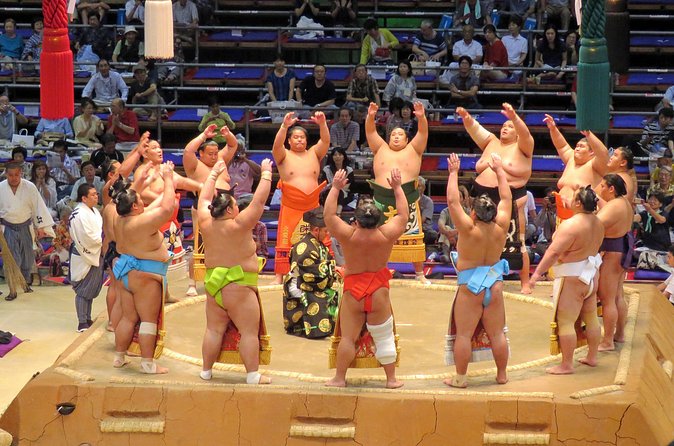
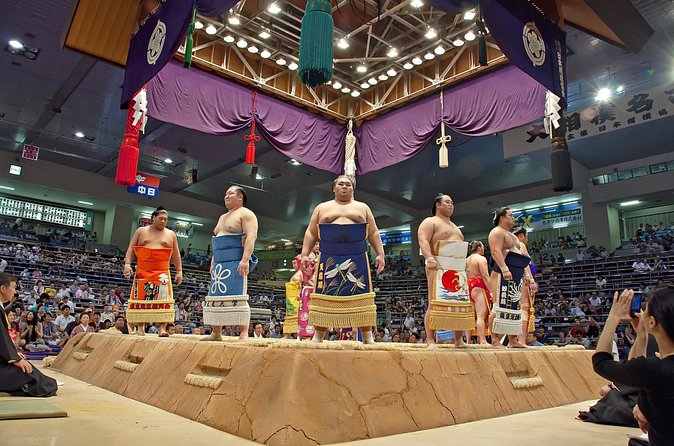
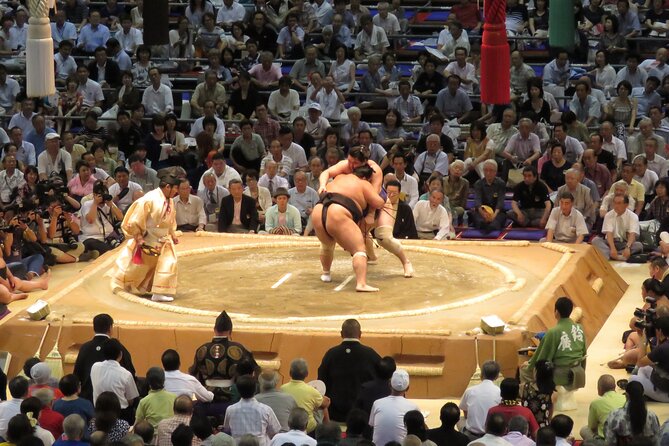
Once seated, you can watch the bouts with the guide’s explanations in your headset. This is where the tour earns its keep for newcomers.
Sumo has formal rules and a strong visual rhythm. You will see wrestlers prepare, perform ritual movements, and face one another in a contest that can end quickly. Without context, a short bout may feel abrupt. With an explanation of the rankings, techniques, and ceremony, the pace becomes easier to read.
The event also gives you a direct look at the strict life of a professional wrestler. Most sumo wrestlers live in communal heya, or training stables, where their meals, clothing, and daily routines are closely managed. The guide can place the arena spectacle within that larger system.
The experience works for devoted sumo fans because you receive names, rankings, and tournament context. It also works for first-time spectators because you do not need to arrive already fluent in the sport. One couple who already followed sumo still learned more from the guide, while children in one family stayed engaged throughout the event.
Food and drinks are sold inside the arena, but outside food and drinks are not allowed. Meals and drinks are not included in the basic outing, so bring money for arena purchases if you expect to eat during the afternoon.
Adding a chanko hot pot dinner
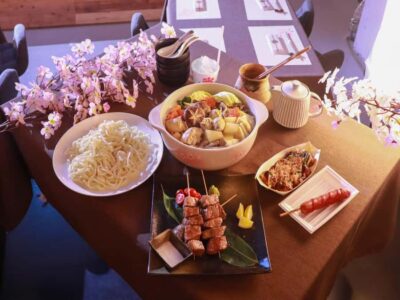
The optional dinner gives the day a second cultural angle. Chanko nabe is a Japanese hot pot associated with sumo wrestlers. It usually includes chicken stock, vegetables, and other ingredients, and it is practical for feeding many hungry people at once.
The meal is served at a local chanko restaurant and does not include drinks. The standard option is chanko hot pot, and the broth is typically made with pork or chicken. You can request a vegetarian version, but you must do so at least one week before the tour.
This is a useful add-on if you want food connected to the subject of the outing. It is less useful if you already have a carefully planned dinner or need complete control over ingredients. Once a dinner request has been accepted, changes cannot be made one week before the tour date.
The dinner is also a reason to think about the total cost, not just the ticket price. At $228.62 per person, the basic experience is a significant purchase. The price covers the guided service, reserved tournament seating, sumo materials, headset, and ticket service. If you select dinner, you pay for a meal tied closely to sumo culture, but drinks remain extra.
Is $228.62 a fair price?
I would judge the price by what you would otherwise need to arrange yourself. The official tournament is seasonal and tickets can require planning. The tour operator handles the group ticket process, guide arrangements, seating, and optional restaurant reservation.
For a serious sumo fan, that convenience has real value. You get an English-speaking specialist at an event that may be hard to interpret on your own, plus the chance to understand the rituals and rankings as they happen.
For a casual sports fan, the price is harder to justify unless the July tournament is a top priority. You may be paying for access, guidance, and organization rather than only the view from the seat. Confirming the seat category is especially important because S-class, A-class, and B or C-class descriptions appear in the arrangements.
Group discounts are available, which may improve the cost for families or larger parties. The experience requires at least 15 participants to operate. If that minimum is not reached, the tour may be canceled and you receive a full refund.
There is also a separate ticket risk. Group tickets are released by the Sumo Association about four to seven weeks before the tour date. If tickets cannot be obtained, you should be notified within four weeks of the tour and offered another date or a full refund.
Booking, cancellation, and timing advice
Book early. Three months before your travel date is ideal, and one month is the minimum suggested planning window. Restaurant and group ticket arrangements take time, and a late booking may be canceled if the operator cannot arrange the needed services.
Once planning has begun, the experience is nonrefundable and cannot be changed for personal reasons. The operator may charge for work already done, such as arranging a guide, purchasing tickets, or reserving a restaurant.
This makes the outing a poor choice for an uncertain itinerary. It suits you best when your Nagoya dates are fixed and you are prepared to attend at the stated time.
The good news is that most people can participate, and the venue is near public transportation. Hotel pickup is not included, so you are responsible for reaching the meeting point. The exact location arrives in the tour details by email at least one week before the tournament date.
Who should book this experience?
I would recommend it most strongly to three kinds of people:
- First-time sumo spectators who want the rules and rituals explained in English.
- Dedicated sumo fans who want to attend the Nagoya basho and receive more context than a ticket alone provides.
- Families with older children who enjoy live sports, clear storytelling, and a special event with a fixed schedule.
It is also a good fit if you value planning help. The operator is a licensed Japanese tour company with registered guides across the country, and the service includes the work of securing tickets and arranging the guide.
I would be more cautious if you want a quiet, flexible afternoon. The outing is a join-in group experience, the group must stay together, and seating may be delayed. I would also hesitate if your budget is tight or if you are not sure you will be in Nagoya during the tournament.
Should you book the Nagoya Sumo Tournament Experience?
Book it if the July basho is one of the reasons you are visiting Nagoya. The annual timing, expert English commentary, wrestler entrances, ranking sheet, and reserved seating create a fuller experience than simply arriving at the arena and hoping to understand what is happening.
The strongest part is the guide. Kazou and Yoko have shown how much a good explanation can add, especially for families and people who already follow sumo but want more detail. Before booking, confirm the exact seat class, decide if the chanko dinner suits your diet, and make sure your schedule is firm.
If you can accept the price and the strict cancellation terms, this is a focused and worthwhile way to meet Japan’s national sport on its own ground.
FAQ
When does the Nagoya sumo tournament take place?
The official Nagoya tournament takes place once a year in July. Each official tournament lasts 15 days, with the start and end dates falling on Sundays.
How long does the experience last?
Plan on about four to five hours. The tournament portion itself is described as a four-hour experience, but the timing can include waiting before seating.
What time does the tour start?
The stated start time is 2:00 pm. You should arrive at least 10 minutes early because the group may not be able to wait for late arrivals.
What type of seating is included?
The arrangements describe reserved chair seating. Standard group arrangements use second-floor A-class seats, while some options list S-class or A-class seats. Another description refers to B or C-class seating, so confirm the exact category when booking.
Is dinner included?
Dinner is not included unless you select the dinner option at checkout. The meal is chanko nabe, a sumo-style hot pot, and drinks are not included.
Can I request a vegetarian dinner?
Yes. You must request the vegetarian option at least one week before the tour. Traditional chanko broth usually contains pork or chicken, though the restaurant may substitute the broth.
Just added around Nagoya
- Pub Crawl in Nagoya★ 5.0 · 15 reviews
- Walking Small-Group Nagoya City Tour★ 5.0 · 13 reviews
- Nagoya Endoji Food and Cultural Tour★ 5.0 · 12 reviews
- Nagoya: 2026 Hida Takayama Shirakawa-go Light-up Winter Tour★ 3.5 · 16 reviews
- Private Full-day Nagoya City Tour★ 5.0 · 22 reviews
- Nagoya Street Food Walking Tour of Osu★ 5.0 · 28 reviews
- Nagoya Private Tour with a Local: Highlights & Hidden Gems★ 5.0 · 13 reviews
- Specialties of Nagoya Food Tour★ 5.0 · 12 reviews
Sumo Experiences, compared.
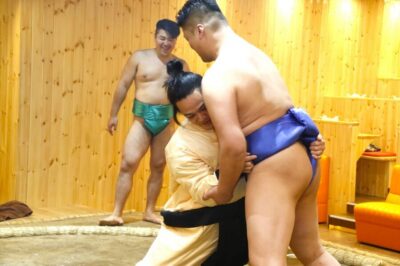
Sumo Show Experience with Chicken Hot Pot and a Photo
Read our review →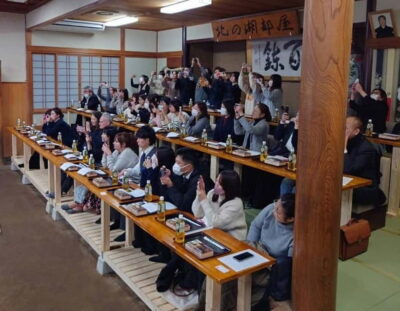
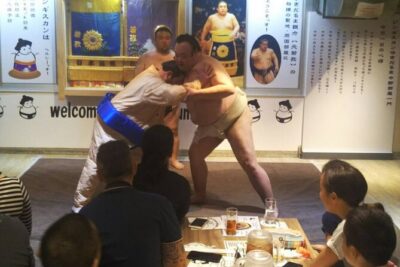
Tokyo Shinjuku Sumo Show & Experience with Photo
Read our review →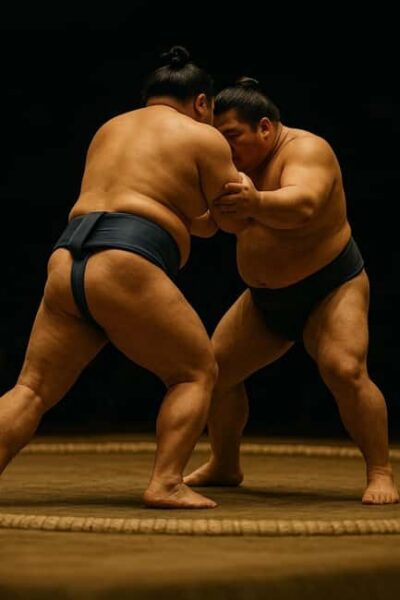
Sumo Show & Experience w/ Optional Kimono & Hot Pot
Read our review →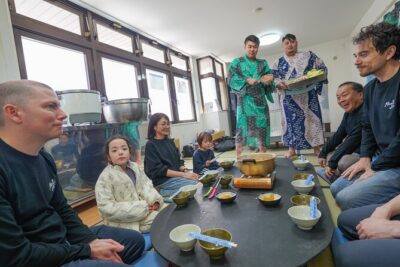
Authentic Sumo Experience in Tokyo: Enter the Sanctuary
Read our review →Browse the lists this tour appears in