
REVIEW · FOOD MARKET TOURS
Specialties of Nagoya Food Tour
Nagoya’s food scene makes a strong first impression with red miso udon, grilled freshwater eel, shrimp tempura rice balls, and peppery chicken wings. This three-and-a-half-hour walk takes you through Sakae, Oasis 21, and Matsuzakaya Nagoya, with food and drinks served along the way rather than left for you to figure out.
I like the small maximum of six people, which gives you room to ask questions and makes restaurant stops less clumsy. I also like the cultural stories, from Japanese demons and famine to the proper way to eat hitsumabushi. The main caution is the food: it is not suitable for vegans or vegetarians, and the menu is pre-selected and can change with availability.
In This Review
- Key points to know before you book
- Why Nagoya food deserves its own tour
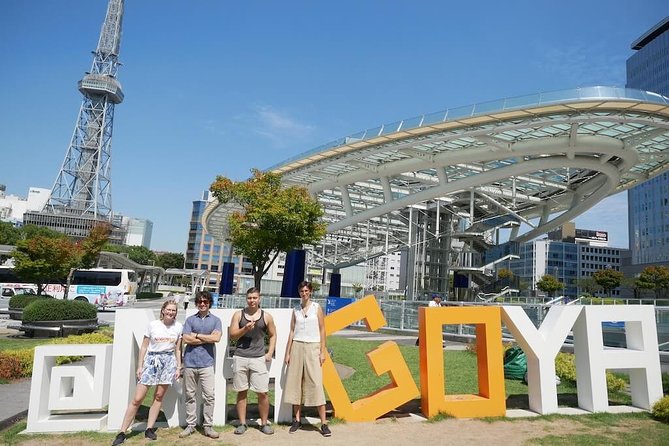
- Starting near MIRAI TOWER in Sakae
- Red miso udon and Nagoya’s stronger flavors
- Pickles, rice balls, and the stories behind them
- Oasis 21 and the city’s everyday food setting
- Matsuzakaya Nagoya and the department store basement
- Learning the right way to eat hitsumabushi
- The sweet potato treat, demons, and famine
- Evening izakaya food and spicy chicken wings
- What the $150.89 price really covers
- Guides who shape the experience
- Who should book this food walk
- Should you book Specialties of Nagoya Food Tour?
- FAQ
- How long is the Nagoya food tour?
- Where does the tour begin?
- Where does the tour end?
- How many people can join?
- What foods are included?
- Is a drink included?
- Is the tour suitable for vegetarians or vegans?
Key points to know before you book
- Red miso udon is a central tasting: Expect handmade udon in a steaming red miso broth, one of Nagoya’s most distinctive local dishes.
- Hitsumabushi comes with instructions: Your guide explains how to eat Nagoya’s eel dish in stages, rather than simply placing it in front of you.
- The walk links Sakae’s food and shopping landmarks: Stops include Oasis 21, Matsuzakaya Nagoya, and the area around Chubu Electric Power MIRAI TOWER.
- Your guide handles the ordering: This is especially useful if you do not read Japanese menus or feel unsure about restaurant customs.
- The food is included: You receive five or six foods and snacks, with one drink at the final stop on nighttime tours.
- The group is intimate: The tour is limited to six people, and the activity is described as private to your group.
Why Nagoya food deserves its own tour
Nagoya is often treated as a convenient stop between Tokyo and Kyoto. That is a mistake if you care about food. The city has a strong local style, and many of its best-known dishes are not simply standard Japanese fare found everywhere else.
Red miso is the key flavor. It gives the udon broth a darker, saltier, more forceful taste than the mild broths you may have tried elsewhere. The tour also introduces hitsumabushi, Nagoya’s eel dish, along with chicken wings, pickles, rice balls, and a local sweet potato treat.
I like this mix because it shows several sides of the city. You are not spending three hours eating the same type of dish. You move from noodles to rice, seafood, snacks, sweets, and izakaya food. That variety gives you a better sense of Nagoya than a single restaurant meal would.
The tour also explains how food connects with local stories. You hear about Japanese demons and famine in relation to a sweet potato confection, and you learn the story behind rice balls filled with shrimp tempura. These details give the food a reason to be remembered.
More food market tours in Nagoya:
- Tokyo: Shinjuku Food Tour (13 Dishes at 4 Local Eateries)
★ 5.0 · 6,603 reviews - Tokyo Tsukiji Fish Market Food and Culture Walking Tour
★ 5.0 · 3,184 reviews - Osaka: Shinsekai Food Tour with 13-15 Dishes at 5 Eateries
★ 4.8 · 2,204 reviews
Starting near MIRAI TOWER in Sakae
The meeting point is at Chubu Electric Power MIRAI TOWER, at 3-chōme-6-15 in Nishiki, Naka Ward. From there, you begin on foot in the center of Nagoya.
Sakae is a useful starting point because it brings together food, shopping, public spaces, and major city sights. The tour does not treat the neighborhood as a backdrop only. You use the central area to understand where Nagoya residents shop, eat, and meet.
Expect a fair amount of walking. The breaks at restaurants matter, since they give you time to sit, eat, and recharge. Still, this is not a good choice if you want a seated tasting with very little movement. Wear comfortable shoes and avoid arriving hungry enough to rush the first tasting, since the food comes in several stages.
The meeting point is near public transportation, and you arrange your own way there and back. The tour ends at the original meeting point, which makes the return simple but means you should not expect a drop-off at your hotel or station.
Red miso udon and Nagoya’s stronger flavors
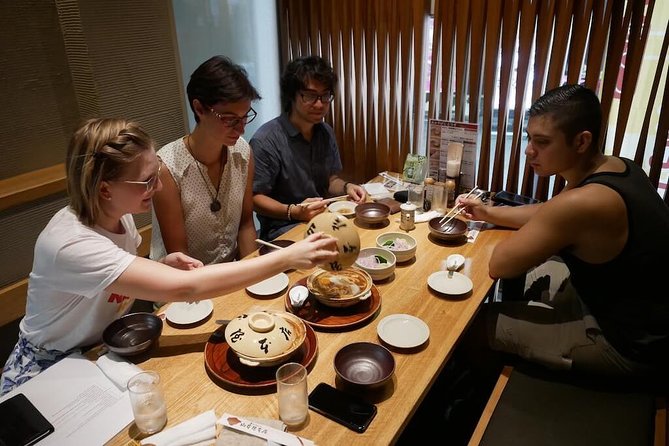
One of the first important tastings is miso nikomi udon. The dish uses udon noodles in a hot soup made with red miso paste. The broth is the point. It is hearty and full-flavored, and it gives you a clear introduction to Nagoya’s preference for bolder seasoning.
The noodles are described as handmade, which adds another useful detail. You are not only tasting a regional flavor, but also seeing how the dish is prepared and served as a local specialty. If you have only eaten light noodle soups, this may taste more intense than expected.
Your guide orders the food, so you do not have to work through a Japanese menu while a small restaurant waits. That assistance is practical, not decorative. It lets you focus on what is in the bowl and ask why it tastes different from udon elsewhere.
Food is pre-selected, and availability can change. That means you should think of the published foods as the planned range, not an absolute guarantee of every item. If one dish is unavailable, the replacement may still fit the local food theme, but you should not book expecting a fixed tasting menu.
Pickles, rice balls, and the stories behind them
The tour adds smaller foods that help fill in the picture. You may taste pickles made from the world’s longest radish, along with local rice balls filled with shrimp tempura.
These are the kinds of stops I value on a food walk. A large bowl of noodles tells you one thing, but a pickle or rice ball shows how local foods appear in everyday eating. The shrimp tempura filling also gives a familiar ingredient a different form.
The guide explains the story behind the rice balls, which turns a quick snack into a cultural lesson. You can ask questions as you eat, rather than trying to remember the name of a dish from a menu later.
The smaller tastings also help with pacing. You walk between stops, then pause for food. That pattern is easier on the stomach than a long parade of full restaurant meals, although the exact amount depends on what is available and how the menu is arranged that day.
A few more Nagoya trips to weigh up
- Nagoya Street Food Walking Tour of Osu
★ 5.0 · 28 reviews - Nagoya Endoji Food and Cultural Tour
★ 5.0 · 12 reviews - Osaka Food Tour: 13 Dishes at 5 Local Eateries
★ 5.0 · 2,149 reviews - Tokyo: Shinjuku Food Tour (15 Dishes and 4 Eateries)
★ 4.9 · 2,033 reviews
Oasis 21 and the city’s everyday food setting
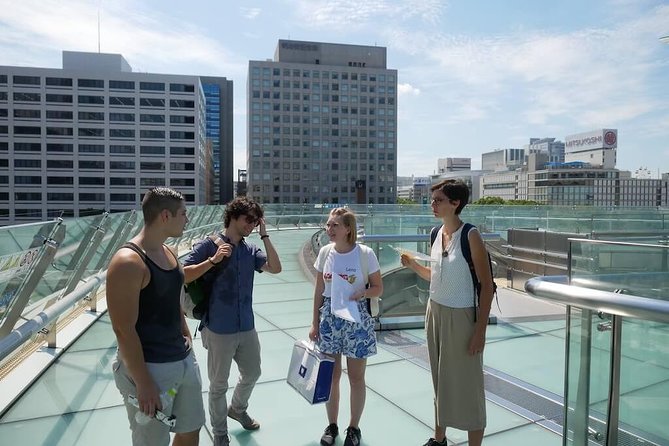
Oasis 21 is one of the named stops. It is a central Nagoya landmark, and its location helps connect the tour’s food stops with the city’s public spaces and shopping district.
The experience is not limited to old-style restaurants. It includes the modern center of Nagoya, where department stores, underground shopping areas, and dining options operate side by side. That mix is useful because it shows you how local food fits into the present-day city.
Oasis 21 also gives the walking route a clear structure. You are not simply taken from one anonymous restaurant to another. The guide uses recognizable places to help you remember where the food stops were located.
Do not expect a sightseeing tour with long architectural explanations at each landmark. Food remains the purpose. The city stops support the food story, and you may have more time at some places than others depending on restaurant timing and availability.
Matsuzakaya Nagoya and the department store basement
Matsuzakaya Nagoya is another major stop, with an exploration of the underground level of Japan’s oldest department store. This is one of the more interesting parts of the route for anyone who likes to see how people actually buy food.
Japanese department store basements are known for their food sections, and the stop gives you a look at that shopping culture. You may find prepared foods, sweets, snacks, and carefully presented products in one concentrated place. The supplied details do not promise a fixed set of basement tastings, so treat this as an exploration rather than a guaranteed shopping list.
I like this stop because it broadens the experience beyond restaurant dishes. You see food as retail, gift, convenience, and presentation. It also gives you a useful place to return if you want to buy something later in your trip, although the tour itself is not advertised as a shopping excursion.
Learning the right way to eat hitsumabushi
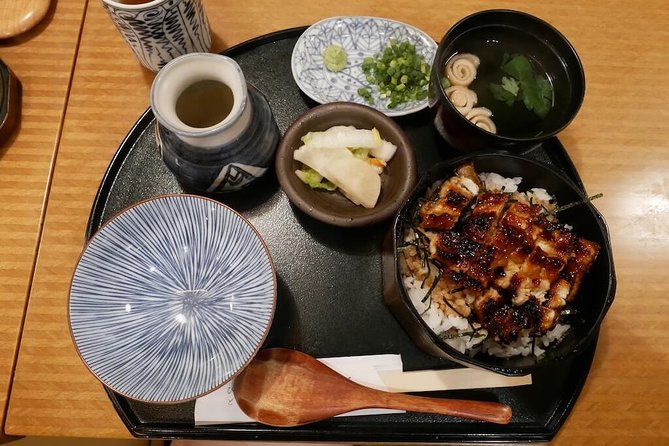
Hitsumabushi is one of the tour’s headline dishes. It is made with freshwater eel, and the guide explains how to eat it.
That instruction matters. Hitsumabushi is not simply a serving of grilled eel over rice with one fixed method. The appeal comes from trying it in stages, using different additions or preparations as directed. Your guide helps you understand the intended sequence so you do not miss the point of the dish.
For many people, this will be their first taste of unagi. The dish can be a highlight, but it is worth knowing that eel has a distinctive texture and flavor. If you already like grilled fish, you may be especially pleased. If you are uncertain about seafood, ask the guide about the tasting before it is served.
The cultural explanation also adds value. You are learning a local dish and a local eating practice at the same time. That is more useful than merely checking eel off a food list.
The sweet potato treat, demons, and famine
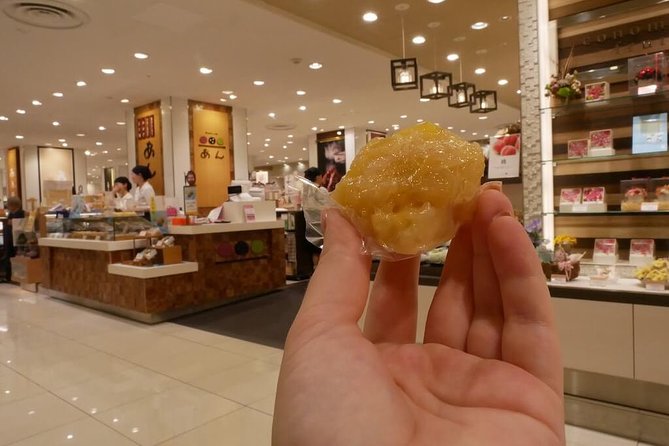
A local sweet potato treat brings a different kind of story. The guide connects it with Japanese demons and famine, showing how food can carry old fears, beliefs, and memories.
This is the sort of detail that makes a short tasting easier to recall. You may forget the exact name of a sweet, but you are more likely to remember why it was linked with a difficult period or a traditional story.
The tour does not present Nagoya food as a collection of trendy dishes. It gives you some context for why local specialties developed and how they fit into Japanese culture. The stories may be especially useful if you want more than photographs and restaurant recommendations.
Because the food is pre-selected, the precise sweet potato item can change. If sweets are important to you, ask what is being served when you meet the guide.
Evening izakaya food and spicy chicken wings
The nighttime version ends at a popular Nagoya izakaya, where you learn about Japanese drinking culture. The final food includes peppery chicken wings, paired with one alcoholic or non-alcoholic drink.
This is a good ending for people who want the social side of Nagoya food. An izakaya is about small dishes, drinks, and conversation, not just a formal meal. The wings give you a local specialty with a sharper, spicier profile than the gentler snacks earlier in the tour.
One drink is included at the last stop on nighttime tours. You can choose an alcoholic or non-alcoholic option, which makes the ending workable for people who do not drink.
There is a scheduling point to check. The general hours shown for this experience are 10:00 a.m. to 5:00 p.m., but the food description also includes a dinnertime option and an evening izakaya stop. Confirm the available start time when you book, especially if the nighttime format is the reason you are choosing the tour.
What the $150.89 price really covers
At $150.89 per person, this is not a bargain snack walk. The value depends on how much help and food guidance you want.
You receive five or six foods and snacks, all fees and taxes, and the included tastings. A nighttime booking also includes one drink at the final stop. The guide handles ordering, explains the foods, and leads the walking route through central Nagoya.
That combination can justify the cost for a first visit, particularly if you would otherwise spend hours researching restaurants and still feel unsure about what to order. The small group also matters. A group capped at six gives the guide a better chance to answer your questions and adjust explanations to your interests.
The price is less compelling if you already speak Japanese, know Nagoya’s specialties, and prefer to choose each restaurant yourself. It is also not the best fit if you want a large meal at one high-end restaurant. Think of the fee as payment for a guided introduction, several tastings, and cultural explanation rather than a simple dinner.
The tour is often booked about 60 days ahead, so plan early if your Nagoya dates are fixed. Confirmation arrives within 48 hours, subject to availability. You can cancel for a full refund up to 24 hours before the start time, but late cancellations and changes are not accepted.
Guides who shape the experience
The guide can make or break a food tour, and the named guides connected with this experience include Patricia, Erica, and Lena.
Patricia brings an unusual personal perspective. She is from Peru, has Japanese ancestry, and moved to Japan at 19. That background can add a useful layer to conversations about belonging, food, and Japanese culture, and it gives the tour a voice beyond a memorized restaurant script.
Erica and Lena are also named as guides associated with enjoyable tours. The available information does not guarantee which guide you will receive, so do not book on the assumption that one particular person will lead your departure unless the provider confirms it.
The guide’s practical job is important in every case. You are shown how to eat hitsumabushi, told the stories behind less familiar foods, and helped through ordering. That removes much of the stress for first-time visitors to Nagoya.
Who should book this food walk
I would recommend it most strongly to first-time visitors who want a quick but substantial introduction to Nagoya’s local dishes. It suits people who like walking, trying several small portions, and asking questions as they go.
It also works well for families and private groups, since only your group participates and the maximum is six people. The format gives you more control over the conversation than a large public tour would.
You should think twice if you are vegan or vegetarian. The experience is specifically marked as unsuitable for those diets. If you have food allergies or other restrictions, contact the provider before booking rather than hoping the pre-selected menu can be changed.
This is also not ideal for anyone who dislikes walking, cannot eat seafood, or wants full control over every dish. The menu is set in advance and can change based on availability, so flexibility is part of the deal.
Should you book Specialties of Nagoya Food Tour?
Book it if you want an efficient introduction to Nagoya’s food culture and would appreciate help with ordering and local customs. The strongest reasons are the small group, the range of specialties, and the explanation of dishes such as red miso udon and hitsumabushi.
I would especially choose the evening format if you want to understand izakaya drinking culture and try peppery chicken wings with a drink. Confirm the available evening schedule first, since the published hours and dinnertime description do not line up perfectly.
Skip it if you are vegetarian, need a fully customized menu, or prefer to discover restaurants independently. For everyone else, the $150.89 fee buys more than food: it gives you a practical map of Nagoya’s flavors and enough guidance to keep eating well after the tour ends.
FAQ
How long is the Nagoya food tour?
The tour lasts approximately 3 hours and 30 minutes.
Where does the tour begin?
It begins at Chubu Electric Power MIRAI TOWER, at 3-chōme-6-15 Nishiki, Naka Ward, Nagoya, Aichi 460-0003, Japan.
Where does the tour end?
The activity ends back at the original meeting point.
How many people can join?
The tour is limited to six people, and it is described as a private activity for your group.
What foods are included?
The tasting includes five or six foods and snacks. Planned specialties include miso nikomi udon, pickles, shrimp tempura rice balls, a local sweet potato treat, hitsumabushi with freshwater eel, and peppery chicken wings. Food is pre-selected and may change based on availability.
Is a drink included?
One alcoholic or non-alcoholic drink is included at the last stop on nighttime tours. The listed inclusions do not specify a drink for daytime tours.
Is the tour suitable for vegetarians or vegans?
No. The experience is marked as unsuitable for vegans and vegetarians. If you have food allergies or other dietary restrictions, you should contact the provider before booking.
More Food in Nagoya
- Best of Shinjuku: Izakaya Food Tour (4 Stops, 14+ Tastings)
★ 5.0 · 1,863 reviews - Kyoto Night Foodie Tour in Gion (9+ dishes + 6 Sake tastings)
★ 5.0 · 1,762 reviews - Hungry Osaka Street Food Tour:15 Tastings & 3 Drinks with a Local
★ 5.0 · 1,727 reviews - Tokyo: Tsukiji Fish Market Food and Walking tour
★ 5.0 · 1,724 reviews
Just added around Nagoya
- Pub Crawl in Nagoya★ 5.0 · 15 reviews
- Walking Small-Group Nagoya City Tour★ 5.0 · 13 reviews
- Sumo Tournament Experience in Nagoya★ 5.0 · 12 reviews
- Nagoya Endoji Food and Cultural Tour★ 5.0 · 12 reviews
- Nagoya: 2026 Hida Takayama Shirakawa-go Light-up Winter Tour★ 3.5 · 16 reviews
- Private Full-day Nagoya City Tour★ 5.0 · 22 reviews
- Nagoya Street Food Walking Tour of Osu★ 5.0 · 28 reviews
- Nagoya Private Tour with a Local: Highlights & Hidden Gems★ 5.0 · 13 reviews
Food Market Tours, compared.
Shinjuku Food Tour (13 Dishes at 4 Local Eateries)
Read our review →
Tokyo Tsukiji Fish Market Food and Culture Walking Tour
Read our review →
Shinsekai Food Tour with 13-15 Dishes at 5 Eateries
Read our review →
Osaka Food Tour: 13 Dishes at 5 Local Eateries
Read our review →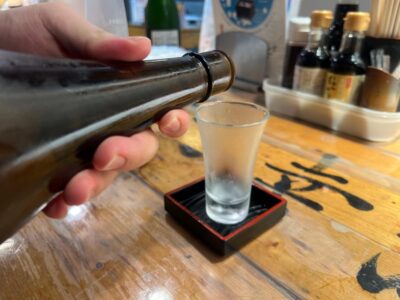
Shinjuku Food Tour (15 Dishes and 4 Eateries)
Read our review →
Best of Shinjuku: Izakaya Food Tour (4 Stops, 14+ Tastings)
Read our review →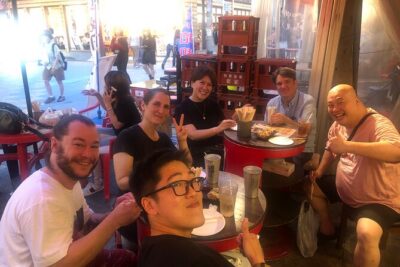
Hungry Osaka Street Food Tour:15 Tastings & 3 Drinks with a Local
Read our review →
Browse the lists this tour appears in