
REVIEW · WORKSHOPS
Nagoya: Traditional Japanese Sweets-Making Workshop
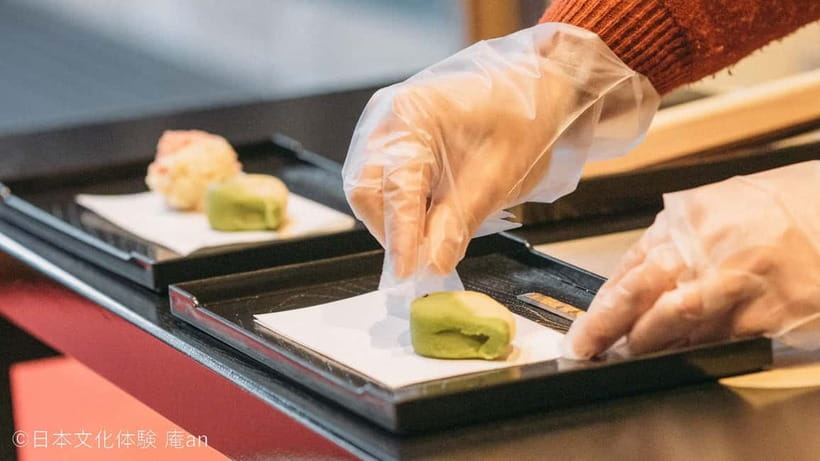
Nagoya’s nerikiri workshop turns a small sweet into a hands-on piece of Japanese culture. You’ll shape two seasonal sweets from white and red bean paste made by long-established Kyoto shops, then eat your work on the spot. The class uses a clear demonstration format, and English support is available as much as possible.
I like the low price and the fact that the ingredients are not a shortcut. I also like the seasonal theme, since the shapes and colors connect your snack to the time of year. The main drawback is the language setup: the instructor teaches in Japanese, so you should request English support ahead of time if you need detailed help.
In This Review
- Key points before you book
- Making sweets that look too pretty to eat
- Why the Kyoto bean paste matters
- Two seasonal designs, not a generic craft project
- A 65-minute activity that fits Nagoya plans
- What the classroom format feels like
- Is $11 good value for this Nagoya experience?
- Who should book this workshop
- Planning the visit without a rushed start
- The best way to approach the class
- Should you book Nagoya’s nerikiri workshop?
- FAQ
- Where is the Japanese sweets workshop held?
- How long does the activity last?
- How many Japanese sweets will I make?
- What ingredients are used?
- Is the workshop taught in English?
- Can I eat the sweets after making them?
- Can I take the sweets away?
- Is the venue accessible by elevator?
- What happens if I arrive late?
- Can I cancel for a full refund?
Key points before you book
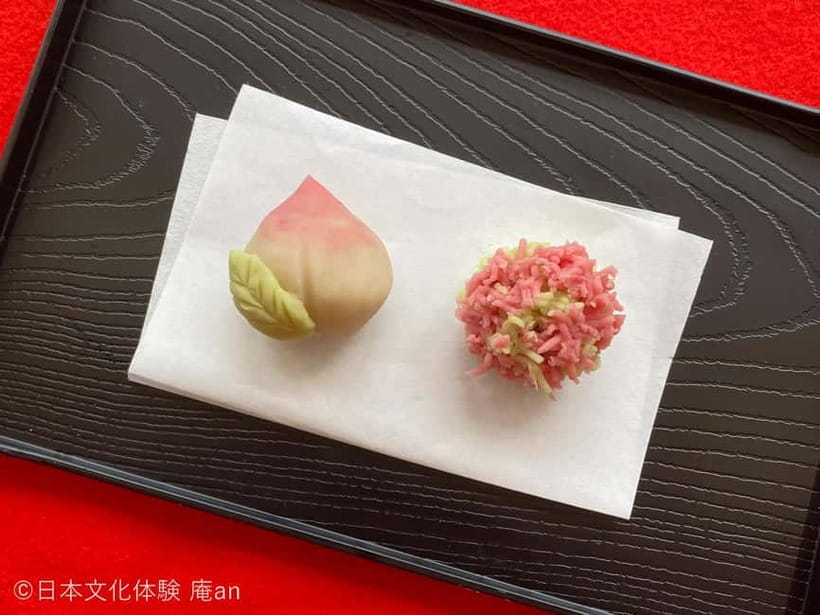
- Two seasonal nerikiri sweets: You make two pieces, with designs matched to the season.
- Kyoto-made bean paste: The workshop uses white and red bean paste from long-established Kyoto shops.
- 65-minute class: It fits neatly into a Nagoya sightseeing day without taking half your afternoon.
- Japanese-led instruction: The main language is Japanese, with English translation provided as much as possible.
- Central meeting point: The venue is one minute from Exit 3 of Kokusai Center Station and 13 minutes from Nagoya Station.
- Eat your creations immediately: A take-out box is available for 100 JPY if you want to carry them away.
Making sweets that look too pretty to eat
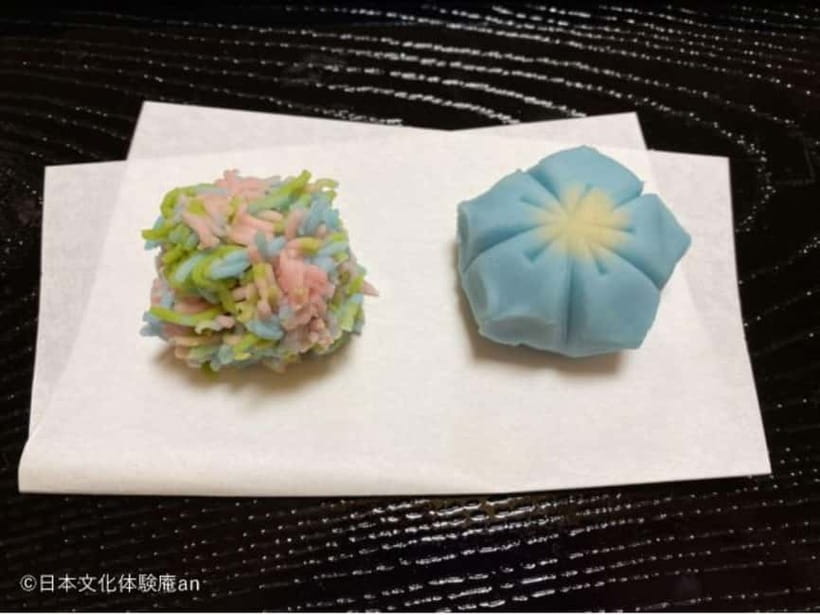
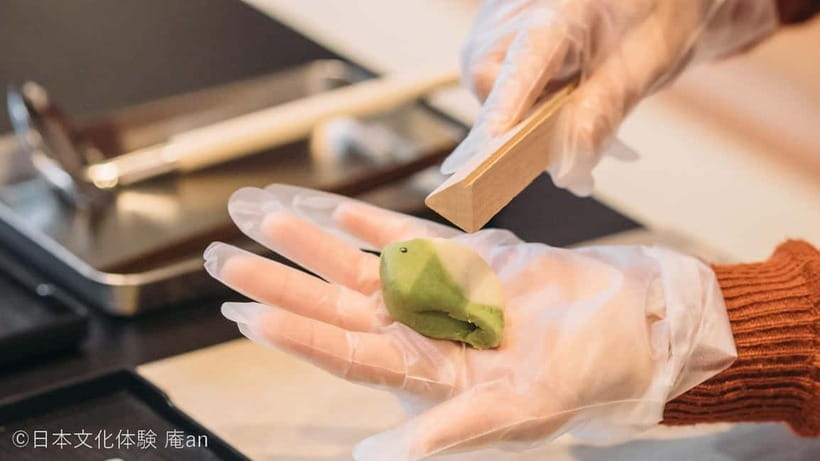
Nerikiri is a traditional Japanese sweet made by shaping bean paste into seasonal forms. It is served with tea and valued for appearance as much as taste. You are not simply decorating a ready-made dessert here. You handle the paste, shape it, and turn it into two finished sweets.
The workshop begins with an instructor demonstration. The class is taught in Japanese, but English explanations are provided as much as possible. A recent class format had around 20 people, so you should expect a small classroom rather than a private lesson.
That group size has two sides. It gives the room a shared, friendly feel and lets you watch other people solve the same shaping problems. It also means the instructor cannot spend the entire hour at your individual station. Pay close attention to the demonstration, and ask for English help before the class if you want extra guidance.
The instruction has been described as gentle and clear, with good English support in some sessions. Still, the official language is Japanese, and the level of English help can vary. This is a practical point, not a deal breaker. Nerikiri is taught through hand movements as much as spoken explanation, so watching carefully matters.
A few more Nagoya trips to weigh up
- Nagoya: Japanese Traditional Sweets making and Tea Ceremony
★ 4.9 · 76 reviews - Matcha Making Class in Tokyo with Authentic Japanese Sweets Set
★ 5.0 · 744 reviews - Matcha Making Class in Osaka with Authentic Japanese Sweets Set
★ 5.0 · 509 reviews
Why the Kyoto bean paste matters
The workshop uses white and red bean paste produced by long-established shops in Kyoto. That detail adds real value to a $11 activity. You are working with an ingredient that is part of the sweet’s identity, not just an inexpensive substitute chosen for convenience.
White bean paste, known as shiro-an, has a smooth, mild taste. Red bean paste, or anko, brings the familiar sweet bean flavor associated with many Japanese desserts. You will use these pastes as the base for your two seasonal sweets.
The experience does not list a long tasting menu, and that is fine. The point is to understand how a simple paste becomes something refined through careful shaping. The price gives you an accessible introduction to Japanese confectionery without asking you to commit to a full cooking course.
Taste is also built into the plan. Once you finish, you can eat both sweets at the venue. If you want to save them, a take-out box costs 100 JPY. Since the sweets are handmade, carrying them away may be useful, but eating them fresh lets you enjoy the result without worrying about how well delicate shapes will travel.
Two seasonal designs, not a generic craft project
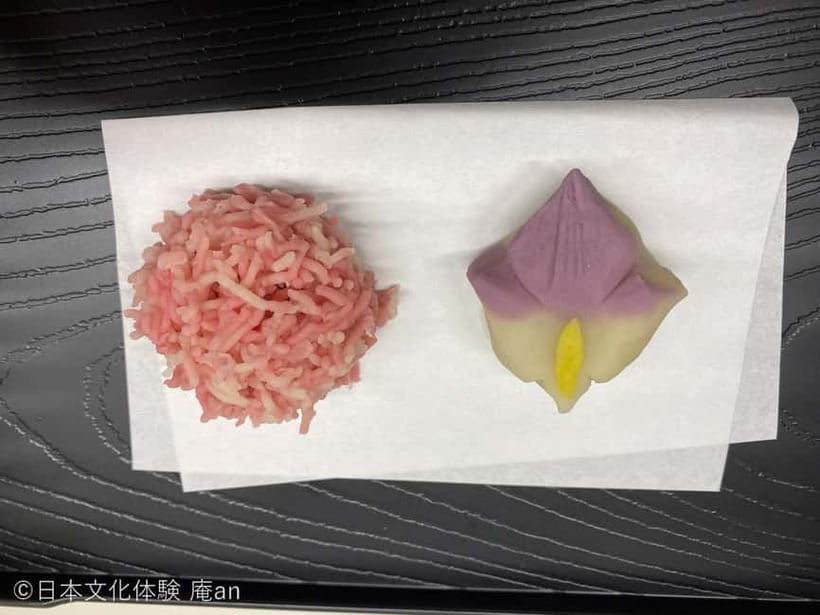
You make two nerikiri sweets matching the season. The exact designs are not specified in advance, so the activity changes through the year. That gives repeat visitors a reason to return and keeps the class connected to Japanese seasonal customs.
Seasonal sweets are one of the most appealing parts of Japanese food culture. A sweet can suggest flowers, leaves, fruit, snow, or another time-of-year image through color and shape. Here, you get to make that connection yourself rather than simply buying a finished piece in a shop.
The final presentation is part of the pleasure. When you place the handmade sweets on a plate, the activity shifts from food preparation to edible art. Your results may not look exactly like the instructor’s, which is part of the fun. The finished pieces are meant to be eaten, but they also give you a small, personal souvenir of the class.
Do not expect professional pastry precision after 65 minutes. The workshop is an introduction, not a certification course. You get the satisfaction of making two recognizable sweets, along with a better sense of the patience and control behind Japanese confectionery.
A 65-minute activity that fits Nagoya plans
The full session lasts 65 minutes. That is long enough for a demonstration, hands-on shaping, and time to eat your sweets, while still leaving room for other plans in Nagoya.
I would place this activity between major sightseeing stops rather than build an entire day around it. The central location makes that easy. Kokusai Center Station is on Nagoya’s Sakura-dori subway line, and the venue is one minute from Exit 3. From the Sakura-dori side of Nagoya Station, the walk takes about 13 minutes.
The meeting point is at 35.1715323, 136.891893. The venue is on the third floor, and there is no elevator. That matters if you are carrying heavy luggage or need step-free access. Arrive with enough time to find the building and climb the stairs. The class cannot be held for late arrivals, so a last-minute dash from Nagoya Station is a poor plan.
The operating hours are 10:00 to 17:00. Reservations received after 17:00 are processed the next day. Check the available start times when booking, since the 65-minute duration alone does not tell you the daily schedule.
Same city, a completely different kind of day:
- From Nagoya: Gujo, Hida Takayama, and Shirakawa-go Day Tour
★ 4.4 · 398 reviews - Ghibli Park 1-Day Bus Tour from Nagoya
★ 4.5 · 277 reviews - From Nagoya: Hida Takayama & Shirakawa-go Tour w/Opt. Lunch
★ 4.5 · 256 reviews - Hiking the Historic Nakasendo Trail [1 Day Tour from Nagoya]
★ 5.0 · 104 reviews
What the classroom format feels like
This is a practical workshop, not a lecture. You will watch the instructor, work with the paste, and follow the shaping process. The classroom format keeps the focus on doing rather than listening to a long explanation.
The instructor is Japanese, and the official language is Japanese. English translation is provided as much as possible, and several class sessions have had clear demonstrations and useful English support. If you need English assistance, contact the provider before the date of your visit and ask for it to be added.
The absence of a named instructor means you should not book this expecting a particular teacher. The quality of the class depends partly on the instructor leading your session and partly on how closely you follow the demonstration. A calm approach helps. The paste is forgiving enough for beginners to try, but small details in shaping can affect the final look.
The class can suit solo participants and groups. A solo booking gives you a quiet creative hour among other students, while a group can compare shapes and results afterward. Since everyone makes two pieces, you have enough material to practice without the class becoming a long kitchen session.
Is $11 good value for this Nagoya experience?
At $11 per person, this is inexpensive for a guided cultural activity in a central part of Nagoya. The fee includes the traditional sweet-making experience, the ingredients, instruction, and two sweets to eat. You are paying for participation, not only for a snack.
The Kyoto bean paste improves the value. So does the seasonal design, since the activity offers more cultural context than a standard food sample. The workshop is also short enough to combine with a subway trip, a shopping stop, or sightseeing near Nagoya Station.
There are a few extra charges. A take-out box costs 100 JPY, and an experience completion certificate costs 300 JPY. If you want a nominative certificate, provide your name in advance. Otherwise, the name area will be left blank.
The certificate is optional and adds little for most people. The box may be worthwhile if you want a physical reminder of the class, but the sweets are designed for immediate eating. I would budget for it only if you know you will want to carry your work away.
Who should book this workshop
I would recommend this activity to anyone curious about Japanese food traditions but short on time. It works especially well for first-time visitors who want something more hands-on than a tasting stop.
It also suits families with children old enough to follow a demonstration and shape the paste. Children under two who sit on a parent’s lap are free. The activity is not a drop-in attraction, though, and children who are not participating cannot enter the experience.
Solo participants should feel comfortable booking. You do not need to arrive with a group, and the classroom arrangement gives you a simple way to take part without social pressure. Couples and friends will enjoy comparing the final designs, particularly if one person takes the artistic task very seriously and the other produces a charmingly lopsided flower.
This is less suitable if you need a fully English-language class, cannot climb to the third floor, or have a tight schedule that leaves no room for a delayed subway connection. It is also not the right pick if you want to take home a large box of sweets. You make only two pieces, and the activity is designed around eating them at the venue.
Planning the visit without a rushed start
The best practical tip is simple: arrive early. The venue is easy to reach from Kokusai Center Station, but the no-elevator third-floor location and strict late-arrival policy make punctuality important.
If you are coming from Nagoya Station, allow more than the stated 13-minute walk if you are unfamiliar with the area, carrying bags, or stopping to check directions. From the subway, Exit 3 of Kokusai Center Station is the easier choice because the venue is only about one minute away.
Book at least 24 hours before the activity if you want the option of a full refund. Cancellations made up to 24 hours in advance qualify for a full refund, while later cancellations can incur a fee. A change of date or time after a cancellation fee has been charged can also bring an additional specified fee.
The provider does not compensate you for travel costs if you cancel. That makes it wise to check your route and schedule before setting out. Reserve and pay later is available, which lets you hold a place without paying immediately and keeps your plans more flexible.
The best way to approach the class
Do not worry about making perfect sweets. The purpose is to learn the basic process and enjoy the contrast between a plain lump of paste and a finished seasonal design.
Watch the demonstration before touching your ingredients. Since the main instruction is in Japanese, visual attention is especially useful. If you want more English explanation, arrange that in advance rather than relying on a last-minute request.
Take a moment to look at your finished sweets before eating them. The plate is part of the experience, and the visual result is one of the reasons nerikiri is so closely linked with tea culture. Then eat them while they are fresh, or pay 100 JPY for a take-out box if you prefer to save them.
Do not book this class as a substitute for a full Japanese cooking lesson. You make two sweets in just over an hour, not an entire meal. What you receive is more focused: a close look at one traditional craft, with a chance to create and taste the result.
Should you book Nagoya’s nerikiri workshop?
Book it if you want an affordable, central, beginner-friendly activity with a clear seasonal focus. The Kyoto bean paste, two handmade sweets, and 65-minute schedule make this a strong choice for a spare morning or afternoon in Nagoya.
I would especially choose it for a first introduction to Japanese confectionery, a rainy-day plan, or a family and group activity that does not require a full day. Request English support ahead of time, arrive early for the third-floor venue, and remember that the instructor teaches in Japanese.
Skip it if you need step-free access, cannot risk any language uncertainty, or want a substantial meal-sized cooking experience. For most other visitors, $11 is a small price for a creative hour, two seasonal sweets, and a better understanding of why Japanese desserts are treated as art as well as food.
FAQ
Where is the Japanese sweets workshop held?
The venue is one minute on foot from Exit 3 of Kokusai Center Station on Nagoya’s Sakura-dori subway line. It is about a 13-minute walk from the Sakura-dori side of Nagoya Station. The coordinates are 35.1715323, 136.891893.
How long does the activity last?
The workshop lasts 65 minutes.
How many Japanese sweets will I make?
You will make two seasonal Japanese sweets called nerikiri.
What ingredients are used?
The workshop uses white and red bean paste produced by long-established shops in Kyoto.
Is the workshop taught in English?
The instructor teaches in Japanese. English translation is provided as much as possible, and you should contact the provider in advance if you would like English support added.
Can I eat the sweets after making them?
Yes. You can eat your handmade sweets at the venue after completing the activity.
Can I take the sweets away?
Yes. A sweets take-out box is available for 100 JPY.
Is the venue accessible by elevator?
No. The venue is on the third floor, and there is no elevator.
What happens if I arrive late?
The event cannot be held to accommodate delays. Plan to arrive early, especially if you are walking from Nagoya Station.
Can I cancel for a full refund?
You can cancel up to 24 hours in advance for a full refund. Cancellations after that point may incur a fee.
Just added around Nagoya
- Nagoya Private Custom Tour with Local Guide★ 5.0 · 15 reviews
- Nagoya: Japanese Traditional Sweets making and Tea Ceremony★ 4.9 · 76 reviews
- Nagoya: Customized Private Tour★ 4.6 · 15 reviews
- Nagoya: Toyota Commemorative Museum Guided Tour★ 4.7 · 22 reviews
- Nagoya: Grand Sumo Tournament Tour★ 4.8 · 44 reviews
- From Nagoya: Inuyama Castle, Ena Gorge, Magome, Tsumago Tour★ 4.4 · 18 reviews
- Magome-juku, Tsumago-juku & Ena-kyo 1d Bus Tour from Nagoya★ 4.6 · 75 reviews
- Nagoya: 2026 Hida Takayama Shirakawa-go Light-up Winter Tour★ 4.3 · 13 reviews
Workshops, compared.
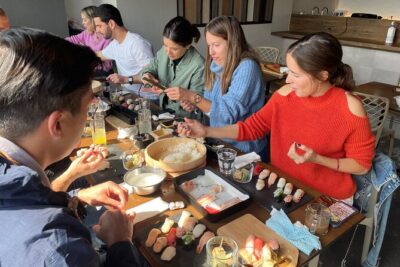
Sushi Making Tokyo Roll and Authentic Japanese Sushi Class
Read our review →
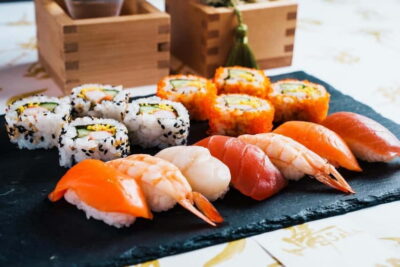
Roll and Authentic Sushi Making Class in Asakusa
Read our review →
Ramen Cooking Class at Ramen Factory in Kyoto
Read our review →
Sushi Making Class in a Happi Coat near a Famous Spot
Read our review →
Sushi Making Osaka Roll and Authentic Japanese Sushi Class
Read our review →
Tokyo Sushi Making Class in Tsukiji with Professional Chef
Read our review →Browse the lists this tour appears in