
REVIEW · KYOTO TOURS
Let’s make only one original onigawara in the world!!
The best part of this Kyoto-area workshop is that you do not simply buy a souvenir. You shape a small onigawara, a traditional demon-faced roof tile, from a lump of clay, then wait for it to be fired and sent to your home. Yuya’s step-by-step method makes the craft manageable even if you have never sculpted before.
I like the calm, hands-on pace and the link to roughly 1,400 years of Japanese tile culture. I also like the tiny group size, capped at five, which gives you room to ask for help. The main drawback is that your finished piece does not go home with you that day, and shipping costs extra.
In This Review
- Key points to know before you book
- Making a guardian from a lump of clay
- A two-hour class with room to work
- Yuya’s teaching style makes the difference
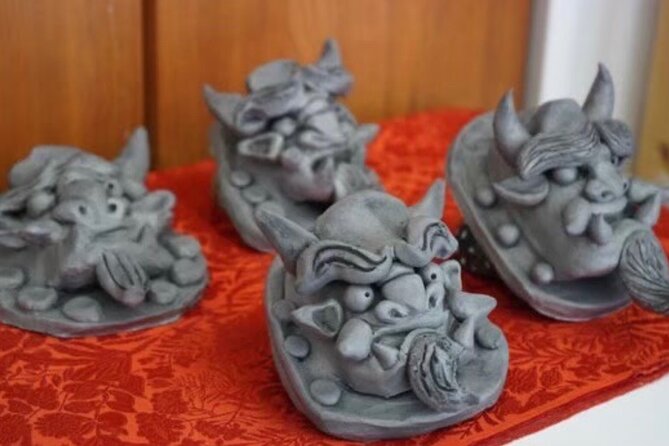
- From soft clay to a silver-colored roof guardian
- What the $90 price really buys
- A useful break from sightseeing
- Practical details that can save you trouble
- Who will enjoy this most
- Should you book the onigawara workshop?
- FAQ
- Where does the onigawara workshop take place?
- How long does the activity last?
- How much does the workshop cost?
- When will my finished onigawara arrive?
- Do I need sculpting experience?
- What languages are available?
- Can I cancel the booking?
Key points to know before you book
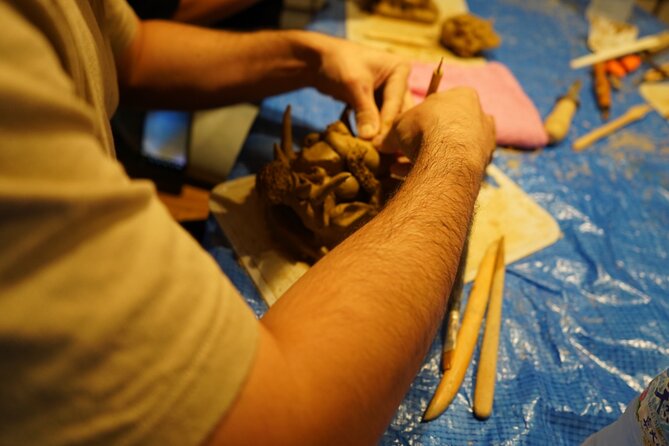
- You make the demon face by hand: Yuya shows you how to build the small tile piece by piece.
- No sculpting experience is required: A procedure developed by the host helps children and beginners succeed.
- The tile has a purpose: Onigawara traditionally helped protect roofs from evil and rainwater.
- Your finished work arrives later: The piece is fired at the workshop and shipped after about 1 to 2 months.
- The group is very small: With no more than five participants, the class feels personal and easy to follow.
- Budget for postage: The $90 activity price does not include shipping, which you pay separately on the day.
Making a guardian from a lump of clay
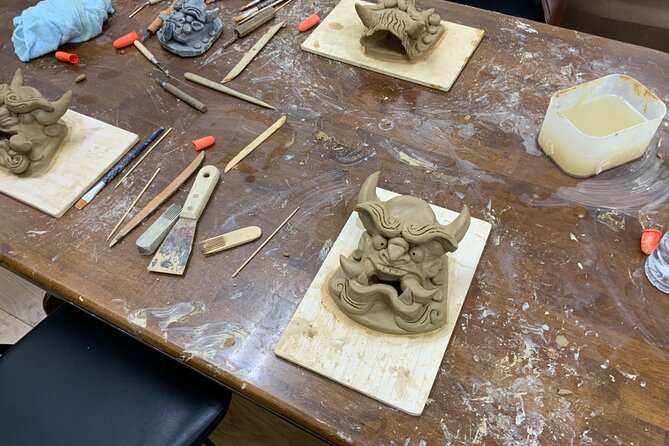
Onigawara are the fierce faces you see at the ends of the main ridge on many traditional Japanese roofs. They often look like ogres or gargoyles, with bulging features and a powerful expression. Their job is not only decorative. These tiles have long been associated with protecting buildings from evil and helping shield the roof from rainwater.
This workshop gives you a small, approachable version of that tradition. You sit at a prepared work station with clay and follow Yuya’s instructions as the plain material slowly becomes a face. The process is broken into manageable steps, so you are not expected to invent a complete sculpture from nothing.
That matters. Traditional roof tiles can look intricate, but the class is designed around a simpler handmade form. Yuya has developed a method that lets children and people with clumsy hands take part. You still have to pay attention, but this is not an art exam.
I like the way the activity connects your hands with the object’s meaning. The clay is not just a craft supply. It represents a small piece of a building tradition that has lasted for about 1,400 years. You create a personal object while learning why this strange, fierce face appears on Japanese roofs.
Other Kyoto days people book alongside this one:
- PERFECT KYOTO 1-Day Bus Tour
★ 5.0 · 13,518 reviews - Kyoto: Fushimi Inari, Kinkakuji, Bamboo Grove 1 Day Bus Tour
★ 4.8 · 4,316 reviews - Kyoto: Tea Ceremony in a Traditional Tea House in Kiyomizu
★ 4.9 · 3,519 reviews
A two-hour class with room to work
The advertised duration is two hours, although one participant described spending closer to three hours in the workshop. That may depend on the pace of the group and how much time you spend talking or refining your figure. Plan for a relaxed session rather than a tightly timed demonstration.
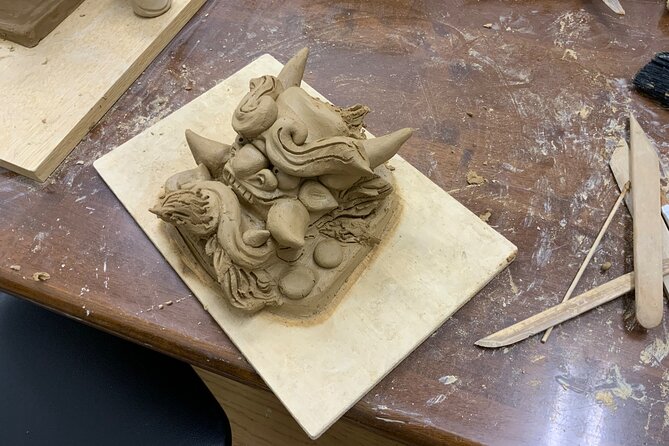
The class begins at Kawarakoubouyouya, the host’s workshop. Clay is prepared at each station, and Yuya leads you through the construction. You manipulate the material, form the different parts of the face, and attach them step by step.
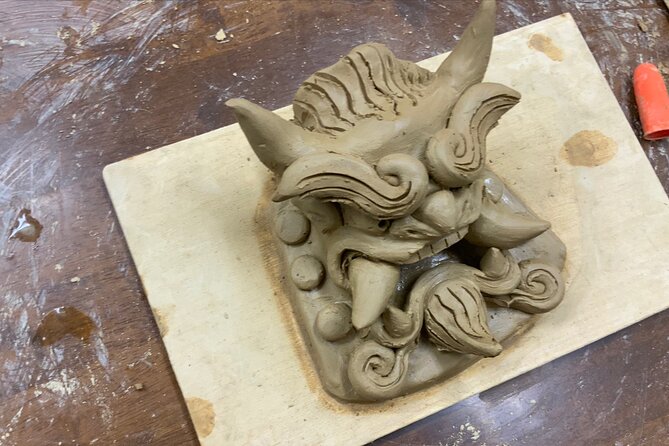
The order matters because the face is assembled from several pieces. Yuya explains how to handle the clay and how to put the parts together. This gives you a clear path through the work, while still leaving room for small differences in expression and shape.
You may find yourself concentrating more than expected. One participant described the group becoming very focused as everyone tried to get each piece right. That quiet concentration is part of the appeal. It gives you a break from sightseeing and a practical task that asks you to slow down.
The class is not presented as a fast tourist stop. You are making something that must dry and be fired, so the experience naturally has a patient rhythm. If you want an activity with constant motion and a long list of sights, this may feel too gentle. If you want a creative pause, the pace works well.
Yuya’s teaching style makes the difference
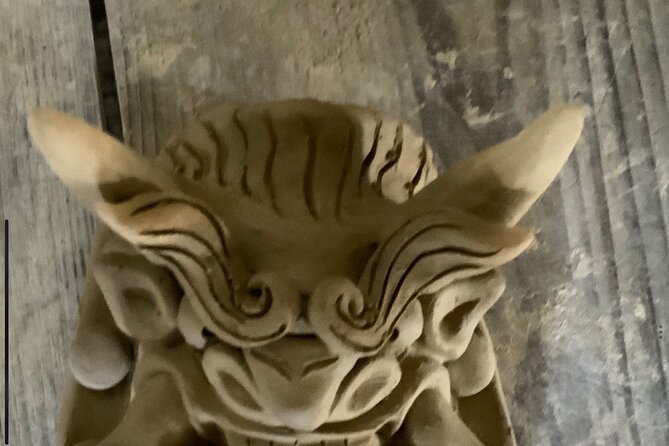
The host, Yuya, is available in English and Japanese. The most important feature of the instruction is the careful, step-by-step guidance. You are shown how to manipulate the clay rather than being left to guess how a small horn, eye, or facial feature should be formed.
The class works especially well for beginners because Yuya can correct the process before a mistake becomes hard to fix. People with little confidence in their hands can follow the established procedure. You do not need to arrive with a sculptor’s eye.
The teaching also includes the history and meaning of onigawara. You learn why demon-like faces were placed on roofs and how roof tiles fit into Japanese culture. That context gives the finished piece more weight than an ordinary clay souvenir.
The atmosphere seems suited to conversation, too. One participant described chatting and laughing with Yuya and the other person in the class. With a maximum of five people, you are not trying to catch instructions from the back of a crowded room.
The small group is a real advantage for families. Children are welcome, and the activity has been described as suitable for all ages. Younger participants may need help with some of the finer steps, but the basic process is designed to be accessible.
From soft clay to a silver-colored roof guardian
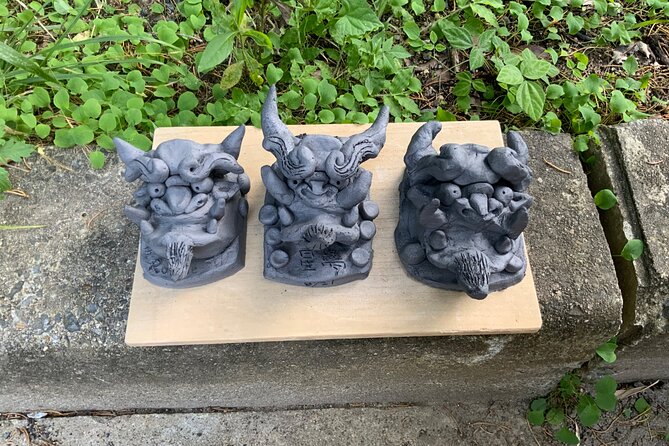
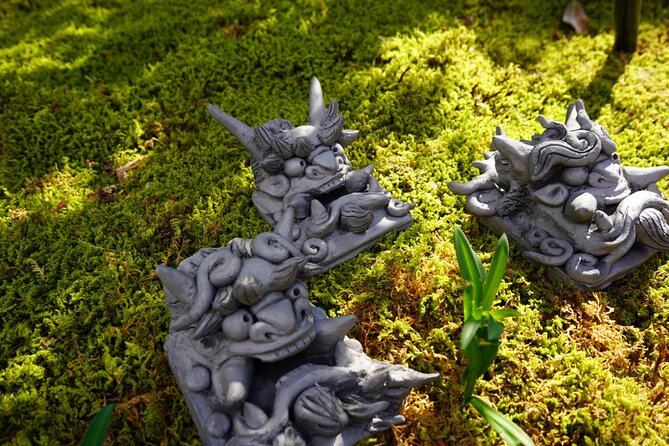
Your onigawara is not finished when the class ends. After the clay dries, Yuya fires it in a kiln at the factory. The piece then changes into its traditional silver color and is sent to your home after about one to two months.
That delay is worth understanding before you book. You will leave without the finished souvenir, so this is not the right choice if you need a gift in your suitcase that evening. Instead, the experience gives you something to look forward to after your Japan trip.
The firing stage also makes the activity feel connected to real tile production. Japan’s tile industry has modernized, but the workshop lets you take part in an older style of making an ogre tile by hand. Your object passes through a process that includes drying, kiln firing, and a change in appearance.
Shipping is not included in the $90 price. You pay the postage separately on the day, and the fired piece is then sent to your home. The exact shipping fee is not provided, so ask at the workshop if you need to plan your total budget closely.
There is also a practical risk in any handmade object. Your finished onigawara may not look exactly like a polished shop item, and small variations are part of the point. You are paying for the making process and the connection to the tradition, not just for a flawless ornament.
Same city, a completely different kind of day:
- Kyoto Geisha Walking Tour: Gion District & Hidden Gems
★ 4.7 · 3,273 reviews - Kyoto: Tea Ceremony Ju-An at Jotokuji Temple
★ 4.9 · 3,207 reviews - Kyoto: Gion Magical Night Walking Tour with Geisha Trivia
★ 4.9 · 2,393 reviews - Kyoto: 45-Minute Tea Ceremony Lesson Experience
★ 4.3 · 2,378 reviews
What the $90 price really buys
At $90 per person, this is more expensive than picking up a mass-produced souvenir. The value comes from the two-hour instruction, your use of the workshop, the clay and firing process, and the chance to make an object with personal meaning.
You also receive a finished piece later, after Yuya has fired it. Shipping costs extra, so the final amount is higher than the advertised activity price. Still, for someone who values a guided craft session and a souvenir made with their own hands, the cost can make sense.
I would compare it with the price of other private or small-group cultural activities in Kyoto rather than with a shop purchase. A store-bought onigawara gives you immediate convenience. This workshop gives you the story of how your particular piece came into being.
The small group helps justify the cost. A class limited to five means the host can watch your progress and explain the tricky parts. The more people in your party, the more useful that arrangement becomes, since you share a creative activity without being separated into a large crowd.
Families should also consider the value of having one activity that works across ages. The workshop can give children a direct way to engage with Japanese tradition instead of only looking at buildings and displays. Adults get a quiet creative session, and everyone has a handmade object arriving later.
A useful break from sightseeing
Kyoto can fill your day with temples, shrines, gardens, and busy streets. This workshop offers a different kind of cultural experience. You are not moving from one famous site to the next. You are sitting down, working with clay, and giving your full attention to one small object.
I especially like this for the middle of a busy trip. After several days of walking, a hands-on class can reset your pace. You still learn about Japan, but the learning happens through making rather than simply listening or taking photographs.
The activity also provides a more personal link to traditional architecture. You may have seen onigawara on temple or house roofs without knowing what they were for. After making one, you are more likely to notice the fierce faces at the ends of roof ridges and understand their protective role.
Do not expect a tour of multiple historic buildings or a broad survey of Kyoto. The historical focus is narrow: kawara, the traditional roof tiles of Japan, and the demon-faced onigawara form. That narrow focus is a strength if you enjoy specialist crafts, but a limitation if you want a general introduction to Japanese culture.
Practical details that can save you trouble
The meeting point is Kawarakoubouyouya, the host’s workshop. Search for the shop on Google Maps before you set out. One participant reported that the Google Maps pin was about 40 meters off and advised moving roughly 40 meters east, so allow a little extra time to find the entrance.
Wear clothes that can get dirty. The activity uses soil and clay, and even a careful maker may end up with material on sleeves or trousers. Comfortable clothing also makes it easier to concentrate on the work instead of worrying about every mark.
The workshop is wheelchair accessible. The host or greeter can communicate in English and Japanese, which makes the class workable for international visitors. Because the group is small, it should be easier to signal when you need an instruction repeated or demonstrated again.
Cancellation is free up to 24 hours before the start time, with a full refund. You can also reserve now and pay later, which is helpful when your Kyoto schedule is still changing.
The activity is listed at two hours, but I would avoid booking a tight appointment immediately afterward. The pace may vary, and some groups may stay longer to finish carefully or talk with Yuya.
Who will enjoy this most
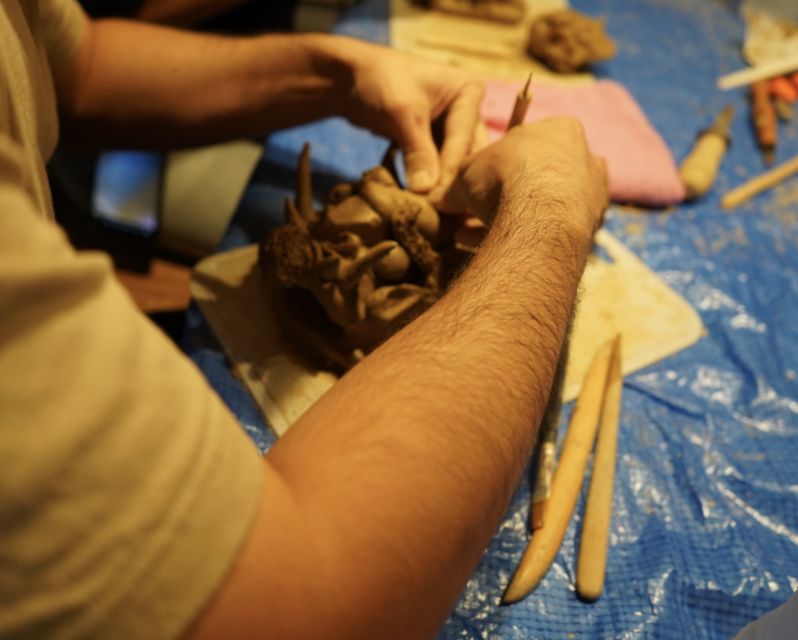
This is a strong choice for families, couples, solo visitors, and anyone who likes making things. Children can take part, beginners do not need prior training, and the small group helps keep the instruction personal.
It also suits you if you want a souvenir with a clear connection to Japan. Your onigawara is not just something bought from a shelf. You shaped the face, watched it change through firing, and received it later at home.
The experience may be less suitable if you dislike waiting for souvenirs or need to control your total spending exactly. The shipping fee is separate, and the finished tile takes one to two months to arrive. It is also not ideal for anyone who wants a polished result without visible handmade character.
Bring patience and a willingness to follow instructions. Yuya’s method makes the process approachable, but you still need to form and attach the pieces carefully. The pleasure comes from seeing the figure take shape, not from rushing to the final step.
Should you book the onigawara workshop?
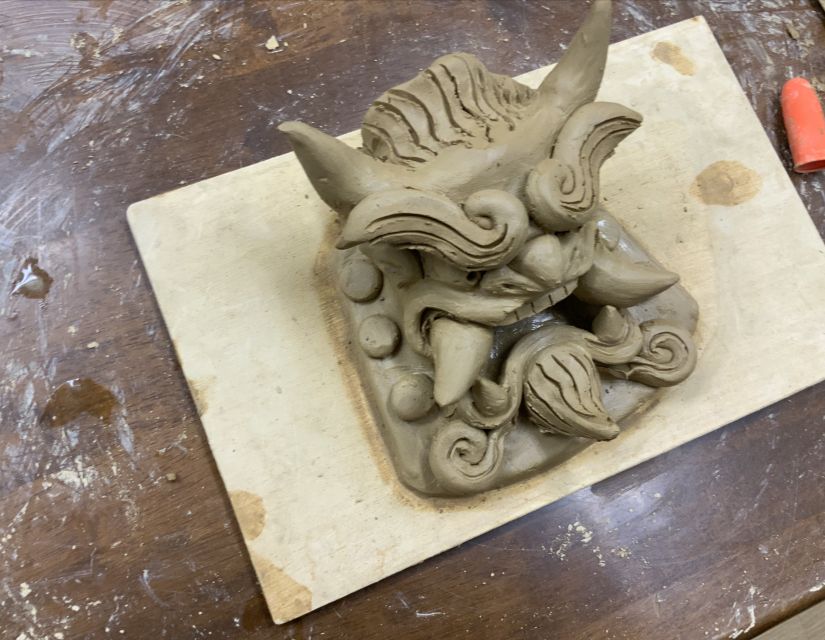
I would book this if you want a quiet, personal activity that connects a handmade object with Japanese roof culture. The patient guidance, small group, child-friendly method, and later kiln firing give the $90 price a clear purpose.
I would skip it if your schedule is packed, your budget cannot stretch beyond the base price, or you need to take the finished souvenir home immediately. For everyone else, this is a thoughtful way to spend two unhurried hours and create a small demon guardian with a story of its own.
FAQ
Where does the onigawara workshop take place?
The meeting point is Kawarakoubouyouya, the host’s shop in Honshu, Japan. Search for KAWARAKOUBOUYOUYA on Google Maps. The map location may be about 40 meters off, so check the surrounding area and allow extra time.
How long does the activity last?
The stated duration is two hours. The actual session may take longer depending on the group’s pace and how much time is spent completing and discussing the figures.
How much does the workshop cost?
The price is $90 per person. Shipping for the fired onigawara is not included and must be paid separately on the day.
When will my finished onigawara arrive?
After the clay dries, Yuya fires it in a kiln. The piece is then sent to your home and should arrive after about one to two months.
Do I need sculpting experience?
No. The host uses a procedure developed to help children, beginners, and people who consider themselves clumsy make an onigawara.
What languages are available?
The host or greeter can communicate in English and Japanese.
Can I cancel the booking?
Yes. You can cancel up to 24 hours before the activity for a full refund. Reserve-now, pay-later booking is also available.
Just added around Kyoto
- Taste of Nishiki Market Walking Food Tour with Local guide★ 5.0 · 17 reviews
- Kyoto: Sushi Making Class with Sushi Chef★ 4.8 · 64 reviews
- Kyoto: City Secrets eBike Tour★ 4.9 · 196 reviews
- Sacred Pathways: Discover the Philosopher’s Path of Kyoto★ 4.9 · 20 reviews
- Private Tour to Monkey Park and Arashiyama Highlights★ 5.0 · 22 reviews
- Private Nara Tour from Osaka – Meet at Your Hotel★ 5.0 · 22 reviews
- Private Sake Tasting in Central Kyoto with Sake Sommelier★ 5.0 · 13 reviews
- Kyoto : Private Custom Walking Tour With A Local Guide★ 4.6 · 144 reviews
Kyoto Tours, compared.
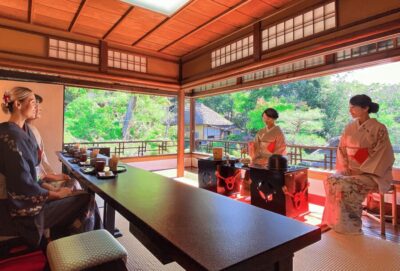
Tea Ceremony in a Traditional Tea House in Kiyomizu
Read our review →
Kyoto Geisha Walking Tour: Gion District & Hidden Gems
Read our review →
Gion Magical Night Walking Tour with Geisha Trivia
Read our review →

Gion Geisha District Walking Tour – Stories of Geisha
Read our review →
Best of Kyoto: Gion, Geisha, Pagodas & Cobblestones
Read our review →
Browse the lists this tour appears in