
REVIEW · TEMPLE & SHRINE TOURS
Kyoto: Zen Meditation at a Private Temple with a Monk
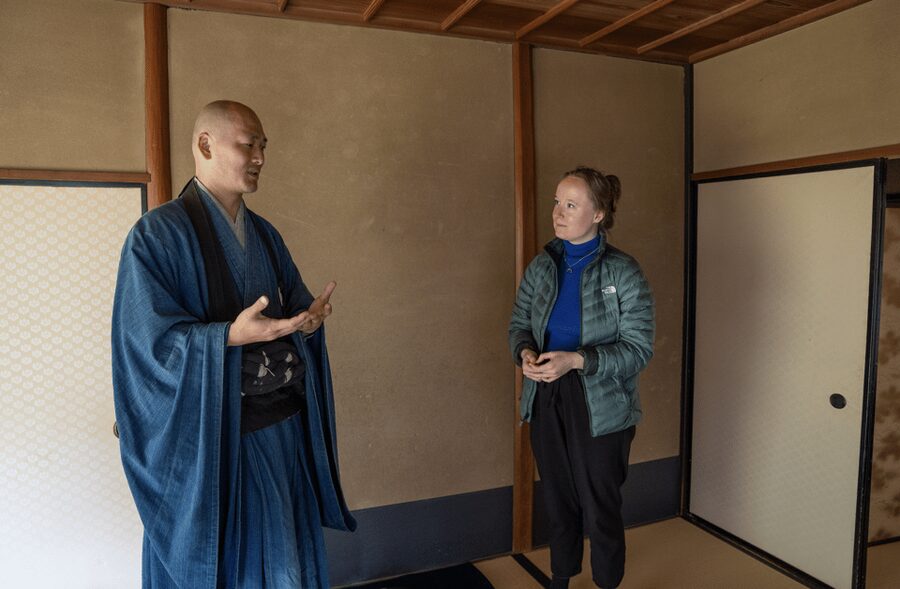
The special thing here is not simply sitting quietly. You enter a private temple near Kodaiji Park, learn Zazen directly from a monk, and then have time to ask about meditation, Buddhism, and monastic life. The setting is calm, personal, and far removed from Kyoto’s crowded sightseeing routes.
I like the clear instruction for beginners, especially the focus on posture, breathing, and how to handle a busy mind. I also like the tea, sweets, and garden visit afterward, which turn a short meditation class into a fuller cultural experience. The main drawback is the meeting point: the toilet on the north side of Kodaiji Park can be confusing on map apps, so follow the guide’s message carefully.
In This Review
- Key points to know before booking
- A quiet temple near Kyoto’s busiest sights
- What the 90-minute experience includes
- Learning Zazen without feeling out of place
- Tea, sweets, and a garden closed to the public
- The guide makes a real difference
- Price and value at $91 per person
- Who should book this Kyoto meditation?
- Timing your visit around Kyoto sightseeing
- What to wear and how to prepare
- Should you book this private temple experience?
- FAQ
- Where does the Zen meditation experience begin?
- How long does the activity last?
- How long is the walk to the temple?
- Is the temple open to the general public?
- Is the activity conducted in English?
- Do I need meditation experience?
- Does the experience include tea?
- Can I take photographs?
- Who cannot join the activity?
Key points to know before booking
- Private temple access: You visit a temple that is not open to the general public.
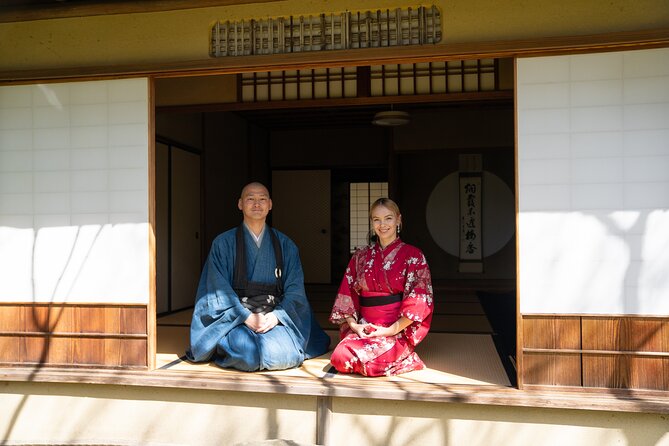
- A monk leads the practice: You learn Zazen principles and techniques before meditating.
- English interpretation: Guides such as Soma, Satoru, Ruko, and Kohtaro help translate and explain.
- Matcha and garden time: Tea, sweets, questions, photographs, and a garden stroll follow the meditation.
- A good first lesson: No meditation background is needed, though sitting still for a period takes patience.
- Small groups feel personal: Private and small-group options are available, with a 90-minute total duration.
A quiet temple near Kyoto’s busiest sights
Kyoto can be noisy, crowded, and demanding. The lanes around Kodaiji, Nene no Michi, and Higashiyama are among the city’s prettiest, but they can also fill quickly with tour groups and people taking photographs.
This experience offers a useful change of pace. You meet at Kodaiji Park, then walk for about 10 minutes with your guide to a temple that is not normally open to the public. That short walk matters. You move from a public park and famous sightseeing area into a more private part of Kyoto without spending time on a bus or taxi.
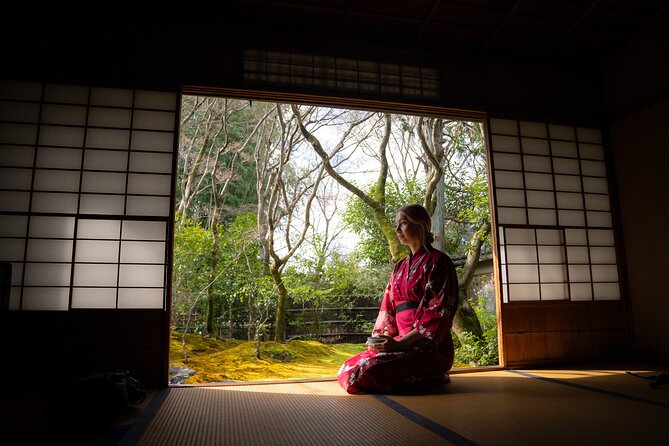
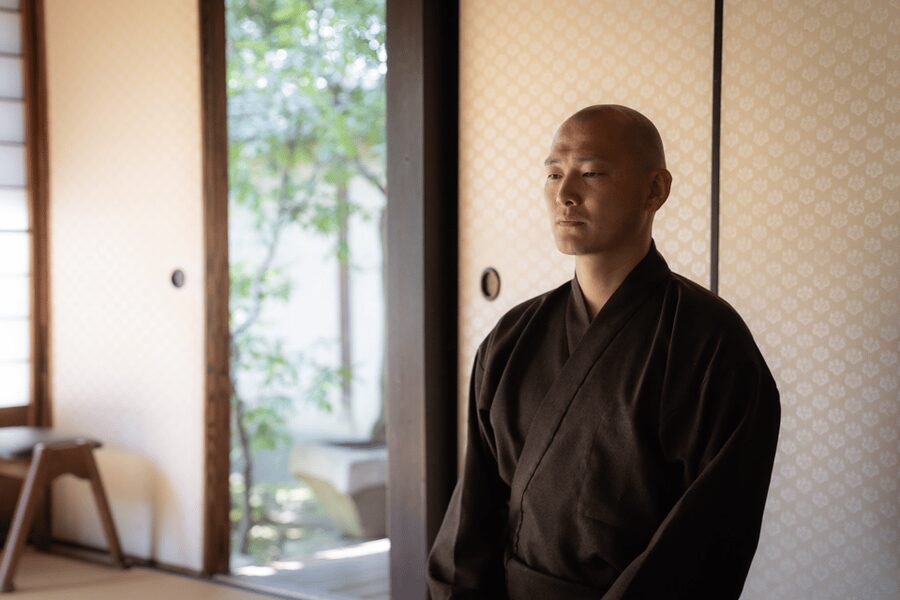
The temple itself is part of the appeal. You are not meditating in a generic studio designed for tourists. You sit in a working religious setting, meet a monk, and see the surrounding garden. The atmosphere is simple and quiet, with the sort of stillness that is difficult to find near Kyoto’s major attractions.
The exact monk and guide can vary. English-speaking guides have included Soma, Satoru, Ruko, Kohtaro, and others. Their role is important because the monk may teach in Japanese, with the guide interpreting into English. A strong interpreter keeps the pace natural and helps you ask questions instead of merely listening to a prepared talk.
More Temple & Shrine Tours in Kyoto
- Kyoto: Fushimi Inari, Kinkakuji, Bamboo Grove 1 Day Bus Tour
★ 4.8 · 4,316 reviews - Kyoto: Tea Ceremony in a Traditional Tea House in Kiyomizu
★ 4.9 · 3,519 reviews - Kyoto: Tea Ceremony Ju-An at Jotokuji Temple
★ 4.9 · 3,207 reviews
What the 90-minute experience includes
The full visit lasts 90 minutes. The advertised schedule allows roughly an hour at the temple, plus the walk from Kodaiji Park and the return to the meeting area.
You begin with a short introduction to Japanese culture and Zen Buddhism. This is useful if your knowledge of Zen is limited to images of monks, rock gardens, and incense. The goal is not to turn you into a Buddhist in one morning. It is to give you enough background to understand why seated meditation matters and how it is practiced.
The monk then explains Zazen, the seated meditation central to Zen practice. Expect instruction on posture, breathing, attention, and the practical problem of constant thoughts. You are not asked to pretend your mind is empty. Instead, the lesson helps you notice distraction and return to the practice.
The meditation itself may last around 20 minutes, based on the experience described by participants. For a beginner, that can feel surprisingly long. Sitting in silence is different from listening to a short guided relaxation recording. Your legs, back, and attention all become part of the lesson.
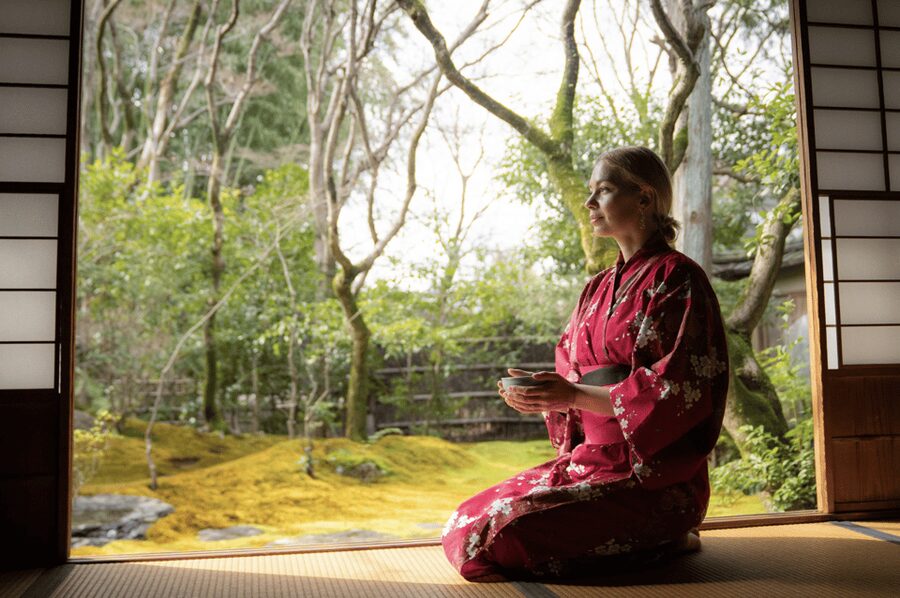
Afterward, you drink matcha and enjoy sweets while looking toward the temple garden. The final discussion gives the visit its human touch. You can ask about the monk’s life, Buddhism, meditation, and the meaning of the practice in daily life.
Photographs are also allowed during the appropriate parts of the visit. You may take pictures of the temple and garden, and photographs with the monk are possible. This is a nice memory, but remember that the meditation and conversation are the heart of the experience, not the photo opportunity.
Learning Zazen without feeling out of place
A common worry is that a formal meditation session will be uncomfortable for a first-timer. This class is built to make the practice approachable.
The monk explains the physical setup before asking you to meditate. You learn how to sit, how to place your body, and how to breathe in a steady way. The English guide then makes sure the instructions are clear.
I would not expect a quick lesson to explain every part of Zen Buddhism. Ninety minutes is enough for an introduction, not a full religious study. Still, it gives you something practical to take home. Several people came away with a method they wanted to continue using after Japan, including people who had never meditated formally before.
The focus on breathing can be especially helpful after a long flight or a packed sightseeing day. One person booked the activity soon after a journey involving several planes and trains and found the quiet morning suited the start of a Kyoto stay. That makes sense. You do not need to arrive already calm. The point is to give yourself time to become calmer.
There is also no need to share a religious belief. You can approach Zazen as a cultural lesson, a mindfulness practice, or a chance to sit quietly in a historic setting. The discussion with the monk lets you decide how far you want to take the spiritual side.
Tea, sweets, and a garden closed to the public
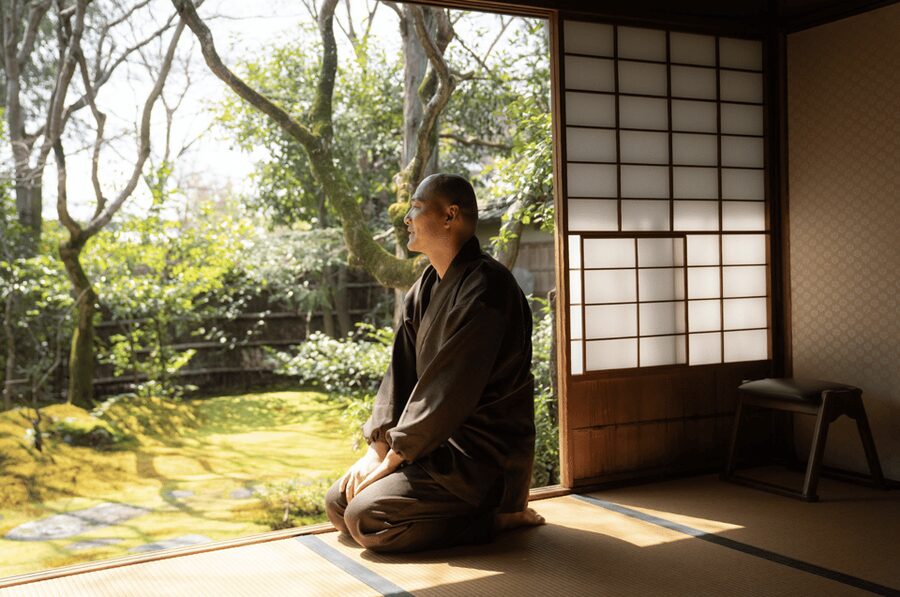
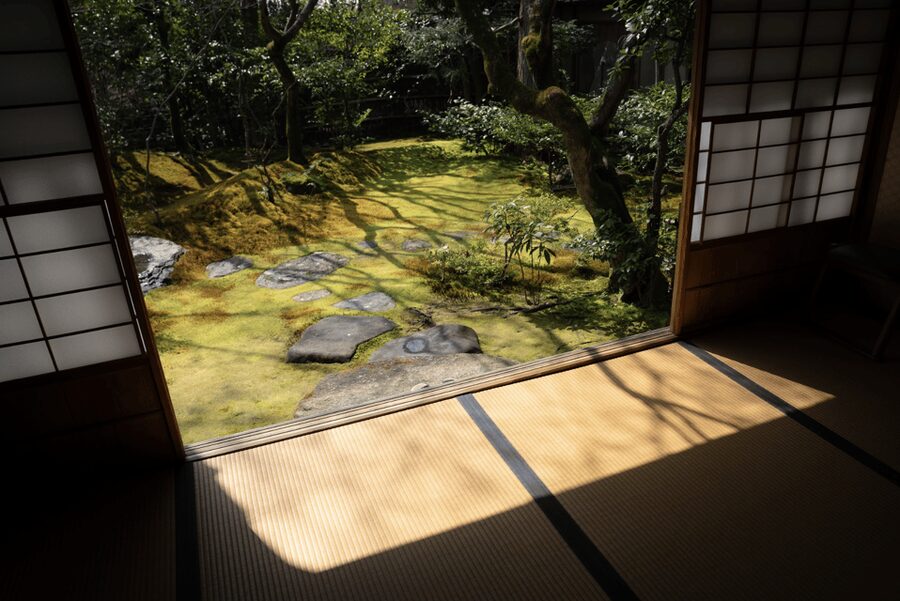
The matcha and sweets are small details, but they help the experience feel rounded. Tea gives you a gentle transition out of meditation, while the garden offers a place to look, walk, and talk without rushing.
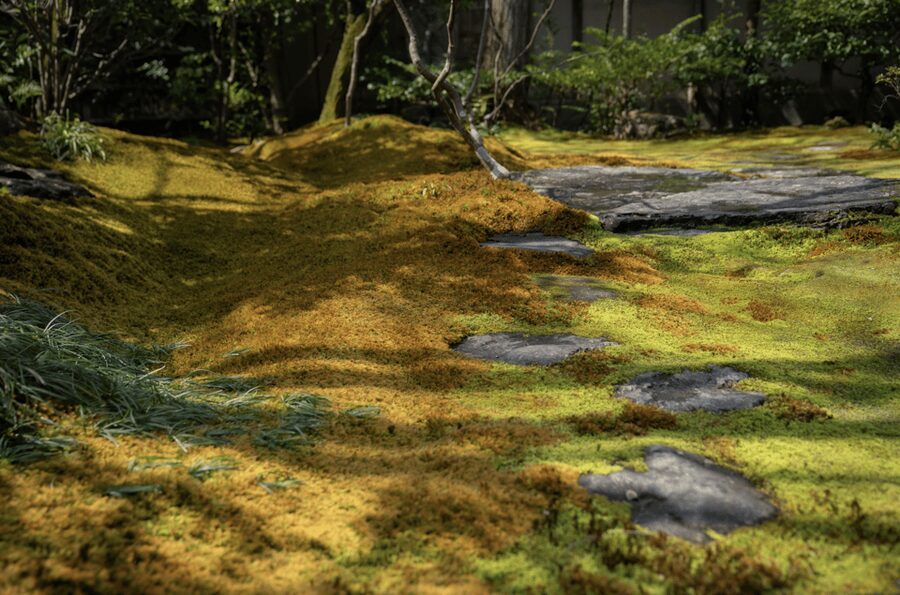
The garden has been described as a moss garden with quiet, attractive surroundings. Its appeal changes with the weather. A rainy morning can make the setting feel especially hushed, while summer brings strong green color. The garden is not presented as a large sightseeing complex, so do not expect a long temple tour. You are visiting a compact, private place with time to notice the details.
This is also one of the better opportunities in Kyoto to have a direct conversation with a monk. The discussion is not limited to a formal speech. You can ask personal questions about meditation and monastic life, and the guide translates the exchange.
That personal contact is where the price begins to make more sense. You are paying for access, instruction, interpretation, and a small-group setting, not just entrance to a temple. The garden alone would not justify the cost, but the combination is harder to arrange on your own.
Same city, a completely different kind of day:
- PERFECT KYOTO 1-Day Bus Tour
★ 5.0 · 13,518 reviews - Kyoto Geisha Walking Tour: Gion District & Hidden Gems
★ 4.7 · 3,273 reviews - Kyoto: Gion Magical Night Walking Tour with Geisha Trivia
★ 4.9 · 2,393 reviews - Kyoto: 45-Minute Tea Ceremony Lesson Experience
★ 4.3 · 2,378 reviews
The guide makes a real difference
Because the monk may speak Japanese, the English-speaking guide is central to the visit. The best guides do more than translate words. They explain cultural references, keep questions moving, and help you feel comfortable with the etiquette of a private religious space.
Soma and Satoru have been especially praised for clear English, warmth, and careful interpreting. Ruko has also helped make the session accessible, including taking photographs for participants. Kohtaro has been noted for creating a friendly discussion around the meditation.
Guide assignments can change, so do not book solely because you hope for one particular person. The important point is that the experience is designed around live English support rather than an audio recording or a printed handout.
Small groups can add something, too. Sitting with people from different countries creates a quiet sense of connection without requiring forced conversation. Everyone arrives with the same basic purpose, so the room can feel friendly before anyone says much.
Private bookings offer more control and may be better if you want to ask many questions. A small group may cost less or feel more social. Either way, the format is far more personal than a large temple demonstration.
Price and value at $91 per person
At $91 per person, this is not a cheap add-on. If you are looking only for a quick meditation session, you may find the cost high for 90 minutes.
I think the value depends on what you want from Kyoto. A public temple admission usually gives you access to buildings and gardens, but not a private lesson with a monk or an interpreted conversation afterward. Here, the fee covers temple entry, a lecture on meditation principles and techniques, Zazen practice, the guide, tea, garden time, and the chance to ask questions.
The experience also takes you beyond sightseeing. You are not simply looking at a temple and moving on to the next stop. You learn how one practice fits into Zen thought and hear about the monk’s life in a personal setting.
For someone already spending heavily on temples, gardens, and guided tours, this may be a meaningful use of one morning or evening. For a budget-conscious visitor, compare it with your priorities. The experience is worth considering if cultural access and conversation matter more to you than covering another famous attraction.
The activity has a 5.0 rating from 202 bookings, which suggests unusually consistent satisfaction. I would still treat the rating as a guide, not a guarantee. Your enjoyment will depend on your interest in meditation, comfort with silence, and willingness to follow the meeting instructions closely.
Who should book this Kyoto meditation?
This is a strong choice for first-time meditators. You receive enough instruction to know what to do, and you can ask questions without needing technical knowledge in advance.
It also suits people who already meditate and want to try Zazen in a temple setting. The monk may offer a different approach from the style you practice at home, and the conversation can help you think about meditation beyond exercise or stress relief.
Couples and solo visitors can both fit comfortably. Families should note that children under 12 are not accepted. Teenagers may enjoy it if they are interested in meditation and can sit quietly, though the subject matter is better suited to mature children.
You should also consider the physical side. The activity is not suitable for people with mobility impairments, claustrophobia, or a fear of heights. The information provided does not describe the exact seating arrangement or accessibility features, so ask before booking if your needs are not clear.
Timing your visit around Kyoto sightseeing
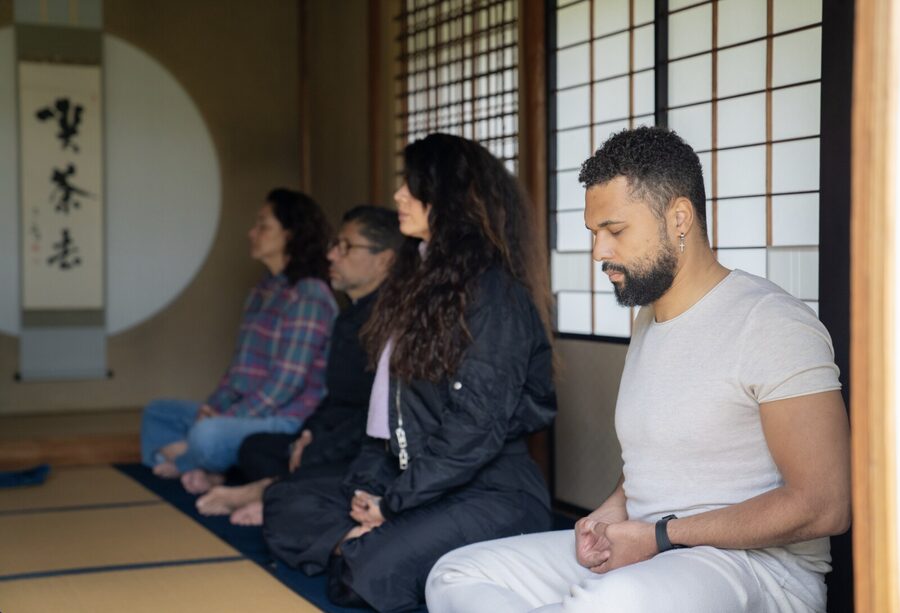
A morning session can be a smart way to begin a day in Higashiyama. The area around Kodaiji and Nene no Michi is often more peaceful early in the day, and meditation gives you a slower start before visiting major temples.
An evening session can work just as well. One scheduled time was changed from morning to 7:00 p.m., which suited the participant better. The quiet atmosphere after a full day of sightseeing may be exactly what you need.
You should leave enough time before the meeting. The activity starts at the toilet at Kodaiji Park, on its northern side. Map directions have caused confusion, with some people arriving in the middle of the park rather than at the toilet.
Follow the guide’s message sent on the day of the activity. Look for the northern side of the toilet, not just the general park pin. This is a small practical point, but it can prevent a stressful start to an experience built around calm.
Transportation is not included. You make your own way to Kodaiji Park, and the temple is reached on foot from there. The walking portion is about 10 minutes.
What to wear and how to prepare
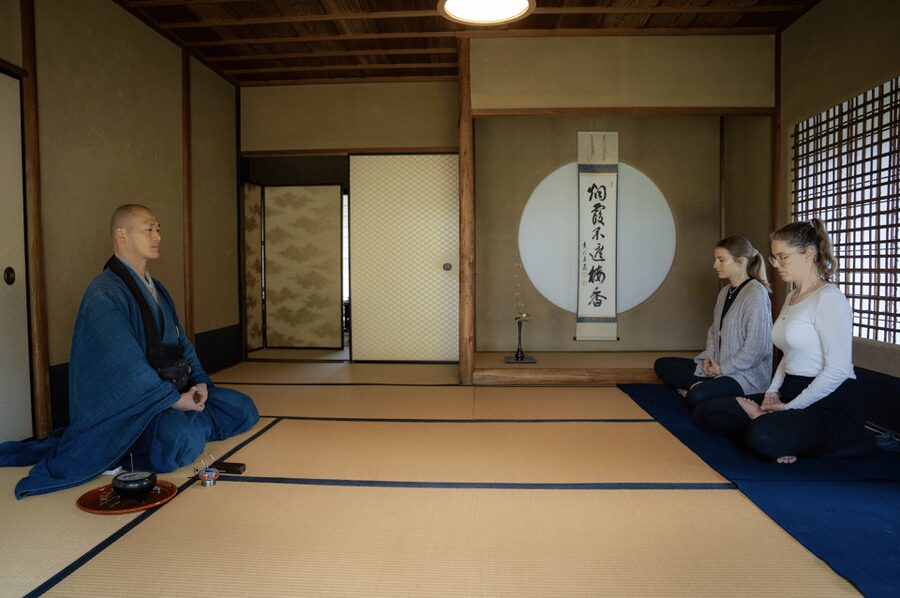
Wear clothing that allows you to sit comfortably. Loose, modest clothes are the sensible choice for a temple visit and a seated meditation session. Avoid arriving overly full or rushing in from a distant part of Kyoto.
You do not need special equipment. The temple provides the setting and instruction, and the activity includes the meditation lesson and practice.
Bring a respectful attitude and a few questions. Asking about the monk’s daily life, the purpose of Zazen, or how to continue practicing at home can make the final conversation more rewarding.
Keep your camera available for the garden and permitted photographs, but put it away during the formal parts. A temple is not a photo studio, and the quiet atmosphere depends on everyone giving the session their attention.
Should you book this private temple experience?
Book it if you want more than temple photographs. The strongest reasons are direct instruction from a monk, access to a private temple, clear English interpretation, and enough time for tea and conversation afterward.
I would especially recommend it for a first visit to Kyoto, a first formal meditation class, or a trip that feels packed with sightseeing. It gives you a calm, thoughtful hour in a city that can otherwise become a race from one famous gate to another.
Skip it if you dislike sitting still, want a longer formal meditation retreat, or consider $91 too much for a short activity. The temple visit is compact, and the garden is part of a personal cultural encounter rather than a major attraction.
For most people who are curious about Zen and open to a quiet change of pace, this is one of the more memorable ways to spend 90 minutes in Higashiyama. Book with the understanding that the value lies in the monk, the translation, and the conversation, not simply in the amount of time.
FAQ
Where does the Zen meditation experience begin?
Meet your guide at the toilet in Kodaiji Park. The guide waits on the northern side of the toilet.
How long does the activity last?
The experience lasts 90 minutes, including the walk to the temple and the session.
How long is the walk to the temple?
The walk from Kodaiji Park to the temple takes about 10 minutes on foot.
Is the temple open to the general public?
No. The experience takes you to a private temple that is not open to the general public.
Is the activity conducted in English?
Yes. The activity includes a live English-speaking guide. The monk may teach in Japanese, with the guide translating into English.
Do I need meditation experience?
No. The monk explains Zazen principles, posture, breathing, and techniques before you practice.
Does the experience include tea?
Yes. Matcha tea and sweets are served after the meditation, while you enjoy views of the temple garden.
Can I take photographs?
Yes. You can take photographs of the temple and garden, and photographs with the monk are possible.
Who cannot join the activity?
The activity is not suitable for children under 12, people with mobility impairments, people with claustrophobia, or people afraid of heights.
Just added around Kyoto
- Taste of Nishiki Market Walking Food Tour with Local guide★ 5.0 · 17 reviews
- Kyoto: Sushi Making Class with Sushi Chef★ 4.8 · 64 reviews
- Kyoto: City Secrets eBike Tour★ 4.9 · 196 reviews
- Sacred Pathways: Discover the Philosopher’s Path of Kyoto★ 4.9 · 20 reviews
- Private Tour to Monkey Park and Arashiyama Highlights★ 5.0 · 22 reviews
- Private Nara Tour from Osaka – Meet at Your Hotel★ 5.0 · 22 reviews
- Private Sake Tasting in Central Kyoto with Sake Sommelier★ 5.0 · 13 reviews
- Kyoto : Private Custom Walking Tour With A Local Guide★ 4.6 · 144 reviews
Temple & Shrine Tours, compared.
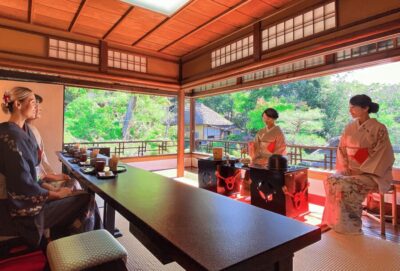
Tea Ceremony in a Traditional Tea House in Kiyomizu
Read our review →

Meiji Shrine, Asakusa, Skytree Bus Tour and Cruise
Read our review →
Asakusa Walking Tour with Sensoji Temple Visit
Read our review →
Kamakura & Enoshima Day Trip including Temple Tickets
Read our review →
Kyoto/Osaka: Nara, Fushimi Inari Taisha, Arashiyama Bus Tour
Read our review →
Nikko Toshogu Shrine and Kegon Waterfall Tour
Read our review →
Tokyo Panoramic 1 Day: Meiji Shrine, Asakusa, Odaiba and SKYTREE®
Read our review →Browse the lists this tour appears in