
REVIEW · TEMPLE & SHRINE TOURS
Kyoto: Zen Experience in a Hidden Temple
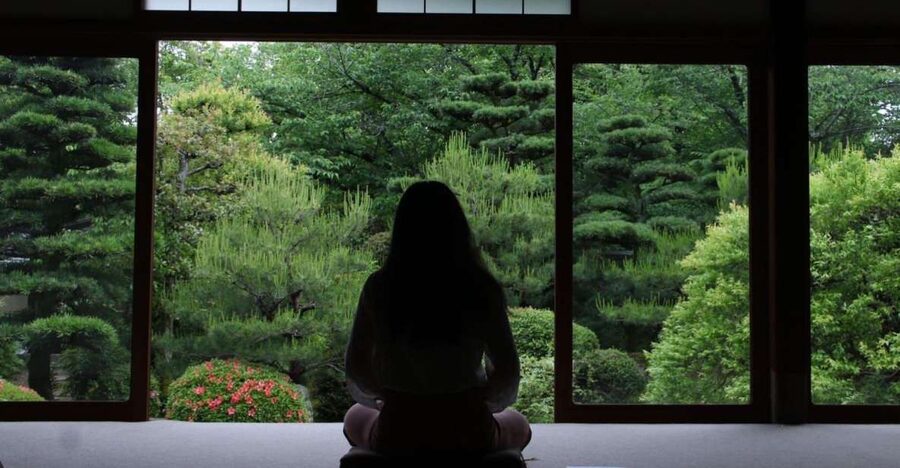
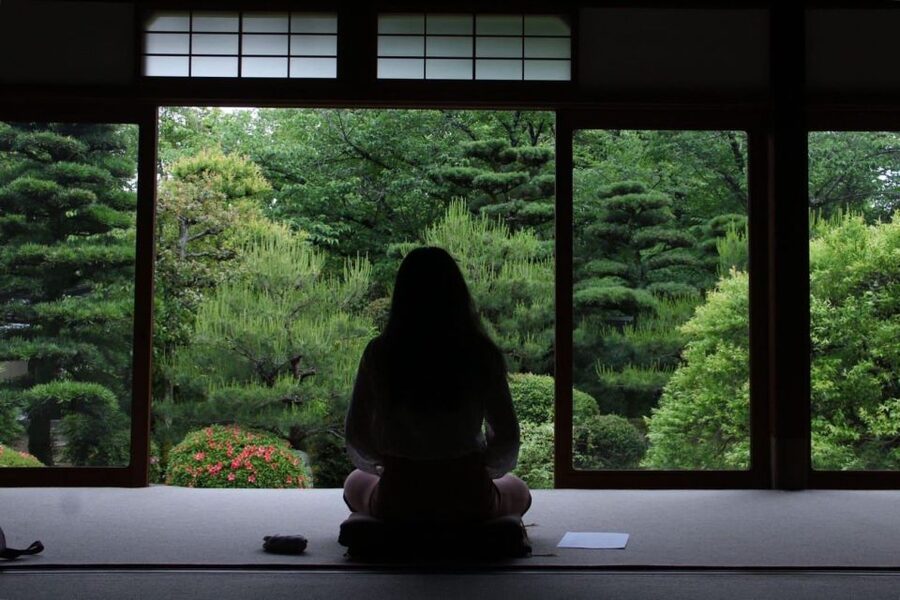
The most striking part of this Kyoto experience is the setting: Jusho-in Temple, a small sub-temple within the vast Myoshin-ji complex. You sit facing a garden created about 400 years ago, with the chief priest guiding two 20-minute periods of zazen meditation. It is a sharp change from Kyoto’s crowded sightseeing lanes.
I like the split meditation format, since the short break gives you time to stretch and ask questions before sitting again. I also like the tea portion, where matcha, seasonal wagashi sweets, and garden views turn a simple refreshment into a lesson in Japanese manners and Zen attention. The main consideration is physical comfort: sitting upright for 20 minutes can be hard, and the experience is not wheelchair accessible, though chairs are available.
In This Review
- Key points to know before booking
- Why Jusho-in feels different from Kyoto’s famous temples
- Meeting Eitetsu Nishida, Jusho-in’s chief priest
- What the two zazen sessions are really like
- Zen, Rinzai Buddhism, and direct experience
- The tea experience and the logic of matcha
- A 400-year-old garden changes with the calendar
- The photographer is a useful extra
- Who will get the most from this two-hour visit
- Is $109 a fair price?
- Practical details that affect your comfort
- Should you book this Zen experience?
- FAQ
- How long does the Jusho-in Zen experience last?
- Where do I meet the guide?
- Is the experience suitable for meditation beginners?
- Is the temple wheelchair accessible?
- What should I wear?
- Can I cancel for a full refund?
Key points to know before booking
- Two 20-minute zazen sessions: The break between sittings makes this approachable for beginners.
- Led by 16th-generation abbot Eitetsu Nishida: His cheerful style and humor help make Zen ideas easier to follow.
- A 400-year-old garden: The garden is linked to painter Eitoku Kano and changes character with the seasons.
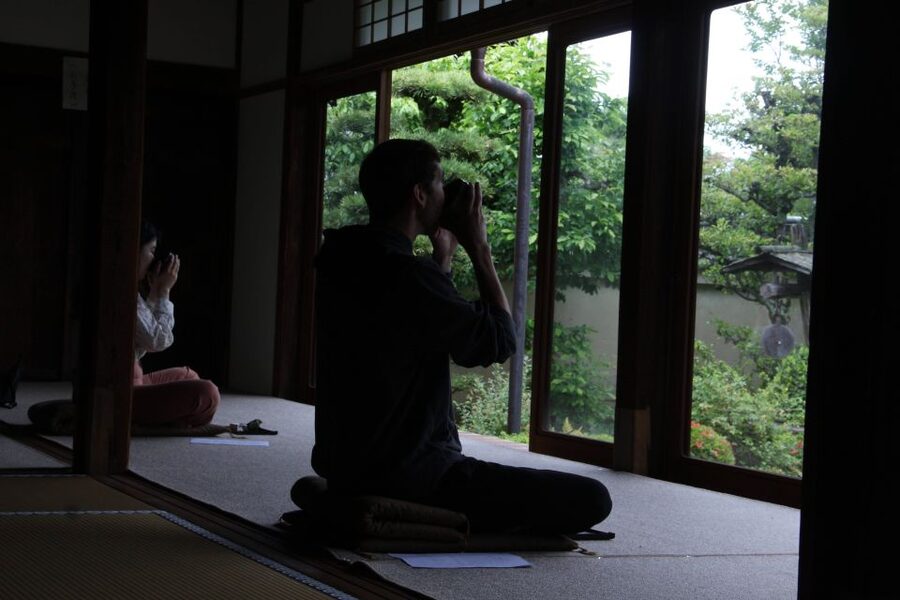
- Matcha with selected seasonal sweets: You learn how to receive, drink, and appreciate the tea rather than simply sampling it.
- Small-group or private format: This offers a quieter experience than a large scheduled tour.
- Photos arrive after the visit: A photographer records the session, allowing you to focus on meditation instead of taking pictures.
Why Jusho-in feels different from Kyoto’s famous temples
Kyoto gives you no shortage of beautiful temples, but many sightseeing stops are built around a quick look, a photograph, and the next appointment. Jusho-in asks you to slow down. The point is not to collect another temple entrance, but to spend time sitting still, listening, and noticing how the place affects your attention.
Jusho-in was founded in 1599 and is one of 46 sub-temples within Myoshin-ji, one of Japan’s largest Zen temple complexes. The larger grounds give you a sense of scale, but the experience itself takes place in a much quieter temple setting.
You meet at the north gate of Myoshin-ji, listed as 18 Taniguchisonomachi, and walk to Jusho-in with a guide. This short walk matters. You are not dropped directly at a packaged activity room. You first enter a working religious complex, then move into the more private atmosphere of the sub-temple.
The meeting point can vary with the option you book, so check your confirmation carefully. Hotel pickup and drop-off are not included. Plan to reach Myoshin-ji on your own and allow enough time to find the correct gate.
More Temple & Shrine Tours in Kyoto
- Kyoto: Fushimi Inari, Kinkakuji, Bamboo Grove 1 Day Bus Tour
★ 4.8 · 4,316 reviews - Kyoto: Tea Ceremony in a Traditional Tea House in Kiyomizu
★ 4.9 · 3,519 reviews - Kyoto: Tea Ceremony Ju-An at Jotokuji Temple
★ 4.9 · 3,207 reviews
Meeting Eitetsu Nishida, Jusho-in’s chief priest
The central teacher is Eitetsu Nishida, the 16th-generation abbot of Jusho-in. Before becoming a monk, he worked for 10 years as a national public servant. He later completed three and a half years of demanding monastic training.
That background gives the session an interesting human touch. You are not hearing Zen explained only as an abstract school of philosophy. Nishida can speak about the discipline of monastic life, the effort behind meditation, and the practical difficulty of keeping your mind from running in every direction.
His personality is described as cheerful, warm, and fond of animals. That is useful for a beginner. A stern or overly formal teacher could make first-time meditation feel intimidating, while Nishida’s humor helps lower the pressure. You do not need to arrive with a religious background or previous meditation practice.
The English support is handled by a live guide and translator. Guides have included Ursula and Nicolas, and the support team also helps explain etiquette and answer questions. One practical note: Nishida’s English can be difficult for some listeners because of his strong accent, so the translation is important. If you miss a point, ask for it to be repeated or clarified.
What the two zazen sessions are really like
Zazen is seated meditation, and the session begins with an explanation of how to sit and what to do with your attention. The experience includes two 20-minute periods rather than one long block. Between them, you have time to stretch, reset your legs, and ask questions.
For a first-timer, 20 minutes can sound modest. Once you are sitting still, it can feel much longer. That is part of the lesson. Zen meditation is not about instantly clearing your mind or producing a dramatic spiritual moment. You notice thoughts, distractions, discomfort, and the impulse to move. Then you return your attention to the practice.
The break is one of the smartest features of the schedule. It keeps the experience from becoming an endurance test and lets the guide explain points that may only become clear after you try sitting. You can ask about posture, concentration, or the purpose of zazen before the second session.
The temple provides chairs for people who cannot sit comfortably on the floor. That does not remove every physical challenge, but it makes the experience more practical for older participants and anyone with stiff hips, knees, or back problems. If you are wearing a rented kimono, keep in mind that the clothing can make sitting and meditating awkward. Comfortable clothes are the better choice.
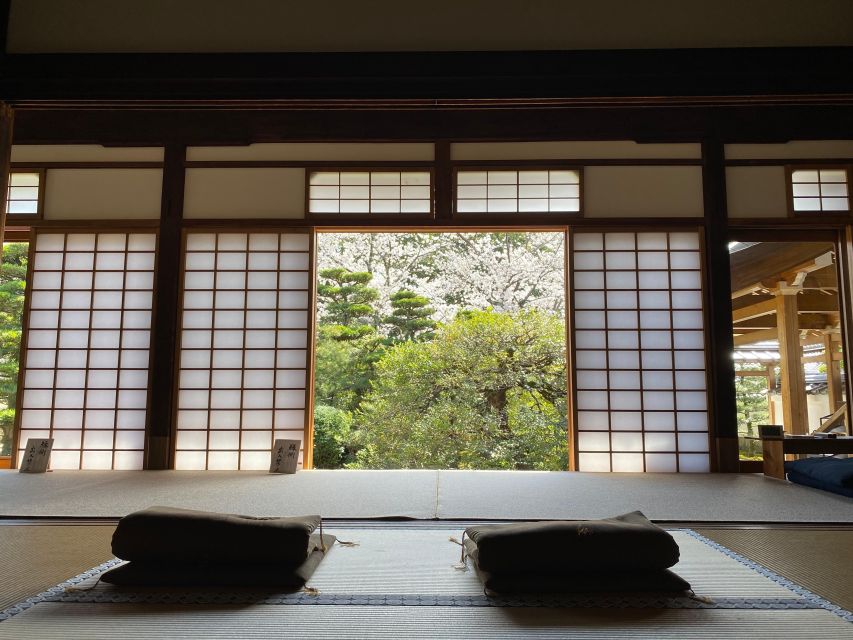
The temple atmosphere also shapes the meditation. The doors may open toward the garden, allowing you to sit with a view of trees, stones, and seasonal color. In colder weather, blankets may be offered, but you should still dress sensibly. The activity takes place rain or shine.
Zen, Rinzai Buddhism, and direct experience
Zen is a branch of Mahayana Buddhism that places strong weight on zazen and direct experience. Instead of relying only on written teachings, Zen asks you to discover something through practice and attention.
Jusho-in belongs to the Rinzai tradition. Rinzai Zen came to Japan in the 12th century and is associated with intense training and sudden insight, often called satori. You will not master Rinzai Zen in two hours, of course. What you can gain is a clear first look at how meditation functions within the tradition.
This context adds value to the sitting periods. You are not simply being told to close your eyes and relax. You learn why posture, stillness, and attention matter, and how the practice connects with the temple’s daily religious life.
I would approach the philosophy with curiosity rather than expecting a personal transformation. The experience is best understood as an introduction, not a full course in Buddhism. It gives you a foundation and a few practical ideas you may carry into ordinary life after leaving Kyoto.
Same city, a completely different kind of day:
- PERFECT KYOTO 1-Day Bus Tour
★ 5.0 · 13,518 reviews - Kyoto Geisha Walking Tour: Gion District & Hidden Gems
★ 4.7 · 3,273 reviews - Kyoto: Gion Magical Night Walking Tour with Geisha Trivia
★ 4.9 · 2,393 reviews - Kyoto: 45-Minute Tea Ceremony Lesson Experience
★ 4.3 · 2,378 reviews
The tea experience and the logic of matcha
After meditation, the focus shifts to matcha. Eitetsu Nishida explains the tea’s history and the connection between Zen and tea culture. You learn how to receive and drink powdered green tea, with guidance on the manners that shape the experience.
The matcha is served with traditional seasonal Japanese sweets, known as wagashi. The sweet is not just a dessert placed beside the cup. Its flavor, shape, and presentation are chosen to work with the tea and the time of year.
That pairing makes the tea portion more thoughtful than a quick tasting. You first settle your body through meditation, then pay attention to the taste, movement, and social customs around tea. The result is a calm second half to the visit, with enough explanation to make the ritual understandable without turning it into a formal performance you simply watch.
The matcha has been praised for its quality, and the sweets are a frequent highlight. Some sessions include a tea ceremony leader and trainee who explain the preparation and presentation. You should expect a guided tea experience, not necessarily a full-length formal tea ceremony with every traditional procedure.
A 400-year-old garden changes with the calendar
The garden is one of the strongest reasons to choose this experience. It is attributed to the 16th-century painter Eitoku Kano and has remained unchanged since its creation.
You view it from the temple rather than rushing through it on a marked sightseeing route. That changes the way you notice it. After sitting, the garden gives you a quiet focal point. After the tea, it becomes a place for conversation and reflection.
Season matters here:
- Spring brings cherry blossoms.
- Summer offers fresh green growth.
- Autumn brings colored leaves.
- Winter may bring snow and a more spare, restrained view.
No single season is automatically best. Spring and autumn offer obvious color, while summer and winter may better suit someone who prefers a quieter, simpler garden. The doors may remain open even in cool weather, so ask for a blanket or use the available chair if needed.
The garden also gives the experience a useful sense of place. You are not learning Zen in a generic studio. You are sitting in a temple with a long religious history, looking into a garden designed for contemplation.
The photographer is a useful extra
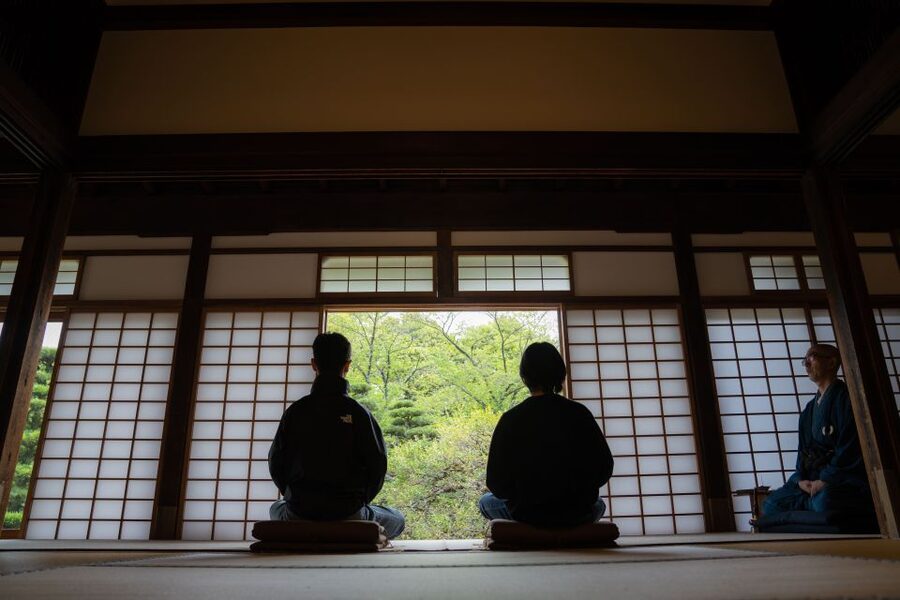
A photographer works during the activity and takes photographs with a single-lens reflex camera. The photo data is sent within a few days after the experience ends.
This is more useful than it may first sound. During meditation, you should not be worrying about your phone or trying to arrange a perfect picture. The photographer can record the setting and the group while you stay focused on the session.
The photographs are not guaranteed to replace your own travel photography, and the number of images is not specified. Still, they provide a personal record of a visit where taking pictures would otherwise interrupt the mood. You can put your phone away and let someone else handle the visual memory.
Who will get the most from this two-hour visit
This activity suits you if you want a quieter cultural experience near Kyoto’s major sights. It works especially well for:
- First-time meditators who want clear instruction.
- People already interested in yoga, mindfulness, or Buddhist practice.
- Couples and families seeking an activity with a reflective pace.
- Visitors tired of crowded temple routes.
- Anyone curious about the relationship between Zen and tea.
- Travelers who value conversation with a religious teacher.
All ages are welcome, and the format has worked for groups including children, young adults, and older participants. The meditation itself requires patience and a willingness to sit still. If you strongly dislike silence, floor seating, or structured etiquette, the experience may feel demanding rather than restful.
This is also a good choice for a rainy day because the program runs in all weather. You should not book it expecting a full-day temple tour, extensive free time, or a rigorous meditation retreat. Two hours gives you an introduction, a conversation, tea, and a garden view. That is enough to feel substantial, but not enough to explore every part of Zen.
Is $109 a fair price?
At $109 per person, this is not the cheapest temple activity in Kyoto. The price makes more sense when you consider what is included: a guide, temple entry, the chief priest’s teaching, two meditation sessions, matcha and sweets, and professional photographs sent later.
You are paying for access to a small temple setting and for direct instruction from its chief priest. That is different from entering a large public temple independently and reading an information panel. The value depends on what you want from Kyoto.
If you only want architecture and gardens, a standard temple visit will cost less. If you want a structured cultural encounter with explanations in English, a small group, tea, meditation, and a personal connection to the place, the price is easier to justify.
Private options are available, as are small-group bookings. A private session can be worthwhile if you want more time for questions or prefer a quieter format, though the exact price and group arrangement depend on the option you select.
Practical details that affect your comfort
The experience lasts about two hours, including explanations, meditation, tea, and the final photograph. Seating is assigned in reservation order, so booking early may help if you care about where you sit.
There is no special equipment or clothing requirement. Wear comfortable clothes that allow you to sit upright. Avoid a rented kimono if you plan to meditate, since the outfit can restrict your legs and make the posture less comfortable.
The site is not wheelchair accessible. Chairs are available for zazen, which helps with some mobility concerns, but you should consider the temple setting and walking route when deciding if it will work for you.
Weapons, sharp objects, alcohol, and drugs are not allowed. The activity is conducted in English with a live guide, and private or small-group formats are offered.
You can cancel up to 24 hours before the start for a full refund. A reserve-now, pay-later option is also available, which is useful when you are still arranging a Kyoto schedule.
Should you book this Zen experience?
I would book this if you want to slow down and take part in something rather than simply look at something. The best features are the two-part meditation, the friendly instruction from Eitetsu Nishida, the matcha and seasonal sweets, and the chance to sit before a garden that has been cared for across four centuries.
I would skip it if your Kyoto plan is already packed with active sightseeing or if you cannot sit comfortably even with a chair. The experience has a calm pace, and that calm is the point. It will not suit anyone looking for constant movement or a large number of attractions.
For most visitors who want a meaningful break from crowded Kyoto, the $109 cost is reasonable. You leave with a clearer sense of zazen, a better understanding of matcha etiquette, time spent in a historic temple, and photographs that arrive after you return to your hotel. That is a good return from two quiet hours.
FAQ
How long does the Jusho-in Zen experience last?
The experience lasts about two hours, including explanations of zazen, two 20-minute meditation sessions, the matcha lesson, Japanese sweets, garden time, and a commemorative photograph.
Where do I meet the guide?
The usual starting point is the north gate of Myoshin-ji Temple at 18 Taniguchisonomachi. The meeting point can vary depending on the option booked, so check your booking details.
Is the experience suitable for meditation beginners?
Yes. The chief priest and guides explain the basics before the sessions, and the two 20-minute sittings are separated by a break for stretching and questions.
Is the temple wheelchair accessible?
No, the experience is not wheelchair accessible. Chairs are available for participants who need support during zazen.
What should I wear?
No special clothing is required, but comfortable clothes are best. A rented kimono can make sitting and meditation difficult, so it is not recommended for this activity.
Can I cancel for a full refund?
Yes. You can cancel up to 24 hours before the experience for a full refund. Cancellations after that time are not eligible for a refund.
Just added around Kyoto
- Taste of Nishiki Market Walking Food Tour with Local guide★ 5.0 · 17 reviews
- Kyoto: Sushi Making Class with Sushi Chef★ 4.8 · 64 reviews
- Kyoto: City Secrets eBike Tour★ 4.9 · 196 reviews
- Sacred Pathways: Discover the Philosopher’s Path of Kyoto★ 4.9 · 20 reviews
- Private Tour to Monkey Park and Arashiyama Highlights★ 5.0 · 22 reviews
- Private Nara Tour from Osaka – Meet at Your Hotel★ 5.0 · 22 reviews
- Private Sake Tasting in Central Kyoto with Sake Sommelier★ 5.0 · 13 reviews
- Kyoto : Private Custom Walking Tour With A Local Guide★ 4.6 · 144 reviews
Temple & Shrine Tours, compared.
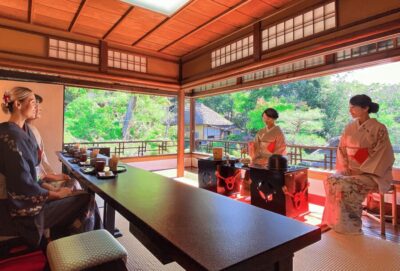
Tea Ceremony in a Traditional Tea House in Kiyomizu
Read our review →

Meiji Shrine, Asakusa, Skytree Bus Tour and Cruise
Read our review →
Asakusa Walking Tour with Sensoji Temple Visit
Read our review →
Kamakura & Enoshima Day Trip including Temple Tickets
Read our review →
Kyoto/Osaka: Nara, Fushimi Inari Taisha, Arashiyama Bus Tour
Read our review →
Nikko Toshogu Shrine and Kegon Waterfall Tour
Read our review →
Tokyo Panoramic 1 Day: Meiji Shrine, Asakusa, Odaiba and SKYTREE®
Read our review →Browse the lists this tour appears in