REVIEW · KYOTO TOURS
Kyoto Ramen Tour
Kyoto’s ramen scene is far more varied than many visitors expect. This small-group tour gives you two different bowls, one classic and one modern, while guide Nick explains how the dish developed and why ramen can change so much from shop to shop. Each serving is about half the size of a normal bowl, so you can eat twice without rolling back to your hotel.
I like the clear contrast between the two restaurants and the chance to help choose from a longer list of possible shops. I also like the opening coffee or tea, which gives you time to understand the plan instead of being rushed straight into lunch. The main catch is price: at $91.96 per person, this is not a cheap meal, and vegetarian, vegan, or gluten-free choices are not guaranteed on a shared tour.
In This Review
- Key points at a glance
- Why two small bowls work so well in Kyoto
- Coffee, tea, and a 20-minute introduction on Shijo-dori
- Around Nishiki Market, where the food route widens
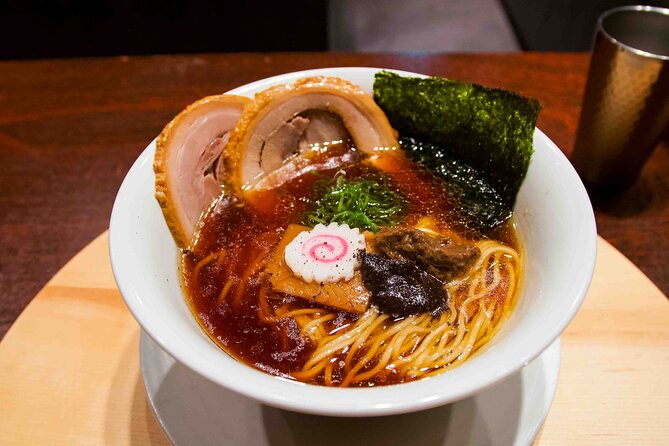
- The first bowl: a taste of classic Kyoto ramen
- The second bowl: a modern interpretation
- What Nick adds beyond a bowl of noodles
- Is $91.96 a fair price for ramen?
- Who will enjoy this tour most?
- Planning your two and a half hours
- My call: book it for comparison, not quantity
- FAQ
- How long does the Kyoto Ramen Tour last?
- How many ramen bowls are included?
- What kinds of ramen will I try?
- Is a drink included?
- Where does the tour take place?
- How many people can join the tour?
- Are vegetarian, vegan, or gluten-free options available?
- Can I cancel for a full refund?
Key points at a glance
- Two distinct ramen styles: Compare a classic Kyoto bowl with a more modern version.
- Half-size servings: Two smaller bowls let you sample more without facing two full lunches.
- A tiny group: The maximum is four people, allowing plenty of time for questions and discussion.
- Coffee before ramen: Begin with a drink and an explanation of Kyoto ramen’s origins and the route.
- Nishiki Market area: Walk around one of central Kyoto’s best-known food districts, with suggestions for a return visit.
- A guide-led choice: Nick helps you select two shops from a longer list of options.
Why two small bowls work so well in Kyoto
Ramen is often treated as one fixed dish: noodles, broth, toppings, done. This tour makes a better case for it. Kyoto ramen can be traditional, refined, experimental, or shaped by ideas from elsewhere in Japan. Eating two half-size bowls gives you a useful comparison rather than one isolated meal.
The portions matter. A standard bowl of ramen can be filling enough to end your food plans for the day. Here, each bowl is about half the size of a full serving, so you can notice differences in broth, noodles, toppings, and presentation without struggling through a second meal.
This format also suits people who already have a full Kyoto food list. You still get lunch, but you leave room for snacks, sweets, or a later stop at Nishiki Market. The tour is built around tasting and discussion, not simply finding the largest bowl in town.
The strongest feature is the contrast. One bowl represents classic Kyoto ramen, while the second takes a more modern approach. You may come away with a better sense of what makes a bowl traditional and what changes when a chef takes more freedom with the dish.
Other Kyoto days people book alongside this one:
- PERFECT KYOTO 1-Day Bus Tour
★ 5.0 · 13,518 reviews - Kyoto: Fushimi Inari, Kinkakuji, Bamboo Grove 1 Day Bus Tour
★ 4.8 · 4,316 reviews - Kyoto: Tea Ceremony in a Traditional Tea House in Kiyomizu
★ 4.9 · 3,519 reviews
Coffee, tea, and a 20-minute introduction on Shijo-dori
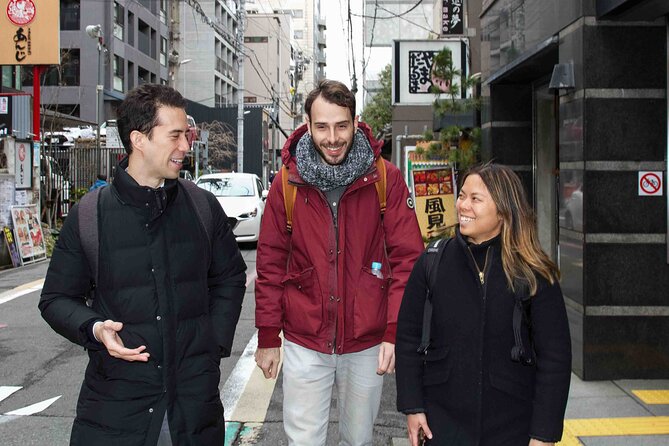
The tour begins along Shijo-dori, where you sit in a coffee shop with the guide for about 20 minutes. You receive one free coffee or tea, and Nick uses this time to explain the route, the restaurants under consideration, and the origins of Kyoto ramen.
That opening is more useful than it may sound. If you know little about ramen, you have a chance to ask basic questions before the food arrives. If you already eat ramen regularly, you can focus on the differences between classic and modern styles and make a more informed choice at the shops.
I also like the pacing. A short café meeting makes the tour feel less like a rushed restaurant crawl. You get your bearings, hear what is coming, and learn why the two selected bowls are meant to be different. The group limit of four should help keep this conversation personal rather than turning it into a lecture.
The exact coffee shop and ramen restaurants can vary, since the tour involves selecting two places from a longer list. That flexibility is useful, but it means you should not book expecting a fixed restaurant lineup. The guide’s job is to match the route and available choices to the day.
Around Nishiki Market, where the food route widens
After the introduction, the tour spends about two hours in the area around Nishiki Market. The market itself is not part of the formal tour, but you pass through the surrounding district and receive suggestions for places to return to later.
This location makes sense for a food-focused walk. Nishiki is already one of central Kyoto’s most convenient areas for eating and browsing, and the nearby streets contain more ramen options than you might expect. The tour uses that setting to show you how a short area can hold several very different approaches to the same dish.
Do not think of this as a market tour with ramen added on. The main purpose is to visit two ramen shops. Nishiki works as the setting and reference point, not as a separate attraction with tastings at every stall.
That distinction is helpful when planning your day. If you want a detailed guided visit through every part of Nishiki Market, this is not the right booking. If you want ramen plus a useful introduction to one of Kyoto’s central food districts, the route fits well.
You may also appreciate the extra recommendations if you still have room after lunch. The guide can point out other places to return to, giving you options for snacks or another meal without adding them to the tour’s cost or schedule.
The first bowl: a taste of classic Kyoto ramen
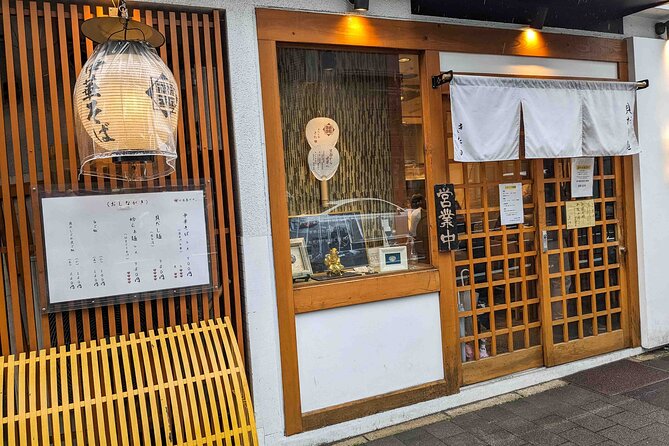
The first ramen stop is meant to represent the classic side of Kyoto’s ramen tradition. The exact restaurant is not guaranteed in advance, but the goal is clear: begin with a bowl that gives you a traditional reference point.
That comparison is important. Without a baseline, a modern bowl can seem merely unusual. Once you have tasted a more classic style, you can better understand what has changed in the second restaurant, from the broth and noodles to the toppings and setting.
The portion is intentionally smaller than normal, about half a full bowl. You still receive a proper serving to taste, but the design leaves enough appetite for the next stop. For a food tour, this is a smarter approach than serving two complete bowls and leaving you too full to notice the details.
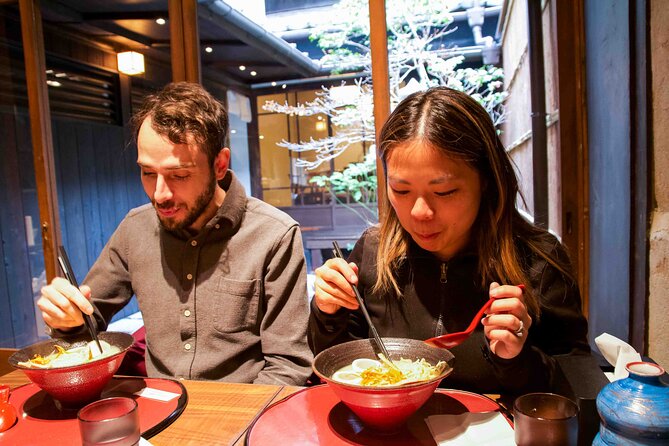
Past participants describe the two restaurants as very different, not only in flavor but also in atmosphere. One account points to a first stop with high-end decor and an open, minimalist feel. Since the exact shops may vary, treat that as a possible part of the experience rather than a promise.
Take your time with this bowl. Notice the balance of broth and noodles, the texture, and the way the toppings support the dish. You do not need to be a ramen expert. The guide’s explanation gives you a framework for paying attention without turning lunch into homework.
Same city, a completely different kind of day:
- Kyoto Geisha Walking Tour: Gion District & Hidden Gems
★ 4.7 · 3,273 reviews - Kyoto: Tea Ceremony Ju-An at Jotokuji Temple
★ 4.9 · 3,207 reviews - Kyoto: Gion Magical Night Walking Tour with Geisha Trivia
★ 4.9 · 2,393 reviews - Kyoto: 45-Minute Tea Ceremony Lesson Experience
★ 4.3 · 2,378 reviews
The second bowl: a modern interpretation
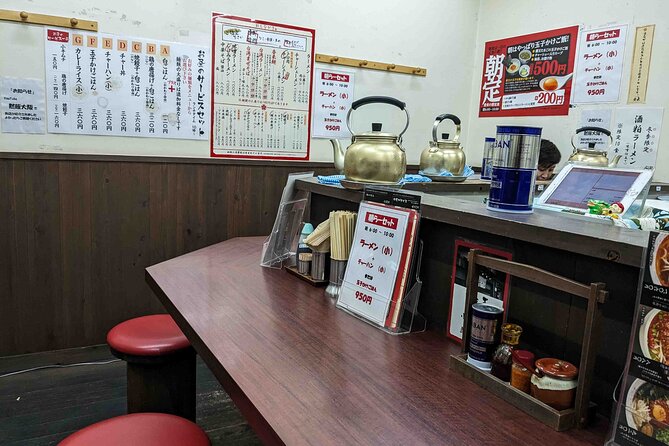
The second stop shifts toward modern ramen. This is where the tour’s central idea becomes clear. You are not simply eating at two popular noodle shops. You are comparing a traditional Kyoto style with a newer interpretation.
Modern ramen can mean many things, and the supplied information does not specify the exact broth, toppings, or cooking method. That uncertainty is part of the flexible format. Nick chooses from a group of possible restaurants, and you may help decide which two fit the classic and modern pairing.
For you, the practical benefit is variety. You might find that the modern bowl is more appealing, or you might prefer the classic version. Either result is useful. A good food tour does not need to tell you which style is best. It should help you identify what you like and give you enough context to order with confidence later.
The second half-size bowl also protects the rest of your day. You get a full tasting experience across two stops without giving up dinner plans. That matters in Kyoto, where a busy sightseeing schedule can easily turn lunch into the day’s only meal if the portion is too large.
The small group should help here, too. With no more than four people, you can ask why a particular shop was chosen or how the second bowl differs from the first. The guide can spend more time answering individual questions than would be possible with a large bus group.
What Nick adds beyond a bowl of noodles
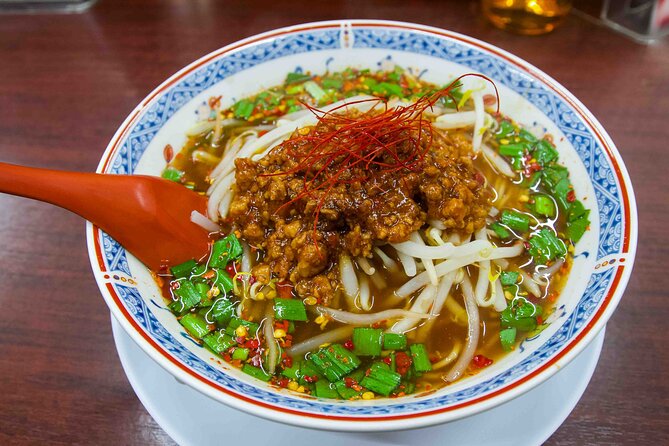
The food is the main draw, but the guide shapes the experience. Nick is repeatedly praised for being friendly, helpful, engaging, and able to explain ramen as part of Japanese food culture more broadly.
That last point is worth noting. You are not only shown where to eat. You learn about ramen’s origins, Kyoto’s place in its development, and the range of styles found in the city. The result is more useful than a simple list of restaurants because you can carry the knowledge into future meals.
Nick’s role also matters because the route is not locked to two named restaurants. Choosing from a longer list can feel confusing if you do it alone. A guide who explains the choices helps turn that flexibility into an advantage.
The group maximum of four is one of the tour’s best practical features. You can expect a quieter, more conversational outing than a standard large-group food walk. It is especially useful if you want to ask about ingredients or compare your reactions with the other people at the table.
The guide does not replace your own taste. If you have dietary restrictions, you should contact the provider before booking rather than assume Nick can solve the issue on the spot. Vegetarian, vegan, and gluten-free options may be available, but they cannot be guaranteed on a shared tour.
Is $91.96 a fair price for ramen?
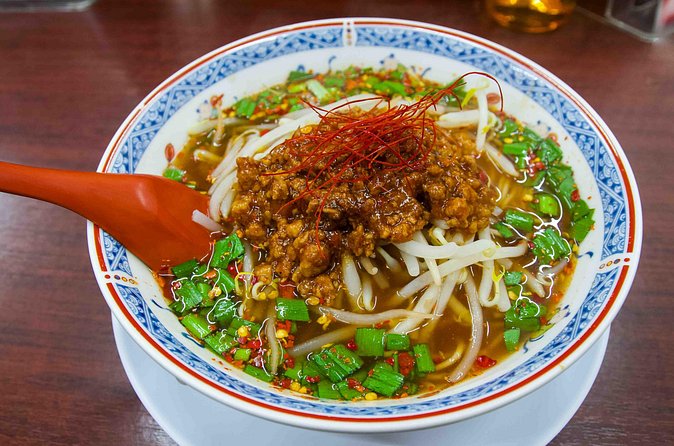
At $91.96 per person, the cost is high if you compare it with buying two ordinary bowls of ramen on your own. The fee includes two half-size bowls and one coffee or tea, but not hotel transport. You are paying for the guide, the food planning, the explanations, and the chance to compare carefully selected styles in a small group.
The value depends on how you travel. If you are comfortable researching ramen shops, ordering without help, and working out the route yourself, you can spend much less. Kyoto has plenty of places to eat, and this tour is not a bargain meal deal.
I think the price makes more sense for a first visit to Japan, a serious ramen fan, or anyone who wants food context rather than a quick lunch. The small group is also meaningful. A maximum of four people offers a more personal format than a large food tour, and that can justify part of the extra cost.
You should also factor in the half-size portions. The tour does not give you two full bowls, so you are buying variety rather than volume. That is a positive if you want to taste widely, but a drawback if you expect a large lunch.
The average booking lead time is 44 days. That suggests you should not leave this until the last few days of a busy Kyoto visit, especially if you want a particular date. Confirmation arrives at booking, and free cancellation is available until 24 hours before the start time.
Who will enjoy this tour most?
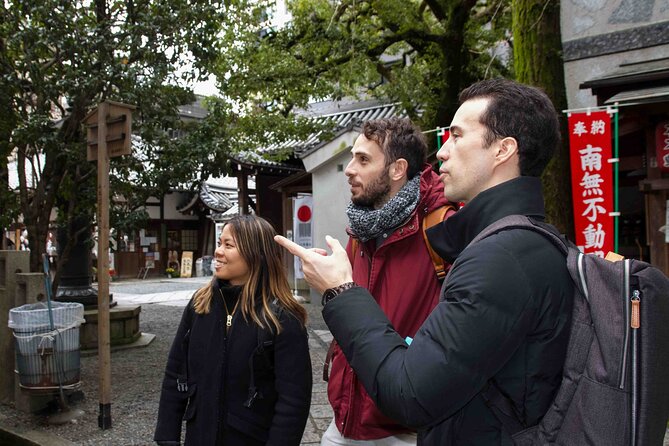
This experience is a good fit for you if you:
- Want to understand the differences between ramen styles
- Prefer tasting two smaller portions to eating one large bowl
- Like asking questions and learning from a local guide
- Appreciate a group capped at four people
- Plan to spend time around Shijo-dori and Nishiki Market
- Want restaurant suggestions for later in your Kyoto stay
It may be less suitable if you want a fixed restaurant itinerary, a full-size lunch, or a broad Nishiki Market tasting tour. It is also not ideal for strict dietary needs unless the provider confirms suitable options in advance.
Families and mixed-interest groups may find the two-bowl format easier than a long food crawl, since the tour lasts about two and a half hours. Most people can participate, and the route is near public transportation. Still, the supplied details do not specify walking distances or seating arrangements, so ask ahead if those points matter to you.
Planning your two and a half hours
Allow about 20 minutes for the café introduction and roughly two hours around Nishiki Market and the ramen stops. The tour does not include hotel pick-up or drop-off, so you need to reach the starting point yourself and arrange your way onward.
Because the route centers on Shijo-dori and the Nishiki Market area, public transportation access is convenient, but the exact meeting point should be checked in your booking confirmation. A mobile ticket is provided, making it simple to keep the reservation on your phone.
Wear comfortable shoes. The route involves moving between the café, the market area, and two restaurants, although the available information does not give a precise walking distance. Avoid scheduling a major meal immediately afterward, but keep space for Kyoto snacks if you have the appetite.
If food allergies or dietary preferences are important, contact Tokyo Ramen Tours before you commit. The tour can sometimes offer vegetarian, vegan, or gluten-free choices, but shared-group availability is not guaranteed.
My call: book it for comparison, not quantity
I would book the Kyoto Ramen Tour if I wanted an informed introduction to Kyoto’s noodle culture and liked the idea of comparing a classic bowl with a modern one. The small group, free coffee or tea, flexible restaurant choices, and Nick’s friendly teaching style make it more useful than simply finding a ramen shop on a map.
I would skip it if my main goal were the cheapest possible lunch or two large bowls. At $91.96, the value comes from guidance and variety, not from the amount of food.
Book early if this fits your plans, since the average booking point is 44 days ahead. For anyone who loves ramen, wants a sharper sense of Kyoto’s food culture, and can accept half-size portions, this is a focused and enjoyable way to spend an afternoon.
FAQ
How long does the Kyoto Ramen Tour last?
The tour lasts approximately 2 hours and 30 minutes.
How many ramen bowls are included?
You receive two small bowls of ramen. Each is about half the size of a normal full bowl.
What kinds of ramen will I try?
One bowl represents classic Kyoto ramen, and the other represents a more modern style.
Is a drink included?
Yes. The tour includes one free coffee and/or tea at the beginning.
Where does the tour take place?
The experience begins along Shijo-dori and continues around the Nishiki Market area. Nishiki Market itself is not a formal tour stop, but you pass through the area and receive recommendations for returning later.
How many people can join the tour?
The tour has a maximum of four travelers.
Are vegetarian, vegan, or gluten-free options available?
They may be available, but they cannot be guaranteed on a shared group tour. Contact the provider in advance to discuss your needs.
Can I cancel for a full refund?
Yes. You can cancel for a full refund at least 24 hours before the experience start time. Cancellations or changes made less than 24 hours before the start time are not accepted for a refund.
Just added around Kyoto
- Private Guided Traditional Buddhist Cooking in Japan★ 5.0 · 16 reviews
- Kyoto: Gion Geisha District & Sake-in-Hand Walking Tour★ 5.0 · 37 reviews
- Kyoto: Zen Meditation at a Private Temple with a Monk★ 5.0 · 25 reviews
- Your Private Vacation Photography Session In Kyoto★ 5.0 · 110 reviews
- Traditional Japanese Washi Papermaking- Kyoto morning★ 5.0 · 77 reviews
- Kyoto Wagashi(Japanese sweets) Cooking Class near Fushimiinari★ 5.0 · 60 reviews
- Private Pewter Sake Cup Experience with a Kyoto Artisan★ 5.0 · 31 reviews
- Kyoto Private 6 hour Tour: English Speaking Driver Only, No Guide★ 5.0 · 88 reviews
Kyoto Tours, compared.

Tea Ceremony in a Traditional Tea House in Kiyomizu
Read our review →
Kyoto Geisha Walking Tour: Gion District & Hidden Gems
Read our review →

Gion Magical Night Walking Tour with Geisha Trivia
Read our review →

Gion Geisha District Walking Tour – Stories of Geisha
Read our review →
Best of Kyoto: Gion, Geisha, Pagodas & Cobblestones
Read our review →