
REVIEW · TEMPLE & SHRINE TOURS
Kyoto Early Bird Tour in Uji and Fushimi Inari
Fushimi Inari and Uji make an excellent morning pairing: one gives you Kyoto’s most famous torii gates, while the other offers calmer temple and shrine visits away from the city center. The early start is the real trick, helping you see these places before the afternoon crowds arrive.
I like the small maximum group of eight, which gives you a fair chance to ask questions. I also like the route’s balance: Byodoin Temple admission is included, and the day covers both a major UNESCO site and the quieter Ujigami Shrine.
The main point to plan for is transportation. The tour begins at Kyoto Station, ends at Uji Station, and requires an additional ¥390 transportation fee per person. Lunch is also on your own, and you will need a moderate level of fitness for the walking.
In This Review
- Key points to know before booking
- Why this Kyoto and Uji combination works
- Fushimi Inari-taisha and its famous red gates
- Byodoin Temple and the Phoenix Hall
- Ujigami Shrine and a quieter side of Uji
- The early schedule and small group advantage
- Getting there, getting back, and the real cost
- Who will get the most from this tour
- Booking, cancellation, and practical details
- Should you book the Kyoto Early Bird Tour?
- FAQ
- How long does the tour last?
- Where does the tour start?
- Where does the tour end?
- Is admission to Byodoin Temple included?
- Are transportation and lunch included?
- How many people can join the tour?
Key points to know before booking
- Early access to Fushimi Inari: Visit the famous red torii gates before the busiest part of the day.
- Three major stops in one morning: See Fushimi Inari-taisha, Byodoin Temple, and Ujigami Shrine.
- A group capped at eight: You get more room to ask about Shinto, Buddhism, and local history.
- Byodoin entry included: The temple admission is covered, so you avoid buying that ticket separately.
- An informative guide matters here: Genki is praised for clear, well-paced explanations and a warm manner.
- The tour finishes in Uji: This is useful if you want to continue exploring Uji, but less convenient if you hoped to be escorted back to Kyoto.
Why this Kyoto and Uji combination works
Kyoto can feel like a checklist city. You have temples in the east, shrines in the south, and Uji farther along the railway line. Seeing Fushimi Inari and Uji separately can take more planning than you expect.
This tour links them in a sensible order. You begin at Kyoto Station, visit Fushimi Inari-taisha, then continue to Uji for Byodoin Temple and Ujigami Shrine. The result is a focused five-and-a-half-hour outing that covers famous sights without trying to cram in every corner of Kyoto.
The early timing is important. Fushimi Inari is one of Japan’s best-known shrines, and its red gates draw large numbers of people later in the day. An early visit gives you a better chance to walk through the torii tunnels at a calmer pace and listen to the guide without constant noise around you.
This is not a long mountain hike. Still, Fushimi Inari involves walking through shrine grounds and along paths, while the Uji stops require more time on foot. The stated requirement of moderate physical fitness is worth taking seriously. Wear comfortable shoes and expect a morning of steady walking.
More Temple & Shrine Tours in Kyoto
- Kyoto: Fushimi Inari, Kinkakuji, Bamboo Grove 1 Day Bus Tour
★ 4.8 · 4,316 reviews - Kyoto: Tea Ceremony in a Traditional Tea House in Kiyomizu
★ 4.9 · 3,519 reviews - Kyoto: Tea Ceremony Ju-An at Jotokuji Temple
★ 4.9 · 3,207 reviews
Fushimi Inari-taisha and its famous red gates
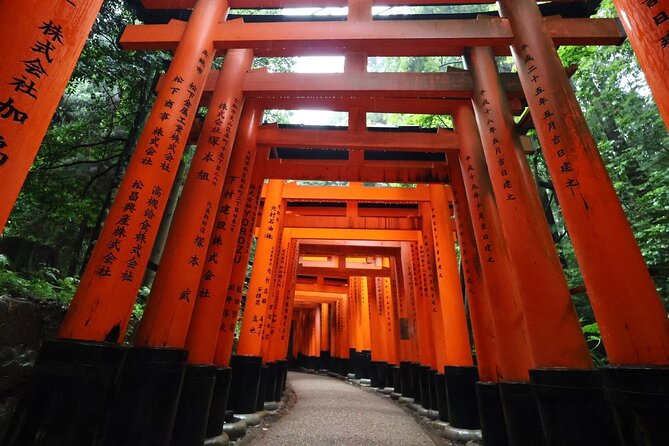
Your first major stop is Fushimi Inari-taisha, one of Kyoto’s most recognizable sights. The shrine is famous for its thousands of bright red torii gates, which form long passages through the wooded hillside.
The gates are not just decoration. They are connected with Inari, a Shinto deity associated with rice, business, and prosperity. Each gate has been donated by an individual or company, and the inscriptions on the rear side record those donations. A guide can help turn what might look like a photogenic tunnel into a place with religious and cultural meaning.
You have about an hour and a half here. That gives you time to see the main shrine area and walk through a good stretch of the torii gates, though it is not enough for every path on the mountain. This is one reason the early schedule helps. You can make progress through the gates without spending the whole visit weaving around large groups.
I would not book this experience expecting a full hike to the summit of Mount Inari. The supplied timing and three-stop route point to a highlights visit. That is a strength if you want an introduction to Fushimi Inari rather than a demanding half-day walk.
The shrine is also a useful place to begin a conversation about Shinto. Genki, one of the named guides associated with the experience, is praised for explaining the differences between Shinto and Buddhism in a clear way. The best guiding here is not a flood of dates. It is the kind that helps you understand why the shrine looks and feels different from the Buddhist temple you visit later.
Byodoin Temple and the Phoenix Hall
From Fushimi Inari, the tour continues to Uji, a city known for temples, shrines, and tea culture. The central stop is Byodoin Temple, with about an hour and a half set aside for the visit.
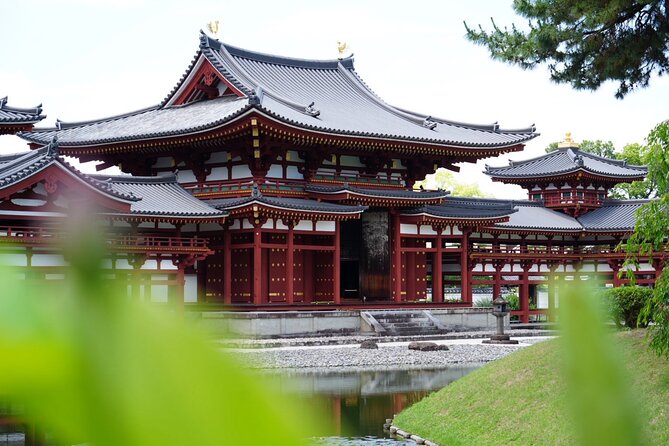
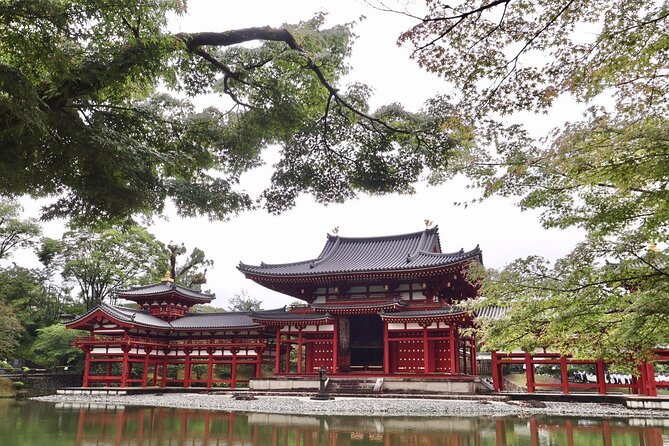
Byodoin is one of Kyoto’s most important historic sights and a UNESCO World Heritage Site. Its Phoenix Hall is famously pictured on the Japanese 10 yen coin, making this a place you may already recognize before you arrive. Seeing it in person gives that small piece of currency a much more impressive setting.
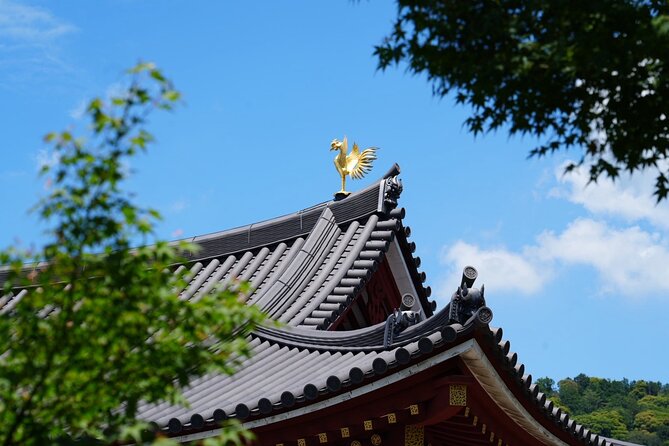
The hall’s name comes from the phoenix figures on its roof. Its design reflects the Heian period and ideas about the Buddhist Western Paradise. Even without a long lecture, the building’s position beside the water and its carefully balanced form make it one of Uji’s most memorable sights.
Admission to Byodoin is included in the tour price. That is a practical benefit, especially since it removes one ticket purchase from a busy morning. It also means the stated price of $55.18 includes one of the day’s main paid sights rather than covering only guiding and transport.
You should keep the value in perspective. The separate transportation fee is ¥390 per person, and lunch is not included. The price is therefore not an all-in cost for the entire day. Still, for a five-and-a-half-hour guided outing with a small group and Byodoin admission covered, it is a reasonable option for someone who wants structure and cultural context.
Byodoin can be the most visually striking stop, but it may also be the part where you want extra time. If you like to sit quietly, study architectural details, or take many photographs, the scheduled ninety minutes may feel brisk. The tour has two more major stops, so the timing favors variety over a slow, private visit.
Ujigami Shrine and a quieter side of Uji
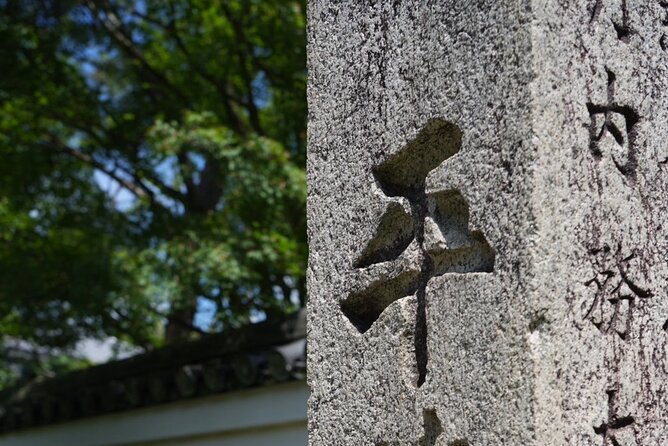
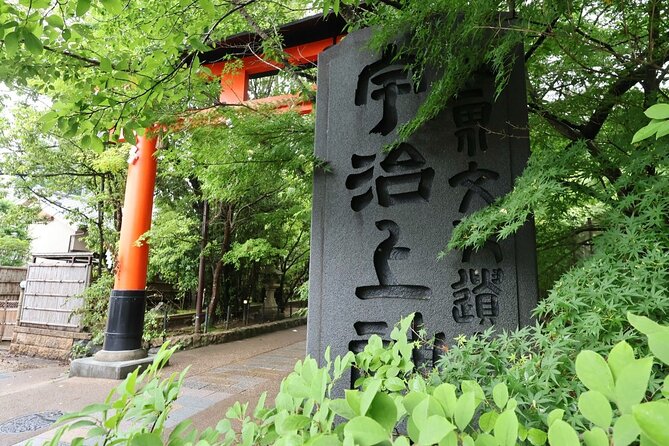
Ujigami Shrine gives the morning a different mood. It is described as Japan’s oldest standing shrine, and its wooden buildings and moss-covered grounds offer a quieter setting than Fushimi Inari.
This contrast is one of the route’s best features. Fushimi Inari is bold and instantly recognizable. Byodoin is polished and monumental. Ujigami Shrine feels more restrained, with an atmosphere that rewards slowing down and looking closely.
You have about an hour and a half here. That is generous for a small shrine and gives the guide time to explain its role without rushing you from one photo stop to the next. The shrine is a good place to ask follow-up questions about Shinto worship, sacred spaces, and the differences you have seen during the morning.
Do not expect the same grand visual impact as Byodoin. Ujigami Shrine’s appeal is its age, setting, and sense of calm. If your ideal sightseeing day is only famous buildings and dramatic views, this may feel modest. If you want to understand why Japan’s historic sites are not all alike, it is an important addition.
The shrine also helps the tour avoid becoming a simple run through postcard locations. You see a major tourist sight, an iconic temple, and a less showy historic shrine. That mix gives the morning more depth without adding another long transfer.
Same city, a completely different kind of day:
- PERFECT KYOTO 1-Day Bus Tour
★ 5.0 · 13,518 reviews - Kyoto Geisha Walking Tour: Gion District & Hidden Gems
★ 4.7 · 3,273 reviews - Kyoto: Gion Magical Night Walking Tour with Geisha Trivia
★ 4.9 · 2,393 reviews - Kyoto: 45-Minute Tea Ceremony Lesson Experience
★ 4.3 · 2,378 reviews
The early schedule and small group advantage
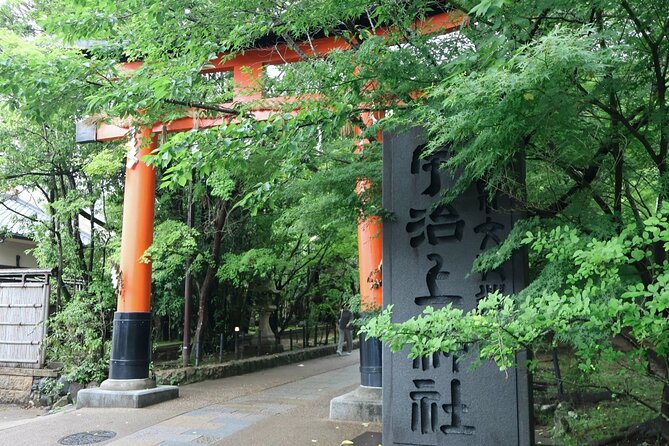
The tour runs for approximately five hours and thirty minutes. Its three listed visits each receive about ninety minutes, with the remaining time used for travel and movement between sites.
That schedule is compact but workable. You cover two areas in one outing, and the guide keeps the day moving. The tradeoff is that you will not have much free time for shopping, a leisurely tea stop, or a long lunch. Those activities are not included, so plan to eat after the tour or arrange your own food around the schedule.
The group size is limited to eight people. This matters more than it might sound. At a shrine or temple, the best questions often come up after you notice something for yourself. A smaller group makes it easier to ask about a gate, statue, ritual, or architectural detail without interrupting a large crowd.
The guide quality appears central to the experience. Genki is praised for being warm, caring, and clear, with explanations that are informative without becoming too heavy. One particularly useful strength is the ability to explain Shinto and Buddhism in terms you can retain. That is valuable in Kyoto, where the two traditions often appear close together but serve different religious roles.
Of course, a small group does not guarantee that every departure will feel equally personal. The provider is GuideMe Japan, and the group maximum is eight, not a promise that every group will have the same guide. Still, the format gives you a better chance of direct contact than a large coach tour.
Getting there, getting back, and the real cost
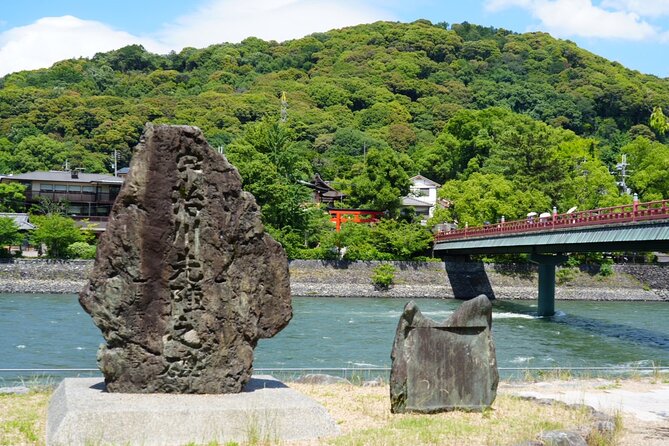
The meeting point is Kyoto Station, at Higashishiokoji Kamadonocho in Kyoto’s Shimogyo Ward. Kyoto Station is a practical starting point because it is a major transport hub, but you should allow enough time to find the exact meeting area. The experience begins there, not at Fushimi Inari.
The tour ends at Uji Station, Otsukata, Uji. This is useful if you want to remain in Uji after the guided portion. You could continue exploring on your own, find lunch, or make your own way elsewhere.
If you plan to return to Kyoto, tell the guide that you need directions. The guide can explain how to get back, but will not ride the train with the group. That distinction is easy to miss and important for first-time visitors who prefer a fully escorted return.
Transportation costs an additional ¥390 per person. Lunch is also excluded. At $55.18, the tour offers solid value if you would otherwise pay for a guide and Byodoin entry separately, especially with the maximum group size of eight.
The price is less compelling if you are comfortable navigating trains, reading basic site information, and setting your own pace. You could visit these areas independently and spend longer at the places that interest you most. You would, however, give up the convenience of a planned route and the chance to ask one guide about both Shinto and Buddhism during the same morning.
Who will get the most from this tour
I would recommend this experience to a first-time Kyoto visitor who wants to see important sites but has limited time. It is also a good fit if you prefer a guide to explain what you are looking at instead of reading every detail from signs or a phone.
It suits you especially well if:
- You want to see Fushimi Inari before the busiest afternoon period.
- You would like to combine Kyoto and Uji without planning the route yourself.
- You prefer a group of no more than eight people.
- You want Byodoin admission handled in advance.
- You enjoy cultural explanation, especially the differences between Shinto and Buddhism.
- You are happy to finish in Uji rather than return with the group to Kyoto.
You may want another plan if you want a full Fushimi Inari hike, a long lunch, extensive shopping, or a relaxed visit with no fixed schedule. The tour is designed around three substantial stops, so it favors coverage and guidance over free time.
The walking level is moderate, and the early departure may not suit anyone who dislikes morning starts. The exact start time is not supplied here, so confirm it before booking and make sure your Kyoto accommodation plans allow you to reach Kyoto Station on time.
Booking, cancellation, and practical details
Confirmation is provided at the time of booking, and the experience is near public transportation. A mobile ticket is available, which is convenient for keeping the booking on your phone.
Free cancellation is available if you cancel at least 24 hours before the local start time. Cancellations made less than 24 hours before the start, along with late changes, are not refunded or accepted. That policy is fairly simple, but check the local time carefully if you are booking from another country.
Bring comfortable walking shoes and keep your morning flexible enough for the three stops. Since lunch is not included, you should also have a plan for eating after the tour, particularly because you finish at Uji Station rather than Kyoto Station.
Should you book the Kyoto Early Bird Tour?
Book it if you want a well-paced introduction to Fushimi Inari and Uji with a small group, an English-speaking guide, and Byodoin admission included. The mix of famous sights and quieter Ujigami Shrine is stronger than a simple photo-stop tour, and Genki’s clear cultural explanations could make the temples and shrines much easier to understand.
Skip it if your priority is complete independence or a long, unhurried visit at one site. The extra ¥390 transport fee, lunch costs, fixed timing, and return to Kyoto on your own are real considerations.
For most first-time visitors with only part of a day available, this is a practical way to connect two major Kyoto-area highlights. Just wear good shoes, start early, and remember that the tour ends in Uji.
FAQ
How long does the tour last?
The tour lasts approximately five hours and thirty minutes.
Where does the tour start?
It starts at Kyoto Station in Higashishiokoji Kamadonocho, Shimogyo Ward, Kyoto, 600-8216, Japan.
Where does the tour end?
The tour ends at Uji Station in Otsukata, Uji, Kyoto, 611-0021, Japan.
Is admission to Byodoin Temple included?
Yes. The entrance fee to Byodoin Temple is included in the tour price.
Are transportation and lunch included?
No. Transportation costs an additional ¥390 per person, and lunch is not included.
How many people can join the tour?
The group has a maximum of eight travelers.
Just added around Kyoto
- Private Guided Traditional Buddhist Cooking in Japan★ 5.0 · 16 reviews
- Kyoto: Gion Geisha District & Sake-in-Hand Walking Tour★ 5.0 · 37 reviews
- Kyoto: Zen Meditation at a Private Temple with a Monk★ 5.0 · 25 reviews
- Your Private Vacation Photography Session In Kyoto★ 5.0 · 110 reviews
- Traditional Japanese Washi Papermaking- Kyoto morning★ 5.0 · 77 reviews
- Kyoto Wagashi(Japanese sweets) Cooking Class near Fushimiinari★ 5.0 · 60 reviews
- Private Pewter Sake Cup Experience with a Kyoto Artisan★ 5.0 · 31 reviews
- Kyoto Private 6 hour Tour: English Speaking Driver Only, No Guide★ 5.0 · 88 reviews
Temple & Shrine Tours, compared.
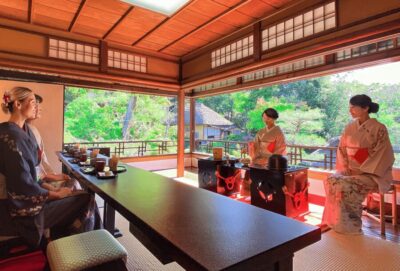
Tea Ceremony in a Traditional Tea House in Kiyomizu
Read our review →
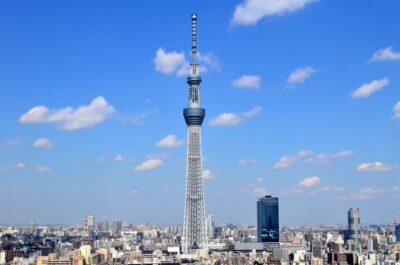
Meiji Shrine, Asakusa, Skytree Bus Tour and Cruise
Read our review →
Asakusa Walking Tour with Sensoji Temple Visit
Read our review →
Kamakura & Enoshima Day Trip including Temple Tickets
Read our review →
Kyoto/Osaka: Nara, Fushimi Inari Taisha, Arashiyama Bus Tour
Read our review →
Nikko Toshogu Shrine and Kegon Waterfall Tour
Read our review →
Tokyo Panoramic 1 Day: Meiji Shrine, Asakusa, Odaiba and SKYTREE®
Read our review →Browse the lists this tour appears in