REVIEW · KYOTO TOURS
Kyoto Afternoon Tour from Kyoto or Osaka
Kyoto packs centuries of worship into a surprisingly small area, and this afternoon tour gives you three very different glimpses of it: the red torii gates of Fushimi Inari, the solemn statues of Sanjusangendo, and the hilltop terrace of Kiyomizu-dera. The most useful feature is the included transportation, since moving between these sites on your own can eat up much of an afternoon.
I like the mix of Shinto and Buddhist sites, and I like having a guide explain customs that are easy to miss when you simply walk through a temple gate. Guides including Yoshi, Momo, Amy, Jessie, and Donna-San have been praised for being funny, organized, and welcoming. The main drawback is time: 30 minutes at the first two stops can feel tight, especially with crowds and walking.
In This Review
- Key points at a glance
- Three Kyoto icons before dinner
- Fushimi Inari and the Senbon Torii
- Sanjusangendo and 1,001 Kannon figures
- Kiyomizu-dera, pottery shops, and the Kyoto view
- What the guide adds to the afternoon
- Is $82.58 a good value?
- Walking, weather, crowds, and family details
- Who should choose this Kyoto afternoon tour?
- Should you book it?
- FAQ
- How long does the Kyoto afternoon tour last?
- Where does the tour begin?
- Which places does the tour visit?
- Are admission fees included?
- Is hotel pickup or drop-off provided?
- How much time is spent at each site?
- Does the tour enter the Shin-en garden at Fushimi Inari?
- Is the tour suitable for children?
- Can I cancel for a full refund?
Key points at a glance
- Three major Kyoto sights in one afternoon: Fushimi Inari, Sanjusangendo, and Kiyomizu-dera.
- Japan’s longest wooden building: Sanjusangendo stretches about 394 feet, or 120 meters, and houses 1,001 Kannon statues.
- The famous red torii gates: Fushimi Inari’s Senbon Torii provide the tour’s most instantly recognizable photo setting.
- Kyoto views from Kiyomizu-dera: The temple terrace and hillside paths give you broad views over the city.
- A practical half-day format: Transportation and admission fees are included, with no hotel pickup or drop-off.
- A fast pace: Expect substantial walking, a 15-minute walk each way from the parking area at Fushimi Inari, and possible crowd delays.
Three Kyoto icons before dinner
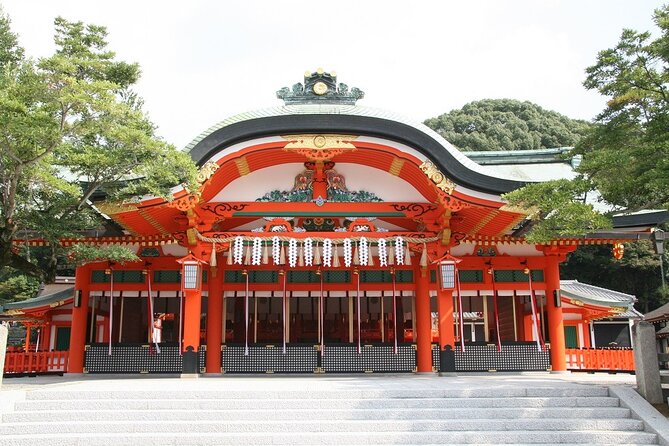
This is a sightseeing sampler, not a slow temple day. In roughly four hours and 40 minutes, you visit three of Kyoto’s best-known religious sites, hear background from a licensed English-speaking guide, and let someone else deal with the roads and parking.
That structure works well if you have only one day in Kyoto, are staying in Osaka, or want to get your bearings before exploring alone. Kyoto has far more temples and shrines than any half-day outing can cover, but these three sites show three distinct sides of the city.
Fushimi Inari is famous for its bright-red torii gates and Shinto setting. Sanjusangendo is quieter and more inward-looking, with its long wooden hall and rows of Buddhist figures. Kiyomizu-dera brings the grand view, the old shopping approach, and the feeling of a major hilltop pilgrimage site.
You meet the guide in the afternoon at the Avanti Tour Desk near Kyoto Station. The office is in the basement of a large building, so give yourself extra time to find it. One practical warning: Kyoto Station and the area around it can be confusing, and arriving at the wrong side of the building can make a punctual meeting harder than expected.
The tour includes transportation, entrance fees, and the services of a National Government Licensed English Guide Interpreter. Food and drinks are not included, and there is no hotel pickup or drop-off. Seats may not be assigned, so arrive ready to follow the group rather than choose a particular place on the bus.
Other Kyoto days people book alongside this one:
- PERFECT KYOTO 1-Day Bus Tour
★ 5.0 · 13,518 reviews - Kyoto: Fushimi Inari, Kinkakuji, Bamboo Grove 1 Day Bus Tour
★ 4.8 · 4,316 reviews - Kyoto: Tea Ceremony in a Traditional Tea House in Kiyomizu
★ 4.9 · 3,519 reviews
Fushimi Inari and the Senbon Torii
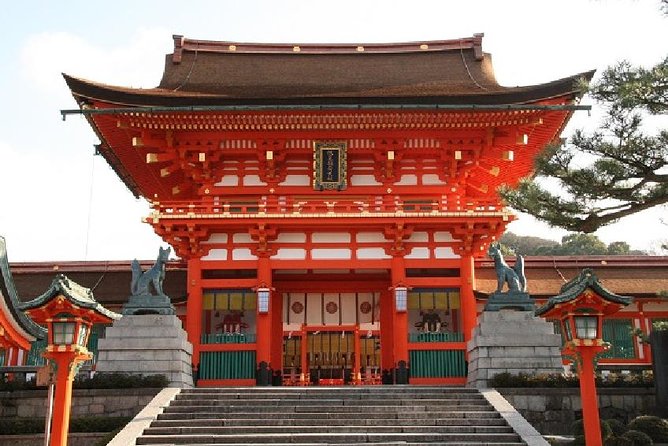
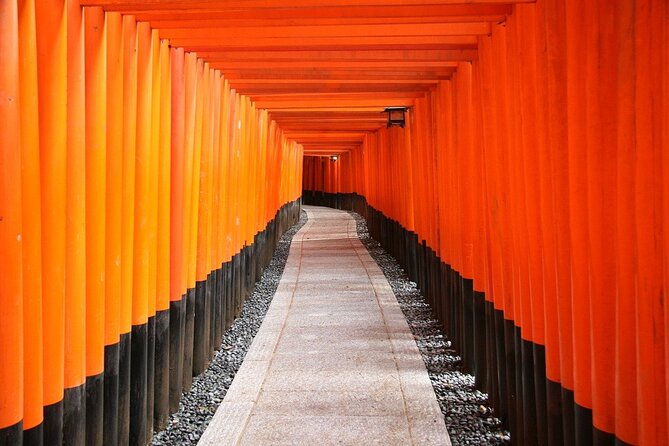
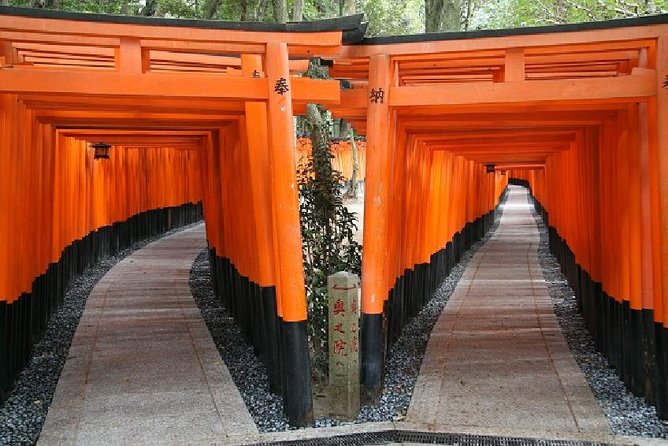
The first stop is Fushimi Inari-taisha, the head shrine of roughly 40,000 Inari shrines across Japan. Its bright-red columns and famous Senbon Torii, or thousand torii gates, make it one of Kyoto’s most photographed places.
The tour allows about 30 minutes here. That is enough to see the main approach, pass beneath a section of the torii, take photographs, and get an introduction to Inari worship. It is not enough to walk far up the mountain trails, which continue well beyond the main shrine area.
There is also a 15-minute walk each way from the parking area to the shrine. That makes this stop closer to an hour of movement than the listed 30 minutes might suggest. Wear shoes that handle pavement and a steady walking pace.
The bright colors make Fushimi Inari an easy place to enjoy at first glance, but a guide can add useful context about shrine customs and the role of Inari. You may find the site crowded, especially around the best-known gate sections. Keep your camera ready, but do not expect a quiet, private walk through the entire torii tunnel.
One detail matters here: the tour does not enter the Shin-en garden. If you are choosing this outing mainly for garden time, Fushimi Inari will not fill that need. The appeal is the shrine architecture, the torii gates, and the chance to see an important Shinto site.
Sanjusangendo and 1,001 Kannon figures
Sanjusangendo is the tour’s most unusual stop. Its name refers to the 33 bays of the building, and the hall extends about 120 meters, making it Japan’s longest wooden structure.
Inside, 1,001 life-size statues of Kannon, the Buddhist bodhisattva associated with compassion, line the hall. The effect is far more powerful than a quick description suggests. The building’s length and the repeated figures create a strong sense of order and scale, even if you know little about Buddhist art.
The scheduled visit lasts about 30 minutes. That is short, but Sanjusangendo is a focused experience rather than a sprawling temple complex. You do not need a full afternoon to understand the main sight, though you may wish you had more time to look carefully at the statues and absorb the atmosphere.
This stop is also a good reason to choose a guided outing. A guide can explain what you are seeing, why the hall was built, and how the statues fit into Japanese Buddhist tradition. Several guides have been praised for making the history clear and entertaining, with Yoshi and Momo among the names singled out for warm, engaging presentations.
Photography rules and interior conditions can limit how much you record, so treat this as a place to watch and listen rather than simply collect pictures. Sanjusangendo may not have the instant visual drama of the red gates, but it can be the most intense and memorable stop of the afternoon.
Kiyomizu-dera, pottery shops, and the Kyoto view
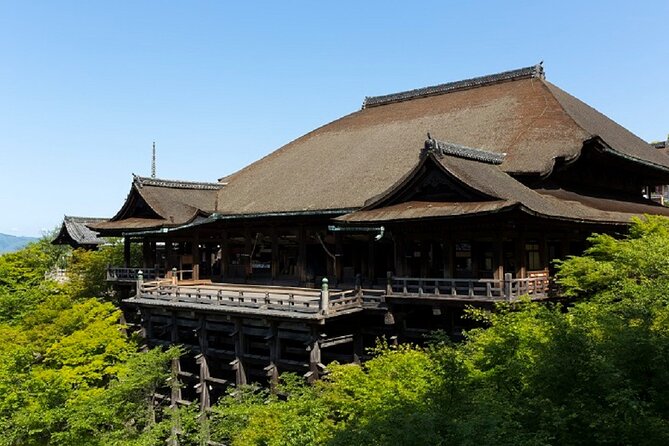
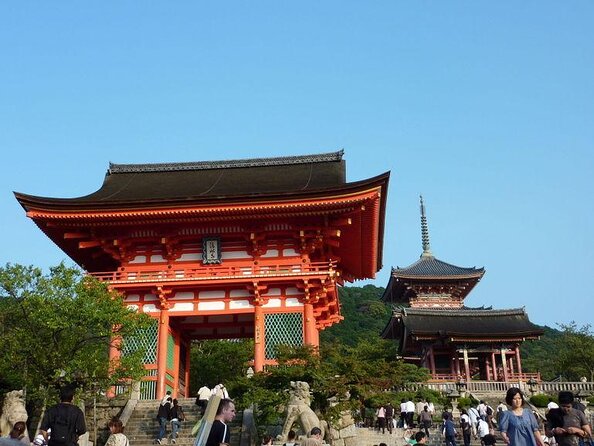
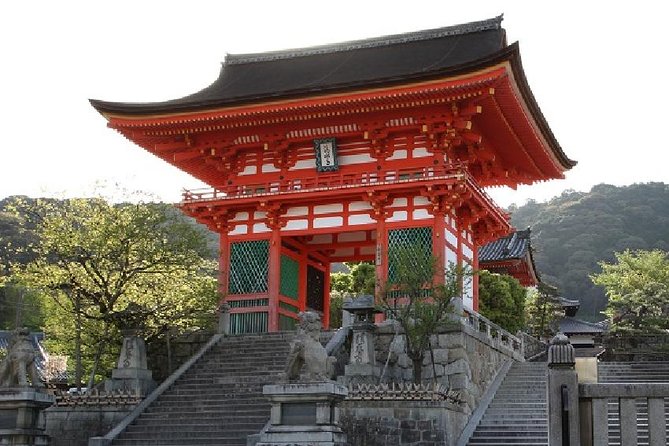
The final stop is Kiyomizu-dera, one of Kyoto’s major World Heritage sites. The approach leads through streets lined with pottery shops and other small stores, giving you more of a traditional sightseeing walk than a simple bus stop at a monument.
The temple sits high above Kyoto on the foothills of Higashiyama. Its broad terrace and nearby walkways open toward the city, making this the best stop for a wide view. On a clear day, you can combine temple architecture with a sense of how large Kyoto really is.
The tour allows about one hour and 10 minutes here, the longest scheduled stop. That gives you time to climb the approach, see the temple, take photographs, enjoy the view, and perhaps stop for a quick ice cream or a little shopping. Still, the route is uphill and the climb can feel strenuous on a hot, sunny day.
Crowds are part of the Kiyomizu-dera experience. The approach streets can be noisy and packed, and the terrace may be difficult to photograph without people around you. That is not a flaw unique to this tour, but a reality worth accepting before you book.
The afternoon timing deserves special attention. Depending on the season, you may reach Kiyomizu-dera around 4:30 p.m. and leave after dusk. In that case, the city view becomes a night view, and autumn foliage or other daytime details may be hard to see. If broad daylight photographs are your top priority, check the expected schedule and sunset time before booking.
The longer stop makes Kiyomizu-dera the place where the tour feels most flexible. You may be able to stay behind at the site by arrangement, but do not assume the bus will wait indefinitely or that an independent return route is included. Ask the guide before separating from the group.
Same city, a completely different kind of day:
- Kyoto Geisha Walking Tour: Gion District & Hidden Gems
★ 4.7 · 3,273 reviews - Kyoto: Tea Ceremony Ju-An at Jotokuji Temple
★ 4.9 · 3,207 reviews - Kyoto: Gion Magical Night Walking Tour with Geisha Trivia
★ 4.9 · 2,393 reviews - Kyoto: 45-Minute Tea Ceremony Lesson Experience
★ 4.3 · 2,378 reviews
What the guide adds to the afternoon
The guide is central to the value of this outing. Kyoto’s shrines and temples can look beautiful without explanation, but the differences between Shinto and Buddhism, the meaning of ritual features, and the role of each site are not always obvious.
The strongest guide reports describe hosts who are funny, polite, attentive, and clear in English. Yoshi is praised for keeping the mood light while explaining the sites. Momo, Amy, Jessie, and Donna-San are also named positively for their information and care with the group.
That said, the quality of a guided explanation depends partly on group size and where you are standing. The advertised maximum is 40 people, and one account describes a group of 43. If the group is large, stay near the guide during explanations and listen carefully before moving to take photographs.
One complaint was difficulty hearing the guide in a large group, with the tour feeling more like transportation than a full explanation at some stops. That is the key tradeoff here: you gain simple movement between distant sites, but you may not receive a long talk at every location.
For the best experience, treat the guide’s commentary as an introduction, not a complete course in Kyoto history. Take notes on places you want to revisit, then explore more slowly on another day if your schedule allows.
Is $82.58 a good value?
At $82.58 per person, the tour is not the cheapest way to visit Kyoto’s temples. You are paying for convenience, a licensed English guide, entrance fees, and transportation during a period when Kyoto roads and temple districts can be difficult to navigate.
The value is strongest if you are based in Osaka, have only a few hours in Kyoto, or do not want to plan train routes, local connections, parking, and admission separately. Families and first-time visitors may also appreciate the air-conditioned bus, especially during Kyoto’s hot and humid months.
The value is weaker if you already know Kyoto well, prefer to linger, or want complete control over your route. The 30-minute stops leave little room for a long look at Sanjusangendo or a relaxed walk at Fushimi Inari. You could spend much longer at Kiyomizu-dera alone.
Admission fees are included, so the price is easier to judge as one package. You are not paying only for entry tickets. You are paying to connect three important sites in one afternoon and to have someone explain what you are seeing.
Walking, weather, crowds, and family details
Plan for more walking than the short duration suggests. Fushimi Inari includes about 15 minutes each way from the parking area, and Kiyomizu-dera requires an uphill approach. Comfortable shoes matter more than fashionable ones.
Most people can participate, and service animals are allowed. The tour operates near public transportation, but hotel pickup and drop-off are not included. Food and drinks are also your responsibility, so carry what you need for the afternoon.
Children up to age five may join free, but they do not receive a bus seat unless you book the child rate. Anyone under 18 needs written parental permission. Participants under 15, or children not yet enrolled in middle school, must be accompanied by a parent or guardian.
Road conditions and congestion can change the order of the stops and arrival times. That matters most for Kiyomizu-dera, where late afternoon light may become evening darkness. Keep your schedule after the tour flexible.
Free cancellation is available if you cancel at least 24 hours before the start time. Cancellations or changes made less than 24 hours ahead are not accepted for a refund.
Who should choose this Kyoto afternoon tour?
I would choose this tour if you have limited time and want a reliable first look at Kyoto’s most famous religious sites. It is especially useful for someone staying in Osaka, arriving in Kyoto without a detailed plan, or visiting Japan for the first time.
It also suits you if you enjoy learning from a guide and would rather ride between sites than work out each connection. The mix of shrine, Buddhist hall, and hilltop temple gives you a solid introduction to Kyoto’s religious culture.
I would hesitate if you dislike crowds, need a slow pace, or care most about careful photography. The tour covers a lot, but it cannot give you the unhurried feeling that Kyoto’s temples often deserve. Independent travelers with a full day should consider choosing fewer sites and spending more time at each.
Should you book it?
Book this tour if your Kyoto window is short and your priority is seeing Fushimi Inari, Sanjusangendo, and Kiyomizu-dera without transport headaches. The included admissions, bus, and English guide make the $82.58 price reasonable for a concentrated afternoon.
Skip it if you want solitude, long visits, or complete freedom to follow a temple garden or shopping lane at your own speed. Before booking, check the season’s sunset time and prepare for a brisk walk. If you accept the pace, this is a practical way to get three major Kyoto sights under your belt before dinner.
FAQ
How long does the Kyoto afternoon tour last?
The tour lasts approximately 4 hours and 40 minutes, or about five hours.
Where does the tour begin?
You meet the guide in the afternoon at the Avanti Tour Desk near Kyoto Station. The office is in the basement of a large building, so allow extra time to find it.
Which places does the tour visit?
The itinerary includes Fushimi Inari-taisha Shrine, Sanjusangendo Temple, and Kiyomizu-dera Temple.
Are admission fees included?
Yes. Admission fees and transportation costs are included in the tour price.
Is hotel pickup or drop-off provided?
No. Hotel pickup and drop-off are not included.
How much time is spent at each site?
The scheduled time is about 30 minutes at Fushimi Inari, 30 minutes at Sanjusangendo, and one hour and 10 minutes at Kiyomizu-dera.
Does the tour enter the Shin-en garden at Fushimi Inari?
No. The tour does not enter the Shin-en garden.
Is the tour suitable for children?
Most people can participate. Children up to age five may join free, but they do not receive a bus seat unless you book the child rate. Anyone under 18 needs written parental permission, and participants under 15 or not yet enrolled in middle school must join with a parent or guardian.
Can I cancel for a full refund?
Yes, if you cancel at least 24 hours before the experience start time. Cancellations or changes made less than 24 hours before the start time are not accepted for a refund.
Just added around Kyoto
- Private Guided Traditional Buddhist Cooking in Japan★ 5.0 · 16 reviews
- Kyoto: Gion Geisha District & Sake-in-Hand Walking Tour★ 5.0 · 37 reviews
- Your Private Vacation Photography Session In Kyoto★ 5.0 · 110 reviews
- Kyoto: Zen Meditation at a Private Temple with a Monk★ 5.0 · 25 reviews
- Traditional Japanese Washi Papermaking- Kyoto morning★ 5.0 · 77 reviews
- Kyoto Wagashi(Japanese sweets) Cooking Class near Fushimiinari★ 5.0 · 60 reviews
- Private Pewter Sake Cup Experience with a Kyoto Artisan★ 5.0 · 31 reviews
- Kyoto Private 6 hour Tour: English Speaking Driver Only, No Guide★ 5.0 · 88 reviews
Kyoto Tours, compared.
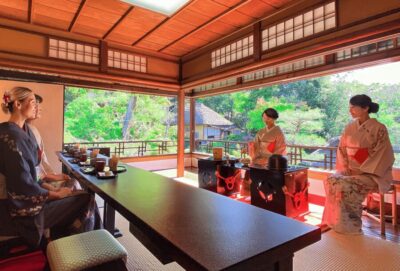
Tea Ceremony in a Traditional Tea House in Kiyomizu
Read our review →
Kyoto Geisha Walking Tour: Gion District & Hidden Gems
Read our review →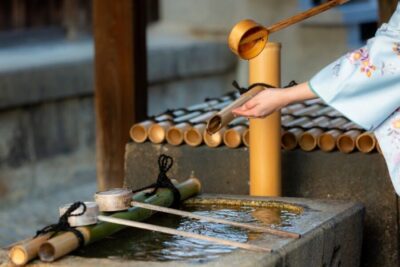

Gion Magical Night Walking Tour with Geisha Trivia
Read our review →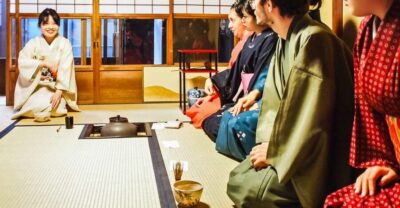

Gion Geisha District Walking Tour – Stories of Geisha
Read our review →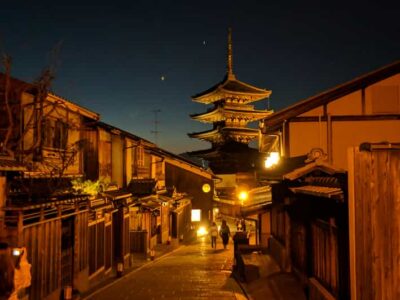
Best of Kyoto: Gion, Geisha, Pagodas & Cobblestones
Read our review →