
REVIEW · TEMPLE & SHRINE TOURS
Kiyomizu Temple and Backstreets of Gion, Half Day Group Tour
Kyoto’s best introduction may be on foot, and this four-hour route gives you a fine first look at the city’s temple district. You’ll climb toward Kiyomizu-dera, wind down old stone lanes, pause at small shrines, and finish among the wooden townhouses of Gion.
I like two things here: the small group, capped at eight, and the chance to ask a local guide about both Buddhism and Shinto. I also like the flexible feel. Guides such as Mitsuhiko, Mika, Takuma, Toshi, and Kiyoto have adapted explanations and pacing to suit families, solo visitors, and personal interests. The main consideration is the walking: the route includes an uphill approach and crowded streets, so comfortable shoes are essential.
In This Review
- Key details before you book
- Why this four-hour route works well
- Starting at the Kyoto Ceramic Center
- Kiyomizu-dera and the uphill approach
- Sannenzaka and Ninenzaka: Kyoto on foot
- A Japanese garden, Yasaka Pagoda, and small-scale Kyoto
- Yasaka Koshin-do and its colorful charms
- Yasui-Konpiragu and the meaning of cutting ties
- Kennin-ji: a calmer finish to the temple visits
- Walking through Gion and Hanamikoji
- What the guides add
- Is $59.45 good value?
- Walking, weather, and practical planning
- Who should book this Kyoto walk?
- Should you book the Kiyomizu Temple and Gion tour?
- FAQ
- How long does the Kiyomizu Temple and Backstreets of Gion tour last?
- Where does the tour begin?
- Where does the tour end?
- What sights are included?
- Is admission included?
- How large is the group?
- What should I wear, and does the tour run in bad weather?
Key details before you book
- Kiyomizu-dera comes early: You reach one of Kyoto’s major sights while the temple and surrounding streets form the heart of the outing.
- The route links several districts: Kiyomizu-dera, Higashiyama, Kennin-ji, and Gion fit into one well-planned walk.
- Groups stay small: A maximum of eight people makes it easier to hear the guide and ask questions.
- The guides add cultural context: Expect explanations of temple customs, Zen Buddhism, Shinto practices, and Kyoto’s past.
- The walk ends in Gion: You finish near Hanamikoji, a traditional street lined with machiya houses, teahouses, shops, and restaurants.
- The price buys orientation: At $59.45 per person, the tour can save time and help you make sense of a busy part of Kyoto in half a day.
Why this four-hour route works well
The Higashiyama area can be confusing on a first visit. Several lanes rise toward Kiyomizu-dera, small temples appear between shops, and the crowds can make a short distance feel much longer. A local guide gives the walk a clear shape instead of leaving you to piece the area together on your own.
The route also has a good rhythm. It begins with Kyoto’s ceramic tradition, climbs to a major Buddhist temple, moves through historic lanes, pauses at small religious sites, and then settles into the quieter spaces of Kennin-ji before ending in Gion. You get famous sights, but you also get enough explanation to understand what you are seeing.
The experience is described as customizable, which matters in a small group. You can ask about temple architecture, Japanese food, local customs, or the difference between Buddhist and Shinto sites. Kiyoto, for example, has been praised for adjusting the outing to personal interests and offering Japan recommendations. Guides have also answered questions well beyond the formal stops.
More Temple & Shrine Tours in Kyoto
- Kyoto: Fushimi Inari, Kinkakuji, Bamboo Grove 1 Day Bus Tour
★ 4.8 · 4,316 reviews - Kyoto: Tea Ceremony in a Traditional Tea House in Kiyomizu
★ 4.9 · 3,519 reviews - Kyoto: Tea Ceremony Ju-An at Jotokuji Temple
★ 4.9 · 3,207 reviews
Starting at the Kyoto Ceramic Center
The meeting point is the Kyoto Ceramic Center, officially listed as the Kyoto Ceramic Art Association Official Shop and Gallery at 583-1 Yugyomaecho in Higashiyama Ward. The opening stop lasts about 10 minutes and has no admission charge.
This is a sensible place to begin. Kyoto ceramics are part of the city’s cultural identity, and the center gives you a quick introduction before the walk turns toward temples and shrines. Do not expect a long museum visit here. The stop is brief, so think of it as a meeting point and a short cultural starting note.
From here, the route moves toward Kiyomizu-dera. The change from a modern meeting point to the old lanes of Higashiyama helps you get your bearings quickly.
Kiyomizu-dera and the uphill approach
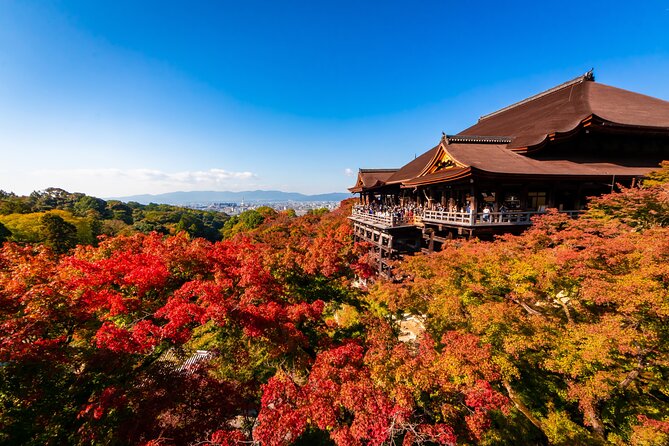
Kiyomizu-dera receives about an hour, with admission included. This is the main event at the beginning of the tour and one of Kyoto’s most visited religious sites. It is also a UNESCO World Heritage Site, so this is not simply a scenic stop. The temple carries major religious and cultural weight.
The approach is uphill. That sounds simple, but the busy streets around Kiyomizu-dera can make the climb slow. The guide’s help is useful here, especially when the route fills with shoppers and people heading toward the temple. Toshi, one of the guides named in the feedback, was especially good at navigating crowded areas while keeping the group on track.
You will learn about the temple’s history and cultural role rather than just taking photographs. A guide can explain what makes the site Buddhist, how to behave respectfully, and why the temple matters to Kyoto. The precise presentation depends on your guide, but the outing regularly includes background on Japanese history, religion, and culture.
The included admission is a practical benefit. You do not need to stop and sort out a separate ticket during the group’s visit. Still, an hour passes quickly at a major temple, especially if you want time for views, details, and photographs. This tour gives you an introduction, not an exhaustive study of every building.
Sannenzaka and Ninenzaka: Kyoto on foot
After Kiyomizu-dera, you spend about 30 minutes on Sannenzaka and Ninenzaka. These steep, historic streets lead up to the temple and are among the most recognizable lanes in Kyoto.
Sannenzaka, or Three-Year Slope, is the longer and steeper lane. Ninenzaka, or Two-Year Slope, is somewhat gentler. Together, they are lined with traditional buildings, shops, and places to pause for Japanese snacks. One guide-led outing included snack sampling, so you can ask your guide for help understanding what you see and eat.
This is also where the practical side of the tour becomes clear. The lanes are easy to walk past without context, but a guide can point out older wooden buildings and explain how the district developed. You may also get suggestions for shopping or food, depending on your guide and the group’s interests.
The drawback is crowding. The streets are narrow, steep, and popular. If you want quiet photographs or a slow browse through every shop, the group schedule may feel brisk. The route is better for seeing the area efficiently than for an unhurried shopping afternoon.
Same city, a completely different kind of day:
- PERFECT KYOTO 1-Day Bus Tour
★ 5.0 · 13,518 reviews - Kyoto Geisha Walking Tour: Gion District & Hidden Gems
★ 4.7 · 3,273 reviews - Kyoto: Gion Magical Night Walking Tour with Geisha Trivia
★ 4.9 · 2,393 reviews - Kyoto: 45-Minute Tea Ceremony Lesson Experience
★ 4.3 · 2,378 reviews
A Japanese garden, Yasaka Pagoda, and small-scale Kyoto
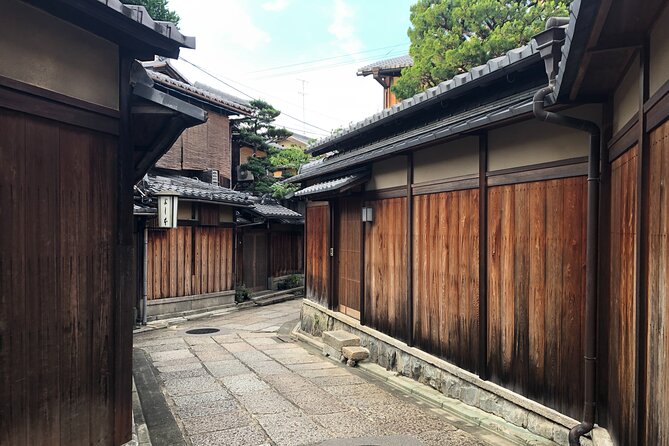
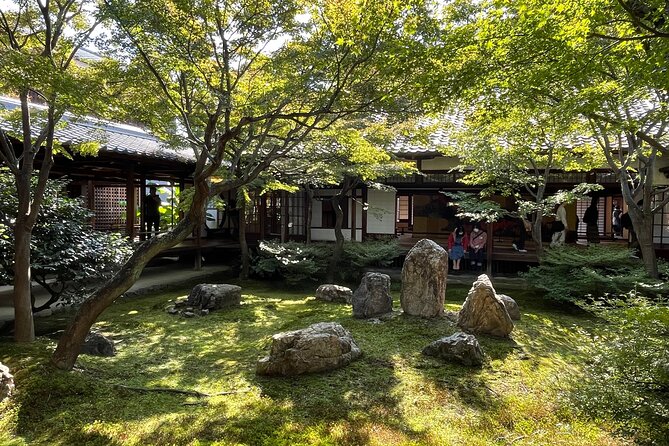
The route also includes a Japanese garden near Kiyomizu-dera, with ponds, traditional wooden bridges, and carefully arranged plants. The supplied timing does not list a separate duration or a clear name for this garden, so treat it as a short scenic pause rather than a guaranteed long garden visit.
That uncertainty is worth noting when you plan your day. The garden adds a quieter visual break after the temple and steep lanes, but the amount of time available may depend on the day’s pace and crowd levels.
You will also see Yasaka Pagoda, a historic five-story structure and one of Kyoto’s familiar landmarks. It is associated with the surrounding Higashiyama streets and makes a strong transition between the larger temple complex and the smaller neighborhood shrines ahead.
These brief stops are part of the appeal of walking with a local. You are not simply moving between two major attractions. You are connecting the spaces between them, with the chance to notice a garden, a pagoda, a shopfront, or an old wooden building that could be easy to miss alone.
Yasaka Koshin-do and its colorful charms
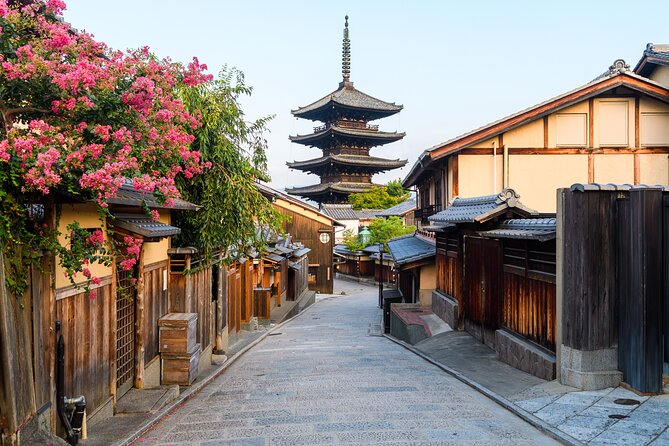
Yasaka Koshin-do receives about 10 minutes and has no admission charge. This small traditional temple is dedicated to Koshin, a guardian deity associated with protection from illness and misfortune.
The site is known for colorful kukurizaru, small tied figures that give the temple a distinctive appearance. It is a compact stop, but it offers a useful contrast with Kiyomizu-dera. You see how local religious practice can take place in a much smaller setting, tucked into the busy Higashiyama area.
Ten minutes is enough for an explanation and a quick look, not for a long period of quiet reflection. Keep your group together and listen closely, since small shrines often reward attention to details rather than a long visit.
Yasui-Konpiragu and the meaning of cutting ties
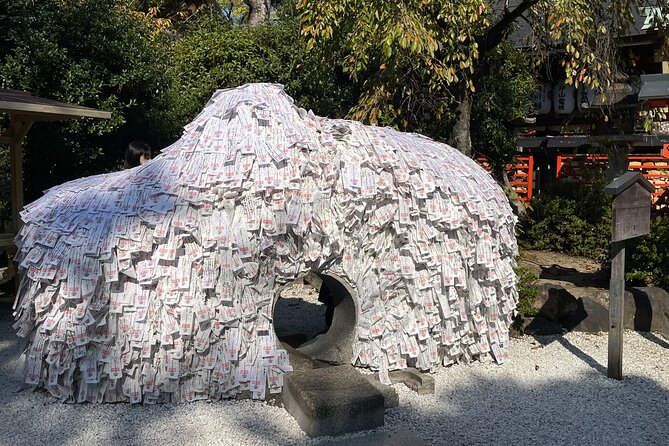
Another brief stop is Yasui-Konpiragu, a Shinto shrine in Higashiyama. It is famous for a ritual connected with ending negative relationships and forming positive ones. The shrine can draw long lines of people waiting to take part.
This is an interesting place to ask questions. The ritual gives you a direct look at the way religious sites can address everyday concerns, not only grand ceremonies or historical events. Your guide can explain the custom and help you understand the respectful way to observe it.
The 10-minute allocation may not allow you to join a long line. That is an important distinction. You should see the shrine and learn about its purpose, but participation in a popular ritual will depend on the queue and the day’s timing.
Kennin-ji: a calmer finish to the temple visits
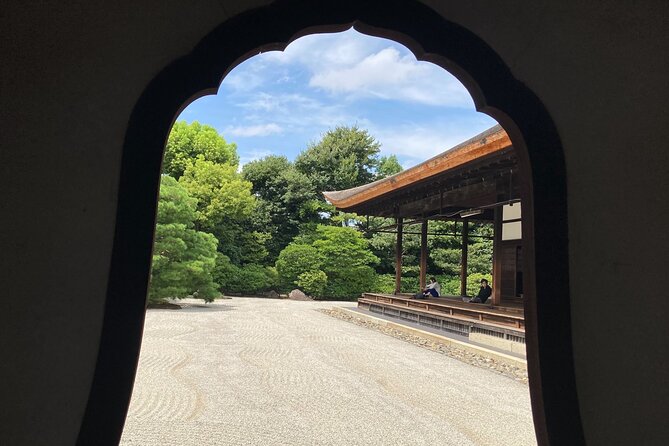
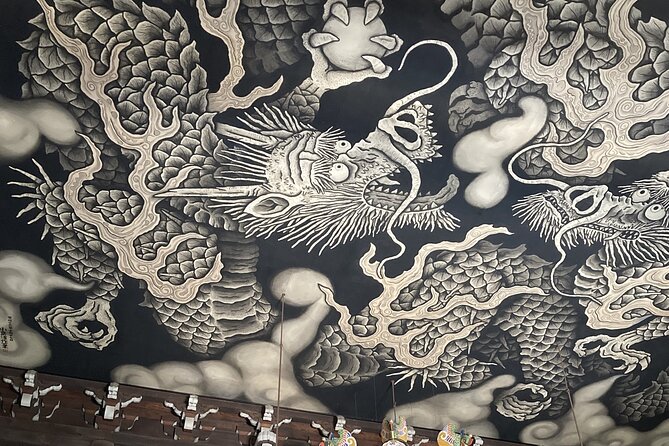
Kennin-ji receives about 50 minutes, with admission included. Founded in 1202, it is Kyoto’s oldest Zen temple. After the crowded lanes around Kiyomizu-dera, the spacious grounds offer a welcome change of pace.
The temple’s Dharma Hall is a major feature, and the setting gives your guide room to explain Zen Buddhism in a calmer environment. This is where the tour moves beyond famous photographs and gives you time to consider how a Zen temple functions as a place of practice and quiet.
I like the order of the route. You begin with a major landmark, pass through busy historic streets, and then have a more peaceful temple visit before reaching Gion. That change in mood keeps the four hours from feeling like one long procession of crowded sights.
Kennin-ji is still a formal religious site, so it is wise to follow the guide’s instructions and observe calmly. The included admission helps the schedule, and 50 minutes is a useful amount of time for seeing the grounds and main features without turning the visit into a full architectural study.
Walking through Gion and Hanamikoji
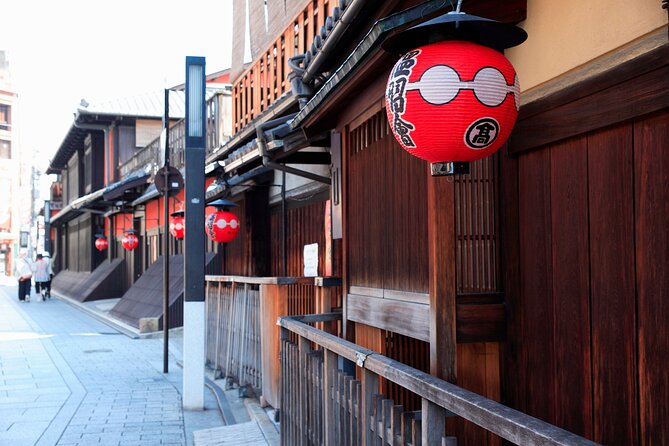
The final section takes you through Gion, Japan’s largest geisha district, and along Hanamikoji. The street is lined with traditional wooden machiya houses, teahouses, shops, and restaurants.
Gion is often treated as a photograph backdrop, but a guide can give you a better sense of what the district represents. The wooden buildings and refined streetscape reflect Kyoto’s older entertainment and dining culture. You should also remember that Gion is a working neighborhood, not an open-air theme park. Walk quietly, respect private entrances, and follow local rules about photography.
The listed endpoint is 571 Gionmachi Minamigawa in Higashiyama Ward. That makes the tour convenient if you want to continue exploring Gion, eat nearby, or make your own way to another Kyoto sight afterward.
Allow some flexibility after the tour. The stated duration is about four hours, and the operator warns that the finish may be delayed. If you have a train, reservation, or timed attraction afterward, leave a buffer.
What the guides add
The strongest part of this experience is the guiding. Mitsuhiko has been praised for good organization and a comfortable pace. Mika has led visitors through heavily trafficked sites while explaining Buddhist and Shinto beliefs, Kyoto history, and local culture.
Takuma, including guide Takuma Goda, has been described as personable and engaging. Kiyoto has tailored the walk to individual interests, answered broad Japan questions, and offered recommendations. Another guide adapted well to a family with two children, changing the pace and explanations to suit them.
Guide assignments are not guaranteed, so book this for the format and route rather than a particular person. Still, the repeated pattern is useful: the guides are not simply pointing out buildings. They are helping people understand religious customs, local history, food, and the shape of Kyoto’s old districts.
The small group matters here. With no more than eight participants, it should be easier to hear explanations in narrow lanes and ask a quick question without losing the group. The tour is also described as a private, customizable experience, so confirm the exact arrangement when booking if that distinction matters to you.
Is $59.45 good value?
At $59.45 per person, the tour is priced as an accessible half-day introduction rather than a luxury private outing. Admission to Kiyomizu-dera and Kennin-ji is included, while the other listed stops are free.
The value comes from combining several sights that are easy to visit in one area but not always easy to connect on your own. You get route planning, local explanations, help with crowded streets, and a clear finish in Gion. For a first day in Kyoto, that can save both time and mental effort.
You may find better value elsewhere if you prefer to wander alone, spend a long time shopping, or study one temple in detail. The tour’s schedule keeps moving, and its half-day length means you will not have unlimited time at any stop.
I think the price is strongest for a first-time visitor, a solo visitor making a short Kyoto stop, or anyone who wants cultural background without booking a full-day program. It also suits families if the guide can adjust the pace, as the route has already worked well for children.
Walking, weather, and practical planning
Wear comfortable walking shoes. The route includes an uphill approach to Kiyomizu-dera, steep historic lanes, and several hours on foot. The walk is a good way to cover this part of Kyoto, but it is not a low-effort sightseeing experience.
The tour runs rain or shine. Bring suitable rain protection and dress for changing weather. Since much of the experience takes place outdoors, poor weather can affect comfort even though the temples and indoor spaces provide some breaks.
The meeting point is near public transportation, and most people can take part. The ticket is mobile, and booking confirmation is provided at the time of booking. Free cancellation is available up to 24 hours before the start time, but changes or cancellations inside that window are not accepted for a refund.
Who should book this Kyoto walk?
Book it if you want a clear introduction to Kiyomizu-dera and Gion, prefer walking to figuring out transport, or enjoy asking questions about Japanese religion and customs. The route is especially useful on a first Kyoto visit or during a short stay.
It is also a good match for solo visitors. One solo visitor using a day trip from Tokyo found the format useful for seeing major Kyoto sights in limited time. The small group gives you company without the feel of a large coach tour.
Families can consider it too, particularly if children can manage the hills and several hours of walking. The guide may adapt the pace and focus, but the route itself remains active.
You may want another option if you need guaranteed accessibility, dislike crowds, or want a slow visit centered on shopping and photography. The information says most people can participate, but it does not promise a step-free route or a fixed end time.
Should you book the Kiyomizu Temple and Gion tour?
I would book this tour for a first look at Kyoto’s eastern temple district, especially if you have only half a day. The combination of Kiyomizu-dera, Sannenzaka and Ninenzaka, small religious sites, Kennin-ji, and Gion gives you a strong sense of place for $59.45.
Go in with the right expectations: this is an active walking route, not a relaxed garden visit or a deep study of one temple. Leave time after the finish, wear good shoes, and tell the guide what interests you. If you want history, religion, snacks, family-friendly pacing, or local suggestions, the flexible format gives you room to make the walk your own.
FAQ
How long does the Kiyomizu Temple and Backstreets of Gion tour last?
The tour lasts approximately four hours.
Where does the tour begin?
It begins in front of the Kyoto Ceramic Center, also called the Kyoto Ceramic Art Association Official Shop and Gallery, at 583-1 Yugyomaecho, Higashiyama Ward, Kyoto.
Where does the tour end?
The listed endpoint is 571 Gionmachi Minamigawa in Kyoto’s Higashiyama Ward, near the Gion area.
What sights are included?
The route includes Kiyomizu-dera, Sannenzaka, Ninenzaka, a Japanese garden near Kiyomizu-dera, Yasaka Pagoda, Yasaka Koshin-do, Yasui-Konpiragu, Kennin-ji, and Gion’s Hanamikoji street.
Is admission included?
Admission is included for Kiyomizu-dera and Kennin-ji. The other listed stops have no admission charge.
How large is the group?
The tour has a maximum of eight participants.
What should I wear, and does the tour run in bad weather?
Wear comfortable walking shoes because the route includes uphill and street walking. The tour runs rain or shine.
Just added around Kyoto
- Private Guided Traditional Buddhist Cooking in Japan★ 5.0 · 16 reviews
- Kyoto: Gion Geisha District & Sake-in-Hand Walking Tour★ 5.0 · 37 reviews
- Your Private Vacation Photography Session In Kyoto★ 5.0 · 110 reviews
- Kyoto: Zen Meditation at a Private Temple with a Monk★ 5.0 · 25 reviews
- Traditional Japanese Washi Papermaking- Kyoto morning★ 5.0 · 77 reviews
- Kyoto Wagashi(Japanese sweets) Cooking Class near Fushimiinari★ 5.0 · 60 reviews
- Private Pewter Sake Cup Experience with a Kyoto Artisan★ 5.0 · 31 reviews
- Kyoto Private 6 hour Tour: English Speaking Driver Only, No Guide★ 5.0 · 88 reviews
Temple & Shrine Tours, compared.
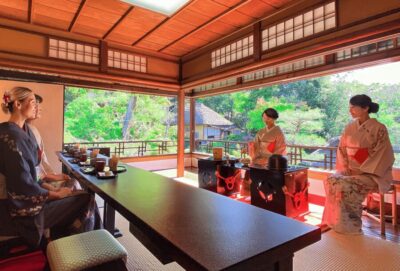
Tea Ceremony in a Traditional Tea House in Kiyomizu
Read our review →

Meiji Shrine, Asakusa, Skytree Bus Tour and Cruise
Read our review →
Asakusa Walking Tour with Sensoji Temple Visit
Read our review →
Kamakura & Enoshima Day Trip including Temple Tickets
Read our review →
Kyoto/Osaka: Nara, Fushimi Inari Taisha, Arashiyama Bus Tour
Read our review →
Nikko Toshogu Shrine and Kegon Waterfall Tour
Read our review →
Tokyo Panoramic 1 Day: Meiji Shrine, Asakusa, Odaiba and SKYTREE®
Read our review →Browse the lists this tour appears in