
REVIEW · ARASHIYAMA BAMBOO TOURS
Half Day Kyoto Sagano Bamboo Grove & Arashiyama Walking Tour
The Sagano bamboo grove is the headline, but the temples give this half-day outing its real shape. You walk from Kyoto into a quieter pocket of Arashiyama, passing bamboo, forest paths, Zen gardens, a hillside pagoda, and the Hozu River.
I like the way the tour combines several sights that are easy to connect but harder to understand on your own. I also like the flexible finish: you can return to Kyoto Station with the guide or stay in Arashiyama for the monkey park, lunch, shops, and more exploring. The main consideration is crowding. A group of up to 25 people, plus busy trains and a famous bamboo path, can work against the calm mood you came for.
In This Review
- Key points to know before booking
- Why this half-day route works
- Getting from Kyoto Station to Saga-Arashiyama
- Jojakko-ji and the hillside views
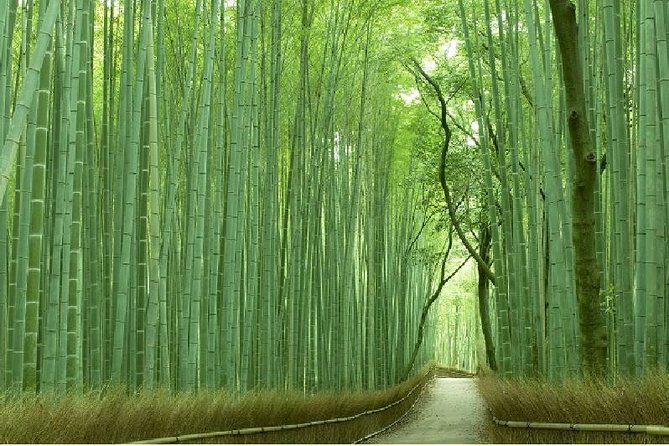
- Walking through the Sagano bamboo grove
- Tenryu-ji, Kyoto’s major Zen stop
- Togetsukyo Bridge and the river views
- Group size, pace, and guide quality
- Best seasons and smart timing
- What the $79.26 price buys you
- Should you book the Sagano and Arashiyama walk?
- FAQ
- How long does the Kyoto Sagano Bamboo Grove and Arashiyama tour last?
- Where does the tour begin?
- Where does the tour end?
- How far do you walk?
- Is transportation included?
- Are temple admission fees included?
- What happens during the summer itinerary?
- How large can the group be?
- Can I cancel for a full refund?
Key points to know before booking
- Three kilometers of walking: Expect a steady four-hour outing with stairs and uneven temple paths.
- Tenryu-ji is the cultural anchor: Its 14th-century Zen setting and garden add depth beyond the bamboo grove.
- Jojakko-ji offers the best broad views: The wooded hillside opens toward Sagano and Kyoto.
- Public transport is part of the tour: You travel between Kyoto Station and Saga-Arashiyama on non-reserved seats.
- You can extend your day: The formal tour ends at Kyoto Station, but you may choose to remain in Arashiyama instead.
- Summer plans change: From July through September 22, Okochi Sanso Villa Garden replaces Jojakko-ji, and the start is earlier.
Why this half-day route works
Arashiyama is one of Kyoto’s most visited areas, and it can feel like a collection of disconnected attractions if you simply follow the crowds. This tour creates a clear route through the district, beginning with transport from Kyoto and then linking the major sights on foot.
The licensed English guide is useful for more than directions. Guides such as Sachiko, Donna, June, and Michiharu have been praised for clear explanations, personal stories, local suggestions, and friendly help with onward plans. One guide pointed an interested visitor toward Kyoto’s Budo Centre. Another gave directions and lunch ideas for the monkey park.
That kind of help is the tour’s main value. You can reach Arashiyama from Kyoto Station by yourself, and the train ride is not complicated. The guide earns the fee by explaining the temples, keeping the group moving, and helping you make sense of what you are seeing.
The tour is advertised at $79.26 per person. That price includes the guide, transportation costs listed for the outing, and entrance fees. The value is strongest if you want structure, historical context, and a simple morning plan. It is weaker if you prefer to set your own pace or spend a long time photographing the bamboo.
More Walking Tours in Kyoto
- Kyoto Geisha Walking Tour: Gion District & Hidden Gems
★ 4.7 · 3,273 reviews - Kyoto: Gion Magical Night Walking Tour with Geisha Trivia
★ 4.9 · 2,393 reviews - Kyoto: Gion Geisha District Walking Tour – Stories of Geisha
★ 4.7 · 2,187 reviews
Getting from Kyoto Station to Saga-Arashiyama
The meeting point is the JTB Sunrise Tours Desk in the basement of Kyoto Avanti, near Kyoto Station. From there, you use public transport to reach Saga-Arashiyama Station.
Seats are not reserved. During busy periods, you may need to stand. This matters during cherry blossom season, autumn foliage, and other peak visiting times. The train ride is straightforward, but the group must stay together while boarding, exiting, and walking through the station.
The transport section also explains why comfortable shoes matter. Once in Arashiyama, this is a walking tour rather than a hop-on, hop-off outing. The total distance is about 3 km, though stairs at Jojakko-ji and movement between sights make the walk feel more active than the number suggests.
Jojakko-ji and the hillside views
Jojakko-ji is the first listed temple stop, with about 30 minutes inside. It sits on the wooded slope of Mt. Ogura, giving you wide views over Sagano and Kyoto.
The setting changes with the season. Autumn brings maple color across the hillside, while summer offers a greener, cooler-feeling setting. The temple is also connected with the Tale of the Heike and the story of Empress Dowager Kenrei-mon-in, who was said to have lived at the site.
Look for the Jizo statue and the pagoda among the maple trees. These details are easy to miss if you rush through for the view, so the guide’s explanation helps turn a quick temple visit into a more meaningful stop.
There are stairs here, and the route is not ideal for anyone who struggles with inclines. The short visit also means you will not have unlimited time for quiet wandering or detailed photography. Still, Jojakko-ji gives the morning a sense of place that the bamboo path alone cannot provide.
From July through September 22, the plan changes. The tour begins earlier to avoid the strongest heat, and Okochi Sanso Villa Garden replaces Jojakko-ji. Also note that the Jojakko-ji admission is not included during July and September, since the summer route visits a different site.
Walking through the Sagano bamboo grove
From Jojakko-ji, the group walks toward Tenryu-ji through the Sagano bamboo grove. This section is described as about 2 miles, or 3 km, in the general tour information, while the total tour walking distance is also listed as approximately 3 km. In practical terms, expect a substantial walk through the area, with the exact route and timing affected by congestion.
The bamboo is tall, closely planted, and striking even when the path is crowded. Sunlight filters through the stalks, and the surrounding hills give the route a rural feel despite its popularity.
The drawback is familiar: this is not an untouched forest trail. The grove is a major Kyoto sight, so quiet moments can be brief, especially during spring and fall. Some groups may spend only about 15 minutes in the central bamboo section before moving on. If bamboo photography is your chief goal, you may want to stay in Arashiyama after the tour and return to the grove at your own pace.
That flexibility is one of the better features of the outing. The guide can take you back toward Kyoto Station, but you are also able to remain in the area. The monkey park is one possible extra stop, and the town has food, souvenir shops, and other sights. You will need to arrange your own return if you stay behind, so listen carefully to the guide’s directions and keep the train information provided.
Same city, a completely different kind of day:
- PERFECT KYOTO 1-Day Bus Tour
★ 5.0 · 13,518 reviews - Kyoto: Fushimi Inari, Kinkakuji, Bamboo Grove 1 Day Bus Tour
★ 4.8 · 4,316 reviews - Kyoto: Tea Ceremony in a Traditional Tea House in Kiyomizu
★ 4.9 · 3,519 reviews - Kyoto: Tea Ceremony Ju-An at Jotokuji Temple
★ 4.9 · 3,207 reviews
Tenryu-ji, Kyoto’s major Zen stop
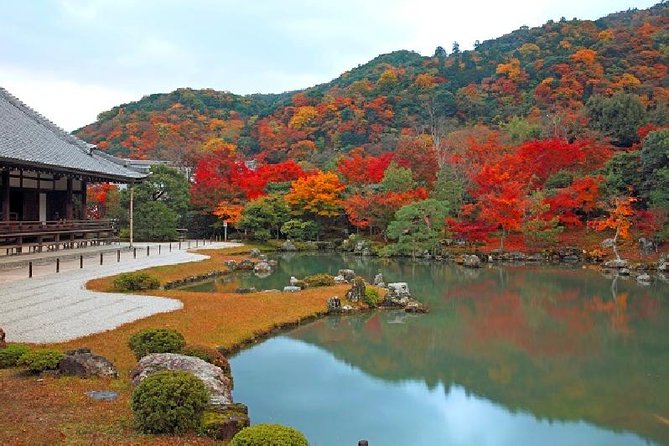
Tenryu-ji dates from 1339 and belongs to the Rinzai Zen tradition. It is also a World Heritage site and one of the most important cultural stops in Arashiyama.
The garden is the highlight. Its design works with the surrounding hills, water, rocks, and trees rather than treating the garden as an isolated display. This relationship between the temple grounds and Arashiyama is what makes Tenryu-ji so appealing.
The tour allows about 30 minutes here. That is enough for an introduction and a walk through the garden, but it is not a long temple visit. One point to understand before booking is that the route may focus on the gardens rather than giving you extended access to every temple interior.
The guide adds value by explaining the temple’s connection to the Ashikaga Shogunate and Rinzai Zen. Without that background, you might simply see a pretty garden. With it, the site becomes part of Kyoto’s religious and political story.
Tenryu-ji is also where the tour’s route makes practical sense. After the forest walk, you arrive at one of Arashiyama’s central landmarks, then continue toward the river and bridge. The sequence reduces backtracking and keeps the morning moving.
Togetsukyo Bridge and the river views
The final major sight is Togetsukyo Bridge, whose name means Crossing Moon Bridge. The current 250-meter bridge is a reconstruction from 1934, replacing an earlier version.
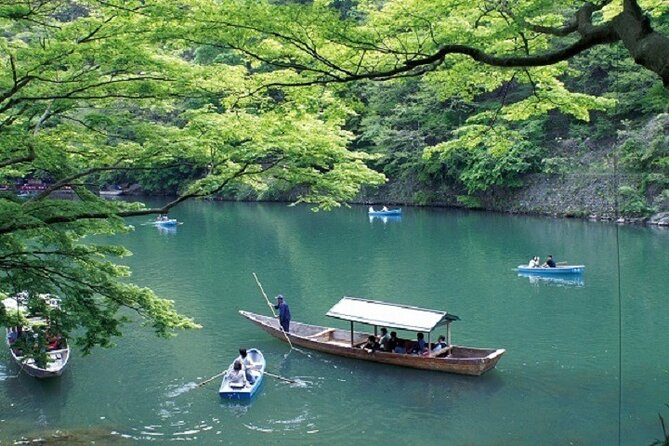
The bridge gives you a different view of Arashiyama. Instead of looking up through bamboo or across a temple garden, you see the Hozu River below and forest-covered hills beyond. Cherry blossoms and autumn leaves make this area especially attractive at the right time of year.
The itinerary allows about 30 minutes around this stop and describes time aboard a yakatabune, a traditional-style pleasure boat. This offers a chance to rest after the walking and take in the river scenery. Since traffic, weather, and local conditions can alter the order and arrival times, treat the exact timing as flexible.
The bridge area can also be busy. It is a popular photo stop, and the open setting does not guarantee peace. Still, it is a good final scene because it broadens your view of Arashiyama before the return to Kyoto.
Group size, pace, and guide quality
The maximum group size is 25. That is not truly intimate, though actual departures can be smaller. One outing had only three people, while another had around 12. A full group is more likely to feel slow, particularly when crossing streets, boarding trains, or gathering after free time.
Your guide may use headsets, but the quality of commentary can vary with group size and background noise. In a smaller group, it is easier to ask questions and hear the cultural explanations. In a large group, you may spend more time waiting for people to regroup.
The strongest guide experiences described for this tour share a similar pattern: enough information to make the sights understandable, plus room to look around on your own. That balance matters. Arashiyama is not only a checklist of bamboo and temples. It is also a place for small shrines, local streets, food, and river views.
The tour is generally leisurely, but it is not physically effortless. Wear shoes suited to 3 km of walking and stairs. Rain can make the paths less comfortable, and poor weather may also slow the group. The tour operates with a moderate fitness expectation.
Best seasons and smart timing
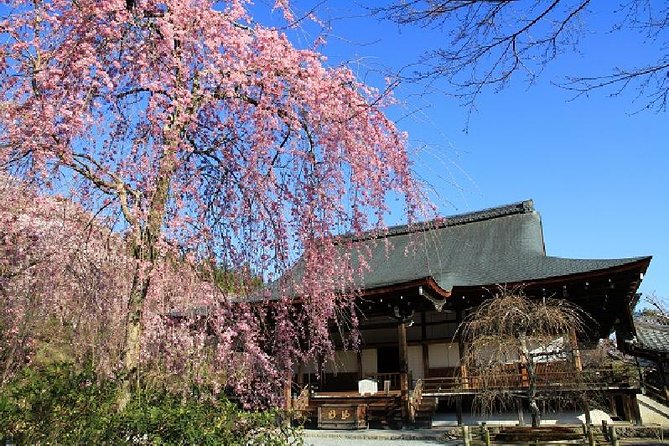
Spring cherry blossoms and autumn maple color are the most scenic periods, but they are also the busiest. Train seats may be hard to find, and the bamboo grove can lose much of its quiet character.
Summer has a special schedule for a practical reason: heat. The earlier start helps, and the route uses Okochi Sanso Villa Garden instead of Jojakko-ji from July through September 22. Check the seasonal arrangement before you book if a particular temple is essential to you.
The tour lasts about four hours and ends at Kyoto Station. That makes it easy to pair with an afternoon plan. If you want more time in Arashiyama, do not automatically return with the group. Staying behind gives you the chance to eat, visit the monkey park, browse the shops, or see the area at a slower pace.
What the $79.26 price buys you
The fee covers the licensed English guide, transportation costs used by the tour, and admission charges listed for the route. You are paying for organization as much as for entry tickets.
That organization is useful on a first Kyoto visit, especially if you want to see Arashiyama without spending time planning train connections and temple order. A guide can also explain why Tenryu-ji matters, point out details at Jojakko-ji, and help you make better use of the rest of the day.
The price is less attractive for independent-minded visitors who already understand Kyoto’s transport system. Arashiyama can be reached from Kyoto Station, and you may prefer to spend 30 minutes at one temple and an hour at another rather than follow a fixed schedule.
Children aged 0 to 5 are free if they do not need separate seats. Anyone under 18 needs written parental permission, and children under 15, or those not yet in middle school, must be accompanied by a parent or guardian.
Confirmation arrives within 48 hours, subject to availability. The tour needs at least two adults and may be canceled if that minimum is not reached four days before the date. Free cancellation is available up to 24 hours before the start time.
Should you book the Sagano and Arashiyama walk?
Book it if you want a well-organized introduction to Arashiyama, prefer having a licensed English guide, and like combining temples, bamboo, river scenery, and public transport in one morning. It is particularly useful for a first visit or for anyone who wants historical context without building the route alone.
Think twice if you want solitude, long photography stops, or complete control over your pace. A full group can feel cumbersome, and the bamboo grove is easy to reach independently.
My best advice is to treat the tour as a morning orientation rather than the entire Arashiyama experience. Follow the guide through the main sights, then stay behind if you have the energy. That gives you both the useful structure of a guided walk and the freedom to enjoy this beautiful district on your own terms.
FAQ
How long does the Kyoto Sagano Bamboo Grove and Arashiyama tour last?
The tour lasts approximately four hours.
Where does the tour begin?
It begins at the JTB Sunrise Tours Desk in the basement of Kyoto Avanti, near Kyoto Station.
Where does the tour end?
The guided tour ends upon arrival at Kyoto Station. You arrange your next destination independently.
How far do you walk?
The tour information gives an approximate total walking distance of 3 km. Expect stairs and paths that require comfortable walking shoes.
Is transportation included?
Yes. The guide accompanies the group on public transport, and transportation costs listed for the tour are included. Seats are non-reserved, so you may need to stand during busy periods.
Are temple admission fees included?
Yes. Admission fees listed for the tour are included. Jojakko-ji admission is not included during July and September because the summer route replaces that visit with Okochi Sanso Villa Garden.
What happens during the summer itinerary?
From July through September 22, the tour starts earlier to avoid peak heat. Okochi Sanso Villa Garden replaces Jojakko-ji Temple.
How large can the group be?
The maximum group size is 25 travelers. The actual group may be smaller.
Can I cancel for a full refund?
Yes, if you cancel at least 24 hours before the experience start time. Cancellations or changes made less than 24 hours before the start time are not accepted for a refund.
More Arashiyama Bamboo Tours in Kyoto
- Osaka/Kyoto:Kinkakuji,Arashiyama,FushimiInariShrine,NaraPark
★ 4.1 · 1,596 reviews - Kyoto/Osaka: Nara, Fushimi Inari Taisha, Arashiyama Bus Tour
★ 4.7 · 1,275 reviews - Kyoto Arashiyama Walking Tour: Bamboo, Monkeys, Gardens & Secrets
★ 5.0 · 1,216 reviews - Arashiyama Bamboo, Temple, Monkeys, or Secret Sake Brewery
★ 4.8 · 886 reviews
Just added around Kyoto
- Private Guided Traditional Buddhist Cooking in Japan★ 5.0 · 16 reviews
- Kyoto: Gion Geisha District & Sake-in-Hand Walking Tour★ 5.0 · 37 reviews
- Your Private Vacation Photography Session In Kyoto★ 5.0 · 110 reviews
- Kyoto: Zen Meditation at a Private Temple with a Monk★ 5.0 · 25 reviews
- Traditional Japanese Washi Papermaking- Kyoto morning★ 5.0 · 77 reviews
- Kyoto Wagashi(Japanese sweets) Cooking Class near Fushimiinari★ 5.0 · 60 reviews
- Private Pewter Sake Cup Experience with a Kyoto Artisan★ 5.0 · 31 reviews
- Kyoto Private 6 hour Tour: English Speaking Driver Only, No Guide★ 5.0 · 88 reviews
Arashiyama Bamboo Tours, compared.
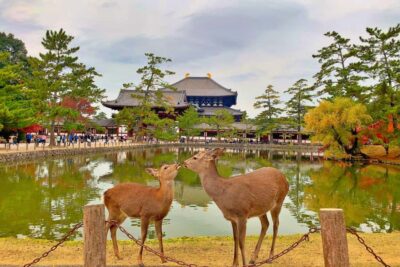
Osaka/Kyoto:Kinkakuji,Arashiyama,FushimiInariShrine,NaraPark
Read our review →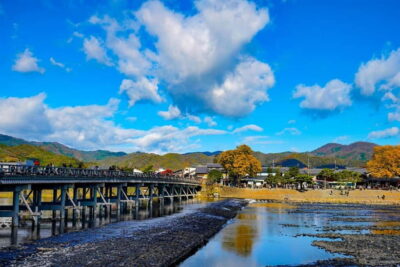
Kyoto/Osaka: Nara, Fushimi Inari Taisha, Arashiyama Bus Tour
Read our review →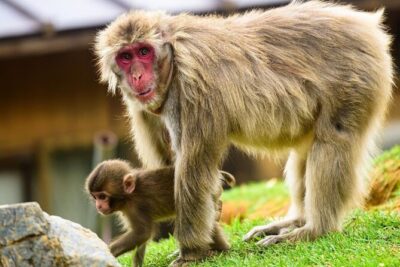
Kyoto Arashiyama Walking Tour: Bamboo, Monkeys, Gardens & Secrets
Read our review →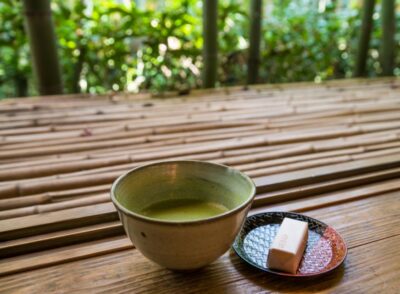
Arashiyama Bamboo, Temple, Monkeys, or Secret Sake Brewery
Read our review →
Arashiyama Bamboo Forest, Monkeys, Matcha & Temple Tour
Read our review →
Osaka/Kyoto: Arashiyama, Nara & Fushimi Inari Shrine w/Lunch
Read our review →
Nijo, Kinkaku-ji, Arashiyama, Kiyomizu & Fushimi Inari
Read our review →
Arashiyama Bamboo Forest & Hidden Gems Bike Tour (Early Bird)
Read our review →Browse the lists this tour appears in