
REVIEW · TEMPLE & SHRINE TOURS
Best of Kyoto: Red Gates of Fushimi Inari & Kiyomizu Temple
Kyoto is at its best before the day gets noisy. This three-hour tour takes you through the red torii gates of Fushimi Inari early in the morning, then on to Kiyomizu-dera and the old lanes of eastern Kyoto. You get the city’s two headline sights without spending half a day figuring out trains, taxis, and temple tickets.
I like two things right away: the early start gives you a calmer walk and better photo chances, and the guide adds context that can turn a pretty temple visit into a meaningful one. The included train fare, taxi ride, and entry fees also make the $58 price easier to justify.
The tradeoff is exercise. Expect quite a few stairs and at least 10,000 steps, so this is not a good match for anyone with mobility limits. Some shops may still be closed when you pass through Higashiyama, but that quiet is part of the bargain.
In This Review
- Key points at a glance
- Why the early morning matters at Fushimi Inari
- From red gates to Kiyomizu-dera
- Through Higashiyama, Sannenzaka, and Ninenzaka
- Guides who make the temples easier to understand
- What the $58 price really covers
- Meeting at JR Inari Station
- The walking demands are real
- Who will get the most from this tour
- Practical details before you book
- Should you book Best of Kyoto?
- FAQ
- Where does the tour start?
- Where does the tour finish?
- How long does the experience last?
- What sights are included?
- Are transport costs included?
- Are entry fees included?
- What languages are available?
- Is the tour suitable for people with mobility impairments?
Key points at a glance
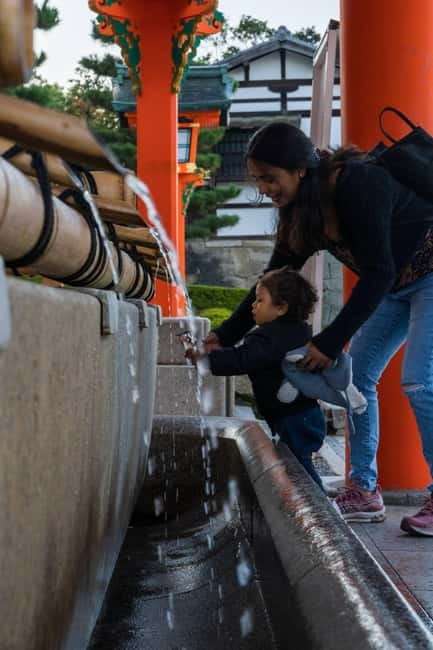
- Early access to Fushimi Inari: Walk beneath the famous red torii gates before the main crowds arrive.
- Two major Kyoto sights in three hours: Visit Fushimi Inari Taisha and Kiyomizu-dera with a guide.
- Transport and admission included: Train fare, taxi fare between the main sights, and temple entry fees are covered.
- Strong guide service: Shanda and Diana received especially warm praise for clear explanations, patience, and friendly energy.
- A walk through old Kyoto: Continue through Higashiyama, Sannenzaka, and Ninenzaka, with time for photos.
- Useful finish at ARABICA: End at % ARABICA Kyoto Higashiyama and collect tips for cafés, restaurants, and bars.
Why the early morning matters at Fushimi Inari
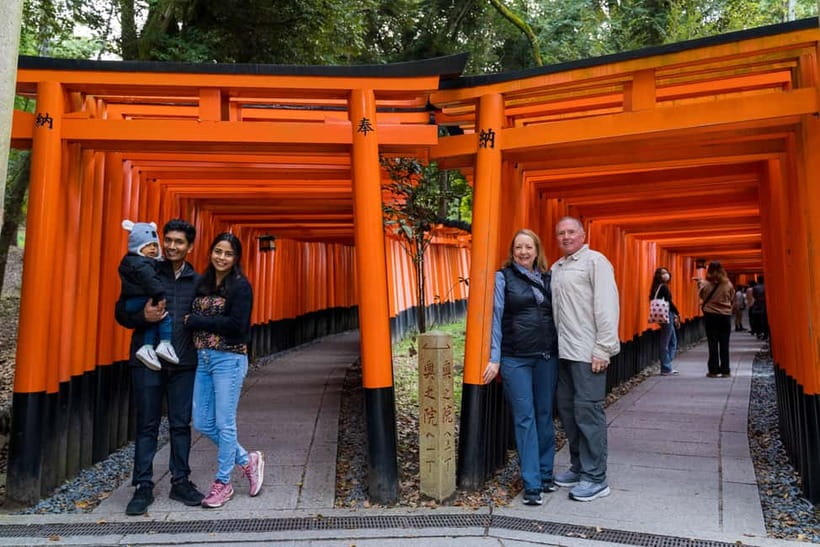
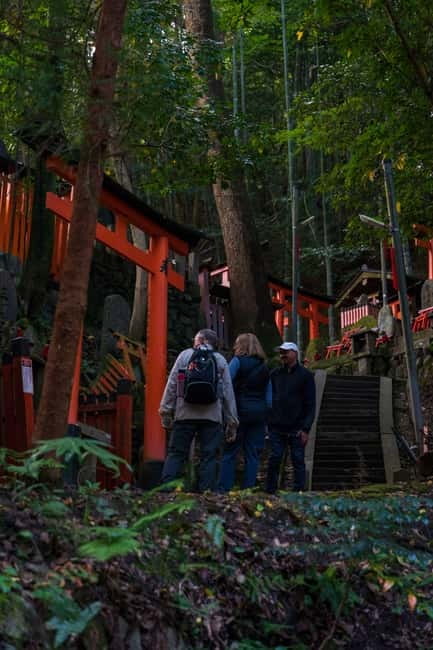
Fushimi Inari Taisha is Kyoto’s most recognizable shrine for good reason. Thousands of red torii gates climb the wooded route behind the shrine, creating a long corridor of color and shadow. In the early morning, the light slips between the gates and the walk feels far less hurried.
That timing is the main selling point. Fushimi Inari is a free and very popular sight, so the paths can become crowded later in the day. An early visit gives you more room to stop, listen, and take photographs without constantly stepping aside.
You will not walk every gate on the mountain in 50 minutes. The tour focuses on the shrine and a manageable section of the route, with your guide explaining what you are seeing along the way. That is a sensible approach for a short tour, especially since Kiyomizu-dera is still ahead and the total walk is already long.
The shrine’s cultural meaning matters as much as the color. Fushimi Inari is connected with Inari, a Shinto deity associated with rice, prosperity, and business. The torii gates are offerings, and each one helps explain why this place feels less like a single monument and more like a living religious site.
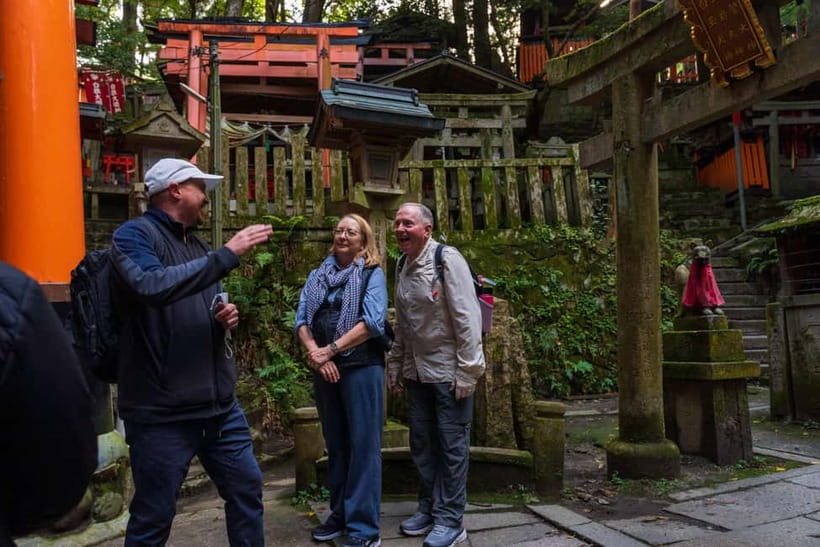
Your guide can also help you read the details that are easy to miss when you are focused on taking pictures. The goal is not simply to pass through the gates, but to understand why they are here and how the shrine fits into Japanese religious life.
More Temple & Shrine Tours in Kyoto
- Kyoto: Fushimi Inari, Kinkakuji, Bamboo Grove 1 Day Bus Tour
★ 4.8 · 4,316 reviews - Kyoto: Tea Ceremony in a Traditional Tea House in Kiyomizu
★ 4.9 · 3,519 reviews - Kyoto: Tea Ceremony Ju-An at Jotokuji Temple
★ 4.9 · 3,207 reviews
From red gates to Kiyomizu-dera
After roughly 50 minutes at Fushimi Inari, the tour uses a taxi to reach Kiyomizu-dera. That transfer is a practical advantage. You avoid working out the route yourself, and the taxi saves time during a tightly planned morning.
Kiyomizu-dera is one of Japan’s best-known Buddhist temples and one of Kyoto’s essential stops. Its setting gives you broad views over the city, while its buildings and pagodas provide plenty of detail at closer range. The tour allows about an hour for a guided visit, enough time to see the main areas without making the temple feel like a quick photo stop.
The guide’s role is important here. Buddhist temples can be full of symbols, customs, and names that are easy to confuse. A clear explanation of the temple’s traditions and Buddhist background helps you understand what makes Kiyomizu-dera more than a scenic overlook.
One practical point: you will be walking and climbing at this stop too. The route includes stairs, and comfortable shoes are not optional. Wear clothing that lets you move easily, especially if you are visiting in warm or humid weather.
The views are a major reward. You can look out across Kyoto from the temple area and see how the traditional districts connect with the wider city. It is a fine place to pause, but the tour’s schedule means you should not expect a long, unstructured break.
Through Higashiyama, Sannenzaka, and Ninenzaka
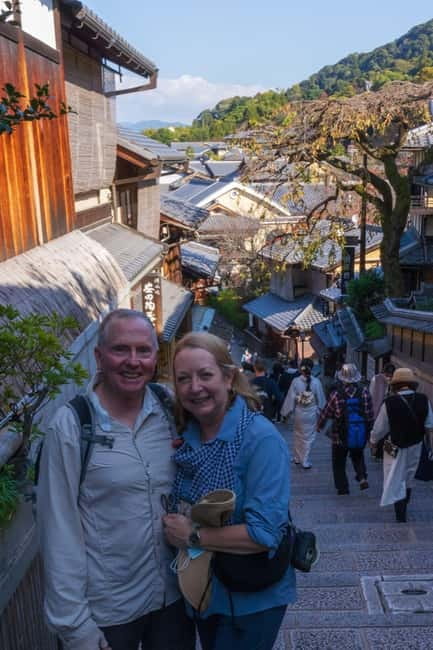
After the temple visit, the experience continues through Kyoto’s eastern historic districts. Higashiyama, Sannenzaka, and Ninenzaka are known for narrow lanes, wooden houses, shops, cafés, and traditional streetscapes.
This part of the morning gives the temples some useful context. Kyoto is not only a collection of famous buildings. The old lanes between them show how the city’s historic character continues at street level, with preserved facades and small businesses serving people on foot.
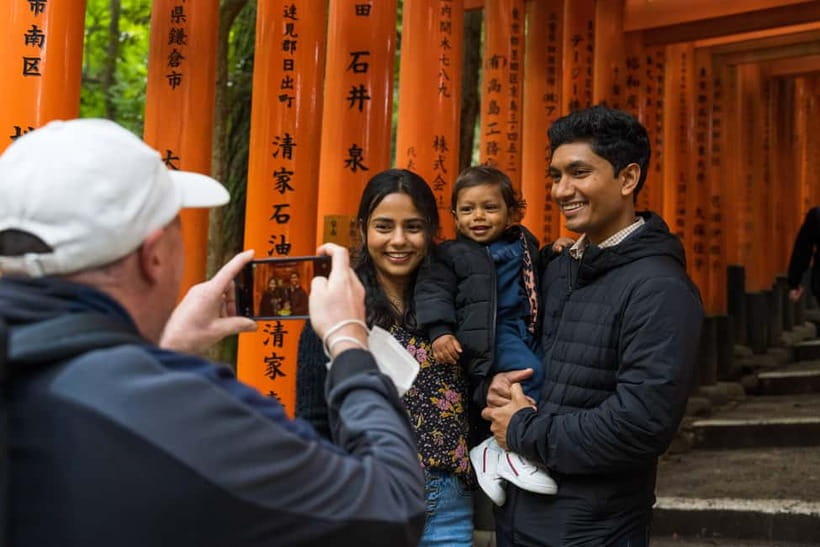
You will have about 30 minutes for a photo stop. That is enough to frame the sloping lanes, pagodas, and old wooden buildings, but it is not enough for a leisurely shopping session. If browsing craft shops or buying souvenirs is a priority, plan to return later on your own.
The early hour brings both a benefit and a small drawback. You get a quieter walk and cleaner photographs, but some shops may not yet be open. One sensible plan is to enjoy the peaceful streets during the tour, then come back to the area after breakfast if you want to shop.
The route finishes at % ARABICA Kyoto Higashiyama. Food and drinks are not included, so you can choose your own reward after the walk. The scent of coffee around the old lanes makes a café stop feel especially welcome after all those steps.
Guides who make the temples easier to understand
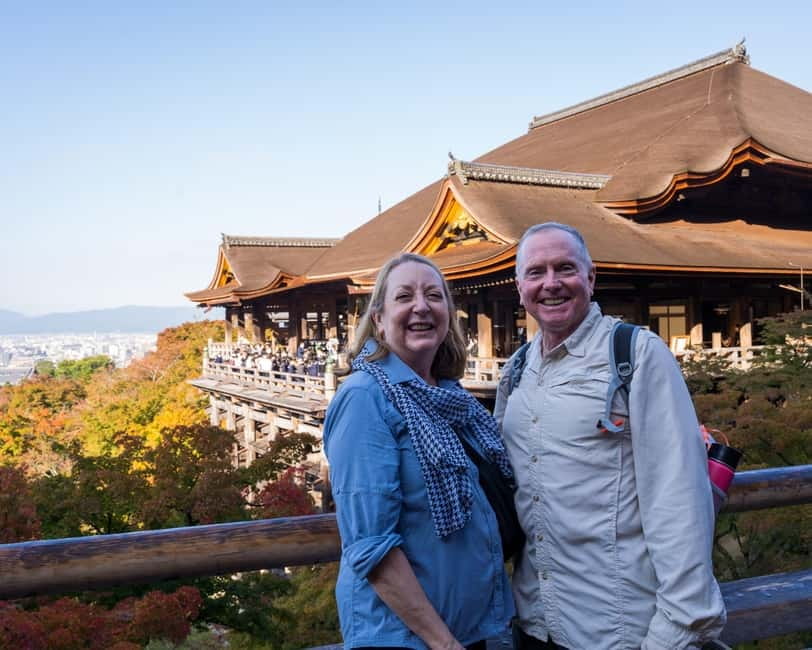
The guide is the part of this tour that can make the biggest difference. A good guide keeps the pace moving while leaving enough time for photographs and questions. That balance came through particularly well with Shanda and Diana.
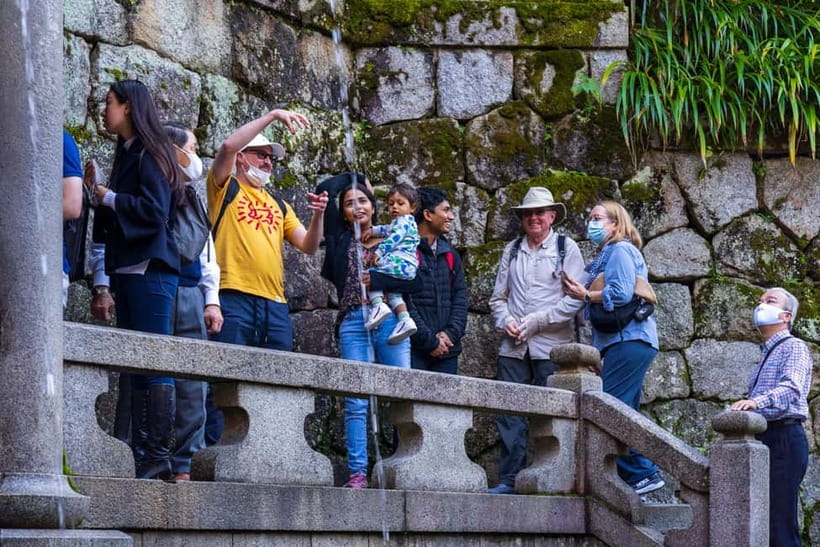
Shanda was praised for her friendly manner, clear explanations, and patience during photo stops. She also helped one group get back to its hotel after the tour, which suggests a useful level of practical care. Diana received similar praise for bringing Fushimi Inari and Kiyomizu-dera to life while helping the group avoid the worst of the crowds.
The tour is offered in English or French. Private and small-group formats are available, which may suit you if you prefer to ask questions or move at a more personal pace. The exact group size depends on the option you book, so check that detail before paying.
This is not a tour for someone who wants to wander silently with a camera. You are paying for interpretation as well as access and transport. If you already know a great deal about Kyoto’s shrines and temples, you may prefer to explore independently. If you want the meaning explained as you go, the guide adds real value.
The feedback is notably strong, with a 4.8 rating from 36 reviews. The most consistent strengths are guide enthusiasm, useful explanations, an easy-to-find meeting point, and the advantage of starting early. Those are the qualities I would care about most for a short Kyoto tour.
Same city, a completely different kind of day:
- PERFECT KYOTO 1-Day Bus Tour
★ 5.0 · 13,518 reviews - Kyoto Geisha Walking Tour: Gion District & Hidden Gems
★ 4.7 · 3,273 reviews - Kyoto: Gion Magical Night Walking Tour with Geisha Trivia
★ 4.9 · 2,393 reviews - Kyoto: 45-Minute Tea Ceremony Lesson Experience
★ 4.3 · 2,378 reviews
What the $58 price really covers
At $58 per person, this is not the cheapest way to see two Kyoto sights. You can visit Fushimi Inari independently without paying admission, and public transport around Kyoto is usually manageable for confident visitors.
The price becomes more reasonable when you count what is included:
- A live English or French guide
- Train fares
- Taxi fare from Fushimi Inari to Kiyomizu-dera
- Entry fees
- A planned route between two major sights
- Local advice at the end for restaurants, cafés, and bars
The taxi is especially useful. It cuts out route planning and protects the short three-hour schedule. You also avoid fumbling for cash or tickets during the morning, since the main costs are handled for you.
I would call the tour good value for a first visit, especially if your time in Kyoto is limited. It is less compelling for a repeat visitor who knows the transport system, speaks Japanese comfortably, and prefers to set their own pace.
Remember that breakfast and coffee are extra. The tour ends at a café area, not with a provided meal. That is actually helpful for many people, since you can choose between coffee, a full breakfast, or another nearby option based on your appetite.
Meeting at JR Inari Station
The meeting point is in front of the entrance to JR Inari Station. Look for the small mailbox and public phone next to each other. Arrive with enough time to identify the spot before the scheduled start on your voucher.
There are two listed starting options, both at Inari Station, so check your booking details carefully. The station is the practical starting point because Fushimi Inari is the first stop, and you do not need hotel pickup.
Hotel pickup and drop-off are not included. That matters if you are staying far from southern Kyoto or have an early train to catch afterward. On the other hand, beginning at the station keeps the meeting plan simple and avoids the delays that can come with collecting people from several hotels.
The tour finishes at % ARABICA Kyoto Higashiyama. From there, you can continue exploring the old districts, stop for food, or ask your guide for suggestions before parting ways.
The walking demands are real
The biggest caution is the physical effort. The tour involves stairs and at least 10,000 steps. That total can feel very different depending on your usual walking habits, the weather, and how long you spend stopping for photographs.
Comfortable shoes and comfortable clothes are specifically recommended. I would treat those instructions as essential rather than polite filler. Slick soles, stiff shoes, or a heavy bag will make the temple paths less enjoyable.
The activity is not suitable for people with mobility impairments. If stairs are difficult for you, this is not the right way to see these sights. Even fit visitors should expect a brisk morning rather than a relaxed café-and-temple outing.
The early start can help with comfort as well as crowds. You get the hardest sightseeing before the day is fully underway, though you still need to be ready for a substantial walk.
Who will get the most from this tour
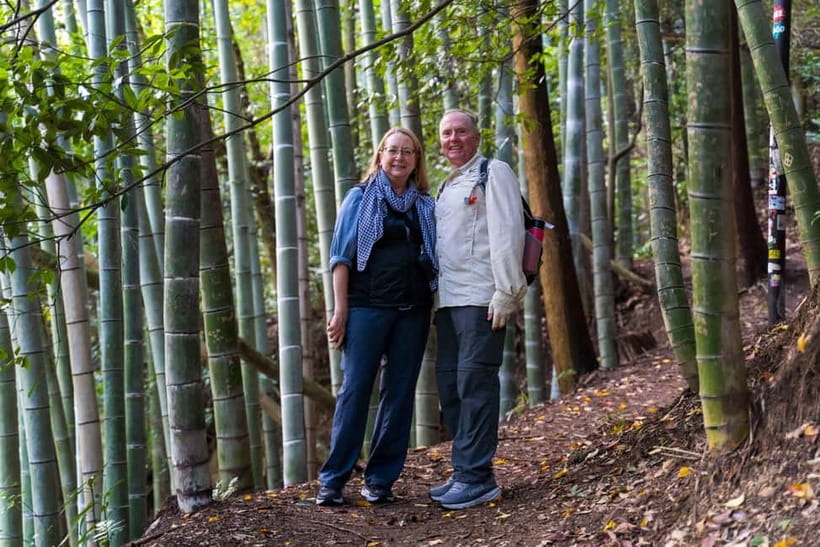
This experience fits a first-time Kyoto visitor who wants to see two major sights with a clear plan. It is also useful if you have only a short stay and do not want to spend valuable time arranging transport between Fushimi Inari and Kiyomizu-dera.
It suits people who enjoy stories, history, and cultural explanation. The guides focus on the traditions and meaning behind the sites, not just on pointing out the best photo angles.
The tour is a good match for solo visitors, couples, families with older children, and small groups who want help getting oriented. Private or small-group choices give you more control than a large coach excursion.
It is less suitable if you want a slow morning, extensive shopping, or a long breakfast. The schedule is compact, the steps add up, and the historic shops may not be open yet. Independent visitors who want to climb far up Fushimi Inari or spend hours at Kiyomizu-dera should plan a separate visit.
Practical details before you book
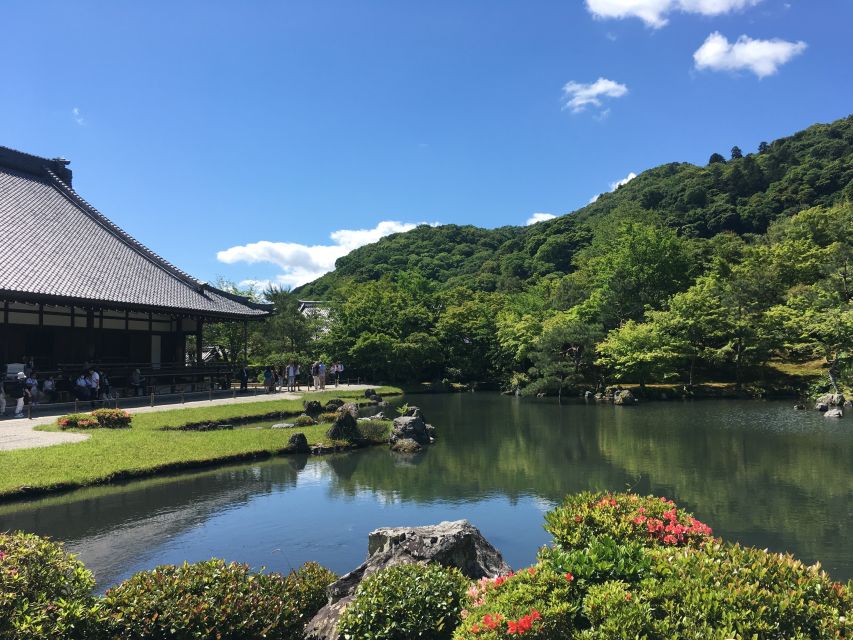
The tour lasts three hours, with starting times based on availability. It includes free cancellation up to 24 hours in advance for a full refund, and you can reserve now and pay later if that option is offered at booking.
Bring comfortable shoes and clothing. Food and drinks are not included, so plan to eat after the tour or carry what you need within the rules of the sites.
The guide may speak English or French. If language matters to your group, confirm the chosen language before booking. The most praised guides by name are Shanda and Diana, though the assigned guide depends on availability.
The tour has a 4.8 rating from 36 reviews. The clearest pattern is strong guide service and satisfaction with the early schedule. One useful piece of advice is to ask about Diana if she is available, while Shanda was also singled out for her warmth, patience, and helpfulness.
Should you book Best of Kyoto?
Book this tour if you want Fushimi Inari and Kiyomizu-dera in one organized morning, with transport, tickets, and cultural explanation taken care of. The early start is the smart choice for these popular sights, and the local food tips at the finish add value beyond the temple visits.
Skip it if you dislike stairs, need hotel pickup, or want plenty of time for shopping and independent wandering. For everyone else, the $58 cost is fair when you value a good guide and a smooth connection between two of Kyoto’s biggest sights.
The best reason to choose it is simple: you get the famous red gates before the day becomes crowded, then move efficiently to Kiyomizu-dera while the details are still fresh in your mind. Just save room for coffee afterward.
FAQ
Where does the tour start?
Meet your guide in front of the entrance to JR Inari Station. Look for a small mailbox and a public phone next to each other.
Where does the tour finish?
The tour finishes at % ARABICA Kyoto Higashiyama.
How long does the experience last?
The tour lasts three hours.
What sights are included?
The tour includes Fushimi Inari Taisha, Kiyomizu-dera, and a photo stop through the Higashiyama, Sannenzaka, and Ninenzaka districts.
Are transport costs included?
Yes. Train fares and taxi fares from Fushimi Inari to Kiyomizu-dera are included.
Are entry fees included?
Yes. The listed entry fees are included in the tour price.
What languages are available?
The tour is available with a live guide in English or French.
Is the tour suitable for people with mobility impairments?
No. The tour includes many stairs and at least 10,000 steps, and it is not suitable for people with mobility impairments.
Just added around Kyoto
- Taste of Nishiki Market Walking Food Tour with Local guide★ 5.0 · 17 reviews
- Kyoto: Sushi Making Class with Sushi Chef★ 4.8 · 64 reviews
- Kyoto: City Secrets eBike Tour★ 4.9 · 196 reviews
- Sacred Pathways: Discover the Philosopher’s Path of Kyoto★ 4.9 · 20 reviews
- Private Tour to Monkey Park and Arashiyama Highlights★ 5.0 · 22 reviews
- Private Nara Tour from Osaka – Meet at Your Hotel★ 5.0 · 22 reviews
- Private Sake Tasting in Central Kyoto with Sake Sommelier★ 5.0 · 13 reviews
- Kyoto : Private Custom Walking Tour With A Local Guide★ 4.6 · 144 reviews
Temple & Shrine Tours, compared.
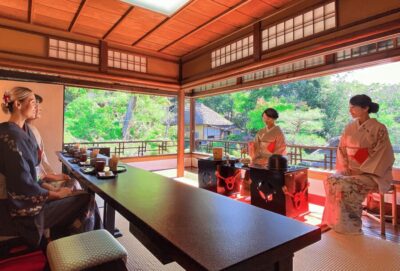
Tea Ceremony in a Traditional Tea House in Kiyomizu
Read our review →
Meiji Shrine, Asakusa, Skytree Bus Tour and Cruise
Read our review →
Asakusa Walking Tour with Sensoji Temple Visit
Read our review →
Kamakura & Enoshima Day Trip including Temple Tickets
Read our review →
Kyoto/Osaka: Nara, Fushimi Inari Taisha, Arashiyama Bus Tour
Read our review →
Nikko Toshogu Shrine and Kegon Waterfall Tour
Read our review →
Tokyo Panoramic 1 Day: Meiji Shrine, Asakusa, Odaiba and SKYTREE®
Read our review →Browse the lists this tour appears in