
REVIEW · KYOTO TOURS
Authentic knife making experience at a blacksmith in Kyoto
A glowing piece of steel, a heavy hammer, and a Japanese blacksmith guiding your hand: that is the heart of this Kyoto experience. In about three hours, you shape a raw piece of metal into a small kitchen knife, then sharpen and polish it until it is ready to use.
I like two things right away. You take home a real, useful knife, not a trinket made only for display. I also like the hands-on nature of the work. You do not simply watch a craftsman. You put on traditional blacksmith clothing, handle the tools, and do plenty of hammering yourself.
The main point to consider is that this is physical work. The furnace makes the studio hot, and repeated hammer blows can tire your arms. The exact meeting location also needs attention, since Studio NIN operates from two Kyoto locations and some directions may send you to the wrong one if you do not confirm first.
In This Review
- Key points at a glance
- Why this Kyoto activity feels different
- Arriving at Studio NIN in Sakyo-ku
- Changing into the blacksmith’s uniform
- Tools, safety, and the first lesson
- Heating the steel and shaping the blade
- Cooling, grinding, and finding the edge
- Polishing, packing, and taking the knife home
- The instructors make the difference
- Is $154 a fair price?
- Who should book this experience?
- Should you book Studio NIN?
- FAQ
- How long does the knife making experience last?
- Where does the workshop take place?
- How do I reach the studio?
- Is the class available in English?
- What is included in the price?
- What should I bring, and are there age restrictions?
Key points at a glance
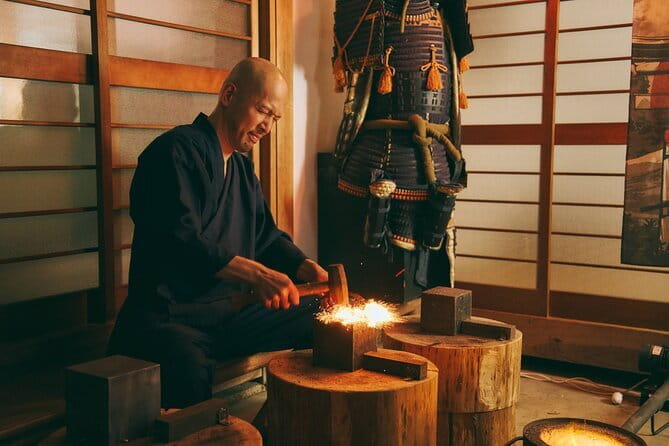
- Forge a 13 to 15 cm knife from heated steel: You shape the blade through real hammering, not a staged photo opportunity.
- Work beside experienced instructors: Mao has more than 10 years in knife making, while instructors such as Taka, Daiki, Atsushi, Mits, and Tom are praised for clear, patient guidance.
- Wear a traditional smith’s uniform: The costume, towel, water, tools, materials, box, and bag are included.
- Expect heat and effort: The steel reaches roughly 800 to 900 degrees Celsius, and the hammering can be tiring.
- Reach the studio by train: The stated meeting point is one minute from the Yase-Hieizan Exit of the Eizan Electric Railway, though you should confirm directions before setting out.
- Take home a personal souvenir: Your finished knife can serve as a gift, a cooking tool, or a reminder of your time in Japan.
Why this Kyoto activity feels different
Kyoto offers plenty of cultural classes, but many ask you to sit, watch, fold, paint, or taste. This one asks you to work. That difference matters. By the end, you have a better sense of how much force, timing, and patience go into a simple kitchen knife.
The workshop uses a shorter format than the longer sessions required for larger knives. The finished blade is about 13 to 15 centimeters long, a practical size for everyday use and a manageable project for a first attempt. You are not signing up for sword making or a full traditional apprenticeship. You are getting a compact introduction to Japanese forging, with enough real work to make the final object feel like yours.
The instructors do help correct mistakes. That is important. A beginner’s first blade will not come out perfectly straight or perfectly polished without assistance. The team guides the shape and finish so you leave with a functional knife, while still allowing you to do the meaningful parts yourself.
The result has a rustic kurouchi finish, a dark, raw-forged look rather than a bright silver surface. That finish is part of the charm. If you expect a factory-smooth chef’s knife, adjust your expectations. This is a handmade souvenir with visible evidence of the forging process.
Other Kyoto days people book alongside this one:
- PERFECT KYOTO 1-Day Bus Tour
★ 5.0 · 13,518 reviews - Kyoto: Fushimi Inari, Kinkakuji, Bamboo Grove 1 Day Bus Tour
★ 4.8 · 4,316 reviews - Kyoto: Tea Ceremony in a Traditional Tea House in Kiyomizu
★ 4.9 · 3,519 reviews
Arriving at Studio NIN in Sakyo-ku
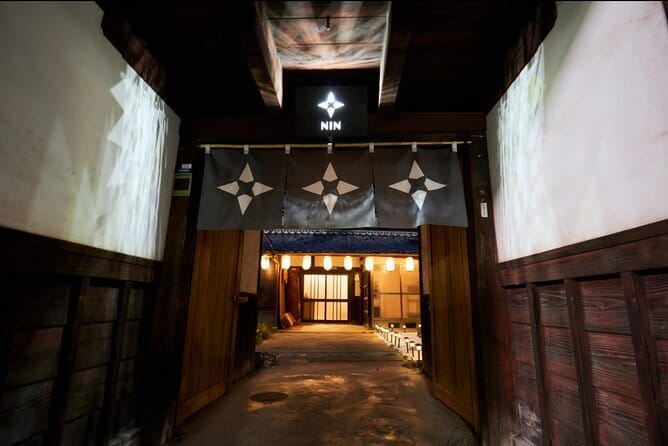
The listed meeting point is Studio Shinobi YASE, at 168-1 Yase-no-secho, Sakyo-ku, Kyoto City. It is described as a one-minute walk from the Yase-Hieizan Exit of the Eizan Electric Railway, and the train is the recommended way to arrive.
There are two studios in Sakyo-ku: Studio NIN Yase and Studio NIN Kendo. The operator sends the final location before your visit, so check that message carefully. One practical warning is worth repeating: some people have found the directions confusing because the activity and the initial address did not always seem to point to the same studio. Give yourself extra time, and do not assume that the first studio name you see is the right one.
The setting is outside central Kyoto, but that is part of the appeal. You are not walking into a generic hotel conference room. The area around Yase has a quieter feel, and the trip gives this activity a stronger sense of place than a class tucked into a busy shopping street.
A taxi is also possible. The train is likely simpler for most visitors, but check your route and allow a little cushion before the start time. Arriving rushed is not ideal when the first lesson involves hot metal and sharp tools.
Changing into the blacksmith’s uniform
At check-in, you meet your instructor and change into traditional blacksmith attire. This is more than a costume for photographs. Loose everyday clothing is not what you want around a furnace, grinders, and metal filings, so the uniform helps create a safer working setup.
Socks are required, so pack them if you plan to wear sandals or another style of footwear that day. The studio provides a towel and water. In hot weather, the staff may also provide cooling items, and one summer session included frozen neck coolers to make the furnace heat easier to handle.
You can take photographs and videos throughout the process. That is useful because the best images come during the work itself: the red-hot steel, the hammering, and the final sharpening. Ask the staff to help capture the key moments rather than relying only on selfies.
Tools, safety, and the first lesson
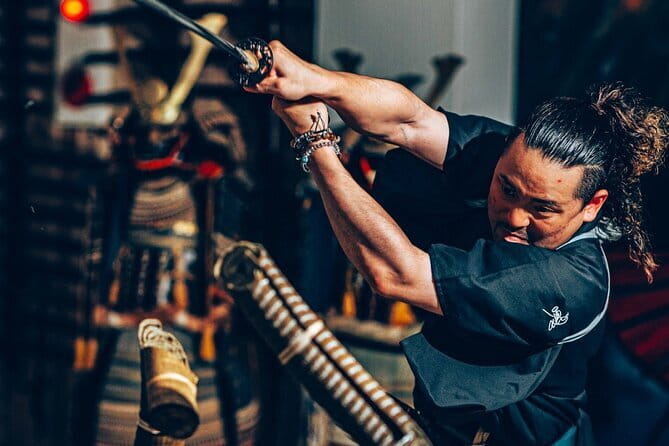
Before the furnace comes into play, the instructor introduces the main tools. You learn how to hold a hammer, how to use tongs, and how to approach grinders and sharpening equipment. Mao and the other instructors explain the risks in clear English and Japanese.
This is a workshop involving real danger. The metal can reach roughly 800 to 900 degrees Celsius, and the finished blade is sharp. You are responsible for following the safety instructions, and the activity provider states that customers are responsible in the unlikely event of an injury or accident.
That warning should not put you off, but it should shape your behavior. Listen closely, keep your attention on the instructor, and do not treat the furnace as a backdrop for casual photos. The safety briefing is not filler. It gives you the confidence to work with the tools without pretending they are harmless.
The small-group format is another advantage. Group size can vary, but a small class gives the instructor more room to watch your hammer angle and correct your grip. Some sessions have been especially small, including one with only three participants. Private sessions may also happen when demand is low, though you should not count on having the studio to yourself.
Same city, a completely different kind of day:
- Kyoto Geisha Walking Tour: Gion District & Hidden Gems
★ 4.7 · 3,273 reviews - Kyoto: Tea Ceremony Ju-An at Jotokuji Temple
★ 4.9 · 3,207 reviews - Kyoto: Gion Magical Night Walking Tour with Geisha Trivia
★ 4.9 · 2,393 reviews - Kyoto: 45-Minute Tea Ceremony Lesson Experience
★ 4.3 · 2,378 reviews
Heating the steel and shaping the blade
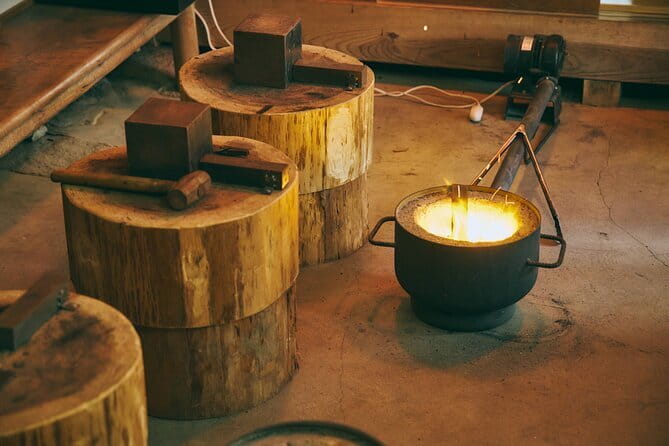
The most memorable stage begins when the raw iron goes into the furnace. As it heats, the metal changes color and glows red. The furnace supplies the drama, but the hammering is where you begin to shape the knife.
You hold the steel with tongs while the instructor positions it and shows you where to strike. Then you hammer. The work calls for a steady rhythm and a sensible angle, not wild swings. Mao, Taka, Daiki, and the other instructors stay close, helping you keep the process controlled.
This is the part that surprises many people. It is harder on the arms than it looks. You may need to stretch before the class, and you should not schedule this immediately after an exhausting day of walking around Kyoto. Several hours of sightseeing followed by repeated hammering is a poor combination.
The staff can step in to fix the shape if your blows do not land evenly. That help does not erase your part in the process. You still feel the vibration of the hammer, watch the steel change, and make choices about the blade under guidance.
The class also gives you a small lesson in craftsmanship. A knife is not simply a strip of metal with an edge. The maker must control heat, shape, thickness, and alignment. Even in this shortened workshop, you see how each stage affects the next one.
Cooling, grinding, and finding the edge
Once the blade has its basic shape, it is cooled and checked. You work on rough edges and prepare the metal for the next stage. This part is less theatrical than the furnace, but it gives you time to see the result of your hammering.
Next comes sharpening. You use sharpening stones and grinders with close instruction. Beginners can produce a functional edge, but you should not expect to master Japanese knife sharpening in a single class. The instructor’s role is vital here, since the wrong angle can damage the edge or leave you with a knife that looks finished but does not cut well.
The grinding stage may also be tiring and noisy. If you prefer a relaxed craft class with little physical effort, this is not the right choice. If you like learning by doing, the practical work is exactly why the experience has appeal.
One of the best parts is seeing the blade change from rough metal into something recognizable. The dark forged surface, the clean edge, and the hand-shaped profile give the knife character. Small irregularities are not defects to hide. They show that you made it in a workshop rather than bought it in a department store.
Polishing, packing, and taking the knife home
The final stage is polishing. You bring the blade to a cleaner finish, then inspect the completed knife with the instructor. The finished piece is approximately 13 to 15 centimeters long.
The knife comes with a box and bag, which makes it easier to carry as a gift. It is a particularly good present for someone who cooks, enjoys Japanese craft, or appreciates objects with a story. You can also keep it for everyday use, though you should ask the instructor about care and safe handling before leaving.
A handle may be available as an extra option for an additional 5,000 yen, according to one session’s details. The base workshop focuses on the forged blade, so confirm the current handle choices and cost before booking if a finished handled knife is important to you.
The workshop ends with photographs, videos, and time for questions. You can ask about knife care, forging methods, and the background of Japanese blacksmithing. The history portion is present, but this remains a making class first. If you want a long lecture on Japanese craft traditions, you may find the cultural explanation brief.
The instructors make the difference
The staff is one of the strongest parts of the experience. Mao is described as a knife professional with more than 10 years of experience. Taka is praised for his energy and explanations, and Daiki has helped participants finish strong when the work became tiring.
Other instructors named during sessions include Atsushi, Mits, and Tom. The teaching style is friendly and direct. The team uses humor to keep the room relaxed, while still taking the safety rules seriously.
English support is available, along with Japanese. That matters during the hammering and sharpening stages, where a small correction in hand position can make a big difference. You do not need blacksmithing experience, and the instructors are used to helping complete beginners.
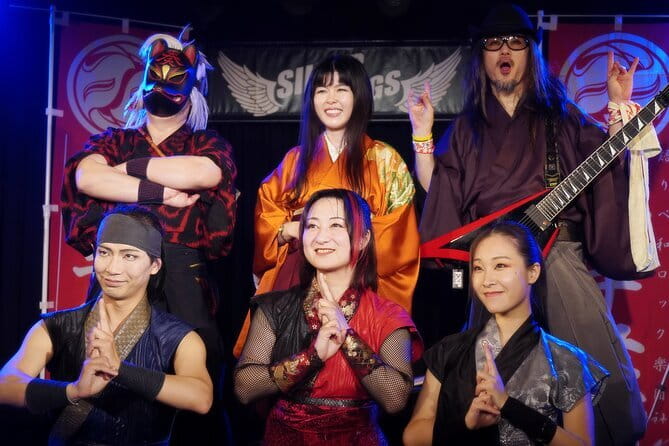
The team may also offer other activities at the studio, such as shuriken throwing or kendo classes. Those are not part of the knife workshop itself, but they can occasionally provide something to do while you wait. Do not book this activity expecting a full samurai theme park. The knife work is the main event.
Is $154 a fair price?
At $154 per person, this is not a cheap souvenir-making class. You are paying for a three-hour session, a small-group teaching setup, specialist tools, materials, protective clothing, staff time, and a handmade knife to take home.
I think the value is strongest for people who want an activity rather than another purchased object. A quality Japanese kitchen knife can cost a substantial amount on its own, but the real value here is the memory attached to it. You can point to the blade and explain that you heated, hammered, sharpened, and polished it in Kyoto.
The price is harder to justify if you only want the most polished knife for the least money. A store-bought knife will likely have a more precise finish, and a professional blacksmith can make a better blade than a beginner in three hours. You are paying for participation and instruction, not just the metal.
Free cancellation is available up to 24 hours before the session, and you can reserve now and pay later. Those terms help if your Kyoto schedule is still changing. The larger knife option is a different, longer activity, taking more than five hours and costing over $400, so the $154 session is the practical entry point.
Who should book this experience?
I would recommend it to couples, families with older teenagers, solo visitors who enjoy meeting people, and anyone who prefers making something to looking at another museum display. It also works well as a birthday activity or a special gift during a Japan trip.
The minimum age is 15 unless a younger child is accompanied by a guardian, while the activity is not suitable for children under 15 or people over 95 according to the stated requirements. The physical effort makes age and stamina worth considering even when the participant meets the formal rule.
Bring socks, wear comfortable clothing underneath the supplied uniform, and leave room in your day for the train ride and workshop. Stretch your shoulders and arms beforehand. In summer, expect serious heat around the furnace, even with cooling help.
This is less suitable for anyone who dislikes noise, heat, sharp tools, or repetitive physical work. It is also not a good fit if you want a perfectly uniform knife with no visible handmade character. The rustic finish is part of the point.
Should you book Studio NIN?
Book it if you want an unusual Kyoto experience with a useful result. The staff provides clear instruction, the process is active from start to finish, and the final knife carries more meaning than a standard souvenir.
I would be especially keen to book this for a family group or a couple who wants a shared project. You will sweat, hammer, and probably make a few imperfect strikes, but that is exactly what makes the finished blade worth keeping.
Skip it if you want a quiet cultural class, have limited mobility, or cannot spare the energy for demanding work. Also confirm the studio address before leaving your hotel. With those cautions handled, this is one of the better choices in Kyoto for a hands-on memory that fits in your luggage and lasts far longer than a photograph.
FAQ
How long does the knife making experience last?
The workshop lasts about three hours. The shorter format is designed for making a 13 to 15 cm knife, while larger knives require more than five hours and cost more than $400.
Where does the workshop take place?
The stated meeting point is Studio Shinobi YASE, at 168-1 Yase-no-secho, Sakyo-ku, Kyoto City. The operator also uses Studio NIN Kendo, so staff will confirm the exact studio before your visit.
How do I reach the studio?
The listed meeting point is a one-minute walk from the Yase-Hieizan Exit of the Eizan Electric Railway. The train is recommended, and taxis are also available. Confirm the final directions because two studio locations are used.
Is the class available in English?
Yes. The instructors offer the experience in English and Japanese.
What is included in the price?
The experience includes the blacksmith costume, towel, water, tools, materials, a box, and a bag. The handmade knife is also completed for you to take home.
What should I bring, and are there age restrictions?
Bring socks. Alcohol and drugs are not allowed. Children under 15 are not suitable for the activity unless accompanied by a guardian, and the stated upper age limit is 95.
Just added around Kyoto
- Taste of Nishiki Market Walking Food Tour with Local guide★ 5.0 · 17 reviews
- Kyoto: Sushi Making Class with Sushi Chef★ 4.8 · 64 reviews
- Kyoto: City Secrets eBike Tour★ 4.9 · 196 reviews
- Sacred Pathways: Discover the Philosopher’s Path of Kyoto★ 4.9 · 20 reviews
- Private Tour to Monkey Park and Arashiyama Highlights★ 5.0 · 22 reviews
- Private Nara Tour from Osaka – Meet at Your Hotel★ 5.0 · 22 reviews
- Private Sake Tasting in Central Kyoto with Sake Sommelier★ 5.0 · 13 reviews
- Kyoto : Private Custom Walking Tour With A Local Guide★ 4.6 · 144 reviews
Kyoto Tours, compared.
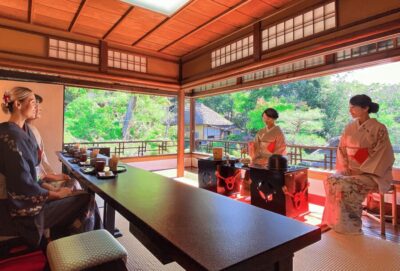
Tea Ceremony in a Traditional Tea House in Kiyomizu
Read our review →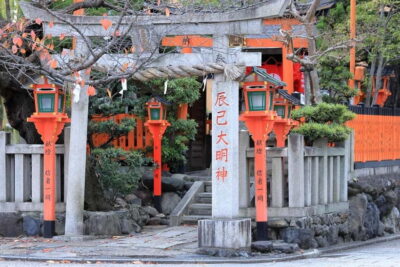
Kyoto Geisha Walking Tour: Gion District & Hidden Gems
Read our review →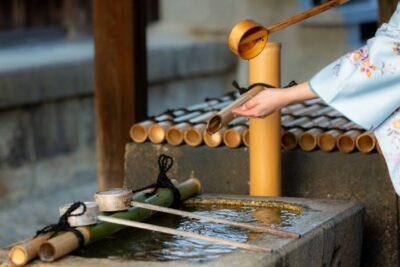
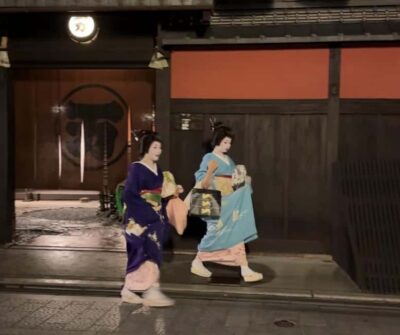
Gion Magical Night Walking Tour with Geisha Trivia
Read our review →

Gion Geisha District Walking Tour – Stories of Geisha
Read our review →
Best of Kyoto: Gion, Geisha, Pagodas & Cobblestones
Read our review →
Browse the lists this tour appears in