
REVIEW · TEA CEREMONY EXPERIENCES
Asakusa: Kimono Tea Ceremony with Matcha and Sweet
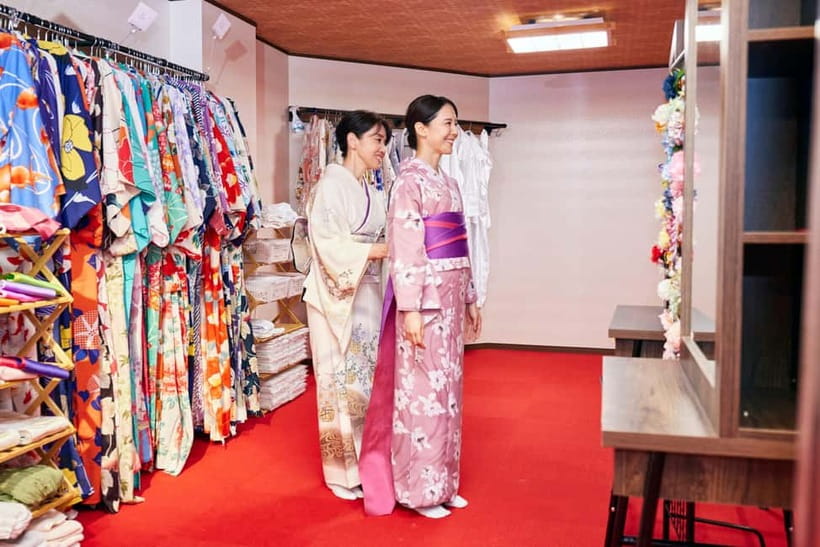
The best part of this Asakusa experience comes before the tea is poured. You choose a seasonal kimono, add an obi and hairpiece, and watch the staff turn you into a polished version of yourself. I especially like the hands-on matcha making and the chance to learn what the ceremony’s four principles mean: harmony, respect, purity, and tranquility.
I also like that the staff provide full English guidance, with hosts such as Mia, Wakana, Yoko, and Kyoko praised for clear and friendly instruction. The main thing to consider is the quiet format: you sit on tatami mats, remove your shoes, and share the session with about 12 to 14 people. Ask for a bamboo chair ahead of time if floor seating is difficult.
In This Review
- Key points to know before booking
- Choosing a kimono in Asakusa
- Inside the 90-minute tea ceremony
- What the kimono adds to the experience
- Tatami seating, bamboo chairs, and group size
- Photo opportunities after the ceremony
- Is $66 a good value?
- Who will enjoy this most?
- Small details that improve your visit
- Should you book the Asakusa kimono tea ceremony?
- FAQ
- How long does the kimono tea ceremony last?
- Is the experience conducted in English?
- What is included in the price?
- Do I need to sit on the floor?
- Can children join the experience?
- Can I wear the kimono outside after the ceremony?
Key points to know before booking
- Kimono, obi, hair styling, and accessories are included, with many colors and patterns to choose from.
- You prepare your own bowl of matcha after watching the tea master demonstrate the ritual.
- Seasonal wagashi sweets are served with the tea, including vegan-friendly options according to one recent experience.
- Photo time is part of the appeal, with indoor setups, a small garden, and staff help for solo or couple pictures.
- The kimono may be worn outside afterward for a while, so you can potentially walk around nearby, depending on the session’s arrangements.
- The experience lasts 90 minutes, and children under seven are not permitted.
Choosing a kimono in Asakusa
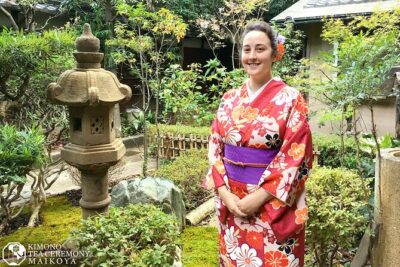
You start by selecting a kimono from a range of seasonal colors and prints. Staff help match the main garment with the obi, hairpiece, and other accessories, which matters more than it may sound. A kimono can look quite different once the belt and hair ornament are added.
Give yourself a moment to consider the color. One useful tip is to have a general idea of which shades suit you before arriving, though the staff will help you narrow the choice. The selection is part of the fun, but it can also take time if you want the perfect combination.
Professional dressing is included. This is not simply a matter of putting on a loose robe and tying a sash. The staff arrange the layers and secure the outfit so it looks right for the ceremony and photographs. The process also gives you a small glimpse of the care involved in traditional Japanese dress.
For women with long hair, hair styling is included. The staff can finish the look with a suitable hairpiece, and several people have singled out the speed and quality of the styling. Short hair does not receive the same included service, so keep that detail in mind when comparing this activity with other kimono options.
The finished outfit is one reason this experience works well for couples and solo visitors alike. Couples can reveal their completed looks to each other, while solo visitors can ask the staff to take photographs. Staff have helped with portrait and couple pictures, including special souvenir photos for occasions such as birthdays.
More Kimono & Culture Experiences in Tokyo
- Tokyo: Samurai Ninja Museum Guided tour and Experience
★ 4.6 · 1,010 reviews - Tokyo: Samurai Sword & Archery Class from Samurai Descendant
★ 5.0 · 603 reviews - Best Samurai Experience in Tokyo
★ 5.0 · 458 reviews
Inside the 90-minute tea ceremony
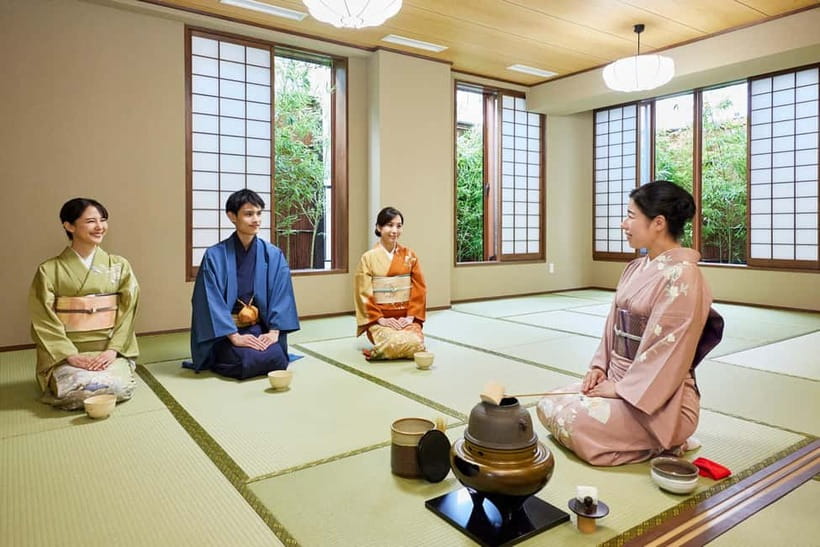
Once dressed, you enter a quiet tea room. The mood changes here. The colorful clothing and photo session give way to a slower, more focused setting, so this is not a loud demonstration built around constant entertainment.
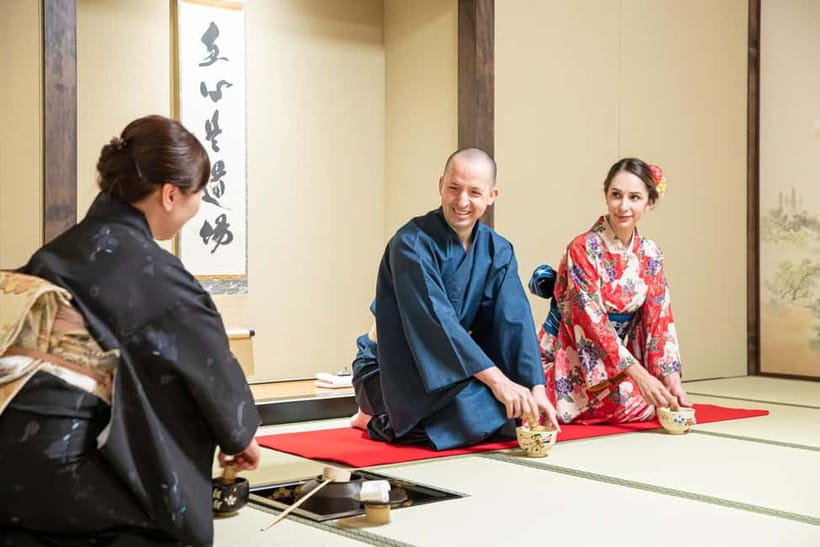
An English-speaking tea master explains the ceremony’s meaning and etiquette. You learn about Wa, or harmony; Kei, respect; Sei, purity; and Jaku, tranquility. These ideas give the ritual a useful framework. Instead of watching someone handle unfamiliar tools without context, you understand why the ceremony values calm movements, clean utensils, careful attention, and respect between host and guest.
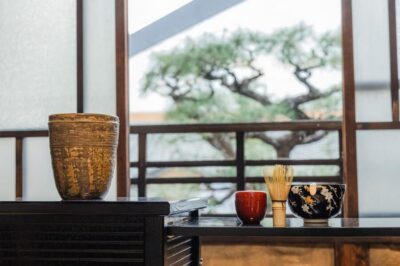
The master then demonstrates the preparation of matcha. Watch the handling of the utensils closely, since the appeal is in the precision. Some tools are cherished artifacts, and the careful movements show that this is more than a quick cup of green tea.
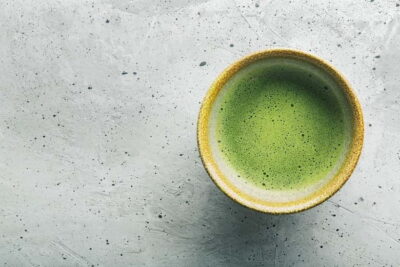
You then whisk your own matcha. This is the most active part of the ceremony, and it makes the experience more memorable than a simple tasting. You are not only served tea. You take part in preparing it, following the method shown by the host.
The matcha is paired with wagashi, the traditional Japanese sweets served with tea. These are designed to reflect the season in both flavor and appearance. Their sweetness also balances the earthy taste of matcha, which can surprise anyone accustomed to sweetened green tea drinks.
The ceremony is conducted in English, although some hosts may use Japanese as well when they learn that you understand it. Hosts named in the experiences include Mia, Wakana, Yoko, and Kyoko. The staff’s role is not limited to translation. They explain the purpose of each stage and help you follow the etiquette without feeling lost.
What the kimono adds to the experience
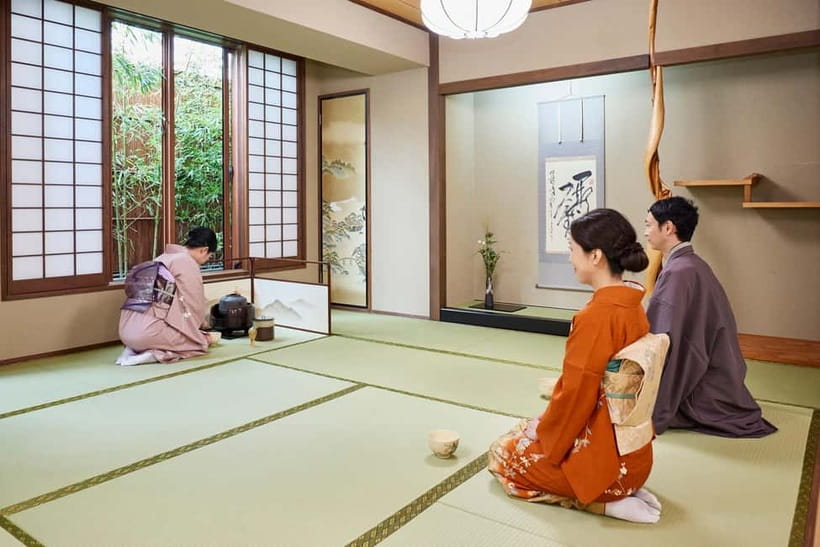
A tea ceremony on its own can be worthwhile, but the kimono changes how you approach the room. You become more aware of posture, movement, and the pace of the ritual. The clothing makes the event feel ceremonial from the start.
It also creates a clear connection between the tea room and the rest of Asakusa. This neighborhood is one of Tokyo’s most popular places for traditional sights and old-style atmosphere, and wearing a kimono nearby can make your visit feel more connected to the setting.
The rental arrangement is an important value point. Experiences indicate that you may be allowed to continue wearing the kimono for the remainder of the day or for a short period after the ceremony. That can give you time to take more pictures or walk around nearby instead of changing immediately.
Confirm the exact return arrangement when you arrive. The supplied details say the kimono rental is included, and several participants were able to go outside afterward, but the practical timing can depend on the session. Do not build a full-day sightseeing plan around the outfit without checking the staff’s instructions.
You also need to plan for the clothing itself. A kimono is formal wear, not a casual costume, and the ceremony is quiet and deliberate. You should expect restricted movement compared with ordinary clothes. That is part of the experience, but it may not suit anyone who wants a fast-paced activity.
Tatami seating, bamboo chairs, and group size
The tea ceremony takes place on tatami mats, and you must remove your shoes. This is an important practical point, especially if kneeling or sitting on the floor for an extended period is uncomfortable.
Bamboo chairs are available by advance request. Ask before the session rather than waiting until you arrive. The activity lasts about 90 minutes, and a small seating adjustment can make the experience far more pleasant.
The group size is generally around 12 to 14 people because the provider also accepts bookings from other sites. That means this is a shared cultural activity, not a private ceremony. The atmosphere remains calm, but you should expect other people to be present during the demonstration and the hands-on tea preparation.
Actual sessions can feel smaller when bookings are light. One couple described a very intimate group, but you should plan on the stated figure rather than count on having the room to yourself. If you want a private setting, ask about that before booking.
Children under seven are not permitted. Older children may appreciate the visual side of the activity, but the quiet tone and traditional etiquette require a reasonable attention span. For most families, this will suit older children better than very young ones.
More Tea Ceremony Experiences in Tokyo
- Matcha Making Class in Tokyo with Authentic Japanese Sweets Set
★ 5.0 · 744 reviews - Tokyo: Traditional Tea Ceremony with a Tea Master
★ 5.0 · 528 reviews - Tokyo: Matcha Making Experience with Mochi Sweets in Asakusa
★ 4.9 · 388 reviews - Tokyo: Matcha and Kimono Experience
★ 4.7 · 219 reviews
Photo opportunities after the ceremony
The experience includes several places for photographs. There is a small garden and indoor setups arranged for kimono pictures, so you do not need to search for a suitable background immediately afterward.
The staff also help take pictures. That is especially useful if you are traveling alone or want a couple photo without handing your phone to a stranger. Staff have spent a good length of time helping people capture portraits, and they may take a special photo for an occasion such as a birthday.
Plan your poses and camera preferences in advance if photographs matter to you. You can bring a phone or camera, but the staff assistance is a helpful extra rather than a formal professional photo package. The strength here is convenience and personal attention.
Cold weather may affect your plans outside. One winter participant chose not to leave in the kimono because it was too cold, even though other people were seen arriving or walking outside in theirs. The indoor photo spaces make the experience worthwhile in any season, but check the weather before planning outdoor pictures.
Is $66 a good value?
At $66 per person, this is not the cheapest way to drink matcha in Tokyo. You are paying for far more than the tea itself, though. The price includes kimono rental, professional dressing, hair styling for women with long hair, the ceremony, matcha preparation, wagashi, English instruction, and photo time.
I consider that a fair package for someone who wants several cultural activities combined into one short visit. Kimono dressing alone takes staff time and skill. Add the tea master, the room, the sweets, and the chance to wear the outfit afterward, and the price makes better sense.
The value is strongest for first-time visitors to Japan who want an introduction without committing to a long formal lesson. In 90 minutes, you get a clear explanation of tea ceremony principles, a guided demonstration, a chance to whisk tea, and a memorable outfit for photographs.
The value is weaker if you already own or have rented a kimono elsewhere, or if you only want to sample matcha. It is also less suitable if you dislike group activities or cannot comfortably sit on tatami mats. In that case, the included bamboo chair becomes important, and you should request it early.
Transportation is not included, so you make your own way to the venue in Asakusa. Meals beyond the Japanese sweets are not provided. Treat this as a focused cultural appointment, not a meal or a full neighborhood tour.
Who will enjoy this most?
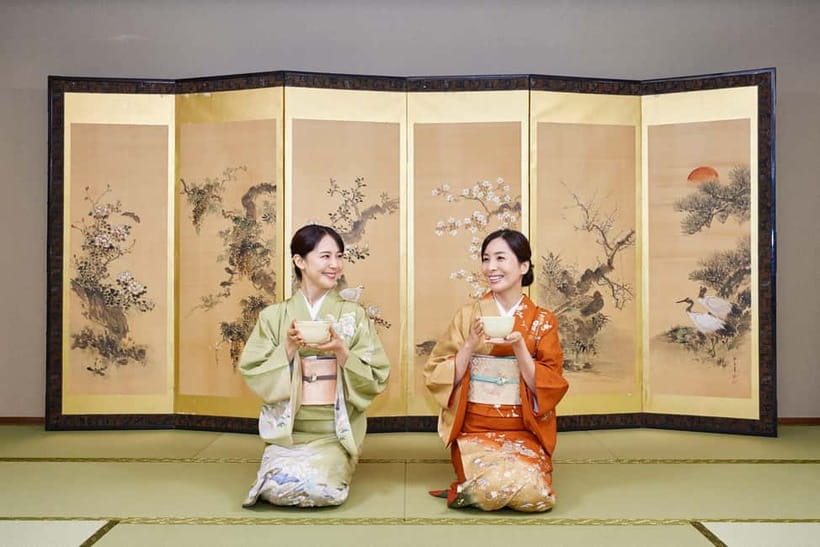
I would recommend this for couples who want a shared memory and good photographs. The process of choosing outfits, getting dressed, and seeing each other in the finished kimono gives the visit a special sense of occasion.
It also works very well for solo visitors. Staff can help with photographs, and the structured ceremony gives you an easy way to experience Japanese culture without needing a companion. The activity has also been used to mark birthdays and other personal milestones.
First-time visitors will get the most context from the English explanations. You do not need prior knowledge of tea ceremony etiquette. The master explains the main ideas, demonstrates the movements, and then guides you through your own bowl of matcha.
Returning visitors may still enjoy it if they want a slower, more personal cultural activity. The kimono selection, hair styling, and seasonal sweets add details that a basic tea tasting does not provide.
I would hesitate to recommend it to anyone seeking a private, fast, or casual attraction. The rules are simple but real: remove your shoes, keep the room quiet, follow the host’s directions, and respect the ceremonial pace.
Small details that improve your visit
Wear clothing that makes changing and dressing easy. You will remove your shoes, and the staff need access to arrange the kimono properly. You should also avoid planning a rushed appointment immediately afterward, since the dressing and photo time are meaningful parts of the visit.
Tell the staff in advance if you need a bamboo chair. The same applies if you have a mobility concern that could affect floor seating. The available information confirms chair access by advance request, but it does not promise other accessibility arrangements.
Do not arrive expecting a large meal. The wagashi are seasonal Japanese sweets intended to accompany the matcha. They are a pleasant part of the ceremony, but you will need to eat elsewhere if you want lunch or dinner.
The English guidance is a major help, but the ceremony still uses traditional terms and gestures. Listen first, then copy the movements. You do not need to perform perfectly. The point is to understand the rhythm and meaning of the practice.
Cancellation is flexible enough for changing Tokyo plans: you can cancel up to 24 hours ahead for a full refund, and reserve now while paying later. Check the available starting times before you build the rest of your Asakusa day.
Should you book the Asakusa kimono tea ceremony?
Book it if you want a compact, photo-friendly introduction to Japanese tradition with real participation. The combination of seasonal kimono dressing, long-hair styling, English instruction, wagashi, and your own bowl of whisked matcha gives the $66 price solid value.
I would be especially keen to book this for a couple, solo visitor, first trip to Japan, or anyone marking a special day. Ask for the bamboo chair ahead of time if needed, confirm how long you may keep the kimono afterward, and allow time for photographs.
Skip it if you want a private ceremony, a substantial meal, or a quick cup of tea with no formal etiquette. For the right visitor, though, this is a warm and well-organized way to slow down in Tokyo and take home more than a souvenir photo.
FAQ
How long does the kimono tea ceremony last?
The entire experience lasts approximately 90 minutes.
Is the experience conducted in English?
Yes. The instructor and staff provide full English guidance throughout the activity.
What is included in the price?
The $66 price includes the traditional tea ceremony, kimono rental, professional dressing, hair styling for women with long hair, matcha preparation, seasonal wagashi, and English guidance.
Do I need to sit on the floor?
Seating is on tatami mats. Bamboo chairs are available if you request them in advance.
Can children join the experience?
Children under seven years old are not permitted to participate.
Can I wear the kimono outside after the ceremony?
Some sessions allow you to wear the kimono for a while afterward and walk around nearby. Confirm the exact rental and return timing with the staff at the venue.
Just added around Tokyo
- Private Memorable Tokyo Tour with English Speaking Driver★ 5.0 · 30 reviews
- Private Tokyo Custom Full-Day Tour by Chartered Vehicle★ 5.0 · 16 reviews
- Private Sightseeing to Mt Fuji and Hakone with English Driver★ 5.0 · 51 reviews
- Tokyo Photography Masterclass – Private Photography Lesson★ 5.0 · 25 reviews
- Private Mt. Fuji Day Trip from Tokyo with English-Speaking Driver★ 5.0 · 33 reviews
- 4 Day Tour – Mount. Fuji, Tokyo, Hakone, Kamakura and Yokohama★ 5.0 · 19 reviews
- Private Unforgettable Mt Fuji Tour with English Speaking Driver★ 5.0 · 142 reviews
- Private Tokyo Food Tour – A Journey Through Time Through Food★ 5.0 · 36 reviews
Tea Ceremony Experiences, compared.
Tea Ceremony in a Traditional Tea House in Kiyomizu
Read our review →
World Heritage Kyoto & Nara Uji Authentic Matcha Experience
Read our review →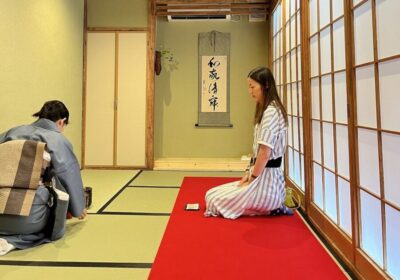
Browse the lists this tour appears in