REVIEW · GUIDED
Tour in Kyoto with a Goverment Certified Tour Guide
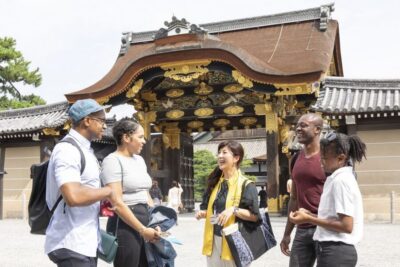
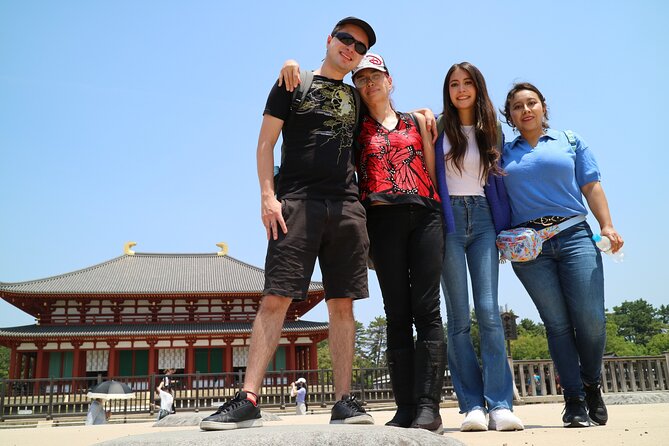
Kyoto’s biggest sights are spread across the city, and this tour tries to connect them in one long day: red torii gates at Fushimi Inari, the wooden stage at Kiyomizu-dera, Gion lanes, the Golden Pavilion, and Arashiyama’s bamboo grove. I like the custom itinerary, which lets you focus on temples, food, history, or local culture. I also like the guides praised by name, especially Andrea and Roberto, who are described as patient, helpful, and able to explain religion, mythology, and Kyoto’s past in clear terms.
The catch is the schedule. Nine major stops in six to eight hours is an ambitious plan, especially when Kyoto is crowded or the group starts late. You may see only three to six locations, and the experience can become a shared excursion despite being presented as private. Confirm the meeting point, pickup, group size, start time, and realistic stop count in writing before you pay.
In This Review
- Key things to know before booking
- What this Kyoto day is trying to do
- Fushimi Inari and the red torii gates
- Kiyomizu-dera on the Higashiyama hillside
- Nijo Castle and the power of the shoguns
- Gion, where old Kyoto survives in the streets
- Nishiki Market for food and local color
- Kinkakuji, Kyoto’s Golden Pavilion
- Ginkakuji and the quieter Silver Pavilion
- Arashiyama bamboo and Tenryu-ji
- The guide can make or break the day
- Private tour promise and actual group size
- What the $110 price really buys
- Walking, weather, and pace
- Who should book this Kyoto tour?
- Should you book it?
- FAQ
- How long does the Kyoto tour last?
- What sights are included?
- Is the tour private?
- Is hotel pickup offered?
- Are transportation fees included?
- Are food and drinks included?
- Is admission to Ginkakuji included?
- Can the itinerary be customized?
- What is the cancellation policy?
Key things to know before booking
- Nine sights are listed, but you may visit fewer: The route covers a huge portion of Kyoto, and traffic, crowds, temple queues, and public transport can cut the day short.
- Andrea and Roberto receive especially warm praise: Both are described as friendly, patient, flexible, and strong on cultural explanation.
- Private does not always mean private: Some bookings have reportedly been combined with other couples or much larger groups.
- Pickup needs careful checking: Pickup is offered, but several problems centered on unclear meeting instructions and assumptions about where pickup was available.
- Extra costs are separate: Budget for guide transportation, personal spending, food, and admission fees, including an $8 Ginkakuji charge.
- The tour suits a first Kyoto day: It gives you a broad look at the city, but it is not the best format for slow temple visits or serious photography.
What this Kyoto day is trying to do
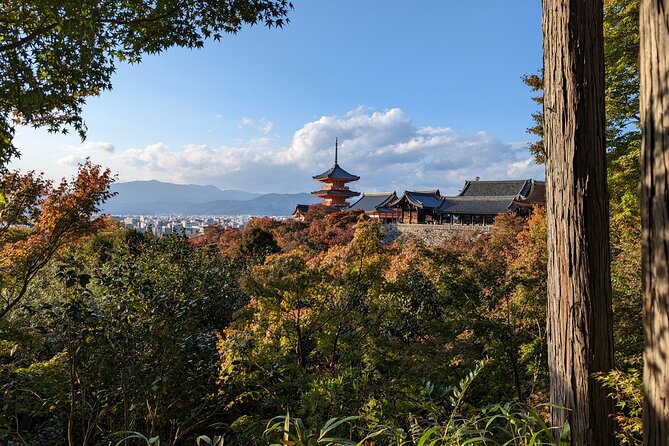
At $110 per person, this is a broad sightseeing day rather than a quiet, specialist walk. The stated duration is about six to eight hours, and the route links major sights in southern, central, eastern, northern, and western Kyoto.
That reach is the main appeal. You can cover places that would take careful planning to connect on your own. A guide can also help you use Kyoto’s train and bus system, explain shrine and temple customs, and adjust the day around your interests. One highly praised guide even helped a visitor buy bullet train tickets, which shows the practical help this experience can provide beyond sightseeing.
The format is less predictable than the description suggests. Solo visitors and couples may be asked to join another solo visitor or couple, and several accounts describe larger group combinations. The operator also says the itinerary can be customized, so you should treat the nine stops as a menu of possibilities, not a guaranteed checklist.
That distinction matters. If you want to say you saw many of Kyoto’s headline sights in one day, this can be useful. If you want to sit quietly in a garden, linger over lunch, or take careful photos beneath the torii gates, the pace may frustrate you.
A few more Kyoto trips to weigh up
- Kyoto Early Morning Tour with English-Speaking Guide
★ 5.0 · 1,427 reviews - Kyoto 6hr Private Tour with Government-Licensed Guide
★ 5.0 · 1,369 reviews - Kyoto: Early Morning Tour with English-Speaking Guide
★ 4.9 · 1,128 reviews
Fushimi Inari and the red torii gates
Fushimi Inari-taisha is often the most instantly recognizable stop. Thousands of red torii gates climb the wooded slopes behind the shrine, creating a memorable walk with strong color and rhythm.
The tour allows about one hour here. That is enough to enter the shrine grounds and walk through part of the gates, but not enough for a leisurely climb far up the mountain. Crowds can be thick near the lower gates, so your guide’s explanation of Inari, the Shinto deity associated with rice, adds useful context while you move.
This is one stop where timing affects the experience greatly. A late start can turn a planned hour into a quick photo break. If Fushimi Inari matters most to you, say so at the start and ask how far you will walk.
Kiyomizu-dera on the Higashiyama hillside
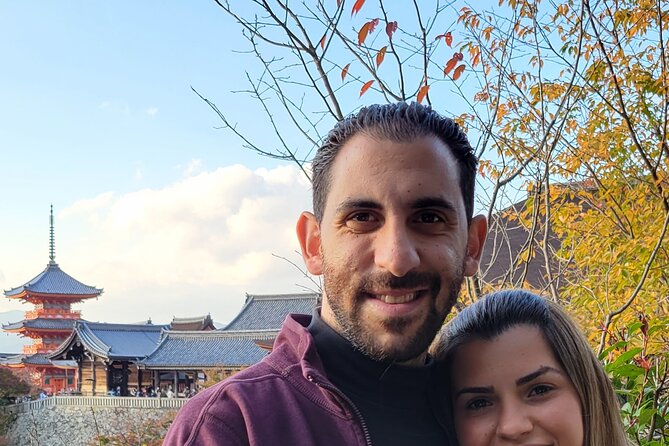
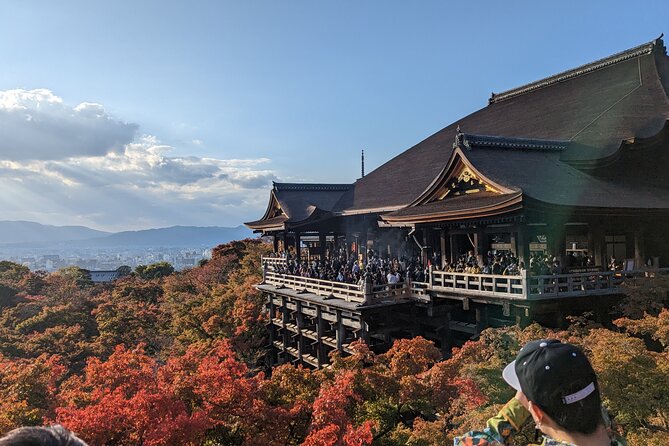
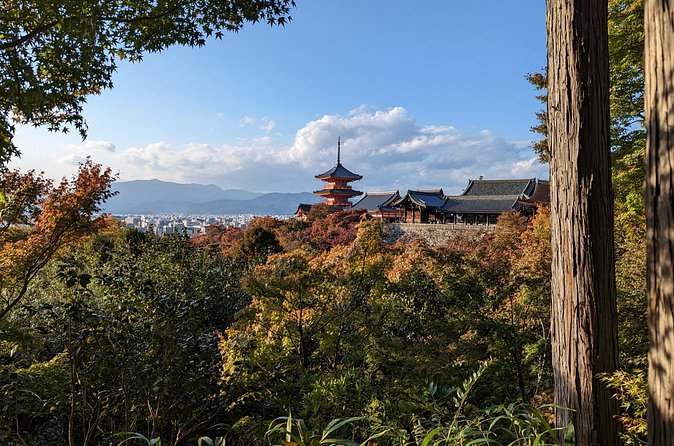
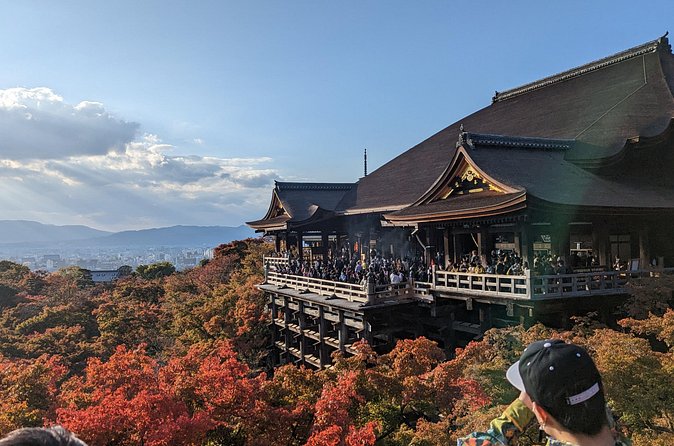
Kiyomizu-dera gives you one of Kyoto’s classic temple settings. The temple sits on the slopes of eastern Kyoto, with an impressive wooden structure and broad city views from its famous stage.
The approach is part of the experience. The surrounding Higashiyama area has traditional-looking streets and plenty of foot traffic, so you should expect a lot of walking and limited quiet. The stop is listed at one hour, which allows a quick look at the main temple area but little time for every corner.
This is a good place to ask your guide about Buddhist practice, temple design, and the difference between a shrine and a temple. Several strong accounts praise guides for explaining religion and mythology, and this is the sort of setting where that background can make the visit much more meaningful.
Nijo Castle and the power of the shoguns
Nijo Castle shifts the focus from worship to political history. Built in the seventeenth century, it served as a residence and symbol of authority for the shogun.
You are given about an hour here. The castle grounds and buildings need time, and admission is not included. The itinerary marks this entrance fee separately, so ask the guide or operator for the current cost before the day begins.
Nijo Castle is also one of the stops most vulnerable to a rushed schedule. If the tour starts late, it may be shortened or dropped. I would place it high on your priority list if you care about Japan’s samurai-era government, rather than assuming all nine locations will receive equal attention.
Same city, a completely different kind of day:
- PERFECT KYOTO 1-Day Bus Tour
★ 5.0 · 13,518 reviews - Kyoto: Fushimi Inari, Kinkakuji, Bamboo Grove 1 Day Bus Tour
★ 4.8 · 4,316 reviews - Kyoto: Tea Ceremony in a Traditional Tea House in Kiyomizu
★ 4.9 · 3,519 reviews - Kyoto Geisha Walking Tour: Gion District & Hidden Gems
★ 4.7 · 3,273 reviews
Gion, where old Kyoto survives in the streets
Gion is the most atmospheric walking stop on the route. Its traditional buildings, narrow lanes, and connection to geisha culture give you a feel for old Kyoto, even when the streets are busy.
The planned visit lasts about an hour. A guide can help you understand the district without reducing it to a hunt for photographs. You should behave quietly and respectfully, particularly around private buildings and working performers.
Gion is also a practical place to clarify your expectations. The description refers to geisha mystique, tea houses, and historic neighborhoods, but the supplied itinerary does not promise a geisha performance, tea ceremony, or guaranteed tea-house visit. Ask directly if any cultural activity is included on your date.
Nishiki Market for food and local color
Nishiki Market is the food stop, with roughly five blocks of stalls selling produce, prepared foods, traditional goods, and local specialties. It is a lively place to sample small bites, but food and drinks are not included in the $110 price.
The planned hour gives you time to browse and purchase a few things. It does not turn the tour into a full food tour. If you are hungry, budget separately and tell your guide about allergies or dietary limits before ordering.
This stop can also help break up a temple-heavy day. You get a change of pace, and a guide may point out foods or customs you would otherwise pass without understanding. Still, remember that personal purchases are your responsibility.
Kinkakuji, Kyoto’s Golden Pavilion
Kinkakuji, or the Golden Pavilion, is one of Kyoto’s most famous sights. Its gold-covered exterior beside the pond makes it a quick visual reward, particularly for first-time visitors.
The planned stop is one hour, including the approach and viewing areas. It is a popular sight, so expect crowds and a set walking route rather than a private moment by the water. Admission is listed as free in the supplied itinerary, but you should confirm all entrance costs because the tour information is not fully consistent about which temple fees are covered.
Kinkakuji is best treated as a focused visit. You will see the pavilion and gardens, but the pace may not allow a long garden walk or extensive photography.
Ginkakuji and the quieter Silver Pavilion
Ginkakuji is known as the Silver Pavilion, although it is not covered in silver. Its appeal comes from its Zen setting, gardens, and restrained design rather than glitter.
The itinerary allows about an hour, and admission is specifically listed at $8 per person. That fee is not included, so keep cash or another accepted payment method ready.
This temple is on the opposite side of the city from Arashiyama. Trying to fit it into the same day as Fushimi Inari, Kiyomizu-dera, Kinkakuji, and the bamboo grove leaves little room for delays. If you prefer calm gardens to collecting famous names, ask whether Ginkakuji can receive more time while another stop is removed.
Arashiyama bamboo and Tenryu-ji
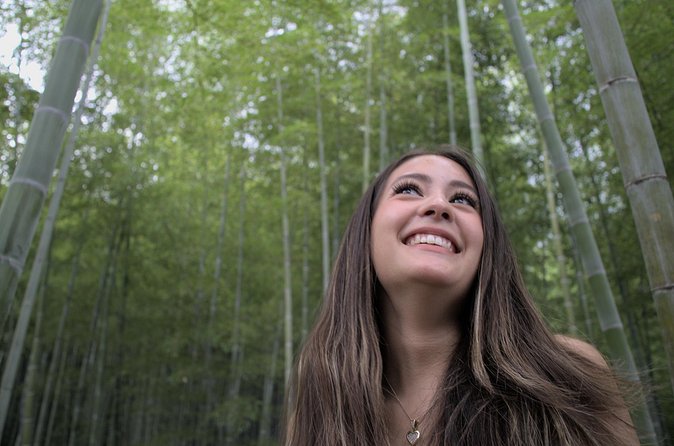
Arashiyama is the western Kyoto stop, and its bamboo forest is one of the tour’s most photographed locations. The itinerary allows only 30 minutes for the forest, which is enough for a short walk but not a long exploration.
The grove can be crowded, and the narrow paths make it hard to move quickly. A short visit still gives you the defining view, but do not expect solitude or a long climb through the surrounding hills.
Tenryu-ji, a major Zen temple in Arashiyama and a UNESCO World Heritage Site, also receives 30 minutes. Admission is not included. Pairing the temple with the bamboo forest is efficient, but it leaves almost no spare time if transport runs late.
One account specifically praised an Arashiyama mountain visit and the monkey park. The monkey park is not part of the listed nine-stop itinerary, so you should not assume it is included. Ask if you want that addition, and understand that adding it will require dropping another sight.
The guide can make or break the day
The best version of this tour depends heavily on the individual guide. Andrea is praised for patience, detailed explanations, flexibility, and helping visitors make the most of a full day. Roberto is praised for his command of religion, mythology, and Kyoto’s major sights. Another guide is described as friendly, patient, eager to help, and fluent in English.
Those qualities matter because Kyoto’s temples can otherwise blur together. A good explanation gives each place a purpose: Shinto at Fushimi Inari, Buddhism at Kiyomizu-dera and Tenryu-ji, Zen aesthetics at Ginkakuji, and samurai power at Nijo Castle.
The experience has a serious operational weakness, though. Several bookings describe guides arriving late or not appearing at all, with calls and messages unanswered. Other accounts describe cancellations with less than 24 hours’ notice. The operator has responded in some cases by saying a refund was approved or that the meeting instructions were misunderstood, but the pattern still calls for caution.
Use the booking message system and ask for a clear written confirmation. Get the exact meeting point, start time, guide name, phone or messaging contact, pickup limits, and group size. Do not rely on a vague instruction such as Kyoto Station without a specific exit or landmark.
Private tour promise and actual group size
The activity is described as private, with only your group participating. It also notes that solo visitors and couples may be combined. Those two ideas do not fit neatly together.
Several accounts describe shared tours, multiple couples, or groups of more than 30 people. One booking reportedly changed from a private tour to a public-transport excursion with several groups, while another said the planned nine locations became only three. These changes may be linked to busy periods and staffing, but you need a firm answer before booking.
A larger group reduces the value of customization. It also slows temple entrances, restaurant decisions, and movement through narrow streets. If privacy is the main reason you are considering this experience, confirm that point in writing and keep the message.
What the $110 price really buys
The $110 fee pays for a long guided day and the chance to connect distant parts of Kyoto without building the route yourself. It can be good value for a first visit, particularly if you want cultural explanations and help with local transport.
The price does not cover everything. You are responsible for guide transportation fees of about $5 to $8, your own transportation fees, food, drinks, personal expenses, and admission charges. Ginkakuji is specifically listed at $8 per person, while Nijo Castle and Tenryu-ji are also marked as not included in the stop details.
The value drops sharply if the tour begins late, loses its private format, or covers only a few sites. In that case, you are paying for a guide but not receiving the broad route that attracted you. I would compare the price with a smaller half-day tour if you prefer a relaxed pace, or book this only after confirming exactly what will be delivered.
Walking, weather, and pace
This is a walking-heavy day. You will move through shrine grounds, temple compounds, market streets, historic lanes, and the bamboo forest, with transport between districts. One strong account specifically notes the amount of walking.
Hot weather can make the schedule tiring, and rain can reduce the number of locations you reach. An account from a rainy day praised the guides but noted that several advertised stops were missed. Wear comfortable shoes, carry water, and avoid filling the day with additional fixed plans.
The activity says most people can participate, and a guide has successfully adjusted a day around disabilities. Still, tell the operator about mobility needs before arrival. The route includes hills, temple approaches, uneven surfaces, and crowded areas, so the exact plan matters.
Who should book this Kyoto tour?
I would consider it for a first visit when you want a broad introduction and value a guide who can explain what you are seeing. It also suits families, couples, and solo visitors who want help with transport, cultural questions, or last-minute practical tasks such as train-ticket purchases.
It is less suitable if you want a guaranteed private tour, quiet temple time, a carefully paced food experience, or a fixed visit to all nine stops. Independent visitors who are comfortable with Kyoto’s rail and bus network may cover fewer sights but enjoy more time at each one.
Before booking, send five direct questions:
- Is the tour private on my date?
- What is the exact meeting point and start time?
- Is hotel pickup available at my address?
- Which stops are realistic in six to eight hours?
- What entrance fees and transport costs should I expect?
Should you book it?
Book this experience if your goal is to see a wide sample of Kyoto with a flexible guide, and if you can accept that the route may change. Andrea and Roberto appear to offer the kind of personal help that makes a packed sightseeing day worthwhile.
I would not book without written confirmation of the operator’s arrangements. The repeated reports of no-shows, late starts, cancellations, unclear meeting points, and group changes are too important to ignore. The free cancellation policy allows a full refund when you cancel at least 24 hours before the start time, but changes within 24 hours are not accepted and are not refunded.
At $110, this can be a useful Kyoto overview, but only when the logistics are solid. Confirm everything, set your top three sights, and treat the remaining stops as flexible. That is the safest way to get value from the day.
FAQ
How long does the Kyoto tour last?
The tour lasts approximately six to eight hours.
What sights are included?
The listed stops are Fushimi Inari-taisha Shrine, Kiyomizu-dera Temple, Nijo Castle, Gion, Nishiki Market, Kinkakuji Temple, Ginkakuji Temple, Arashiyama Forest, and Tenryu-ji Temple.
Is the tour private?
The activity is described as private, but solo visitors and couples may be asked to join another solo visitor or couple. The group arrangement should be confirmed before booking.
Is hotel pickup offered?
Pickup is offered, but the exact pickup area and meeting point need to be confirmed. Pickup from Osaka Tempozan is specifically not offered, and some visitors were directed to meet at Kyoto Station.
Are transportation fees included?
No. Transportation fees are excluded, including transportation costs for the guide. Guide transportation is estimated at $5 to $8.
Are food and drinks included?
No. Food, drinks, personal expenses, and transportation fees are not included.
Is admission to Ginkakuji included?
No. Ginkakuji admission is listed at $8 per person.
Can the itinerary be customized?
Yes. The activity says you can customize the tour based on your expectations and the time available.
What is the cancellation policy?
You can cancel at least 24 hours before the start time for a full refund. Cancellations or changes made within 24 hours are not accepted and are not refunded.
Just added around Kyoto
- Private Guided Traditional Buddhist Cooking in Japan★ 5.0 · 16 reviews
- Kyoto: Gion Geisha District & Sake-in-Hand Walking Tour★ 5.0 · 37 reviews
- Your Private Vacation Photography Session In Kyoto★ 5.0 · 110 reviews
- Kyoto: Zen Meditation at a Private Temple with a Monk★ 5.0 · 25 reviews
- Private Pewter Sake Cup Experience with a Kyoto Artisan★ 5.0 · 31 reviews
- Traditional Japanese Washi Papermaking- Kyoto morning★ 5.0 · 77 reviews
- Kyoto Wagashi(Japanese sweets) Cooking Class near Fushimiinari★ 5.0 · 60 reviews
- Kyoto Private 6 hour Tour: English Speaking Driver Only, No Guide★ 5.0 · 88 reviews
Guided, compared.
Kyoto Early Morning Tour with English-Speaking Guide
Read our review →
Tokyo 4hr Private Tour with Government-Licensed Guide
Read our review →
Kyoto 6hr Private Tour with Government-Licensed Guide
Read our review →
Hiroshima / Miyajima Full-day Private Tour with Government Licensed Guide
Read our review →
Early Morning Tour with English-Speaking Guide
Read our review →