
REVIEW · FOOD MARKET TOURS
Tokyo: Tsukiji Market and Hama-rikyu Gardens Guided Tour
Tsukiji is at its best when you have a guide to explain what you are seeing. This tour takes you from the striking Tsukiji Hongwanji Temple through narrow market lanes filled with seafood, produce, snacks, and kitchen goods, then into the quiet grounds of Hama-rikyu Gardens.
I like the contrast between the market and the garden, and I like that the tour includes the garden admission for $31. You also get useful food guidance, with chances to try grilled scallops, sushi, tamagoyaki, wagyu skewers, and matcha sweets.
The main drawback is the amount of walking. The tour can last from 150 minutes to three hours, food costs extra, and the information about wheelchair access is inconsistent with the stated note that the experience is not suitable for wheelchair users or people with mobility impairments.
In This Review
- Key points to know before you book
- Starting at Tsukiji Station
- Tsukiji Hongwanji Temple: an unusual start
- Tsukiji Outer Market: food culture at close range
- How to make the market stop work for you
- The 15-minute walk to Hama-rikyu
- Hama-rikyu Gardens: Edo calm below the skyline
- Optional matcha and wagashi tasting
- What $31 gets you
- Timing, pace, and practical limits
- Who will enjoy this walking tour?
- Should you book it?
- FAQ
- Where does the tour start?
- Where does the tour finish?
- How long does the experience last?
- Is food included in the price?
- How much does the matcha and wagashi tasting cost?
- What languages are available?
Key points to know before you book

- Tsukiji’s food range is enormous: The market handles about 480 types of seafood and 270 types of produce, so a guide helps turn visual overload into context.
- The temple makes a calm first stop: Tsukiji Hongwanji’s unusual architecture and quiet interior offer a sharp contrast to the market lanes.
- Food is paid separately: Snacks and meals are not included, so bring yen for small purchases and the optional tea service.
- Hama-rikyu changes with the seasons: Flowers can be a major attraction, but the exact display depends on when you visit.
- The tour ends at the garden: You do not return to the starting point, so plan your next stop from Hama-rikyu Gardens.
- Comfortable shoes matter: The route includes market walking and a 15-minute walk between Tsukiji and the garden.
Starting at Tsukiji Station
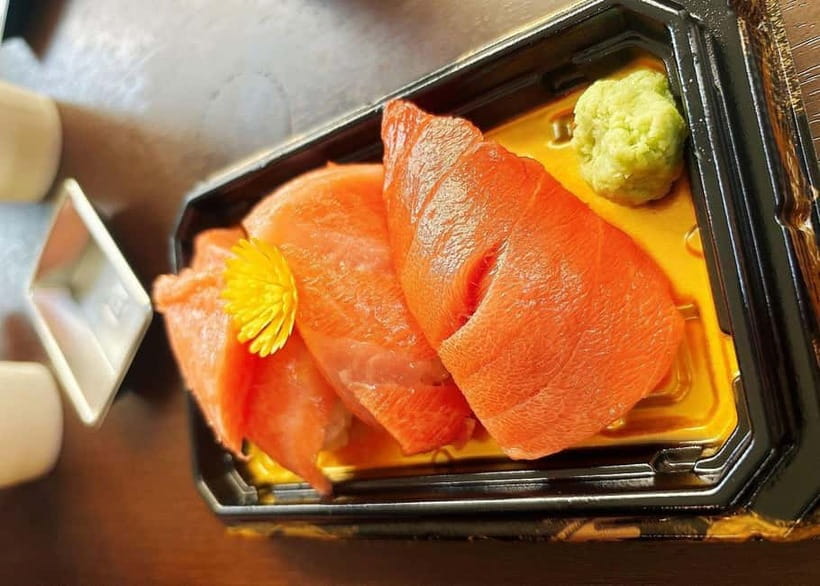
Your meeting point is the Starbucks in front of Tsukiji Station. This is a practical place to begin because the tour starts on foot and does not include transportation to or from the attractions.
From there, you head to Tsukiji Hongwanji Temple. The opening walk is short, but it gives you time to meet the guide and settle into the pace of the group. The guide leads in Chinese, English, French, Korean, or Spanish, depending on the departure you choose.
I would arrive with water already in your bag. You will be outside for much of the tour, and the market section is more enjoyable when you are ready to walk, pause, and browse without worrying about basic supplies.
More Food Market Tours in Tokyo
- Tokyo: Shinjuku Food Tour (13 Dishes at 4 Local Eateries)
★ 5.0 · 6,603 reviews - Tokyo Tsukiji Fish Market Food and Culture Walking Tour
★ 5.0 · 3,184 reviews - Tokyo: Shinjuku Food Tour (15 Dishes and 4 Eateries)
★ 4.9 · 2,033 reviews
Tsukiji Hongwanji Temple: an unusual start
The first formal stop lasts about 15 minutes. Tsukiji Hongwanji is known for its distinctive architecture and peaceful atmosphere, making it a useful introduction to the area before you enter the market.
This is not a long temple visit. You should think of it as a short cultural stop, not a full religious tour. The value comes from seeing a quieter side of Tsukiji and learning how the temple fits into the neighborhood.
I like this order. If the tour began with food stalls, the temple might feel like an afterthought. Starting here gives you a few calm minutes before the narrow market lanes demand your attention.
Your guide can also help you understand proper behavior in a religious setting. Keep your voice low, follow instructions, and avoid treating the temple like a backdrop for hurried photos. A camera is welcome, but a respectful approach matters more.
Tsukiji Outer Market: food culture at close range
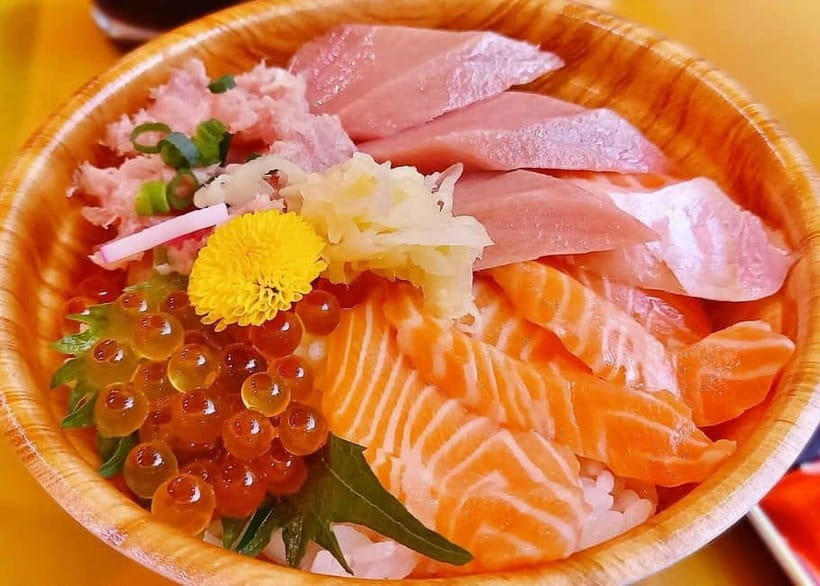
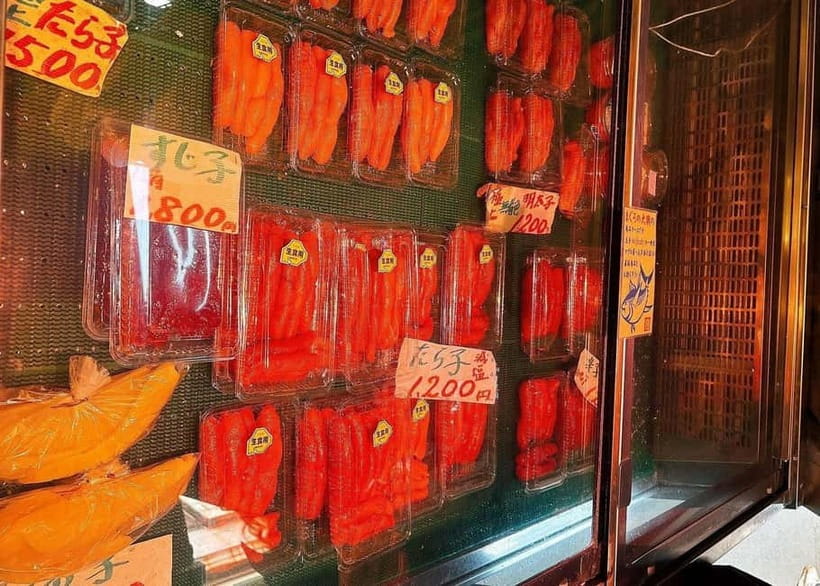
The market portion takes about 45 minutes, with guided touring followed by free time for shopping and tasting. This is the busiest and most hands-on part of the experience.
Tsukiji has an 83-year history as one of Tokyo’s central wholesale markets. The figures alone explain why the place can feel overwhelming: about 480 kinds of seafood and 270 kinds of produce pass through the market. You may see ingredients that are familiar, rare, or difficult to identify, often packed into compact stalls along narrow lanes.
This is where the guide earns the fee. A market is easy to visit on your own, but it is not always easy to understand. A guide can point out what different stalls sell, explain elements of Japanese food culture, and help you decide which foods are worth trying during your limited time.
The food options listed for the tour include:
- Grilled scallops
- Tamagoyaki, a Japanese omelette
- Sushi
- Wagyu skewers
- Matcha sweets
These are not part of the tour price. You pay stallholders directly, so bring extra money if you want to snack. The tour works for both adventurous eaters and people who prefer familiar choices because you can choose how much, or how little, you try.
I would not arrive expecting a sit-down meal. The market visit is built around browsing and sampling. You may stop for one small bite, several tastes, or no food at all. The guide can explain the choices, but your appetite and budget control the final bill.
How to make the market stop work for you
The 45-minute market segment is enough for an introduction, but it is not a full shopping expedition. You will have guided time, free time, and a chance to buy food, so you need to be selective.
If you want to sample several items, avoid spending the entire stop at the first stall. It is easy to get distracted by the smells and displays. Ask your guide what fits the tour schedule, then leave room to compare a few foods.
Tamagoyaki is a good choice if you want something mild and easy to eat. Sushi gives you a direct taste of the market’s seafood culture, while grilled scallops and wagyu skewers are more substantial. Matcha sweets provide a sweeter finish, though the exact selection may vary.
Narrow lanes can make stopping awkward, especially when several people gather around one stall. Keep your belongings close, step aside when you are finished, and follow the guide’s instructions about where to stand and eat. Smoking is not allowed during the activity.
The market can also be a sensory experience without buying anything. You can watch vendors work, study the produce, and see how carefully seafood is presented. That makes the tour useful even if you are not a dedicated food enthusiast.
Same city, a completely different kind of day:
- Mt Fuji and Hakone 1-Day Bus Tour Return by Bullet Train
★ 5.0 · 26,383 reviews - 1-Day Tokyo Bus Tour
★ 5.0 · 14,250 reviews - Tokyo: TOKYO SKYTREE® Admission ticket
★ 4.5 · 11,192 reviews - Tokyo: teamLab Planets TOKYO Digital Art Museum Entry Ticket
★ 4.6 · 9,779 reviews
The 15-minute walk to Hama-rikyu
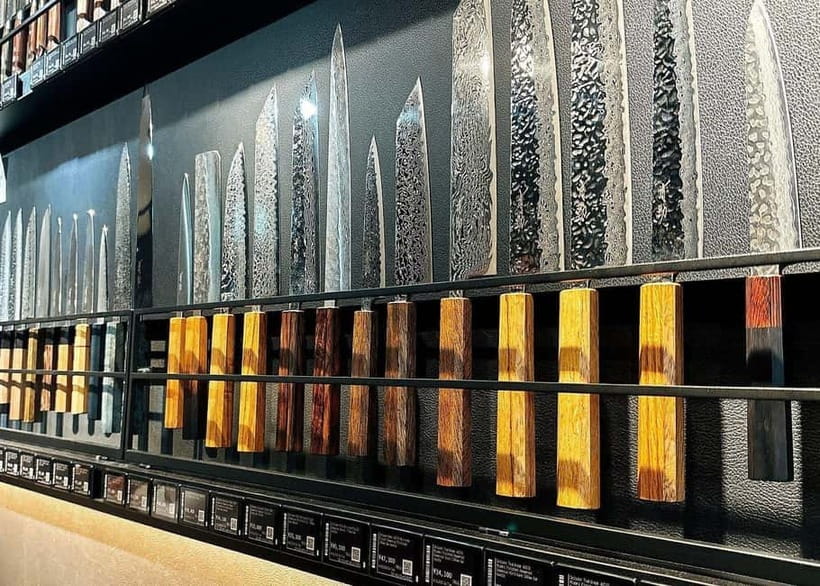
After Tsukiji, the group walks for about 15 minutes to Hama-rikyu Gardens. Transportation is not included because this is a walking tour.
The short transfer matters for planning. You are not being driven between isolated sights, and you should not expect a rest period in a vehicle. Wear shoes that can handle hard pavement and a steady walking pace.
This transition also gives the tour its shape. Tsukiji is close enough to Hama-rikyu for the change from market to garden to feel natural, yet the mood changes quickly. You move from food stalls and city movement into a historic garden with open views and quieter paths.
Hama-rikyu Gardens: Edo calm below the skyline
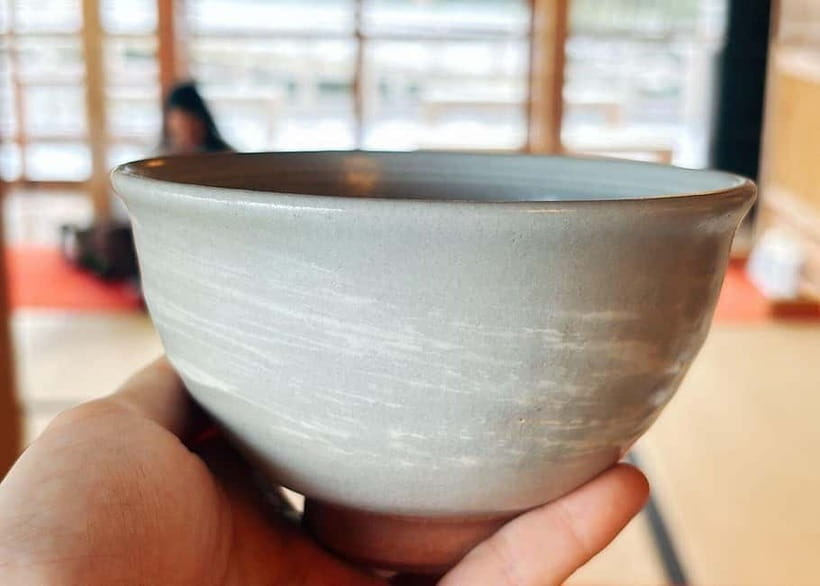
Hama-rikyu Gardens was created during the Edo period more than 370 years ago. The one-hour visit includes guided touring and free time, with admission included in the $31 price.
The garden is the tour’s strongest visual contrast. Instead of crowded stalls, you get carefully arranged paths, seasonal flowers, and a quieter setting framed by Tokyo’s modern skyline. The old and new sit together in a way that feels especially characteristic of Tokyo.
Flower displays depend on the season. You might find colorful blooms at their best during your visit, but no tour can promise a particular flower or peak condition. If gardens are your main reason for booking, check the season and keep your expectations flexible.
The garden is also a good place to slow down. After the market’s tight spaces, you have room to look around and take photographs. The included free time lets you enjoy the setting at your own pace instead of moving constantly from one explanation to the next.
The tour finishes at Hama-rikyu Gardens. That is convenient if you want to continue exploring the area, but it means you should plan your onward route yourself. There is no return transfer included.
Optional matcha and wagashi tasting
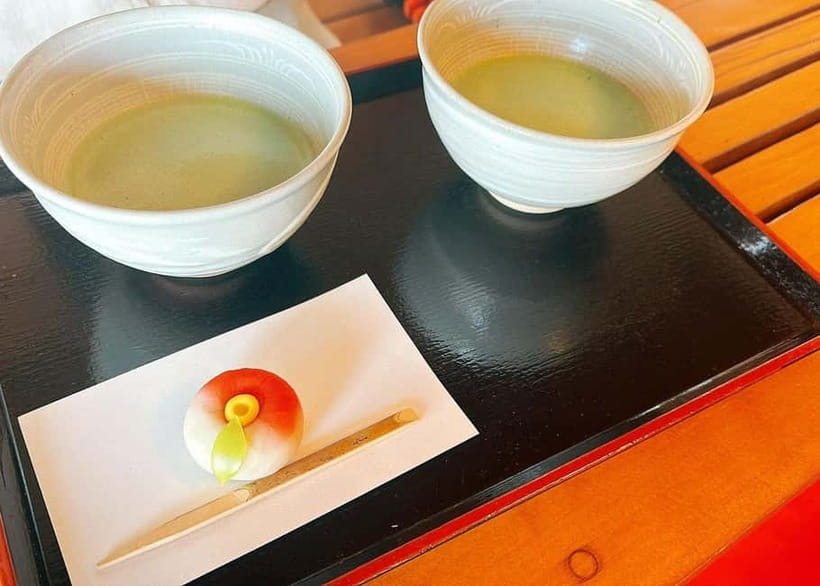
If you want a more traditional food experience, you can add a matcha and wagashi tasting in the gardens. It costs about 1,000 yen and is paid on-site.
This option adds a quieter cultural note after the market. Matcha is paired with wagashi, traditional Japanese sweets, and the guide may explain Japanese etiquette while you taste them. The setting makes the experience different from grabbing a snack in the market.
I see this as a worthwhile add-on if you have never taken part in a tea-related tasting and want some guidance on manners. It is not essential to enjoy the tour, and you should budget for it separately. The activity price covers the garden admission, not food at the stalls or the tea service.
What $31 gets you
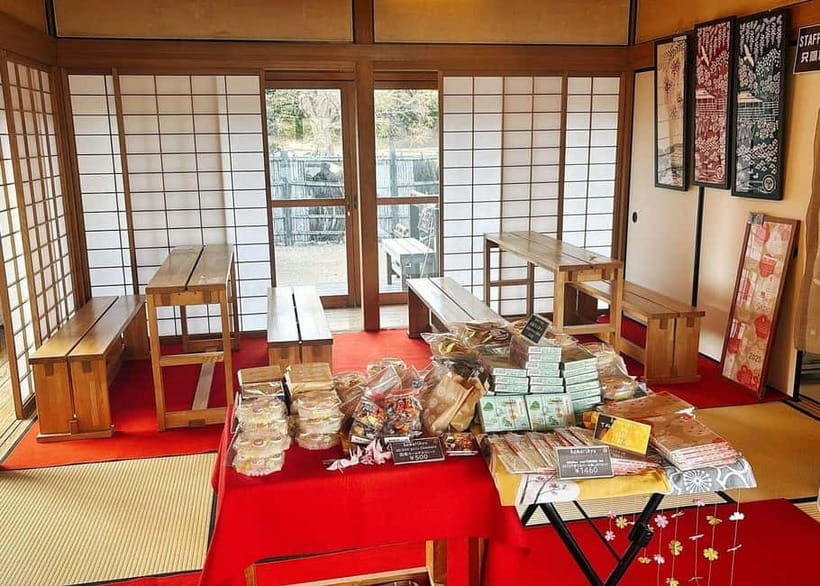
At $31 per person, this tour is reasonably priced for a guided walk that includes Hama-rikyu Gardens admission and covers three distinct stops. You are paying for a local guide, structure, and interpretation, rather than transportation or a package of meals.
The value is strongest if you are new to Tokyo or unsure how to approach Tsukiji. The market is easy to enter, but a guide can save time and make unfamiliar foods less intimidating. The garden admission also removes one small cost and keeps the group moving.
The price is less attractive if you want a long, independent market visit. The scheduled 45 minutes may feel brief if you plan to shop carefully, eat a full meal, or take your time comparing stalls. In that case, you could visit Tsukiji on your own and return later, though you would lose the guide’s explanations.
You should also count the likely extras. Food is optional and paid directly to stallholders, while matcha and wagashi cost about 1,000 yen. The tour itself is not expensive, but your final spending depends on how much you sample.
Timing, pace, and practical limits
The stated duration is 150 minutes to three hours. The listed route adds up to roughly two hours and 15 minutes before allowing for food purchases, questions, and changes in pace. A longer finish is possible if the group takes more time in the market or gardens.
This range is worth noting when planning the rest of your day. Do not schedule a fixed activity immediately after the garden unless you leave a generous buffer.
The experience is designed for people who can walk through market lanes, cover the route between sites, and spend time on their feet. Comfortable shoes are essential. Water and a camera are recommended, and smoking is not allowed.
There is conflicting information about accessibility. The activity details describe it as wheelchair accessible, but the same information says it is not suitable for wheelchair users or people with mobility impairments. I would contact the provider before booking if you use a wheelchair, have difficulty walking, or need a step-free route.
Pregnant women are also listed among those for whom the activity is not suitable. If that applies to you, ask the provider for current guidance before reserving.
Who will enjoy this walking tour?
I would recommend it most strongly to first-time visitors who want an organized introduction to Tsukiji and Hama-rikyu Gardens without spending half a day on a large sightseeing program.
It suits you if you:
- Like tasting small portions of unfamiliar food
- Want help understanding Japanese ingredients and market customs
- Prefer walking to taking a bus between nearby sights
- Enjoy mixing city culture with gardens and history
- Have about two and a half to three hours available
- Appreciate a guide who can answer questions in your chosen language
It may not suit you if you want a slow shopping trip, a full meal, or a private tour built around your own food preferences. It is also a poor fit if walking is difficult or you need a fully confirmed accessible route.
The tour uses the market and garden well because they offer such different experiences. The temple adds a short spiritual pause, the market supplies the tastes and noise, and the garden gives you space to look back at Tokyo from a calmer setting.
Should you book it?
Book this tour if you want a compact introduction to one of Tokyo’s best-known food districts and a historic garden in the same outing. The $31 fee is fair when you value the guide’s help, the included garden admission, and the chance to learn what you are seeing rather than simply wandering through the stalls.
Before booking, decide how much time you want in Tsukiji and check the walking requirements. Bring comfortable shoes, water, a camera, and extra yen for food or the optional matcha tasting.
I would skip it if your priority is an unhurried market lunch or independent shopping. For most first-time visitors with moderate walking ability, though, the route offers a smart pairing: Tsukiji for Japanese food culture, followed by Hama-rikyu for a quiet view of Tokyo’s past and present.
FAQ
Where does the tour start?
The meeting point is in front of the Starbucks Coffee Tsukiji Station shop.
Where does the tour finish?
The tour finishes at Hama-rikyu Gardens, also called Hama-rikyū Gardens. Transportation back to the starting point is not included.
How long does the experience last?
The stated duration is between 150 minutes and three hours. The planned stops include about 15 minutes at Tsukiji Hongwanji Temple, 45 minutes at Tsukiji Outer Market, a 15-minute walk, and about one hour at Hama-rikyu Gardens.
Is food included in the price?
No. Food purchased from market stallholders is optional and costs extra. You pay for those items on-site.
How much does the matcha and wagashi tasting cost?
The optional tasting costs about 1,000 yen and is payable on-site. It takes place in the gardens and includes matcha, Japanese sweets, and etiquette guidance.
What languages are available?
The live guide may be available in Chinese, English, French, Korean, or Spanish. Availability depends on the selected tour time.
More Shopping Tours in Tokyo
- Tsukiji Fish Market: Street Food & Culture Walking Tour
★ 5.0 · 669 reviews - Tsukiji Fish Market Small-Group Food Walking Tour
★ 5.0 · 621 reviews - Tokyo: Tsukiji Fish Market Sushi Making Class with Pro Chef
★ 4.9 · 506 reviews - Tokyo Food Tour Taste Fresh Delights at Tsukiji Market
★ 5.0 · 429 reviews
More Markets in Tokyo
- Tokyo: Tsukiji Fish Market Food and Walking tour
★ 5.0 · 1,724 reviews - Tokyo: Tsukiji Fish Market Guided Walking Tour
★ 4.9 · 1,397 reviews - Tsukiji Fish Market Guided Tour and Sushi Making with Pro Chef
★ 5.0 · 775 reviews - Tokyo: Tsukiji Fish Market Food and Culture Walking Tour
★ 4.7 · 757 reviews
Just added around Tokyo
- Private Memorable Tokyo Tour with English Speaking Driver★ 5.0 · 30 reviews
- Private Tokyo Custom Full-Day Tour by Chartered Vehicle★ 5.0 · 16 reviews
- Private Sightseeing to Mt Fuji and Hakone with English Driver★ 5.0 · 51 reviews
- Tokyo Photography Masterclass – Private Photography Lesson★ 5.0 · 25 reviews
- Private Mt. Fuji Day Trip from Tokyo with English-Speaking Driver★ 5.0 · 33 reviews
- 4 Day Tour – Mount. Fuji, Tokyo, Hakone, Kamakura and Yokohama★ 5.0 · 19 reviews
- Private Tokyo Food Tour – A Journey Through Time Through Food★ 5.0 · 36 reviews
- Private Tokyo Custom Half-Day Tour by Chartered Vehicle★ 4.5 · 13 reviews
Food Market Tours, compared.
Shinjuku Food Tour (13 Dishes at 4 Local Eateries)
Read our review →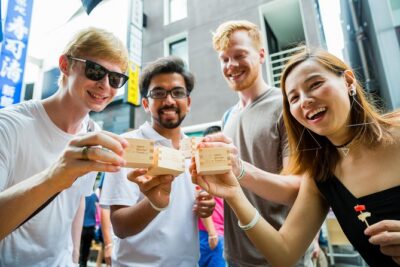
Tokyo Tsukiji Fish Market Food and Culture Walking Tour
Read our review →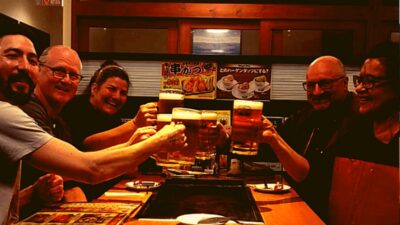
Shinsekai Food Tour with 13-15 Dishes at 5 Eateries
Read our review →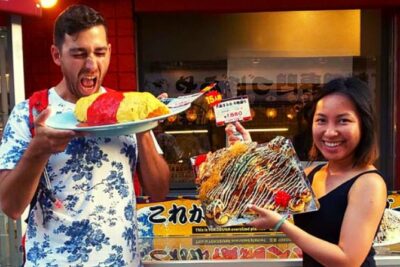
Osaka Food Tour: 13 Dishes at 5 Local Eateries
Read our review →
Shinjuku Food Tour (15 Dishes and 4 Eateries)
Read our review →
Best of Shinjuku: Izakaya Food Tour (4 Stops, 14+ Tastings)
Read our review →
Hungry Osaka Street Food Tour:15 Tastings & 3 Drinks with a Local
Read our review →
Browse the lists this tour appears in