
REVIEW · TEA CEREMONY EXPERIENCES
Tokyo: Tea Ceremony & Japanese Traditional Sweets
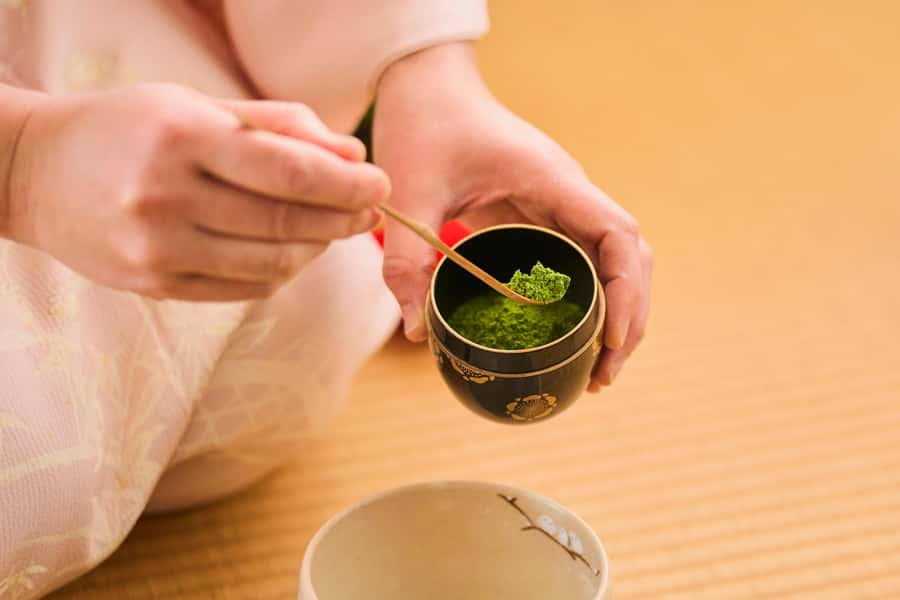
The most appealing part of this Tokyo experience is that you do not only watch a tea ceremony. You prepare your own matcha and shape nerikiri, a seasonal Japanese sweet, then enjoy the two together. I like that the class gives you something to do with your hands, not just something to photograph.
I also like the small group limit of 10 and the tea master’s more than 10 years of experience. The calm pace can make a welcome break from Tokyo’s noise, as one visitor described it. The main consideration is that the class is conducted in English only, with no Japanese language support.
In This Review
- Key points at a glance
- What happens during the one-hour tea class
- Watching the otemae demonstration
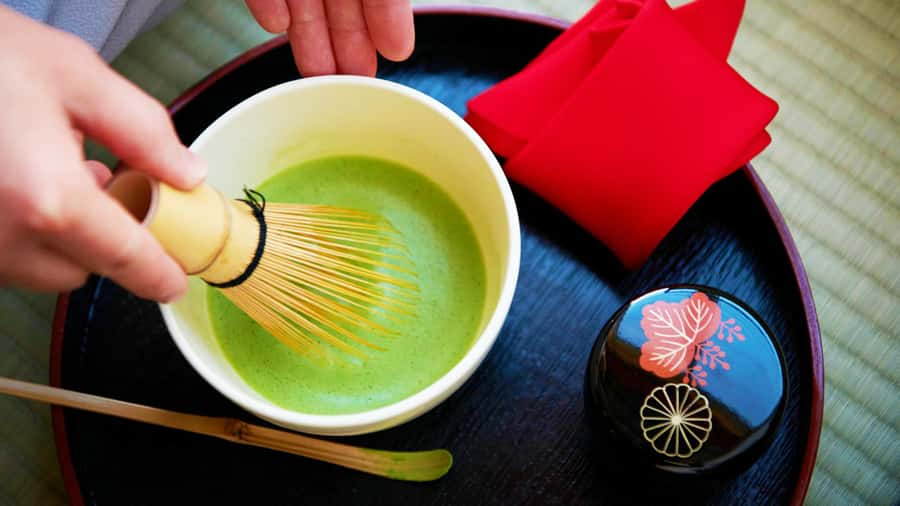
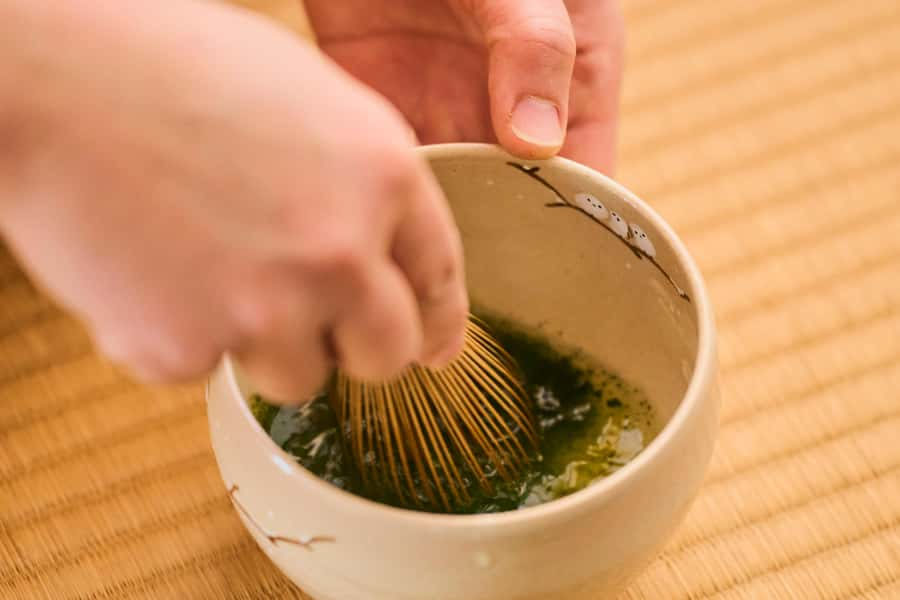
- Whisking your own matcha
- Making seasonal nerikiri sweets
- Why the small group makes a difference
- A quiet break from Tokyo’s fast pace
- Location and arrival advice for Hakusan
- Is $27 a fair price?
- Who should book this experience?
- Booking and cancellation details
- Should you book the Hakusan tea ceremony?
- FAQ
- How long does the tea ceremony experience last?
- How much does the experience cost?
- Is the activity conducted in English?
- What will I make during the class?
- Where does the experience meet?
- How many people can join the group?
- Is the venue wheelchair accessible?
- Can I cancel for a full refund?
Key points at a glance
- Make your own matcha: Learn to whisk a bowl yourself after watching the tea master’s demonstration.
- Shape seasonal nerikiri: Create a delicate Japanese sweet inspired by seasonal flowers or motifs.
- Learn from an experienced teacher: The tea master has more than 10 years of experience and explains the process clearly.
- Small English-language group: A maximum of 10 participants allows room for questions and individual help.
- Easy Hakusan location: The venue is about a five-minute walk from Toei Mita Line Hakusan Station.
- Good value for a one-hour class: At $27 per person, you receive instruction, the ceremony, matcha preparation, and traditional sweets.
What happens during the one-hour tea class
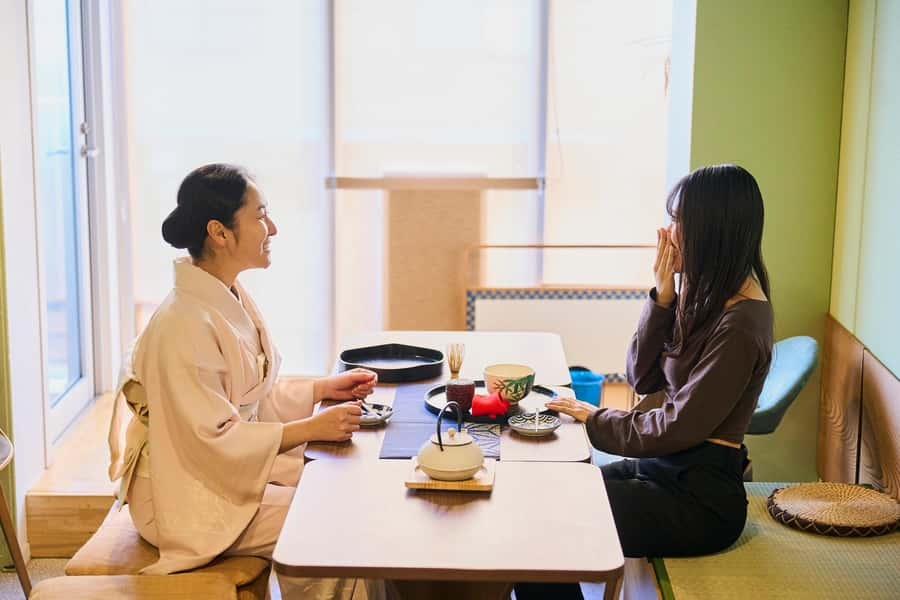
This is a compact cultural experience, not a long formal ceremony lasting several hours. In one hour, you move through several connected parts: an explanation of tea culture, a formal otemae demonstration, hands-on matcha preparation, and nerikiri making.
That structure works well for a short Tokyo itinerary. You get the atmosphere and key actions of a tea ceremony without giving up half a day. If you have never handled a bamboo whisk or shaped Japanese confectionery, the class gives you a gentle first look at both.
The exact order of small teaching steps may depend on the instructor, but the main elements are clear. The tea master shows you how the process works, the English-speaking host explains what you are seeing, and you then try it yourself.
More tea ceremony experiences in Japan:
- Kyoto: Tea Ceremony in a Traditional Tea House in Kiyomizu
★ 4.9 · 3,519 reviews - Kyoto: Tea Ceremony Ju-An at Jotokuji Temple
★ 4.9 · 3,207 reviews - Kyoto: 45-Minute Tea Ceremony Lesson Experience
★ 4.3 · 2,378 reviews
Watching the otemae demonstration
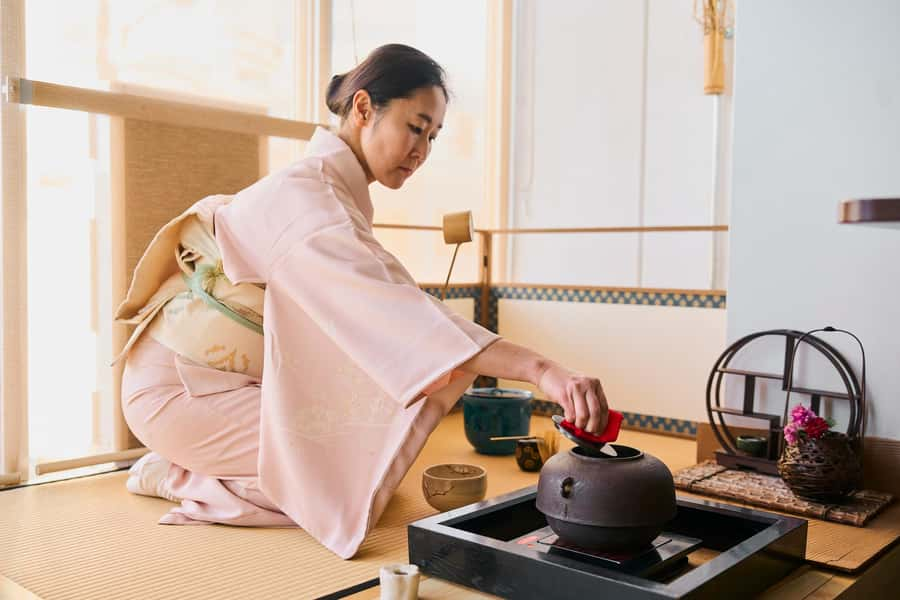
The demonstration is the heart of the experience. Otemae refers to the formal preparation and presentation of tea, where each movement has a purpose. You watch the tea master prepare matcha with care before attempting your own bowl.
For someone new to Japanese tea ceremony, this is useful because it gives meaning to the gestures. Instead of rushing straight into whisking, you first see the calm rhythm of the preparation. The demonstration also lets you notice the contrast between the quiet, measured ceremony and the lively pace of Tokyo outside.
You do not need prior knowledge of Japanese customs to follow along. The English host provides explanations, and the tea master has more than a decade of experience. That combination matters. A demonstration can be beautiful but hard to understand if no one explains why the steps matter.
The class is best approached with patience. The point is not to produce a perfect bowl on your first try. It is to learn the basic method and pay attention to the process. The tea’s flavor can be stronger and more distinctive than the sweet, milky drinks many people associate with green tea, so the demonstration helps prepare you for what you will taste.
Whisking your own matcha
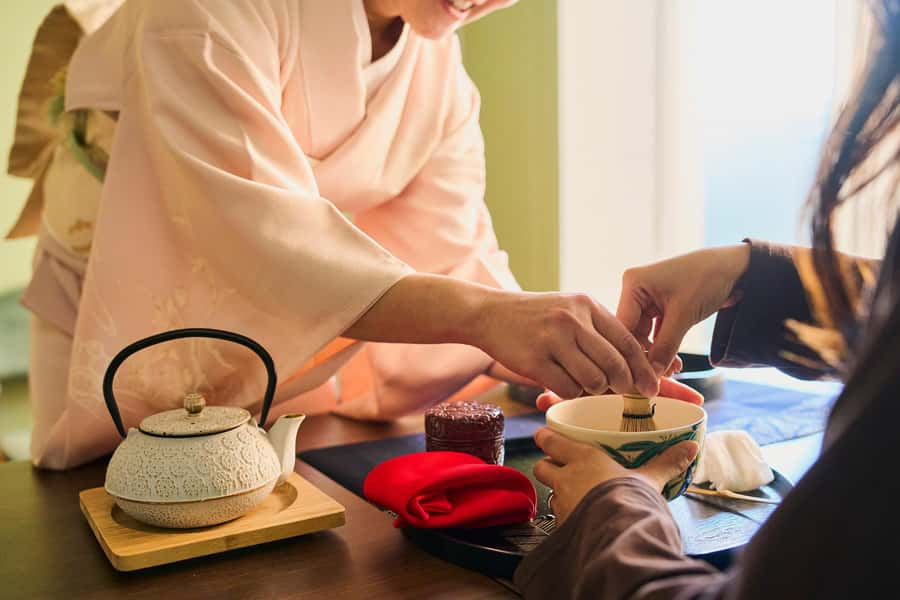
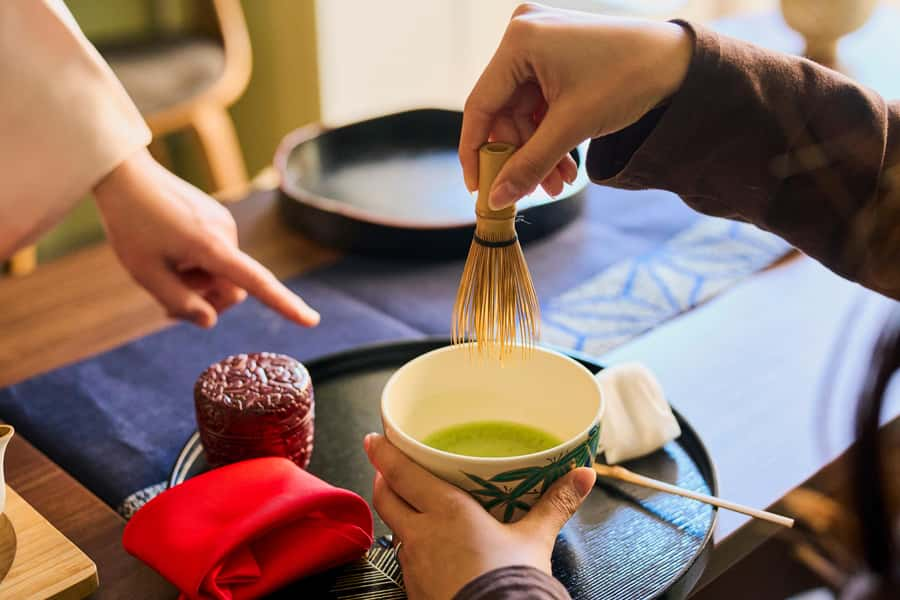
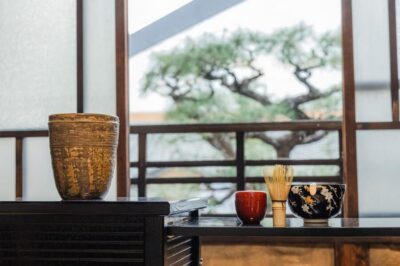
After watching, you prepare your own matcha. This is where the experience becomes more personal. You are no longer simply observing a tea master’s skill. You are holding the tools, following the instructions, and tasting the result of your own work.
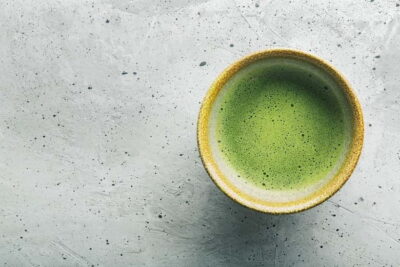
Matcha has a concentrated taste, with a full, earthy character and a slight bitterness. The experience describes its flavor as rich, but do not expect a sugary drink. The handmade sweet is important because it provides a gentle balance alongside the tea.
The instructor can guide you as you work. That is especially helpful if you have never used a traditional whisk. The small group format, limited to 10 people, should make it easier to see the demonstration and ask for help when your technique needs adjusting.
You may not create a bowl that looks exactly like the tea master’s. That is part of the appeal. The class is not a performance test, and you are not expected to arrive with Japanese tea experience. You learn the basic action, taste the tea, and gain a clearer sense of the skill behind a polished ceremony.
I particularly like this hands-on part for first-time visitors. Many cultural activities offer a short explanation and a photo opportunity, then move on. Here, you get to feel the whisk in your hand and understand that making matcha takes more than simply stirring green powder into water.
Making seasonal nerikiri sweets
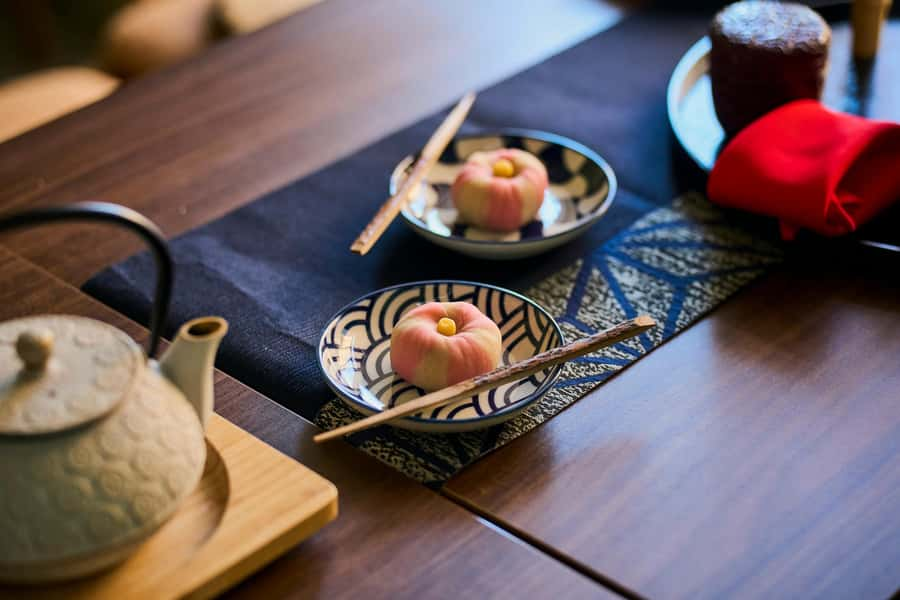
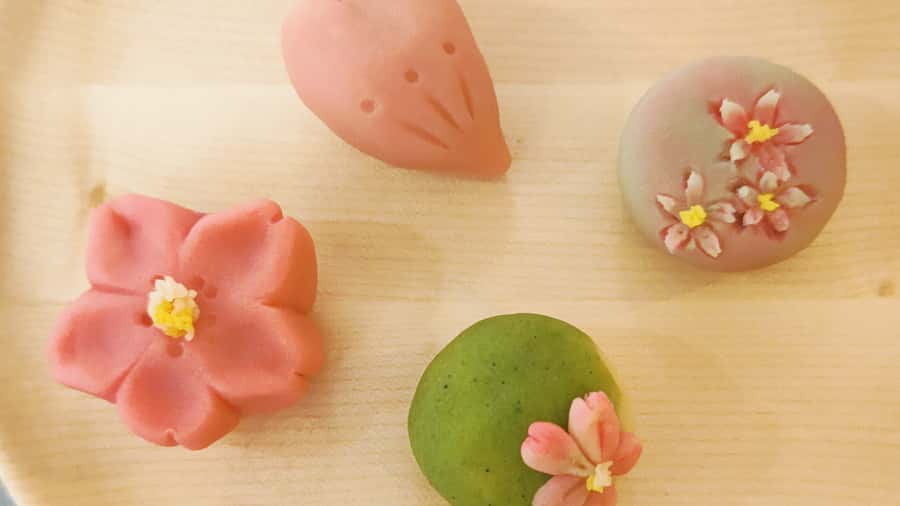
The second hands-on activity is making nerikiri. These are refined Japanese sweets made in delicate shapes and colors. Their designs reflect the seasons, often using flowers or other natural motifs as inspiration.
The class lets you craft your own sweet rather than simply receiving one on a plate. This adds a creative side to the tea ceremony. You may find the shaping more demanding than it first appears, since the finished sweets are known for neat forms and careful decoration.
The seasonal idea is important. Japanese confectionery often changes with the time of year, and nerikiri can express that change through color and form. You are not just making a generic dessert. You are working with a sweet connected to a particular season and to the visual style of Japanese tea service.
The instructions are given in English, and the host helps make the process accessible. Still, you should expect a guided craft activity rather than a full pastry lesson. The aim is to make and enjoy one beautiful sweet, not to master the work of a professional confectioner in an hour.
Once the nerikiri is ready, you pair it with your freshly whisked matcha. This is one of the most satisfying details of the class. The tea and sweet are designed to be enjoyed together, so the final tasting feels like the natural finish to the work you have just done.
A few more Japan trips to weigh up
- Matcha Making Class in Tokyo with Authentic Japanese Sweets Set
★ 5.0 · 744 reviews - Matcha Making Class in Osaka with Authentic Japanese Sweets Set
★ 5.0 · 509 reviews - Tokyo: Matcha Making Experience with Mochi Sweets in Asakusa
★ 4.9 · 388 reviews - Kyoto: Japanese Traditional Sweets Making and Tea Ceremony
★ 4.4 · 314 reviews
Why the small group makes a difference
The maximum group size is 10 participants. That is small enough to keep the class focused without making it feel like a private lesson.
For a tea ceremony, group size affects what you can see and how comfortable you feel asking questions. In a crowded room, it can be hard to follow the tea master’s hand movements or receive help while shaping nerikiri. A group of 10 gives you a better chance of seeing the demonstration and taking part directly.
The English-speaking host is another practical advantage. The instructor has been described as kind and informative, and the class includes clear English guidance. One visitor especially valued having help when needed and receiving answers to questions. That kind of support is useful in a cultural activity where small actions and unfamiliar terms can otherwise feel confusing.
This is an English-only experience, though. Japanese language support is not available. If you need bilingual instruction or want to practice Japanese during the class, this may not be the right choice. If you want clear explanations in English, the language arrangement is straightforward.
A quiet break from Tokyo’s fast pace
Tokyo can fill a day quickly with train rides, crowded streets, department stores, temples, and neon-lit districts. A tea ceremony offers a different rhythm. The calm setting and deliberate preparation create a pause in the middle of a busy sightseeing schedule.
I would not book this expecting a huge ceremonial hall or a grand historical venue. The activity takes place on the second floor of Phil Park Hakusan Hills, in Tokyo’s Bunkyo-ku, near Hakusan Station. The appeal comes from the instruction and participation, not from a famous landmark setting.
That can be a benefit. You are visiting a working local area rather than adding another major sightseeing stop to an already packed day. The class gives you a focused cultural encounter, then leaves you free to continue exploring Tokyo.
The one-hour length is well judged for many itineraries. You can fit it between other plans more easily than a longer workshop. At the same time, one hour limits how much context the tea master can provide. If you want a long discussion of tea ceremony philosophy, utensils, etiquette, and history, you may find this class too brief.
Location and arrival advice for Hakusan
The meeting point is about a five-minute walk from Toei Mita Line Hakusan Station. The address is:
2nd Floor, Phil Park Hakusan Hills
1-26-17 Hakusan, Bunkyo-ku, Tokyo
You should go to the second floor, using the location shown on Google Maps. This is worth noting because a short walk can still become an unnecessary search if you stop at the wrong entrance or expect a street-level shop.
The area is in Bunkyo-ku, away from some of Tokyo’s most heavily visited sightseeing corridors. Plan your route before leaving, and allow enough time to find the building. The activity information does not provide a longer arrival briefing, so checking the map in advance is sensible.
The location is wheelchair accessible, which makes this experience available to more visitors. You should still use the provided meeting instructions carefully, since accessibility at the venue does not remove the need to reach the correct floor and entrance.
Comfortable clothes are recommended. You do not need special clothing or tea equipment. Since you will prepare matcha and shape sweets, practical clothes that allow easy movement are a better choice than anything delicate or restrictive.
Is $27 a fair price?
At $27 per person, this is a reasonable price for a one-hour Tokyo activity. You receive an English guide, a traditional tea ceremony, hands-on matcha preparation, and traditional Japanese sweets. The price is especially fair if you value participation rather than simply watching a demonstration.
A basic tea and sweet tasting might cost less, but it would not necessarily include instruction or the chance to make both items yourself. On the other hand, visitors seeking a long, highly formal ceremony may want to compare this short class with a more extensive tea experience.
The small group also improves the value. Ten participants is not a private class, but it is more personal than a large demonstration. You have a reasonable chance to ask questions, receive guidance, and see the tea master’s technique.
The best value comes if you arrive curious and ready to participate. If you only want a quick cup of matcha, the class may feel longer than necessary. If you want a practical introduction to Japanese tea and confectionery, the price is easy to justify.
Who should book this experience?
I would recommend it to first-time visitors who want an approachable introduction to Japanese tea ceremony. You do not need previous experience, and the English guidance removes a common barrier.
It also suits people who enjoy craft activities. The nerikiri portion gives you a creative task, while the matcha section offers a simple but memorable skill to try. Families and mixed-age groups may find the hands-on format more engaging than a ceremony where everyone sits and watches, though the supplied details do not specify an age range.
This is a good choice for a short Tokyo schedule. The one-hour duration and nearby station make it easier to fit around other plans. It can also work well on a day when you want a quieter activity instead of another crowded attraction.
I would think twice if you are looking for Japanese-language instruction, a lengthy ceremony, or a grand setting. The class is in English only, lasts one hour, and takes place in a modern building rather than a famous traditional landmark.
Booking and cancellation details
You can reserve now and pay later, which helps if your Tokyo plans are still shifting. Free cancellation is available up to 24 hours in advance for a full refund.
The activity runs at scheduled starting times, so you need to check availability for your chosen date. With a group limit of 10, popular times may have fewer open places, particularly if you are traveling with several people.
Should you book the Hakusan tea ceremony?
Book this experience if you want a short, hands-on introduction to matcha and Japanese sweets. The combination of an otemae demonstration, your own bowl of tea, and handmade nerikiri gives the hour a clear purpose. The English-speaking host, experienced tea master, and small group make it friendly for beginners.
I would choose it as a calm pause between Tokyo sightseeing stops, especially if you like learning by doing. Skip it if you want a long ceremonial study, Japanese-language practice, or a landmark venue. For $27, it offers a focused and practical taste of Japanese tea culture without taking over your day.
FAQ
How long does the tea ceremony experience last?
The experience lasts one hour.
How much does the experience cost?
The price is $27 per person.
Is the activity conducted in English?
Yes. The instructor and guided experience are in English only. Japanese language support is not available.
What will I make during the class?
You will prepare your own matcha and make nerikiri, a traditional Japanese sweet with seasonal colors and shapes.
Where does the experience meet?
The meeting point is on the second floor of Phil Park Hakusan Hills, at 1-26-17 Hakusan, Bunkyo-ku, Tokyo. It is about a five-minute walk from Toei Mita Line Hakusan Station.
How many people can join the group?
The group is limited to 10 participants.
Is the venue wheelchair accessible?
Yes, the activity is listed as wheelchair accessible.
Can I cancel for a full refund?
Yes. You can cancel up to 24 hours in advance for a full refund.
Just added around Japan
- Private Memorable Tokyo Tour with English Speaking Driver★ 5.0 · 30 reviews
- Private Tokyo Custom Full-Day Tour by Chartered Vehicle★ 5.0 · 16 reviews
- Private Sightseeing to Mt Fuji and Hakone with English Driver★ 5.0 · 51 reviews
- Tokyo Photography Masterclass – Private Photography Lesson★ 5.0 · 25 reviews
- Private Mt. Fuji Day Trip from Tokyo with English-Speaking Driver★ 5.0 · 33 reviews
- 4 Day Tour – Mount. Fuji, Tokyo, Hakone, Kamakura and Yokohama★ 5.0 · 19 reviews
- Private Unforgettable Mt Fuji Tour with English Speaking Driver★ 5.0 · 142 reviews
- Private Tokyo Food Tour – A Journey Through Time Through Food★ 5.0 · 36 reviews
Tea Ceremony Experiences, compared.
Tea Ceremony in a Traditional Tea House in Kiyomizu
Read our review →
World Heritage Kyoto & Nara Uji Authentic Matcha Experience
Read our review →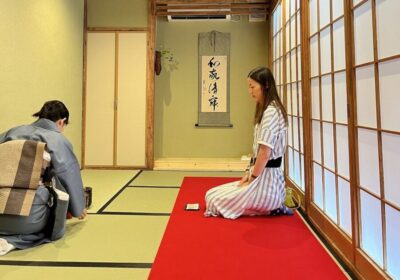
Browse the lists this tour appears in