
REVIEW · TEA CEREMONY EXPERIENCES
Tokyo: Tea Ceremony in Shibuya Tokyo
The heart of this Shibuya experience is not simply drinking matcha. You learn why each movement matters, watch an experienced teacher perform otemae, then prepare tea yourself. The setting is a prestigious tea room, and classes are taught in English, which makes the customs easier to follow.
I like the private group format, limited to one to four people, and the calm pace described by guests who took the shorter one-hour session. I also like the small cultural touches, including traditional sweets and souvenirs made from kimono fabric, with Pokemon designs among the options.
The main consideration is price: at $81 per person, this is not a quick, casual cup of tea. Kimono wear costs extra, and you need to contact the provider by email before booking if you want pickup help.
In This Review
- Key points at a glance
- Entering a traditional tea room in Shibuya
- What happens during the tea ceremony
- Why the hands-on matcha matters
- Traditional sweets and the taste of matcha
- A private format that works for families and friends
- Kimono wear and souvenirs made from kimono fabric
- Is $81 per person good value?
- How to prepare for the visit
- Who will enjoy this experience most?
- Should you book the Shibuya tea ceremony?
- FAQ
- Where does the tea ceremony take place?
- Is the tea ceremony conducted in English?
- How many people can join one booking?
- What activities are included?
- Are tea and sweets included in the price?
- Does the experience include kimono rental?
- What should I wear?
- Do I need to bring anything?
- Is pickup service available?
- Can I cancel for a full refund?
Key points at a glance
- Private tea lesson for one to four people: You will not be mixed with an unrelated group.
- English-speaking instruction: The teacher explains tea history, etiquette, and each stage of the ceremony in English.
- Hands-on matcha making: You watch otemae, then whisk and taste your own tea.
- Japanese sweets are included: The sweets are served before you make your matcha.
- Optional kimono experience: Kimono wear is available for an additional charge.
- Shibuya setting with cultural souvenirs: You may find Pokemon items made from kimono material among the things offered for sale.
Entering a traditional tea room in Shibuya
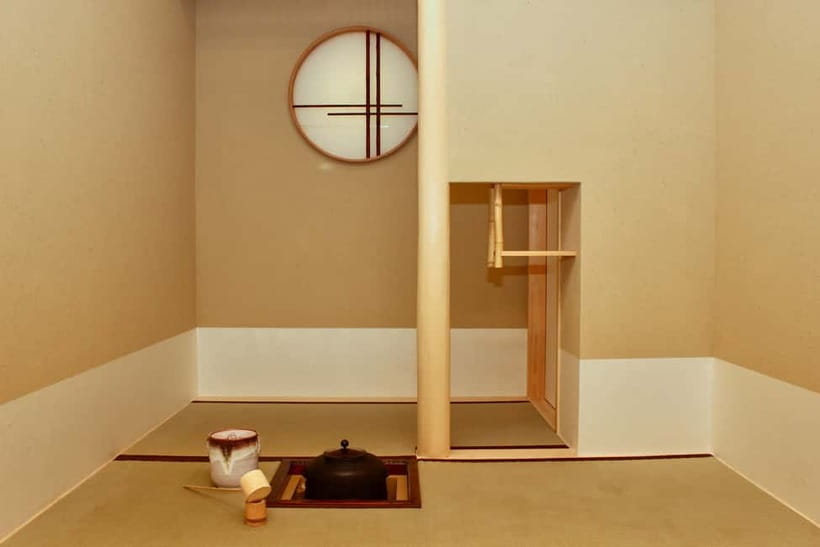
Shibuya is usually linked with giant screens, shopping, and fast-moving crowds. This activity offers a very different side of the district. Inside the tea room, the focus shifts to quiet gestures, careful preparation, and the social rules that shape a Japanese tea ceremony.
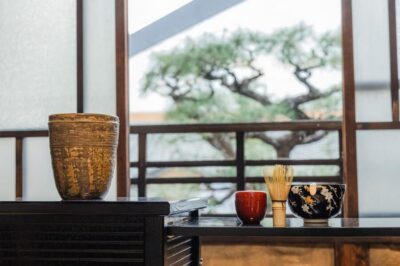
The setting matters. A tea ceremony can feel thin if it is treated as a photo stop with a bowl of green tea at the end. Here, the room itself helps frame the lesson. You learn how the decor, the host, the guest, and the tea all fit together.
The exact room details are not provided, so you should not expect a full museum-style tour of the building. Still, the lesson includes an explanation of the salon and its decor, giving you a better sense of why the space is arranged as it is.
This is a good choice if you want cultural context without leaving central Tokyo. You can pair it with other Shibuya plans before or after, but allow yourself enough time to slow down. The ceremony works best when you are not checking the clock every few minutes.
More Tea Ceremony Experiences in Tokyo
- Matcha Making Class in Tokyo with Authentic Japanese Sweets Set
★ 5.0 · 744 reviews - Tokyo: Traditional Tea Ceremony with a Tea Master
★ 5.0 · 528 reviews - Tokyo: Matcha Making Experience with Mochi Sweets in Asakusa
★ 4.9 · 388 reviews
What happens during the tea ceremony
The experience follows a clear four-part structure. First comes an explanation of the tea ceremony, including its history and etiquette. This is useful because many of the customs are not obvious to a first-time visitor. You learn how guests should behave and why the ceremony values restraint and attention.
Next, the teacher demonstrates otemae, the formal preparation of matcha. Watch the order of the movements rather than treating this as a simple cooking demonstration. The appeal is in the precision. The teacher’s actions show how the ceremony turns an everyday drink into a shared act of hospitality.
After the demonstration, you prepare your own matcha. This is the part that makes the session more than a lecture. You get to handle the tools, follow the instructions, and see how your tea compares with the teacher’s preparation. If your first bowl is not perfect, that is part of the fun. The teacher is there to guide you through it.
Before you make the tea, you taste a traditional Japanese sweet. The sweet is not just a snack on the side. Its flavor helps balance the bitterness of matcha, and the order of serving gives you a small lesson in how tea and food work together.
Finally, you drink the matcha you prepared and take in the experience at a relaxed pace. The shorter version has been described as lasting one hour, although the supplied information also notes that more dates and plans may be available. Confirm the exact length when you book.
Why the hands-on matcha matters
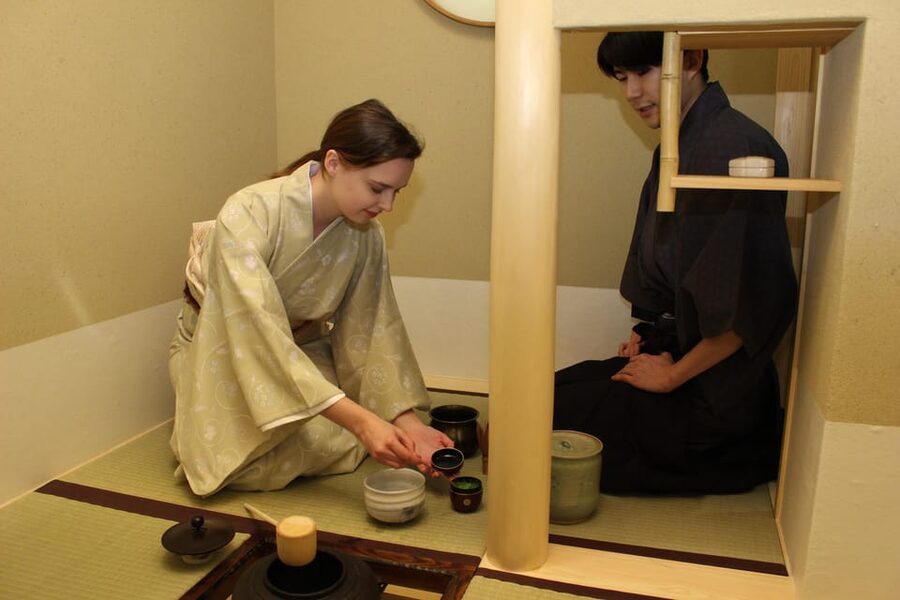
Watching a ceremony is pleasant, but making tea yourself gives you a better memory of the customs. You begin to understand how much care goes into a bowl that may look simple at first glance.
The teacher explains each step in English, which is important here. Tea ceremony etiquette can be subtle, and guessing your way through it would take some of the enjoyment away. English instruction lets you ask questions and connect the movements with their cultural purpose.
The teachers are described as experienced in tea, and Mako-san is specifically named in one account of the activity. She led a session with a calm and friendly manner. Since teacher assignments can change, I would not assume that Mako-san will lead every booking, but you can ask when arranging your visit.
The class suits beginners particularly well. You do not need prior knowledge of matcha, Japanese customs, or formal tea rooms. You simply need to pay attention and follow the teacher’s lead.
Traditional sweets and the taste of matcha
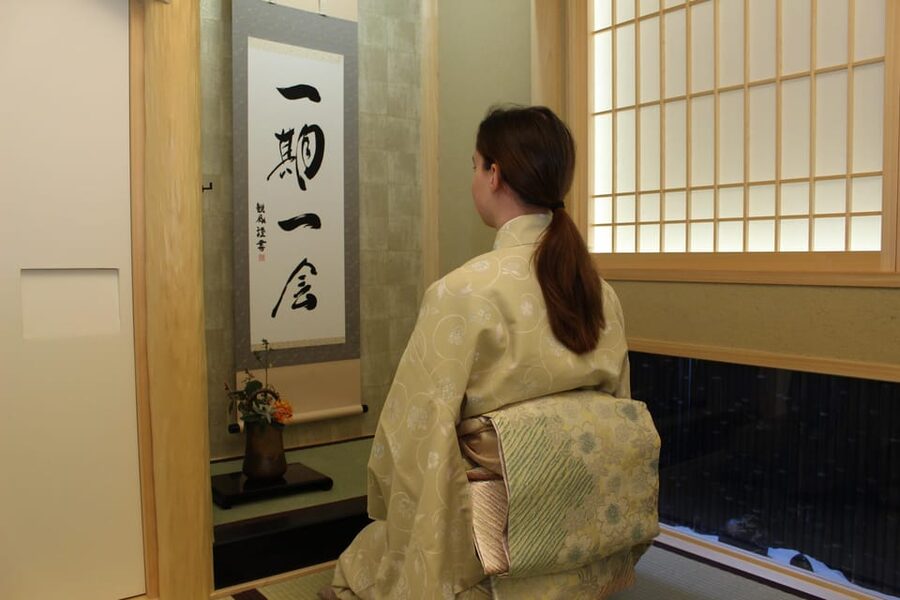
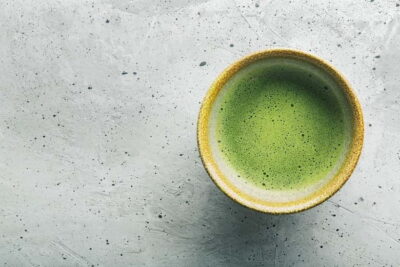
Matcha has a firm, grassy bitterness that can surprise people who expect ordinary green tea. The traditional sweet served before your tea helps soften that first impression.
The sweets are included in the $81 price, along with the tea, facility charges, and taxes. That makes the cost easier to judge because you are not adding small fees for the main parts of the lesson. The experience also gives you more than a drink: there is instruction, a demonstration, your own preparation, and an English explanation of the culture.
Taste is personal, of course. Some people enjoy matcha right away, while others appreciate it more after learning how it is made. The teacher’s guidance gives you a better chance to understand the flavor rather than dismissing it after one sip.
If you already know and enjoy matcha, the value comes less from the drink itself and more from the formal setting and preparation. If you have never tried it, this is a friendly way to start.
Same city, a completely different kind of day:
- Mt Fuji and Hakone 1-Day Bus Tour Return by Bullet Train
★ 5.0 · 26,383 reviews - 1-Day Tokyo Bus Tour
★ 5.0 · 14,250 reviews - Tokyo: TOKYO SKYTREE® Admission ticket
★ 4.5 · 11,192 reviews - Tokyo: teamLab Planets TOKYO Digital Art Museum Entry Ticket
★ 4.6 · 9,779 reviews
A private format that works for families and friends
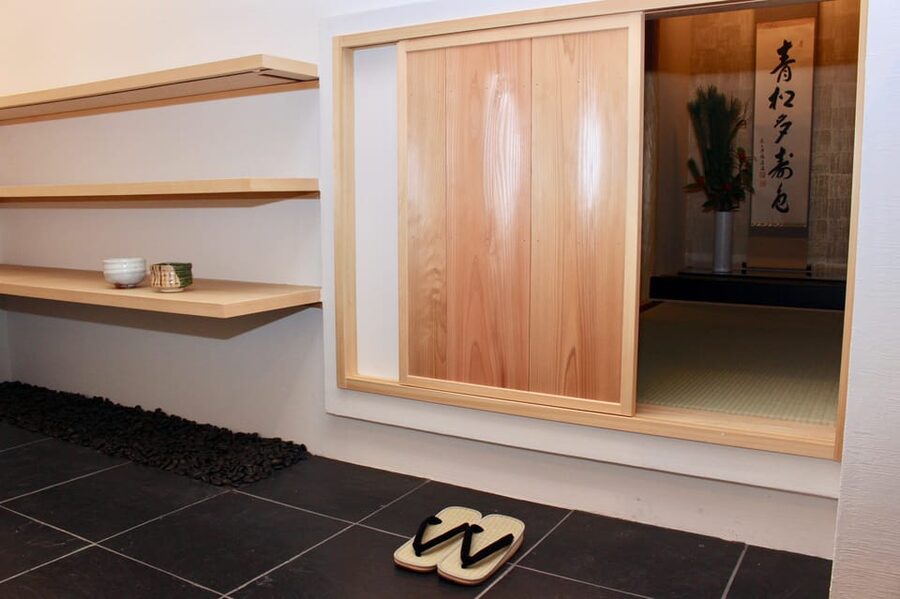
The booking is private for your group, with a minimum of one person and a maximum of four. That small size is one of the strongest reasons to consider this activity.
A private lesson lets you ask questions without worrying about holding up strangers. Families can move at their own pace, and friends can take turns preparing tea while sharing the moment together. Solo visitors also get the full lesson rather than being placed into a mixed session.
The format has a tradeoff. A private experience usually costs more than joining a large class, and $81 per person reflects that personal attention. If you are only looking for a quick introduction to matcha, this may feel expensive. If you want an intimate cultural lesson, the price is easier to justify.
The small group size also helps with the ceremony’s quiet mood. A large class could make the formal gestures feel like a performance for a crowd. Here, the experience is designed around your own group.
Kimono wear and souvenirs made from kimono fabric
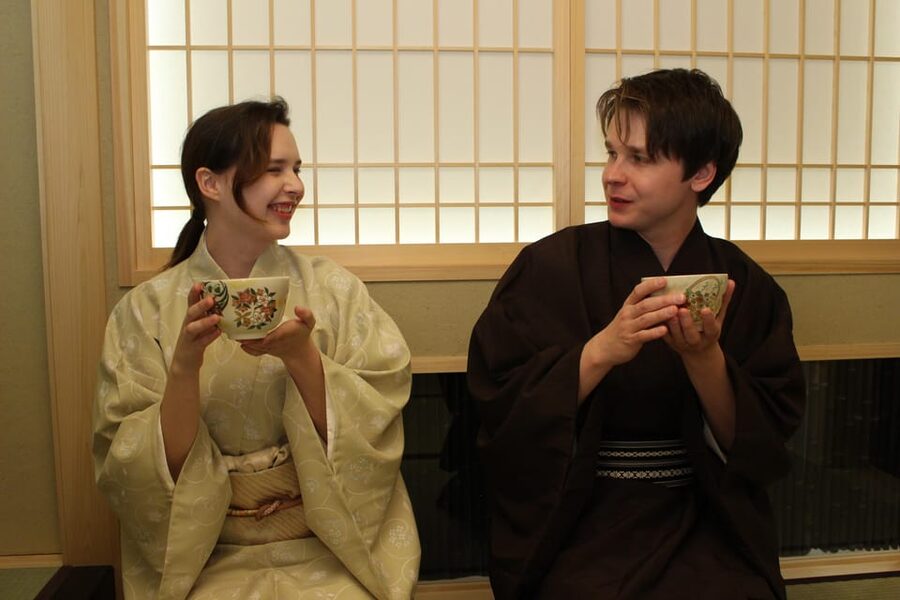
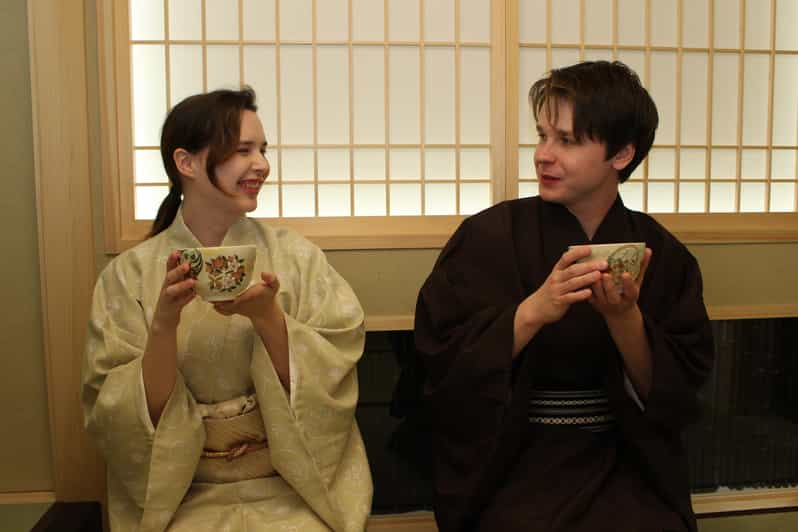
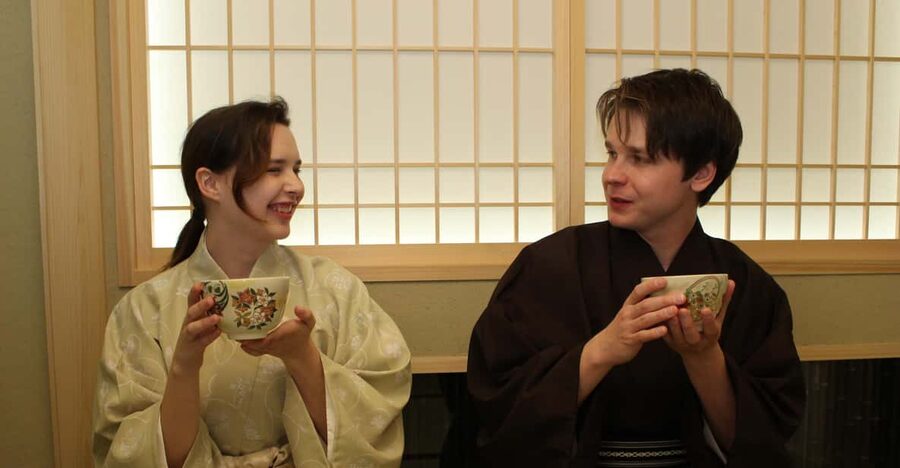
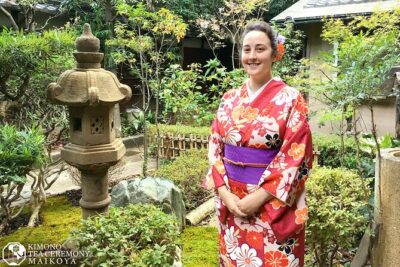
Kimono wear is available for an extra charge. One account describes taking part in the ceremony while wearing a kimono, which adds a visual and ceremonial element to the session. Since this is not included in the listed price, ask about the extra cost before you confirm.
You should also dress with the ceremony in mind. Skirts or pants should cover your knees. If your clothing is too short, suitable pants or a wrap skirt can be borrowed free of charge.
The experience also offers souvenirs, including Pokemon items made from kimono material. This is a more playful part of the visit, especially for families or Pokemon fans. These products are separate purchases, so treat them as optional shopping rather than part of the $81 package.
The souvenir selection may appeal to you if you want something more distinctive than a standard Tokyo gift. A small item made from kimono fabric can carry a stronger connection to the activity, while the Pokemon design keeps it modern and easy to enjoy.
Is $81 per person good value?
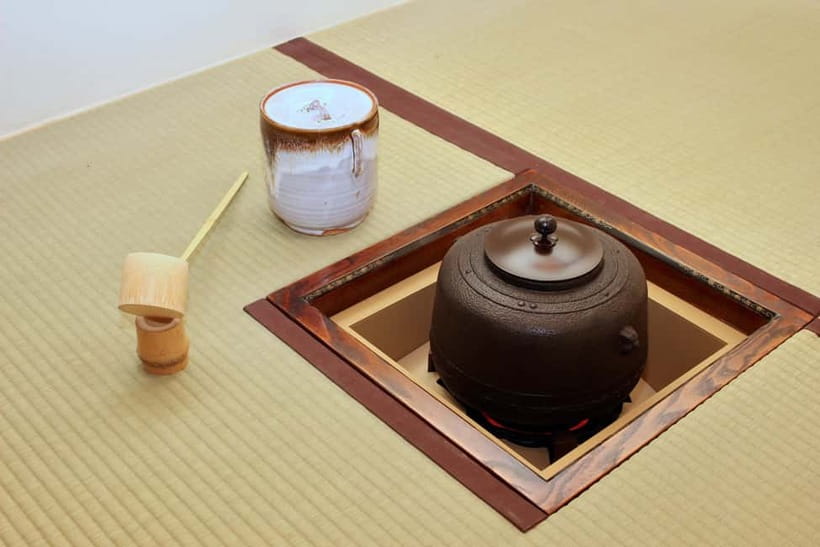
At $81, this is a premium cultural activity rather than a budget stop. The price includes matcha, sweets, facility charges, and taxes, so the listed amount covers the core visit without surprise service fees.
The private format is the biggest factor in the value. You are paying for a session limited to your own party, English instruction, a teacher’s demonstration, and time to prepare tea yourself. For a family or group of friends, that privacy may be worth more than a cheaper class shared with many people.
The price is harder to justify if you only want to taste matcha or take a quick photo in Japanese clothing. You can find tea drinks elsewhere in Tokyo for far less. This experience is aimed at people who want to understand the ceremony and take part in it.
I would also count the practical inclusions. Traditional sweets are part of the session, and the tea room provides suitable clothing if your outfit needs adjusting. Pickup service is listed as available if needed, but you must contact the provider by email before booking to arrange it. Do not assume it is automatically waiting outside your hotel.
How to prepare for the visit
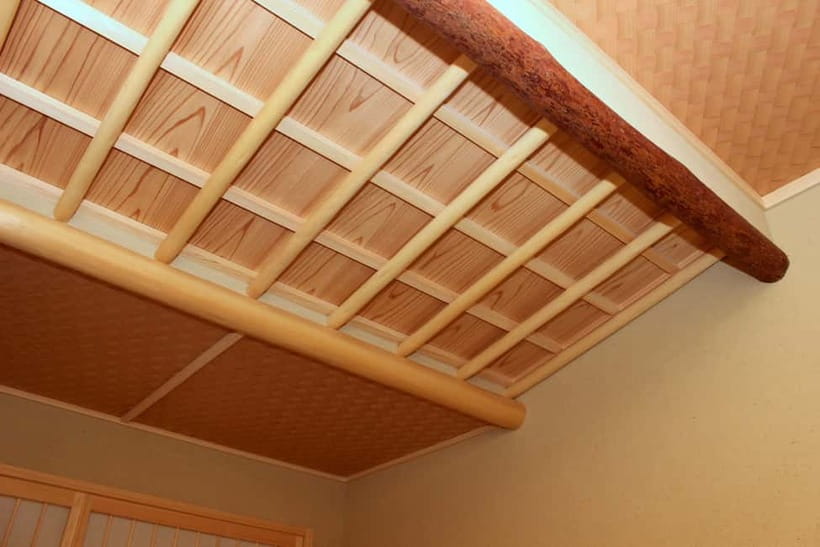
You do not need to bring special equipment. The tea tools, matcha, and sweets are part of the experience.
Wear clothing that covers your knees. This is the clearest practical tip, especially if you are considering kimono wear or expect to sit in a formal position. If needed, you can borrow pants or a wrap skirt at no charge.
Plan to listen as well as participate. The history and etiquette explanation is a central part of the visit, not filler before the tea. If you are interested in Japanese culture, you will get more from the class by treating the opening explanation as part of the main experience.
If you want pickup, email [email protected] before booking. The provider is Legalis, and the listed language is English. More dates and plans are available through the provider’s website, shibuya-travel.tokyo.
The booking can be made with payment later, and cancellation is allowed up to 24 hours before the activity for a full refund. Those terms are helpful if your Tokyo schedule is still changing.
Who will enjoy this experience most?
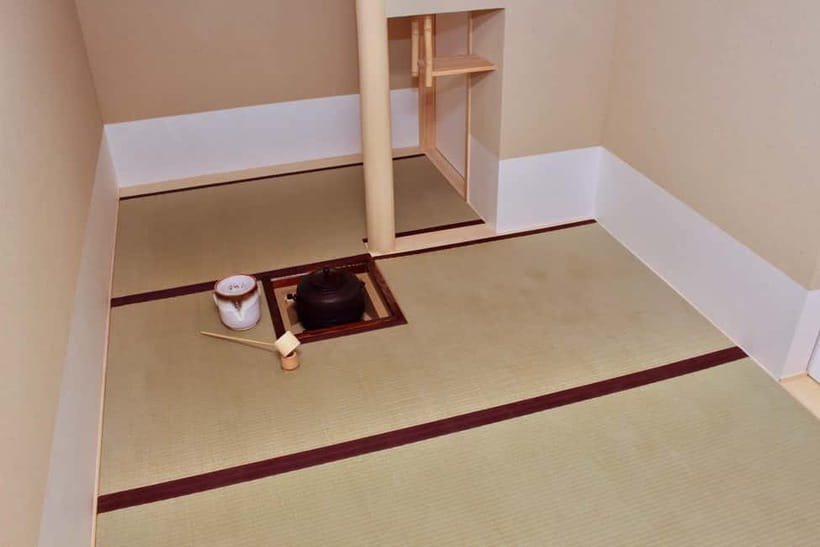
I would recommend this tea ceremony to first-time visitors who want a guided introduction to an important Japanese tradition. You do not have to know anything about matcha before arriving, and the English instruction keeps the lesson accessible.
It is also a strong fit for families and small groups. The private format gives children and less confident participants room to ask questions and take turns. The Pokemon kimono-fabric souvenirs may add extra appeal for younger visitors.
Couples and solo visitors can enjoy it as a quiet break from Shibuya’s busy streets. The one-person minimum means you do not need to find a group to participate.
You may want to skip it if your main goal is a low-cost drink, a fast photo opportunity, or a highly active sightseeing stop. The value is in the calm explanation and careful ritual. If you rush through it, you will miss the point.
Should you book the Shibuya tea ceremony?
Book it if you want a private, English-language introduction to Japanese tea culture and like the idea of making your own matcha. The strongest parts are the teacher-led explanation, the formal otemae demonstration, the traditional sweet, and the chance to practice the preparation yourself.
The $81 price is fair for a private lesson with tea, sweets, taxes, and facility fees included, but it is not the best choice for a quick or inexpensive Tokyo activity. Add the kimono option only if dressing for the ceremony matters to you, since it costs extra.
I would choose this experience for a small family, a couple, or friends who want a calm cultural hour in Shibuya. Contact the provider first if you need pickup or want to confirm the teacher, session length, or kimono cost.
FAQ
Where does the tea ceremony take place?
The experience takes place in Shibuya, Tokyo, in a prestigious tea room.
Is the tea ceremony conducted in English?
Yes. English-speaking teachers with experience in tea conduct the classes.
How many people can join one booking?
A booking can include one to four people. Each experience is private for your group, with no mixed sessions.
What activities are included?
You receive an explanation of tea ceremony history and etiquette, a demonstration of otemae, the chance to prepare your own matcha, and a tasting of matcha and traditional Japanese sweets.
Are tea and sweets included in the price?
Yes. The price includes the tea and sweets fees, facility charges, and taxes.
Does the experience include kimono rental?
No. Kimono wear is available for an additional charge.
What should I wear?
Wear a skirt or pants long enough to cover your knees. Suitable pants or a wrap skirt can be borrowed free of charge if needed.
Do I need to bring anything?
No particular items are required.
Is pickup service available?
Pickup service is listed as available if needed. Contact the provider by email before booking to arrange it.
Can I cancel for a full refund?
Yes. You can cancel up to 24 hours in advance for a full refund.
Just added around Tokyo
- Private Memorable Tokyo Tour with English Speaking Driver★ 5.0 · 30 reviews
- Private Tokyo Custom Full-Day Tour by Chartered Vehicle★ 5.0 · 16 reviews
- Private Sightseeing to Mt Fuji and Hakone with English Driver★ 5.0 · 51 reviews
- Tokyo Photography Masterclass – Private Photography Lesson★ 5.0 · 25 reviews
- Private Mt. Fuji Day Trip from Tokyo with English-Speaking Driver★ 5.0 · 33 reviews
- 4 Day Tour – Mount. Fuji, Tokyo, Hakone, Kamakura and Yokohama★ 5.0 · 19 reviews
- Private Unforgettable Mt Fuji Tour with English Speaking Driver★ 5.0 · 142 reviews
- Private Tokyo Food Tour – A Journey Through Time Through Food★ 5.0 · 36 reviews
Tea Ceremony Experiences, compared.

Tea Ceremony in a Traditional Tea House in Kiyomizu
Read our review →

World Heritage Kyoto & Nara Uji Authentic Matcha Experience
Read our review →
Browse the lists this tour appears in