
REVIEW · TEA CEREMONY EXPERIENCES
Tokyo: Tea Ceremony Experience in Asakusa
A Japanese tea ceremony can look formal and mysterious from the outside. This Asakusa session makes it friendly and manageable: you sit comfortably, learn what each gesture means, then whisk and drink your own matcha. The focus is participation, not perfect etiquette.
I like the hands-on preparation and the clear cultural explanation. You do not just receive a cup of tea. You learn where matcha comes from, why it matters in Japanese society, and how water, movement, presentation, and hospitality fit together. I also like the small group of eight or fewer, which gives you room to ask questions.
The main consideration is its length and format. At one hour, this is a compact introduction rather than a full formal tea-school ceremony, and kimono rental is not included. That relaxed style suits beginners, but serious students of tea may want something more extensive.
In This Review
- What makes this Asakusa tea session worth an hour
- A gentle introduction to Japanese tea culture
- Meeting your host on Asakusa’s fifth floor
- The ceremony begins with meaning, not mystery
- Watching the host prepare the matcha
- Making your own bowl and tasting the sweets
- Why the guide matters so much
- A good value at $25
- Who will enjoy this relaxed ceremony
- Practical tips for getting more from the hour
- How it fits into an Asakusa day
- Should you book this Asakusa tea ceremony?
- FAQ
- How long does the Tokyo tea ceremony experience last?
- How much does the experience cost?
- Where does the tea ceremony take place?
- Is the experience conducted in English?
- How many people can join the tea ceremony?
- Is the experience wheelchair accessible?
- What is included in the price?
- Is kimono rental included, and can I cancel?
What makes this Asakusa tea session worth an hour
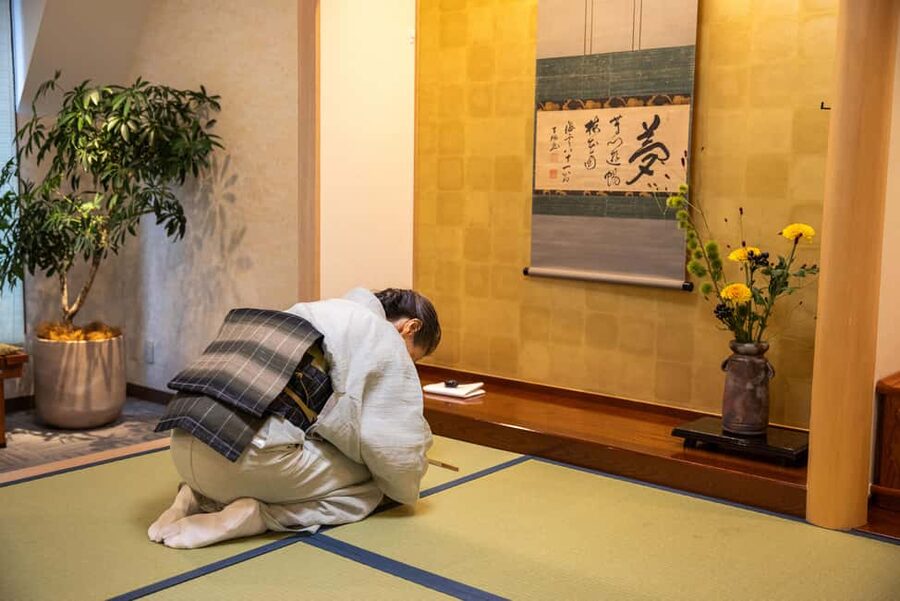
- You whisk your own matcha: After watching the demonstration, you prepare your own bowl and drink it at your own pace.
- The ceremony is explained step by step: Your English-speaking guide explains the meaning behind pouring water, whisking, presenting, and receiving tea.
- Traditional sweets are included: The sweet helps balance matcha’s earthy, slightly bitter taste.
- The setting is beginner-friendly: You can ask questions and take photos during the session without worrying about strict silence.
- Small groups keep it personal: The maximum group size is eight participants.
- It costs $25: For a one-hour cultural activity with tea, sweets, instruction, and guided context, the price is reasonable.
A gentle introduction to Japanese tea culture
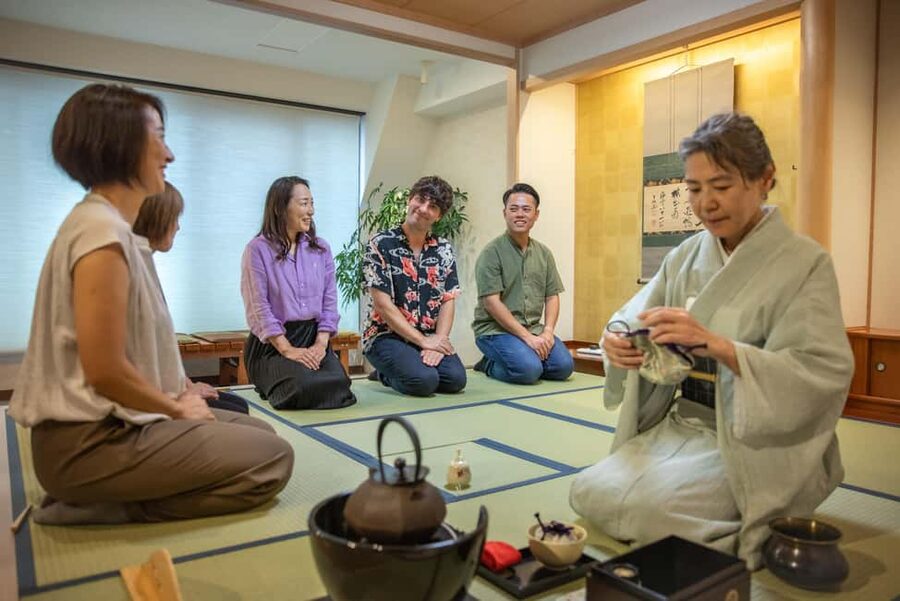
This activity presents the tea ceremony in a relaxed form designed for first-time visitors and curious repeat visitors. That distinction matters. Japanese tea culture has formal rules and years of study behind it, but you will not be expected to arrive knowing how to kneel, handle every utensil, or memorize a long sequence of movements.
Instead, your guide leads you through the ceremony in plain English. You sit comfortably while the host explains what is happening and why. The lesson connects small actions to larger ideas of harmony, care, attention, and hospitality.
I find this approach useful because it gives you enough context to see the ceremony as more than matcha preparation. The movements are not random decoration. The water, bowl, whisk, serving, and presentation all help create a calm exchange between host and guest.
You should still keep your expectations in check. This is not advertised as a formal tea-master training session, and the one-hour schedule leaves little time for a long lecture or several different styles of tea. It is best understood as a clear first introduction with a practical activity at its center.
More Tea Ceremony Experiences in Tokyo
- Matcha Making Class in Tokyo with Authentic Japanese Sweets Set
★ 5.0 · 744 reviews - Tokyo: Traditional Tea Ceremony with a Tea Master
★ 5.0 · 528 reviews - Tokyo: Matcha Making Experience with Mochi Sweets in Asakusa
★ 4.9 · 388 reviews
Meeting your host on Asakusa’s fifth floor
The meeting point is Tokyo Tourist Lounge Asakusa, on the fifth floor of the building. Use the name in Google Maps rather than relying on a general search for tea houses. The listed coordinates are 35.7103757, 139.796744.
The location is useful if you are already spending time in Asakusa, but the fifth-floor setting is an important detail. Give yourself enough time to identify the building and reach the correct floor. The experience lasts only one hour, so arriving rushed could take away from the calm mood the session is meant to create.
The activity is conducted in English. Named instructors in the feedback include Midori and Kaz, with Midori receiving especially warm praise for her kind, friendly explanations. One comment spells the name Madori, so the host assigned to your session may vary.
You are not booking a private class. The group can include up to eight people, which is still small enough for personal questions and a turn at the preparation. A small group also makes it easier to watch the host’s hand movements without being lost in a crowd.
The ceremony begins with meaning, not mystery
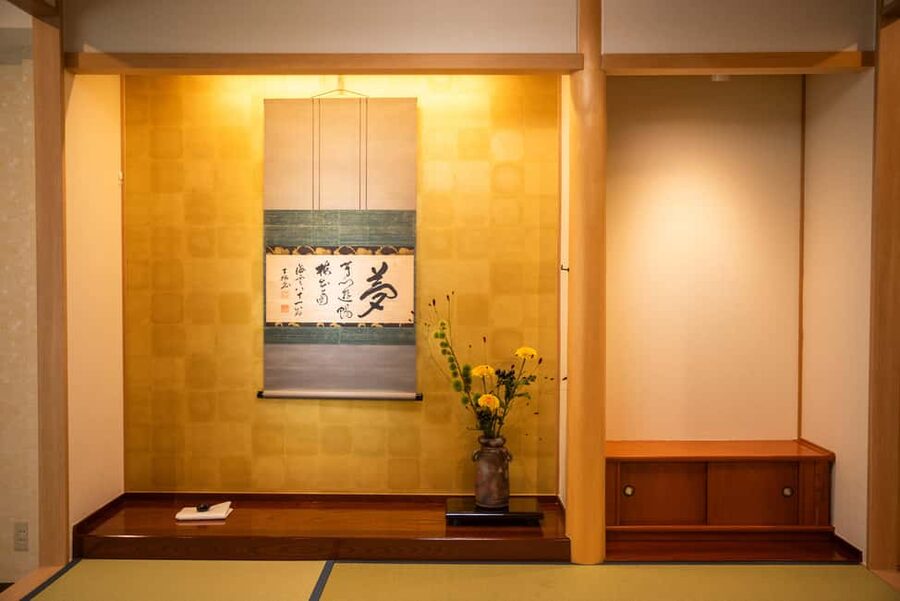
The session starts with an explanation of matcha and its place in Japanese culture. You learn about powdered green tea, where it comes from, and why it has such a close connection to Japanese social life.
That opening is one of the strongest parts of the activity. Without it, whisking tea can feel like a pleasant craft lesson with Japanese decoration around it. With the background, the ceremony’s gestures become easier to understand.
Your host then guides you through the sequence. The information provided highlights actions such as pouring water and presenting the tea. Expect the guide to explain the purpose and meaning of each step rather than simply demonstrating a set of motions for you to copy.
This is also where the session’s relaxed tone helps. You can ask questions as they occur to you, including questions about matcha, etiquette, Japanese culture, or the ceremony itself. You are not required to stay silent or pretend to understand rules that have not been explained.
The activity encourages photos during the session. That makes it a practical choice for visitors who want a cultural memory to share, though you should still follow your host’s directions about when to pause for a picture.
Watching the host prepare the matcha
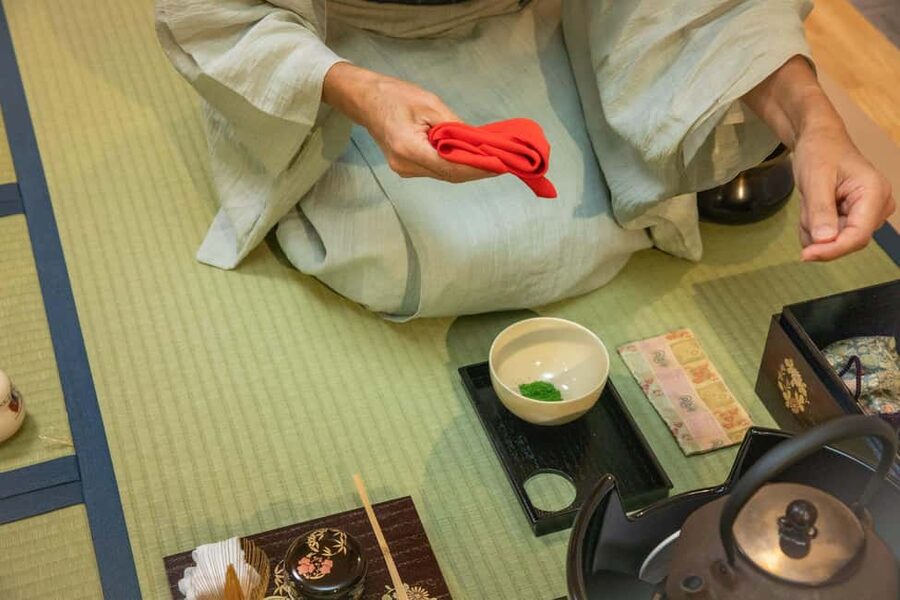
The demonstration gives you a model to follow. You watch the host prepare the tea and explain the gestures before making your own bowl.
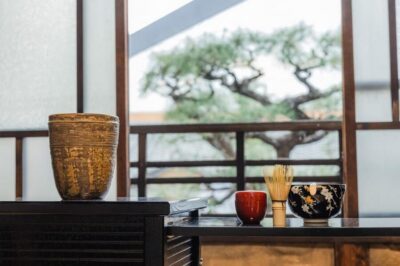
The key skill is whisking powdered matcha with hot water until it is properly mixed. You do not need prior experience. The guide shows you how to handle the preparation, and the point is to try the technique yourself rather than produce a flawless bowl on your first attempt.
This hands-on step is what gives the session value beyond a standard tea tasting. You feel the rhythm of the whisk, see how the powder changes in the water, and gain a better idea of the care involved in a simple bowl of tea.
Do not expect a large range of teas or a food-heavy menu. The provided experience centers on freshly prepared matcha and traditional Japanese sweets. That narrow focus is a strength if you want one clear cultural lesson, but it may feel limited if you are looking for a full food tour.
Same city, a completely different kind of day:
- Mt Fuji and Hakone 1-Day Bus Tour Return by Bullet Train
★ 5.0 · 26,383 reviews - 1-Day Tokyo Bus Tour
★ 5.0 · 14,250 reviews - Tokyo: TOKYO SKYTREE® Admission ticket
★ 4.5 · 11,192 reviews - Tokyo: teamLab Planets TOKYO Digital Art Museum Entry Ticket
★ 4.6 · 9,779 reviews
Making your own bowl and tasting the sweets
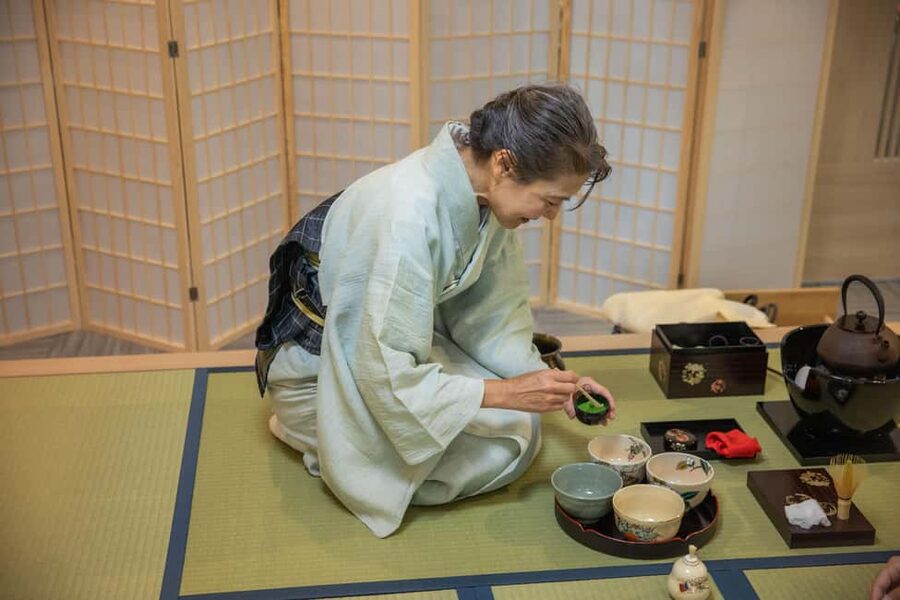
After the demonstration, you prepare your own matcha. You can then savor it at your own pace, rather than being hurried into the next stage.
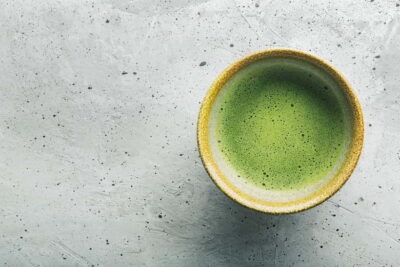
The taste of matcha is often a surprise to first-time drinkers. It is powdered green tea, so the flavor is more direct and substantial than a clear brewed tea. The traditional sweet provides a useful contrast and helps make the tasting more approachable.
Your guide explains the serving gestures and the meaning attached to them. You are not simply mixing a drink. You are practicing a small part of the host-guest exchange that gives the ceremony its character.
The personal preparation also makes this activity suitable for mixed groups. One person can focus on the cultural details, another on the craft of whisking, and another on photography. The session does not depend on everyone having the same level of interest.
If you dislike green tea or bitter flavors, keep your expectations modest. The sweets are included, but the central drink remains matcha. The activity teaches you how to prepare and appreciate it, not how to turn it into a sweet café beverage.
Why the guide matters so much
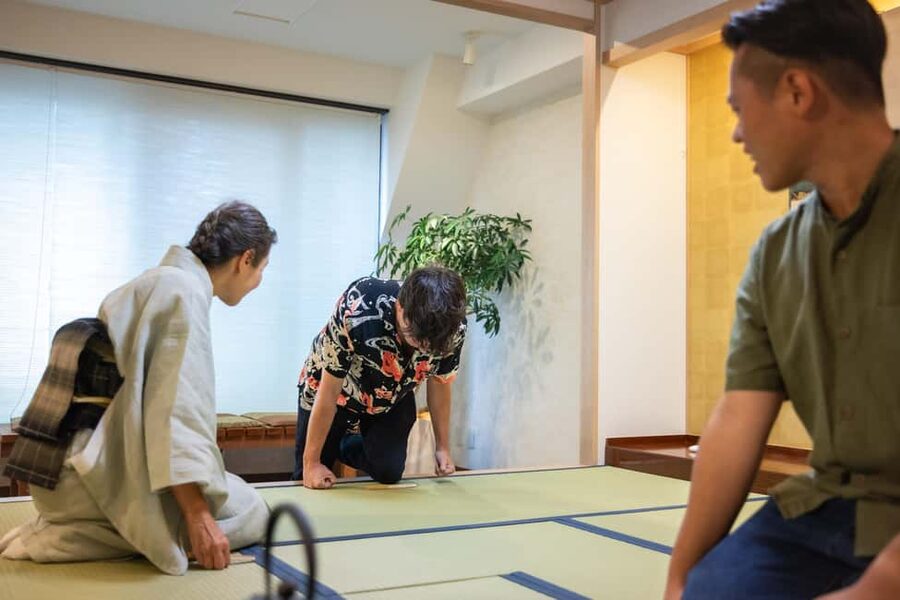
The quality of this kind of activity depends heavily on the instructor. The guide must explain unfamiliar customs without making you feel clumsy, and must keep the pace calm while allowing enough time for questions.
Midori is specifically praised for being kind, friendly, and detailed. Her explanation covers matcha’s origins, its importance, and its connection to Japanese society and culture. Kaz is also named as a strong instructor who gives participants a chance to make matcha themselves.
Those details suggest the session works best when you treat it as a conversation as well as a demonstration. Ask questions. If you want to know why a gesture matters, say so. If you are unsure how to whisk, ask for another demonstration.
The English instruction is another practical benefit. Tea ceremony terms can be difficult to follow if the explanation is rushed or translated only through gestures. Here, the cultural background and the physical steps are both presented in English.
The guide roster may change, so do not book solely to meet one named person. The useful feature is the format: an English-speaking host, a beginner-level explanation, and a chance to prepare the tea yourself.
A good value at $25
At $25 per person, this is priced as an affordable cultural activity rather than a luxury ceremony. You receive a one-hour guided session, matcha preparation instruction, traditional sweets, and the tea ceremony itself.
I consider that fair value if you want a focused introduction to one part of Japanese culture. The cost is especially reasonable for someone who values explanation and participation. You are paying for the guide’s instruction and cultural context, not just the ingredients.
The value is less clear if you want a long, highly formal presentation, a full meal, or a kimono photo session. Kimono rental is not included, and the listed price does not suggest an elaborate costume package or extended ceremony.
The reserve-now, pay-later option can also help if your Tokyo schedule is still shifting. You can hold a place without paying immediately, while free cancellation is available up to 24 hours before the activity for a full refund. Check the exact starting times before booking, since availability controls the schedule.
Who will enjoy this relaxed ceremony
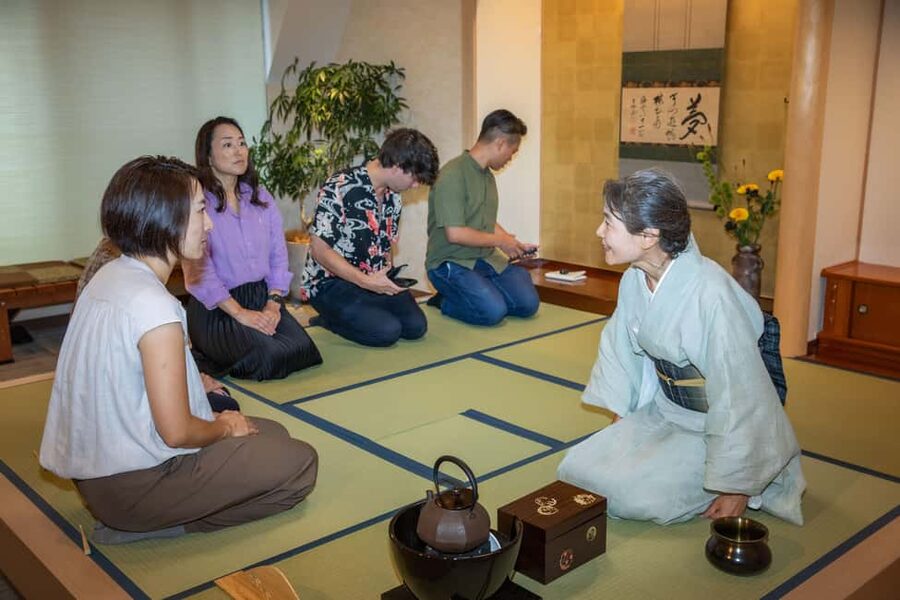
This activity is a strong match for first-time visitors who want cultural context without a demanding etiquette lesson. It also suits repeat visitors who have seen Tokyo’s major sights and want an hour with a slower pace.
Families and mixed-age groups may appreciate the practical format, though the supplied information does not specify a minimum age. Couples and solo visitors can also fit comfortably into a group of up to eight.
It is particularly useful for you if:
- You want an activity conducted in English.
- You prefer doing something rather than watching a demonstration only.
- You are curious about Japanese customs but worry that a formal ceremony will feel intimidating.
- You want a short cultural stop that can fit into a day in Asakusa.
- You enjoy asking questions and taking photos during an activity.
- You have limited mobility and need a wheelchair-accessible experience.
It may not suit you if you want kimono rental, a long formal ceremony, or an advanced lesson in tea-school etiquette. The relaxed beginner format is the main point, not a compromise hidden in the small print.
Practical tips for getting more from the hour
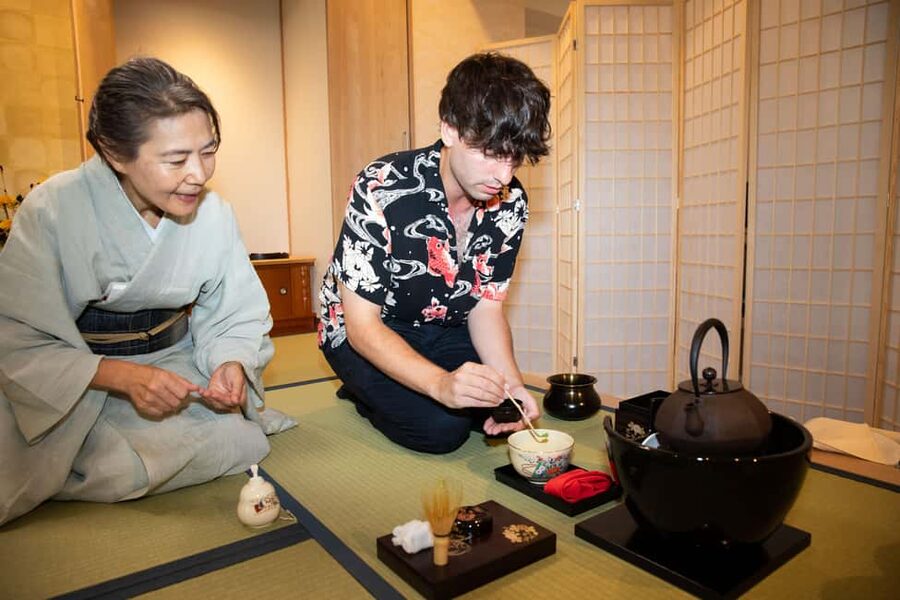
Use Google Maps and search for Tokyo Tourist Lounge Asakusa. The experience is on the fifth floor, so allow time to find the building and go upstairs.
Arrive ready to listen before you start taking pictures. Photography is allowed, but the best memories may come from watching the host’s hand movements and hearing the explanation behind them.
Ask about the details that interest you. You might want to know why the tea is whisked, how the sweets relate to the drink, or what makes a formal ceremony different from this beginner version. The session is designed for questions, so use that freedom.
Do not judge your bowl by appearance alone. Your first attempt is meant to help you understand the process. Focus on the texture, aroma, and act of preparing the drink rather than trying to make a perfect foam.
If you are booking around other plans, remember that the duration is one hour, but your own schedule also needs time for finding the fifth-floor meeting point. Check the available starting times before you commit to a tight connection.
How it fits into an Asakusa day
This activity works well as a pause between sightseeing stops in Asakusa. The area is a natural place to pair with a cultural lesson, since you can spend the rest of your day exploring Tokyo at a faster pace and use this hour to slow down.
The tea session itself does not promise a walking tour or a broader food itinerary. Its value is concentration. You spend the hour focused on matcha, hospitality, and the meaning of small gestures.
That narrow subject makes the activity easy to add to a larger Tokyo plan. You do not need to give up half a day, and you do not need specialist knowledge to take part. The short format also reduces the risk of cultural fatigue during a packed city visit.
Should you book this Asakusa tea ceremony?
Book it if you want an affordable, friendly introduction to matcha with real participation. The best reasons are the English explanation, the chance to prepare your own bowl, the traditional sweets, and the small group size.
I would choose it over a simple tea tasting because you learn the meaning behind the actions. I would also choose it over a formal ceremony if you are new to Japanese customs and want permission to ask questions and take photos.
Skip it if your main goal is kimono rental, an elaborate formal performance, or an advanced tea lesson. For everyone else, $25 buys a calm hour, useful cultural context, and a skill you can remember the next time you see matcha on a Japanese menu.
FAQ
How long does the Tokyo tea ceremony experience last?
The experience lasts one hour. Starting times vary, so check availability when selecting your date.
How much does the experience cost?
The listed price is $25 per person.
Where does the tea ceremony take place?
The meeting point is Tokyo Tourist Lounge Asakusa, located on the fifth floor of the building. You can search for that name in Google Maps. The listed coordinates are 35.7103757, 139.796744.
Is the experience conducted in English?
Yes. The instructor language is English.
How many people can join the tea ceremony?
It is a small-group activity limited to eight participants.
Is the experience wheelchair accessible?
Yes. The activity is listed as wheelchair accessible.
What is included in the price?
The price includes the Japanese tea ceremony, a matcha preparation lesson, traditional Japanese sweets, and a guided experience.
Is kimono rental included, and can I cancel?
Kimono rental is not included. You can cancel up to 24 hours in advance for a full refund, and the reserve-now, pay-later option lets you book without paying immediately.
Just added around Tokyo
- Tokyo: Customizable Private Guided Walking Tour★ 4.5 · 129 reviews
- Private Harajuku Omotesando Architecture Tour★ 4.9 · 18 reviews
- Tokyo: Guided Helicopter Ride★ 4.9 · 24 reviews
- Tokyo: Guided Walking Tour of Tsukiji Market with Lunch★ 4.4 · 24 reviews
- Tokyo: Private Personalized Local Food Tour★ 4.5 · 101 reviews
- Tokyo GINZA: KONPARU Japanese Cabaret Show with Drink★ 4.8 · 38 reviews
- Tokyo: Guided Walking Tour of Tsukiji Market with Breakfast★ 4.4 · 134 reviews
- Tokyo: Gotokuji Cat Temple, Shinjuku Cat Cafe & 3D Cat Tour★ 4.9 · 38 reviews
Tea Ceremony Experiences, compared.
Tea Ceremony in a Traditional Tea House in Kiyomizu
Read our review →
World Heritage Kyoto & Nara Uji Authentic Matcha Experience
Read our review →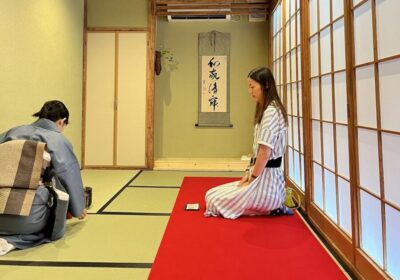
Browse the lists this tour appears in