
REVIEW · TEA CEREMONY EXPERIENCES
Tokyo: Tea Ceremony Experience in a small tea room
The best part of this Tokyo tea ceremony is its small, personal setting. Rather than watching a large demonstration, you sit close to the teacher and learn the careful movements behind matcha preparation. Mari guides you through the ceremony in English, explains the ideas of purity, hospitality, and harmony, and lets you make your own tea if you wish.
I like two things here. First, the teacher has 20 years of experience but keeps the session friendly for beginners. Second, the location gives you a quiet break from central Tokyo, with riverside scenery and easy access to the Yanaka and Nezu Shrine area. The main consideration is the room itself: it is in a residential setting, and one participant found the narrow stairs difficult, so ask about the exact room if mobility is a concern.
In This Review
- Key points at a glance
- A small tea room with room to ask questions
- What happens during the one-hour ceremony
- Meeting at Senraku-an
- Watching the tea ceremony
- Preparing your own matcha
- Why the teacher makes a difference
- A calm stop near Yanaka and Nezu Shrine
- The room, stairs, and practical comfort
- Is $51 a fair price?
- Who will enjoy this most
- How to fit it into your Tokyo day
- What makes this more than a matcha lesson
- Should you book this tea ceremony?
- FAQ
- How long does the tea ceremony last?
- Where does the experience meet?
- How far is the tea room from Nishi-Nippori Station?
- Is the lesson taught in English?
- How many people are in the group?
- Do I need previous tea ceremony experience?
- Can I prepare my own matcha?
- What is included in the price?
- Is kimono dressing included?
Key points at a glance
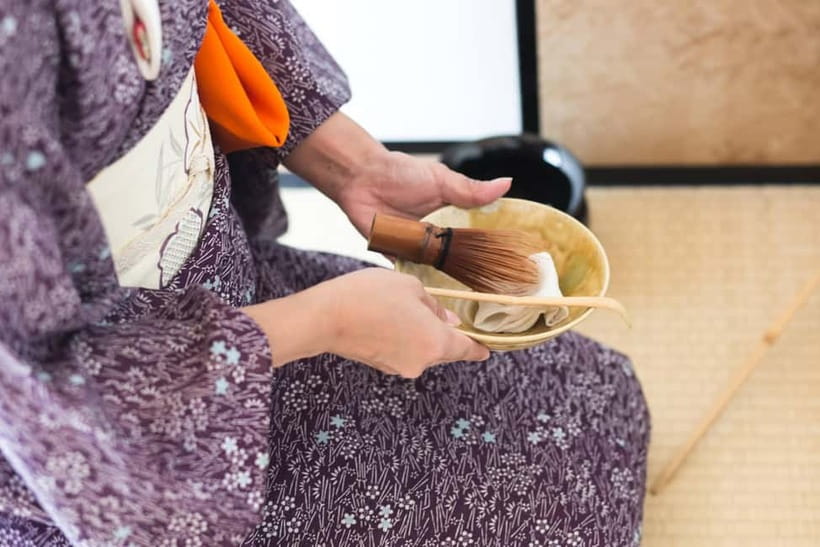
- Make your own matcha: Learn to whisk powdered tea and handle the tea tools under Mari’s patient guidance.
- A six-person limit: The small group keeps the lesson calm and allows time for questions and practice.
- A teacher with 20 years of experience: Mari explains both the movements and the ideas behind Japanese tea culture.
- A quiet Nishi-Nippori setting: The tea room is about a seven-minute walk from the station, near riverside scenery and the Yanaka and Nezu Shrine area.
- A one-hour cultural stop: Matcha, traditional dried sweets, and the lesson are included, making this easy to fit into a Tokyo sightseeing day.
- Optional kimono dressing: You can request kimono dressing for an additional charge, but confirm the price before booking.
A small tea room with room to ask questions
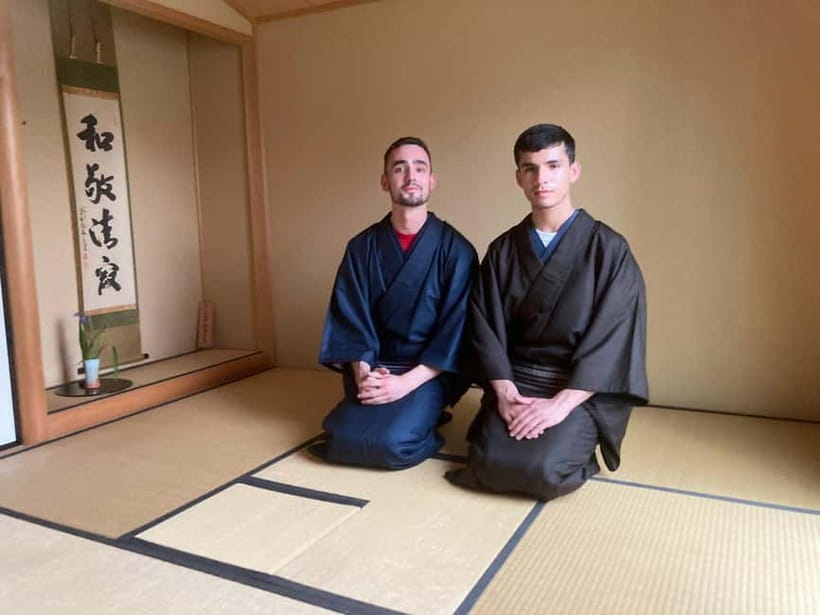
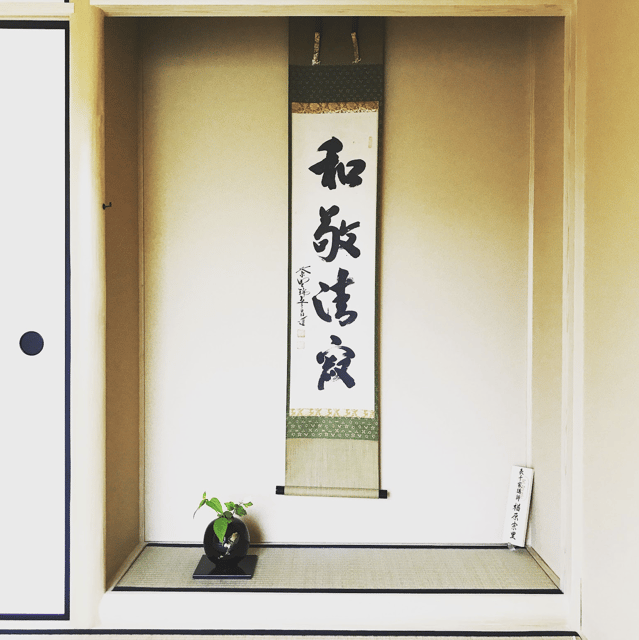
This is not a grand temple ceremony or a staged show for a large crowd. You meet at Senraku-an ten minutes before the start, then settle into a small tea room in a residential part of Tokyo.
That setting shapes the whole experience. The room is quiet, the group is limited to six, and the teacher can watch how you hold the whisk, fold the tea cloth, and turn the bowl. If you have never attended a tea ceremony, that personal attention matters. The customs can look exacting at first, but you are not expected to arrive with prior knowledge.
Mari teaches in English and has spent 20 years learning and practicing the tea tradition. Her role is more than simply showing you how to make a drink. She explains why the gestures are slow and deliberate, and how the ceremony expresses hospitality, cleanliness, respect, and harmony.
One participant particularly appreciated being shown how to fold the tea towel several times. That detail tells you what kind of lesson this is. You are not rushed through a set routine. If a movement feels awkward, you can ask to try it again.
More Tea Ceremony Experiences in Tokyo
- Matcha Making Class in Tokyo with Authentic Japanese Sweets Set
★ 5.0 · 744 reviews - Tokyo: Traditional Tea Ceremony with a Tea Master
★ 5.0 · 528 reviews - Tokyo: Matcha Making Experience with Mochi Sweets in Asakusa
★ 4.9 · 388 reviews
What happens during the one-hour ceremony
The experience is short enough for a busy Tokyo itinerary, but it still has a clear progression.
Meeting at Senraku-an
You arrive at Senraku-an ten minutes before the scheduled start. The location is roughly a seven-minute walk from Nishi-Nippori Station, but allow extra time if you are unfamiliar with Tokyo’s smaller residential streets.
The room is not described as a major public attraction, so do not expect a prominent tourist entrance. One person found it hard for a taxi driver to locate and suggested confirming the room’s exact position ahead of time. If you are walking from the station, arriving early will make the beginning less stressful.
The setting near the riverside scenery helps create a slower mood. Nishi-Nippori also puts you close to Yanaka and Nezu Shrine, two areas known for quieter streets and older local character. You can pair the ceremony with a walk through that part of Tokyo rather than treating it as an isolated one-hour stop.
Watching the tea ceremony
Mari first leads you through the ceremony and explains what you are seeing. The movements are precise, but the tone is welcoming. You learn how the tea is handled, how the utensils are used, and why each action has a place.
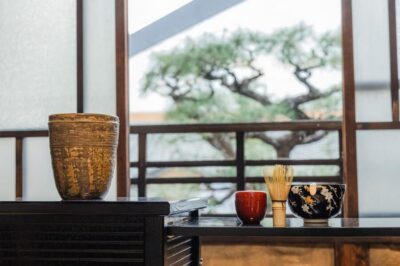
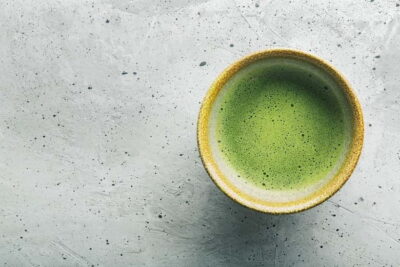
The value here is cultural context. Matcha is not simply powdered green tea served in a bowl. In the tea tradition, the preparation reflects attention to the guest, care for the surroundings, and respect for the moment. The ceremony offers a practical way to see those ideas rather than hearing a broad lecture about Japanese culture.
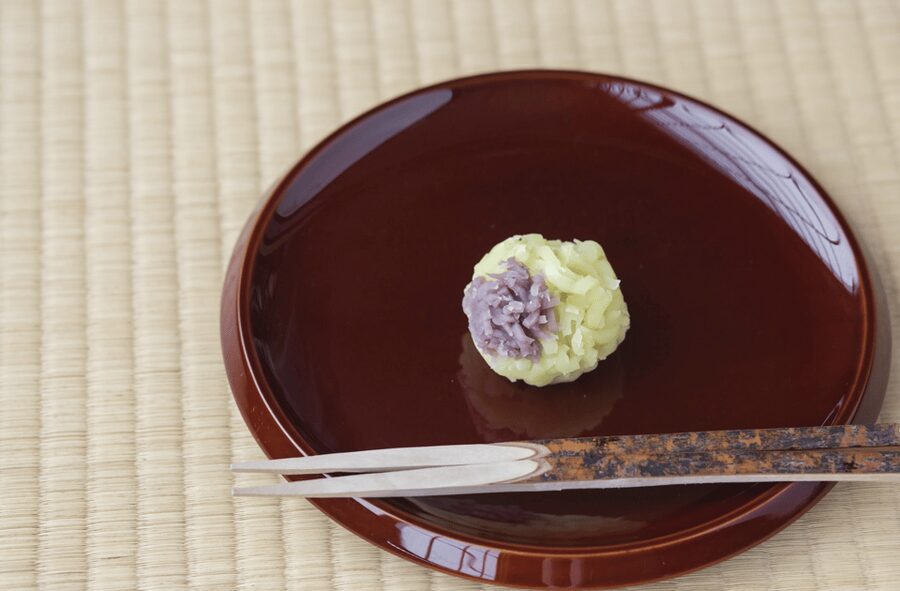
You also receive traditional dried sweets with the matcha. Their sweetness balances the bitter edge of the tea and gives you a small taste of the usual pairing.
Same city, a completely different kind of day:
- Mt Fuji and Hakone 1-Day Bus Tour Return by Bullet Train
★ 5.0 · 26,383 reviews - 1-Day Tokyo Bus Tour
★ 5.0 · 14,250 reviews - Tokyo: TOKYO SKYTREE® Admission ticket
★ 4.5 · 11,192 reviews - Tokyo: teamLab Planets TOKYO Digital Art Museum Entry Ticket
★ 4.6 · 9,779 reviews
Preparing your own matcha
The hands-on part is the heart of the session. Under Mari’s direction, you whisk the matcha yourself and practice the controlled movements used to create the drink.
You can expect to learn at a beginner’s pace. The activity is designed for people with no previous tea ceremony experience, and the teacher is available to correct small details without making the session feel formal or intimidating.
This is also where the small group pays off. With no more than six people, you should have a reasonable chance to receive direct instruction rather than simply watching from the back. The exact amount of personal practice can vary with the group, but the format is clearly built around participation.
Why the teacher makes a difference
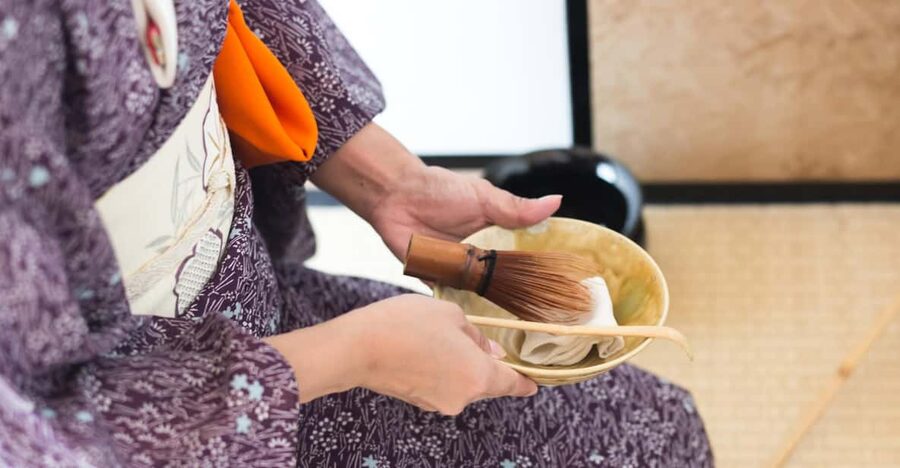
A tea ceremony can feel confusing if you are shown the gestures without being told what they mean. Mari’s long experience helps turn a series of movements into a connected tradition.
Her teaching style is repeatedly described as patient, kind, and clear. She answers questions, explains the ceremony well, and gives people time to repeat skills such as folding the tea towel. English instruction makes the session accessible to international visitors who want more than a silent demonstration.
I also like that the activity lowers the usual barriers around tea ceremonies. You do not need to know the rules in advance, and you are not expected to perform perfectly. The point is to pay attention, learn the basic pattern, and understand the spirit behind it.
That makes this a good choice for couples, families, and first-time visitors. One family added kimono dressing for two girls, and the experience was considered suitable for both couples and families. For children, the calm pace may work best if they enjoy hands-on cultural activities and can sit quietly for a short period.
A calm stop near Yanaka and Nezu Shrine
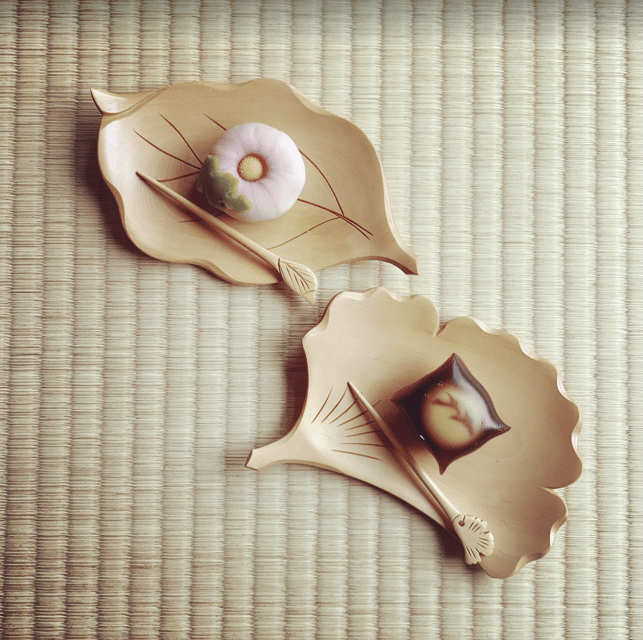
The location gives you a useful chance to combine the ceremony with a less frantic side of Tokyo. Nishi-Nippori is near Yanaka and Nezu Shrine, and the meeting point is close to pleasant riverside scenery.
The surrounding area is part of the appeal, but you should keep your expectations realistic. The ceremony takes place in a residential setting, not in a famous palace or a large historic tea house. Its charm comes from the quiet room and the feeling of entering a local home environment.
One participant specifically enjoyed that the ceremony took place at Mari’s house. That can make the experience feel more direct and local, though it also means the setting may be less polished or easier to identify than a purpose-built attraction.
I would plan this for a day when you are already visiting Yanaka or Nezu Shrine. That way, the tea ceremony becomes part of a neighborhood walk. It is less convenient if you are staying far from eastern Tokyo and want to fit it between attractions on the opposite side of the city.
The room, stairs, and practical comfort
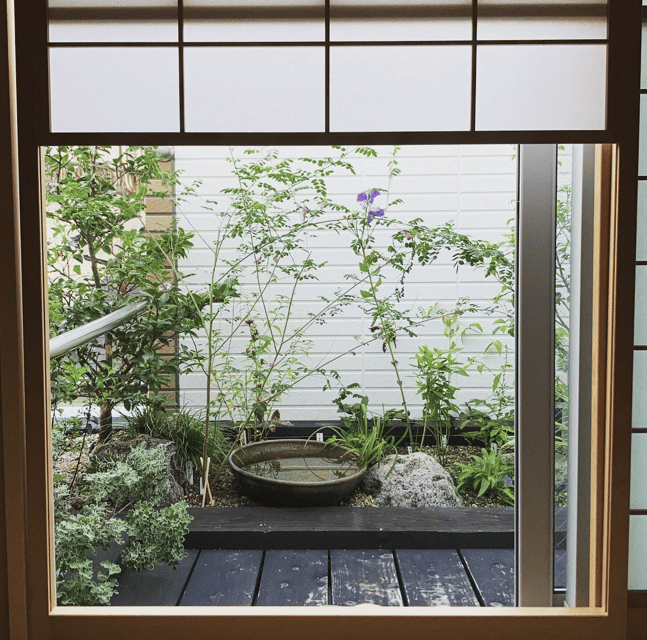
The most important practical caution concerns access to the room. One person found that the tea room was up two flights of narrow stairs and that this was challenging for their partner.
The available information does not describe an elevator or step-free access. If stairs are difficult for you, contact the provider before booking and ask exactly where the session is held and how many stairs are involved. Do not rely only on the station’s easy walking distance.
The residential location can also be tricky for taxis. A driver reportedly had trouble finding it even after receiving the general information. Public transport and a careful walk from Nishi-Nippori may be simpler, but you should still allow time to find Senraku-an.
You meet ten minutes early. That is a sensible rule here, since the room may not be obvious from the street and the session lasts only one hour.
Is $51 a fair price?
At $51 per person, this is not the cheapest way to drink matcha in Tokyo. You can find tea in many cafés for far less. But you are paying for a lesson, not just a beverage.
The fee includes matcha, traditional dried sweets, and instruction from a tea teacher with two decades of experience. You also receive an explanation of the cultural meaning behind the ceremony and the chance to prepare the tea yourself. For a small group limited to six people, that is a reasonable price for visitors who want personal guidance.
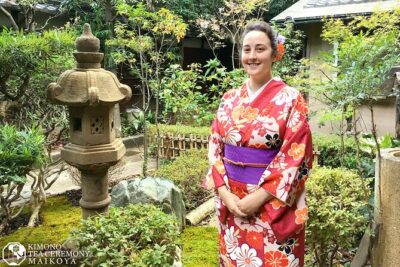
The value is strongest if you care about understanding the ritual. If you only want a quick taste of matcha or a photo in traditional clothing, this may feel expensive. The optional kimono service costs extra, and one person felt that the kimono price was high, so ask for the current charge before adding it.
The reserve-now, pay-later option can help if your Tokyo schedule is still shifting. You can also cancel up to 24 hours before the activity for a full refund, according to the stated terms.
Who will enjoy this most
I would recommend this experience to you if you want a quiet cultural activity with direct instruction. It suits:
- First-time visitors who want an approachable introduction to tea ceremony customs
- Couples looking for a calm one-hour experience
- Families interested in Japanese traditions
- Visitors staying near or planning to visit Yanaka, Nezu Shrine, or Nishi-Nippori
- Anyone who prefers a small group over a large demonstration
- People who want to ask questions and practice making matcha
It may not suit you if you want a grand historical venue, a long ceremony, or a fully polished tourist attraction. The room is in a residential setting, and the stairs may be a problem for some people. The location also requires a little care when navigating from the station or arranging a taxi.
How to fit it into your Tokyo day
The one-hour length makes this easy to combine with nearby sightseeing. Plan to arrive ten minutes early, then allow additional time afterward for the walk toward Yanaka or Nezu Shrine.
A morning or afternoon session can give structure to a neighborhood visit. You could walk along the riverside area before or after the ceremony, then continue toward the older streets around Yanaka. The experience itself is quiet, so it works well as a pause between more active parts of Tokyo.
Do not schedule it too tightly against a distant attraction. Tokyo’s train stations can take time to navigate, and the meeting point may take longer to find than a standard landmark entrance. The activity is only one hour, but the total commitment includes getting to a residential meeting point and settling in.
What makes this more than a matcha lesson
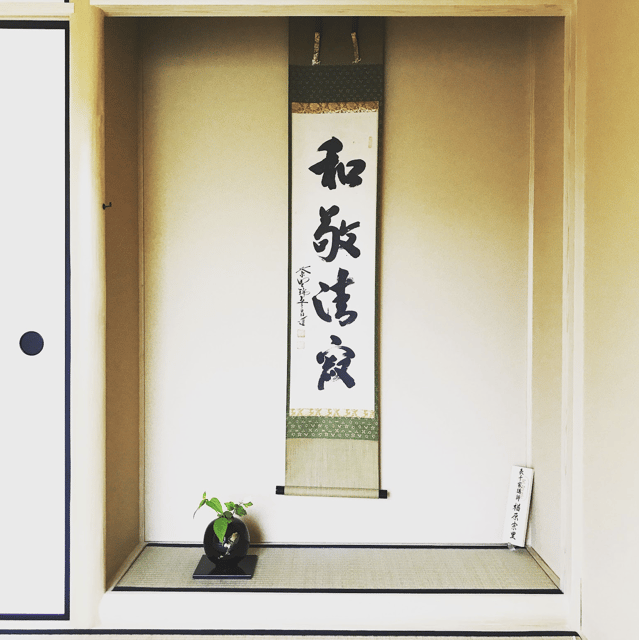
The most useful thing you take away is not a recipe. It is a better sense of how Japanese hospitality can be expressed through small actions.
The ceremony asks you to notice how the bowl is handled, how the tea is whisked, and how the guest is served. Those gestures connect to ideas such as purity, harmony, and omotenashi, the Japanese practice of thoughtful hospitality. You do not need to memorize Japanese terms to appreciate the lesson, but the ceremony gives those ideas a concrete form.
I also value the chance to practice instead of simply watching. When you attempt the movements yourself, you understand why the tea ceremony requires patience and concentration. Even a short session can change the way you look at a bowl of matcha afterward.
The setting adds another layer. A small room in a local residential area will not provide the spectacle of a famous temple, but it can feel more immediate. You are meeting a teacher in her own environment and learning a tradition through conversation and practice.
Should you book this tea ceremony?
Book it if you want a friendly, hands-on introduction to Japanese tea culture and appreciate a small, quiet setting. Mari’s patience, English instruction, and willingness to repeat the finer details make this especially good for beginners.
The $51 price is fair when you take part in the preparation and value the cultural explanation. It is less compelling if you only want to sample matcha or take a quick kimono photo.
Before booking, confirm the room’s stair access and the cost of optional kimono dressing. If those points work for you, this is a thoughtful way to slow down in Tokyo and connect a neighborhood walk with one of Japan’s most meaningful traditions.
FAQ
How long does the tea ceremony last?
The experience lasts one hour.
Where does the experience meet?
You meet at Senraku-an ten minutes before the activity begins.
How far is the tea room from Nishi-Nippori Station?
The location is about a seven-minute walk from Nishi-Nippori Station.
Is the lesson taught in English?
Yes. The instructor teaches in English.
How many people are in the group?
The group is limited to six participants.
Do I need previous tea ceremony experience?
No. The session is designed to welcome beginners and people with no previous knowledge.
Can I prepare my own matcha?
Yes. You can make your own tea under the teacher’s guidance if you wish.
What is included in the price?
Matcha, traditional dried sweets, and the lesson by the tea ceremony teacher are included.
Is kimono dressing included?
No. Kimono dressing is not included in the listed price, but you can request it for an additional charge.
Just added around Tokyo
- Private Memorable Tokyo Tour with English Speaking Driver★ 5.0 · 30 reviews
- Private Tokyo Custom Full-Day Tour by Chartered Vehicle★ 5.0 · 16 reviews
- Private Sightseeing to Mt Fuji and Hakone with English Driver★ 5.0 · 51 reviews
- Tokyo Photography Masterclass – Private Photography Lesson★ 5.0 · 25 reviews
- Private Mt. Fuji Day Trip from Tokyo with English-Speaking Driver★ 5.0 · 33 reviews
- 4 Day Tour – Mount. Fuji, Tokyo, Hakone, Kamakura and Yokohama★ 5.0 · 19 reviews
- Private Unforgettable Mt Fuji Tour with English Speaking Driver★ 5.0 · 142 reviews
- Private Tokyo Food Tour – A Journey Through Time Through Food★ 5.0 · 36 reviews
Tea Ceremony Experiences, compared.
Tea Ceremony in a Traditional Tea House in Kiyomizu
Read our review →
World Heritage Kyoto & Nara Uji Authentic Matcha Experience
Read our review →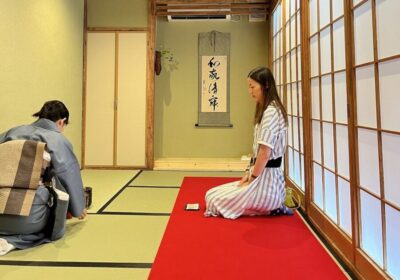
Browse the lists this tour appears in