
REVIEW · KIMONO & CULTURE EXPERIENCES
Tokyo: Samurai Sword Academy in the Hometown of Last Samurai
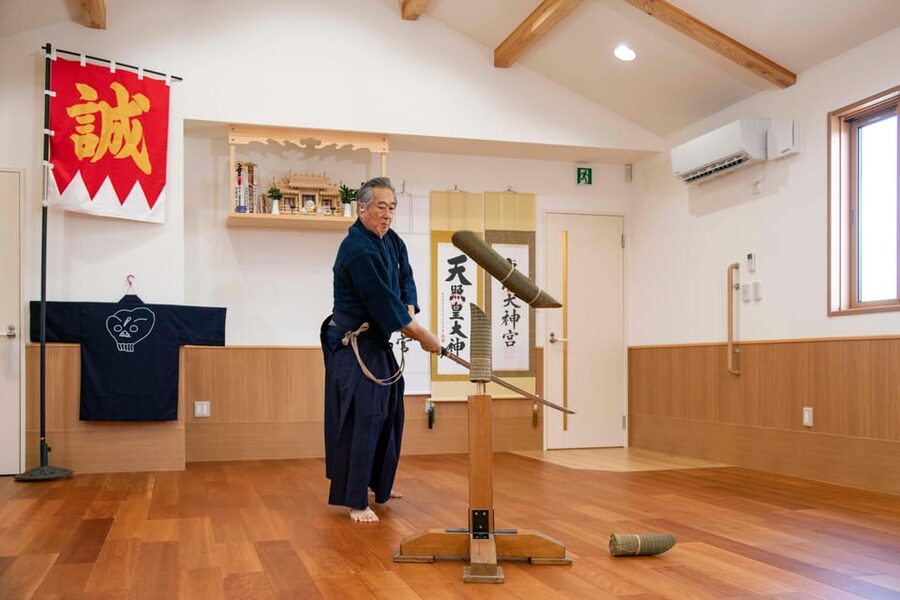
The rare thing here is not simply handling a Japanese sword. You train in Hino, the hometown of the Shinsengumi, at the working dojo where Tennen Rishin-ryu kenjutsu is still practiced. Masao Inoue, a descendant of Shinsengumi executive Genzaburo Inoue, leads the program, giving the history a direct human link.
I like the small four-person limit, which means the instructors can watch your stance and footwork closely. I also like the steady progression from wooden-sword practice to kata and, for suitable participants, cutting tatami with a real sword. The main drawback is that this is physical training, not a quick costume photo stop. You need reasonable fitness, focus, and comfort with strict safety rules.
In This Review
- Key points to know before you book
- Why Hino makes this more than a sword lesson
- What happens during the two-hour lesson
- Meeting Masao Inoue and the dojo instructors
- Wearing hakama and the Shinsengumi uniform
- Why the four-person limit matters
- The $116 price and what you receive
- Who should book, and who should skip it
- Practical planning from Tokyo
- How this compares with a standard samurai show
- Final call: book it if you want real practice
- FAQ
- Where does the samurai sword experience take place?
- How far is the dojo from Hino Station?
- How long does the experience last?
- How many people can join the class?
- Who leads the experience?
- What swordsmanship style will I learn?
- Will I handle a real Japanese sword?
- Are training clothes provided?
- Is the activity available in English?
- Who should not take part?
Key points to know before you book
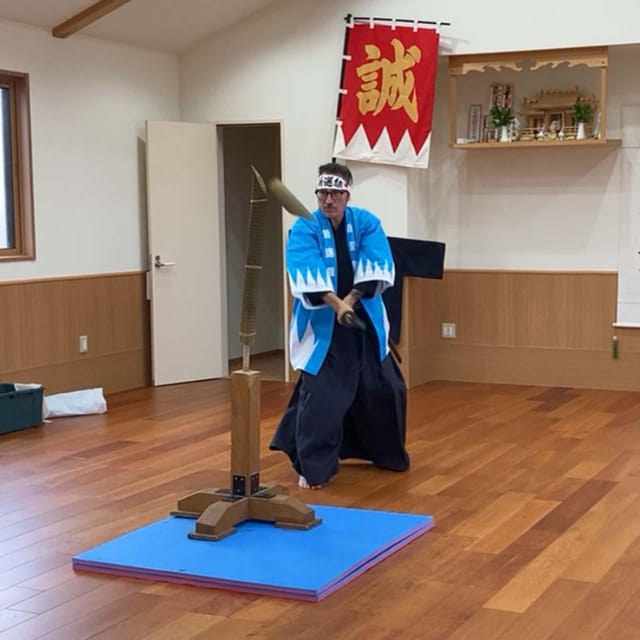
- Train at the actual Tennen Rishin-ryu Hino Dojo: The setting is a working practice hall, not a staged theater set.
- Meet a Shinsengumi descendant: Masao Inoue leads the session and connects the lesson to his ancestor, Genzaburo Inoue.
- Move from basics to blade work: You learn posture, foot placement, wooden-sword movements, and kata before handling a Japanese sword.
- Wear samurai-era training clothes: Dogi, hakama, and the Shinsengumi dandara baori are provided.
- Keep the group tiny: With no more than four participants, instruction can be personal and careful.
- Allow half a day around Hino: The dojo is on the second floor of the Inoue Genzaburo Museum, five minutes from Hino Station on the JR Chuo Line.
Why Hino makes this more than a sword lesson
Tokyo has plenty of pop-culture samurai activities. This one takes you away from the usual central districts to Hino, a city tied directly to the men who formed the Shinsengumi at the end of the Edo period.
The Shinsengumi are often described as the strongest group of swordsmen of their era. Their members practiced Tennen Rishin-ryu, a sword tradition that began in the Edo period and continues today. That link gives the class a purpose beyond learning a few dramatic swings.
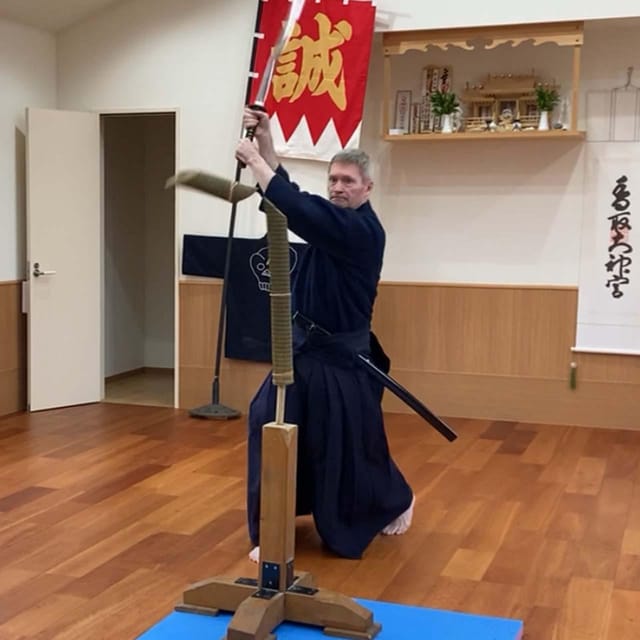
I find the location especially important. You are not only being told about the Shinsengumi while standing in a modern studio. You enter the dojo connected with Tennen Rishin-ryu practice, then learn the movements in the same broad tradition. The history is part of the room, the clothing, and the lesson itself.
The meeting point is the second floor of the Inoue Genzaburo Museum, a short walk from Hino Station. That makes the outing fairly easy to add to a Tokyo schedule, though you should plan extra time for the trip from central Tokyo and for finding the museum. The stated walk from the station is five minutes.
More Kimono & Culture Experiences in Tokyo
- Tokyo: Samurai Ninja Museum Guided tour and Experience
★ 4.6 · 1,010 reviews - Tokyo: Samurai Sword & Archery Class from Samurai Descendant
★ 5.0 · 603 reviews - Best Samurai Experience in Tokyo
★ 5.0 · 458 reviews
What happens during the two-hour lesson
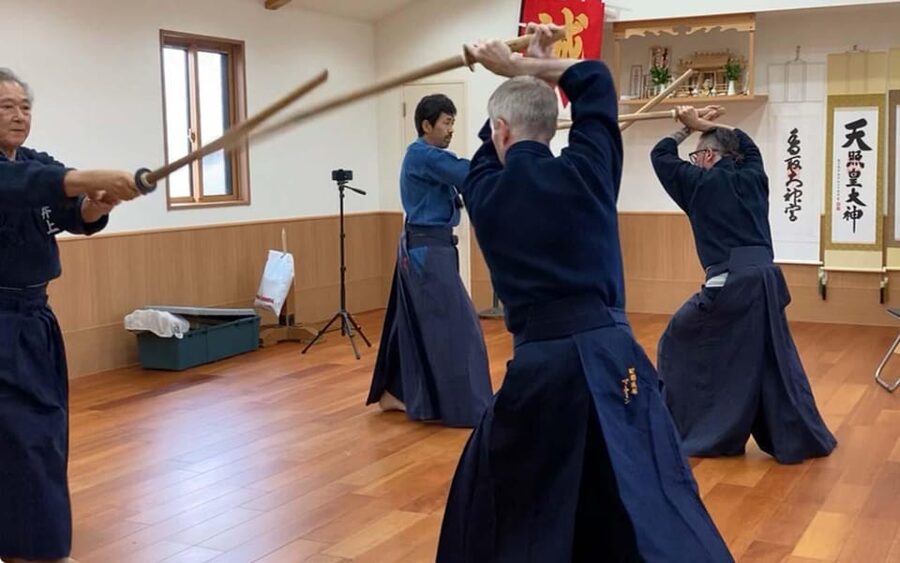
The session is built in stages. That matters because the point is not to place a sharp blade in your hand at the start and hope for the best. You first learn how to move, where to put your feet, and how to control your posture.
The instructors explain the basic form of kenjutsu and show you how to hold and move a wooden sword. This early work can feel slower than the sword action shown in films, but it is the part that gives the rest of the class meaning. Proper foot placement is not just about looking correct. It helps prevent injury and gives you a stable base for each movement.
From there, you work through kata. These set movements teach timing, balance, distance, and control. You may not memorize every sequence in two hours, and that is fine. The value is in getting a clear sense of how traditional sword practice is structured.
The small group helps here. With a maximum of four participants, instructors can correct a hand position or stance instead of letting a mistake continue. This is one of the strongest reasons to choose this class over a large demonstration with many spectators.
The final stage brings in a Japanese sword. The supplied information describes handling a real sword and cutting tatami mats. One session account also refers to cutting bamboo, but the exact cutting material may vary. Treat this as a controlled training exercise, not a free-form test of strength.
The change from wooden sword to Japanese sword is meaningful. You feel the difference in weight, balance, and responsibility. The blade is treated as the soul of the samurai, so the lesson carries a tone of respect rather than casual play.
A surprise at the end has been part of some sessions. Since the details are not given, I would not book solely for that feature. It is best viewed as an extra touch after the formal practice.
Meeting Masao Inoue and the dojo instructors
Masao Inoue, chairman of the Tennen Rishin-ryu Hino Dojo, leads the experience. His family connection to Genzaburo Inoue, a Shinsengumi executive, gives you a personal route into the subject.
That does not mean you receive a long museum lecture. The historical background supports the physical lesson. You learn why Hino matters, how the dojo relates to Tennen Rishin-ryu, and why the Shinsengumi remain such an important part of local identity.
The teaching style is serious about technique but friendly in manner. That combination is useful for beginners. You can expect correction, but not the feeling that you are being judged for failing to copy a kata at once. The instructors explain not only what to do, but why posture and footwork matter.
English and Japanese instruction are available. The English level may vary by instructor, so you should pay close attention to demonstrations and ask for a movement to be shown again if needed. Sword practice is visual as well as verbal, and watching carefully is part of learning.
The key strength is the sense of care. The lesson treats the sword as a real weapon and the tradition as a living practice. At the same time, the instructors make room for first-time students to enjoy themselves.
Wearing hakama and the Shinsengumi uniform
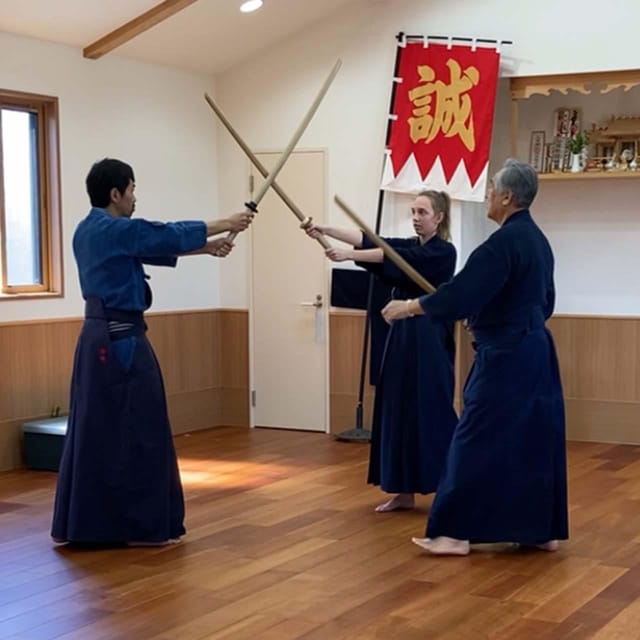
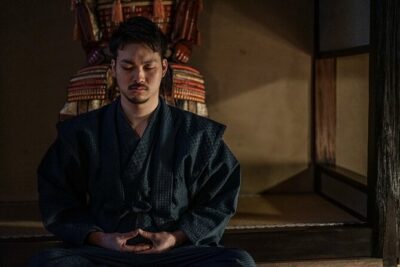
You do not need to arrive with special clothing. A dogi and hakama are included, along with a dandara baori, the distinctive Shinsengumi uniform coat.
The clothing adds more than a photo opportunity. The hakama changes how you think about standing and walking, while the dogi puts you in the frame of mind for practice. The dandara baori helps connect the present-day lesson with the Shinsengumi story.
You should still wear comfortable clothing underneath and avoid arriving with bulky items. The supplied information does not list a separate changing-room procedure, so keep your packing simple and follow the dojo’s instructions on arrival.
This is also a useful point for setting expectations. The clothing may look theatrical in photographs, but the class itself is not just dress-up. The uniform is part of the setting, while the core activity is posture, movement, and controlled sword work.
Same city, a completely different kind of day:
- Mt Fuji and Hakone 1-Day Bus Tour Return by Bullet Train
★ 5.0 · 26,383 reviews - 1-Day Tokyo Bus Tour
★ 5.0 · 14,250 reviews - Tokyo: TOKYO SKYTREE® Admission ticket
★ 4.5 · 11,192 reviews - Tokyo: teamLab Planets TOKYO Digital Art Museum Entry Ticket
★ 4.6 · 9,779 reviews
Why the four-person limit matters
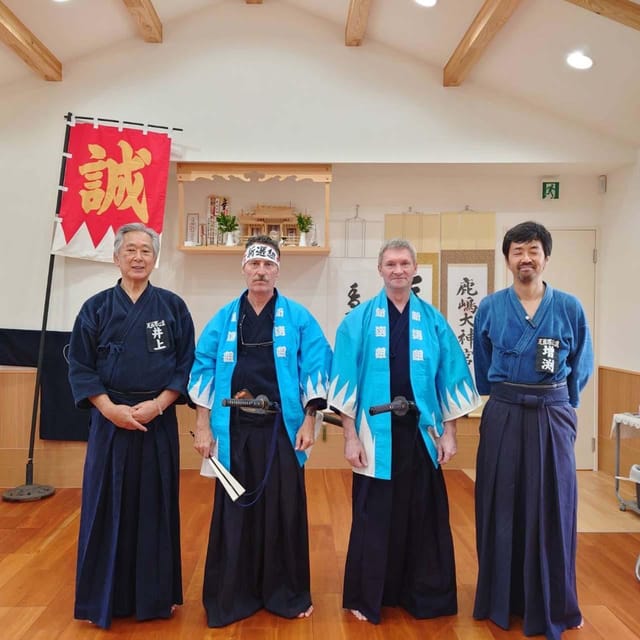
A four-person maximum is unusually small for a Tokyo activity. Here, it makes practical sense. Sword movements are easier to learn when an instructor can see your entire body and correct you before a poor habit settles in.
It also keeps the atmosphere calm. You are not waiting through long turns while a large group takes photographs. You have time to repeat movements and ask questions, although the exact pace will depend on the group.
This format suits people who want to learn rather than simply watch. If you are shy about making mistakes, a small group can feel more exposed at first. In practice, the patient teaching style helps make that manageable.
The two-hour length is well judged for a first encounter. A shorter class might feel rushed, while a much longer session could be tiring for beginners. You receive enough time to understand the basic sequence without turning the day into a full martial-arts course.
The $116 price and what you receive
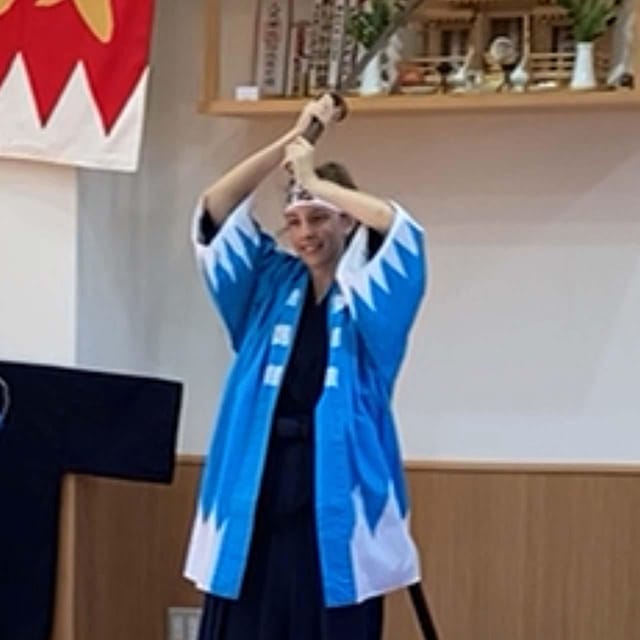
At $116 per person, this is not a cheap add-on. It is also more than a short photo session with a costume sword. The price includes an instructor and master, the swordsmanship lesson, wooden sword, Japanese sword, dogi, hakama, and dandara baori.
I see the value in the small class and the real dojo setting. You are paying for close instruction, equipment, clothing, and access to a practice connected to the Shinsengumi, rather than for a large-scale stage show.
The strongest value comes if you care about Japanese history or martial arts. You will learn the basic logic behind stance, footwork, kata, and cutting. If you only want a dramatic photograph, you may find the price harder to justify.
The experience also offers something difficult to reproduce on your own in Tokyo. Museums can show armor and swords, but they cannot give you the same physical sense of how a sword is held and controlled. This class fills that gap.
The booking terms add some flexibility. You can cancel up to 24 hours before the activity for a full refund, and you can reserve now and pay later. Starting times depend on availability, so check the schedule before building the rest of your Hino plans.
Who should book, and who should skip it
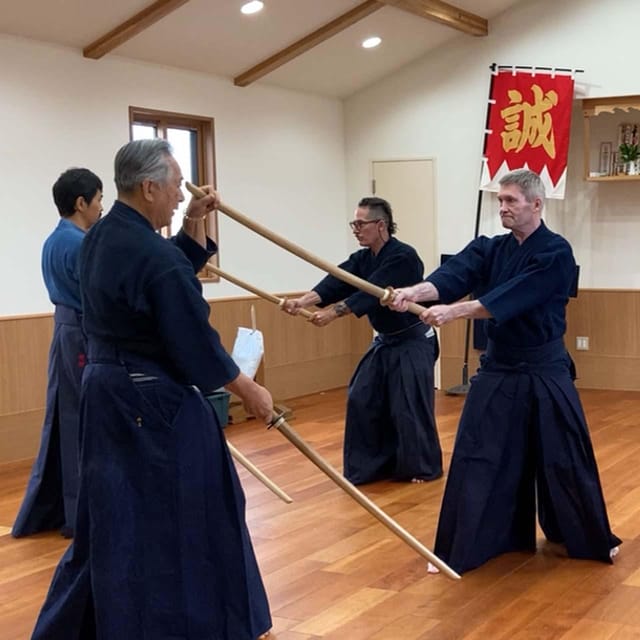
I would recommend this for adults who are curious, reasonably fit, and willing to follow directions closely. It is a good choice for a solo visitor, a couple, or a small group of friends who want a hands-on cultural activity with real historical roots.
You do not need prior sword experience. The lesson starts with basic posture and wooden-sword movements. Patience matters more than skill, and the staged approach gives beginners a fair chance to keep up.
This is not suitable for children under 18. The activity also excludes pregnant women, wheelchair users, and people with mobility, back, heart, or vertigo problems. It is not intended for people with a cold, recent surgery, low fitness, or those over 75. These limits are sensible given the physical work and the use of a real blade.
If you are unsure about your fitness, ask before booking. Do not assume that a two-hour activity will be easy because the class is short. Repeated stances, footwork, and controlled movements can be demanding.
Practical planning from Tokyo
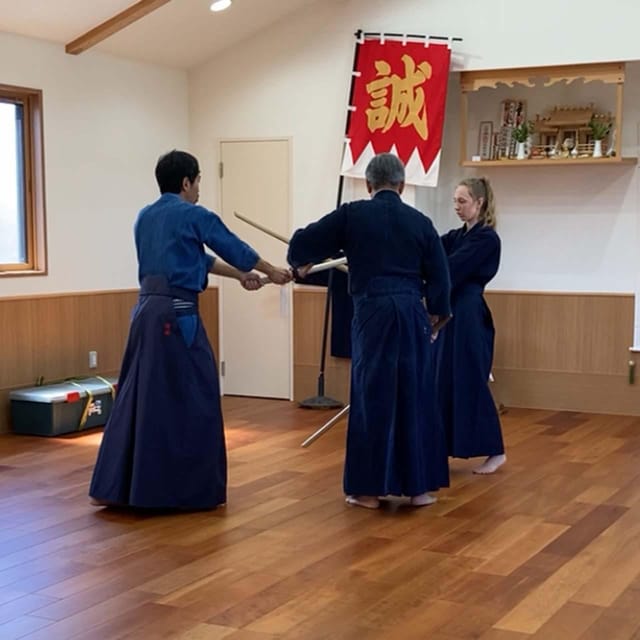
The dojo is five minutes from Hino Station on the JR Chuo Line. Use the station as your main navigation point, then look for the Inoue Genzaburo Museum. The venue is on the second floor.
I would schedule the class as the main event for your time in Hino rather than squeeze it between two distant Tokyo sights. The train ride and the need to arrive ready for a focused lesson mean the day will feel less rushed if you leave breathing room around it.
The class is offered in English and Japanese. Even with English instruction, demonstrations will be central. Listen for safety directions, watch the instructors closely, and avoid treating the sword like a prop.
The venue is described as spacious and well kept. That helps with footwork and group practice, but space does not remove the need for awareness. Keep your attention on the instructor and maintain the required distance from other participants.
How this compares with a standard samurai show
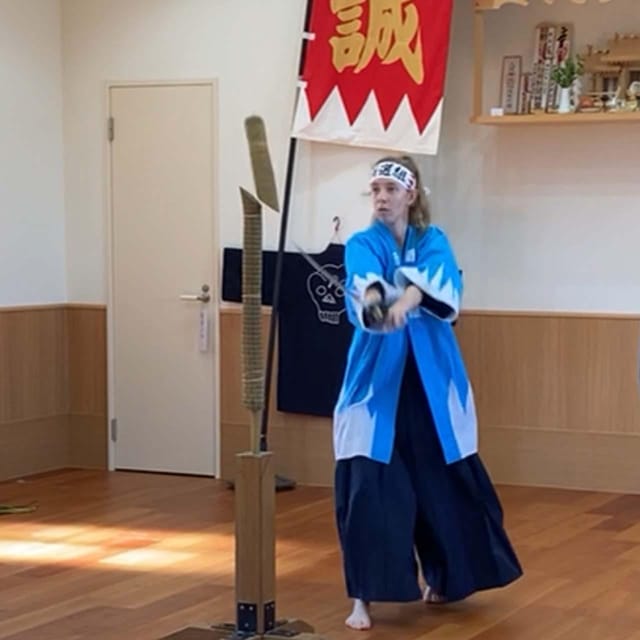
A stage performance gives you polished action from a comfortable seat. This experience gives you a beginner’s view of the work behind that action.
You will not become a trained swordsman in two hours. You will, however, understand why a strong stance matters, how footwork supports a cut, and why repeated kata are central to traditional practice. That small shift in understanding is more valuable than simply posing with a sword.
The class also avoids the feel of a generic tourist attraction. The dojo, family connection, uniform, and Tennen Rishin-ryu practice all point to Hino and the Shinsengumi. The experience remains accessible, but it does not flatten the subject into a quick entertainment package.
I especially like that the instructors explain the reasons behind movements. For a beginner, that turns a set of strange gestures into a coherent lesson. You leave with a better idea of how discipline and control shape Japanese swordsmanship.
Final call: book it if you want real practice
Book this experience if you want a small, serious, friendly introduction to samurai swordsmanship in a place tied to the Shinsengumi. The best reasons are the actual dojo, the four-person limit, Masao Inoue’s family connection, and the progression from wooden sword to Japanese sword.
Skip it if you want a passive show, have limited mobility, or dislike structured physical instruction. The class asks you to concentrate, repeat movements, and respect safety rules.
For the right visitor, $116 buys far more than a costume photo. You get a short lesson in Tennen Rishin-ryu, a connection to Hino’s local history, proper training clothing, and a carefully managed chance to handle a Japanese sword. That is a memorable way to spend two hours outside central Tokyo.
FAQ
Where does the samurai sword experience take place?
It takes place on the second floor of the Inoue Genzaburo Museum in Hino, on Honshu, Japan.
How far is the dojo from Hino Station?
The venue is a five-minute walk from Hino Station on the JR Chuo Line.
How long does the experience last?
The swordsmanship experience lasts two hours.
How many people can join the class?
The activity is limited to four participants, making it a small-group lesson.
Who leads the experience?
Masao Inoue, chairman of the Tennen Rishin-ryu Hino Dojo and a descendant of Shinsengumi executive Genzaburo Inoue, leads the program.
What swordsmanship style will I learn?
You will learn Tennen Rishin-ryu, the swordsmanship tradition practiced by members of the Shinsengumi.
Will I handle a real Japanese sword?
Yes. The experience includes handling a Japanese sword, as well as practice with a wooden sword.
Are training clothes provided?
Yes. A dogi and hakama are provided, along with a dandara baori associated with the Shinsengumi.
Is the activity available in English?
Yes. Instruction is available in English and Japanese.
Who should not take part?
The activity is not suitable for pregnant women, people with back, heart, mobility, or vertigo problems, wheelchair users, children under 18, people with a cold, recent surgery, low fitness, or altitude sickness, or people over 75.
Just added around Tokyo
- Private Memorable Tokyo Tour with English Speaking Driver★ 5.0 · 30 reviews
- Private Tokyo Custom Full-Day Tour by Chartered Vehicle★ 5.0 · 16 reviews
- Private Sightseeing to Mt Fuji and Hakone with English Driver★ 5.0 · 51 reviews
- Tokyo Photography Masterclass – Private Photography Lesson★ 5.0 · 25 reviews
- Private Mt. Fuji Day Trip from Tokyo with English-Speaking Driver★ 5.0 · 33 reviews
- 4 Day Tour – Mount. Fuji, Tokyo, Hakone, Kamakura and Yokohama★ 5.0 · 19 reviews
- Private Unforgettable Mt Fuji Tour with English Speaking Driver★ 5.0 · 142 reviews
- Private Tokyo Food Tour – A Journey Through Time Through Food★ 5.0 · 36 reviews
Kimono & Culture Experiences, compared.
Kyoto Geisha Walking Tour: Gion District & Hidden Gems
Read our review →
Gion Magical Night Walking Tour with Geisha Trivia
Read our review →
Gion Geisha District Walking Tour – Stories of Geisha
Read our review →
Best of Kyoto: Gion, Geisha, Pagodas & Cobblestones
Read our review →
Kyoto Gion Geisha District Walking Tour – The Stories of Geisha
Read our review →
Browse the lists this tour appears in