
REVIEW · KIMONO & CULTURE EXPERIENCES
Tokyo: Samurai Kendo Practice Experience
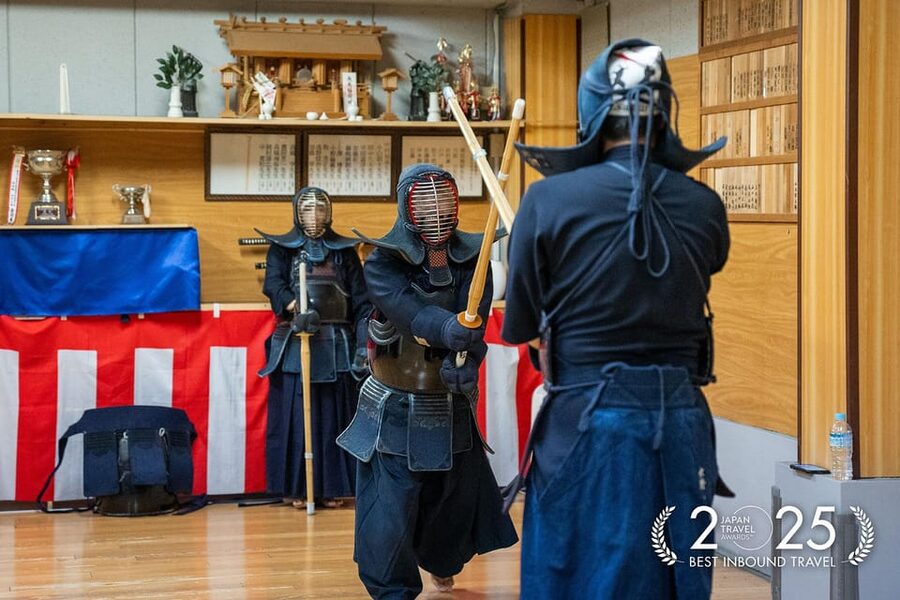
Tokyo’s Samurai Kendo Practice Experience puts you in a real dojo, wearing full kendo armor and facing an instructor with a bamboo sword in hand. This is not a staged samurai show. You learn the rules, footwork, strikes, and discipline of kendo, then use those skills in playful combat.
I like the small group limit of six, which gives the instructor room to watch your form. I also like the mix of serious training and fun touches, including light sparring, balloon games, photos, and a chance to handle a real katana under supervision.
The main caution is that this is physical, brisk, and sometimes bluntly taught. English instruction is available, but explanations can move fast. Finding the dojo, which operates from a house, can also take a little patience.
In This Review
- Key points to know before you book
- Entering a Tokyo dojo near JR Uguisudani
- Changing into kendo armor
- Learning the first three strikes
- From drills to light combat
- Handling the sword and seeing real kendo
- How the two hours feel
- What the instructors add to the class
- Is $116 a fair price?
- Who should book this kendo experience?
- Practical preparation for Seidokan
- Should you book the Tokyo Samurai Kendo Experience?
- FAQ
- Where does the Tokyo Samurai Kendo Practice Experience meet?
- How long does the kendo experience last?
- What languages are available?
- Is kendo equipment included?
- What should I wear?
- Can I wear glasses during the activity?
- Is food or hotel pickup included?
- Can I cancel for a refund?
Key points to know before you book
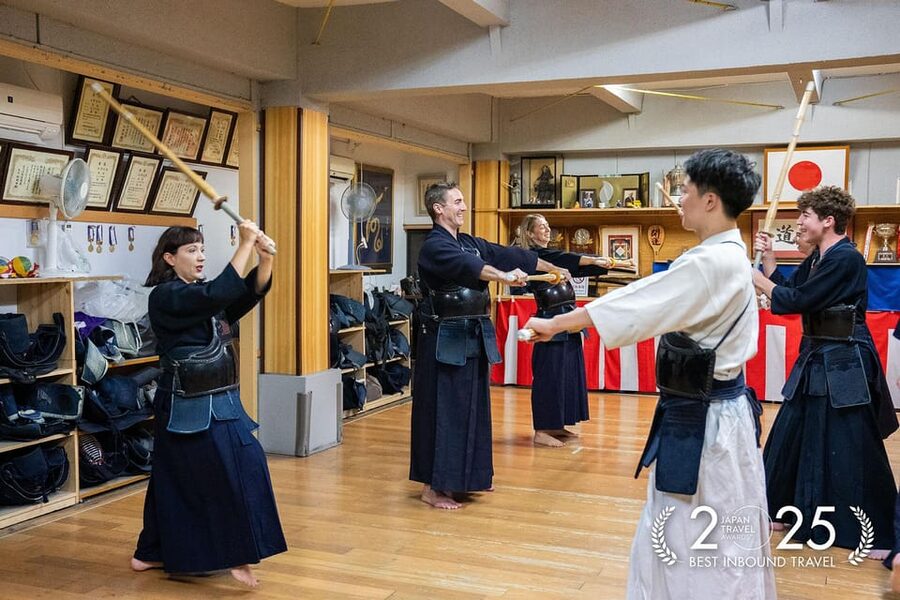
- Real dojo training: You practice inside Seidokan, a working kendo space near JR Uguisudani rather than watching a staged performance.
- Full armor included: You receive rental kendo clothing, protective armor, and training equipment.
- Actual beginner combat: You learn basic strikes and then take part in light sparring and playful games.
- Experienced instruction: Nagamatsu-sensei and other teachers lead the session, with English and Japanese used.
- Small, active class: The group is limited to six, but the pace is still brisk and physical.
- Come prepared: Wear loose exercise clothes, bring contact lenses if needed, and pack a change of shirt because you may sweat.
Entering a Tokyo dojo near JR Uguisudani
The meeting point is Seidokan, written 誠道館, at 4-7-2 Higashinippori in Arakawa-ku. From the north exit of JR Uguisudani Station, allow about 10 to 12 minutes on foot.
This is one place where you should not cut the timing close. The dojo is run from a house, and one person found the location a little hard to identify at first. I would save the address in Japanese, leave the station with time to spare, and avoid arriving breathless just before training begins.
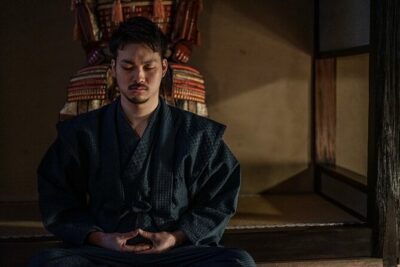
The setting matters. You are not being handed a costume in a hotel conference room. You enter a quiet practice space where etiquette, posture, and focus are part of the activity. The contrast is striking: the room is calm, then the bamboo swords begin to crack against armor.
You will meet an instructor who speaks English and Japanese. Nagamatsu-sensei is named in several accounts of the class, and his teaching style comes across as strict, patient, humorous, and direct. That combination suits kendo, but it may feel sharper than the tone of a typical sightseeing tour.
More Kimono & Culture Experiences in Tokyo
- Tokyo: Samurai Ninja Museum Guided tour and Experience
★ 4.6 · 1,010 reviews - Tokyo: Samurai Sword & Archery Class from Samurai Descendant
★ 5.0 · 603 reviews - Best Samurai Experience in Tokyo
★ 5.0 · 458 reviews
Changing into kendo armor
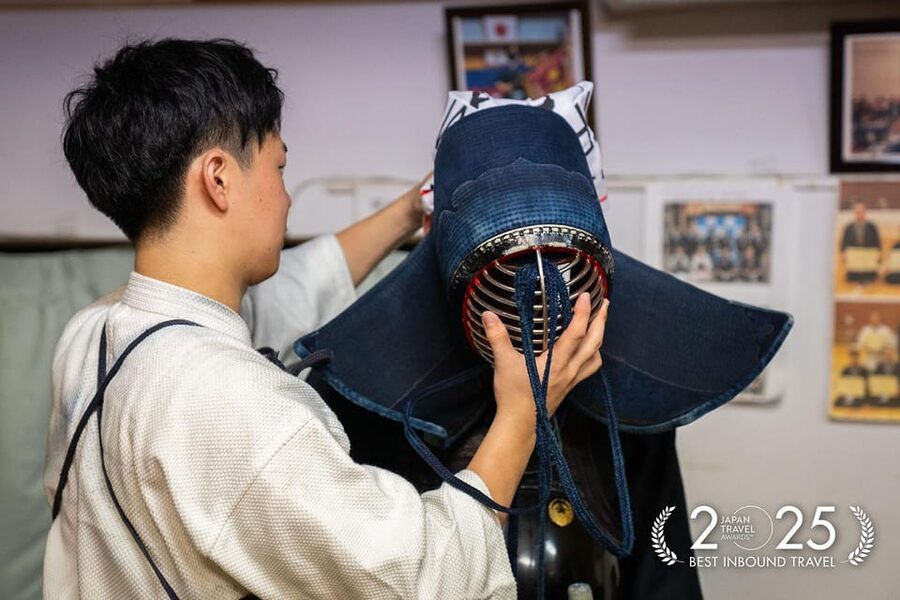
The session includes rental kendo armor and equipment, so you do not need to bring your own gear. Wear loose-fitting exercise clothing underneath. The organizers note that you may need to practice in your own clothing if the available kendo wear does not fit.
That warning is useful. One participant specifically felt the activity was not a good fit for plus-size people, so I would contact the operator before booking if standard sizing may be a concern. This is a practical matter, not a minor detail. Kendo armor must sit securely, and free movement is essential.
Getting dressed is part of the lesson. The uniform and armor change how you stand, walk, and hold yourself. The head protection can also make glasses difficult to wear and risks damaging spectacles. If you use glasses, bring contact lenses if possible. The instructions specifically advise against wearing spectacles under the head armor.
The included mineral water helps, but bring extra water if you normally drink a lot during exercise. A fresh shirt is a smart addition to your day bag. One participant described the workout as sweaty, and another called it an excellent workout.
Learning the first three strikes
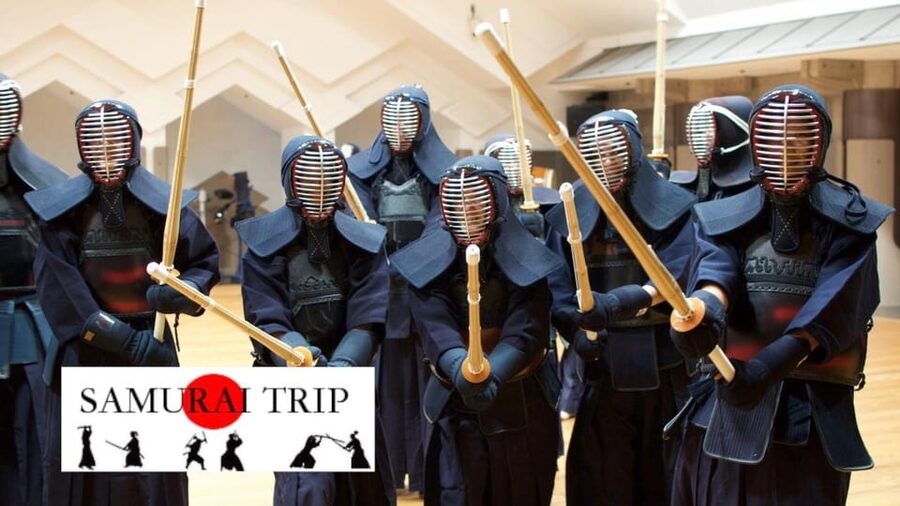
The early part of the class covers the basic ideas and movements of kendo. You learn how to hold the bamboo sword, move your feet, keep your posture, and respond to the instructor’s commands.
The main strikes taught are:
- Men: a strike to the head area
- Kote: a strike to the wrist area
- Do: a strike to the torso
You also practice counter techniques. This is where the class becomes more than a costumed photo opportunity. The point is not simply to swing a sword. You are learning timing, distance, accuracy, and the discipline to make each movement deliberate.
Kendo looks simple from the outside. The sword travels in a straight line, the footwork seems controlled, and experienced practitioners make it look easy. Once you put on the armor, the task becomes harder. You must coordinate your feet, hands, voice, posture, and target while remembering the rules.
The teachers guide beginners as if they were preparing for a real match. That can be demanding, but it gives the two hours a clear purpose. You are not left to wave a bamboo sword around without direction.
From drills to light combat
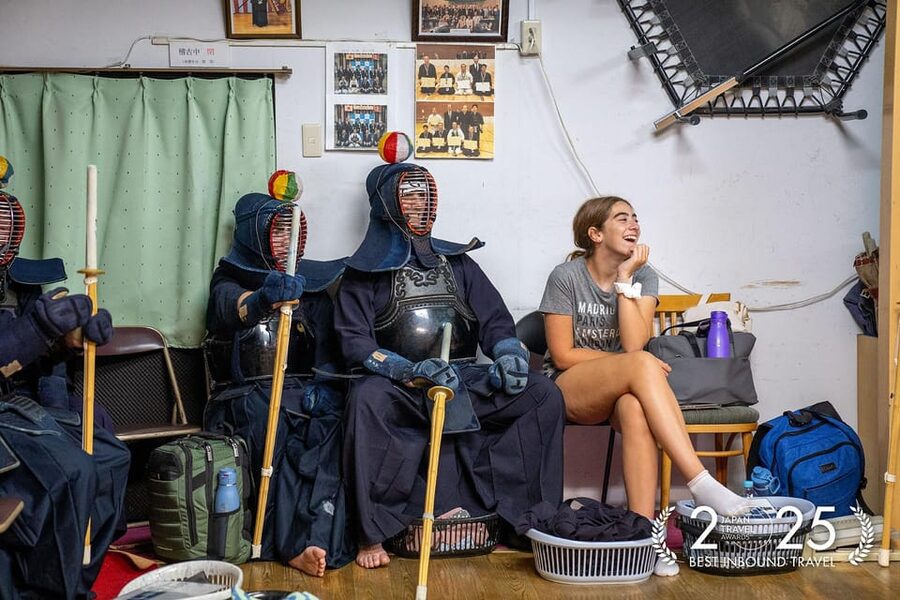
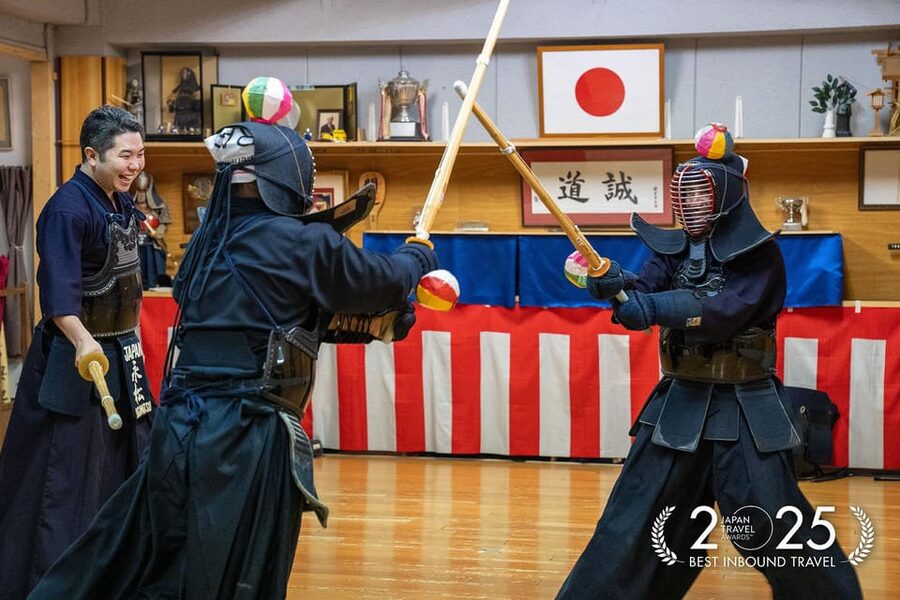
After the basic drills, you get to apply them. The class includes light sparring, playful games, and practice against the instructor. Some sessions have also used balloons for combat games, which adds a silly note to an otherwise formal martial art.
The sparring is one of the strongest parts of the experience. It gives you an immediate reason to remember the footwork and strikes. You may discover that your first instinct is to rush, lift your arms too high, or forget your stance. The instructor corrects those habits while keeping the mood friendly.
You should understand the limits of this activity. It is beginner training, not a full martial arts course, and the session lasts about two hours. Still, it involves actual practice fighting, even for first-time students. That makes it more active than a demonstration and more memorable than a lecture.
One family used the class as an activity with two pre-teens, who enjoyed the armor and swords. The experience has also been described as family-friendly. Even so, parents should consider the physical nature of the session. A participant felt some strikes to the helmet seemed too rough, so children should be comfortable with protective contact and clear instructions.
Same city, a completely different kind of day:
- Mt Fuji and Hakone 1-Day Bus Tour Return by Bullet Train
★ 5.0 · 26,383 reviews - 1-Day Tokyo Bus Tour
★ 5.0 · 14,250 reviews - Tokyo: TOKYO SKYTREE® Admission ticket
★ 4.5 · 11,192 reviews - Tokyo: teamLab Planets TOKYO Digital Art Museum Entry Ticket
★ 4.6 · 9,779 reviews
Handling the sword and seeing real kendo
The training weapon is a bamboo sword, known as a shinai, and this is what you use for the drills and sparring. One account also describes a chance to wield a real katana under supervision. Treat that as a special handling moment, not as a weapon for combat.
The difference between movie sword fighting and kendo becomes clear here. Kendo is governed by formal targets, controlled technique, footwork, and discipline. The instructor may also show you what an expert can do at speed and accuracy, which can be a humbling moment after your own first attempts.
You might also see experienced practitioners training in the dojo. Watching them offers useful context. Their movements show how much precision lies behind the basic actions you have just learned. The room can shift between your beginner session and regular dojo practice, giving you a glimpse of kendo beyond the tourist activity.
The cultural value is in that connection. You are not only borrowing samurai imagery. You are seeing how a modern Japanese martial art uses etiquette and repeated practice to train both body and mind.
How the two hours feel
The advertised duration is two hours, but the organizers note that the full program may take more or less time. Do not schedule a train, meal, or timed attraction immediately afterward.
The class feels full because it combines several stages: arrival, changing, explanation, basic movement, striking practice, armor work, sparring, photos, and conversation. One person wished it lasted longer, while another described about 90 minutes of especially active fun. The exact balance may vary with the group and the instructor.
A small group of up to six is a real advantage. You get more direct correction than you would in a large class, and you have enough people for practice games. It also means the session can feel personal rather than like a conveyor belt of short demonstrations.
The pace may be quick for complete beginners. One participant found that the instructor sometimes spoke too fast during explanations. If you do not understand a movement, stop and ask for a repeat. Kendo depends on small details, and pretending to understand will not help your footwork.
What the instructors add to the class
The teachers are the heart of this activity. Nagamatsu-sensei is described as having more than 60 years of kendo experience, while the school’s wider teaching background is described as extending over more than 20 years. The supplied details also connect the instruction to Keio University kendo training.
You will likely notice a traditional teacher-student rhythm. The instructor expects attention and discipline, then uses humor to keep beginners relaxed. That can feel refreshingly real, but the tone is not soft or polished in the way some visitors expect from a commercial tour.
English is available, yet the level of explanation may vary. You can get through the session in English and Japanese, but some gestures and demonstrations carry as much meaning as the spoken words. Watch closely, copy the movement, and ask for clarification when needed.
The best part of a strong instructor is the correction. A slight change in your grip or foot position can make the movement feel more natural. You also gain respect for the speed and accuracy of trained kendo practitioners, something no samurai-themed photo can provide.
Is $116 a fair price?
At $116 per person, this is not a cheap way to fill two hours in Tokyo. You are paying for a small class, instruction, armor and equipment rental, mineral water, and a Japanese hand towel, with no food or hotel pickup included.
I think the price makes sense if you want active, specialist instruction rather than a passive cultural stop. The equipment alone would be awkward to arrange for a first-time visitor, and the small group keeps the class from becoming a simple group demonstration.
The value is weaker if you only want to dress as a samurai for photos. You will spend much of the session learning stances, striking, and etiquette. That requires effort and attention. The real benefit comes from taking part, not from watching.
The hand towel is a small but useful gift after exercise. One participant suggested that a Japanese inscription would make it a better souvenir, so consider it a modest extra rather than a major part of the price.
Free cancellation up to 24 hours before the start and the option to reserve now and pay later reduce the risk of booking. Check the available start times, then leave room before and after the class.
Who should book this kendo experience?
I would choose this for you if you want to:
- Try a Japanese martial art through actual practice
- Enjoy physical activity during a Tokyo visit
- Learn basic technique in a group of six or fewer
- See the difference between movie swordplay and formal kendo
- Travel with older children or teenagers who can manage active instruction
- Meet an experienced sensei in a working dojo
It suits curious beginners, and prior martial arts experience may help with footwork. You do not need to arrive as an athlete, but you should be ready to move, sweat, listen, and repeat unfamiliar actions.
I would think twice if you dislike protective contact, have difficulty with standard clothing sizes, or need a slow and highly polished English lesson. The direct style and helmet strikes may not suit every participant.
Practical preparation for Seidokan
Wear loose exercise clothes and shoes suitable for walking to the dojo. Bring water, contact lenses if you normally wear glasses, and a spare shirt.
Save both the English and Japanese address. The walk from JR Uguisudani’s north exit is only about 10 to 12 minutes, but the house-based location may not be obvious at first.
Do not bring food expecting it to be provided. Food and hotel pickup are not included. The activity supplies mineral water and a Japanese hand towel.
Keep your schedule open. The two-hour duration is an estimate, and the full program can run shorter or longer depending on the class.
Should you book the Tokyo Samurai Kendo Experience?
Book it if you want to do something with your body, not just your camera. The class gives you armor, basic strikes, counter techniques, light combat, and a close look at the discipline behind kendo.
The strongest reasons to go are the small class size, experienced instruction, and chance to practice rather than watch. The strongest reasons to hesitate are the price, the brisk English explanations, uncertain clothing fit, and a teaching style that can feel strict.
For a first kendo session in Tokyo, I think the experience offers real substance. Arrive prepared, accept that you will make mistakes, and treat the dojo etiquette seriously. If that sounds appealing, this is a memorable way to spend two active hours near Uguisudani.
FAQ
Where does the Tokyo Samurai Kendo Practice Experience meet?
It meets at Seidokan, written 誠道館, at 4-7-2 Higashinippori, Arakawa-ku, Tokyo. The dojo is about 10 to 12 minutes from the north exit of JR Uguisudani Station.
How long does the kendo experience last?
The scheduled duration is two hours. The total program may take more or less time depending on the situation, so leave some flexibility around your booking.
What languages are available?
Instruction is provided in English and Japanese. Some explanations may move quickly, so ask the instructor to repeat anything you do not understand.
Is kendo equipment included?
Yes. Rental kendo armor and equipment are included in the price, along with mineral water and a Japanese hand towel.
What should I wear?
Loose-fitting exercise clothing is recommended. If suitable kendo clothing is unavailable in your size, you may be asked to practice in your own clothes.
Can I wear glasses during the activity?
Glasses are not advisable while wearing the kendo head armor because the protector can be difficult to wear with spectacles and may damage them. Contact lenses are recommended.
Is food or hotel pickup included?
No. Food and hotel pickup are not included in the activity.
Can I cancel for a refund?
You can cancel up to 24 hours in advance for a full refund. The activity also offers a reserve-now, pay-later option.
Just added around Tokyo
- Tokyo: Customizable Private Guided Walking Tour★ 4.5 · 129 reviews
- Private Harajuku Omotesando Architecture Tour★ 4.9 · 18 reviews
- Tokyo: Guided Helicopter Ride★ 4.9 · 24 reviews
- Tokyo: Guided Walking Tour of Tsukiji Market with Lunch★ 4.4 · 24 reviews
- Tokyo: Private Personalized Local Food Tour★ 4.5 · 101 reviews
- Tokyo GINZA: KONPARU Japanese Cabaret Show with Drink★ 4.8 · 38 reviews
- Tokyo: Guided Walking Tour of Tsukiji Market with Breakfast★ 4.4 · 134 reviews
- Tokyo: Gotokuji Cat Temple, Shinjuku Cat Cafe & 3D Cat Tour★ 4.9 · 38 reviews
Kimono & Culture Experiences, compared.
Kyoto Geisha Walking Tour: Gion District & Hidden Gems
Read our review →
Gion Magical Night Walking Tour with Geisha Trivia
Read our review →
Gion Geisha District Walking Tour – Stories of Geisha
Read our review →
Best of Kyoto: Gion, Geisha, Pagodas & Cobblestones
Read our review →
Kyoto Gion Geisha District Walking Tour – The Stories of Geisha
Read our review →
Browse the lists this tour appears in