
REVIEW · KIMONO & CULTURE EXPERIENCES
Tokyo: Samurai Experience with a real sword
The sharpest part of this Tokyo experience is the chance to handle a genuine samurai sword and take part in a guided sword-to-sword fight. You first learn how to draw, hold, and sheath the blade, then put those movements to work in a controlled presentation.
I like the full costume, since the kimono and hakama make the lesson feel like more than a quick photo stop. I also like the video and photo package, especially because the cutting session gives you a clear souvenir of what you learned. The main consideration is that English communication may sometimes rely on gestures or Google Translate, and the meeting point can change within Tokyo.
In This Review
- Key points to know before booking
- Holding a samurai sword in Tokyo
- Meeting the coach and learning samurai etiquette
- Kimono, hakama, and the practical side of dressing
- Watching iai and learning the sword basics
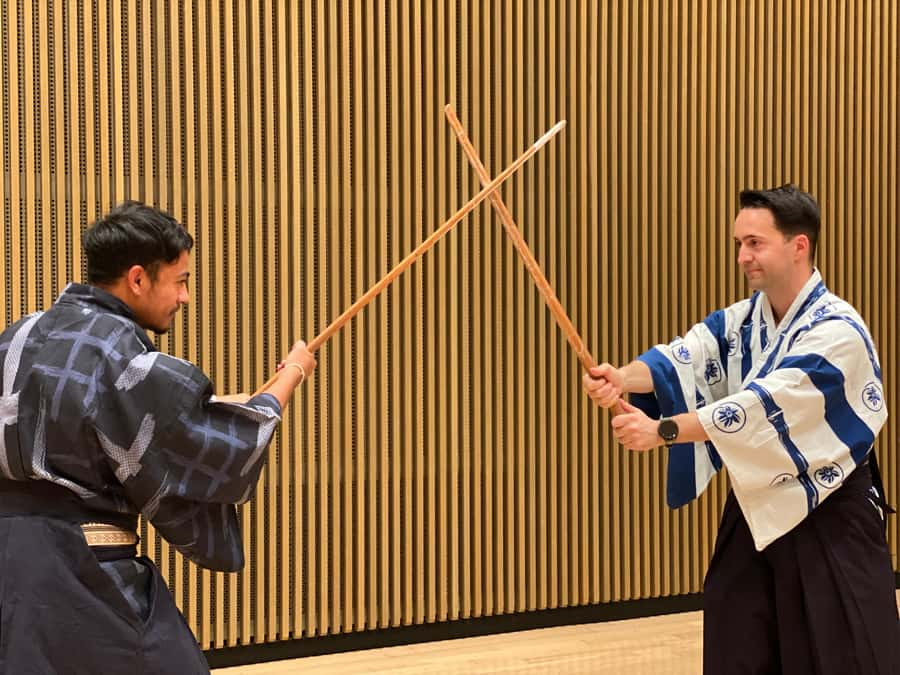
- Taking part in the sword-to-sword fight
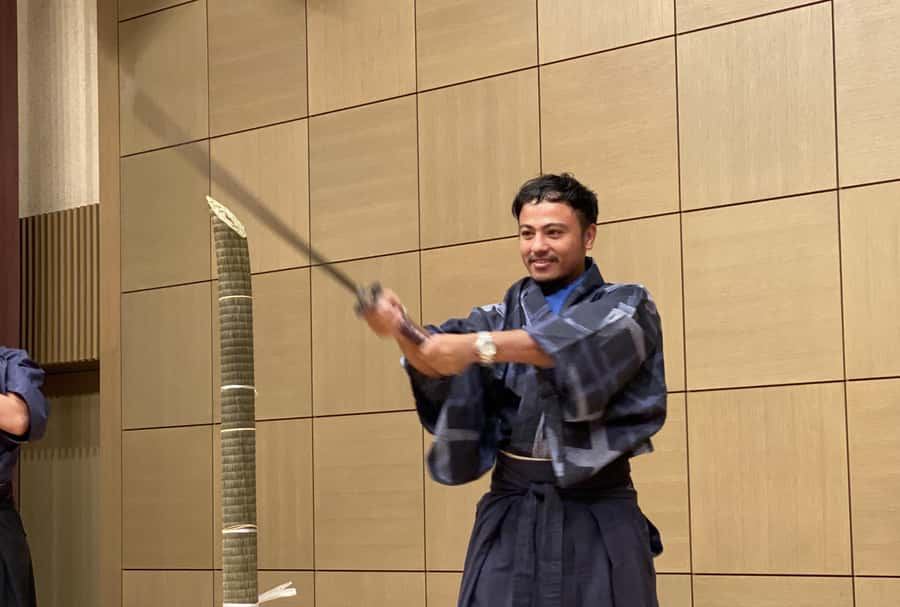
- Cutting objects with a genuine sword
- Video, photos, and the end of the session
- Who will get the most from this experience
- Is $102 a fair price?
- Booking tips for a smoother session
- Should you book the samurai experience?
- FAQ
- How long does the samurai experience last?
- How much does the experience cost?
- Where do I meet the staff?
- Can the meeting point change?
- How early should I arrive?
- Is the activity taught in English?
- What clothing should I bring?
- Can I cut objects with a real sword?
- Are photos and video included?
- Is the activity suitable for everyone?
Key points to know before booking
- Handle a real sword: Learn basic handling, forms, and movements before taking part in the cutting activity.
- Wear kimono and hakama: Reception includes dressing, changing, and a commemorative photo session.
- Watch Shiden-ryu technique: A demonstration introduces iai, drawing and sheathing, and traditional sword movements.
- Take part in sword combat: Uchikomi gives you a guided sword-to-sword practice sequence.
- Cutting is for ages 12 and up: The real-sword cutting portion is not available to younger participants.
- Bring a drink with a secure lid: You should also arrive 20 minutes early and wear comfortable clothes.
Holding a samurai sword in Tokyo
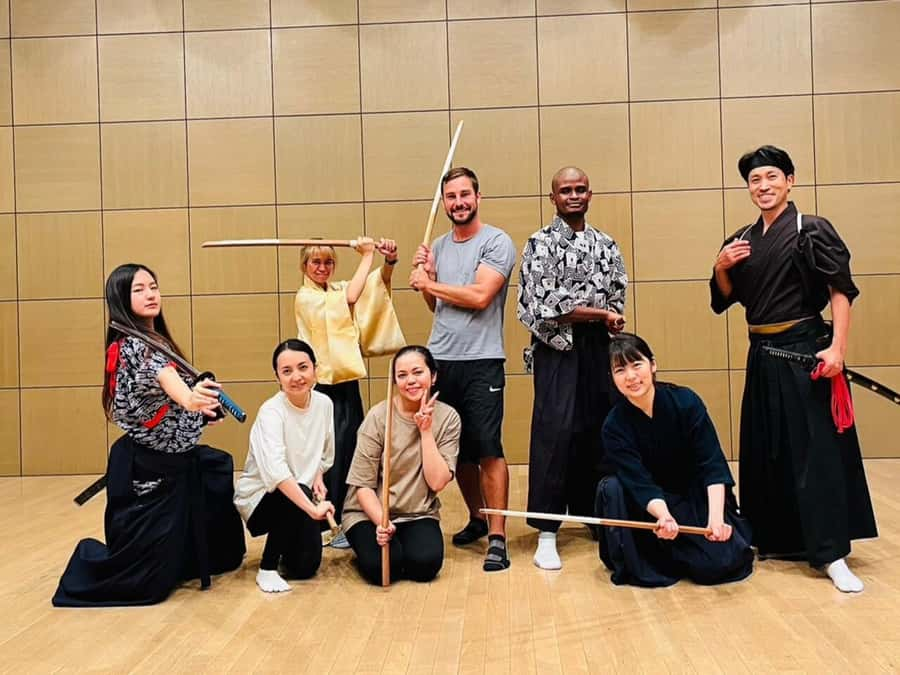
Many Tokyo cultural activities let you wear traditional clothing or pose with a prop. This one goes further. You learn how to handle a real sword, practice samurai forms, and take part in a structured sword-to-sword exchange.
That does not make you a trained swordsman in two hours. It does give you a short, focused introduction to the discipline behind the image of the samurai. The emphasis is on posture, etiquette, controlled movement, and respect for the weapon.
The experience costs $102 per person. That is not a bargain-priced costume rental, but the fee includes the coach, venue, English-speaking staff, kimono dressing, photography, instruction, and the activity itself. You also receive video and photos, which add value if you want a lasting record rather than only a few minutes in costume.
I would think of the price as paying for a guided cultural lesson with a strong photo and video component. If you only want to wear a kimono for pictures, cheaper options may suit you better. If you want to learn basic sword handling and try a real cutting exercise under supervision, the package makes more sense.
More Kimono & Culture Experiences in Tokyo
- Tokyo: Samurai Ninja Museum Guided tour and Experience
★ 4.6 · 1,010 reviews - Tokyo: Samurai Sword & Archery Class from Samurai Descendant
★ 5.0 · 603 reviews - Best Samurai Experience in Tokyo
★ 5.0 · 458 reviews
Meeting the coach and learning samurai etiquette
You begin at the appointed meeting place, after exiting the station ticket gates. Go through the west exit and down to ground level, where you should find McDonald’s. Look for staff holding a meeting board.
The meeting point may change within Tokyo depending on the date, so check the final instructions carefully. Arrive 20 minutes before the scheduled time. That extra time matters because the group still needs to meet, travel to the training center if required, and prepare for dressing.
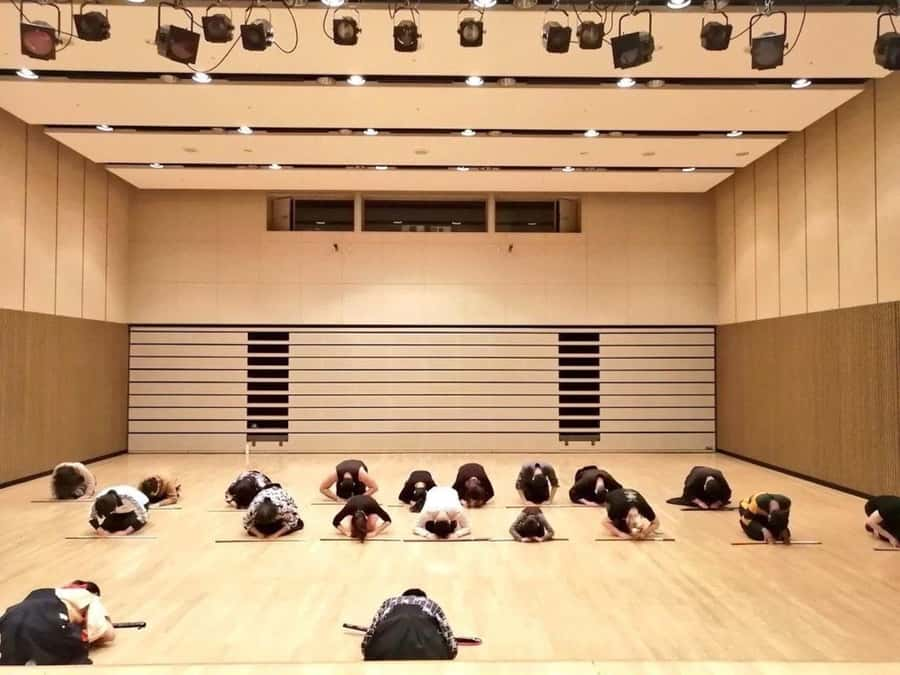
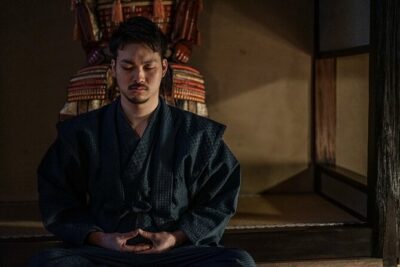
The session begins with an introduction to samurai rules and etiquette. You practice zarei, seated etiquette, which sets the tone for the lesson. This is a useful touch because it places sword handling in a wider cultural setting instead of treating the blade as a simple action prop.
English instruction is available. One account of the activity describes the hosts as not fully fluent in English, with Google Translate helping when needed. You should not expect a long academic lecture in English, but the main physical movements can be demonstrated clearly. If you want detailed explanations of Japanese history or philosophy, ask questions patiently and keep your phone ready for translation.
Coach Hiryu has been praised for explaining samurai history and philosophy, and calligraphy and a small meal have also been part of some sessions. The supplied activity details focus on swordsmanship, etiquette, dressing, photos, and video, so treat those additional elements as possible extras rather than guaranteed parts of every booking.
Kimono, hakama, and the practical side of dressing
After reception, you select and put on a kimono and hakama. The hakama is the pleated lower garment associated with martial arts and formal traditional dress. Together, the garments change your stance and movement before you even pick up a sword.
Wear comfortable clothes underneath. You should also bring a change of clothes, since you will change back at the end. Water is sensible, but use a bottle with a secure lid. An open cup has no place near swords, costumes, or training equipment.
The costume is not just decoration. It makes the movements easier to understand because the coach can correct your posture, footwork, and hand position within a traditional setting. At the same time, the outfit may feel unfamiliar if you are not used to sitting or moving in it. Follow the staff’s instructions rather than trying to adjust the garments yourself.
Photography is included, and the session ends with commemorative photos. This is a good point in the schedule for portraits, since you will already be dressed and have learned enough about the activity to pose naturally rather than simply holding a sword for the camera.
Watching iai and learning the sword basics
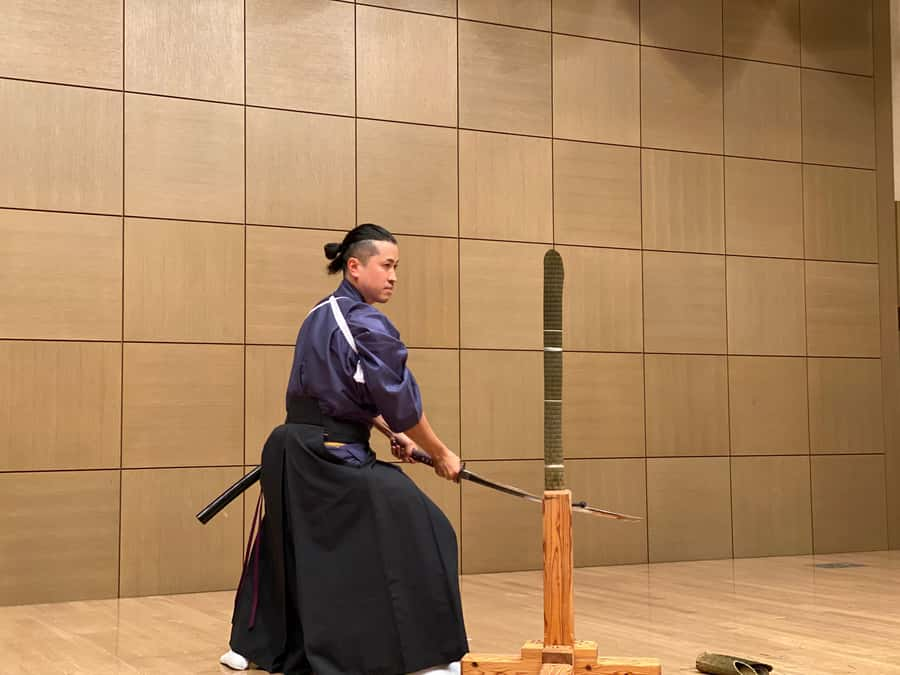
Before your own combat sequence, you watch a demonstration of iai and swordsmanship by Shiden-ryu. Iai focuses on drawing the sword, making a controlled movement, and returning the blade to its sheath. The action can look simple from a distance, but the lesson helps you notice the timing and precision involved.
You then learn how to hold and handle the sword safely. The program includes basic forms, body movements, and sword techniques. Expect instruction built around repetition and imitation. You watch the coach, copy the movement, and receive corrections.
This section is valuable because it slows down the fantasy. The samurai image often centers on speed, but the training begins with control. Your hands, feet, posture, and gaze all matter. A short lesson cannot provide mastery, yet it can give you a better sense of why traditional swordsmanship demands patience.
The demonstration also provides context for the later video. You are not simply handed a sword and told to swing. The sequence moves from etiquette to clothing, then to handling, forms, and combat. That order makes the activity feel organized and helps first-time participants know what comes next.
Same city, a completely different kind of day:
- Mt Fuji and Hakone 1-Day Bus Tour Return by Bullet Train
★ 5.0 · 26,383 reviews - 1-Day Tokyo Bus Tour
★ 5.0 · 14,250 reviews - Tokyo: TOKYO SKYTREE® Admission ticket
★ 4.5 · 11,192 reviews - Tokyo: teamLab Planets TOKYO Digital Art Museum Entry Ticket
★ 4.6 · 9,779 reviews
Taking part in the sword-to-sword fight
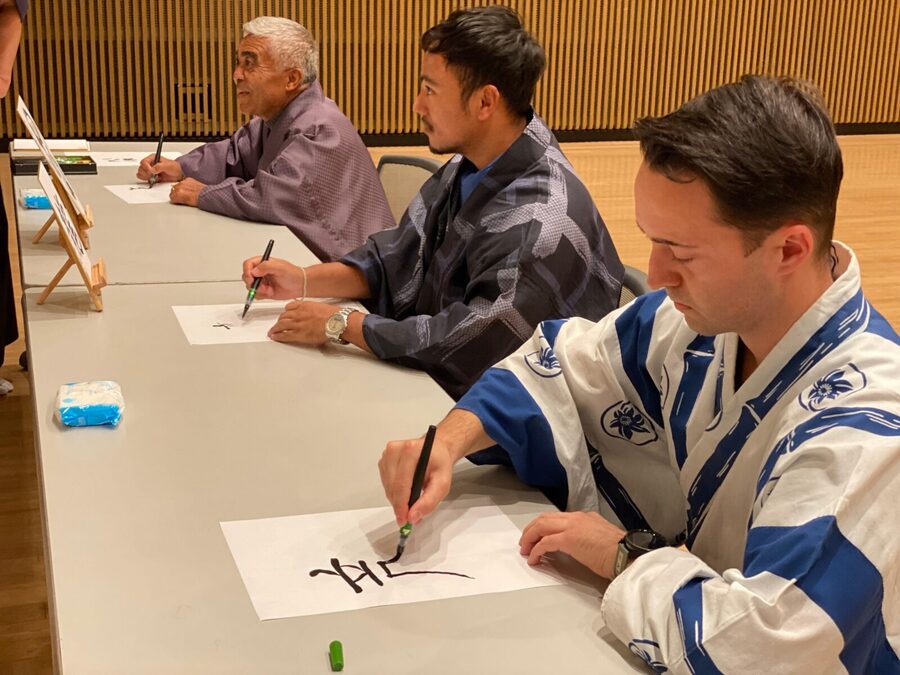
The activity includes uchikomi, a guided sword-to-sword combat practice. This is the most theatrical part of the session and likely the moment many people picture when they book.
The important word is guided. You learn the movement first, then take part in a structured exchange with the coach or another participant according to the instruction given on the day. You should treat it as a controlled demonstration and training exercise, not free sparring.
That distinction matters for safety and enjoyment. Your goal is to perform the sequence correctly, keep your posture, and respond to the movement in front of you. Trying to add speed or dramatic flourishes would work against the lesson.
I like this section because it turns the earlier forms into a shared activity. The sword is no longer only an object for photographs. You are using footwork and timing while someone else is moving with you. It also gives the camera a more active moment to record.
If you are nervous about physical coordination, do not worry about looking polished. The coach is there to lead the sequence. Listen carefully, keep your movements measured, and ask for a repeat if you miss an instruction.
Cutting objects with a genuine sword
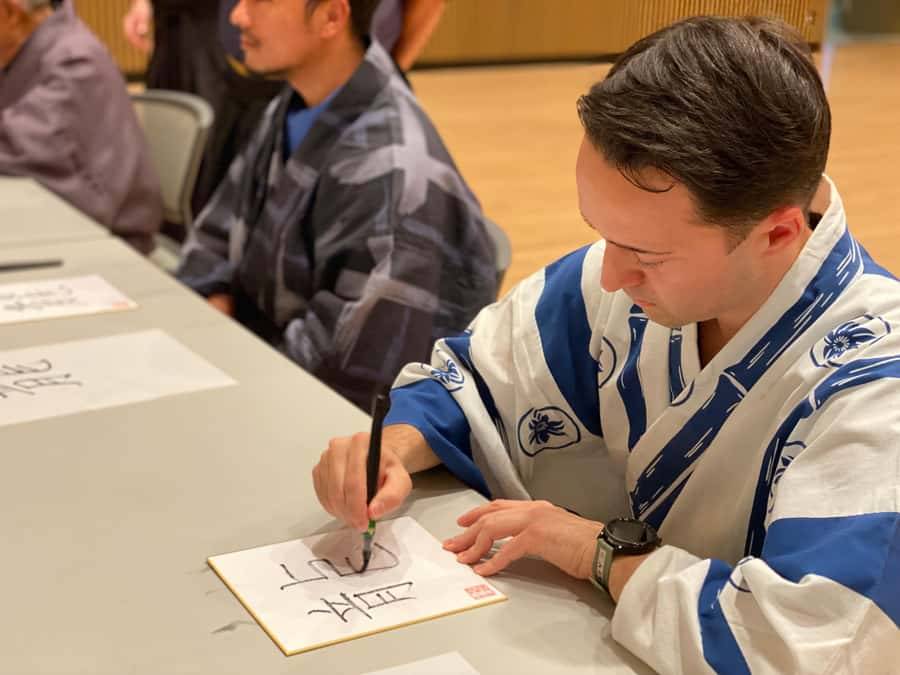
Participants aged 12 and older can cut objects with a real sword. This is separate from the basic sword lesson and is recorded on video. The activity description does not specify the cutting material, so you should not book expecting a particular target.
This is the portion that requires the most attention. A genuine blade deserves respect, and the coach’s directions should be followed exactly. Do not handle the sword casually, turn with it, or move before you are told.
The cutting session has two benefits. First, it gives you a practical exercise that feels different from the choreographed fight. Second, it creates a clear video souvenir. The recording lets you see your stance and movement later, which is more useful than a posed photograph if you want to remember the lesson itself.
The age rule is important for families. Children under 12 may be able to take part in other portions of the experience, but real-sword cutting is specifically limited to participants aged 12 and older. Confirm how the booking handles younger members before paying if your group includes children.
Video, photos, and the end of the session
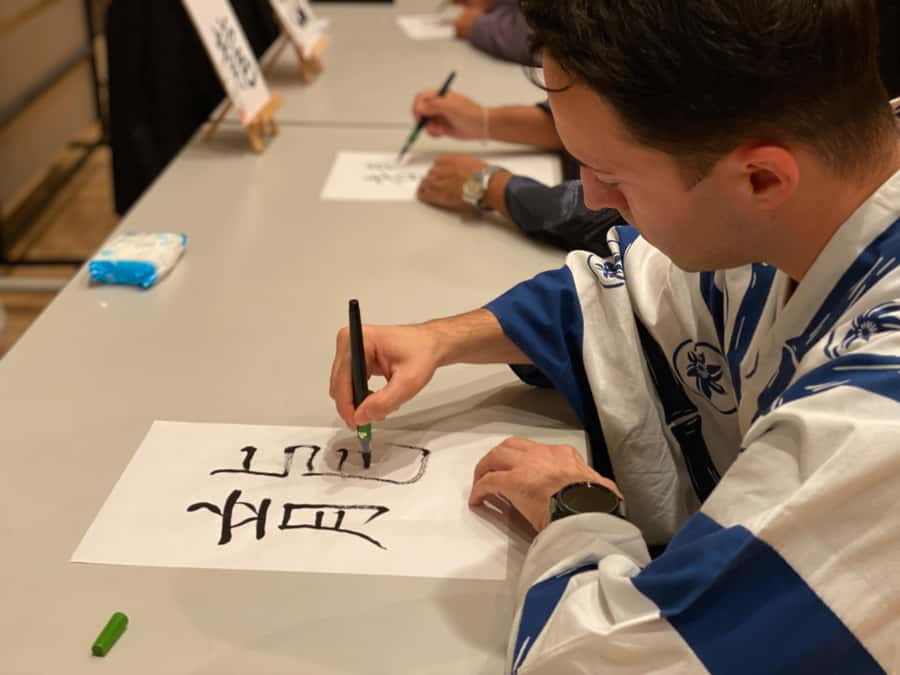
The presentation and video recording are built into the final part of the experience. You receive a video of your samurai experience to take home, with the cutting activity available for video recording as well. Photography charges are included, followed by a commemorative photo session.
This makes the activity a good choice for couples or families who want something to share after returning home. One couple particularly enjoyed being able to look back on the session, and one participant wished the training had lasted longer. That tells you something useful: the experience is designed as a compact introduction, not a full afternoon martial arts course.
The formal sequence ends with zarei, changing clothes, and a conclusion. The activity returns to the meeting point. You should allow some flexibility in your schedule because the advertised duration is two hours, while meeting, dressing, filming, and changing all form part of that time.
If you are comparing this with a longer martial arts class, note the difference. Here you get a compact package with costume, etiquette, demonstration, combat practice, cutting, and keepsakes. A specialist school may give you more technical training, but probably not the same combination of cultural presentation and souvenir media.
Who will get the most from this experience
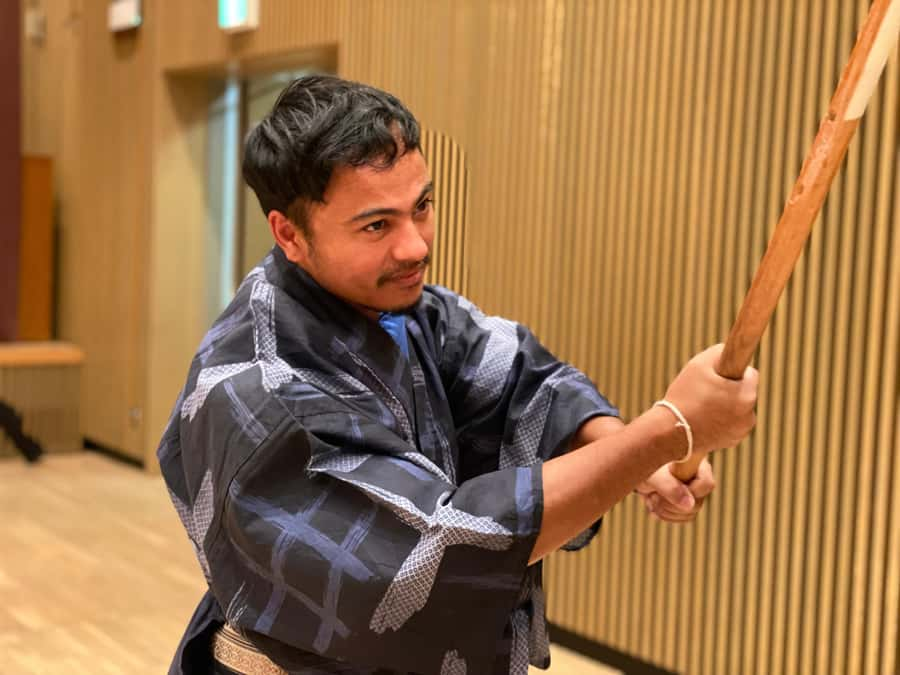
I would recommend this activity to first-time visitors who want a hands-on introduction to samurai culture rather than a museum explanation. It also suits couples, families with older children, and anyone who enjoys guided role-play with a serious cultural basis.
It is especially good for people who want:
- A traditional costume experience with more substance than posing
- A chance to learn how a sword is drawn and sheathed
- A short introduction to iai and samurai forms
- A filmed activity to share at home
- A distinctive Tokyo memory beyond food, shopping, and city views
You may want to choose something else if you dislike changing clothes, sitting in formal positions, or following precise physical instructions. It is also not suitable for pregnant women or wheelchair users. Smoking is not allowed, and alcoholic drinks are not allowed in the vehicle.
The experience can work for a mixed-age family, but remember the 12-and-over rule for cutting with a real sword. English support is available, though communication may occasionally be helped by translation software.
Is $102 a fair price?
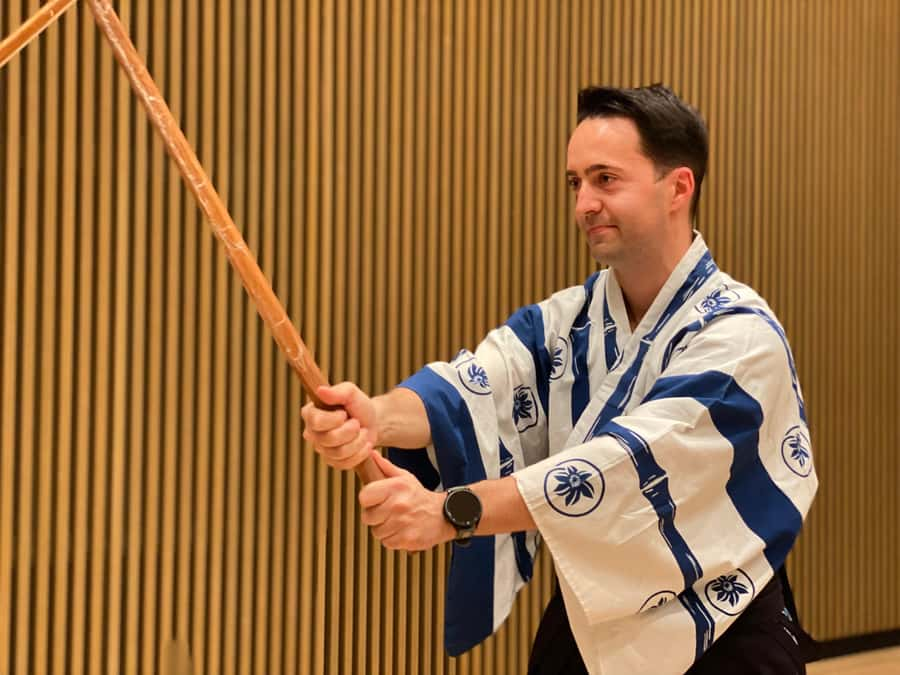
At $102, this is a mid-range Tokyo cultural activity. The price is easier to justify if you value the complete package: professional coaching, venue access, English-speaking staff, costume dressing, photography, video, sword instruction, and a real-sword cutting session for eligible participants.
The video and photos are not minor extras. They turn the two-hour lesson into something you can revisit. If your trip includes a special birthday, anniversary, or family occasion, that record may make the cost feel worthwhile.
The price is less attractive if your main aim is a quick kimono photo. You are paying for instruction and controlled participation, so use the lesson fully. Ask questions, pay attention during the demonstration, and take the movement practice seriously.
The rating is 4.7 from 17 ratings, which suggests strong satisfaction but is still a small sample. I would take that as a positive sign, not a guarantee that every session will be identical. The meeting point, staff mix, and any extras such as calligraphy or food can vary.
Booking tips for a smoother session
Give your height and weight on the reservation form. This helps staff prepare suitable clothing and makes dressing more efficient.
Arrive 20 minutes early at the stated meeting point. Since the location may change within Tokyo, do not rely only on an old map pin. Read the latest meeting instructions before leaving your hotel.
Bring comfortable clothes, a change of clothes, and water in a bottle with a secure lid. Avoid alcohol before the activity, and do not smoke during it.
If you have any physical limitations, check suitability before booking. The activity is not suitable for wheelchair users or pregnant women. Participants aged 12 and older can take part in real-sword cutting, while the information provided does not confirm that younger children can join every other portion.
Free cancellation is available up to 14 days before the activity for a full refund. That gives you some protection if your Tokyo plans change, but the cutoff is much earlier than the cancellation window for many ordinary sightseeing activities.
Should you book the samurai experience?
Book it if you want more than a costume photograph. The combination of kimono and hakama, seated etiquette, Shiden-ryu demonstration, guided sword combat, genuine-sword cutting, and video makes this a memorable two-hour activity.
I would be more cautious if you need fluent, detailed English throughout or want serious martial arts training. The instruction is in English, but translation software may help, and the session is an introduction rather than a long course.
For most people, the deciding question is simple: do you want to handle a real sword under a coach’s direction and bring home proof of the experience? If yes, $102 is reasonable for the amount included. If not, spend the money on a less structured costume rental or a longer martial arts class.
FAQ
How long does the samurai experience last?
The activity lasts two hours. Check availability for the available starting times.
How much does the experience cost?
The listed price is $102 per person.
Where do I meet the staff?
After exiting the ticket gates, use the west exit and go down to ground level, where you should find McDonald’s. Meet staff holding a meeting board.
Can the meeting point change?
Yes. The meeting location may vary within Tokyo depending on the date. You will be notified if it changes.
How early should I arrive?
Arrive 20 minutes before the scheduled meeting time.
Is the activity taught in English?
Yes. English-speaking staff and an English instructor are provided.
What clothing should I bring?
Bring comfortable clothes and a change of clothes. You will dress in a kimono and hakama during the experience.
Can I cut objects with a real sword?
Yes, but the real-sword cutting activity is available only to participants aged 12 and older.
Are photos and video included?
Photography charges are included, and you receive a video and photos of your samurai experience as keepsakes.
Is the activity suitable for everyone?
It is not suitable for pregnant women or wheelchair users. Smoking is not allowed, and alcoholic drinks are not allowed in the vehicle.
Just added around Tokyo
- Private Memorable Tokyo Tour with English Speaking Driver★ 5.0 · 30 reviews
- Private Tokyo Custom Full-Day Tour by Chartered Vehicle★ 5.0 · 16 reviews
- Private Sightseeing to Mt Fuji and Hakone with English Driver★ 5.0 · 51 reviews
- Tokyo Photography Masterclass – Private Photography Lesson★ 5.0 · 25 reviews
- 4 Day Tour – Mount. Fuji, Tokyo, Hakone, Kamakura and Yokohama★ 5.0 · 19 reviews
- Private Mt. Fuji Day Trip from Tokyo with English-Speaking Driver★ 5.0 · 33 reviews
- Private Unforgettable Mt Fuji Tour with English Speaking Driver★ 5.0 · 142 reviews
- Private Tokyo Food Tour – A Journey Through Time Through Food★ 5.0 · 36 reviews
Kimono & Culture Experiences, compared.

Kyoto Geisha Walking Tour: Gion District & Hidden Gems
Read our review →
Gion Magical Night Walking Tour with Geisha Trivia
Read our review →
Gion Geisha District Walking Tour – Stories of Geisha
Read our review →
Best of Kyoto: Gion, Geisha, Pagodas & Cobblestones
Read our review →

Kyoto Gion Geisha District Walking Tour – The Stories of Geisha
Read our review →
Browse the lists this tour appears in