
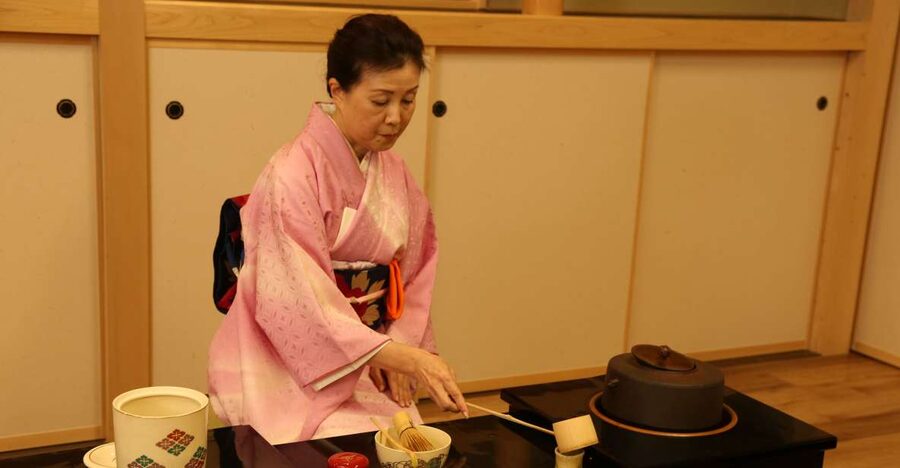
REVIEW · TEA CEREMONY EXPERIENCES
Tokyo: Practicing Zen with a Japanese Tea Ceremony
The heart of this experience is not simply drinking matcha. You watch a tea master turn each movement into a lesson in attention, respect, and calm, then repeat the ceremony yourself. It is a rare chance to move from spectator to participant in just 75 minutes.
I like the small group of up to 10, which makes it easier to see the utensils and follow the hand movements. I also like the thoughtful seating setup: you can experience the ceremony without sitting on the floor. The main drawback is that the class takes place in a city building, so nearby activity can sometimes disturb the quiet mood.
In This Review
- Key points
- What the 75-minute tea class is really about
- Watching the tea master prepare matcha
- Matcha and the sweet served beside it
- The Zen connection, explained without heavy theory
- Taking your turn with the tea utensils
- A comfortable room opposite Tokyo Tower
- Who will get the most from this experience
- Is $63 a fair price in Tokyo?
- Practical tips for a calm visit
- Should you book this tea ceremony?
- FAQ
- How long does the Japanese tea ceremony experience last?
- Where do I meet the instructor?
- Is transportation included?
- Is the activity taught in English?
- Do I have to sit on the floor?
- Can children take part?
Key points
- You watch first, then prepare matcha yourself, with the instructor guiding each stage.
- Zen is explained in practical terms, through the ceremony’s movements, tools, art, and setting.
- A traditional sweet is served with the tea, showing how the flavors are meant to work together.
- Floor seating is optional, making the session more comfortable for people with mobility concerns.
- The meeting point is opposite Tokyo Tower, but you must arrange your own transportation.
- English instruction and a 10-person maximum make this a useful introduction for first-time visitors.
What the 75-minute tea class is really about
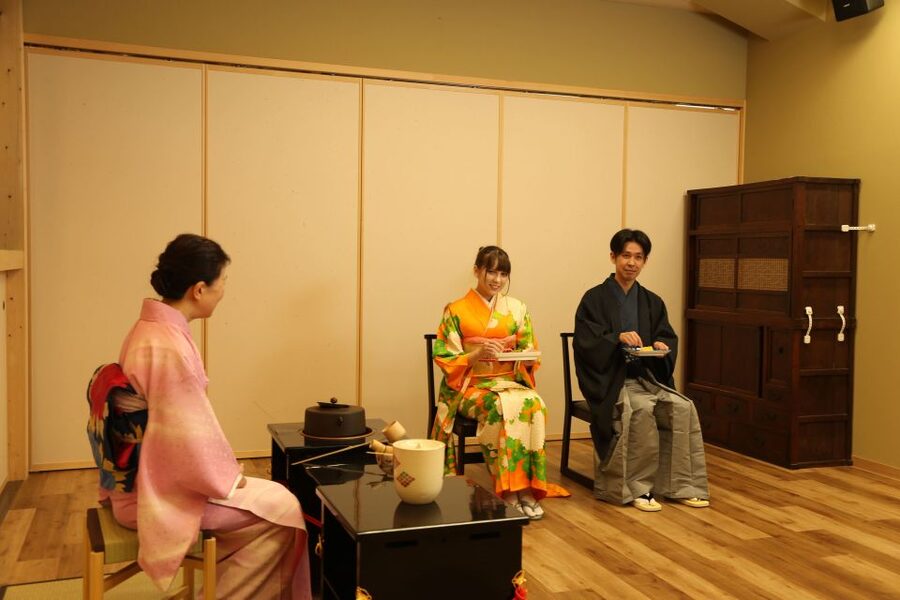
A Japanese tea ceremony can look slow and formal from the outside. This session helps you understand why. Every action has a purpose, from handling the tea scoop to turning the bowl and presenting it with care.
You begin by watching the instructor prepare matcha. The demonstration lets you see the full rhythm before you try anything yourself. That order matters. Without it, the ceremony can feel like a string of rules. After seeing the pattern, you can pay attention to the details instead of wondering what comes next.
The instructor also explains the background of the ceremony and its connection with Zen Buddhism. You learn that the practice is not only about tea. It gives importance to the present moment, the relationship between host and visitor, and the careful use of simple objects.
The pace is gentle rather than rushed. You have enough time to taste the tea and sweet, ask questions, and perform a second ceremony with guidance. Still, 75 minutes is an introduction, not a full study of Japanese tea culture. If you want a long period of silent meditation or advanced instruction, this will feel brief.
More Tea Ceremony Experiences in Tokyo
- Matcha Making Class in Tokyo with Authentic Japanese Sweets Set
★ 5.0 · 744 reviews - Tokyo: Traditional Tea Ceremony with a Tea Master
★ 5.0 · 528 reviews - Tokyo: Matcha Making Experience with Mochi Sweets in Asakusa
★ 4.9 · 388 reviews
Watching the tea master prepare matcha
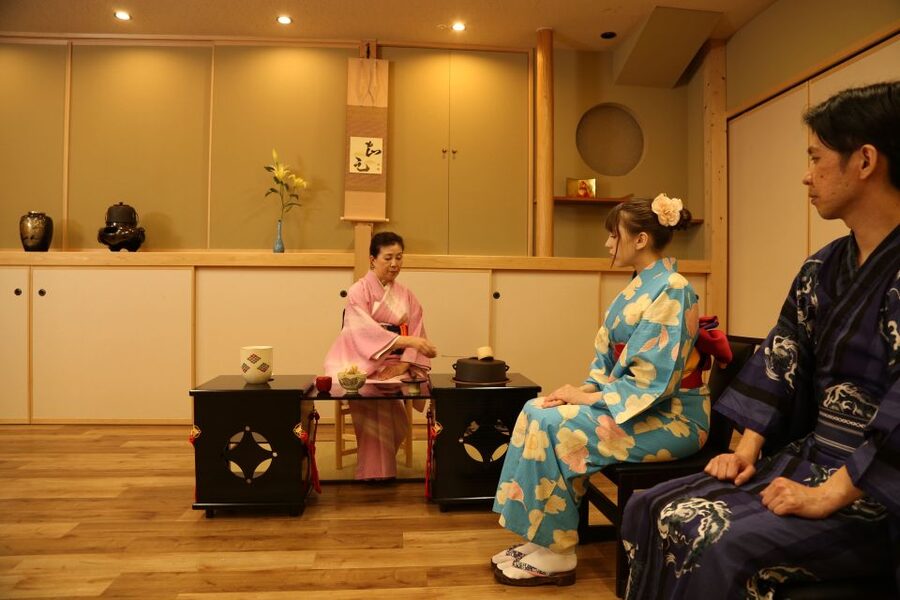
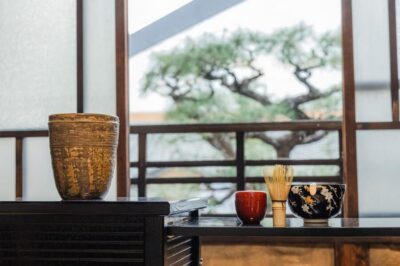
The first ceremony is the visual center of the class. Your instructor handles the tea utensils in a set order, showing how preparation becomes a form of communication.
You will learn about the specific tools used for matcha and how each fits into the ceremony. The focus is not on memorizing Japanese terms for their own sake. The explanations help you understand why the objects are placed, cleaned, lifted, or turned in particular ways.
This is where the class earns its value. A quick cultural demonstration can leave you with attractive photographs but little understanding. Here, you are encouraged to notice the gestures and the reasoning behind them. The ceremony becomes easier to appreciate once you see that the quiet movements are deliberate rather than decorative.
English is used throughout. Instructors who have led sessions include Junko, Ken, and Midori, and the teaching style is personal and clear. Your particular teacher may be different, but the format is designed for people with no previous experience.
The best approach is to watch with patience. Do not worry if you cannot remember every step. The aim is to understand the spirit of the ceremony before attempting it.
Matcha and the sweet served beside it
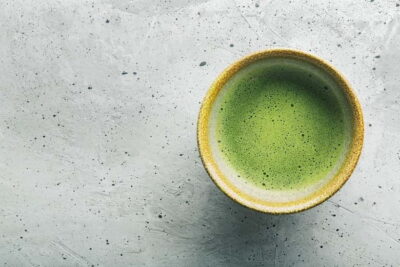
The tasting is simple, but it adds an important sensory part to the lesson. You receive matcha green tea with a traditional Japanese confection specially paired with it.
The sweet is not just a snack before the main activity. Its sweetness balances the strong, grassy taste of matcha. Trying the two together helps you understand one small piece of the ceremony that can be missed when you only focus on etiquette.
Matcha is whisked rather than brewed like ordinary loose-leaf tea. It has a fuller taste and a different texture, so first-time drinkers may need a moment to adjust. The class gives you a setting where you can try it without pressure or embarrassment.
The food and drink are included in the $63 price. That price also covers both the demonstration and your own attempt, which makes the experience more useful than a short tea tasting. You are paying for instruction and cultural context, not only for a cup of tea.
The Zen connection, explained without heavy theory
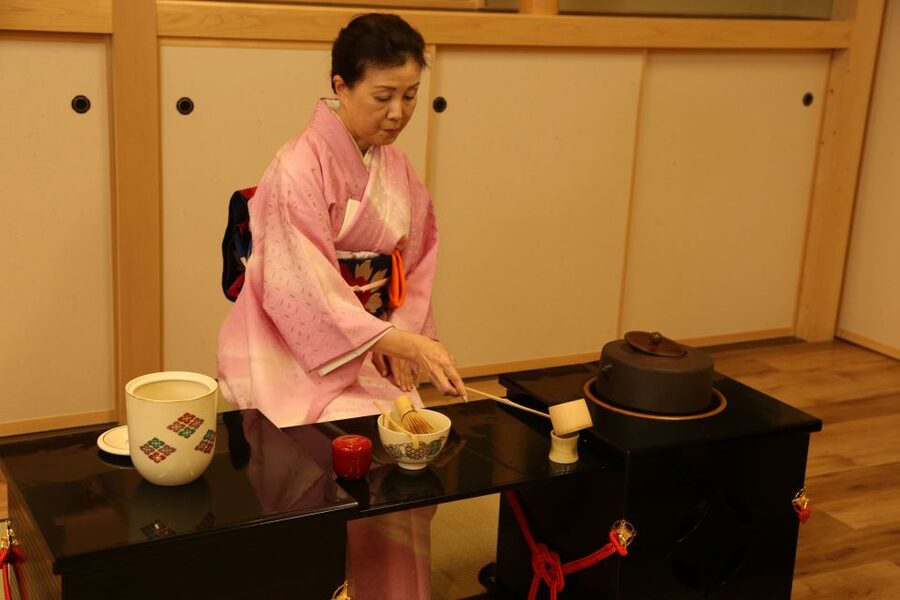
Zen Buddhism can sound abstract when explained in a classroom. This experience links it to things you can see and do.
The instructor discusses how peace of mind is expressed through Japanese art and architecture, then connects those ideas to the tea ceremony. Attention to space, movement, objects, and the person in front of you all become part of the practice.
You are not expected to meditate for a long period or follow a religious ritual. Instead, you get a brief look at the values behind the ceremony. Quiet behavior is part of the setting, and making noise is not allowed. That rule is practical: spoken explanations are easier to follow, and the ceremony needs a calm room to make sense.
One useful point is that the ceremony is still performed in parts of modern Japanese society. It is not presented only as an old custom preserved for visitors. The lesson helps you see why people continue to value the practice today.
Keep your expectations sensible. This is a cultural introduction with a Zen theme, not a full Zen training session. One person felt the Zen exercise was too short, and that is a fair criticism. If Zen is your main reason for booking, you may want a longer retreat or temple program as well.
Same city, a completely different kind of day:
- Mt Fuji and Hakone 1-Day Bus Tour Return by Bullet Train
★ 5.0 · 26,383 reviews - 1-Day Tokyo Bus Tour
★ 5.0 · 14,250 reviews - Tokyo: TOKYO SKYTREE® Admission ticket
★ 4.5 · 11,192 reviews - Tokyo: teamLab Planets TOKYO Digital Art Museum Entry Ticket
★ 4.6 · 9,779 reviews
Taking your turn with the tea utensils
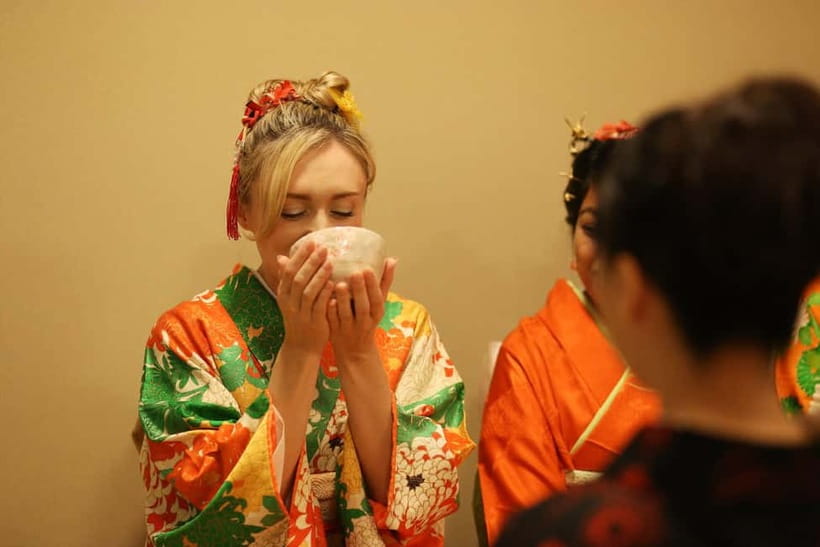
After the demonstration, you perform a second tea ceremony yourself. This is the part that changes the experience from a show into a class.
Your instructor guides you through the movements and explains what to do as you go. You do not need prior knowledge of matcha, Japanese etiquette, or tea utensils. The instruction is structured so that you can copy the sequence you have just watched.
Expect to concentrate. The gestures may look easy when someone else performs them, but handling unfamiliar tools while remembering the order takes attention. That is part of the appeal. You begin to feel why the ceremony values care over speed.
The instructor also explains the meaning behind many actions, not just their mechanics. That extra context keeps the exercise from becoming a rehearsal of empty motions. You are learning how the host creates a respectful exchange, not simply how to whisk a drink.
A small group helps here. With no more than 10 people, you should have a clearer view of the demonstration and enough support while practicing. Some sessions may feel almost private, especially when the number of participants is low.
A comfortable room opposite Tokyo Tower
The meeting point is the main entrance on the first floor of the Kikai Shinko Kaikan building, directly opposite Tokyo Tower. If you cannot find the instructor there, go to True Japan Tour in Room B109 on the basement level.
Transportation is not included, so allow time to reach the building on your own. The Tokyo Tower location gives you a clear landmark, but you should still check the exact building entrance before arriving. A famous tower nearby does not always make a city office building easy to identify at street level.
Inside, the room is arranged to feel like a tea room. You can sit on the floor if you want the more traditional posture, but chairs are available for anyone who prefers not to. This is a practical advantage, especially if kneeling is painful or difficult.
The space is wheelchair accessible. That does not mean every part of the traditional posture is required. You can take part while seated comfortably, which keeps the cultural lesson open to more people.
There is one possible atmosphere issue. The room may not be fully soundproof, and activity next door can sometimes be audible. Most of the class remains focused on the tea ceremony, but visitors seeking total silence should know that this is an indoor urban venue, not a secluded temple.
Who will get the most from this experience
This class suits first-time visitors to Japan who want more than a quick photo with a bowl of matcha. You receive an explanation of the ceremony, a taste of tea and sweets, and direct practice.
It is especially useful if you enjoy learning by doing. Watching an instructor is interesting, but handling the utensils yourself makes the sequence easier to remember. You leave with a better sense of how much discipline sits behind the ceremony’s calm appearance.
It also works well for couples, families with older children, and small groups of friends. Children under 4 are not permitted, and the quiet format may not suit very young children who cannot remain still.
People interested in Japanese art, architecture, religion, or etiquette will find plenty to consider. The class gives you a compact introduction to all four without requiring a full day at a museum or temple.
This may not be the right choice if you want a lavish meal, a long meditation, or a ceremony held in an historic temple. The setting is a modern building, and the experience is short. Its strength is access and instruction, not grandeur.
Is $63 a fair price in Tokyo?
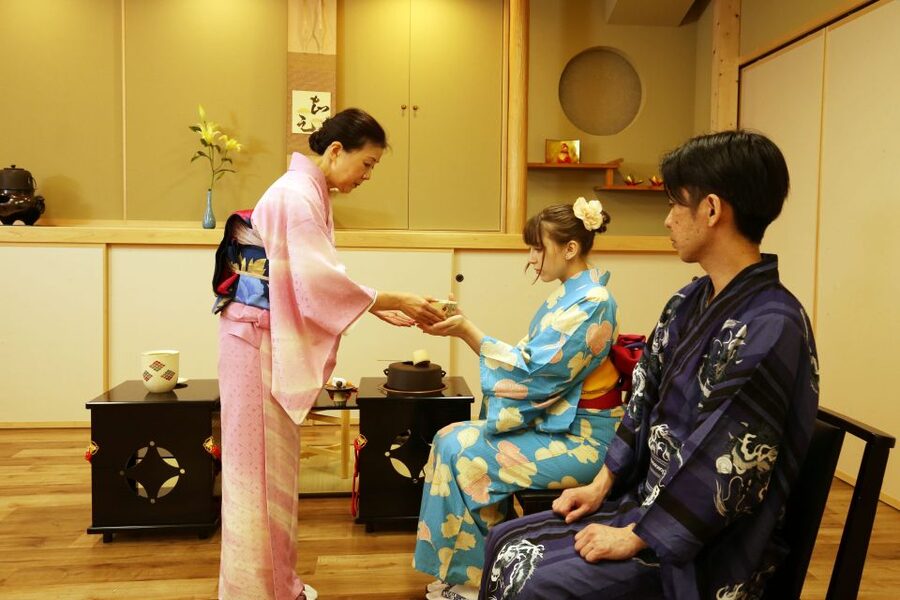
At $63 per person, this is not the cheapest way to drink matcha in Tokyo. You could find tea in a café for far less. That comparison misses the point, though.
The price includes a guided demonstration, traditional confection, matcha, an explanation of Zen and the ceremony’s tools, and a second ceremony performed by you. The hands-on part is the key value. You are not paying only for refreshments. You are paying for access to a practice that is difficult to understand from casual observation.
The small group also matters. A large demonstration could offer the same tea but less chance to see the movements or receive help. With a maximum of 10 people, the instructor can keep the class personal.
For a short cultural activity near Tokyo Tower, the cost is reasonable if you value context and participation. It is less appealing if you mainly want to taste matcha or take a few pictures.
Free cancellation up to 24 hours before the start gives you some flexibility, and you can reserve now and pay later. Those policies are useful in Tokyo, where weather, jet lag, and crowded sightseeing days can change your plans.
Practical tips for a calm visit
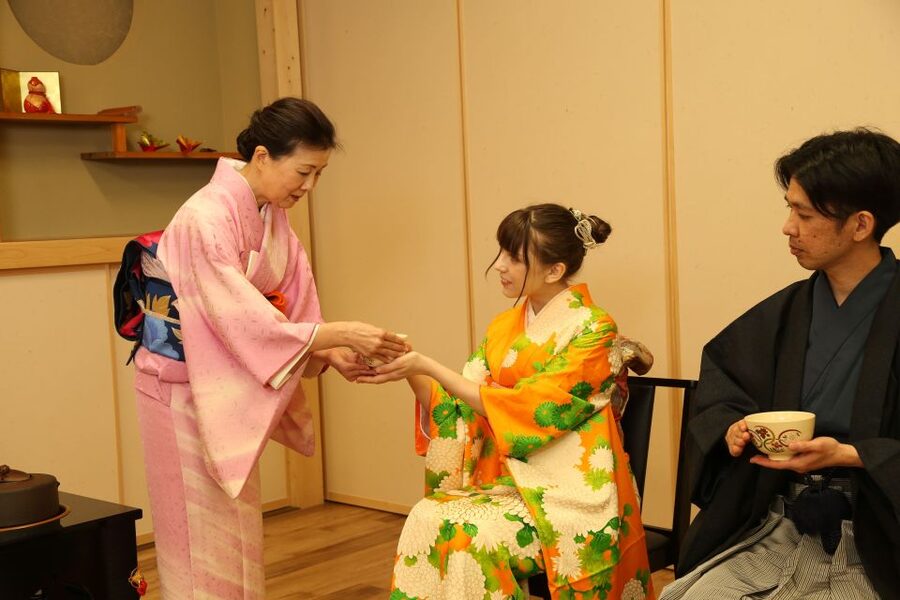
Arrive with enough time to find the Kikai Shinko Kaikan entrance. The building is opposite Tokyo Tower, and the backup location is True Japan Tour, Room B109 on the basement level.
Wear clothing that lets you sit comfortably. Floor seating is optional, but you may still want to choose clothes that do not restrict your movement while you practice the ceremony.
Keep your phone quiet and avoid unnecessary noise. The rule against making noise is part of preserving the mood and helping everyone hear the instructor.
Do not worry about getting each gesture perfect. The instructor expects beginners and guides you through the second ceremony. Focus first on the order and the reason behind each movement.
If you have mobility concerns, use the chair seating. The activity is wheelchair accessible, and the room can accommodate people who cannot sit on the floor.
Plan the rest of your day with care. Some people find that the calm mood stays with them afterward, but the Zen portion itself is short. Pairing the class with Tokyo Tower sightseeing could make a convenient half-day around the same area.
Should you book this tea ceremony?
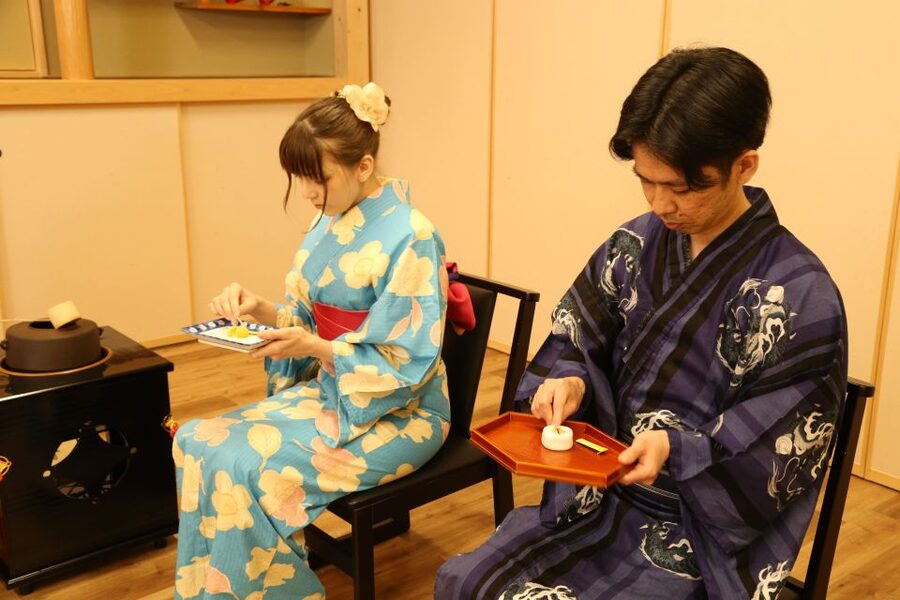
Book it if you want a clear, hands-on introduction to Japanese tea culture. The strongest parts are the careful English instruction, the small class size, the chance to prepare matcha yourself, and the explanation of how Zen shapes the ceremony.
The experience is particularly good for beginners. You do not need to know the etiquette in advance, and you can choose chair seating instead of sitting on the floor. Instructors such as Junko, Ken, and Midori have made the session warm and easy to follow.
Think twice if you want a silent spiritual retreat, a historic temple setting, or a longer Zen practice. The modern venue may carry some background noise, and 75 minutes leaves only a short time for the Zen exercise.
For most visitors, I would book it as a focused cultural lesson rather than a grand ceremonial event. You taste the tea, learn the reasons behind the gestures, and then try the tradition with your own hands. That is a good return for 75 minutes in Tokyo.
FAQ
How long does the Japanese tea ceremony experience last?
The experience lasts 75 minutes. It includes the instructor’s demonstration, explanations about the ceremony and Zen Buddhism, matcha and a traditional sweet, and a second ceremony performed by you.
Where do I meet the instructor?
Meet the instructor at the main entrance on the first floor of the Kikai Shinko Kaikan building, directly opposite Tokyo Tower. If you cannot find the instructor, visit True Japan Tour in Room B109 on the basement level.
Is transportation included?
No. You must make your own way to the meeting point.
Is the activity taught in English?
Yes. The instructor teaches in English.
Do I have to sit on the floor?
No. Seats are available for people who prefer not to sit on the floor.
Can children take part?
Children under 4 years old are not permitted to join the activity.
Just added around Tokyo
- Private Memorable Tokyo Tour with English Speaking Driver★ 5.0 · 30 reviews
- Private Tokyo Custom Full-Day Tour by Chartered Vehicle★ 5.0 · 16 reviews
- Private Sightseeing to Mt Fuji and Hakone with English Driver★ 5.0 · 51 reviews
- Tokyo Photography Masterclass – Private Photography Lesson★ 5.0 · 25 reviews
- Private Mt. Fuji Day Trip from Tokyo with English-Speaking Driver★ 5.0 · 33 reviews
- 4 Day Tour – Mount. Fuji, Tokyo, Hakone, Kamakura and Yokohama★ 5.0 · 19 reviews
- Private Unforgettable Mt Fuji Tour with English Speaking Driver★ 5.0 · 142 reviews
- Private Tokyo Food Tour – A Journey Through Time Through Food★ 5.0 · 36 reviews
Tea Ceremony Experiences, compared.
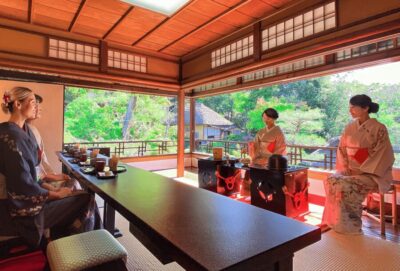
Tea Ceremony in a Traditional Tea House in Kiyomizu
Read our review →

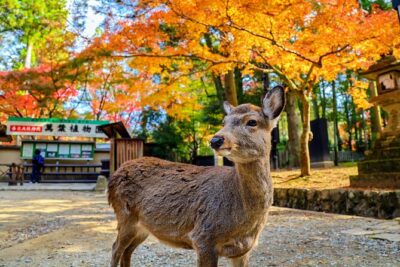
World Heritage Kyoto & Nara Uji Authentic Matcha Experience
Read our review →
Browse the lists this tour appears in