
REVIEW · KIMONO & CULTURE EXPERIENCES
Tokyo : Authentic Samurai Experience in a Private Space.
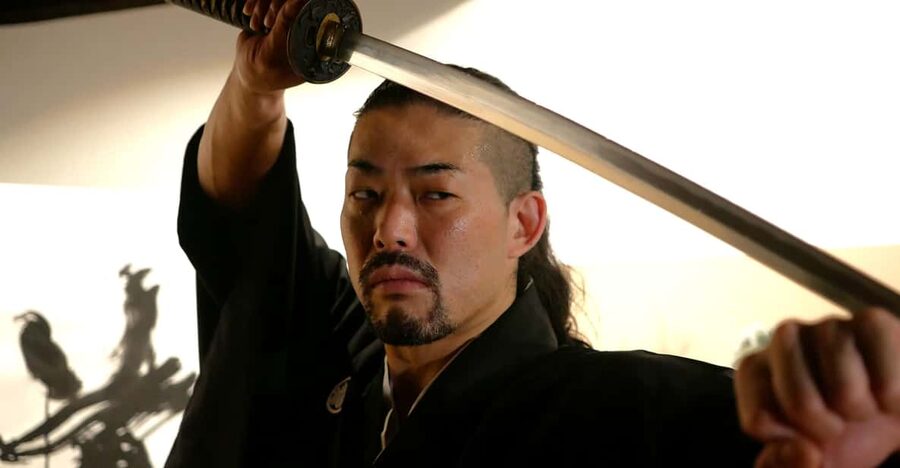
Handling a real katana in an old Japanese house is the heart of this 90-minute Tokyo experience. You begin by putting on formal samurai dress, then learn how to draw, hold, swing, and sheath the sword before facing a real samurai in a carefully controlled exchange.
I like the tiny group size, limited to three people, because you get room for questions and personal correction. I also like the calm ending: Japanese tea, conversation, and photos in a traditional private home rather than a noisy stage show.
The main consideration is the price, $322 per person. That is a serious spend for 90 minutes, and the session is not suited to pregnant women, people with mobility impairments, or children under 10. Still, the close instruction and real sword work make it a special choice for the right visitor.
In This Review
- Key points at a glance
- What the 90-minute Bushido session feels like
- Putting on formal samurai clothing
- Learning Bushido before touching the sword
- Drawing, holding, and swinging a real katana
- Facing a real samurai in a safe exchange
- Photos in an old Japanese home
- Japanese tea and a quieter finish
- Is $322 per person a fair price?
- Who should book this experience?
- Practical details before you go
- My verdict: a costly but memorable choice
- FAQ
- Where does the samurai experience take place?
- How long does the experience last?
- How much does the experience cost?
- How many people can join the group?
- Is the experience available in English?
- Do I need previous sword experience?
- Will I wear samurai clothing?
- Do I use a real sword?
- Is the sword exchange safe?
- Who should not join the activity?
- Is Japanese tea included?
- Can I cancel for a refund?
- Do I have to pay when I book?
Key points at a glance
- Real katana handling: Learn basic sword etiquette, drawing, holding, swinging, and sheathing with a real Japanese sword.
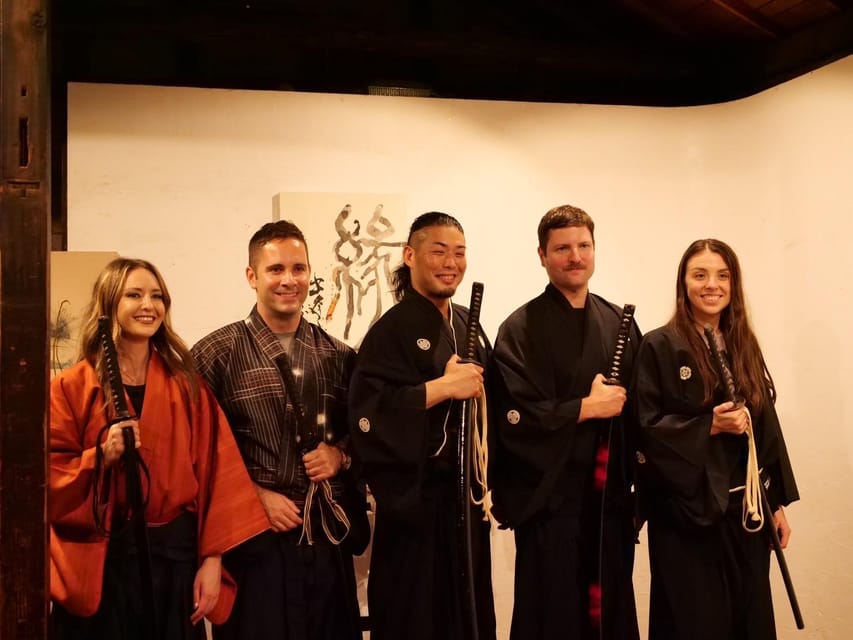
- Formal samurai clothing: Change into a kimono-style outfit before training and take a traditional Japanese photo.
- Private-house setting: The session takes place in an old Japanese home, giving the experience a quiet, personal feel.
- Three-person maximum: A small group allows the instructor to correct your movements and answer questions.
- Bushido instruction: The program covers samurai etiquette and the ideas behind Bushido, not only sword motions.
- Tea and conversation: Finish with Japanese tea served by Yukari after the active part of the session.
What the 90-minute Bushido session feels like
This is not a long museum lecture followed by a quick photo opportunity. You take part from the start. The experience combines clothing, manners, sword technique, a staged fight, and tea into one compact visit.
The setting matters. You enter an old private house, follow a sign near the meeting point, and go through the entrance as directed. This is a smaller, more intimate place than a large cultural attraction. With no more than three participants, you can expect the instructor to see what you are doing rather than simply demonstrate from across a room.
The program is taught in Japanese and English. The instructor, identified as Musashi-oka, leads the Bushido and sword work. Yukari helps with clothing, takes photos, and serves the tea. That division gives the session a friendly, hands-on rhythm.
You should expect a cultural activity with physical movement, not a full martial arts course. The time is enough to learn the basic sequence and try it yourself, but not enough to develop advanced sword skill. That is part of the appeal: you get a vivid introduction without needing previous training.
More Kimono & Culture Experiences in Tokyo
- Tokyo: Samurai Ninja Museum Guided tour and Experience
★ 4.6 · 1,010 reviews - Tokyo: Samurai Sword & Archery Class from Samurai Descendant
★ 5.0 · 603 reviews - Best Samurai Experience in Tokyo
★ 5.0 · 458 reviews
Putting on formal samurai clothing
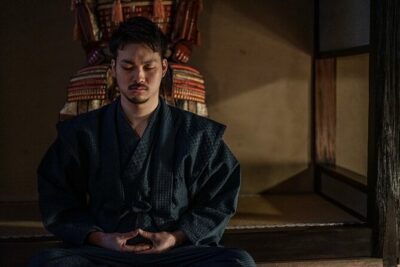
The session begins with the kimono dressing experience. This is more than a costume change. The clothing helps you shift into the etiquette and posture expected during the lesson, and it creates the visual setting for the photos later.
Yukari assists with the dressing, which is useful if you have never worn Japanese formal clothing. You do not need to arrive knowing how to tie or arrange anything. The process also gives you a quiet start before the sword instruction begins.
The outfit makes this a good activity for couples, friends, and solo visitors who want a photograph that feels connected to Japanese tradition. You can dress as part of the experience rather than simply pose beside a prop.
Keep your expectations sensible. The supplied details do not promise a long historical costume presentation or a choice of several outfits. The value is in wearing the clothing during the lesson, learning how it fits into the setting, and using it for a memorable photo.
Learning Bushido before touching the sword
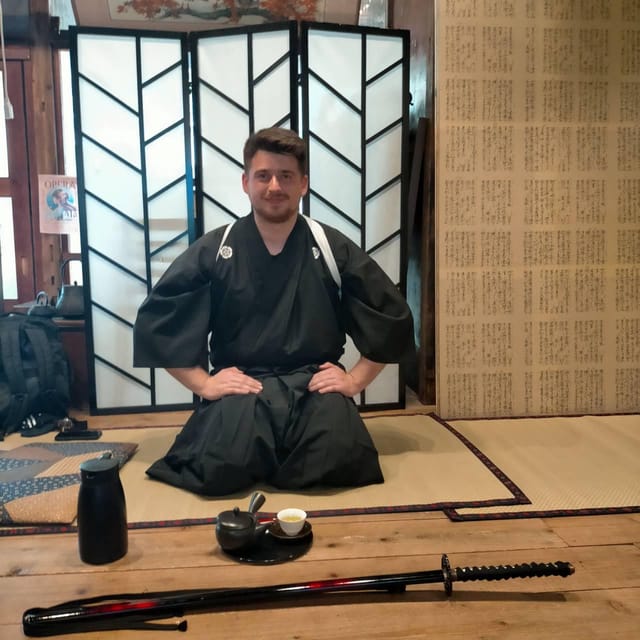
Before you begin swinging, the instructor explains samurai etiquette and the basic idea of Bushido. This matters because the activity is presented as traditional Japanese culture, not just sword play.
The word Bushido is often reduced to a few familiar ideas about loyalty, courage, and discipline. Here, you receive an introduction connected to conduct, respect, and the way you handle the sword. The lesson gives purpose to the movements, so you are not simply copying a dramatic pose.
Musashi-oka is described as patient, friendly, and clear in his corrections. That is especially important when instruction crosses a language barrier. The official languages are Japanese and English, and the small group gives you a better chance to ask for a repeat if a movement is unclear.
You should not need prior experience. The instruction begins with the basics, and beginners are specifically accommodated. If you already practice HEMA or another sword discipline, you may find the introductory material familiar, but the katana handling and Japanese etiquette still offer something different.
Drawing, holding, and swinging a real katana
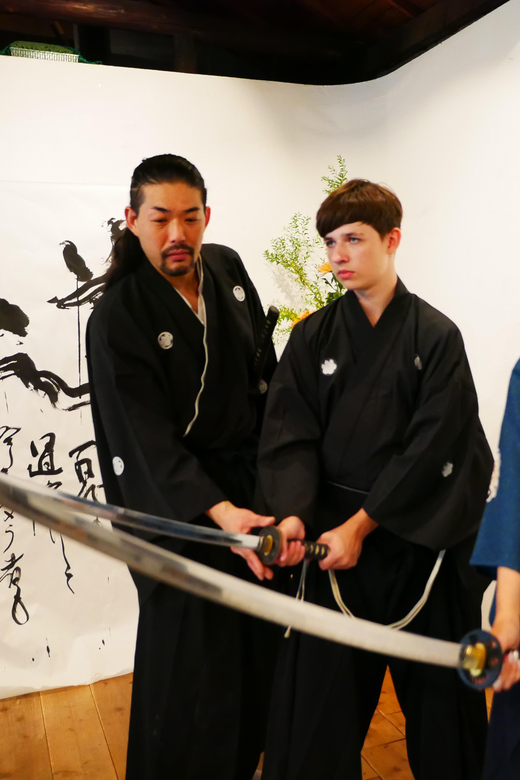
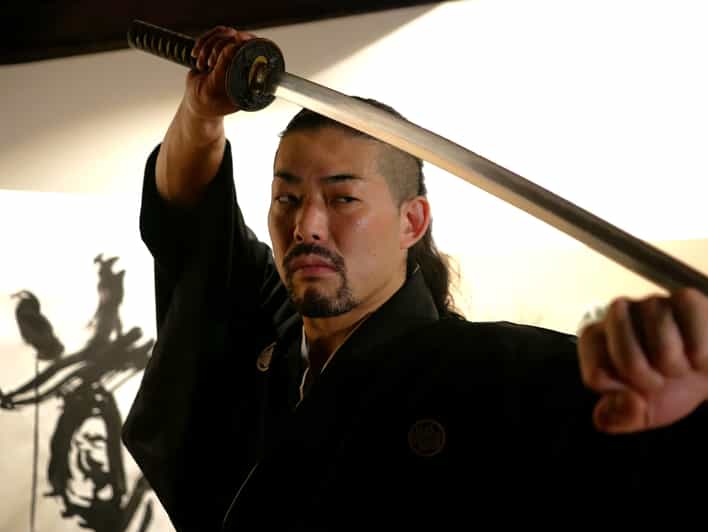
The most unusual part of the session is using a real sword. You learn how to handle it with care, including the basic motions used to draw and sheath it. The instructor also works on stance and the cutting motion.
Safety is taken seriously. No one will point the blade at you. If you are uncomfortable with the edge of the blade, tell the staff before the session begins. That is a useful point to raise early, especially if you have concerns about handling a sharp weapon.
The teaching style is practical. You try the movement, receive a correction, and try again. The small group helps here because sword work depends on details such as hand position, body alignment, and timing. A large class would make those corrections harder to receive.
One useful extra is asking the guide to show how the sword comes apart, if time permits. That was willingly demonstrated during one session and gave a closer look at how a samurai sword is constructed. It is not listed as a guaranteed part of the program, so treat it as a request rather than an included feature.
A reasonable limitation is practice time. One participant felt that more repetitions of the cutting motion would help, especially before the final display sequence. If you want a serious technical lesson, 90 minutes will feel short. If you want a guided first encounter with a katana, the format works well.
Same city, a completely different kind of day:
- Mt Fuji and Hakone 1-Day Bus Tour Return by Bullet Train
★ 5.0 · 26,383 reviews - 1-Day Tokyo Bus Tour
★ 5.0 · 14,250 reviews - Tokyo: TOKYO SKYTREE® Admission ticket
★ 4.5 · 11,192 reviews - Tokyo: teamLab Planets TOKYO Digital Art Museum Entry Ticket
★ 4.6 · 9,779 reviews
Facing a real samurai in a safe exchange
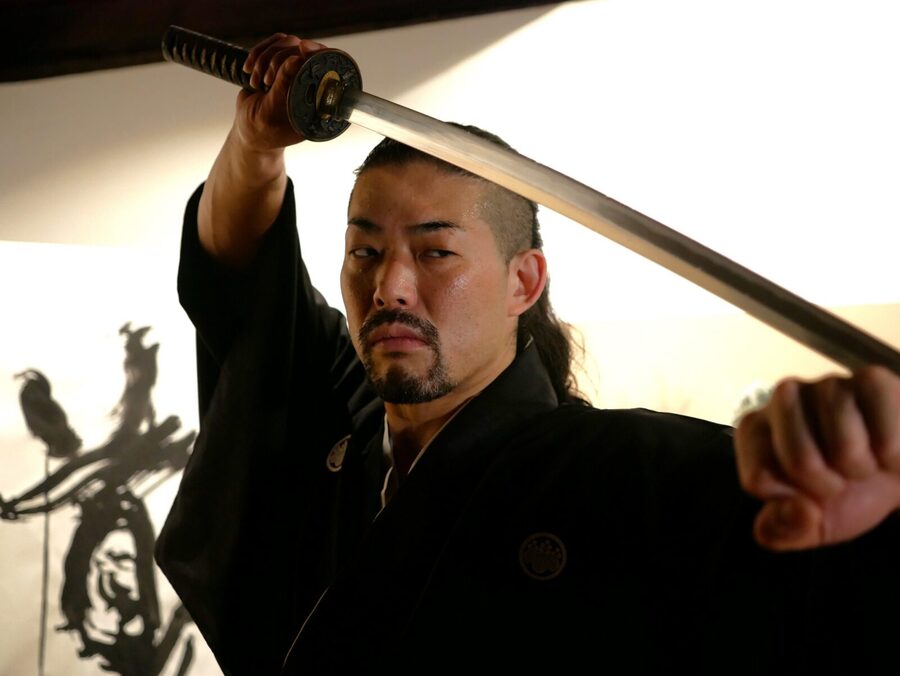
The session ends its active portion with a fight against a real samurai. This is a controlled demonstration and practice exchange, not an open combat match. You will be guided through the movements, and safety remains the priority.
The word fight may sound more intense than the activity really is. You are not being asked to spar freely or attack another participant. The point is to use the posture, timing, and sword handling you have just learned in a memorable final sequence.
This section gives the lesson a clear payoff. You have already changed clothes, heard about Bushido, and practiced the basic motions. Now you get to perform them with an experienced instructor, which makes the earlier teaching easier to remember.
If you are nervous, say so. The instructor’s patient manner is useful for people who have never held a sword. The program is intended for both men and women, but it does require enough comfort with standing and moving to take part safely.
Photos in an old Japanese home
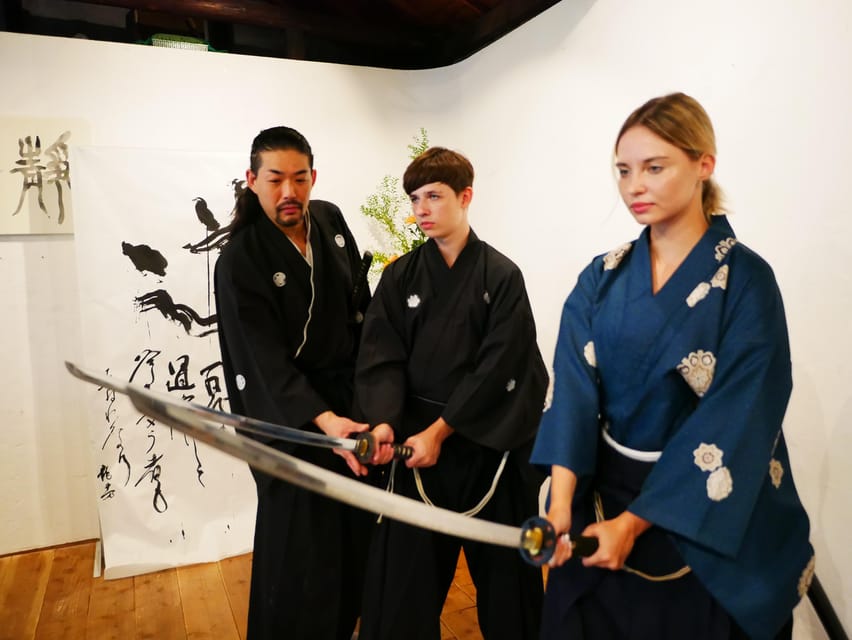
The setting gives the photo session its character. Instead of a generic studio backdrop, you pose in a traditional private house while wearing samurai clothing. The result should feel more connected to the activity itself.
Yukari takes photos during the visit. This is helpful because you do not have to stop and arrange your own phone while dressed and holding the sword. It also lets you stay focused on the lesson.
The old house is part of the experience, not merely a place to meet. Its traditional atmosphere supports the Bushido theme and provides a more personal backdrop than a large attraction designed for crowds.
Do not expect a long professional photo shoot. The schedule is only 90 minutes and includes dressing, instruction, the sword exchange, and tea. Think of the photos as a useful keepsake built into the visit.
Japanese tea and a quieter finish
After the sword work, you sit down for Japanese tea. This change of pace is welcome. You have been concentrating on unfamiliar movements and formal manners, so the tea gives you a chance to relax and talk.
The tea is served by Yukari, and the experience includes time to speak with the other participants. In a group of three, this can feel more like a small cultural lesson than a packaged attraction.
I like this ending because it connects the active and reflective sides of the program. You do not simply finish the sword demonstration and walk away. You have a few minutes to ask questions, discuss what you learned, and enjoy a traditional drink in the same house.
Tea is also one reason this activity can suit someone who is interested in Japanese culture but not especially interested in martial arts. The sword work is central, but the clothing, etiquette, house, photos, and tea broaden the experience.
Is $322 per person a fair price?
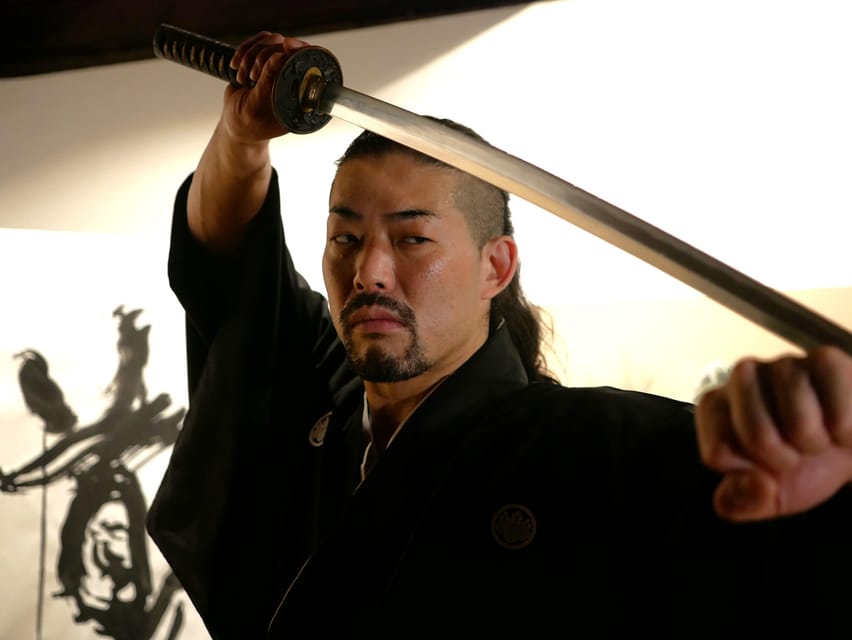
At $322 per person, this is expensive for a 90-minute activity. You are paying roughly $215 per hour, before considering your time getting to and from the meeting point. It is not a budget add-on for a Tokyo itinerary.
The value comes from the format. Your fee covers a private-house setting, kimono dressing, instruction with a real katana, a small group capped at three, a controlled exchange with a samurai, tea, and photos. Those details make it quite different from watching a short samurai performance.
The price makes more sense if this is a main cultural experience during your time in Tokyo. It is especially suited to someone who has a strong interest in Japanese swords, Bushido, martial arts, or traditional clothing. It is harder to justify if you only want a quick costume photo.
The limited group size is important to the value. Three participants is small enough for individual corrections and questions. If the group were much larger, the same price would feel harder to defend. Here, the personal instruction is one of the strongest reasons to book.
You can also reserve now and pay later, which helps if you are still arranging your schedule. Cancellation is free up to 24 hours before the activity for a full refund. Those policies reduce the risk of committing to an expensive short session, but they do not change the basic question: will you value hands-on instruction more than a cheaper cultural attraction?
Who should book this experience?
You should consider it if you want to take part rather than watch. The session gives you a role, from putting on the clothing to holding the sword and taking part in the final exchange.
It is a particularly good fit for:
- First-time visitors curious about Bushido and samurai culture
- People interested in Japanese swords and weapon construction
- HEMA practitioners who want to compare their experience with katana handling
- Couples or friends who want distinctive photos
- Visitors who prefer private, small-group activities
- Anyone who likes a mix of instruction, movement, conversation, and tea
It is less suitable if you want a long technical training session. The time is short, and one participant suggested that more practice swings would improve the lesson. You should also skip it if you are pregnant, have a mobility impairment, or are bringing a child under 10.
Scooters are not allowed. The provided information does not give a broader access statement, so if you have mobility concerns beyond the stated restrictions, ask the provider before booking.
Practical details before you go
The meeting place has a signboard nearby. Follow the arrow and enter through the entrance. Since the activity takes place in a private old house, pay attention to the directions rather than assuming you are looking for a large storefront.
Check the available starting times when you book. The activity lasts 90 minutes and ends at the house, with no further transportation included.
Wear something that allows you to change into the formal clothing and move comfortably. The activity supplies the samurai experience, real sword, kimono dressing, tea, and teaching in the old house. The details do not state a specific dress code, so you do not need to plan around a particular uniform of your own.
Tell the staff at the beginning if you dislike the blade edge. The safety guidance says no one will point the blade at you, but speaking up early is the sensible approach.
The activity is available in Japanese and English. The small group format also means that questions may be easier to handle than in a large class, even if you are not fluent in either language.
My verdict: a costly but memorable choice
I would book this if I wanted one carefully guided samurai experience rather than several quick themed attractions. The strongest features are the three-person limit, patient instruction from Musashi-oka, help from Yukari, the real katana, and the old-house setting.
I would not book it casually at $322. The session is short, and anyone seeking serious sword training will want more practice time. But for a first introduction to Bushido, formal dress, katana handling, and Japanese tea, the program offers a focused experience with plenty to remember.
FAQ
Where does the samurai experience take place?
It takes place in an old private Japanese house in Honshu, Japan. A signboard near the meeting point shows an arrow toward the entrance.
How long does the experience last?
The activity lasts 90 minutes.
How much does the experience cost?
The listed price is $322 per person.
How many people can join the group?
The group is limited to three participants.
Is the experience available in English?
Yes. Instruction is available in Japanese and English.
Do I need previous sword experience?
No. The session teaches sword handling and Bushido basics from the beginning, so beginners can take part.
Will I wear samurai clothing?
Yes. The activity includes a kimono dressing experience and the chance to take a traditional Japanese photo.
Do I use a real sword?
Yes. A real sword is included, and the instruction covers handling, drawing, swinging, and sheathing it.
Is the sword exchange safe?
The activity states that safety is taken into consideration and that no one will point the blade at you. Tell the staff first if you are uncomfortable with the edge of the blade.
Who should not join the activity?
It is not suitable for pregnant women, people with mobility impairments, or children under 10. Scooters are also not allowed.
Is Japanese tea included?
Yes. Japanese tea is served after the sword portion of the experience.
Can I cancel for a refund?
Yes. You can cancel up to 24 hours in advance for a full refund.
Do I have to pay when I book?
No. Reserve now and pay later is available, so you can hold your place without paying immediately.
Just added around Tokyo
- Tokyo: Customizable Private Guided Walking Tour★ 4.5 · 129 reviews
- Private Harajuku Omotesando Architecture Tour★ 4.9 · 18 reviews
- Tokyo: Guided Helicopter Ride★ 4.9 · 24 reviews
- Tokyo: Guided Walking Tour of Tsukiji Market with Lunch★ 4.4 · 24 reviews
- Tokyo: Private Personalized Local Food Tour★ 4.5 · 101 reviews
- Tokyo GINZA: KONPARU Japanese Cabaret Show with Drink★ 4.8 · 38 reviews
- Tokyo: Guided Walking Tour of Tsukiji Market with Breakfast★ 4.4 · 134 reviews
- Tokyo: Gotokuji Cat Temple, Shinjuku Cat Cafe & 3D Cat Tour★ 4.9 · 38 reviews
Kimono & Culture Experiences, compared.
Kyoto Geisha Walking Tour: Gion District & Hidden Gems
Read our review →
Gion Magical Night Walking Tour with Geisha Trivia
Read our review →
Gion Geisha District Walking Tour – Stories of Geisha
Read our review →
Best of Kyoto: Gion, Geisha, Pagodas & Cobblestones
Read our review →
Kyoto Gion Geisha District Walking Tour – The Stories of Geisha
Read our review →
Browse the lists this tour appears in