
REVIEW · KIMONO & CULTURE EXPERIENCES
Tokyo Asakusa: Traditional Kimono Rental Experience at Wargo
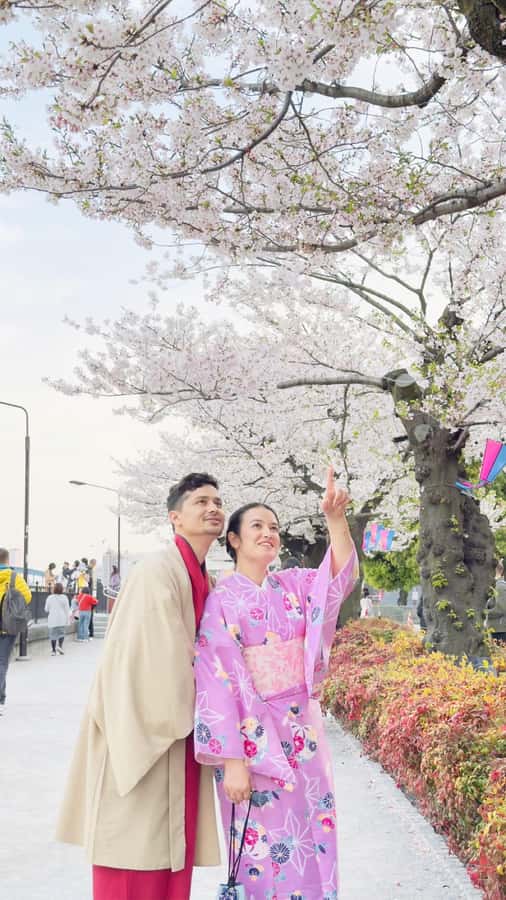
Asakusa is one of Tokyo’s best places to wear a kimono, and Wargo puts you close to the district’s historic streets and major sights. You choose from traditional and modern designs, then staff handle the complicated dressing while you enjoy the fun part: stepping outside in full Japanese dress.
I especially like the easy photo access and the broad range of sizes, including plus-size kimonos. I also like that couples and groups can turn the rental into a half-day outing, with time for sightseeing and lunch nearby. The catch is waiting: during busy periods, getting dressed can take 30 to 90 minutes.
In This Review
- Key points
- Why Asakusa is the right place for a kimono outing
- Finding Wargo on the fourth floor
- Choosing between classic kimono and modern designs
- What the dressing process is really like
- The outfit includes the pieces you need
- Hairstyling and the Deluxe Plan
- A practical Asakusa route after you leave the shop
- How much time should you allow?
- The value of $33, plus the cost of upgrades
- Comfort, access, and who should skip it
- Booking advice and cancellation flexibility
- Should you book the Wargo Asakusa kimono rental?
- FAQ
- Where does the kimono rental begin?
- What time must I return the kimono?
- Can I return the kimono the next day?
- What is included in the rental?
- Is hairstyling included?
- Can I upgrade the kimono or obi?
- How long does getting dressed take?
- What payment should I bring?
- Who is this activity not suitable for?
Key points
- Asakusa location: Walk from the shop to well-known historic sights and photo spots.
- Wide design choice: Pick from classic patterns, modern styles, kimono, or yukata.
- Complete outfit: Rental includes the kimono, obi, satchel, traditional footwear, and socks.
- Premium option: Upgrade the kimono and obi, with a simple women’s hairstyle and kanzashi included.
- Flexible return: Standard hours run from 10:00 AM to 6:00 PM, with next-day return available for an added fee.
- Plan for waiting: Dressing may take less than an hour when the shop is quiet, but busy times can stretch much longer.
Why Asakusa is the right place for a kimono outing
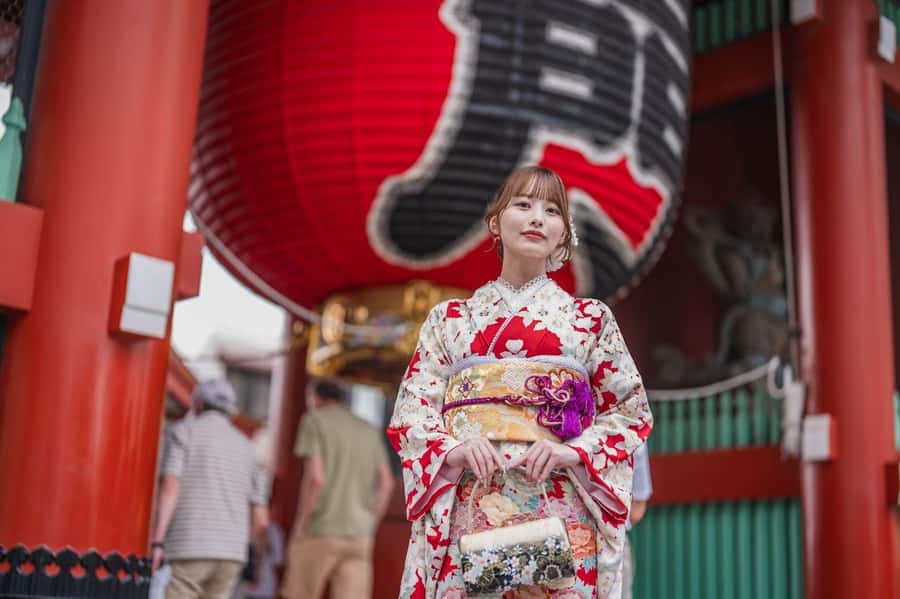
Wearing a kimono in a modern Tokyo shopping district would be possible, but Asakusa gives the experience a better setting. The neighborhood has historic streets, traditional-looking buildings, and major sightseeing spots within about a 10-minute walk of the shop.
That short walk matters. You are not spending your rental time on trains or long transfers. Once dressed, you can head out for pictures, sightseeing, and lunch before returning the outfit.
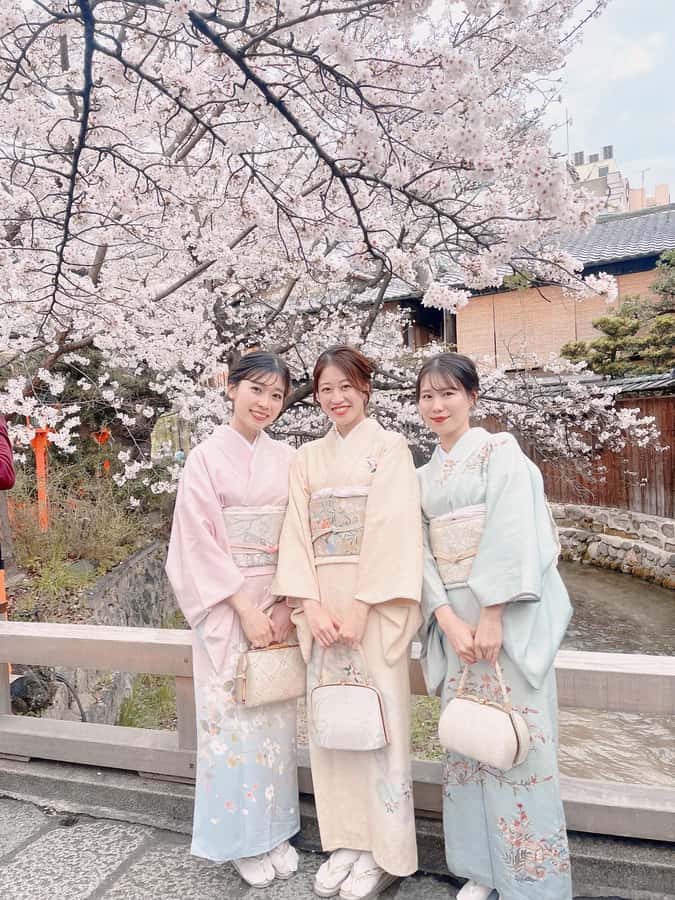
The setting also makes this a social experience. Couples can dress together, friends can coordinate colors, and families or groups can make the outing part of a larger day in Tokyo. James found it particularly useful as a couples activity, while Anna enjoyed it as a girls’ outing.
You should still remember that Asakusa is a popular part of Tokyo. Streets can be crowded, and walking in traditional footwear is not the same as walking in sneakers. The route is convenient, but you will want to keep your pace relaxed.
More Kimono & Culture Experiences in Tokyo
- Tokyo: Samurai Ninja Museum Guided tour and Experience
★ 4.6 · 1,010 reviews - Tokyo: Samurai Sword & Archery Class from Samurai Descendant
★ 5.0 · 603 reviews - Best Samurai Experience in Tokyo
★ 5.0 · 458 reviews
Finding Wargo on the fourth floor
When you arrive at the building, take the escalator or elevator to the fourth floor. The shop is at the meeting point, and the activity also ends there.
This is a simple arrangement, but give yourself enough time to find the building and reach the shop before your booking. You will need a little patience at the start, especially if the store is handling several customers at once.
Bring both a credit card and cash. The final price can change according to the kimono you choose, and any extra amount can be paid at the shop by either method.
The listed starting price is about $33 per person, which is a reasonable entry point for an outfit-based cultural activity in central Tokyo. It covers more than a costume alone, since dressing, insurance, and the main accessories are part of the package. Still, do not treat $33 as a guaranteed final total. Higher-grade garments and other upgrades can add to the bill.
Choosing between classic kimono and modern designs
The shop offers a wide selection, from traditional patterns to more modern designs. That gives you two different ways to approach the experience.
If you want a more classic look, choose a pattern and color combination that feels close to the image many people have of formal Japanese dress. If you prefer something less restrained, modern designs let you create a look that feels more personal and playful.
The staff help you make the selection, which is useful because the decision is not just about color. The obi, or sash belt, changes the shape and character of the outfit. Accessories and hairstyling can also affect the finished appearance.
A yukata is another option mentioned in the experience. It is generally associated with a lighter, more casual style than a formal kimono, and it can suit a warm day or a more relaxed outing. Ask the staff what is available at your shop and time slot, since the exact selection can change.
The most expensive choice is not automatically the best one for photographs. A pattern that suits your coloring and works well with the obi may look better than a higher-priced garment chosen in a hurry.
What the dressing process is really like
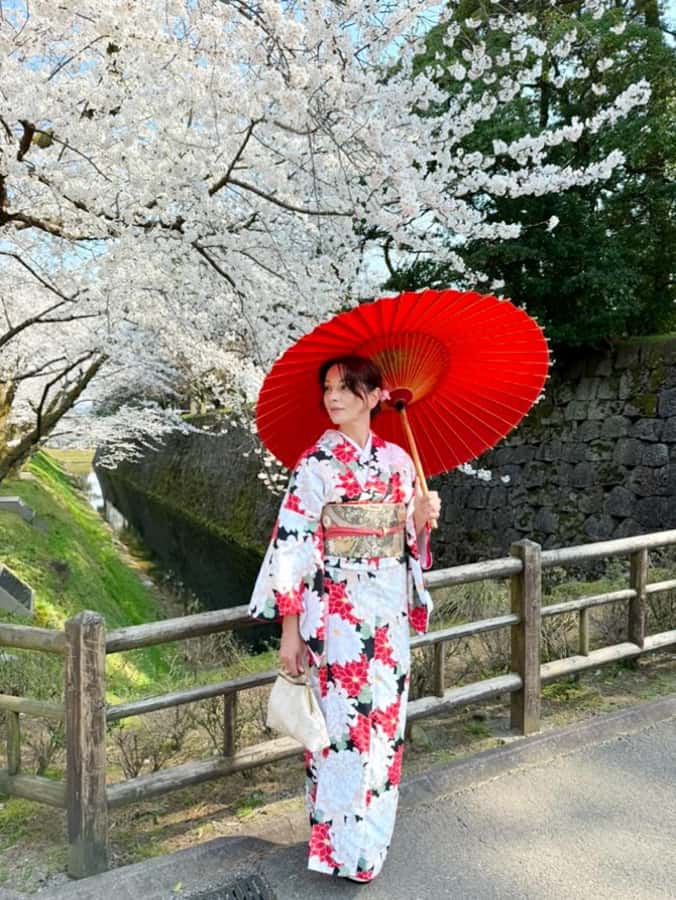
After choosing your outfit, experienced staff dress you in the kimono. The process should take less than an hour when the shop is not busy, though the total wait can be much longer during peak periods.
This is the part of the experience where timing matters most. One customer reported waiting only about 10 minutes, while her boyfriend waited about an hour. That difference shows why you should not schedule a tight lunch reservation or a major attraction immediately after your appointment.
The staff have a lot to manage when the shop is full, yet their job is important. A kimono needs to be fitted properly so it looks right and stays comfortable while you walk. Eliza found that the staff continued helping customers choose and adjust their outfits even during a very busy period.
You should expect a structured dressing process rather than a quick costume change. The staff work through the layers, secure the obi, and finish the look. Once they are done, you can head out, but give yourself a moment to adjust to the footwear and the more limited stride.
Same city, a completely different kind of day:
- Mt Fuji and Hakone 1-Day Bus Tour Return by Bullet Train
★ 5.0 · 26,383 reviews - 1-Day Tokyo Bus Tour
★ 5.0 · 14,250 reviews - Tokyo: TOKYO SKYTREE® Admission ticket
★ 4.5 · 11,192 reviews - Tokyo: teamLab Planets TOKYO Digital Art Museum Entry Ticket
★ 4.6 · 9,779 reviews
The outfit includes the pieces you need
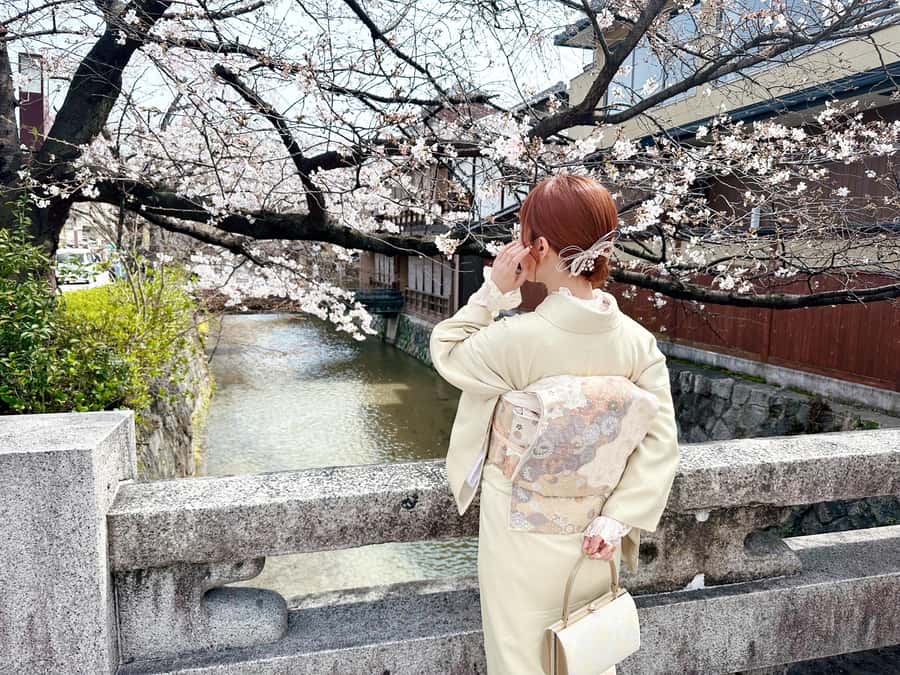
The standard package includes the main kimono, the obi, a Japanese satchel, traditional sandal-like footwear, and socks. The dressing fee and insurance fee are also included in the stated package information.
That is useful because you do not need to assemble a traditional outfit yourself. The satchel gives you a place for small items, though you should avoid carrying more than you need. A heavy bag would make the outing less comfortable and could distract from the outfit.
The footwear is practical enough for a stroll, but it is not built for a long-distance walking day. Plan a local route around Asakusa rather than combining this rental with a full day of Tokyo sightseeing across several districts.
The outfit also changes how you move. Take smaller steps, watch uneven pavement, and allow time when using stairs. You can enjoy the experience more if you accept a slower pace instead of trying to cover the same ground you would in ordinary clothes.
Hairstyling and the Deluxe Plan
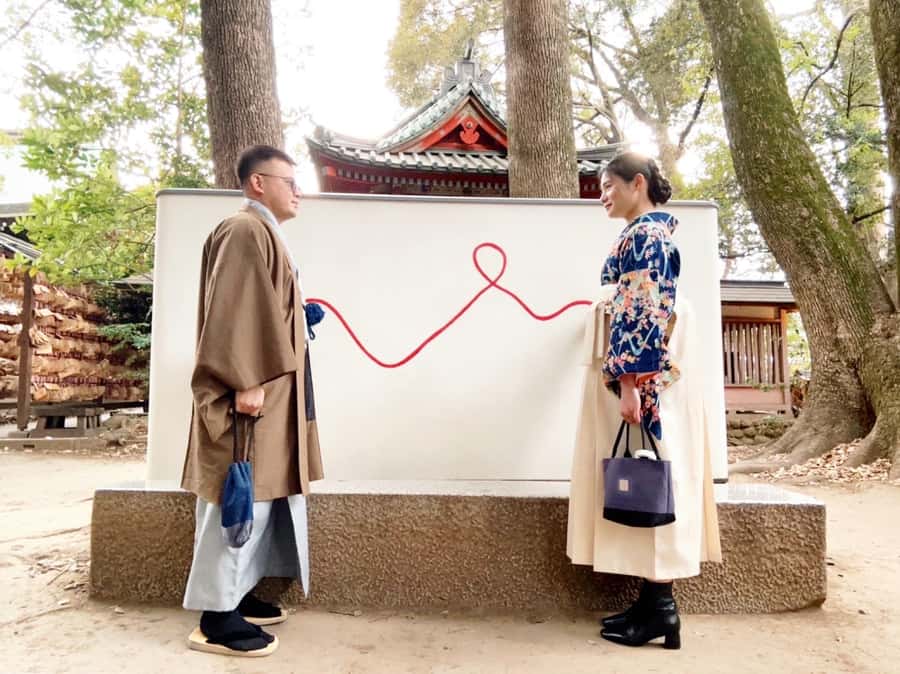
Hairstyling is available, but the package details depend on the plan you choose. The Deluxe Plan includes a standard women’s hairstyle with a kanzashi, a traditional ornamental hairpin. It also allows upgrades to the kimono and obi up to the level offered by that store.
The available grades can vary by location, so ask what is offered at the Asakusa shop before deciding. The wording around hairstyling also indicates that it may be an added-cost option outside the Deluxe Plan, so confirm the price and inclusions at the store.
Hair can make a large difference in photographs. A simple style with a kanzashi gives the outfit a more finished appearance, especially if you plan to take many portraits. Aisha liked the professional help with the kimono and yukata selection but wished accessories had been included with the hairstyle, so ask exactly what the hair service covers.
For many people, the basic rental is enough. Choose the Deluxe Plan if the hairstyle and upgraded garment are central to your plans, not simply because a higher tier sounds better.
A practical Asakusa route after you leave the shop
The activity does not provide a guided walking tour. Once you are dressed, you are free to explore on your own and return to the same shop.
A simple plan is to walk toward the nearby Asakusa sightseeing area, pause for photographs, find lunch, and then return before closing. The major tourist areas are said to be within about a 10-minute walk, making this an easy outing even if you do not know the neighborhood well.
The best part is the freedom. You are not tied to a guide’s schedule, and you can stop whenever you see a good background or want a break. Couples can take turns photographing each other, and groups can capture both posed portraits and casual walking shots.
The limitation is that you need to manage your own time. The shop operates from 10:00 AM to 6:00 PM, and the kimono must be returned no later than 6:00 PM. If you want to stay dressed into the evening, next-day return is possible for an additional fee.
Do not leave the return until the last minute. Allow time to walk back, remove the outfit, and handle any payment for upgrades or late return.
How much time should you allow?
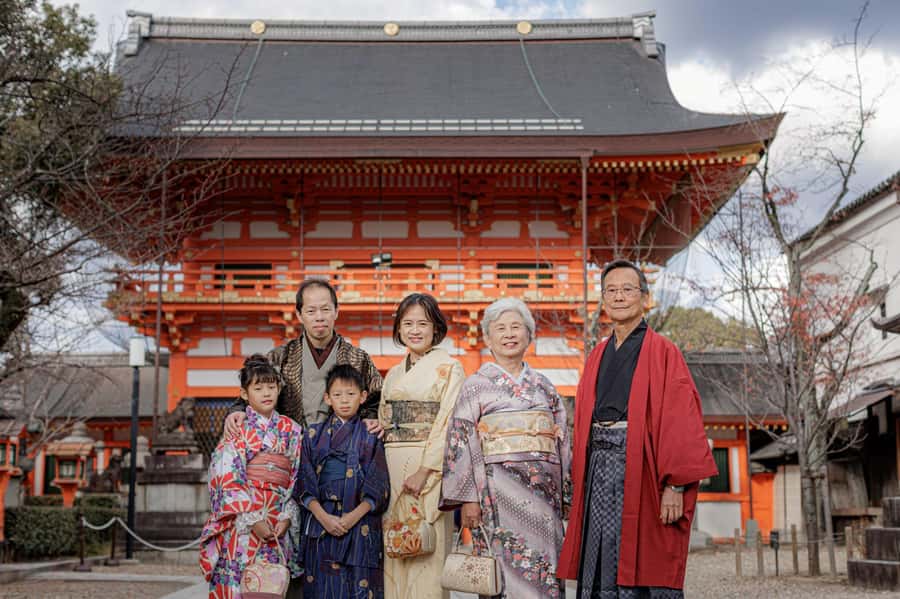
The dressing itself may take less than an hour when the shop is quiet. In practice, your schedule should allow for selection, dressing, photographs, walking, lunch, and the return process.
A half-day works well. It gives you enough time to enjoy the outfit without rushing, while still leaving room for another Tokyo activity later. If your appointment is during a busy season, add extra flexibility because waiting can run from 30 to 90 minutes.
Reservations made after 3:00 PM on the day before may involve some waiting at the shop. That does not make the booking unusable, but it makes a tightly timed itinerary a poor idea.
I would avoid booking this on a day when you have a nonrefundable dinner, timed museum entry, or airport transfer immediately afterward. The experience is more enjoyable when you can let the dressing process take the time it needs.
The value of $33, plus the cost of upgrades
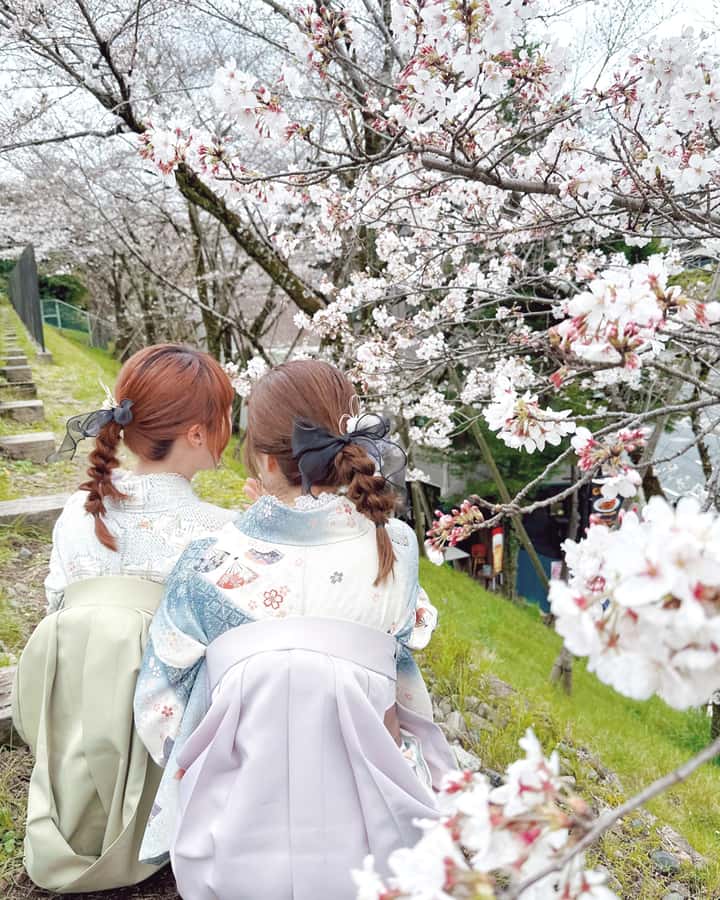
At $33 per person, the basic price is attractive for visitors who want the outfit, dressing service, and a convenient location without committing to a full-day cultural program.
The value improves if you plan to use the kimono for several hours. You can walk to nearby sights, take photographs, and have lunch while dressed, rather than renting the outfit only for a short studio session.
The price becomes less predictable once you select a higher-grade kimono or obi. The final cost depends on the actual garment, and extra charges are settled at the store. Bring a card and cash so payment is easy.
The Deluxe Plan may make sense if you want a standard hairstyle and access to additional garment choices. If your goal is simply to experience traditional dress and take a few pictures, start with the basic option and only upgrade if you see something you genuinely prefer.
Comfort, access, and who should skip it
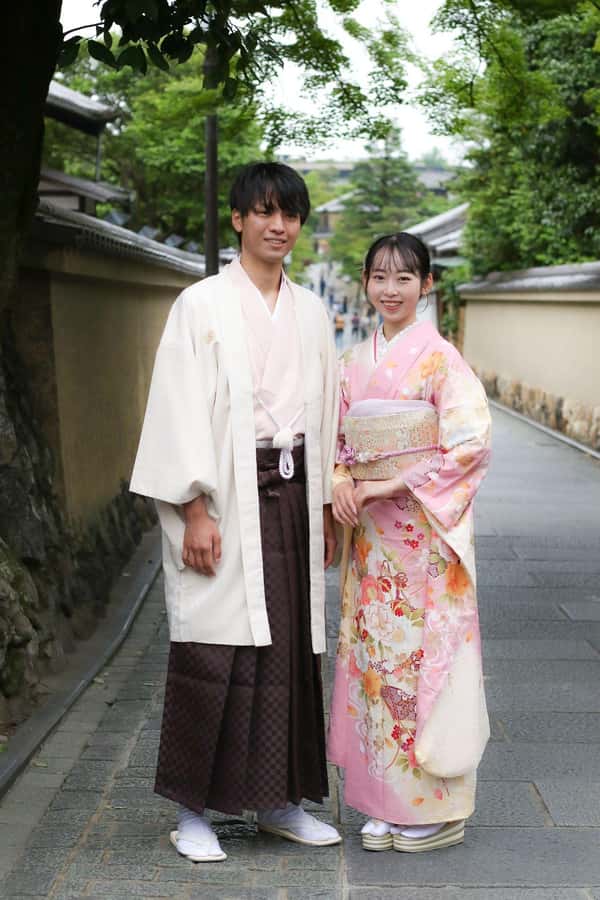
This activity suits people who want an easy cultural photo experience in a historic Tokyo district. It is particularly good for couples, friends, and small groups who enjoy choosing outfits together and exploring at a gentle pace.
It is not suitable for pregnant women, wheelchair users, or people with pre-existing medical conditions. The activity involves dressing and walking in traditional footwear, so consider your comfort and health before booking.
The experience also requires some patience. A busy store can mean a long wait, and the final outfit may feel restrictive compared with ordinary clothes. Those are not flaws unique to Wargo, but they are real considerations when you plan your day.
Booking advice and cancellation flexibility
You can reserve now and pay later, which helps if your Tokyo schedule is still changing. The experience allows cancellation up to 24 hours in advance for a full refund.
For the smoothest visit, choose a time that leaves room after dressing. Arrive with your payment options ready, keep your belongings light, and decide in advance how much you are willing to spend on upgrades.
I would also confirm the hairstyling details and available kimono grades at the shop. Store selection can vary, and the difference between the basic and Deluxe options matters most if photographs are your main reason for booking.
Should you book the Wargo Asakusa kimono rental?
Book it if you want to wear traditional Japanese clothing in a real Tokyo neighborhood rather than pose only indoors. The nearby sights, flexible self-guided format, and full outfit make it an easy addition to an Asakusa day.
I would recommend it most for couples and groups who enjoy photographs and do not mind moving slowly. The staff receive strong praise for their help with dressing and selection, even when the store is busy.
Skip it if your schedule is packed, you dislike waiting, or you need to cover long distances on foot. The $33 starting price is good, but you should leave room for garment upgrades and possible hairstyling costs. With that planning, Wargo offers a memorable and fairly priced way to see Asakusa dressed in a style that fits the setting.
FAQ
Where does the kimono rental begin?
The activity begins at the Wargo shop. When you arrive at the building, use the escalator or elevator to reach the fourth floor, where you will find the store.
What time must I return the kimono?
The shop operates from 10:00 AM to 6:00 PM, and the kimono must be returned no later than 6:00 PM.
Can I return the kimono the next day?
Yes. Next-day return is available if you want to remain in the kimono into the evening, but an additional fee applies.
What is included in the rental?
The package includes the kimono, dressing fee, insurance fee, obi, Japanese satchel, traditional footwear, and socks.
Is hairstyling included?
The Deluxe Plan includes a standard women’s hairstyle with a kanzashi. Hairstyling may involve an additional cost with other options, so confirm the exact package and price at the shop.
Can I upgrade the kimono or obi?
Yes. The Deluxe Plan allows upgrades to the kimono and obi up to a certain level. The available grades may vary by store, and additional charges may apply.
How long does getting dressed take?
When the shop is not busy, the dressing process should take less than an hour. Depending on the time slot and season, waiting at the shop may take approximately 30 to 90 minutes.
What payment should I bring?
Bring a credit card and cash. If the kimono you choose costs more than the starting price, you can settle the extra amount at the shop.
Who is this activity not suitable for?
The activity is not suitable for pregnant women, wheelchair users, or people with pre-existing medical conditions.
Just added around Tokyo
- Tokyo: Customizable Private Guided Walking Tour★ 4.5 · 129 reviews
- Private Harajuku Omotesando Architecture Tour★ 4.9 · 18 reviews
- Tokyo: Guided Helicopter Ride★ 4.9 · 24 reviews
- Tokyo: Guided Walking Tour of Tsukiji Market with Lunch★ 4.4 · 24 reviews
- Tokyo: Private Personalized Local Food Tour★ 4.5 · 101 reviews
- Tokyo GINZA: KONPARU Japanese Cabaret Show with Drink★ 4.8 · 38 reviews
- Tokyo: Guided Walking Tour of Tsukiji Market with Breakfast★ 4.4 · 134 reviews
- Tokyo: Gotokuji Cat Temple, Shinjuku Cat Cafe & 3D Cat Tour★ 4.9 · 38 reviews
Kimono & Culture Experiences, compared.
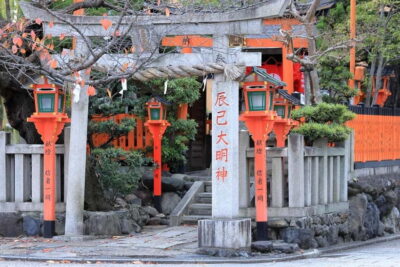
Kyoto Geisha Walking Tour: Gion District & Hidden Gems
Read our review →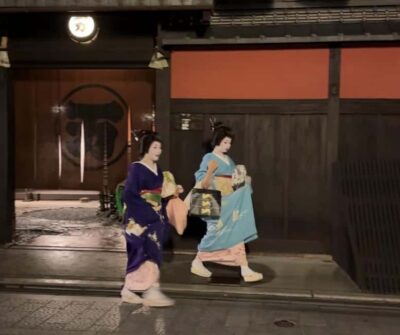
Gion Magical Night Walking Tour with Geisha Trivia
Read our review →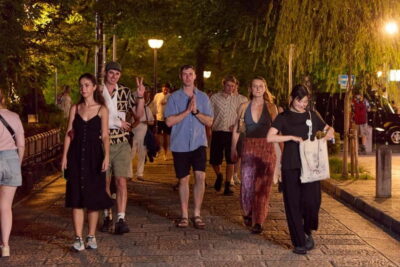
Gion Geisha District Walking Tour – Stories of Geisha
Read our review →
Best of Kyoto: Gion, Geisha, Pagodas & Cobblestones
Read our review →
Kyoto Gion Geisha District Walking Tour – The Stories of Geisha
Read our review →
Browse the lists this tour appears in