
REVIEW · KIMONO & CULTURE EXPERIENCES
Tokyo: Asakusa Kimono Rental Experience
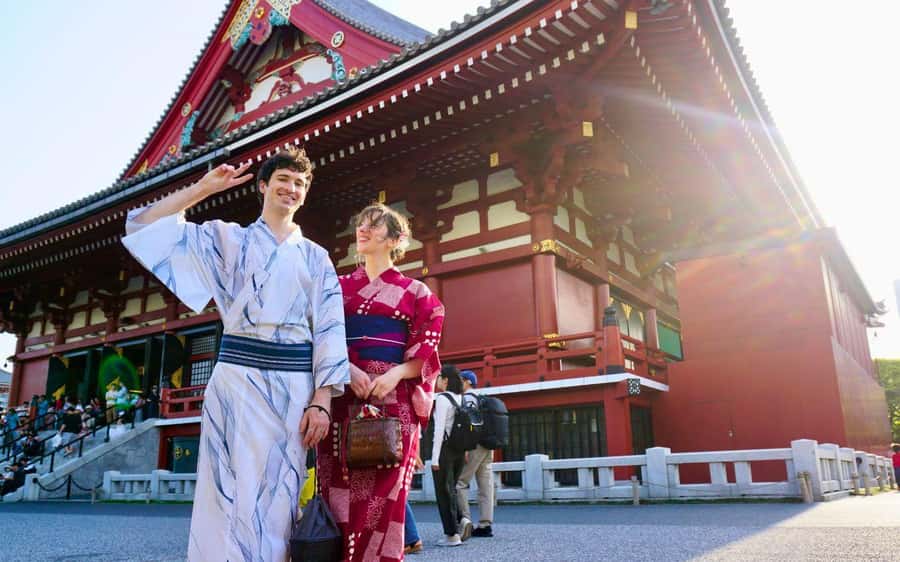
Asakusa is one of Tokyo’s best places to wear a kimono, and this experience puts you in the middle of it. The shop sits about three minutes from Sensoji Temple, so you can go from dressing room to temple gate without losing time on trains or taxis.
I like two things here: Kazune grew up in Asakusa, giving the experience a local touch, and the staff take care with the dressing rather than handing you a costume and sending you off. Wako receives especially warm praise for being kind, cheerful, and careful. The main drawback is the fixed return time: you normally need to bring the kimono back by 17:30.
In This Review
- Key points at a glance
- Why Asakusa is the right place for a kimono walk
- Choosing a real kimono and getting dressed
- Simple hairstyling and the finishing details
- Walking from the shop to Sensoji Temple
- What the $47 price includes
- Timing your Asakusa visit
- The practical side of wearing a kimono
- Who will enjoy this most
- Seven useful ways to make the most of it
- FAQ
- Where is the kimono shop located?
- What is included in the rental?
- Who helps with the dressing?
- When must I return the kimono?
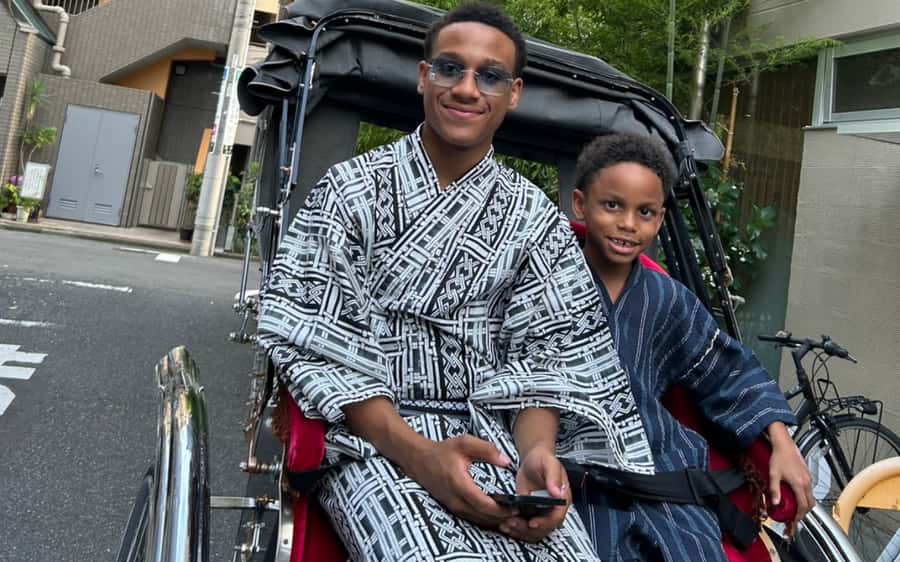
- Can I add a rickshaw ride or tea ceremony?
- Is transportation included?
- Who cannot take part?
- Should you book this Asakusa kimono experience?
Key points at a glance
- Three minutes from Sensoji Temple: You can begin exploring Asakusa almost as soon as you are dressed.
- A full kimono set is included: You receive the kimono, obi belt, zori sandals, bag, and simple hairstyling.
- Local help from Kazune and Wako: Staff assist with dressing, appearance, and practical questions.
- A certified kimono dresser is on staff: You can expect careful attention to the fit and finishing details.
- Return by 17:30: Plan your temple visit and photographs around the same-day return time.
- Optional extras are available: Add a rickshaw ride or tea ceremony at the shop for an additional fee.
Why Asakusa is the right place for a kimono walk
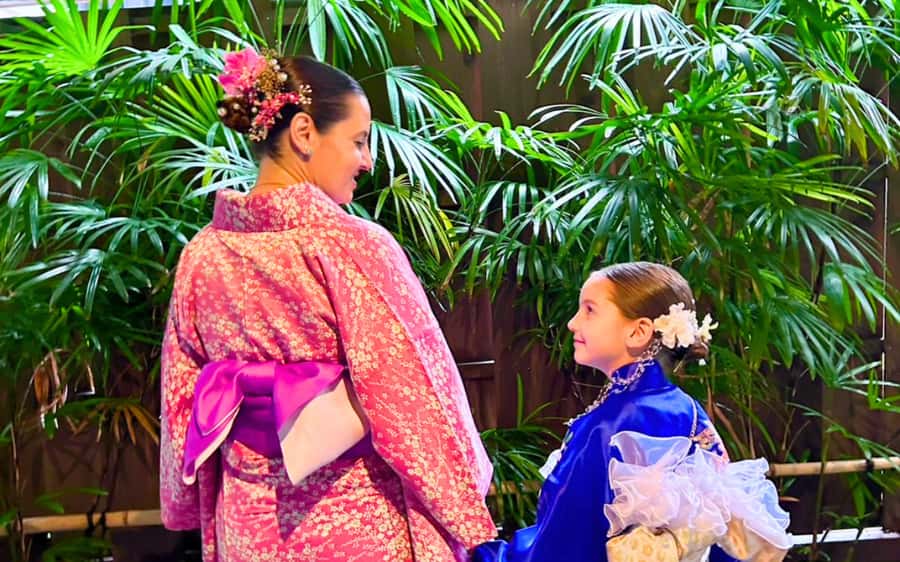
Tokyo has plenty of modern districts, but Asakusa gives you a setting that matches traditional clothing. The neighborhood around Sensoji Temple has old streets, temple architecture, and plenty of photo-friendly corners. You are not dressing up in a hotel ballroom and then taking a train across town. You can step outside and start using the setting immediately.
Sensoji is the natural focus. The temple is one of Tokyo’s best-known sights, and its approach gives you a memorable backdrop for photographs. Wearing a kimono here also changes your pace. You will likely walk more slowly, notice the details of your clothing, and take more care with where you stop for a picture.
I also like the fact that the shop is close to Asakusa Station, served by the Tokyo Metro Ginza Line and Toei Asakusa Line. The meeting point is only a few minutes from the station, but the entrance can require attention. Look for the building with a black-and-white checkered path and silver metal gate. Walk through the gate to the elevator area, where staff will greet you.
More Kimono & Culture Experiences in Tokyo
- Tokyo: Samurai Ninja Museum Guided tour and Experience
★ 4.6 · 1,010 reviews - Tokyo: Samurai Sword & Archery Class from Samurai Descendant
★ 5.0 · 603 reviews - Best Samurai Experience in Tokyo
★ 5.0 · 458 reviews
Choosing a real kimono and getting dressed
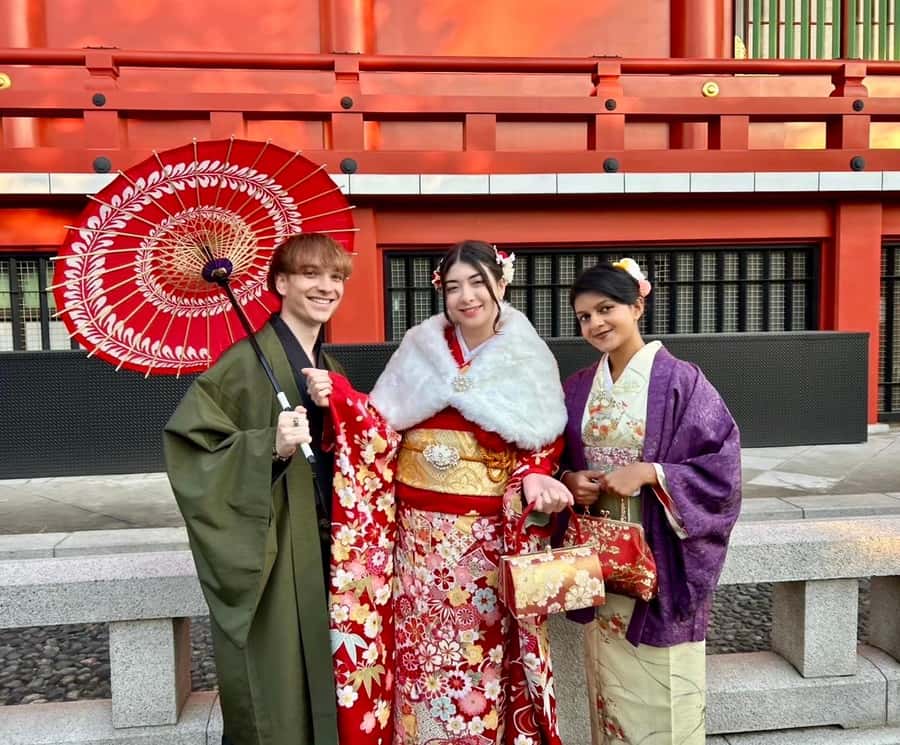
At the shop, you choose from an authentic collection of local kimonos. The experience includes a full set, not just the main garment. That means the kimono, obi belt, zori sandals, and a bag are part of the package.
The choice matters because the clothing is central to the day. You are not simply adding a quick photo prop. You will wear it while walking around Asakusa, visiting Sensoji, and posing for pictures. The staff help you select something that looks good and fits comfortably, then arrange the layers and belt properly.
Kazune helps with the dressing and grew up in Asakusa. That local connection is a pleasant touch, especially if you want more than a basic rental transaction. Wako has also been singled out for being welcoming, thoughtful, cheerful, and careful about making sure people look presentable.
Another member of the team is a Japanese National Certified Kimono Dresser. That certification offers useful reassurance. A kimono has more structure than ordinary clothing, and a proper fit makes a big difference when you are walking, sitting, or taking photographs.
Arrive at least 10 minutes before your reserved time. This is not a suggestion to ignore. You need time to choose your clothing, store your own things, receive the dressing assistance, and have your hair arranged.
Simple hairstyling and the finishing details
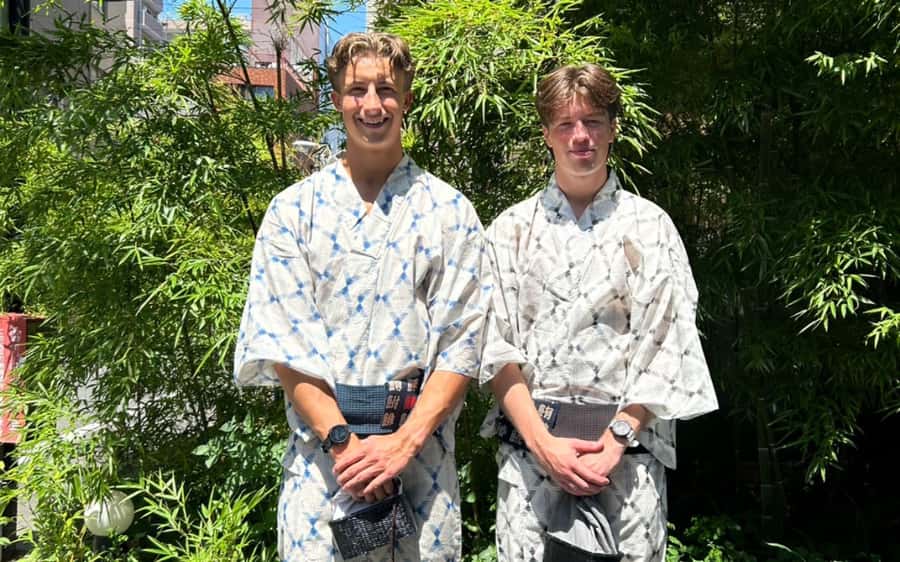
Simple hairstyling is included. For women, the hairstyle can include traditional hairpins, an especially nice touch for photographs. One woman who booked with three male companions was pleased with the traditional style and hair accessories, while her companions also enjoyed the experience.
The hairstyle is not presented as a full salon appointment, so keep your expectations sensible. It is meant to complete the kimono look, not replace a long beauty treatment. Still, this small detail helps the outfit feel more finished.
You also receive a bag and zori sandals. These are practical inclusions, since wearing your own modern bag or shoes can weaken the look in photographs. You should remember that zori are different from ordinary walking shoes, so a full day of long-distance sightseeing may feel less comfortable than a standard Tokyo walking tour.
The staff’s attention seems to be one of the strongest parts of the experience. Wako is often praised for helping people feel properly dressed and ready to go. That matters if you have never worn a kimono before and do not know how the belt, sleeves, and layers should sit.
Walking from the shop to Sensoji Temple
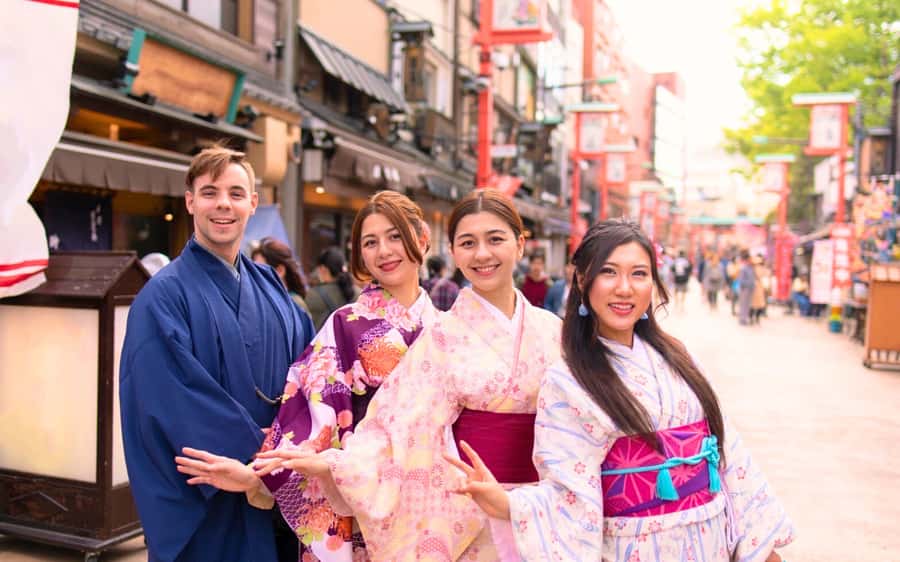
Once you are dressed, you can stroll through the old streets of Asakusa and visit Sensoji Temple. The short distance between the shop and the temple is a real advantage. You do not have to worry about keeping the kimono neat during a long journey before your main activity begins.
This part of the experience is self-guided. The staff help you get dressed, then you have freedom to explore at your own pace. You can focus on Sensoji, take photographs, or simply enjoy seeing Tokyo from a different angle.
The temple area is likely to be the highlight for most people. Its traditional setting pairs naturally with the clothing, and the area gives you a stronger sense of old Tokyo than many modern districts. The experience is particularly good for couples, friends, families with older children, and solo visitors who want memorable photographs.
You should plan your route with the clothing in mind. The information provided does not give a walking itinerary or a guided temple tour, so this is best treated as a kimono rental with time to explore, not a lesson in Japanese history. If you want a guide to explain the temple, you will need to make separate arrangements.
Same city, a completely different kind of day:
- Mt Fuji and Hakone 1-Day Bus Tour Return by Bullet Train
★ 5.0 · 26,383 reviews - 1-Day Tokyo Bus Tour
★ 5.0 · 14,250 reviews - Tokyo: TOKYO SKYTREE® Admission ticket
★ 4.5 · 11,192 reviews - Tokyo: teamLab Planets TOKYO Digital Art Museum Entry Ticket
★ 4.6 · 9,779 reviews
What the $47 price includes
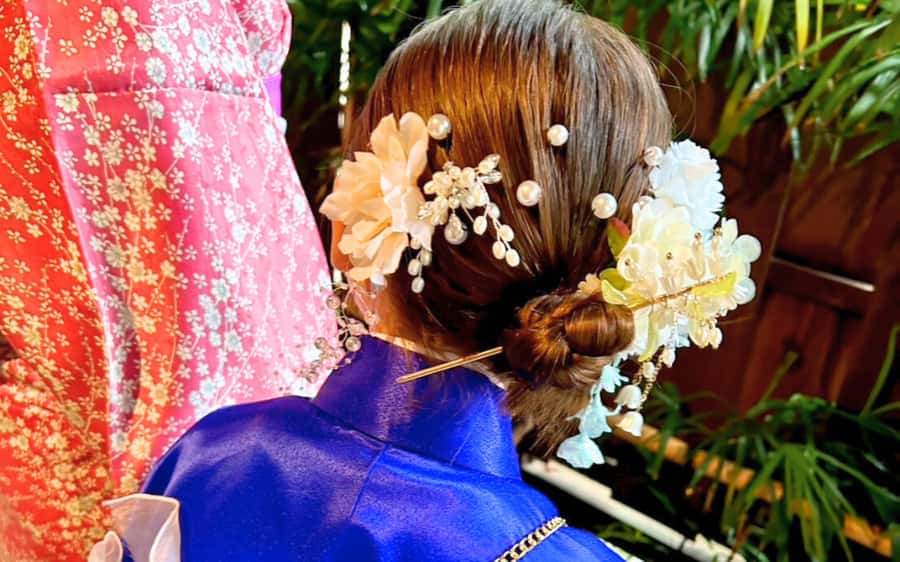
At $47 per person, the price is reasonable for a full kimono rental with dressing help and simple hairstyling in such a central location. You are paying for more than the garment itself. The package also includes the obi belt, zori sandals, bag, and storage for your clothes and belongings.
The included dressing assistance is where the value improves. A first-time visitor might struggle to arrange the layers and belt alone, while staff can make the outfit look proper and help you feel secure before heading out.
The location adds value, too. Being three minutes from Sensoji keeps the experience convenient and gives you more of your day for sightseeing. A shop farther away could offer similar clothing but require extra transport and planning.
There are two optional additions. You can arrange a rickshaw ride at the shop for an extra fee, or add a tea ceremony experience for an extra fee. Neither is included in the $47 price, so ask about the cost before agreeing. These add-ons may suit you if you want a fuller traditional-Japan experience, but they are not necessary to enjoy the kimono walk.
The package does not include transportation to or from the meeting point. That is easy enough to handle because the shop is near Asakusa Station, but you should still allow time to find the correct building entrance.
Timing your Asakusa visit
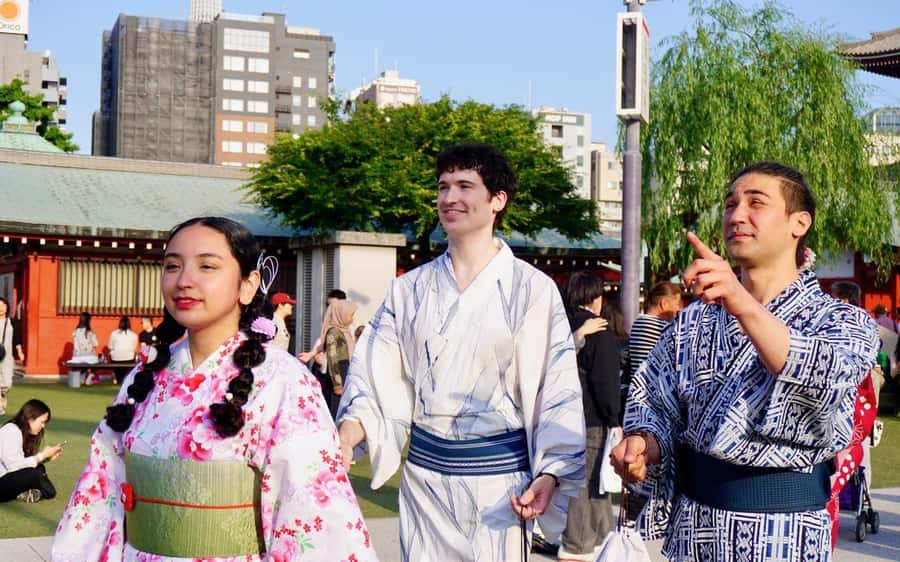
The standard return deadline is 17:30 on the same day. This gives you a useful block of time, but the exact amount depends on your booking time. I would avoid scheduling this too late if Sensoji and photographs are your main reason for coming.
Arrive early, finish dressing, and head out while you have plenty of daylight. You can visit the temple, walk nearby streets, and make room for photographs without watching the clock every few minutes.
If you want to keep the kimono overnight, that is possible for a small extra fee arranged directly at the shop. This may help if you prefer a slower afternoon or want to visit another area before returning the outfit. Confirm the extra charge and return arrangement at the shop.
There is also a special exception on July 22, when a fireworks festival takes place in Katsushika, Tokyo. On that date, the kimono can be rented until 21:30. This is a useful option for anyone planning to attend the festival in traditional clothing, but it applies to that specific date.
The practical side of wearing a kimono
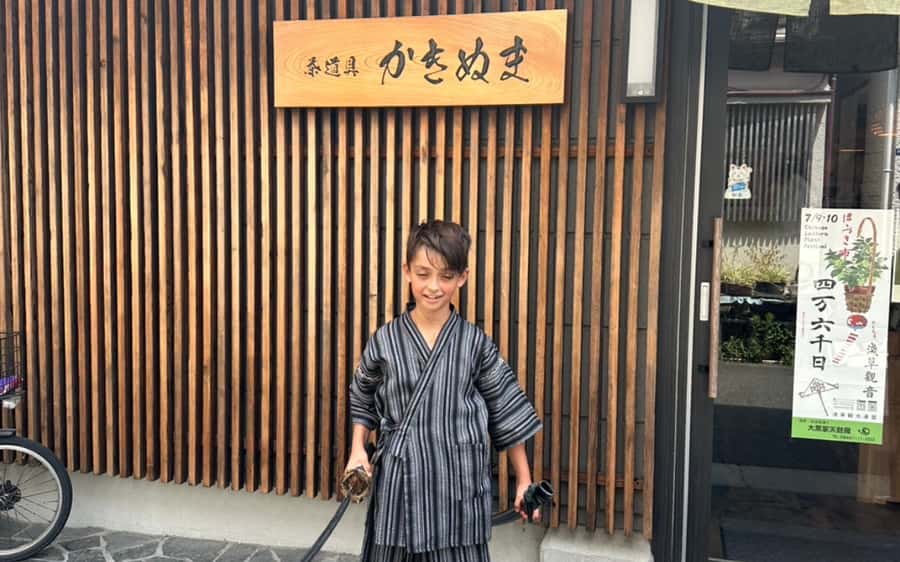
A kimono makes ordinary sightseeing feel different. You will want to take photographs, but you also need to pay attention to comfort. The clothing can feel formal, and the zori sandals may affect how far you want to walk.
I would keep your plans centered on Asakusa rather than trying to cross Tokyo in the outfit. The shop’s location makes that easy. Sensoji, the surrounding old streets, and nearby photo stops can fill the outing without requiring a complicated route.
Storage for your clothes and belongings is included during the rental. That makes the visit simpler, since you do not need to carry a second outfit around Asakusa. You should still bring only what you need for the outing.
The experience is not suitable for wheelchair users, children under two, or babies under one year. It also has a stated weight limit of 264 pounds, or 120 kilograms. These limits are important to check before booking, since the clothing and shop setup may not work for everyone.
English and Japanese are available. That helps international visitors with the dressing process and practical instructions. The staff’s friendly manner is repeatedly emphasized, particularly Wako’s help with fitting and presentation.
Who will enjoy this most
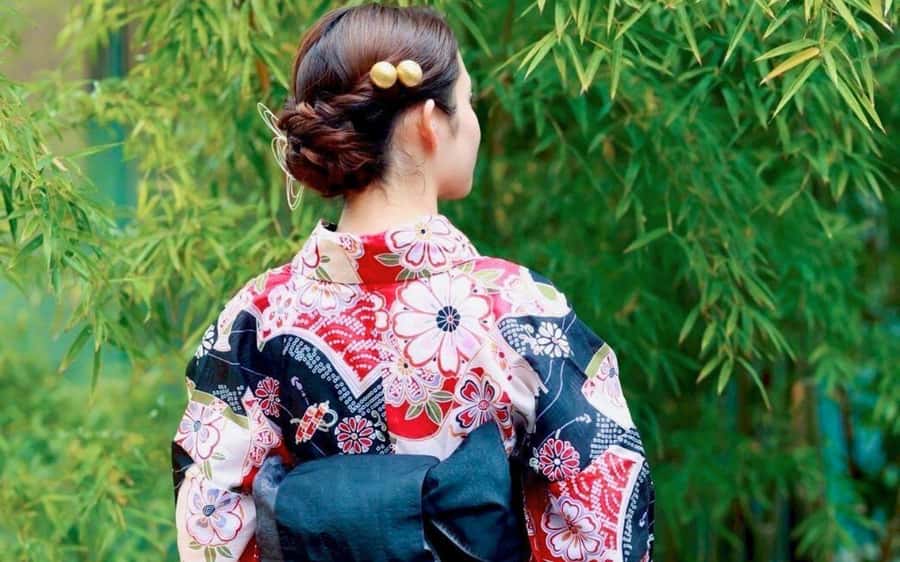
This experience suits you if you want a hands-on cultural activity rather than another observation-only sightseeing stop. You get to wear traditional clothing, move through an old Tokyo district, and create photographs in a setting that fits the experience.
It is a strong choice for couples and friends who want coordinated pictures. It also works well for mixed groups. Men can take part, and the experience is not limited to women looking for elaborate hair styling. One group included three men, who enjoyed the outing alongside a woman who received hairpins and a traditional hairstyle.
It also suits first-time visitors who want help. You do not need to know how to tie an obi or arrange the clothing. Staff handle the dressing and help you look presentable before you leave.
You may want something else if you prefer a tightly guided tour with narration, a long walking route, or a full-day schedule. This experience does not provide a stated guide-led itinerary after dressing. Its strength is freedom, not a packed program.
Seven useful ways to make the most of it
- Book an early or comfortably timed slot: You will have more room for Sensoji, photographs, and a relaxed return.
- Arrive 10 minutes early: The clothing selection and dressing process need preparation time.
- Use the temple as your first destination: It is only about three minutes from the shop and gives you the strongest setting for pictures.
- Plan a compact route: Zori sandals and formal clothing are better suited to nearby sightseeing than a long Tokyo crossing.
- Ask about add-ons before leaving: Rickshaw rides and tea ceremonies cost extra and are arranged at the shop.
- Keep the return deadline in mind: Standard same-day return is by 17:30, unless you pay for an extended arrangement.
- Look for the checkered entrance: The silver gate and black-and-white pathway are the clearest meeting-point clues.
FAQ
Where is the kimono shop located?
The shop is a few minutes from Asakusa Station and about a three-minute walk from Sensoji Temple. Look for the entrance with a black-and-white checkered pathway and a silver metal gate, then walk inside to the elevator area.
What is included in the rental?
The package includes a kimono, obi belt, zori sandals, bag, dressing assistance, simple hairstyling, and storage for your clothes and belongings.
Who helps with the dressing?
Kazune helps with dressing and grew up in Asakusa. Wako is also part of the staff, and another staff member is a Japanese National Certified Kimono Dresser.
When must I return the kimono?
The kimono must normally be returned to the shop by 17:30 on the same day. You can arrange an overnight return for a small extra fee directly at the shop.
Can I add a rickshaw ride or tea ceremony?
Yes. A rickshaw ride and tea ceremony are available as optional extras for an additional fee arranged at the shop.
Is transportation included?
No. Transportation to and from the meeting point is not included, though the shop is a few minutes from Asakusa Station.
Who cannot take part?
The experience is not suitable for children under two, babies under one year, wheelchair users, or people over 264 pounds, or 120 kilograms.
Should you book this Asakusa kimono experience?
Book it if you want traditional clothing, easy access to Sensoji, and friendly hands-on help. The combination of a local connection through Kazune, careful dressing support, Wako’s warm assistance, and included hairstyling makes this more personal than a bare-bones costume rental.
The $47 price is fair for the full set and preparation, especially with the shop so close to the temple. Just plan around the 17:30 return time, wear the kimono for a focused Asakusa outing, and budget extra if you want a rickshaw ride or tea ceremony.
For a relaxed cultural memory in one of Tokyo’s oldest districts, this is a good pick. If you want a narrated tour or a full day of sightseeing, choose a different activity and save the kimono for a shorter, photo-friendly visit.
Just added around Tokyo
- Tokyo: Customizable Private Guided Walking Tour★ 4.5 · 129 reviews
- Private Harajuku Omotesando Architecture Tour★ 4.9 · 18 reviews
- Tokyo: Guided Helicopter Ride★ 4.9 · 24 reviews
- Tokyo: Guided Walking Tour of Tsukiji Market with Lunch★ 4.4 · 24 reviews
- Tokyo: Private Personalized Local Food Tour★ 4.5 · 101 reviews
- Tokyo GINZA: KONPARU Japanese Cabaret Show with Drink★ 4.8 · 38 reviews
- Tokyo: Guided Walking Tour of Tsukiji Market with Breakfast★ 4.4 · 134 reviews
- Tokyo: Gotokuji Cat Temple, Shinjuku Cat Cafe & 3D Cat Tour★ 4.9 · 38 reviews
Kimono & Culture Experiences, compared.
Kyoto Geisha Walking Tour: Gion District & Hidden Gems
Read our review →
Gion Magical Night Walking Tour with Geisha Trivia
Read our review →
Gion Geisha District Walking Tour – Stories of Geisha
Read our review →
Best of Kyoto: Gion, Geisha, Pagodas & Cobblestones
Read our review →
Kyoto Gion Geisha District Walking Tour – The Stories of Geisha
Read our review →
Browse the lists this tour appears in