
REVIEW · TEA CEREMONY EXPERIENCES
Tea ceremony experience in Japanese-style room 60min
The best part of this experience is that you do not simply sit and watch. In Wasako’s quiet Japanese-style room, you choose your own sweet and matcha bowl, watch Ryouko prepare the tea, then learn to whisk your own bowl. I especially like the small group size and the chance to ask questions in English or Japanese. I also like that the bowl designs, scrolls, furnishings, and utensils are explained instead of being treated as mere decoration.
The main thing to consider is the timing. It is presented as a 60-minute experience, but one booking finished in about 40 minutes, including an early arrival. If you want a long, formal ceremony with extended instruction, you may find the visit brief for the $45 price.
In This Review
- Key Points at a Glance
- Entering Wasako Near Asakusa
- Choosing a Sweet and Matcha Bowl
- Watching Ryouko Prepare the Matcha
- Whisking Your Own Bowl of Matcha
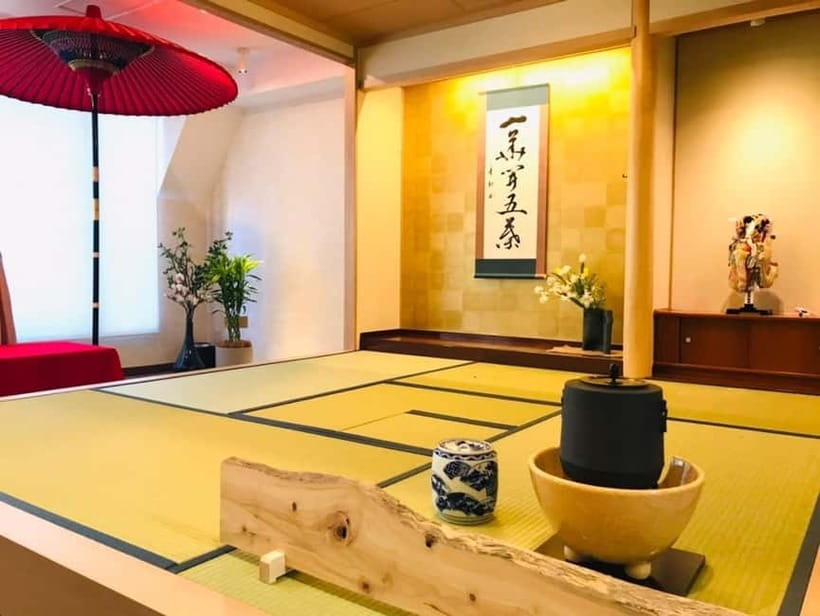
- A Room Made for Photos
- How Much Value Do You Get for $45?
- Who Will Enjoy This Most?
- Planning the Visit Around Asakusa
- Final Recommendation
- FAQ
- Where does the tea ceremony take place?
- How do I reach the meeting point?
- What start times are available?
- How long does the experience last?
- Is instruction available in English?
- Can I make my own matcha?
- Can I take photographs?
- Do I need to bring socks?
Key Points at a Glance
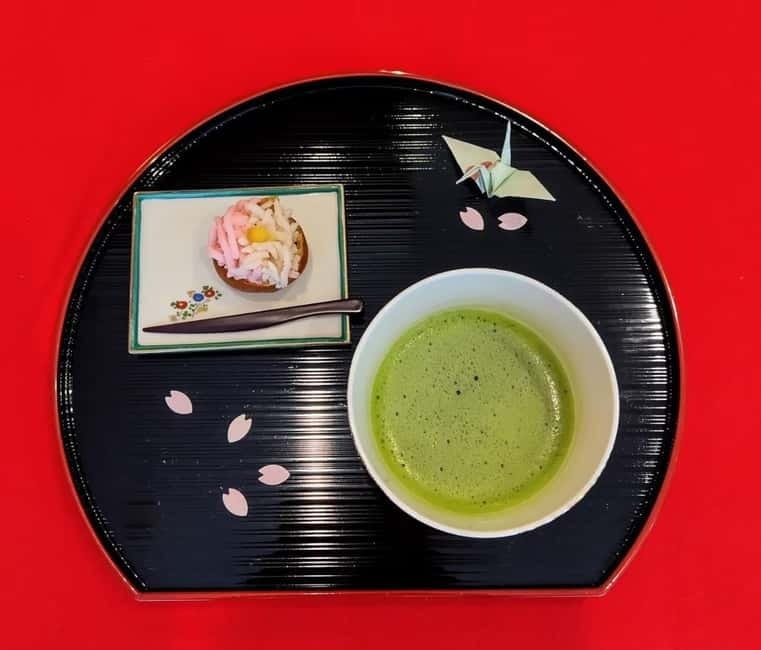
- Choose your own bowl and sweet: Each matcha bowl has a different design, and its character is explained before you use it.
- Make your own matcha: After the demonstration, you whisk a bowl yourself with guidance from the host.
- Meet Ryouko at Wasako: Ryouko is the owner and tea master, with assistants helping during some sessions.
- Enjoy a heritage setting: Charyo-Ichimatsu is housed in a building designated as a registered tangible cultural property in Japan.
- Take photos during the visit: Photos and videos are allowed, and the staff can take pictures for you.
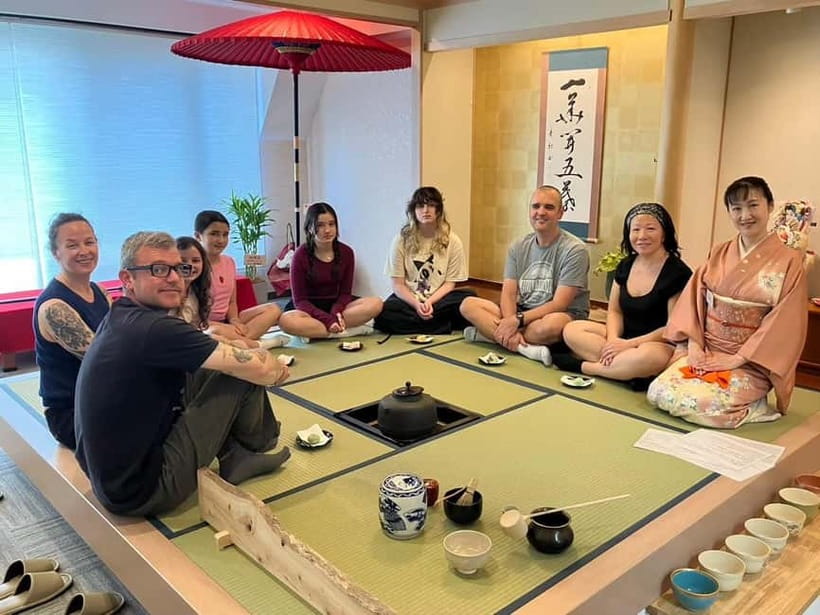
- Expect a small class: Groups are limited to seven, though you may occasionally have the room to yourself.
Entering Wasako Near Asakusa
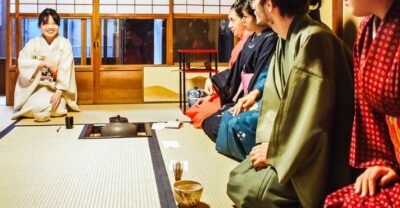
The tea ceremony takes place in Wasako, a Japanese-style room inside the Charyo-Ichimatsu restaurant. This is not a modern classroom with rows of chairs. The room, furnishings, hanging scrolls, and tea utensils set the tone before the tea is even served.
You reach the venue in about five minutes from Tawaramachi Station, Exit 3, on the Tokyo Metro Ginza Line. From Asakusa Station, Exit A4, it is about a 10-minute walk on the Toei Asakusa Line. Allow extra time to find the entrance. Directions and signs can be easy to miss, so look for green signs marked Tea ceremony experience. One useful arrival detail is that the room is on the fifth floor, two doors past the kimono rental area, near a doorway associated with an incense shop.
Shoes are not allowed indoors. Bring socks if you plan to step onto the tatami. If you arrive without them, socks are sold for 500 yen. This is a small cost, but it is an avoidable one, and bare feet are not suitable for the room.
There are four listed start times: 10:00, 11:30, 13:30, and 15:00. The exact length can vary in the booking system, which lists 45 minutes to four hours, while the experience itself is described as 60 minutes. I would plan on roughly an hour, with enough time on either side for the walk and changing shoes.
More Tea Ceremony Experiences in Tokyo
- Matcha Making Class in Tokyo with Authentic Japanese Sweets Set
★ 5.0 · 744 reviews - Tokyo: Traditional Tea Ceremony with a Tea Master
★ 5.0 · 528 reviews - Tokyo: Matcha Making Experience with Mochi Sweets in Asakusa
★ 4.9 · 388 reviews
Choosing a Sweet and Matcha Bowl
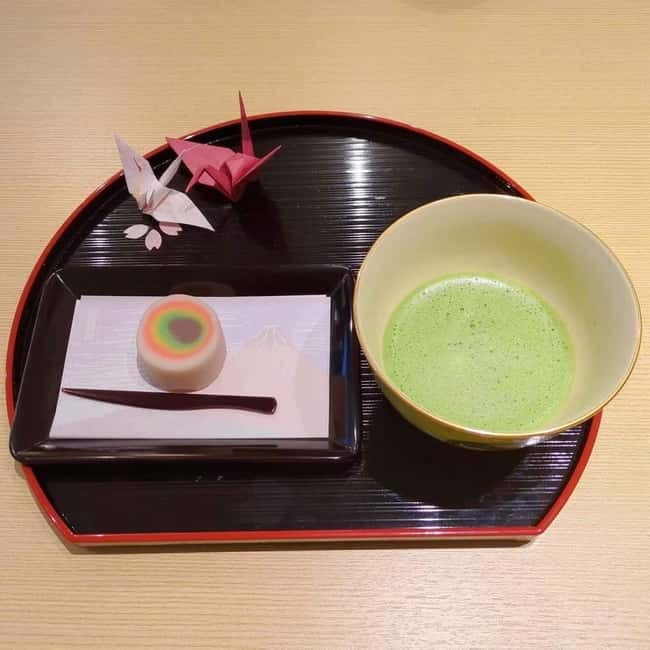
One of the most appealing details comes before the tea is made. You select the Japanese sweet and the matcha bowl that will be used during your session.
The sweets provide the traditional counterpoint to matcha’s strong, grassy bitterness. You eat the sweet before drinking the tea, which prepares your palate for the flavor. This simple order gives you a better sense of why Japanese tea service treats the sweet and tea as a pair rather than as separate refreshments.
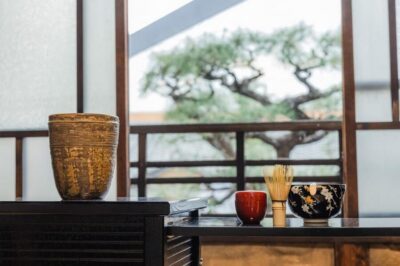
The bowl selection adds a personal touch. Each bowl has a different design, and the host explains the individual character of the bowl you choose. You are not just handed a standard cup. You get a small introduction to the idea that an everyday object can carry artistic and seasonal meaning.
This part is especially helpful if you are new to tea ceremony customs. You do not need to recognize pottery styles or know the names of every utensil. The explanation gives you enough context to notice the bowl’s shape, colors, and decoration.
Watching Ryouko Prepare the Matcha
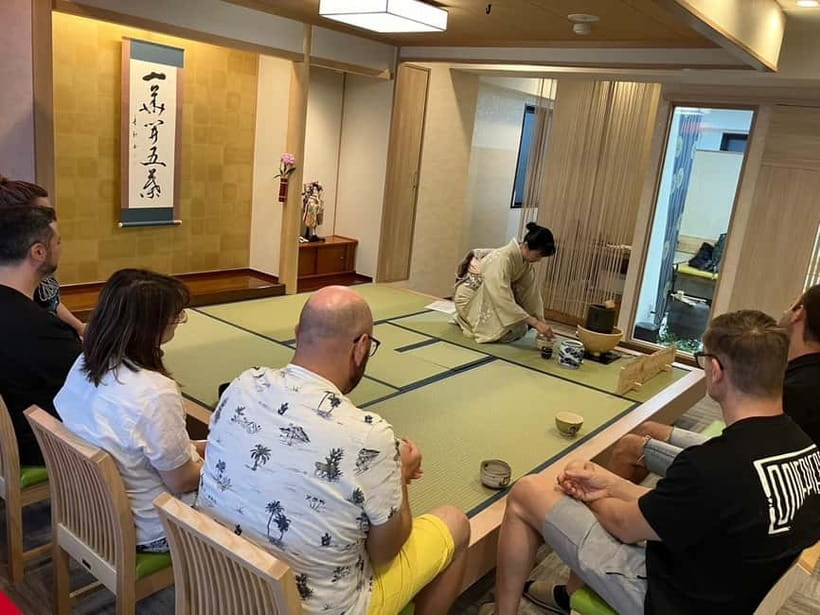
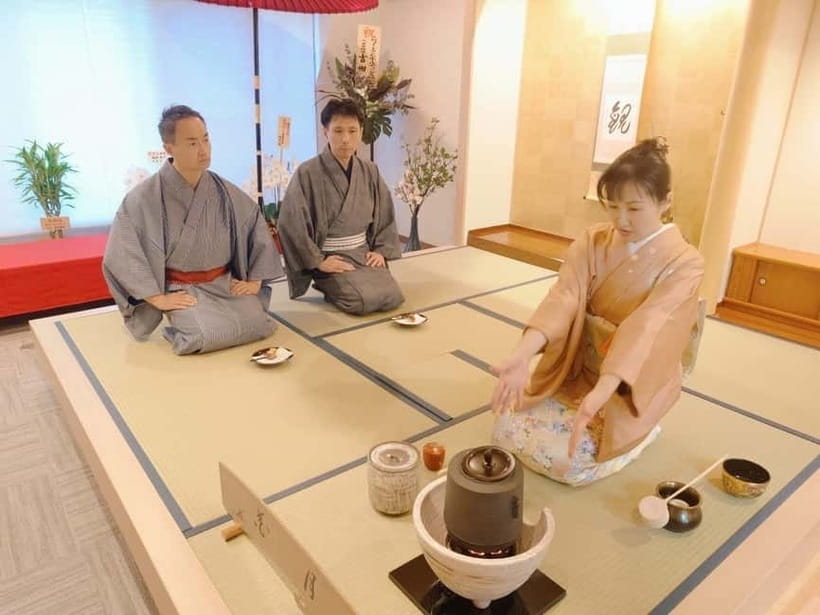
The demonstration is the calm center of the visit. Ryouko prepares the matcha with careful movements while explaining what she is doing. The focus is not only on the finished drink, but also on the order of the actions, the use of each tool, and the manners that shape the ceremony.
You can watch the steps closely and ask questions along the way. Instruction is available in English and Japanese. Several sessions have included explanations about the tea ceremony’s customs and background, as well as the meaning of the room’s scrolls, furnishings, and other objects.
I like this format because it gives you cultural context without requiring you to sit through a long lecture. You learn through the objects in front of you. The whisk, scoop, bowl, and sweets all become part of the story.
The atmosphere also matters. The traditional room and restrained presentation encourage you to slow down. You may notice the lighting, sound, and arrangement of the room more than you would in a quick sightseeing stop. It is a peaceful break from the busy streets around Asakusa.
Whisking Your Own Bowl of Matcha
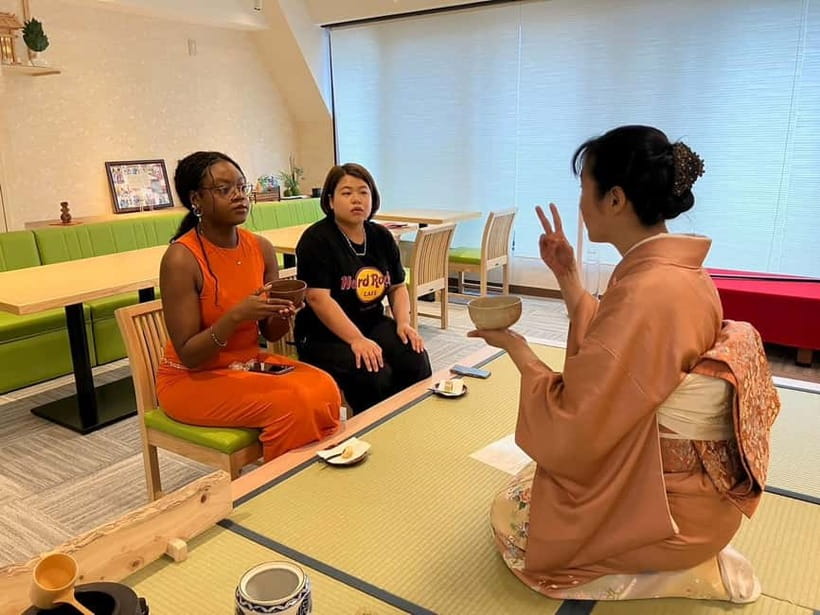
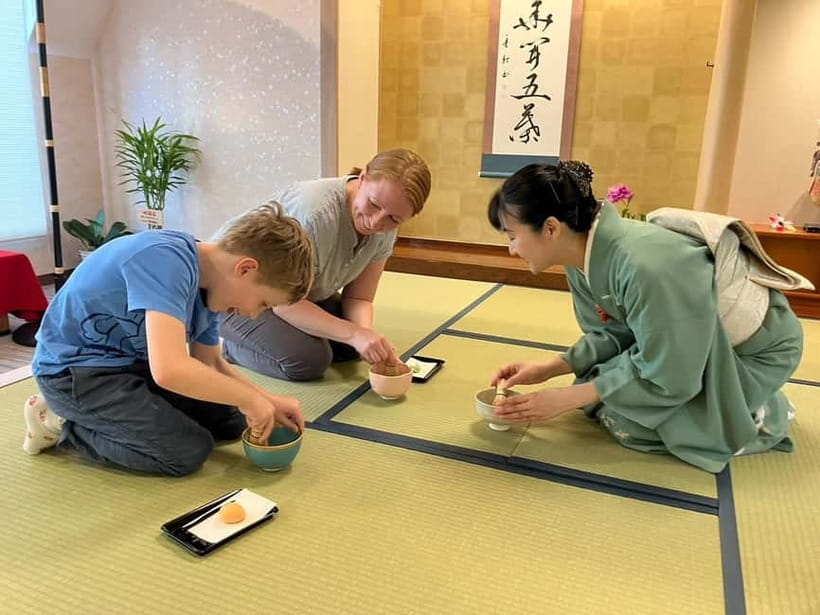
After watching the demonstration, you get to make your own matcha. The host guides you through the process, so you do not need previous experience.
This hands-on part makes the activity more memorable than a demonstration alone. You learn how the powder, water, whisk, and bowl work together. Your first bowl may not look exactly like the tea master’s, and that is part of the fun. The goal is to understand the process and take part respectfully, not to perform a flawless professional ceremony.
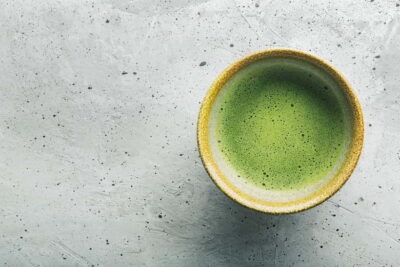
You also get to drink the matcha with the sweet you selected. The drink can taste unfamiliar if you have only had sweetened green tea, so the confectionery is an important part of the experience. It balances the tea and helps you appreciate the traditional serving order.
The host’s manner is a major strength here. Ryouko is described as patient, kind, calm, and eager to share Japanese culture. Her assistant Akiko has helped with some sessions, including kimono dressing. The instruction is gentle rather than stiff, which makes the activity suitable for first-time visitors.
Same city, a completely different kind of day:
- Mt Fuji and Hakone 1-Day Bus Tour Return by Bullet Train
★ 5.0 · 26,383 reviews - 1-Day Tokyo Bus Tour
★ 5.0 · 14,250 reviews - Tokyo: TOKYO SKYTREE® Admission ticket
★ 4.5 · 11,192 reviews - Tokyo: teamLab Planets TOKYO Digital Art Museum Entry Ticket
★ 4.6 · 9,779 reviews
A Room Made for Photos
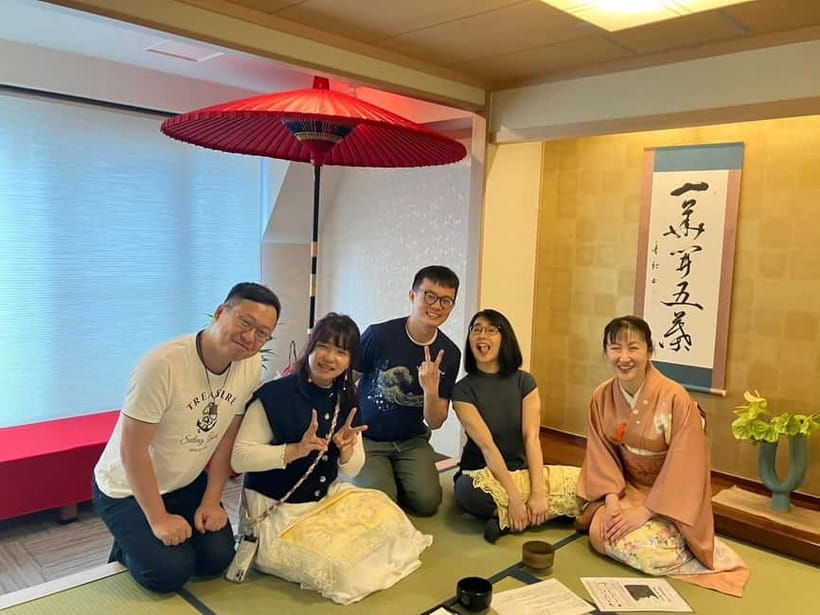
Photography is allowed, and the setting offers plenty of attractive corners. The building housing Charyo-Ichimatsu is a registered tangible cultural property in Japan, giving the visit a stronger sense of place than a recreated studio room.
You can take pictures and videos during the ceremony. The staff also take photos for you, which is useful when you want pictures of the tea preparation or a group portrait. Several people appreciated not having to choose between participating and documenting the moment.
The photo help is one of the experience’s practical advantages. A tea ceremony involves both hands, and asking a companion to take every picture can interrupt the session. Here, staff can capture some of the key moments while you remain part of the activity.
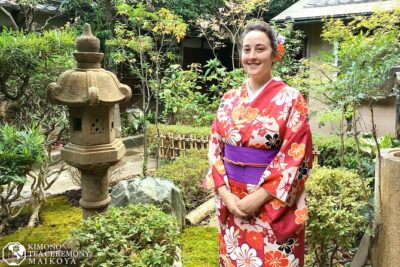
A kimono option has also been used by some participants. Guests have selected silk kimonos and received help from Ryouko and an assistant with the layers and dressing. This appears to be an additional arrangement rather than part of the $45 tea ceremony package, so confirm the price and availability before booking if the clothing is important to you.
If you choose the kimono option, allow more time than the basic tea session. The clothing adds a photo element and changes the feel of the visit, but it is not necessary to enjoy the ceremony itself.
How Much Value Do You Get for $45?
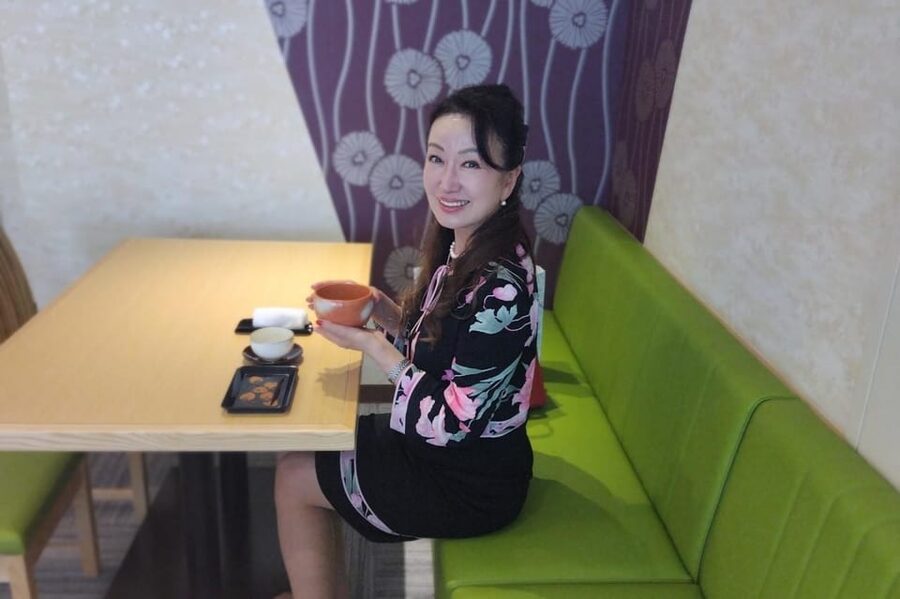
At $45 per person, this is not a bargain snack stop. You are paying for instruction, a prepared tea service, sweets, access to a traditional room, and the chance to make your own matcha. The small group limit of seven also matters, since it gives you a better chance to see the demonstration and ask questions.
The value is strongest for you if you want a personal cultural activity rather than a formal performance. You receive an explanation of the room and equipment, then take part yourself. The setting and staff attention add value that you would not get from simply ordering matcha at a café.
The value is less clear if you expect a long ceremony. One booking ended after about 40 minutes, and the participant felt the price did not fully match the duration. The listed experience is generally described as 45 to 60 minutes, but the booking page also displays a broader 45-minute to four-hour availability range. Check the selected time and duration carefully before paying.
Private-feeling sessions can improve the value. One person had the class alone, while the maximum group size remains seven. You cannot count on a solo session, but smaller groups make the activity more relaxed and personal.
Free cancellation is available up to 24 hours before the start time, with a full refund. A cancellation the day before carries a 50 percent fee, and cancellation on the day costs the full amount. The reserve-now, pay-later option can help if your Tokyo schedule is still changing.
Who Will Enjoy This Most?
This is a good choice for first-time visitors who want a clear introduction to matcha and Japanese tea customs. You get to observe, ask questions, and practice, so the experience does not assume prior knowledge.
It suits couples and families with older children. Children under six are not accepted, but teenagers and adult children can take part. The quiet format may work particularly well for a family that wants a shared cultural activity and a set of photos from the trip.
It also suits you if you care about atmosphere. The traditional room, selected pottery, sweets, scrolls, and cultural explanations give the hour a sense of purpose. You are not only tasting tea. You are learning why the tea is served in a particular way.
You may want to skip it if you dislike sitting on tatami, cannot remove your shoes, or need wheelchair access. The activity is not suitable for wheelchair users, and socks are required if you get onto the tatami.
You should also choose another activity if your main goal is a lengthy, highly formal ceremony. This experience is participatory and welcoming. Its strength is approachability, not an extended ritual lasting several hours.
Planning the Visit Around Asakusa
The location works well with a day in Asakusa. You can reach it from Tawaramachi or Asakusa Station and fit the session between other sightseeing stops. The 10:00 and 11:30 starts work well for a morning plan, while 13:30 and 15:00 can provide a quieter pause after lunch or sightseeing.
Arrive a little early, but do not assume that the street entrance will be obvious. Keep the green tea ceremony signs in mind and allow time to remove your shoes. Bring socks in your day bag, even if you are not sure whether you will spend much time on the tatami.
The language arrangement is straightforward. Instruction is offered in English and Japanese, making the activity accessible to English-speaking visitors who want more than a silent demonstration.
The class is limited to seven people, but the actual group may be smaller. A small class lets you see the tools at close range and gives the host more time to correct your technique when you make your own matcha.
Final Recommendation
I would book this tea ceremony if you want a friendly, hands-on introduction to Japanese culture in a traditional setting. The best features are the personal bowl choice, the chance to whisk your own tea, the photo help, and Ryouko’s warm instruction.
Before booking, decide how much time and formality you want. For a calm 45 to 60-minute activity near Asakusa, $45 is reasonable, particularly if you value the room and personal guidance. If you expect a long formal ceremony, check the duration carefully and consider the price. Bring socks, arrive early to find the entrance, and confirm any kimono add-on separately.
FAQ
Where does the tea ceremony take place?
It takes place in Wasako, a Japanese-style room inside the Charyo-Ichimatsu restaurant in Tokyo.
How do I reach the meeting point?
The venue is about five minutes from Tawaramachi Station, Exit 3, on the Tokyo Metro Ginza Line. It is about 10 minutes from Asakusa Station, Exit A4, on the Toei Asakusa Line.
What start times are available?
The listed start times are 10:00, 11:30, 13:30, and 15:00.
How long does the experience last?
The tea ceremony is described as a 60-minute experience, with activity details listing 45 minutes to four hours depending on availability. Check the duration shown for your selected booking.
Is instruction available in English?
Yes. The instructor languages are English and Japanese.
Can I make my own matcha?
Yes. You first watch the tea ceremony demonstration, then receive instruction and prepare your own matcha.
Can I take photographs?
Yes. Taking pictures and videos is allowed, and the staff can also take pictures for you.
Do I need to bring socks?
Yes. Shoes are not allowed indoors, and you need socks if you go onto the tatami. Socks can be purchased for 500 yen if needed.
Just added around Tokyo
- Tokyo: Customizable Private Guided Walking Tour★ 4.5 · 129 reviews
- Private Harajuku Omotesando Architecture Tour★ 4.9 · 18 reviews
- Tokyo: Guided Helicopter Ride★ 4.9 · 24 reviews
- Tokyo: Guided Walking Tour of Tsukiji Market with Lunch★ 4.4 · 24 reviews
- Tokyo: Private Personalized Local Food Tour★ 4.5 · 101 reviews
- Tokyo GINZA: KONPARU Japanese Cabaret Show with Drink★ 4.8 · 38 reviews
- Tokyo: Guided Walking Tour of Tsukiji Market with Breakfast★ 4.4 · 134 reviews
- Tokyo: Gotokuji Cat Temple, Shinjuku Cat Cafe & 3D Cat Tour★ 4.9 · 38 reviews
Tea Ceremony Experiences, compared.
Tea Ceremony in a Traditional Tea House in Kiyomizu
Read our review →
World Heritage Kyoto & Nara Uji Authentic Matcha Experience
Read our review →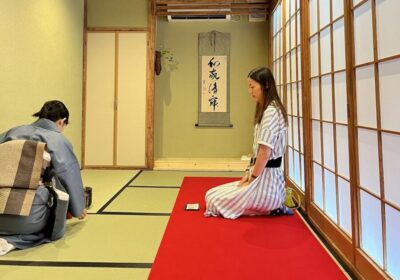
Browse the lists this tour appears in