
REVIEW · JAPANESE COOKING CLASSES
Sushi Cooking Class at Sushi Factory -KIWAMI- Mt.Fuji
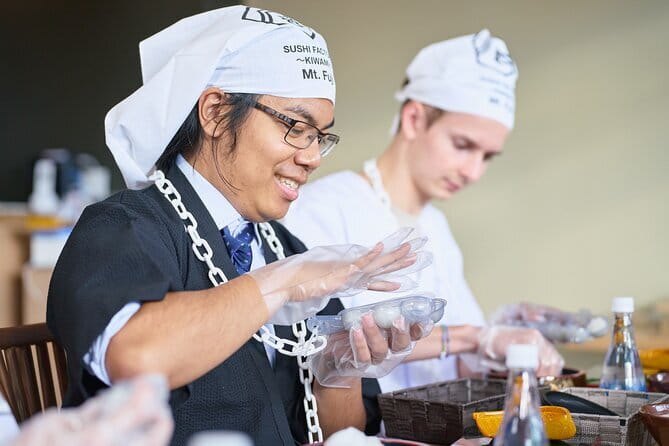
Mt. Fuji provides the backdrop, but the real hook is the mix of hands-on sushi making and puzzle challenges. You shape Temari sushi, gunkan maki, nigiri, and temaki, then add fresh grated wasabi and playful decorative pieces. It is part cooking class, part food-themed game.
I like the variety. You do not spend the whole session repeating one sushi shape, and the 90-minute format keeps the activity moving. I also like the chance to grate fresh domestic wasabi, a small detail that gives the class a stronger connection to Japanese ingredients.
The catch is the price: $141.84 per person is a lot for a short class. If you want a quiet, traditional lesson focused on sushi technique, the puzzle missions and decorative challenges may feel gimmicky rather than cultural.
In This Review
- Key points before you book
- A sushi class with a game built into it
- What happens during the 90-minute session
- Temari, gunkan, nigiri, and temaki: four different lessons
- Fresh wasabi adds a useful taste lesson
- Sushi pearls and decorative boats
- The Mt. Fuji setting and meeting point
- Is $141.84 good value?
- Who will enjoy this most?
- Booking timing, cancellation, and practical details
- Should you book Sushi Factory KIWAMI?
- FAQ
- Where does the sushi class begin?
- Where does the activity end?
- How long does the experience last?
- What types of sushi will I make?
- Is transportation included?
- How many people can join?
- Can I cancel for a full refund?
Key points before you book
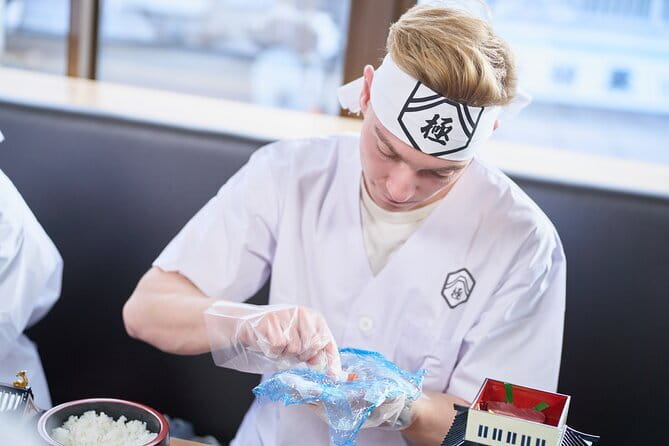
- Four sushi styles in one class: Make Temari, gunkan maki, nigiri, and temaki sushi with help from a local instructor.
- Fresh wasabi included: Grate domestic wasabi and use it with your sushi.
- Puzzle-based format: Complete sushi missions, shape sushi pearls, and build decorative sushi boats.
- Mt. Fuji area setting: The class takes place at Ramen Factory Mt. Fuji in Fujikawaguchiko.
- Short, contained schedule: Allow about 1 hour 30 minutes, with the experience ending where it starts.
- Small maximum group: The class accepts up to 15 people, so it is not a huge workshop.
A sushi class with a game built into it
Sushi Factory KIWAMI takes a familiar cooking class and adds a playful layer. You are not simply shown how to roll rice and fish. You move through a series of sushi-making tasks, with puzzles and missions mixed into the work.
That design matters. A standard class can become repetitive, especially if you already know your way around a kitchen. Here, each form asks for a different kind of handling. Temari sushi is shaped into a small rounded form. Nigiri requires a neat rice base. Gunkan maki has its own upright shape, while temaki sushi is formed into a hand roll.
The class also includes sushi pearls and decorative sushi boats. These are less about strict restaurant technique and more about making food that looks imaginative. If you are visiting Japan with children, teenagers, or friends who enjoy games, this can make the 90-minute session more engaging than a basic demonstration.
I would set your expectations correctly. This is not presented as an advanced chef-training course. It is a social activity that combines simple sushi skills, Japanese food culture, and a series of challenges. You should expect to make food with your own hands, but not to leave with professional-level knife or fish-preparation skills.
More japanese cooking classes in Fujikawaguchiko machi:
- Ramen Cooking Class at Ramen Factory in Mt.Fuji
★ 5.0 · 101 reviews - Ramen Cooking Class at Lake Kawaguchiko (Short Course)
★ 5.0 · 42 reviews - Fujisan Sushi Making Lesson
★ 5.0 · 16 reviews
What happens during the 90-minute session
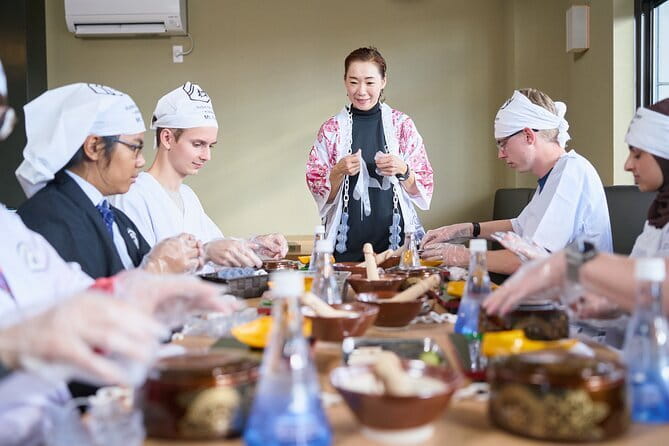
The activity begins at Ramen Factory Mt. Fuji, at 3487-15 Funatsu in Fujikawaguchiko, Minamitsuru District. The listed meeting point is also the end point, so you do not need to arrange a separate return transfer after class.
A local instructor guides the session. No instructor names are provided, so you should not book this expecting a named chef or celebrity host. The useful point is that the class is instructor-led, which helps if you have never handled sushi rice or are unsure how tightly to shape each piece.
The work moves through several sushi forms. Making different types gives you a better feel for how sushi can change in shape and presentation while using related ingredients. You may find that one style feels natural and another takes more care. That variety is one of the better reasons to choose this activity over a single-format sushi lesson.
The puzzle element runs alongside the cooking. You complete playful missions as you create the food, rather than sitting through a long talk about technique. This can make the class feel active from the first few minutes, though it also means the focus is divided between cooking and solving challenges.
The session includes lunch and dinner in the listed inclusions, though the supplied details do not explain whether both are served or whether the meal applies according to the booking time. Check the exact meal arrangement before paying, especially if you are comparing this with a restaurant meal or planning your day around it.
Temari, gunkan, nigiri, and temaki: four different lessons
The strongest part of the class is the range of sushi styles. Each one gives you a different small task, and together they make the activity feel more substantial than simply shaping one type of roll.
Temari sushi is known for its rounded appearance. Its compact form is approachable for beginners and lends itself to decoration. The shape also fits the class’s creative side, since the point is not only to make something edible but to make it look appealing.
Gunkan maki is shaped like a small vessel, with rice held by a strip of seaweed. It connects naturally to the later decorative boat challenge. You get a chance to work with height and structure, rather than pressing everything into a flat or cylindrical roll.
Nigiri sushi brings you closer to the familiar image of sushi. The rice must be formed without crushing it, and the topping needs to sit neatly. Even in a playful class, this is the style most likely to make you pay attention to balance and proportion.
Temaki sushi is the hand-roll option. It has a more casual feel and is often easier to understand through practice than through explanation. The shape needs to hold together while remaining pleasant to eat, which gives you a simple lesson in how sushi is assembled for immediate serving.
The class does not provide a detailed ingredient list in the supplied information, so you should not assume a particular selection of fish or seafood. The clear promise is the chance to make these four sushi forms, plus the special wasabi and puzzle activities.
Fresh wasabi adds a useful taste lesson
Grating domestic wasabi is one of the most distinctive parts of the experience. It is a small action, but it changes the class from a simple food craft activity into a lesson about an ingredient often treated as a bright green paste outside Japan.
You get to prepare the wasabi yourself and use it with the sushi you make. That gives you a direct connection between the ingredient and the finished food. It is also a welcome break from the puzzle tasks, since it brings the focus back to smell, texture, and taste.
The supplied details do not say where the wasabi comes from or how much you receive. Still, the fact that it is described as domestic and freshly grated is worth noting when you compare the class with cheaper sushi workshops that may only provide ready-made condiments.
If your main goal is food culture, this is the part I would pay closest attention to. The puzzle missions may be the headline feature, but fresh wasabi offers a more grounded connection to Japanese cooking.
A few more Fujikawaguchiko machi trips to weigh up
- Ramen Cooking Class at Ramen Factory in Kyoto
★ 5.0 · 1,937 reviews - Ramen & Gyoza Cooking Class in Tokyo with Local Supermarket Visit
★ 5.0 · 823 reviews - Kyoto: Ramen Cooking Class at a Ramen Factory with Souvenir
★ 4.9 · 532 reviews - Kyoto: Ramen, Gyoza, and Onigiri Cooking Class
★ 5.0 · 445 reviews
Sushi pearls and decorative boats
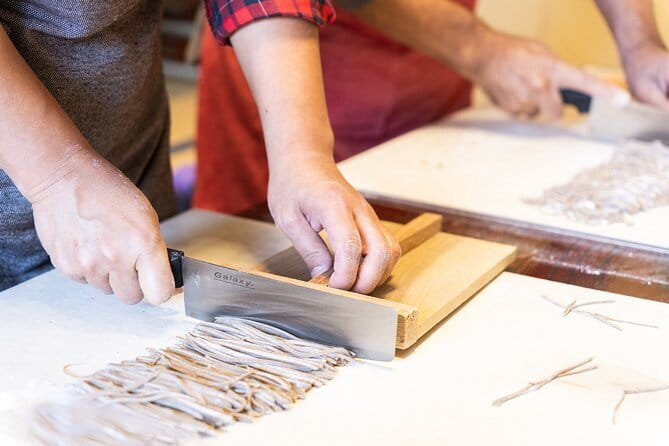
The sushi pearl challenge and decorative sushi boat task show what makes this class different from a strict traditional lesson. You are encouraged to treat sushi as something you can shape and design, not only a precise food made by trained specialists.
For some people, this will be the highlight. You can work on appearance, try unusual forms, and take part in a task that feels more like a food game. It gives friends and families something to talk about and compare during the session.
For others, these activities may feel like a distraction. A critical assessment of the experience found the sushi making worthwhile but considered the overall format too gimmicky and not cultural enough. That is a fair warning. The class uses Japanese food as its base, but the puzzle structure is a modern entertainment choice, not a formal lesson in sushi history or restaurant tradition.
I would book this for creativity, not authenticity alone. If you want to learn the customs of an edomae sushi counter, practice professional cutting, or hear a long explanation of regional food traditions, this probably is not the right match. If you want to make several attractive pieces and solve challenges while doing it, the format makes more sense.
The Mt. Fuji setting and meeting point
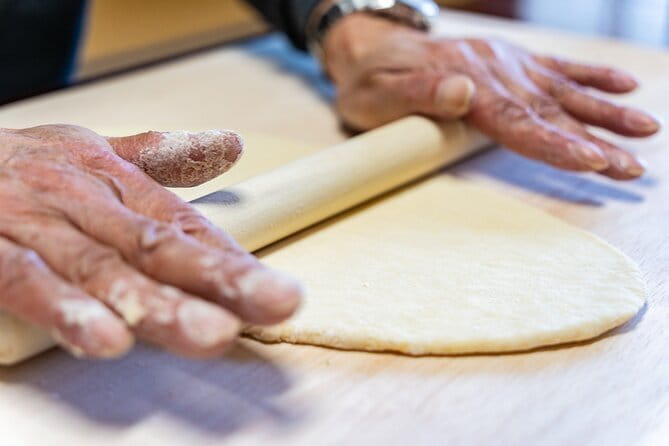
The class takes place in Fujikawaguchiko, a popular base for sightseeing around Mt. Fuji. The activity description highlights views of the local area and the mountain backdrop, so the setting is part of the appeal rather than a detail you should ignore.
The exact view can depend on weather and where you are positioned, and no guarantee of a clear Mt. Fuji sightline is stated. Still, combining a food activity with the area’s scenery is a smart use of time when you are already visiting Fujikawaguchiko.
The meeting point is Ramen Factory Mt. Fuji, not a hotel pickup location. Transportation is not included, so you must make your own way there. The venue is near public transportation, which helps, but the information provided does not name a station, give a walking time, or include a transport service.
Plan extra time to find 3487-15 Funatsu rather than arriving at the last minute. This is especially important if you have a timed Mt. Fuji viewing plan afterward. The class lasts about 90 minutes, but you should also allow time to reach the venue and get settled.
The activity returns to the meeting point at the end. That makes it easy to combine with nearby plans, but it does not help if you need to be picked up elsewhere.
Is $141.84 good value?
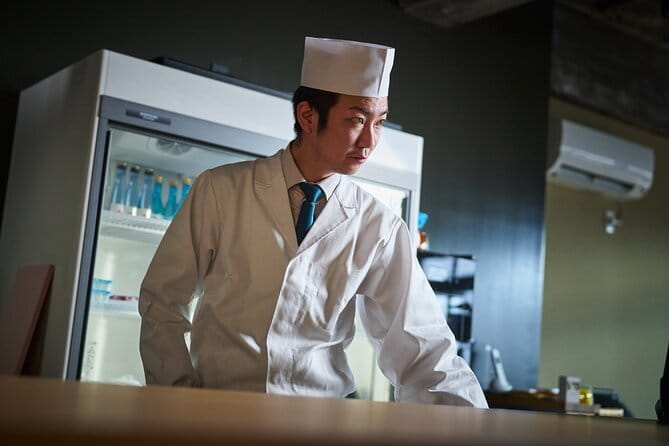
At $141.84 per person, this is a premium-priced cooking activity. The price includes lunch, dinner, all fees, and taxes, but the supplied details do not clarify how the lunch and dinner inclusion works. You should confirm that point before treating the meal as a major part of the value.
The 90-minute duration is another part of the calculation. You are paying for a short session, an instructor, ingredients, a venue near Mt. Fuji, the puzzle design, and the meal arrangement. If all of those pieces matter to you, the cost may be reasonable for a special holiday activity.
I would be more cautious if you are mainly paying to eat sushi. A restaurant meal can cost less and may offer a wider selection. Likewise, a longer cooking course could provide more technique for the same budget.
The price makes the most sense for a particular kind of day: you want an activity rather than just lunch, you enjoy making things, and you like the idea of food puzzles with Mt. Fuji nearby. It makes less sense for a serious culinary student or a budget-conscious visitor who only wants a traditional sushi lesson.
Who will enjoy this most?
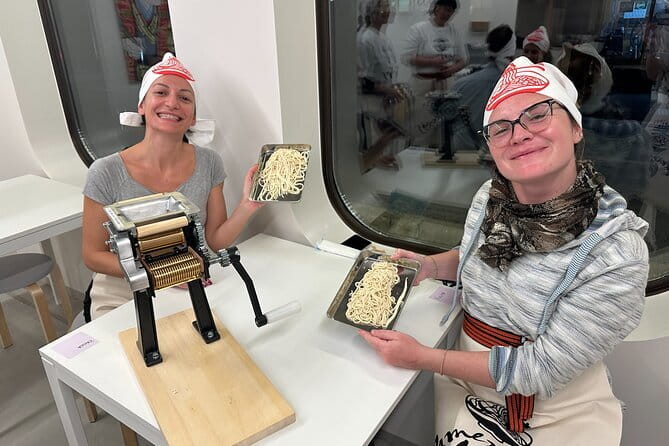
I would recommend the class to families, couples, and small groups looking for an easy shared activity. The puzzle missions give people a reason to work together, and the different sushi styles prevent the class from feeling like one long repetition.
It can also suit a special occasion. The decorative sushi work and scenic setting give the session a celebratory feel, though the high price means you should be sure the playful format matches the occasion. A couple seeking a quiet, refined meal may prefer a restaurant instead.
Beginners should find the format approachable because an instructor guides the work. The maximum group size is 15, which keeps the class from becoming a very large production, though it is not a private lesson.
I would hesitate to recommend it to anyone seeking a strict cultural study. The class uses real Japanese food forms and ingredients, but the mission-based design is clearly made for fun. That is not a flaw by itself. It is simply the key choice you need to make.
Booking timing, cancellation, and practical details
This experience is booked an average of 25 days ahead, so I would reserve early if it is important to your Fujikawaguchiko schedule. Confirmation arrives at booking, and mobile tickets are supported.
Free cancellation is available until 24 hours before the start time. Cancel at least 24 hours ahead for a full refund. Within 24 hours, you receive no refund, and late changes are not accepted. Cutoff times follow local time in Japan.
The experience has a 4.9 rating from 23 reviews and a 96 percent recommendation rate. Those figures suggest strong overall satisfaction, but the one detailed negative assessment is useful because it points to the main risk: the class may feel overpriced or too gimmicky if you expected a more formal cultural lesson.
Should you book Sushi Factory KIWAMI?
Book it if you want to make several kinds of sushi, grate fresh domestic wasabi, solve food-themed puzzles, and enjoy a short activity near Mt. Fuji. The combination is unusual, and the 90-minute schedule fits neatly into a sightseeing day.
Skip it if $141.84 feels high for a brief class, if you want serious sushi training, or if decorative challenges sound less appealing than traditional instruction. Before booking, confirm how the included lunch and dinner are handled and plan your own transport to Ramen Factory Mt. Fuji.
For the right audience, this is a cheerful, hands-on food experience with a clear sense of place. Just book it for playful sushi making, not for a formal lesson in the discipline of a Japanese sushi counter.
FAQ
Where does the sushi class begin?
It begins at Ramen Factory Mt. Fuji, located at 3487-15 Funatsu, Fujikawaguchiko, Minamitsuru District, Yamanashi 401-0301, Japan.
Where does the activity end?
The activity ends back at the meeting point.
How long does the experience last?
The class lasts approximately 1 hour 30 minutes.
What types of sushi will I make?
You will make Temari sushi, gunkan maki, nigiri sushi, and temaki sushi.
Is transportation included?
No. Transportation service is not included, so you must arrange your own way to the meeting point.
How many people can join?
The maximum group size is 15 travelers.
Can I cancel for a full refund?
Yes. You can cancel at least 24 hours before the experience start time for a full refund. Cancellations within 24 hours are not refunded, and late changes are not accepted.
More Workshops in Fujikawaguchiko machi
- Sushi Making Tokyo Roll and Authentic Japanese Sushi Class
★ 5.0 · 3,971 reviews - Kyoto: 45-Minute Tea Ceremony Lesson Experience
★ 4.3 · 2,378 reviews - Tokyo: Roll and Authentic Sushi Making Class in Asakusa
★ 4.9 · 1,957 reviews - Tokyo Shinjuku Chopsticks Making Class
★ 5.0 · 1,763 reviews
Just added around Fujikawaguchiko machi
- Cute & Fun E-Car tour following guide around Lake Kawaguchiko★ 5.0 · 54 reviews
- Early Morning Kayaking With Views of Mt Fuji at Lake Kawaguchiko★ 5.0 · 69 reviews
- Private Local Hiking to enjoy the nature and culture of Mt.Fuji★ 5.0 · 22 reviews
- Ramen Cooking Class at Lake Kawaguchiko (Short Course)★ 5.0 · 42 reviews
- Fujisan Sushi Making Lesson★ 5.0 · 16 reviews
- Ramen Cooking Class at Ramen Factory in Mt.Fuji★ 5.0 · 101 reviews
- Hidden Fuji drive tour with a Local English speaking guide★ 5.0 · 43 reviews
- Private Fuji Half-day Car Tour with Hotel Pickup and Local Guide★ 5.0 · 20 reviews
Japanese Cooking Classes, compared.

Sushi Making Tokyo Roll and Authentic Japanese Sushi Class
Read our review →
Roll and Authentic Sushi Making Class in Asakusa
Read our review →
Ramen Cooking Class at Ramen Factory in Kyoto
Read our review →
Sushi Making Class in a Happi Coat near a Famous Spot
Read our review →
Sushi Making Osaka Roll and Authentic Japanese Sushi Class
Read our review →
Tokyo Sushi Making Class in Tsukiji with Professional Chef
Read our review →
Ramen & Gyoza Cooking Class in Tokyo with Local Supermarket Visit
Read our review →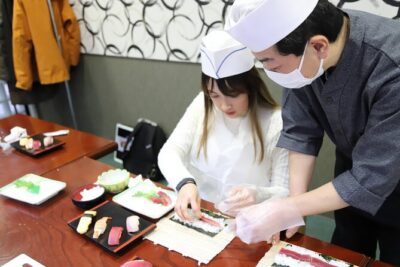
Tsukiji Fish Market Guided Tour and Sushi Making with Pro Chef
Read our review →Browse the lists this tour appears in