
REVIEW · TEA CEREMONY EXPERIENCES
Stunning Private Tea Ceremony: Camellia Garden Teahouse
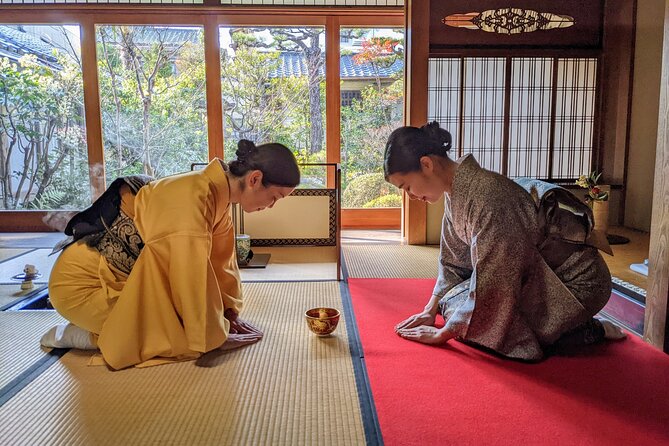
Kyoto has no shortage of tea ceremonies, but this one gives you something many cannot: a private room in a 100-year-old house across from Ryoan-ji. You begin with tea culture and seasonal sweets, then move into a tearoom where a formal preparation unfolds against a traditional garden.
I especially like the calm setting and the chance to make your own matcha with the bamboo scoop, whisk, and bowl. I also like the personal format. Hosts such as Yumiko take time to explain the ritual and answer questions. The main consideration is price: at $118.60 per person, this is a special occasion activity rather than a quick, budget cup of tea.
In This Review
- Key points to know before booking
- A quiet tea house across from Ryoan-ji
- Your first welcome in the sofa room
- Watching the formal ceremony in the main tearoom
- Making your own bowl of matcha
- Why the private format matters
- The instructors and the tone of the lesson
- Sitting on the floor is not required
- Kimono plans need special attention
- How to fit it into a Kyoto day
- Who will enjoy this most
- Is Camellia Garden Teahouse worth booking?
- FAQ
- Where does the tea ceremony take place?
- How long does the experience last?
- Is the ceremony private?
- Is matcha-making included?
- Are sweets included?
- Do I have to sit on the floor?
- Is kimono rental included?
- Is the activity near public transportation?
- Can I cancel for a full refund?
- What happens if poor weather cancels the activity?
Key points to know before booking
- Private for your party: You do not share the ceremony with strangers, which helps keep the room quiet and personal.
- Across from Ryoan-ji: The teahouse sits at 18 Ryōanji Ikenoshitachō, near one of Kyoto’s best-known Zen temples.
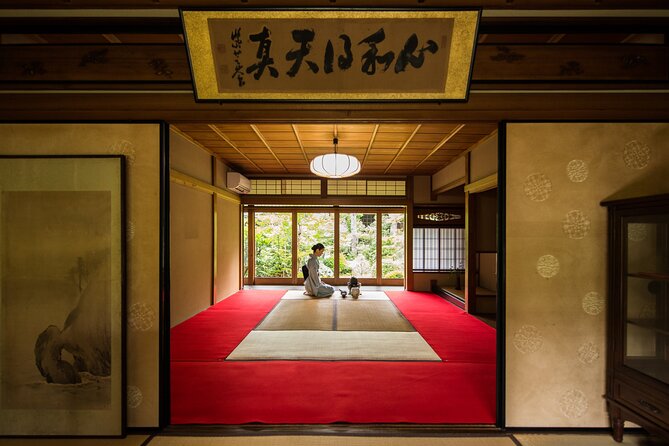
- Two-part setting: You start in a sofa room overlooking the front garden, then continue in the tearoom with the main garden as a backdrop.
- You make your own matcha: Tea bowls, scoops, and whisks are supplied, so this is more than a demonstration.
- Seasonal sweets included: You receive Japanese confectionery from one of Kyoto’s respected makers before the ceremony.
- Chairs are available: You can take part without sitting on the floor, an important comfort detail for some people.
A quiet tea house across from Ryoan-ji
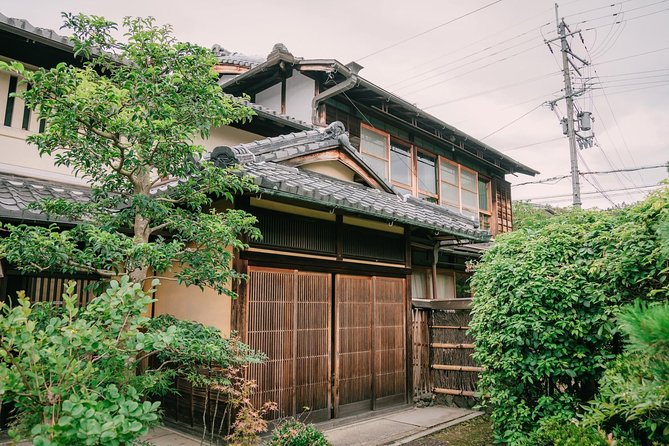
Camellia Garden Teahouse is in Kyoto’s Ukyo Ward, directly across the road from Ryoan-ji. That location matters. You can pair the ceremony with a visit to the famous Zen temple, yet the tea house itself offers a pause from the movement outside.
The property is about 100 years old and is surrounded by two traditional Japanese gardens. You are not simply placed in a modern room with tea equipment on a table. The gardens, old house, and tearoom give the ceremony a proper sense of place.
The setting also suits the subject. Japanese tea ceremony is built around attention, restraint, and careful movement. A quiet garden backdrop helps you notice those details. You will hear the sound of the whisk, see how the bowl is handled, and get a better feel for why each gesture matters.
The house is designed for privacy. Only your own party takes part, so you can ask basic questions without worrying about holding up a larger class. That is especially useful if this is your first contact with matcha or formal tea customs.
More Garden & Palace Tours in Kyoto
- Kyoto: Nijo-jo Castle and Ninomaru Palace Guided Tour
★ 4.7 · 1,020 reviews - Kyoto: Nijo Castle, Kiyomizu & Fushimi Inari Guided Tour
★ 4.7 · 700 reviews - Kyoto: Imperial Palace & Nijo Castle Guided Walking Tour
★ 4.7 · 453 reviews
Your first welcome in the sofa room
The experience begins in a sofa room looking onto the front garden. This first stage is less formal and gives you time to settle in.
Your instructor introduces the history and culture surrounding tea in Japan. The focus is not only on drinking matcha. You learn about the customs and rituals that shape a tea ceremony, which makes the later movements easier to understand.
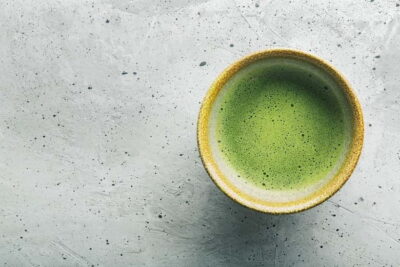
You also receive seasonal sweets from one of Kyoto’s renowned confectioners. These sweets are an important part of the experience, not just a snack on the side. Their sweetness prepares your palate for matcha, which has a strong, grassy bitterness.
The sweets and tea create a useful contrast. You first taste the confection, then drink the matcha, and the flavors balance one another. Several people particularly enjoyed the mochi and tea, so do not rush this opening stage.
This room is also a good place to ask questions before the formal ceremony begins. If you are curious about tea etiquette, the role of the tools, or why the host moves in a certain way, ask early. The private format gives you room for that conversation.
Watching the formal ceremony in the main tearoom
After the introduction, your host moves you into the tearoom. Here, you watch an authentic tea ceremony with the main garden behind it.
The formal demonstration is the part that requires patience. Tea ceremony is not a fast service ritual. The scoop, whisk, bowl, and movements are handled with care, and the pace is intentionally measured.
You first watch the host prepare the tea. Afterward, you are served matcha before getting the tools yourself. This order works well because you see the process performed correctly before attempting it.
The ceremony is also a lesson in Japanese hospitality. The focus is on how the tea is prepared, presented, received, and appreciated. Even if you do not remember every rule, you will come away with a clearer idea of why the ceremony looks so precise.
The garden provides a natural focal point during the demonstration. It gives you something peaceful to look at while the ritual unfolds, and it makes the room feel connected to the property rather than sealed away from it.
Making your own bowl of matcha
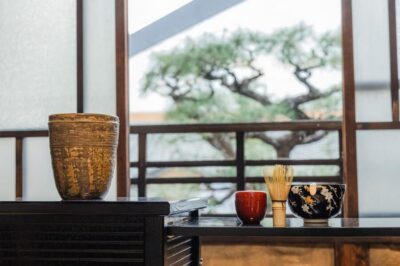
The hands-on portion is where this experience becomes more useful than a ceremony you only watch. Tea bowls, tea scoops, and bamboo whisks are provided, and you get to prepare your own bowl of matcha.
The basic tools are simple, but the technique takes care. You learn how to use the scoop and whisk, then try to create the smooth, frothy drink you have just seen prepared.
Do not worry about producing a perfect bowl. The point is to understand the process and feel the tools in your own hands. You can ask questions as you work, and the private setting means the instructor can give your party personal attention.
This also makes the activity a good choice for families and small groups. Children may enjoy the practical part more than sitting quietly through a full demonstration, while adults get a closer look at the ceremony’s details.
You also have time for photographs and questions after making the tea. That is helpful because the opening explanation and formal preparation can feel like a lot to take in during a one-hour session.
More Tea Ceremony Experiences in Kyoto
- Kyoto: Tea Ceremony in a Traditional Tea House in Kiyomizu
★ 4.9 · 3,519 reviews - Kyoto: Tea Ceremony Ju-An at Jotokuji Temple
★ 4.9 · 3,207 reviews - Kyoto: 45-Minute Tea Ceremony Lesson Experience
★ 4.3 · 2,378 reviews - Kyoto: Table-Style Tea Ceremony at a Kyo-Machiya
★ 4.9 · 1,211 reviews
Why the private format matters
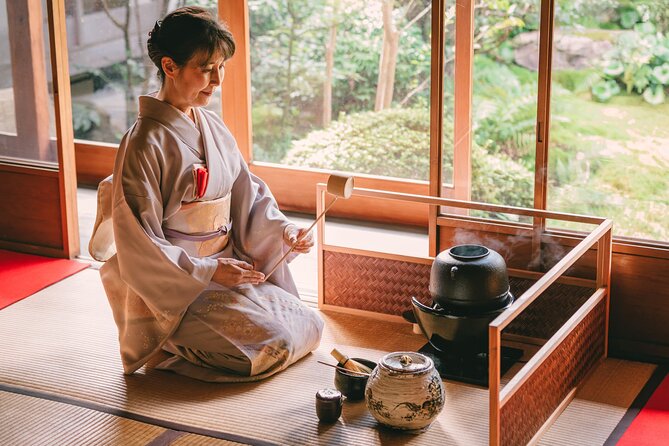
A group tea ceremony can be a good introduction, but privacy changes the mood. At Camellia Garden Teahouse, your party is the only group taking part.
I like this for three reasons. First, you can speak freely with the instructor. Second, the room remains quiet, which suits the subject. Third, your group can take photographs and ask questions without a larger audience waiting for the next step.
The private format is especially valuable for couples, families, or friends who want a shared cultural activity. You can enjoy the ceremony together without feeling that you are being moved through a fixed demonstration.
It does not mean the experience is completely informal. The tea ceremony still follows a structured sequence, and you should expect a respectful, measured hour rather than a casual tea tasting.
The private arrangement may also explain the higher cost. At $118.60 per person, you are paying for the setting, the instructor’s time, the sweets, the equipment, and an activity reserved for your own party. If you want the lowest-cost introduction to matcha, this may feel expensive. If privacy and atmosphere matter, the price is easier to justify.
Group discounts are listed as a feature, but no discount amount is provided. Check the price for your party size before booking.
The instructors and the tone of the lesson
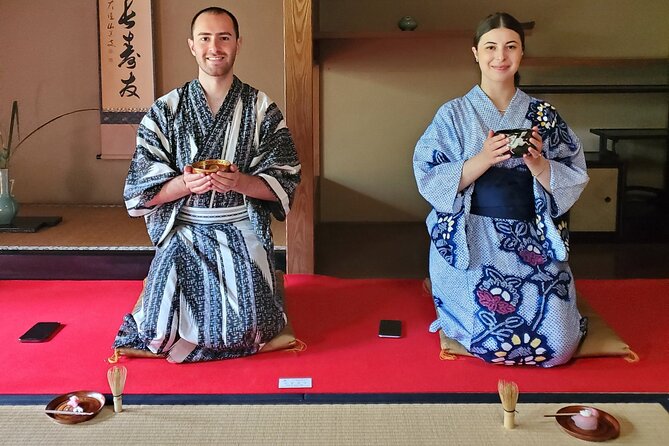
The teaching style is a major part of this activity. Yumiko has guided sessions with a friendly manner, clear English, and patience for many questions. Another session was led by a young male host whose calm presence matched the spirit of the ceremony, though his name was not recorded.
That detail matters because the ceremony can feel intimidating if the instructor treats it as a performance you must simply observe. Here, you are given an explanation first and then invited to participate.
You should still expect a cultural lesson rather than a long lecture. The experience lasts about one hour, so the history and customs are presented in a compact form. You get a useful introduction, not an academic course in tea practice.
The hosts also appear to handle practical problems with care. One party was able to change its time after running late, though you should not count on a last-minute change. The stated policy does not accept changes made less than 24 hours before the start.
Sitting on the floor is not required
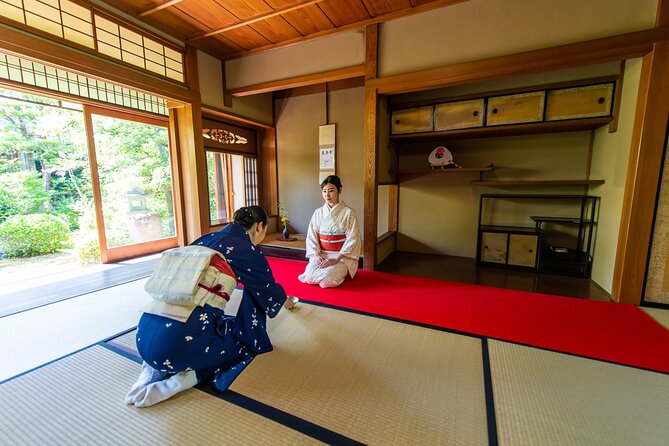
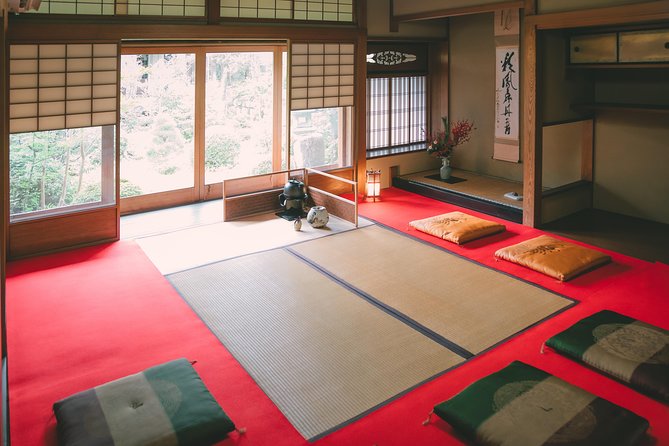
Traditional Japanese tearooms often bring up one practical concern: floor seating. Camellia Garden Teahouse has chairs available for people who prefer not to sit on the floor.
That makes the activity easier for anyone with knee, hip, or mobility concerns. You still take part in the same ceremony and hands-on preparation, but you do not have to force yourself into an uncomfortable position for the sake of appearances.
The available information also says service animals are allowed and that the house is near public transportation. It does not provide detailed step-free access information, so contact the provider directly if you need specific accessibility arrangements.
A mobile ticket is available, and confirmation is provided at booking. The meeting point is Tea Ceremony Camellia GARDEN at 18 Ryōanji Ikenoshitachō, Ukyo Ward, Kyoto, postal code 616-8003. The activity ends at the same location.
Kimono plans need special attention
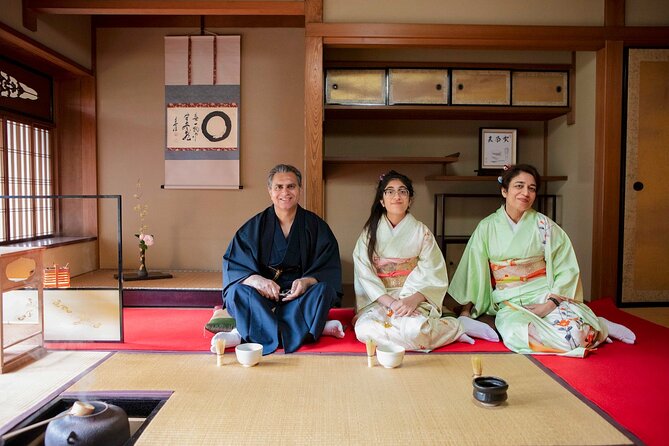
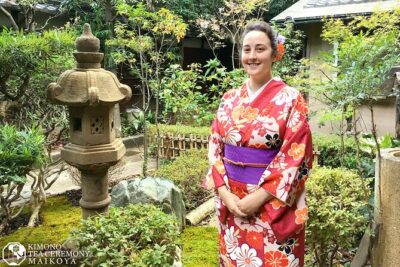
The property has a dedicated kimono dresser, and the booking information asks you to indicate an interest in dressing in kimono during checkout. At the same time, the inclusion details say kimono rental is not available at this location.
Treat that as a point to clarify before you pay. Do not assume a rental is included in the $118.60 price, and do not build your schedule around changing into a kimono here unless the provider confirms the arrangement.
The ceremony itself does not depend on wearing traditional clothing. You can enjoy the gardens, sweets, demonstration, and matcha-making without it.
How to fit it into a Kyoto day
The activity lasts about one hour, and it ends where it begins. Since the tea house is across from Ryoan-ji, it fits naturally into a day focused on western Kyoto sights.
The location is the main scheduling advantage. You can visit Ryoan-ji before or after the ceremony, then use the tea house as a quiet break from temple grounds and city streets.
Allow enough time to find the exact meeting point. The address is specific, but Kyoto’s temple district can still take a little attention to navigate. Near public transportation is useful, though no particular station or route is supplied, so check your route before leaving.
The ceremony requires good weather. If poor weather causes cancellation, you are offered another date or a full refund. You can cancel for a full refund up to 24 hours before the start time, but cancellations or changes inside that window are not accepted.
Who will enjoy this most
I would choose this for you if you want a calm cultural activity with real participation. It suits first-time visitors to Japan who want context around matcha, as well as people who already plan to visit Ryoan-ji.
It is also a strong choice for couples and small family groups. The private booking keeps the experience personal, and the chance to make tea gives everyone something to do.
You may want to skip it if you are looking for a fast tasting, a large social class, or the cheapest possible tea experience. One hour is enough for an introduction, but not enough for a full study of tea ceremony.
The activity also works best if you appreciate quiet moments. The ceremony is not a show packed with constant narration. Its value comes from watching small movements, tasting the sweet and bitter pairing, and taking part at a slower pace.
Is Camellia Garden Teahouse worth booking?
Yes, if you value privacy, a traditional setting, and a hands-on lesson. The combination of the old house, two gardens, seasonal sweets, formal preparation, and your own bowl of matcha gives the hour real substance.
The price is the key decision. At $118.60 per person, it is not a casual add-on. But for a private ceremony near Ryoan-ji, with an English-speaking instructor and equipment provided, it can make sense as a planned cultural highlight.
Book it when you want a quiet Kyoto memory shared only with your own party. Choose another option if you mainly want to sample matcha cheaply or if you prefer a longer, more detailed tea course.
FAQ
Where does the tea ceremony take place?
It takes place at Tea Ceremony Camellia GARDEN, 18 Ryōanji Ikenoshitachō, Ukyo Ward, Kyoto, 616-8003, Japan.
How long does the experience last?
The tea ceremony lasts approximately one hour.
Is the ceremony private?
Yes. Only your own party participates in this activity.
Is matcha-making included?
Yes. Tea bowls, tea scoops, and tea whisks are provided so you can make your own bowl of matcha.
Are sweets included?
Yes. Seasonal sweets from one of Kyoto’s renowned confectioners are served during the introductory portion.
Do I have to sit on the floor?
No. Chairs are available for people who prefer not to sit on the floor.
Is kimono rental included?
No. Kimono rental is listed as not available at this location. The property has a dedicated kimono dresser, so clarify any clothing arrangements before booking.
Is the activity near public transportation?
Yes. The meeting point is described as being near public transportation.
Can I cancel for a full refund?
Yes, if you cancel at least 24 hours before the experience start time. Cancellations made less than 24 hours in advance are not refunded.
What happens if poor weather cancels the activity?
You will be offered a different date or a full refund if the experience is canceled because of poor weather.
Just added around Kyoto
- Private Guided Traditional Buddhist Cooking in Japan★ 5.0 · 16 reviews
- Kyoto: Gion Geisha District & Sake-in-Hand Walking Tour★ 5.0 · 37 reviews
- Your Private Vacation Photography Session In Kyoto★ 5.0 · 110 reviews
- Kyoto: Zen Meditation at a Private Temple with a Monk★ 5.0 · 25 reviews
- Traditional Japanese Washi Papermaking- Kyoto morning★ 5.0 · 77 reviews
- Kyoto Wagashi(Japanese sweets) Cooking Class near Fushimiinari★ 5.0 · 60 reviews
- Private Pewter Sake Cup Experience with a Kyoto Artisan★ 5.0 · 31 reviews
- Kyoto Private 6 hour Tour: English Speaking Driver Only, No Guide★ 5.0 · 88 reviews
Tea Ceremony Experiences, compared.

Tea Ceremony in a Traditional Tea House in Kiyomizu
Read our review →


World Heritage Kyoto & Nara Uji Authentic Matcha Experience
Read our review →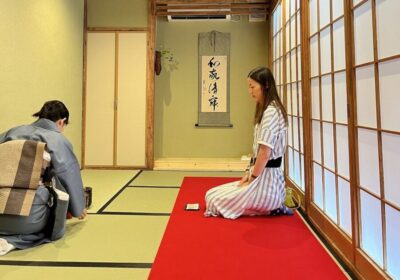
Browse the lists this tour appears in